Why custom stickers for party favors punch above their weight
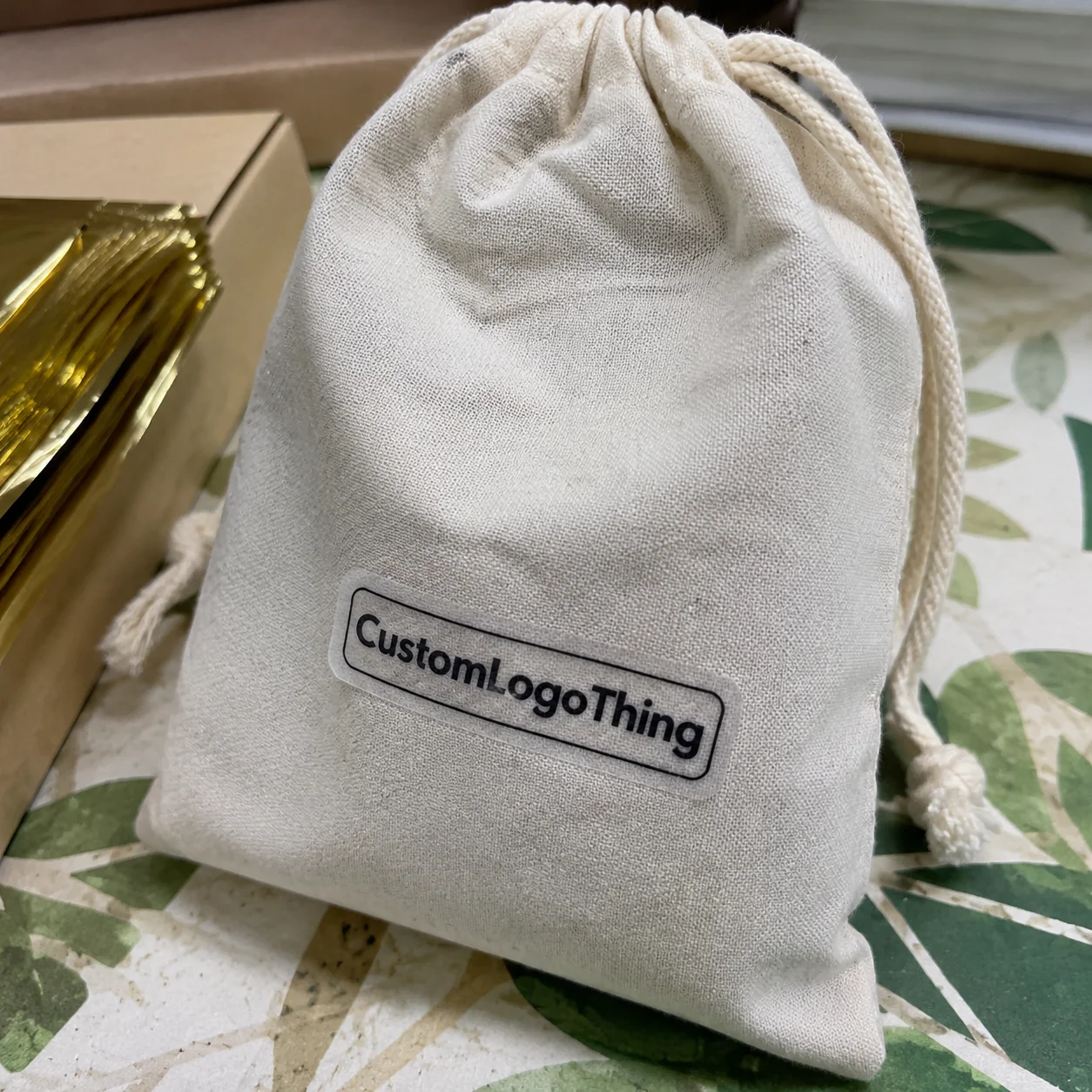
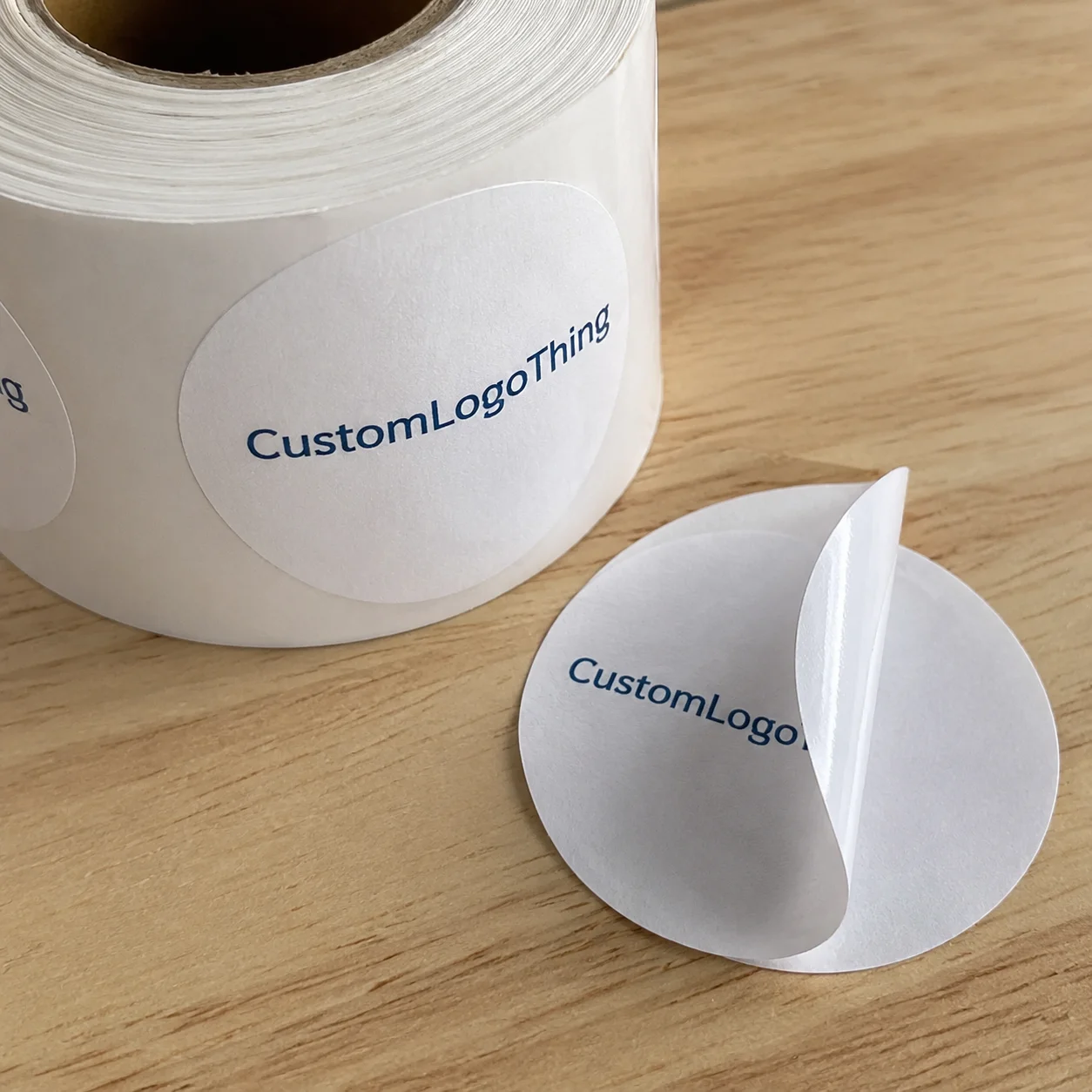
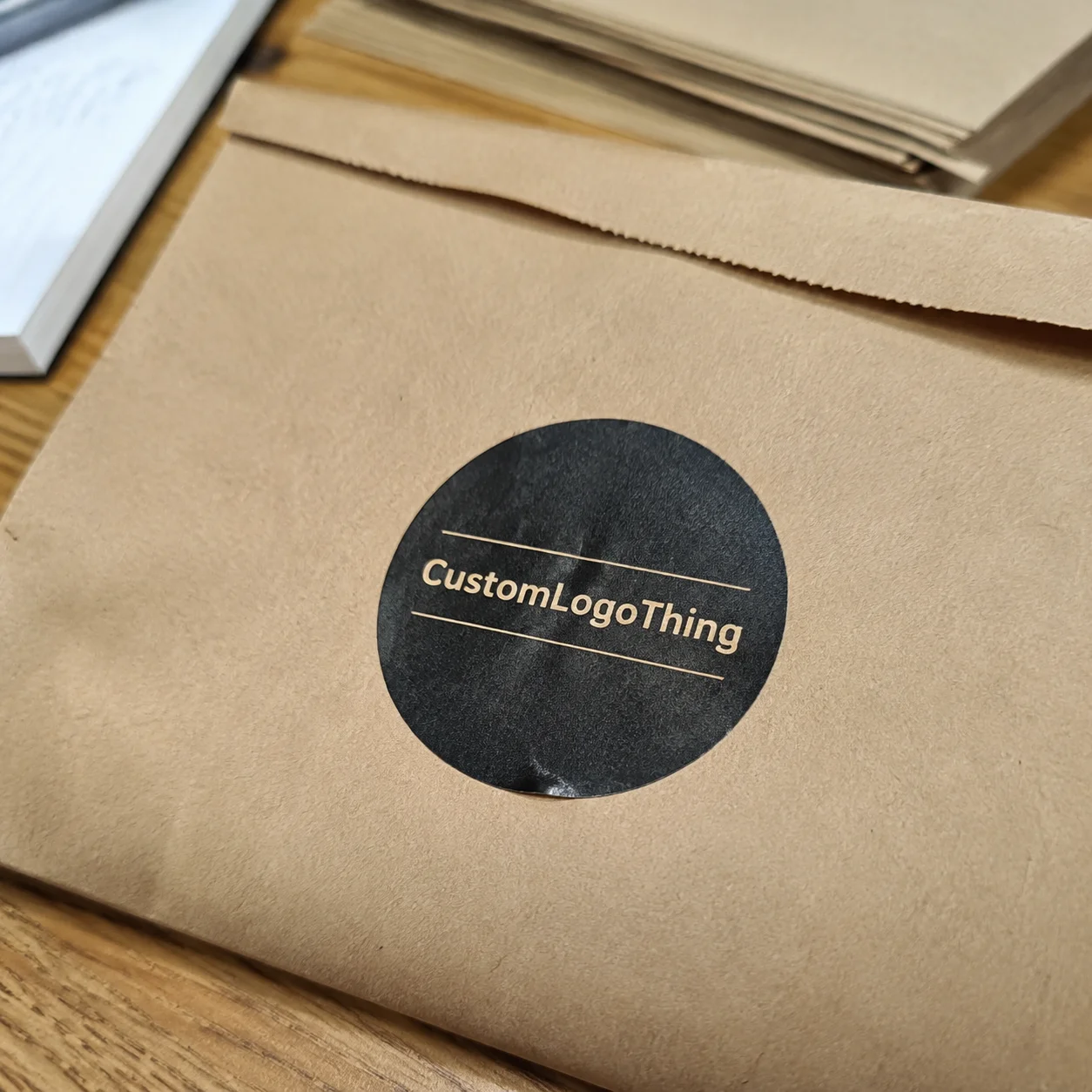
Custom stickers for party favors do a disproportionate amount of visual work for a very small item. A plain bag, box, jar, or envelope can look finished with one well-made label, and that is often the difference between packaging that feels assembled and packaging that feels designed. The material cost is usually modest, but the presentation gain is easy to see the moment the favors hit the table.
These labels show up across weddings, birthdays, baby showers, graduations, school events, and corporate gatherings. They are especially useful when the favors vary. One guest gets a candle, another gets a treat box, and someone else gets a small bag of sweets, yet the same sticker can unify all of them. That kind of consistency matters because it makes the event look planned, even when the favor mix is practical rather than perfectly matched.
Party Favor Stickers can carry a name, date, monogram, logo, flavor note, thank-you line, or simple icon. They can also do quieter work, like tying together the color palette from invitations, menus, and table decor. For small events, that reuse is part of the value. One art file can support multiple package formats without forcing you to redesign every container from scratch.
The key constraint is surface compatibility. A label that behaves well on flat cardstock may not hold the same way on curved glass or a coated plastic surface. Condensation, dust, texture, and handling all affect performance. A favor that stays in a dry gift bag has different needs from one that sits on ice or gets passed around before it is opened. The right sticker is less about trend and more about matching the environment.
That practical fit is why custom stickers for party favors remain one of the easiest packaging upgrades to get right. They are small, but they carry the event’s identity in a way guests notice immediately.
How the ordering process works and what to prep
The ordering sequence is usually simple: choose a size and shape, select a material, upload artwork, review a proof, approve, then print and ship. In practice, the slow part is rarely production. It is usually the artwork review, especially when the file needs resizing, reformatting, or cleanup before it can be cut accurately.
For a smooth order, have the essentials ready before you start: the event name, date, logo or monogram, color palette, and final wording. If the sticker has to be readable at 1.5 inches, it needs to be designed for that size rather than reduced later as an afterthought. Fine lines, thin script, and dense copy tend to break down when they are scaled small, so a cleaner layout usually prints better than an elaborate one.
Proofing is where most preventable problems get caught. The proof should confirm the finished dimensions, the cut line, the bleed area, and the spacing around text or graphics. Custom shapes and edge-to-edge artwork deserve extra attention because the cut path changes how the design reads on the package. A label can look balanced in a file and still feel cramped once it is trimmed to size.
If the event depends on exact color matching, a sample is worth asking for. Screen color is not a reliable guide for print, and that difference becomes obvious with soft neutrals, deep black backgrounds, metallic accents, or pale pastels. Samples or swatches matter most when the stickers need to coordinate with boxes, inserts, or coordinated packaging pieces that have already been approved.
If you are building a broader packaging set, it helps to keep the sticker art aligned with Custom Packaging Products or Custom Labels & Tags so the visual system stays consistent from the favor itself to the outer wrap.
Sticker materials, finishes, and durability factors
Material choice should follow the favor, not the other way around. Paper is usually the most economical option and works well for dry, indoor uses such as favor bags, boxes, envelope seals, and wrapped treats. Vinyl is the better fit for jars, bottles, and reusable containers because it handles handling and moisture more reliably. Weatherproof stock is the safer pick when condensation, outdoor service, or chilled items are part of the setup.
Finish changes the feel more than many buyers expect. Matte tends to read softer and more restrained, which works well for weddings and understated themes. Gloss gives sharper contrast and a brighter surface, so it suits playful or colorful designs. Clear allows the container to show through, which can be useful when the favor itself is part of the presentation. Soft-touch creates a muted, premium feel, though it is not the best use of budget for every event.
Adhesive matters as much as the face stock. Smooth glass, coated paperboard, textured kraft, and plastic all behave differently under pressure. A strong adhesive on a clean plastic surface usually performs well. The same label may struggle on dusty paperboard or on a surface that carries oil, powder, or condensation. If the favors will be assembled ahead of time, test one or two samples on the exact material instead of assuming the label will behave the same way everywhere.
There are a few durability details worth checking before production:
- Moisture resistance: important for chilled drinks, summer events, and anything near ice.
- Oil resistance: useful for candles, bath items, and favors handled with lotion or fragrance.
- Temperature tolerance: relevant for cold storage, outdoor service, or hot car transport.
- Scuff resistance: matters when labels are stacked, bagged, or moved before the event.
Those checks are standard packaging thinking, and for good reason: the label has to survive real handling, not just look good in a proof. If you want a practical reference point for handling and distribution conditions, ISTA offers useful testing standards, and fsc.org is a solid source for responsible paper sourcing guidance when paper-based materials are part of the plan.
| Option | Best For | Typical Feel | Relative Cost |
|---|---|---|---|
| Paper | Dry indoor favors, bags, boxes, envelopes | Clean, simple, economical | Lowest |
| Vinyl | Jars, bottles, reusable items | Smoother, more durable | Mid |
| Weatherproof | Condensation, outdoor use, chilled items | Tough, dependable | Mid to higher |
| Soft-touch laminated | Premium event branding | Muted, tactile, high-end | Higher |
Cost and pricing factors for small event orders
Sticker pricing usually comes down to size, shape, material, finish, quantity, and turnaround speed. The surprising part for many buyers is how much the shape affects the quote. A standard round or square label is efficient to produce. A die-cut label that follows the outline of a script monogram, flower, or character silhouette takes more setup and usually more trim waste, which raises the unit price.
Short runs cost more per piece because setup gets spread across fewer labels. That is why 100 pieces can feel relatively expensive, while 500 or 1,000 often bring the unit cost down to a more manageable level. For small event orders, a practical range is often around $0.15 to $0.60 per sticker, with specialty materials, complex shapes, or premium finishes pushing higher. Exact pricing varies, but the pattern is consistent.
A few factors move the number quickly:
- Standard shapes: usually the most economical.
- Custom die-cuts: cost more because the cut path and setup are more involved.
- Special finishes: soft-touch, metallic, or heavy lamination increase the price.
- Rush shipping: can add more than expected, especially on small orders.
Order a buffer. That advice is unglamorous, but it saves headaches. A 10% to 15% overage helps cover misapplied labels, damaged pieces, last-minute guest count changes, and the odd favor that gets remade because the first attempt was crooked. If the assembly is happening by hand, extras are cheaper than a second print run.
Watch for hidden costs as well: multi-version artwork, specialty dies, revision requests after proof approval, and split shipments can all change the total. If you need different names, flavors, or table sets, ask whether each version carries a setup charge. A slightly simpler design often preserves the look while keeping the budget under control.
Turnaround, production steps, and event timing
Lead time depends on how custom the order is. A straightforward digital sticker run can move quickly, while a custom shape or specialty finish needs more buffer. For standard custom orders, a working window of 7 to 15 business days after proof approval is common, but that is not a guarantee. A busy production schedule, a revision round, or a shipping delay can push it out.
The production flow usually follows the same sequence: proof approval, print, finish, cut, quality check, pack, and ship. Quality control is not a decorative extra; it is where alignment, color, cut accuracy, and adhesive performance get checked before the labels leave the facility. That step matters because small defects are much more noticeable on favor packaging than on larger printed pieces. A tiny offset can make a whole run feel careless.
Timing should be built around the event calendar, not guessed at in the final week. If favors are being packed days before the event, the sticker deadline needs to land well ahead of that point. Time for proof changes, shipping, and reprints should already be in the plan. It is far easier to store labels for a week than to rush through a production window that has no margin left.
When the labels need to match boxes, invitations, menus, or thank-you inserts, lock the artwork early and keep all the files aligned. That is especially helpful for weddings and corporate events, where packaging details are often judged as a set. One mismatch may not ruin the event, but it does make the whole presentation feel less intentional.
Step-by-step plan for choosing the right sticker
Start with the favor itself. Measure the visible face of the package before designing anything. A sticker that looks generous in a digital mockup can become awkward on a narrow tube, a tiny bag, or a curved lid. The shape should match the surface: round labels for lids, rectangles for flat panels, and die-cuts only when the contour genuinely adds value.
Then decide what the sticker has to say. A name, date, logo, flavor note, or short thank-you message all create different design pressures. If the label is mostly decorative, keep the typography simple and let the artwork carry it. If the label must communicate information, readability wins. For custom stickers for party favors, short text and strong contrast usually perform better than crowded layouts.
After that, choose the material and finish based on handling, theme, and budget. Matte paper feels calm and tidy. Gloss adds brightness. Clear stock is useful when the package should show through. Soft-touch makes sense when the favor is part of a premium presentation. If the sticker will be touched, carried, chilled, or reused, durability should outrank small savings.
- Measure the favor and note the surface.
- Choose a shape that fits the face cleanly.
- Keep the wording short enough for actual viewing distance.
- Select a finish that matches handling and mood.
- Check the proof for spacing, cut lines, and color.
- Order extra pieces for spoilage and future use.
That last step is worth repeating in practical terms: event supplies are rarely used exactly once. Leftover labels can go onto thank-you bags, vendor gifts, dessert boxes, or later gatherings. A small overage is usually cheaper than paying for a second production run because the original count came up short.
Common mistakes that make favor stickers look cheap
The fastest way to make a sticker look underwhelming is to shrink it too far. If the text becomes hard to read once the label is applied to a curved jar or a small bag, the eye reads clutter instead of design. Good packaging respects scale. If guests have to squint, the piece has already lost part of its effect.
Finish mismatch is another common issue. A glossy label on an already shiny plastic container can feel busy, while a matte label on a very dark surface can look flat if the contrast is weak. The same artwork can read polished or dull depending on the substrate underneath it. That is why surface testing matters before a full run goes to print.
Adhesion problems are easy to spot and hard to ignore. Textured paper, dusty board, curved bottles, and cold jars all behave differently. If the sticker lifts at the corners or slides during application, the whole favor table looks less controlled. The label does not need to be perfect in theory; it needs to stay put in real conditions.
Overcrowding is another frequent mistake. A sticker can carry a name, date, message, and decorative element, but it does not have to. Too many fonts or too much copy make even good materials feel rushed. Clean spacing and one clear focal point usually beat a crowded label, especially at small sizes.
And yes, ordering exact quantity with no spare pieces is still a bad idea. Labels get wasted, boxes get damaged, and guest counts change. A small cushion prevents the kind of late-night math that never improves the design.
Expert tips before you place the order
Match the sticker shape to the favor shape whenever possible. Round labels belong on lids. Rectangles belong on flat panels. Die-cuts should earn their place by improving the presentation, not by adding complexity for its own sake. The best label usually looks like it belongs there from the start.
Use one strong visual element instead of trying to pack everything into a single face. A monogram, icon, or event mark is often enough, especially when the favor is small. If the sticker is part of a larger packaging set, carry the same visual language through the rest of the materials so the table does not feel pieced together from separate ideas.
Check samples or proofs carefully if color accuracy matters. Pale neutrals, metallic accents, and dark backgrounds can shift more than expected depending on the stock. If the labels need to match invitations, menus, or custom boxes, compare the proof against the rest of the event palette before releasing the order to print.
“The right sticker doesn’t shout. It finishes the favor.”
Before placing the order, run a final checklist: artwork ready, quantity confirmed, surface tested, timeline approved, and backup pieces ordered. If those boxes are checked, custom stickers for party favors are one of the simplest ways to make event packaging feel thoughtful without spending heavily on materials that do less. The strongest result is usually the one that feels practical first and decorative second.
FAQ
What size works best for custom stickers for party favors?
The best size depends on the visible face of the package, not the full container. Small bags usually need compact round or square labels, while jars and boxes often need larger formats for readability. Test the size on a mockup so the design does not disappear once it is applied.
Are custom stickers for party favors removable after the event?
That depends on the adhesive and the surface. Paper favors, glass, and plastic all release differently. If removability matters, ask for a lower-tack option or test a sample first. Permanent adhesion makes more sense for favors guests are likely to keep and reuse.
How much do custom stickers for party favors usually cost?
Pricing depends on quantity, size, finish, and whether the shape is standard or custom. Short runs cost more per piece because setup is spread across fewer labels. Rush production and specialty finishes usually raise the total.
How far in advance should I order favor stickers?
Order early enough to allow proofing, revisions, production, shipping, and a safety buffer. Simple orders may move quickly, but custom shapes and specialty materials need more lead time. Having the stickers in hand before packaging day avoids rushed assembly.
Can I use one sticker design across different party favors?
Yes, as long as the size and shape fit each surface. A design that looks right on a favor box may not work on a narrow bottle or curved jar. Keeping the layout simple makes it easier to reuse across multiple favor types.