Custom Stickers Orlando: What Local Buyers Should Know First
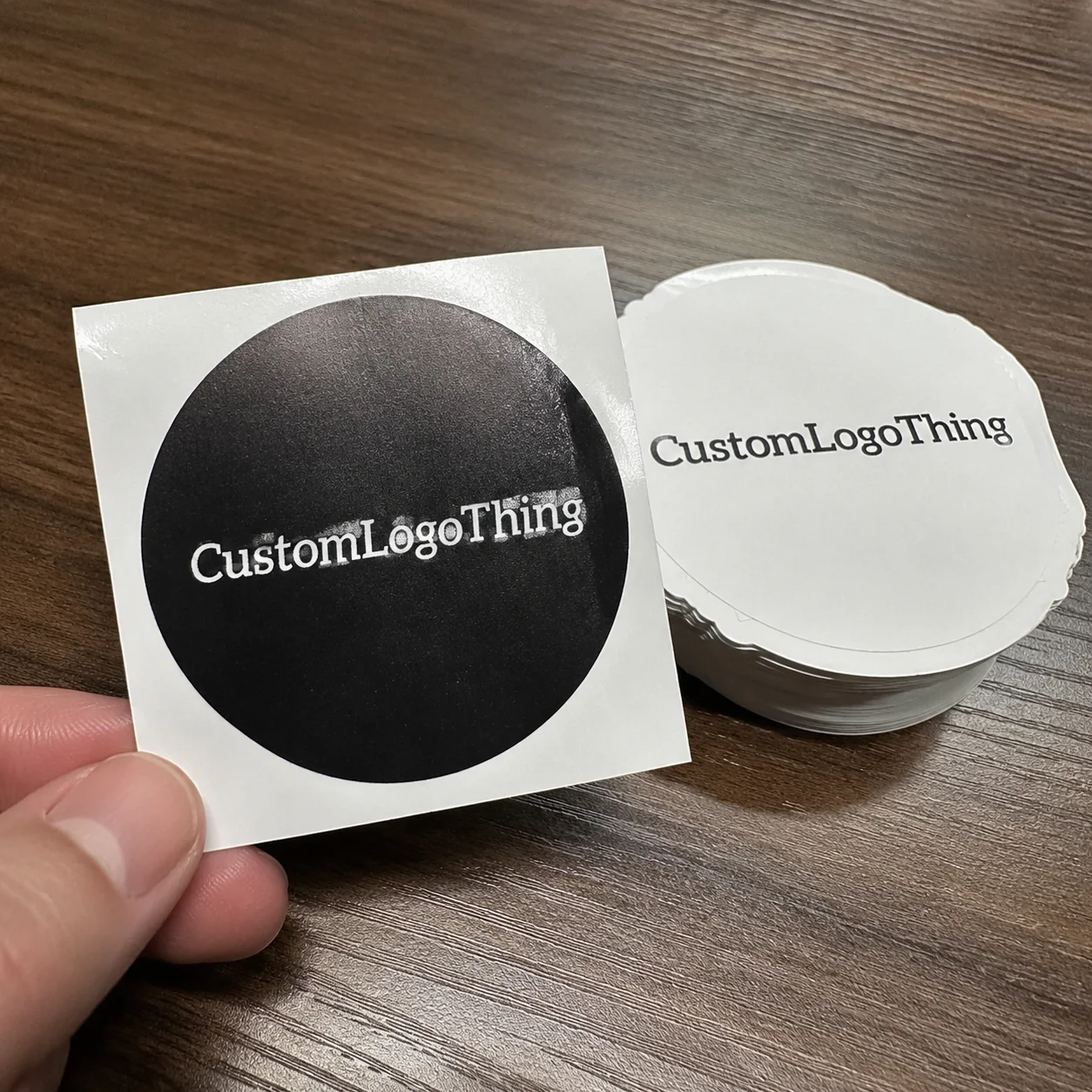
A sticker that costs pennies can decide whether a coffee cup, takeout bag, product box, school fundraiser handout, or event freebie gets remembered or tossed. That is the quiet power behind most Custom Stickers Orlando searches: buyers want something physical to feel branded fast, without turning a small print job into a production mess.
The buyer could be a coffee shop sealing pastry bags, a food brand labeling jars, an artist selling die-cut decals, a school ordering fundraiser packs, a contractor branding folders, or an event planner trying to make 2,000 convention handouts look less bland. Same problem. Different surface.
Custom stickers are printed adhesive graphics made in chosen shapes, sizes, finishes, and materials for packaging, promotions, signage, giveaways, labels, or resale. Simple definition. Less simple production. A good order depends on substrate, adhesive, ink, coating, cut style, liner, quantity, and deadline. Ignore those details and the sticker may still look fine in a proof. Then it curls, smears, peels, fades, or refuses to scan. Fun little surprise.
Stickers, decals, labels, and die-cut graphics overlap, but they are not always interchangeable. A product label needs consistent application, readable information, and a format that suits packaging. A decal usually implies longer-term use on glass, laptops, vehicles, equipment, water bottles, or outdoor surfaces. A promotional sticker may only need to last through an event. The right term matters less than the real use case: surface, environment, lifespan, and handling.
Orlando adds pressure. Heat matters. Humidity matters. Sun exposure matters. So do tourism traffic, pop-up markets, restaurant openings, school calendars, resort events, convention deadlines, and seasonal retail pushes. A basic paper sticker may be fine on an indoor mailer. Put that same sticker on a cooler, storefront window, or refrigerated bottle and expectations need to change.
Buyer rule: do not treat stickers as artwork only. Treat them as a small manufacturing decision with a surface, an environment, a lifespan, and a deadline.
How Sticker Materials, Adhesives, and Finishes Work
A sticker has layers. The face stock is the visible material. Ink creates the design. A coating or laminate may protect the surface. The adhesive holds it down. The liner carries it until application. Optional die cuts, kiss cuts, scoring, foil, or specialty effects add function and appearance. If one layer is wrong, the whole piece can underperform.
Paper is usually the economical choice for short-term indoor packaging, mailers, dry retail environments, and simple promotional use. It can print sharply, especially with matte or gloss coating, but it is not built for moisture, abrasion, or long outdoor exposure. Vinyl and other film stocks cost more, yet they handle frequent touching, curved surfaces, humidity, and exterior use far better.
Clear film is useful on glass, jars, bottles, and transparent packaging. Ask about white ink backing if the design needs opacity. Without white behind the print, colors can look weak on dark surfaces or disappear into the product behind the label. Clear does not automatically mean premium. Sometimes it just means unreadable.
Specialty stocks change perceived value. Textured paper can make candles, boutique foods, or artisan products feel more refined. Holographic film can turn a small run of artist decals into retail merchandise. Soft-touch lamination gives a velvety feel, though darker artwork may show fingerprints. Gloss catches light and boosts color. Matte looks calmer and often more upscale. UV coating adds surface protection. Lamination generally offers more durability than a basic coating, especially for outdoor or high-touch use.
Adhesive deserves more attention than it gets. Permanent adhesive suits product packaging, shipping boxes, branded packaging seals, and labels that should stay put. Removable adhesive is better for temporary promotions, short-term window graphics, and event signage where residue would cause complaints. Freezer-grade adhesive is designed for cold-chain products, refrigerated foods, and condensation-prone surfaces. Rougher materials, such as textured plastic or powder-coated metal, may need a more aggressive adhesive.
The local climate is not a footnote. Humidity can curl cheap paper. Sunlight can fade unprotected ink. Heat can stress low-grade adhesives on glass, vehicle surfaces, outdoor displays, and storage bins. For outdoor decals, ask about UV-resistant inks, vinyl or durable film, and laminate protection. Standards can help frame expectations too; for broader packaging performance, organizations such as ISTA publish test procedures that underline a basic truth: distribution and environment punish weak material choices.
- Indoor and short-term: paper, standard adhesive, matte or gloss coating.
- Outdoor or high-touch: vinyl or film, permanent adhesive, laminate protection.
- Cold or wet use: freezer-grade or moisture-resistant adhesive with film stock.
- Premium branding: textured stock, foil, soft-touch, spot gloss, or holographic film.
Before choosing, answer five questions: indoor or outdoor, short-term or long-term, flat or curved surface, premium or practical look, and hand-applied or machine-applied. That lens solves most material decisions faster than staring at finish swatches for an hour.
Sticker Pricing: What Drives Cost, Quote Accuracy, and Unit Cost
Sticker pricing is less mysterious than it looks. The main variables are size, material, quantity, number of designs, shape, finish, adhesive, and turnaround speed. A 2-inch paper circle on sheets is a different job than a 4-inch laminated vinyl contour-cut decal packed individually, even if both arrive in someone’s inbox as “just stickers.”
Unit cost drops as quantity rises because setup, file prep, material waste, press time, color calibration, cutting, inspection, and packing get spread across more pieces. A small run can feel expensive per sticker because the printer still has to review files, proof the job, set up the layout, print, cut, and pack. That labor exists whether the order is 100 pieces or 10,000.
Format changes cost, too. Die-cut stickers are cut to the outer shape and work well for giveaways or resale. Kiss-cut stickers are cut through the sticker layer but left on a backing sheet, making delicate shapes easier to peel. Sheets can be efficient for mixed small designs. Rolls are better for fast hand application, label dispensers, or production lines. Individually cut decals take more handling time, which usually shows up in the quote.
A 3-inch circle and a 3-inch custom contour shape may not cost the same. The circle can often be cut efficiently with standard tooling or simple digital cutting paths. A detailed contour around a mascot, skyline, or script logo can slow cutting, create more waste, and require closer inspection. Corners matter. Thin points matter. Tiny cutouts matter.
| Sticker Type | Best Use | Typical Cost Driver | Buyer Watchout |
|---|---|---|---|
| Paper sheet stickers | Indoor packaging, mailers, short promotions | Low material cost; efficient sheet layout | Weak choice for moisture, refrigeration, or outdoor use |
| Vinyl die-cut decals | Giveaways, laptops, bottles, outdoor branding | Film stock, contour cutting, lamination | Detailed shapes can increase cutting time |
| Roll labels | Product packaging, jars, boxes, fast application | Roll direction, core size, quantity, adhesive | Machine-applied labels need exact unwind direction |
| Clear film stickers | Glass, windows, transparent containers | Clear stock, white ink, opacity control | Colors may disappear on dark surfaces without white backing |
| Foil or holographic stickers | Retail packaging, artist merch, premium inserts | Specialty material and finishing steps | Fine details may need design adjustments |
For rough budgeting, simple indoor paper stickers in a few thousand units may land in the low cents per piece. Laminated vinyl, specialty finishes, or small-batch contour cuts can climb into several dimes or more per unit. Size changes the math quickly. A 1.5-inch packaging seal is not priced like a 5-inch bumper-style decal.
Good quote requests include final size, quantity, intended surface, indoor or outdoor use, artwork file, finish preference, deadline, and delivery or pickup needs. Better quote requests also say whether the sticker will be hand-applied, machine-applied, refrigerated, mailed, handled heavily, or exposed to sunlight.
The cheapest quote can become expensive. If the adhesive fails, colors shift, coating scratches, or an order misses a trade show, the unit price was not the real cost. Compare quotes by specification, not just total. Ask whether proofing, cutting, setup, shipping, rush fees, and replacement policy are included. For buyers comparing stickers against boxes, sleeves, inserts, or tags, it can help to review broader Custom Packaging Products so the sticker fits the full package plan rather than floating as an afterthought.
Process and Timeline from Artwork to Finished Stickers
The standard production flow is straightforward: Request a Quote, confirm specs, submit artwork, receive a proof, approve or revise, print, finish, inspect, pack, and ship or deliver. The trap is assuming every step takes the same amount of time. It does not.
Proofing is where many sticker jobs are saved. A proof should confirm size, cut line, bleed, safe area, colors, spelling, barcode readability, QR code scannability, and overall layout. If the sticker includes legal text, ingredients, a phone number, a social handle, or a discount code, inspect it at actual size. A label that looks readable at 400% on a monitor may be miserable on a 1.25-inch jar lid.
Artwork files affect both quality and speed. Vector files such as AI, EPS, or print-ready PDF are preferred for logos, clean edges, and custom cut paths. High-resolution PNG, TIFF, or PSD files may work for photos, illustrations, or textured designs if sized correctly for print. Screenshots are the enemy. They create fuzzy edges, jagged curves, inaccurate colors, and delays while someone asks for usable art.
Many printers want bleed of about 0.0625 to 0.125 inch, depending on equipment and cut style. Safe margins should keep key text and logos away from the trim edge. Fonts should be outlined or embedded. Images should be embedded, not missing from a linked folder. QR codes should be tested from a printed proof or at least at final physical size, because glossy coatings, low contrast, and tiny quiet zones can reduce scan reliability.
Typical timing depends on proof approval speed, material availability, order quantity, finish complexity, cutting method, and rush production. A simple reorder may move quickly. A first-time specialty job with foil, multiple designs, and contour cuts takes longer. The most common delays are low-resolution art, missing bleed, unclear dimensions, last-minute design changes, specialty materials, and proofs sitting unapproved in an inbox.
Orlando buyers often work around fixed dates: trade shows, restaurant openings, school fundraisers, pop-up markets, resort events, convention giveaways, tourist retail launches, and seasonal promotions. Printing is only one leg of the chain. Packing, internal approval, shipping, staff distribution, and application time also consume days. If 1,500 stickers need to be applied to product packaging before a Saturday market, receiving them Friday afternoon is not a plan. It is a stress test wearing a calendar invite.
Practical buffer: build in time for proofing and application, not just printing. A perfect decal that arrives after the event has zero promotional value.
Step-by-Step Guide to Ordering Stickers Without Rework
Rework usually starts before production. A buyer chooses a finish before defining the surface, sends artwork before confirming the size, or approves a proof without checking the QR code. A better order starts with boring questions. Boring questions save money.
- Define the job first. List where the sticker will go, who will see it, how long it must last, and what action it should support. Decoration, product identification, tamper evidence, promotion, compliance, and resale all require different thinking.
- Choose size and shape from the surface. A jar lid, laptop, mailer, storefront window, water bottle, candle, and corrugated box each creates different limits. Curved containers need flexibility. Small lids punish tiny text. Windows need visibility from a distance.
- Select material by environment. Indoor paper works for short runs, dry retail packaging, thank-you seals, and mailers. Vinyl or laminated film is safer for outdoor use, repeated handling, moisture, coolers, and bottles.
- Prepare clean artwork. Use correct dimensions, bleed, safe margins, outlined fonts, embedded images, and a clear cut path for custom shapes. For logos, vector art is usually the cleanest path.
- Review the proof like a buyer. Check spelling, phone numbers, QR codes, color contrast, logo placement, trimming, and readability at actual size. Zooming in helps, but a paper mockup at scale catches surprises.
- Approve final specs in writing. Confirm quantity, material, finish, adhesive, cut type, packaging format, delivery method, and deadline. Written specs reduce “I thought it was gloss” disputes.
- Save the approved file and specs. Reorders move faster when the previous size, material, finish, and cut path are documented. Consistency matters across campaigns and locations.
From a packaging buyer’s point of view, stickers rarely live alone. They sit on boxes, bags, jars, envelopes, menus, cartons, displays, and sample kits. If you are also planning hang tags, carton labels, or branded inserts, compare the sticker specs with Custom Labels & Tags early. It keeps product packaging consistent and helps avoid three different whites, three different gloss levels, and three slightly different logo colors in one campaign.
One more point people underestimate: hand application has a cost. If staff will apply 5,000 stickers to Custom Printed Boxes, the peelability, backing format, liner size, and roll direction matter. A kiss-cut sticker on an easy-peel liner can save hours compared with individually cut pieces that are hard to separate. That labor may not appear on the print quote, but it is real.
Common Sticker Ordering Mistakes That Waste Budget
The first mistake is choosing paper for humid, refrigerated, outdoor, or high-touch use. Paper has its place. It is not magic. On wet bottles, coolers, outdoor bins, or frequently handled packaging, low-cost paper can wrinkle, peel, stain, or lose ink faster than expected.
The second mistake is ordering too small because the design looked beautiful on screen. Screens lie by enlarging everything. Real-world readability depends on viewing distance, surface color, lighting, contrast, and how long the customer has to look. A QR code on a busy 1-inch sticker may technically exist and still fail in practice.
The third mistake is forgetting the application surface. Glass, cardboard, coated paperboard, textured plastics, powder-coated metal, candles, coolers, and curved packaging behave differently. Adhesive that performs on a smooth mailer may struggle on a textured retail fixture. If the surface is unusual, ask about testing.
The fourth mistake is sending low-resolution artwork or screenshots. This creates fuzzy edges, jagged logos, awkward cut lines, and proofing delays. For custom stickers orlando orders tied to events, one missing vector logo can burn a day or two that the schedule did not have.
The fifth mistake is approving proofs too quickly. Check QR codes. Check legal text. Check social handles. Check addresses. Check contrast between text and background. A proof is not a decoration; it is the last controlled checkpoint before manufacturing.
The sixth mistake is comparing vendors only by the lowest total price. Material grade, adhesive type, coating, setup fees, rush charges, shipping, color management, and replacement policies change the real value. If one quote specifies laminated vinyl and another says “sticker,” they are not equal.
The seventh mistake is ordering the exact needed quantity with no extras. Real applications have waste. Staff misalign stickers. Samples get pulled. Retail displays need backups. Event teams ask for more. For small runs, ordering 5% to 10% extra is often cheaper than placing a second rush order.
There is also a sustainability angle worth handling carefully. Stickers can complicate recycling when adhesives, films, and coatings do not match the base package. That does not mean never use them. It means buyers should think about the whole item. The EPA recycling guidance is a useful reminder that material choices affect what happens after the customer is done with the package.
What to Gather Before Requesting a Local Sticker Quote
Before requesting a quote, gather the details a printer actually needs. Final size. Intended surface. Indoor or outdoor use. Quantity. Finish. Shape. Application method. Deadline. Shipping or pickup preference. Artwork file type. If the sticker must match existing retail packaging or a previous campaign, include that reference too.
Testing is smart whenever heat, moisture, refrigeration, sunlight, heavy handling, or an unusual surface is involved. A small sample run can reveal curling, edge lift, scuffing, poor contrast, or adhesive failure before the full order is produced. Buyers often skip this because stickers feel low-risk. They are low-cost, not always low-risk.
Photos help. Send pictures of the application surface, especially for packaging, windows, vehicles, retail fixtures, textured materials, or curved containers. A photo of a bottle, box, cooler, or storefront glass gives the printer context that a one-line email cannot. If the design will sit near other elements, such as tamper bands, nutrition panels, handles, folds, or seams, show that too.
Group related designs into one conversation. Multiple artwork versions can affect setup, sheet layout, roll format, proofing time, and unit cost. Ten versions of a 2-inch label may be efficient on sheets. Ten separate die-cut shapes may not be. A supplier cannot quote accurately if they learn about the extra versions after pricing the first one.
Decide the sticker’s job before buying the finish. Is it decoration, compliance, product identification, promotion, tamper evidence, resale, or packaging enhancement? A decorative laptop decal needs different durability than a batch code label. A compliance label needs readability. A premium insert may need tactile value. A package branding seal needs reliable adhesion more than sparkle.
If you are building a larger packaging design system, align stickers with boxes, labels, tissue, bags, and inserts. Mixed finishes can work, but accidental mismatch looks cheap. A matte sticker on a gloss-laminated box may be intentional. Or it may look like two vendors never spoke. The difference is planning.
Before ordering custom stickers orlando businesses should confirm use case, material, proof approval timing, and the real delivery deadline so the finished decals arrive ready to apply, not merely ready to inspect.
Frequently Asked Questions
What are the best materials for custom stickers in Orlando’s heat and humidity?
Vinyl or durable film stocks are usually better than basic paper for outdoor use, refrigerated products, high-touch surfaces, and humid conditions. A protective laminate or UV coating can help reduce scratching, moisture damage, and sun-related fading. Paper stickers can still work well for indoor packaging, short-term promotions, mailers, and dry retail environments.
How much do custom stickers usually cost for a small Orlando business?
Cost depends on size, material, quantity, finish, shape, number of designs, proofing needs, and turnaround speed. Larger quantities typically lower the unit cost because setup and production time are spread across more stickers. For accurate quotes, provide the size, quantity, artwork, use case, surface type, finish preference, and deadline.
How long does it take to print custom decals or stickers locally?
Timeline depends on proof approval, order size, material availability, cut complexity, finish selection, and whether rush production is needed. The most common delays come from missing artwork specs, unclear dimensions, low-resolution files, or slow proof approvals. For events, product launches, or trade shows, build in extra time for proofing, packing, shipping, and application.
Should I order die-cut stickers, kiss-cut stickers, sheets, or rolls?
Die-cut stickers are individually shaped and work well for giveaways, resale, branding inserts, and premium handouts. Kiss-cut stickers are easier to peel and useful when the design has delicate edges or detailed contours. Sheets are practical for mixed designs or small batches, while rolls are better for fast application, packaging lines, or larger production runs.
What artwork files work best for custom sticker printing?
Vector files such as AI, EPS, or print-ready PDF are best for logos, clean edges, and custom cut paths. High-resolution PNG, TIFF, or PSD files may work for image-based designs if they are sized correctly for print. Artwork should include bleed, safe margins, outlined fonts, embedded images, and a clear cut line for custom shapes.


