Custom Stickers Printing Cheap Without Looking Cheap
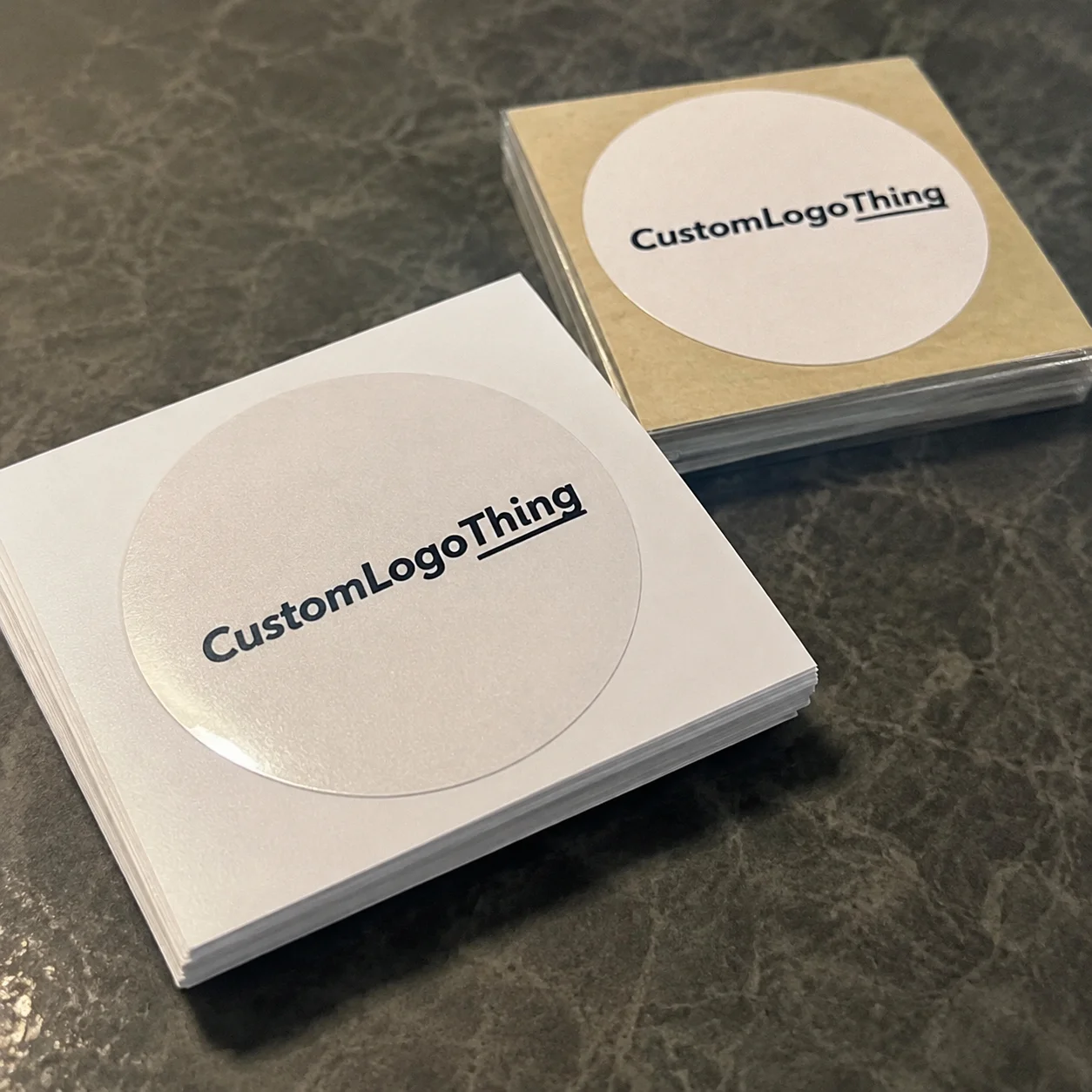
The cheapest sticker gets expensive fast if it peels before the customer gets home. If you are sealing mailer boxes, labeling jars, or handing out promo decals, Custom Stickers Printing cheap should mean controlled cost, clean print, and adhesive that fits the job. Not mystery stock and glue with commitment issues.
Cheap can be smart. Cheap can also be a paper circle curling off the corner of a box like it has somewhere better to be. Nice little way to pay twice.
The goal is simple: match material, adhesive, finish, print method, and quantity to the actual use. A thank-you insert does not need the same construction as a freezer label. A one-night event giveaway does not need premium PET film. A chilled beverage label does not belong on basic uncoated paper unless disappointment is part of the brand strategy.
Most budget sticker orders fall into practical categories: box seals, retail labels, event giveaways, QR promo stickers, short-run launch packaging, subscription box inserts, ecommerce package branding, and simple product identification. Each use has a different failure point. Box seals need tack. Bottle labels need moisture resistance. QR stickers need scan clarity. Giveaways need a backing that does not make people fight for their lives to peel the sticker off.
For tight budgets, the lowest-cost path is usually boring. Standard circles, rectangles, ovals, and squares cut cleaner and waste less material than complicated outlines. Reducing a 3-inch sticker to 2.75 inches can improve sheet layout or roll yield. Roll or sheet formats usually cost less than individually packed singles. Ordering 1,000 pieces instead of 150 often drops the unit cost enough to matter.
The smart move is not always “buy the cheapest.” It is knowing where cheap is safe. Spend less on dry indoor stickers. Spend properly on moisture, cold, abrasion, curved surfaces, and retail labels that customers will actually judge. They will judge. Quietly, but thoroughly.
Sticker Materials, Finishes, and Adhesives That Control Quality
Material choice controls how a sticker looks, feels, applies, and survives. Paper stickers are usually the lowest-cost option for indoor, dry, short-term use. They work well for box seals, insert stickers, bakery labels, event handouts, and packaging that will not face moisture, abrasion, refrigeration, or heavy handling.
Paper is not one thing. Coated paper prints brighter and cleaner than uncoated stock. Uncoated paper has a softer, natural feel but absorbs ink differently. Kraft paper works for earthy product packaging, but it will not produce bright white unless white ink is added. That extra ink layer changes cost and sometimes lead time.
Vinyl costs more than paper, but it earns the price when the sticker needs to handle moisture, outdoor exposure, repeated handling, or a longer shelf life. Gloss vinyl is common for promo decals, laptop stickers, and branded giveaways. Matte vinyl looks calmer and cleaner for premium packaging, especially where glare makes small type harder to read.
BOPP is a common pick for jars, bottles, cosmetics, food packaging, and personal care products because it resists moisture and oils better than basic paper. Clear BOPP gives a “printed on the container” look on glass and plastic. The catch: white ink may be needed behind colors or text. Without it, colors can look weak or disappear against the product inside the container. Transparent labels are lovely until the ingredient panel becomes a ghost.
PET is stiffer and more durable than many basic films. It is often used for higher-performance labels, tamper seals, electronics, industrial products, and applications where heat, abrasion, or handling are more demanding. It is not usually the cheapest option, but it can be cheaper than replacing labels that fail in the field.
Finish changes both appearance and price. Matte and gloss coatings are the usual budget-friendly choices. Gloss gives color more pop and adds basic surface protection. Matte reduces glare and feels more refined, though it can show scuffs depending on the film and use. Soft-touch lamination feels premium but adds cost and may mark more easily. UV coating adds shine and protection. Foil, embossing, spot UV, holographic film, and specialty laminates create stronger shelf impact, but they also add setup and slow production. Luxury waste is still waste, just shinier.
Adhesive deserves more attention than it gets. Ask four questions before choosing it: what surface will the sticker touch, what temperature will it face, how long should it stay put, and does removal matter?
Permanent adhesive is right for most product labels and box seals. Removable adhesive works for temporary promos, reusable containers, event labels, and surfaces that should not be damaged. Freezer-grade adhesive should be specified for cold storage, condensation, frozen goods, and refrigerated products. Standard adhesive can fail when applied cold or exposed to moisture before it bonds properly. Glue has limits. Rude, but true.
| Sticker Type | Best Use | Typical Cost Level | Buyer Notes |
|---|---|---|---|
| Matte paper | Box seals, inserts, dry indoor labels | Lowest | Good for short-term use; not waterproof. |
| Gloss vinyl | Promo decals, giveaways, outdoor stickers | Medium | More durable and moisture resistant than paper. |
| Clear BOPP | Jars, bottles, cosmetics | Medium to high | White ink may be needed for readable color. |
| Kraft paper | Natural product packaging | Low to medium | Warm, earthy look; limited moisture resistance. |
| Foil or holographic film | Premium launches, retail promotions | Higher | Strong shelf impact, but setup costs climb quickly. |
Format matters too. Sheet stickers are easy for small batches, inserts, and mixed designs. Roll labels are better for production-line application, hand labeling at volume, and product packaging. Kiss-cut stickers leave the shape on a backing sheet. Die-cut singles follow the sticker outline. Transfer stickers are used for cut vinyl lettering or simple graphics.
Not print-shop alphabet soup. Just different ways to make application less annoying.
Specs to Confirm Before You Ask for a Sticker Quote
A useful sticker quote starts with real specs. Send width, height, shape, quantity, material, finish, adhesive type, packaging format, print colors, and delivery location. If there is a deadline, say it early. If the stickers are going on glass jars, textured mailers, cold cans, oily tubes, corrugated boxes, curved bottles, or coated pouches, say that too.
Size changes pricing more than many buyers expect. A quarter inch can affect sheet layout, roll yield, cut spacing, and waste. A 2-inch circle may fit efficiently across a roll width, while a 2.25-inch circle may push the layout into more material waste. That tiny change can show up in the quote. Annoying? Yes. Real? Also yes.
Shape affects cost for the same reason. Circles, rectangles, ovals, and standard squares are usually cheaper than complex custom die-cut outlines. A jagged sunburst, mascot silhouette, or tiny contour around script lettering may look fun on screen and miserable on the production floor. Complex cuts slow finishing, increase waste, and create fragile edges that lift faster.
Artwork is the next common cost trap. Vector files are preferred for logos, icons, and line art: AI, EPS, or editable PDF. Raster images should be 300 DPI at final print size. CMYK color mode gives more realistic print expectations than RGB. Add bleed, keep text and logos inside safe margins, outline fonts, and test every QR code or barcode before approval.
Bleed is not decoration. It gives the cutter a margin so tiny shifts do not leave white slivers at the edge. Safe margin keeps text, borders, and critical graphics away from the cut line. If the design has a thin border, ask yourself whether a slight cutting tolerance will make it look crooked. Because it might.
For barcode and QR work, do not shrink the code until it looks cute. Cute does not scan. Retail labels, ingredient panels, warning icons, batch codes, tamper seals, and compliance details need enough readable space. Food, cosmetics, supplements, and regulated goods require extra care. Check the rules for your product category and market before sending artwork. “We’ll squeeze it in” is not a compliance strategy.
If FSC paper claims matter to your packaging design or retail program, review requirements from the Forest Stewardship Council before printing. Certification claims need proper sourcing and usage, not just a tree icon placed near the logo because it looked responsible.
Color choices also change pricing and expectations. Full-color digital printing is efficient for small batches, short runs, and multiple designs. Spot color, tight brand matching, metallic ink, foil, or layered specialty effects usually need more setup. If your brand color must land close to a Pantone target, say so before quoting. “Make it match my website” is not a print specification. It is a prayer with a hex code.
Practical rule: if the surface is unusual, send a photo and describe temperature, moisture, handling, and storage. Guessing adhesive behavior from a laptop is a classic way to create trash.
Sticker Pricing, MOQ, and Unit Cost Tradeoffs
Sticker pricing depends on size, material, quantity, finish, shape complexity, adhesive, roll versus sheet format, and packing requirements. Custom Stickers Printing Cheap is easiest when the design uses a standard size, sensible material, simple finish, and a quantity tier that spreads setup cost across enough pieces.
Directional ranges help with planning. Small paper labels can sometimes land around $0.04 to $0.12 each at mid-volume quantities, depending on size, print coverage, and finish. Basic vinyl or BOPP stickers often fall closer to $0.10 to $0.35 each for common sizes. Clear film, waterproof laminates, foil, holographic material, specialty adhesives, and small-batch custom shapes can move higher fast.
Those are not universal prices. Material markets shift. Freight changes. Ink coverage matters. Finishing matters. A tiny matte paper circle and a clear BOPP label with white ink are not cousins. They barely know each other.
MOQ changes by format and production method. Simple digital sticker runs can start lower, often practical from 100 to 250 pieces for basic specs. Roll labels, specialty dies, foil stamping, embossing, custom backing cards, unusual materials, or machine-applied labels often need higher minimums to make setup costs sane. For many buyers, 1,000 to 5,000 pieces is where unit pricing starts looking much better than tiny batches.
One hundred stickers can feel expensive per piece because proofing, setup, file handling, printing, cutting, inspection, and packing are spread across very few units. A 500-piece order may not cost five times as much as 100 pieces. A 2,500-piece order may create a stronger price break if the layout and material yield cooperate.
Ask for two or three quantity breaks instead of one lonely quote. Price 500, 1,000, and 2,500 pieces if those numbers match your real usage. Sometimes the best value is the next tier up. Sometimes it is not. Numbers beat guessing. Every time.
- Lowest-cost path: standard shape, paper or basic film, no foil, sheet or roll format, and simple packing.
- Mid-cost path: vinyl or BOPP, matte or gloss finish, roll labels, and full-color digital printing.
- Higher-cost path: clear film with white ink, foil, embossing, holographic stock, custom die-cutting, or specialty adhesive.
- Hidden cost path: individual backing cards, multiple SKUs, rush production, tight color matching, or tiny intricate cuts.
Cheap becomes false economy when the sticker faces outdoor exposure, cold storage, oily containers, textured boxes, curved bottles, or repeated handling. A paper sticker might be fine for a thank-you insert. It is a bad pick for a chilled beverage bottle with condensation. Funny how water does not respect budget meetings.
For broader packaging programs, tie sticker decisions to the actual line. If you are ordering Custom Packaging Products or custom printed boxes, the sticker may only need to seal tissue or add a campaign message. If the sticker is the primary retail label, it needs stronger construction, cleaner proofing, and more careful material selection. Different job. Different spend.
Artwork Proofing, Production Steps, and Turnaround
The usual production path is straightforward: submit specs and artwork, confirm material, receive a quote, approve the digital proof, print, finish, cut, inspect, pack, and ship. The real clock starts after proof approval, not when someone sends a blurry PNG and says, “Can you just use this?” Production is not magic. Sorry.
Simple digital printing jobs on standard paper or vinyl can move quickly once files are clean and the proof is approved. Many basic sticker orders can be produced in roughly 5 to 10 business days after approval, depending on quantity, queue, and finishing. Custom dies, foil, lamination, special materials, custom rolls, or physical samples can add several business days or more. Freight time is separate. Always separate production time from shipping time.
Proof checks should be boring and strict. Confirm spelling, size, cut line, bleed, safe margins, color expectations, QR scan, barcode readability, finish, adhesive, quantity, roll direction, and ship-to address. If a sticker is 2 inches wide on the proof, do not approve it and later decide it should be 2.5 inches. That is a new quote, new layout, and possibly a new cutting setup.
Roll direction matters for labels applied by machine or by a team working fast. Top-first, bottom-first, left-first, and right-first orientation can affect how the label feeds and applies. If labels are going on a production line, confirm unwind direction before approval. If they are applied by hand, roll direction still affects speed, just with fewer dramatic consequences.
Digital proofs are fast and enough for many low-risk orders. Physical pre-production samples make sense for higher-risk retail packaging, premium product packaging, specialty adhesives, clear labels with white ink, unusual containers, or any order where color and fit are critical. Samples add time and cost, but they can prevent a larger, uglier bill later.
Rush options exist, but only within reason. Simple shapes, standard materials, and clean files are the best candidates. Complex die-cut shapes, foil work, special laminates, custom tooling, or rare materials are not friendly to rush schedules. The print floor does not become faster because a launch meeting ran long.
Common delays are painfully predictable: missing vector files, low-resolution artwork, unclear delivery addresses, unapproved proofs, changing quantity after quote, adding a second design late, or committee design decisions from hell. If speed matters, assign one approver and give that person authority to approve. Democracy is lovely. Production deadlines prefer dictatorship.
For performance expectations, packaging buyers can review testing frameworks from groups like the International Safe Transit Association. Stickers are only one part of branded packaging, but transit, abrasion, moisture, temperature, and handling all affect how packaging looks when it reaches the customer.
Quality Control for Budget Sticker Orders
Budget sticker orders still need production discipline. Low price is not an excuse for muddy print, bad cutting, weak adhesive, or labels packed so poorly the edges arrive damaged. If a cheaper spec works, use it. If it will peel, smear, buckle, or make the brand look careless, fix the spec before production.
Quality control starts before printing. Artwork should be reviewed for resolution, bleed, safe margins, cut paths, font issues, image compression, QR readability, barcode contrast, and obvious production risks. Proofs should show size, shape, layout, and finishing direction clearly enough for the buyer to catch problems before money turns into inventory.
Material checks matter because the same design can behave differently across paper, vinyl, BOPP, PET, and kraft. Coated films produce cleaner fine detail than rougher stocks. Clear films may need white ink. Kraft stock shifts color warmer. Matte finishes reduce glare but can mute contrast. None of this is mysterious. It just needs to be considered before printing thousands of pieces.
Cut alignment matters more than people think. A label that is slightly off-center looks cheap fast, especially on a clean logo, border design, or circle label. Inspection should catch major shifts, finish defects, obvious print banding, adhesive issues, incorrect counts, and packing damage before shipment. No process is perfect, but disciplined proofing and inspection reduce ugly surprises.
Adhesive checks are especially useful when the surface is tricky. Textured mailers, frosted glass, oily plastic, cold containers, flexible tubes, and rough corrugated boxes all behave differently. A label that sticks beautifully to a sample sheet may struggle on a dusty warehouse box or a curved bottle with condensation. Surface energy is not glamorous, but it decides whether the sticker stays put.
Clear quoting also saves money. Buyers should see quantity breaks, material options, finish options, and realistic lead times. If 500 pieces are only slightly cheaper than 1,000 pieces, the quote should make that obvious. If foil adds setup pressure on a small run, no one benefits from pretending otherwise.
Custom Logo Things supports sticker orders used with Custom Labels & Tags, promotional inserts, subscription boxes, product packaging, and custom printed boxes. The sticker should make the package feel intentional, not patched together five minutes before shipping.
How to Order the Right Cheap Custom Stickers
Start with the application. What surface will the sticker touch? Measure the area, choose a target size, and decide whether the sticker will be used indoors, outdoors, refrigerated, handled repeatedly, applied to a curve, or exposed to moisture. Then choose a realistic quantity. If you only need 100 for a test, fine. If you are packing 1,200 orders next month, do not quote 100 and act shocked by the unit price.
For a clean quote, send size, shape, quantity, material preference, finish, adhesive needs, roll or sheet format, delivery deadline, destination, and artwork files. If you do not know the best material, describe the use. Good suppliers can recommend options, but they cannot read your warehouse conditions from a logo file.
Ask for price breaks at 500, 1,000, and 2,500 pieces if those quantities fit your order. Sometimes the jump from 500 to 1,000 creates a useful drop. Sometimes material yield makes 2,500 the smarter buy. Sometimes the storage space is not worth it. Be honest about how quickly you will use the inventory. Old campaign stickers are not “savings.” They are drawer clutter with adhesive.
Flag special conditions early: refrigeration, moisture, sunlight, curved bottles, textured mailers, oily products, removable use, machine application, tamper sealing, barcode scanning, or exact brand color matching. These details affect material, adhesive, finish, layout, and timeline. They also determine whether custom stickers printing cheap will work with paper, basic film, or a more durable construction.
If the budget is tight, simplify the spec before sacrificing performance. Use a standard shape. Keep the sticker slightly smaller if it improves yield. Skip foil unless it helps the sale. Avoid individual packing unless needed for distribution. Limit the number of versions if combining designs raises sorting or setup cost. Match the material to the job instead of chasing the lowest line item.
Before approval, check proof size, cut line, spelling, bleed, QR codes, barcode scans, finish, quantity, roll direction, and shipping details. One careful proof review can save days. Two minutes of attention is cheaper than reprinting 5,000 labels because the URL was wrong. Ask anyone who has lived that nightmare. They are still twitching.
The best Cheap Custom Stickers do not look cheap because they are not built randomly. They use the least expensive construction that can still survive the package, product, or promo surface in front of them. That is the whole trick. Not glamorous. Very useful.
Custom Sticker FAQs
What is the cheapest way to order custom sticker printing?
Use a standard shape, smaller size, paper or basic film material, simple finish, and a higher quantity tier. Avoid foil, individual packaging, complex die-cuts, and rush production unless they directly support the product or campaign. Ask for price breaks at multiple quantities so you can see the real unit cost difference before choosing.
Can custom stickers printing cheap still be waterproof?
Yes, but basic paper is not the right material. Choose vinyl, BOPP, PET, or another waterproof film. Add gloss or matte lamination if the sticker needs more scuff and moisture resistance. Waterproof construction costs more than paper, but it is cheaper than replacing failed labels. Fun math, unfortunately.
What MOQ should I expect for cheap custom stickers?
Simple digital sticker orders can often start around 100 to 250 pieces, depending on the supplier and spec. Roll labels, foil, custom dies, specialty adhesives, and unusual materials usually need higher MOQs. The best unit pricing often appears around mid-volume order breaks, not tiny sample runs.
How fast can I get low-cost custom stickers printed?
Simple stickers can move quickly after artwork and proof approval, especially with standard materials and shapes. Many basic jobs take roughly 5 to 10 business days after approval, plus shipping. Custom dies, specialty finishes, lamination, foil, physical samples, and late artwork changes add time. Shocking, I know.
Are sheet stickers or roll stickers cheaper for my order?
Sheet stickers are often practical for small batches, giveaways, inserts, or mixed designs. Roll stickers usually make more sense for machine application, product labeling, and higher-volume packaging work. The cheaper option depends on quantity, size, application method, and how fast the labels need to be applied.

