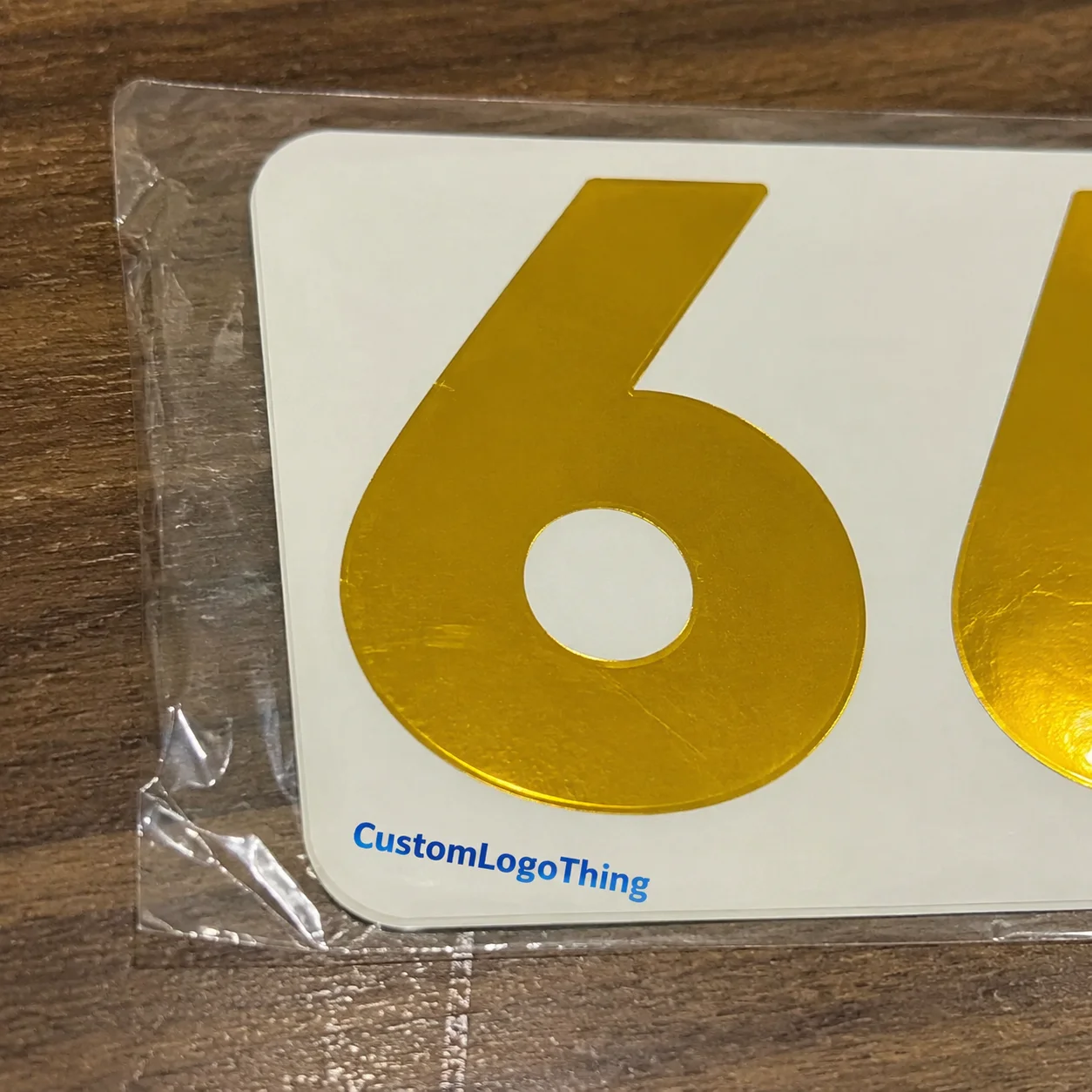
Buy Cheap Custom Stickers Online Without Guesswork
Cheap Custom Stickers Online: What Buyers Actually Save On
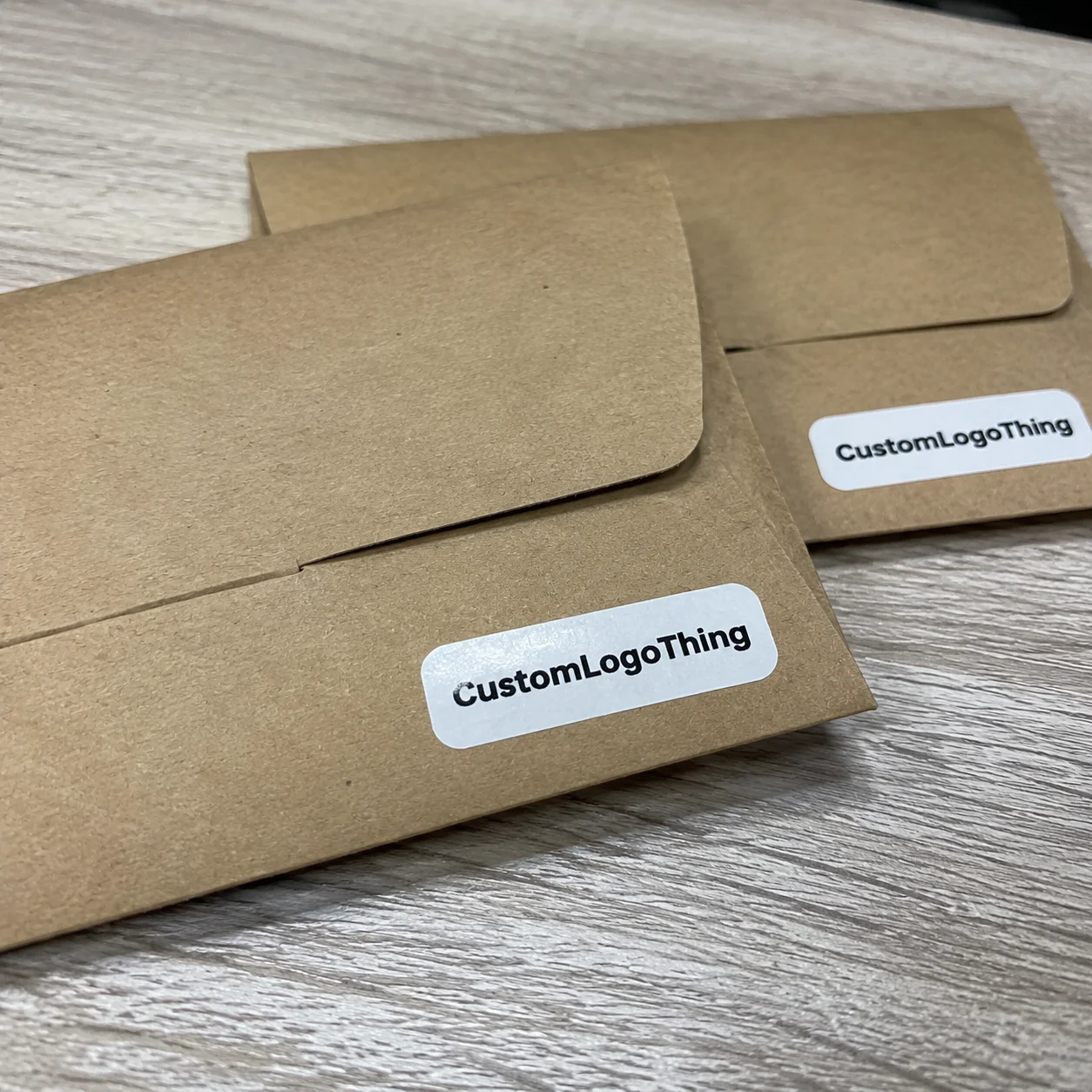
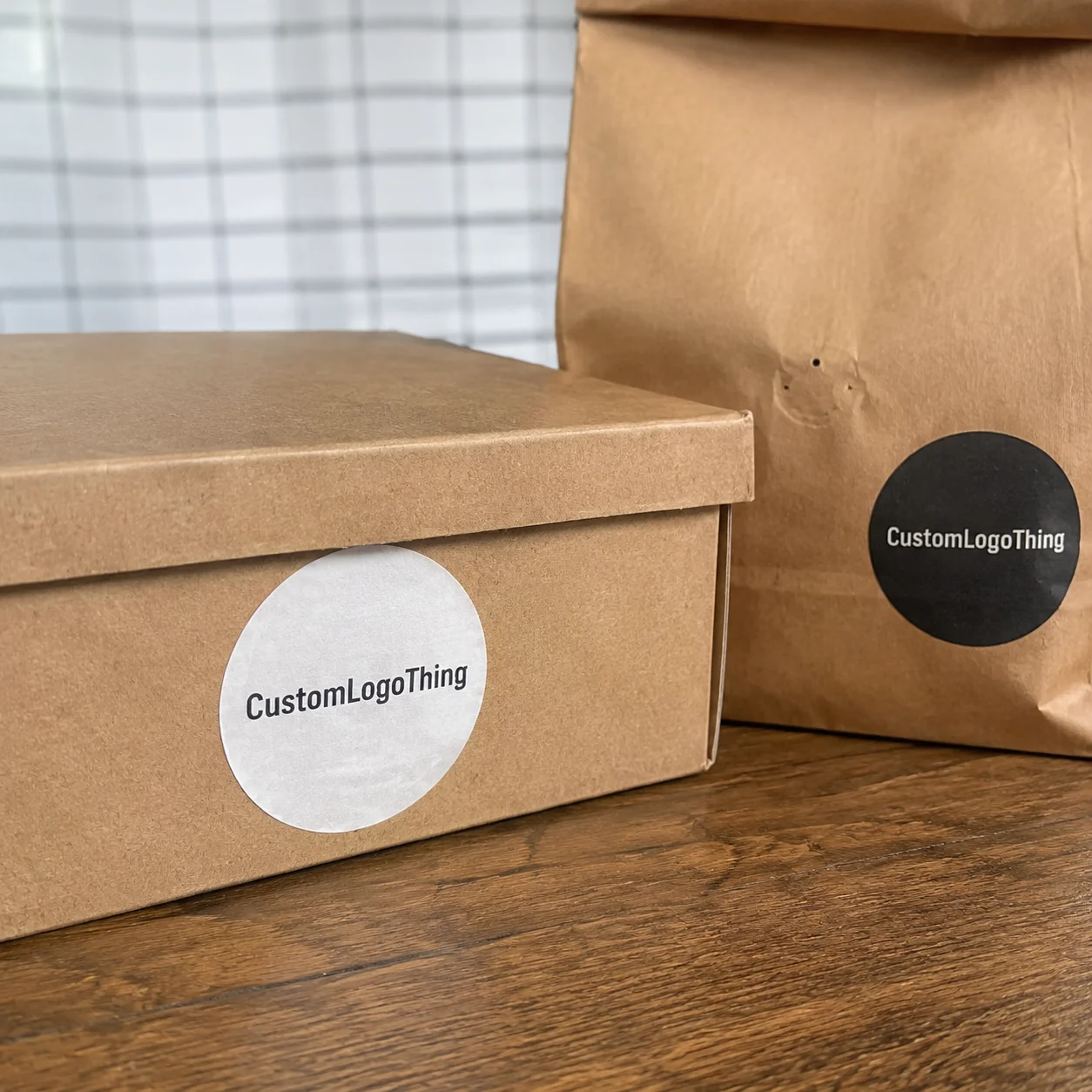
A branded sticker can cost less than one corrugated shipper and still show up on every customer order. That is why buyers search for cheap Custom Stickers Online: they want lower unit cost without blurry print, weak adhesive, awkward peeling, or a surprise fee after the artwork is uploaded.
Fair. Stickers are cost-efficient because the process can be repeatable. Roll stock or sheet stock runs through the press, designs are printed in batches, and standard cutting keeps finishing time under control. The savings usually come from efficient material use, compact freight, and simple converting. They should not come from cutting quality until the sticker becomes useless. That is not savings. That is a reprint waiting politely in the corner.
Compare stickers with other branded packaging pieces. A Custom Printed Mailer may need larger minimums, more storage space, plate or tooling considerations, and longer planning. Custom tissue looks good but adds packing labor. Molded inserts protect products well, yet they come with tooling costs and volume commitments. Stickers sit in a practical middle lane. They add a visible branded detail without forcing a buyer to hold six months of printed cartons.
Packaging buyer rule: cheap should mean cost-controlled, not disposable. The right sticker is the lowest-cost option that still survives the surface, handling, temperature, and selling environment.
The useful question is not “What is the cheapest sticker?” It is “Which specification gives me reliable branding at the lowest practical unit cost?” A 2-inch paper circle for sealing tissue has different demands than a clear BOPP label on a chilled bottle. One sits on dry paperboard for a few days. The other may face condensation, curved glass, and refrigeration.
A good order starts with the use case, not the price table. Confirm the surface, review the artwork, choose the material, then quote the quantity band that makes sense. That is how a low-cost sticker order becomes a controlled purchasing decision instead of a gamble based on the smallest advertised number.
Sticker Types, Materials, and Use Cases That Fit Your Order
Most sticker orders fall into a few formats. Die-cut stickers follow the outline of a logo or illustration. Circle, oval, rectangle, and square stickers work well for box seals, tissue closures, mailer branding, and promotional inserts. Clear stickers suit glass, jars, bottles, and packaging where the container itself carries part of the look. Vinyl stickers are built for longer handling life. Paper stickers are the economical choice for short-term indoor use.
Material matters more than buyers expect. Paper is usually the lowest-cost option for dry indoor packaging: bakery boxes, candle cartons, apparel mailers, event bags, and thank-you inserts. BOPP film is a better fit for product labels that may face light moisture, oils, or frequent handling. Vinyl makes sense for outdoor promotions, equipment decals, laptops, bottles, and durable giveaways. Clear film works best when the print needs to sit over glass or glossy plastic without covering the whole surface.
Adhesive selection deserves the same attention. Permanent adhesive fits shipping cartons, retail packaging, and product labels that should stay in place. Removable adhesive is better for temporary promotions, price updates, window graphics, and campaign stickers. Freezer-grade adhesive is built for cold-chain packs, frozen foods, and chilled distribution. Stronger adhesive may be needed for textured kraft, rough paperboard, flexible pouches, or curved containers with limited contact area.
Finish choices should follow the job. Matte reduces glare and can make small text easier to read under retail lighting. Gloss boosts color saturation and makes logos look sharper. Soft-touch feels more premium, though it raises cost and is often wasted on transit-only packaging. Lamination adds scratch and moisture resistance. Pay for it when the sticker will be handled often, exposed to moisture, or expected to last. Skip it when the sticker only seals tissue inside a dry mailer.
| Sticker Type | Best Use | Typical Material | Cost Logic |
|---|---|---|---|
| Paper circle stickers | Tissue seals, mailers, inserts | Matte or gloss paper | Lowest cost for dry indoor use |
| BOPP product labels | Bottles, jars, cosmetics, food packs | White, clear, or silver BOPP | Higher than paper, better moisture resistance |
| Vinyl die-cut stickers | Outdoor promos, durable brand decals | White or clear vinyl | Costs more, lasts longer under handling |
| Sheet stickers | Giveaways, small batches, event kits | Paper or film | Convenient for mixed designs and handouts |
Ecommerce teams usually care about peel speed and consistency. Food brands need materials that suit the product environment and any required label information. Event teams often want volume, fast packing, and clean kiss-cut sheets. Retailers need shelf presentation that does not curl, scuff, or cover key information. The cheapest material on the menu is not always the lowest-cost result.
Specifications That Control Print Quality and Sticker Durability
A useful sticker quote needs complete specs. At minimum, provide size, shape, material, adhesive, finish, roll or sheet format, quantity, and number of artwork versions. For roll labels, add core size and unwind direction. Those details matter if labels will be applied by hand, with a desktop dispenser, or through a semi-automatic labeling machine.
Artwork is the next checkpoint. Vector files such as AI, EPS, or editable PDF are preferred for logos because the edges stay sharp at different sizes. Raster artwork should usually be supplied at 300 DPI at final print size. CMYK files help control printed color expectations, although exact color matching may need a separate match or proofing process. Bleed matters too. A 0.0625-inch to 0.125-inch bleed gives the cutter room to move without leaving thin white edges.
Small specification choices can move the price quickly. Standard circles and rectangles usually cost less than intricate die-cuts because they are easier to cut and weed. A 3-inch sticker uses more material than a 1.5-inch sticker, even if the artwork is identical. Lamination can add durability, but it also adds a material layer and finishing step. Metallic effects, spot UV, white ink on clear film, and specialty textures can look excellent. They should be quoted separately because they change the production path.
Size should follow the job. Packaging seals often work well from 1.5 to 3 inches, depending on the flap, tissue fold, or mailer width. Product labels need enough room for ingredients, warnings, barcode zones, net weight, and compliance copy. Promotional stickers should be readable from arm’s length, which usually means avoiding tiny taglines and low-contrast color combinations.
- For box seals: confirm the sticker crosses the closure area by at least 0.5 inch on each side.
- For jars and bottles: check the curve, moisture exposure, and label panel width before ordering.
- For retail packs: protect barcode quiet zones and avoid glossy glare over small codes.
- For event giveaways: choose sheet or kiss-cut formats that are easy to distribute quickly.
A digital proof is not decoration. It is the buyer’s main control point before production. Use it to check trim lines, margins, spelling, barcode placement, color direction, and the relationship between the sticker shape and the logo. For packaging programs, Custom Logo Things can also align stickers with related Custom Labels & Tags so the broader packaging design does not feel patched together.
Pricing, MOQ, and Unit Cost Factors Before You Request a Quote
Sticker pricing is driven by material, size, quantity, shape complexity, finish, artwork count, and deadline. Basic list, real consequences. Two orders that both say “2-inch logo sticker” can price very differently. A 2-inch matte paper circle on sheets is not the same cost structure as a 2-inch laminated vinyl die-cut sticker on rolls with three artwork versions.
Quantity economics are simple. Short runs reduce upfront spend. Larger runs lower unit cost because proofing, setup, press time, cutting, and packing are spread across more pieces. A small test run may be the right move for a new product launch. A reorder for an established SKU may justify a larger batch if storage is dry, clean, and organized.
Minimum order quantity depends on format and material. Standard paper stickers often support lower MOQs than specialty film labels. Roll stickers may have more setup consideration but can improve application speed. Sheet stickers can be easier for giveaways, inserts, and small-batch packaging. If a buyer needs four designs, it is worth asking whether mixed artwork, gang-run printing, or shared sizing can reduce waste.
The biggest pricing mistake is comparing only the lowest listed number. Missing costs can include die setup, proof revisions, rush production, split shipments, specialty finishes, barcode correction, and artwork repair. A supplier offering cheap custom stickers online should still ask enough questions to prevent a bad match. If nobody asks where the sticker will be used, the quote is not complete.
| Cost Factor | Lower-Cost Choice | Higher-Cost Choice | Buyer Watchpoint |
|---|---|---|---|
| Shape | Circle, square, rectangle | Detailed custom die-cut | Complex outlines can slow cutting and weeding |
| Material | Paper for dry indoor use | Vinyl or specialty film | Do not use paper where moisture is likely |
| Finish | Standard matte or gloss | Soft-touch, lamination, metallic, spot UV | Premium finishes change both cost and timeline |
| Quantity | Short run for testing | Larger run for lower unit cost | Balance savings against storage and design changes |
| Artwork | One print-ready vector file | Multiple low-resolution files needing repair | Clean files reduce delays and possible prep fees |
For a fast quote, send the sticker size, shape, material preference, finish, quantity, artwork count, delivery ZIP code, and required arrival date. If the sticker supports a broader launch, include related product packaging details too. That gives the supplier enough context to recommend the right production route instead of quoting a generic low price that may not fit the job.
Production Steps and Timeline From Artwork to Delivery
The ordering path should be plain. Submit specs and artwork. Receive a quote. Approve the proof. Move into print production. Cut, laminate, sheet, or roll the stickers. Complete quality checks. Ship the order. Each step has a purpose, and the proof is the most important checkpoint before money becomes inventory.
Proofing catches problems that are cheap to fix on screen and expensive to fix after printing. Low-resolution logos, missing bleed, incorrect cut lines, spelling errors, off-center artwork, and poor barcode placement all belong in this stage. If barcodes are involved, protect the quiet zone and confirm size before approval. If the sticker sits on a curved container, make sure the live area does not wrap into a distorted viewing angle.
Timelines depend on the job. Simple paper stickers with standard shapes often move faster than laminated vinyl, specialty finishes, custom dies, or multi-version orders. Rush schedules may be available, but rushing an order with incomplete artwork rarely saves time. It usually moves the delay from quoting into proofing, which is not exactly progress.
Several issues slow sticker orders: incomplete files, late proof approval, unclear shipping address, material backorders, complex cut paths, last-minute quantity changes, and split delivery instructions. Buyers can control many of these. Approve artwork early. Confirm shipping speed before production starts. Avoid unnecessary spec changes after proofing. Reorder before stock reaches zero, especially if stickers support ongoing ecommerce fulfillment.
Packaging standards can also shape decisions. If stickers are part of a shipping system, transit testing practices from groups such as ISTA may be relevant. If paper sourcing is part of the brand promise, ask about certified paper options and review guidance from FSC. Not every sticker order needs that level of documentation, but retail packaging and subscription programs often benefit from clear material records.
Quality checks should match the format. For roll labels, confirm unwind direction, core size, roll count, and label spacing. For sheets, check kiss-cut depth and release from the liner. For all formats, review trim position, color consistency, print clarity, and packing count. These details sound boring until a packing line stops because the roll feeds the wrong way. Then suddenly they become fascinating.
How to Avoid Cheap Sticker Mistakes That Cost More Later
The cheapest sticker can become expensive fast. It peels during transit. It smears on a bottle. It arrives two days after a launch. It forces a reprint because the logo was supplied as a tiny screenshot. Those failures cost more than the difference between a weak spec and a sensible one.
Surface mismatch is the classic problem. A sticker that bonds well to smooth SBS paperboard may struggle on textured kraft, chilled plastic, glass, or a curved squeeze tube. Adhesive needs contact area, pressure, and the right surface energy. If the package is cold, oily, dusty, flexible, or damp, say so before quoting. A good supplier would rather spec the correct adhesive than ship a low-cost order that fails in the warehouse.
Durability is another common under-spec. Outdoor exposure, refrigeration, moisture, oils, and frequent handling all require stronger materials or protective finishes than a short-term indoor sticker. Paper can be perfect on a thank-you card and wrong on a cold beverage bottle. Vinyl can be durable, but even vinyl should be matched with the right adhesive and finish for the expected life span.
Legibility has a hidden cost. Small type, weak contrast, and crowded layouts reduce barcode scan rates, compliance readability, and customer trust. For labels with ingredients, warnings, batch codes, or QR codes, leave space. A sticker is small real estate. Cramming it with every message usually weakens the result.
- Test the surface: apply samples to the actual carton, jar, pouch, mailer, or bottle before repeat ordering.
- Check the environment: note refrigeration, moisture, sunlight, abrasion, oils, and handling frequency.
- Review the proof slowly: inspect spelling, trim, barcode zones, margins, and artwork scale.
- Confirm packing count: make sure rolls, sheets, or bundles match fulfillment and storage needs.
Quality control is a cost-saving step. Trim accuracy, color consistency, adhesive performance, roll direction, and packing count all affect labor later. If stickers feed a labeling machine, even a small unwind-direction error can stop production. If they are hand-applied, poor release from the liner can add seconds to every order. Multiply that by 2,000 parcels, and the labor cost becomes visible.
For brands planning coordinated package branding across stickers, labels, mailers, and cartons, reviewing the wider set of Custom Packaging Products can prevent mismatched materials or finishes. One consistent packaging system usually performs better than five isolated cheap decisions.
Next Steps to Place a Sticker Order With the Right Specs
A clean sticker order starts with six decisions: choose the use case, measure the application area, select material and finish, decide roll or sheet format, confirm quantity, and gather artwork files. That is enough to move from browsing to a useful quote.
Measure before choosing a size. For mailers and tissue seals, check the flap width and closure point. For jars and bottles, measure the label panel and account for the curve. For retail packaging, leave room for barcodes, required copy, and visual hierarchy. Good packaging design is not only attractive. It is readable and repeatable at packing speed.
Send sticker dimensions, shape, material preference, finish, quantity, number of designs, delivery ZIP code, and deadline. Attach the best artwork available. Vector logos are ideal. Brand color references help. Existing dielines, label samples, or photos of the product surface can prevent guesswork. If the order is tied to an event, retail launch, or subscription shipment, include the required arrival date rather than only the ship date.
Ask three questions before approval. Will this adhesive work on my surface? Will this finish handle my environment? Does the proof show the exact cut line? They sound simple because they are. They also catch most avoidable errors.
- Confirm the sticker’s job: seal, label, promote, identify, decorate, or comply.
- Match the material to the surface and expected handling conditions.
- Choose the lowest-cost finish that still protects the design.
- Approve a proof only after checking trim, margins, copy, and barcode placement.
- Save approved specs, SKU names, artwork versions, and past quantities for reorders.
Reorders should become easier over time. Keep approved specs in one place: size, material, adhesive, finish, roll direction, quantity, SKU name, and artwork version. If the goal is to buy cheap custom stickers online, the smartest move is not chasing the thinnest price. It is quoting the exact use case, removing production guesswork, and paying only for the features the sticker actually needs.
FAQs
Where can I buy cheap personalized stickers online for packaging?
Choose a supplier that quotes by material, size, finish, and quantity rather than offering one flat price for every sticker type. Send details about the packaging surface, such as kraft paperboard, glass, plastic, coated carton, or chilled container, so the adhesive and material match the actual use case. Ask for a digital proof before production to confirm artwork, trim, and layout.
What is the minimum order for low-cost custom stickers?
MOQ depends on sticker format, material, size, and whether the order uses standard or specialty finishing. Small runs are useful for testing a new design or launch pack, while larger runs usually reduce unit cost because setup and production time are spread across more stickers. If you need several designs, ask whether they can be combined in one production run.
How do I get the lowest unit cost on custom sticker printing?
Use standard shapes, efficient sizes, and materials that match the application without adding unnecessary specialty effects. Increase quantity only when storage space and demand justify it. Provide print-ready artwork, preferably vector files for logos, to reduce delays, revision time, and possible art-prep charges.
Are cheap custom vinyl stickers online durable enough for outdoor use?
Vinyl is generally better for outdoor use than paper because it resists moisture and handling more effectively. Outdoor durability improves with the right adhesive and protective lamination. Confirm expected exposure, surface type, temperature range, and desired lifespan before choosing the cheapest vinyl option.
How fast can affordable custom stickers be printed and shipped?
Turnaround depends on artwork readiness, proof approval speed, material availability, quantity, finishing, and shipping method. Simple standard stickers usually move faster than specialty finishes, complex die-cuts, or multi-version orders. Approving the proof quickly and providing complete specs at the start helps protect the delivery date.