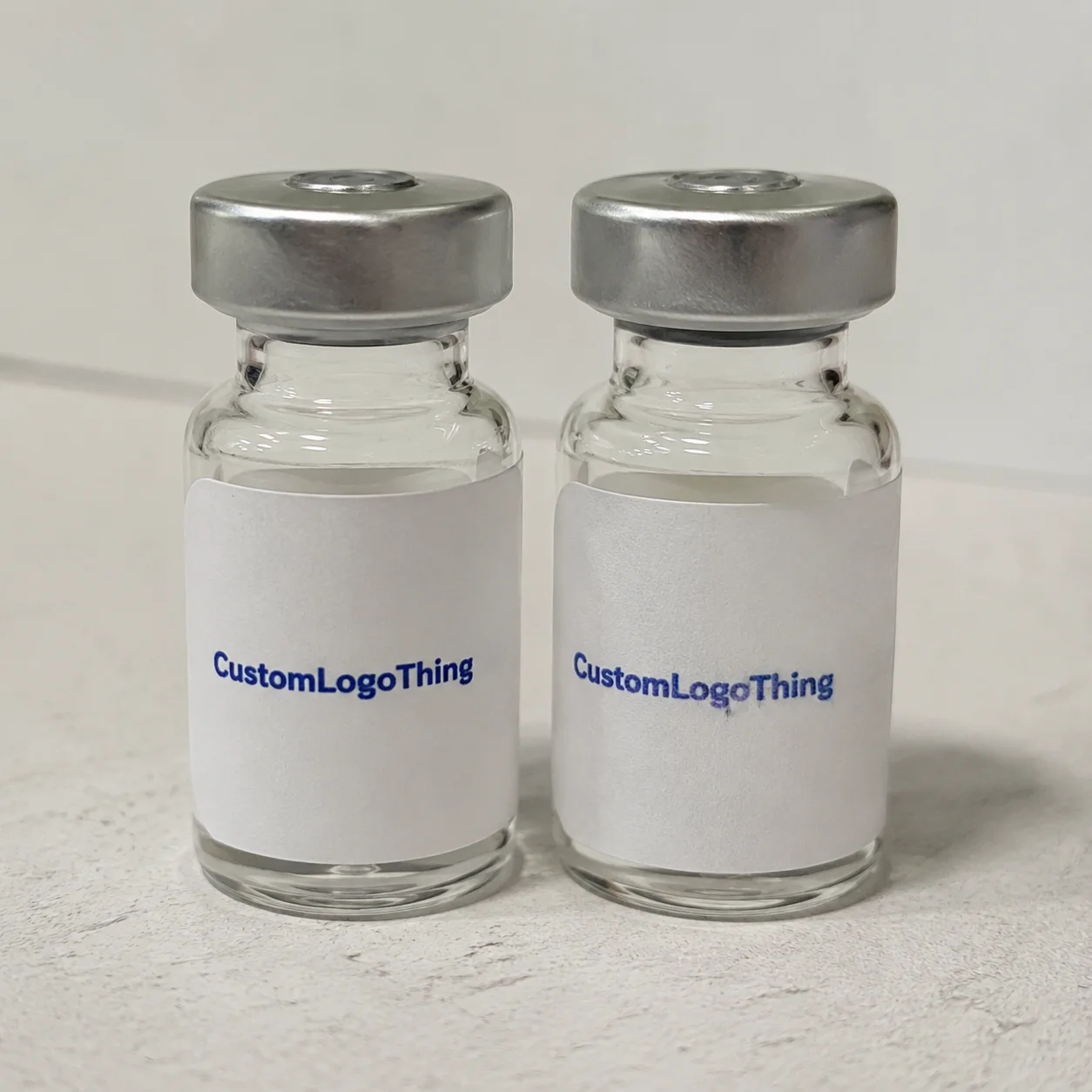
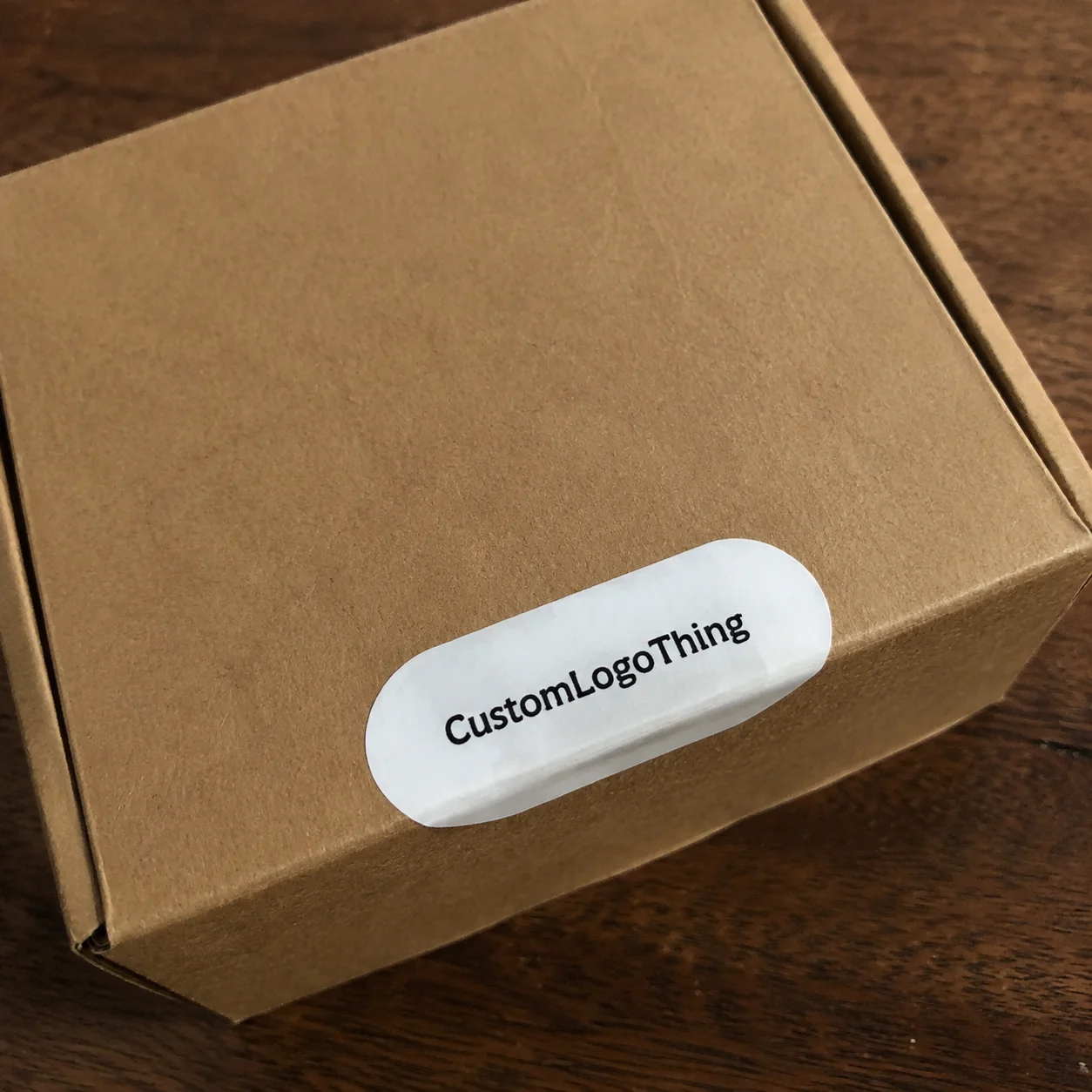
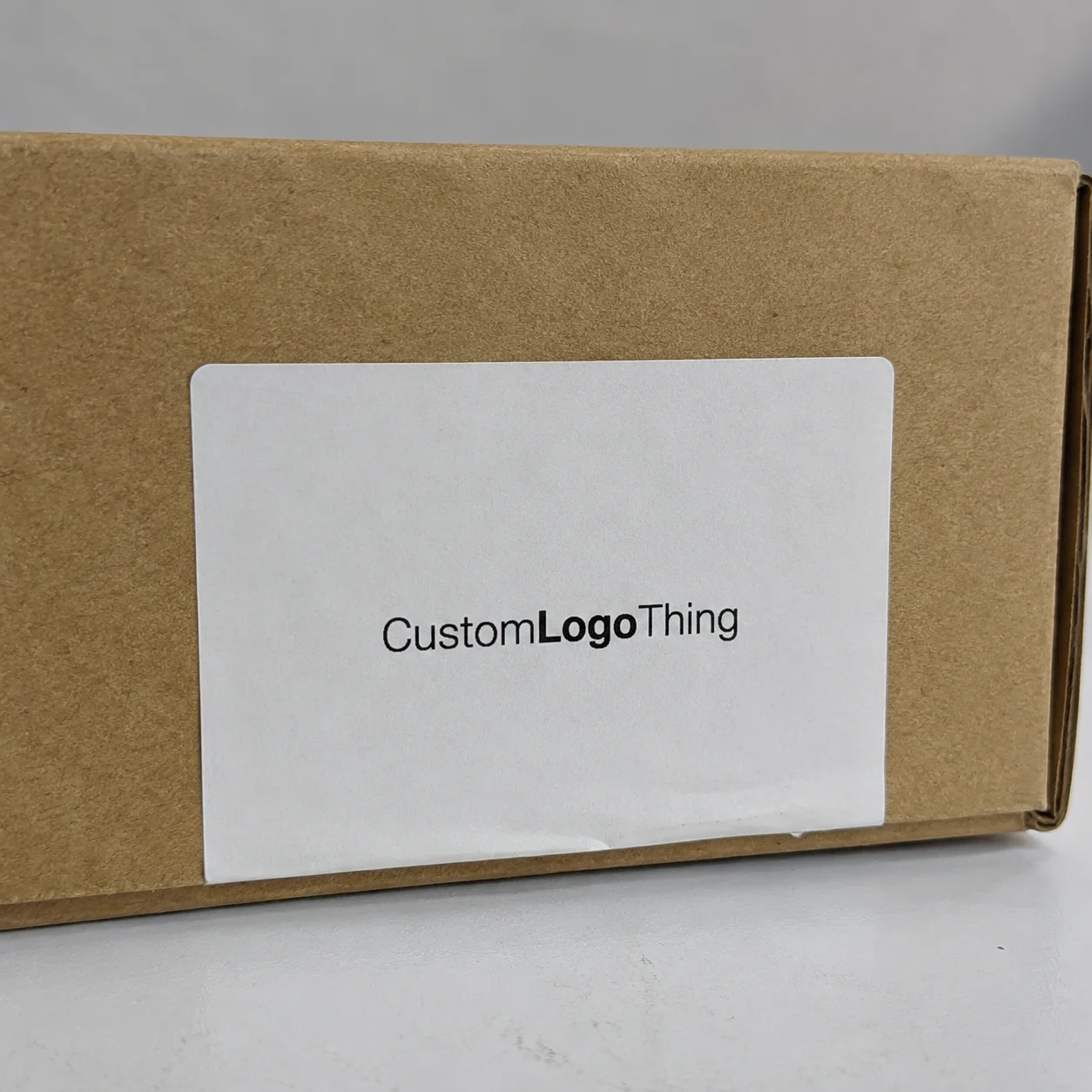
Custom Stickers Printing Starts With a Tiny Surface That Does Big Work
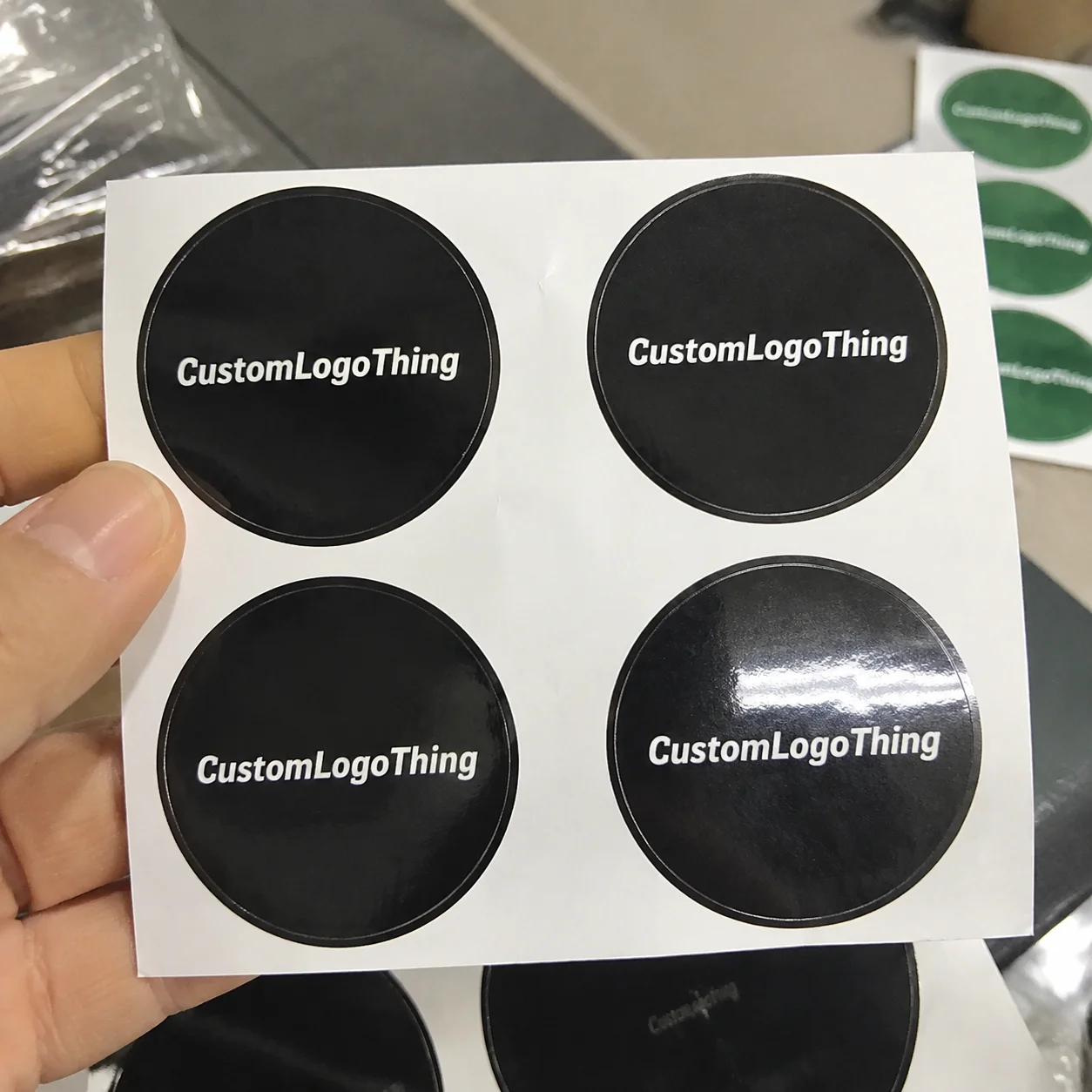
A sticker may get less than three seconds to explain a brand, flavor, compliance cue, batch code, or promotion before a shopper’s eye moves on. Brutal little job. Custom stickers printing turns artwork, adhesive, material, finish, and cut shape into product labels, packaging seals, promotional stickers, or identification pieces that still have to survive real handling.
That small surface sits at an odd intersection of packaging, advertising, and operations. One sticker can brand a plain kraft mailer, seal tissue paper, identify a limited batch, add a warning statement, cover outdated carton copy, or make ordinary packaging feel deliberate. Buyers sometimes underestimate that flexibility because stickers look simple. They are not structural like folding cartons or rigid boxes, but they can change a message without reprinting thousands of packaging units.
Compared with fully printed packaging, stickers usually carry lower setup risk and faster revision potential. If a brand is testing three scents, two flavors, or a seasonal offer, a sticker can be cheaper to adjust than a Custom Printed Box. The tradeoff is physical presence. A sticker depends heavily on the surface underneath: glass, matte paper, corrugated board, coated carton, flexible pouch, plastic bottle, or candle vessel.
Common uses include product labels, logo stickers, barcode stickers, warning labels, packaging seals, subscription box inserts, event giveaways, and limited-edition launches. A skincare brand may need oil-resistant BOPP labels. A coffee roaster may want matte paper seals for bags. A fulfillment team may need roll labels that move quickly down a packing table. Same word: sticker. Very different spec.
Practical rule: the best sticker is not simply the prettiest one. It is the one that survives handling, sticks to the right surface, fits the order economics, and prints cleanly at the chosen size.
If you already use Custom Labels & Tags, stickers can extend the same package branding system across boxes, inserts, bags, jars, and shipping materials without forcing every component into the same production cycle.
How Sticker Printing Works From Artwork to Finished Roll or Sheet
Most sticker jobs follow a predictable path: artwork check, material selection, print method, color setup, coating or lamination, cutting, weeding if the shape requires it, quality control, packing, and shipping. The quiet work happens before ink hits material. Prepress checks whether the file has bleed, whether the cut line is clear, whether small type is readable, and whether the requested finish suits the use case.
Buyers usually hear about two production routes. Digital printing fits short runs, multiple versions, and variable designs because it avoids some plate-related setup. A batch of 250, 500, or 1,000 stickers with four artwork versions is often more comfortable in digital production. Flexographic printing, usually shortened to flexo, becomes efficient for larger repeat orders because plates, roll-fed production, and material handling are optimized for volume. For some premium paper packaging programs, offset printing may still sit elsewhere in the branded packaging plan, but stickers most often live in the digital or flexo lane.
Format changes the workflow. Rolls are useful for label applicators, semi-automated packing lines, and high-volume hand application because the operator can peel quickly and consistently. Sheets work well for small teams, organized storage, and jobs with several designs on one sheet. Individually cut stickers are better for giveaways, retail inserts, event tables, and promotional packs where the sticker is handled as a standalone item.
- Die-cut stickers: cut through the sticker and backing to follow the outside shape, creating a finished individual piece.
- Kiss-cut stickers: cut through the sticker layer but leave the backing intact, which makes peeling easier and supports multi-sticker layouts.
- Roll labels: supplied on a core, with roll direction and inside or outside winding specified for hand or machine application.
Color handling deserves more attention than it gets. CMYK is standard for full-color sticker printing, but Pantone matching may be used when a brand color has to stay tight across retail packaging, cartons, and inserts. White ink may be needed on clear materials so colors do not disappear against a dark product or amber glass. Metallic, holographic, or clear films can look sharp, but they add proofing complexity and may change how the artwork reads under store lighting.
A digital proof usually confirms size, cut line, bleed, safe area, and layout. It does not always prove how the adhesive will behave, how matte laminate will soften a dark color, or how a clear label will look on a filled container. For mission-critical launches, a physical proof or small sample run is worth considering. It costs more and takes longer. Still cheaper than discovering a problem after 10,000 labels arrive.
Material, Adhesive, Finish, and Cut Shape Decisions That Matter
Paper stickers are the economical workhorse. They suit dry indoor uses, gift packaging, mailers, bakery boxes, tissue seals, and short-life promotions. A 70 lb to 80 lb label stock, or a similar paper facestock, can feel perfectly appropriate on a dry carton or retail bag. Put that same paper label on a chilled beverage bottle and the story changes quickly. Moisture, condensation, abrasion, and refrigeration can wrinkle, stain, or lift it.
Vinyl, BOPP, and polyester are tougher choices. BOPP is common for food, cosmetics, and beverage labels because it handles moisture and oils better than paper. Vinyl is flexible and durable, often used for promotional stickers, outdoor decals, or surfaces that need more conformability. Polyester is usually stiffer and dimensionally stable, making it suitable for durable labels, electronics, warning labels, and applications where long-term readability matters.
Adhesive selection is not glamorous. It may decide the whole project anyway. Permanent adhesive is used for long-term product labels. Removable adhesive suits temporary promotions, price labels, or short campaigns. Freezer-grade adhesive is designed for cold environments. High-tack adhesive helps on rough surfaces such as corrugated boxes or textured mailers. Repositionable adhesive can help when clean application is more important than maximum bond on first contact.
Surfaces behave differently. Glass jars are smooth but may face condensation. Matte mailers can be dusty. Corrugated boxes vary by liner quality. Coated cartons may resist certain adhesives. Plastic bottles can flex. Candle jars may pick up fragrance oils or fingerprints. Textured paper looks premium but can reduce contact area between adhesive and surface. A sticker that looks perfect on a screen can fail because of humidity, warehouse dust, label curvature, or oils in a cosmetic formula.
Finish changes both appearance and durability. Matte reduces glare and often gives packaging design a calmer, more premium look. Gloss makes colors pop and can suit bold promotional stickers. Soft-touch creates tactile appeal, though it can scuff depending on handling. Laminate adds protection against abrasion, moisture, and repeated contact; for some custom stickers printing jobs, that extra layer is the difference between a label that survives shipping and one that arrives looking tired.
| Option | Best Fit | Watch For |
|---|---|---|
| Paper with matte finish | Dry boxes, mailers, tissue seals, short promotions | Moisture, abrasion, and refrigeration exposure |
| White BOPP with laminate | Food, beverage, cosmetics, products handled often | Higher cost than basic paper labels |
| Clear film with white ink | Glass jars, bottles, transparent packaging effects | Color shift if white ink is not specified correctly |
| Vinyl die-cut sticker | Giveaways, outdoor use, brand decals | Thin details and sharp corners can lift or tear |
Cut shape also affects cost and application. Circles, squares, ovals, and rectangles are efficient and easy to align. Custom shapes can strengthen brand recognition, especially for mascots, logos, and limited drops. But sharp points, thin extensions, and intricate outlines may lift during handling or slow down application. If workers apply 2,000 stickers by hand, a simple shape is not boring. It is operationally kind.
Pricing, MOQ, and Unit Cost Factors Buyers Should Compare
Sticker pricing is driven by quantity, size, material, adhesive, finish, print coverage, number of versions, cut complexity, roll or sheet format, and shipping weight. That is why two quotes for “2-inch logo stickers” can differ sharply. One may be paper with no laminate. Another may be white BOPP, gloss laminate, permanent adhesive, roll format, and freight included.
MOQ, or minimum order quantity, depends on the production method and materials. Some digital printing jobs can start at low quantities, especially for standard materials and simple cuts. Specialty materials, Pantone matching, custom dies, freezer adhesives, or large roll orders may require higher minimums because setup, waste, and machine time have to be justified. Not always. Often enough to ask early.
Unit cost usually drops as quantity rises because setup, proofing, machine preparation, and material waste are spread across more pieces. A 500-piece run may carry a noticeable setup burden. A 5,000-piece run spreads that burden more efficiently. The buyer’s trap is ordering far more than needed just to chase a lower unit cost, then changing the ingredient list, barcode, claim, or brand color three weeks later.
Do not compare quotes by headline price alone. Compare material thickness, laminate, adhesive grade, proofing, die fees, roll direction, core size, packing method, and freight. Ask whether the quoted sticker is supplied on rolls, sheets, or singles. Ask whether laminate is included or whether “gloss” only means a coating. Ask whether a custom die fee is separate. These details are not small if the stickers feed an applicator or support a retail launch.
Paying more can be rational. Waterproof stickers for beverage brands reduce damaged presentation. Freezer adhesive for food products prevents label lift. Tamper seals for fulfillment can support trust and reduce returns questions. Durable laminates protect products exposed to shipping friction, retail handling, or bathroom humidity. Cheap is not cheap if the sticker fails before the buyer uses the product.
A useful quote request for custom stickers printing should include:
- Final size and shape, including corner radius if relevant
- Quantity and number of artwork versions
- Material preference, such as paper, BOPP, vinyl, or polyester
- Adhesive need: permanent, removable, freezer, high-tack, or repositionable
- Finish: matte, gloss, soft-touch, varnish, or laminate
- Application surface, indoor or outdoor exposure, and delivery deadline
- Format preference: rolls, sheets, or individually cut singles
If two quotes differ sharply, the hidden difference is often material grade, finish, setup assumptions, or whether shipping is included. That comparison work is not glamorous. It protects margin.
Process and Timeline: What Happens After You Submit Artwork
The order sequence is usually straightforward: submit artwork and specs, receive a quote, approve the proof, production begins, stickers are printed and finished, quality checked, packed, and shipped. The timeline depends less on the word “sticker” and more on the variables around it. Quantity, material availability, finish, die-cut complexity, proof revisions, and shipping distance all matter.
Standard digital sticker jobs using common materials may move faster than specialty roll labels with custom adhesive and exact color requirements. A simple reorder can also be much quicker than a first order because the supplier already has approved files and specifications. A new job with unclear artwork, missing cut lines, or uncertain adhesive requirements needs more prepress time.
The most common delays are preventable: missing bleed, low-resolution logos, unclear cut lines, late approvals, quantity changes after proofing, and specialty stock that is not on hand. A logo pulled from a website may look acceptable on a screen but print with fuzzy edges at 2 inches wide. A thin border placed too close to the trim can look uneven after normal cutting tolerance. Small errors become visible because the format is small.
Proof approval is the control point. Production cannot responsibly start until size, color expectations, shape, and layout are locked. If the sticker is part of a broader product packaging system, align it with cartons, inserts, pouches, and Custom Packaging Products before approval. One mismatch in finish or color can make a packaging set feel assembled from spare parts.
A practical timeline habit: work backward from the launch date, then add buffer for receiving, application, kitting, warehouse intake, and product photography. If a team needs final packaging for a photo shoot, the sticker deadline is not the public launch date. It is earlier. Sometimes much earlier.
Roll direction deserves a plain explanation. If stickers are machine-applied, the label must face the correct way as it comes off the roll. Top first, bottom first, right edge first, left edge first: these are not abstract printer preferences. They determine whether the applicator places the label correctly on the bottle, jar, pouch, or carton. Even for hand application, roll orientation can affect speed at a packing table.
A slightly longer prepress conversation can save days of rework if it catches the wrong adhesive, unreadable text, or application mismatch early. For more complex runs, ask how the supplier checks quality. References such as ISTA testing protocols are more relevant to transport packaging than ordinary stickers, but the mindset is useful: packaging should be judged by what happens during distribution, not only by how it looks on a monitor.
Common Mistakes That Make Stickers Look Cheap or Fail Early
The first mistake is trying to say too much. A small sticker cannot carry a full website, brand story, ingredient romance, compliance block, coupon, QR code, and decorative illustration without something suffering. Tiny text weakens hierarchy. Crowded layouts reduce scanning. From a normal viewing distance, the buyer sees clutter rather than information.
Artwork problems come next: missing bleed, thin borders too close to the cut line, raster logos, low-resolution images, incorrect color mode, and no safe margin around key text. For most stickers, vector files such as AI, EPS, or print-ready PDF are safer for logos, type, and cut paths. Raster images should be high resolution at final size, commonly 300 dpi for print, though requirements depend on the printer and artwork.
Material mismatch is just as damaging. Paper labels on damp bottles can wrinkle. Standard adhesive on freezer products can lift. Removable adhesive used where permanent bonding is needed can peel during shipping. A glossy finish can create glare that makes barcode scanning or small instructions harder. The wrong spec can make a strong design look cheap within hours.
Shape mistakes are easy to miss during design review. Sharp corners lift faster than rounded corners. Very thin cut areas tear during peeling. Intricate outlines increase cost without always improving buyer recognition. If a logo has delicate extensions, consider placing it inside a simpler sticker silhouette rather than cutting every detail.
Surface testing is the plain, unglamorous step that prevents expensive surprises. Stickers may fail on dusty cartons, textured mailers, flexible pouches, oily containers, curved bottles, or low-energy plastics if the adhesive is not matched to the surface. ASTM publishes test methods for pressure-sensitive adhesive properties, and buyers do not need to become lab technicians to use the principle: adhesion can be measured, compared, and tested. For broader material and sourcing considerations, organizations such as the Forest Stewardship Council can help buyers think about paper-based supply choices.
Operational errors add another layer. Ordering loose singles may be fine for giveaways but inefficient for packing 3,000 orders. Rolls may save labor. Choosing the wrong roll direction can stop a labeling machine. Underestimating manual application time can turn a packaging win into a labor bottleneck. If an operator takes eight seconds to peel and apply one sticker, 5,000 units means more than 11 labor hours before breaks, checks, or rework.
Diagnostic tip: if a sticker fails, investigate the environment and surface first, not just the printer. Adhesion is a three-way negotiation between adhesive, substrate, and conditions.
Build a Sticker Spec Before You Request a Quote
Start with a one-line job purpose. Product label. Box seal. Promotional giveaway. Barcode label. Seasonal packaging accent. That sentence keeps the project from drifting. A giveaway sticker can prioritize feel and brand recall. A barcode label must prioritize scan quality and placement. A tamper seal has to bridge two surfaces and may need controlled tear behavior.
Before contacting a supplier, gather the specifications that affect both price and performance: size, shape, quantity, artwork versions, material preference, finish, adhesive requirement, application surface, indoor or outdoor exposure, and delivery deadline. If you are not sure about material, describe the use case honestly. “Applied to a chilled glass bottle that may sweat in retail refrigeration” is far more useful than “waterproof label.”
Test the application surface with samples if the product involves moisture, cold, heat, oils, textured packaging, or long shipping routes. A candle label near fragrance oil, a sauce label in refrigeration, and a shipping sticker on dusty corrugated all create different risks. For packaging teams reviewing several components at once, Custom Logo Things’ Manufacturing Capabilities page can help frame stickers alongside cartons, bags, tags, and other package branding pieces.
Prepare artwork with vector logos, proper bleed, readable text size, and a clearly marked cut line. Keep essential text inside the safe area. Avoid hairline borders unless the supplier confirms the cutting tolerance can support them. If color matters, state whether CMYK is acceptable or whether a Pantone target is required. If the sticker goes on clear material, ask about white ink underprinting.
Choose the format according to workflow. Rolls support speed and applicators. Sheets help small teams organize designs and avoid loose-piece clutter. Singles work for inserts, events, and retail promotional pieces. The right format is not always the prettiest format in a photo. It is the format that fits how people will apply, store, count, and distribute the stickers.
Ask targeted quote questions: Is laminate included? What adhesive is specified? Are die fees separate? What is the proofing process? Does turnaround begin after proof approval? What file type is preferred? Can the supplier confirm roll direction? These questions usually reveal whether two quotes are truly comparable.
Custom stickers printing becomes easier, cheaper, and more reliable when the buyer treats the sticker as a packaging component with specs, not just a decoration. The payoff is less dramatic than a redesign and more useful: fewer delays, cleaner presentation, better adhesion, and small surfaces that do serious work.
FAQ
What is the best material for custom sticker printing on product packaging?
Paper works well for dry indoor packaging, gift boxes, mailers, and short-life promotions. BOPP, vinyl, or polyester are better for moisture, oils, refrigeration, abrasion, or heavy handling. The best choice depends on the application surface, storage conditions, and how long the sticker must stay readable.
How much does custom label and sticker printing usually cost?
Cost depends on size, quantity, material, adhesive, finish, cut shape, artwork versions, and shipping. Higher quantities usually lower the unit cost because setup and production time are spread across more stickers. A useful quote request should include the surface, use environment, deadline, and preferred roll, sheet, or single format.
How long does custom sticker production take after proof approval?
Turnaround depends on order size, material availability, finish, die-cut complexity, and shipping method. Production typically starts after proof approval, so delayed artwork revisions can push the schedule. Buyers should add buffer for receiving, internal application, kitting, photography, or retail launch preparation.
Should I order roll stickers, sheet stickers, or individually cut stickers?
Roll stickers are best for packing lines, label applicators, and high-volume hand application. Sheet stickers are useful for storage, small teams, and multiple designs on one sheet. Individually cut stickers work well for giveaways, inserts, events, and retail promotional pieces.
What artwork file is best for custom stickers printing?
Vector files such as AI, EPS, or print-ready PDF are usually best for logos, text, and cut lines. Artwork should include bleed, safe margins, CMYK color setup, and a clearly marked cut path. Raster images should be high resolution at final size to avoid blurry edges or pixelated details.