Buyer Fit Snapshot
| Best fit | Custom Supplement Packaging Bottles Bulk Pros projects where brand print, material claims, artwork control, MOQ, and repeat-order consistency need to be specified before quoting. |
|---|---|
| Quote inputs | Share finished size, material target, print colors, finish, packing count, annual reorder estimate, ship-to region, and any compliance wording. |
| Proofing check | Approve dieline scale, logo placement, barcode or warning zones, color tolerance, closure strength, and carton packing before bulk production. |
| Main risk | Vague material claims, crowded artwork, missing packing details, or unclear freight terms can make a low unit price expensive after revisions. |
Fast answer: Custom Supplement Packaging Bottles Bulk Pros should be specified like a repeatable production item. The safest quote records material, print method, finish, artwork proof, packing count, and reorder notes in one written spec.
Production checks before approval
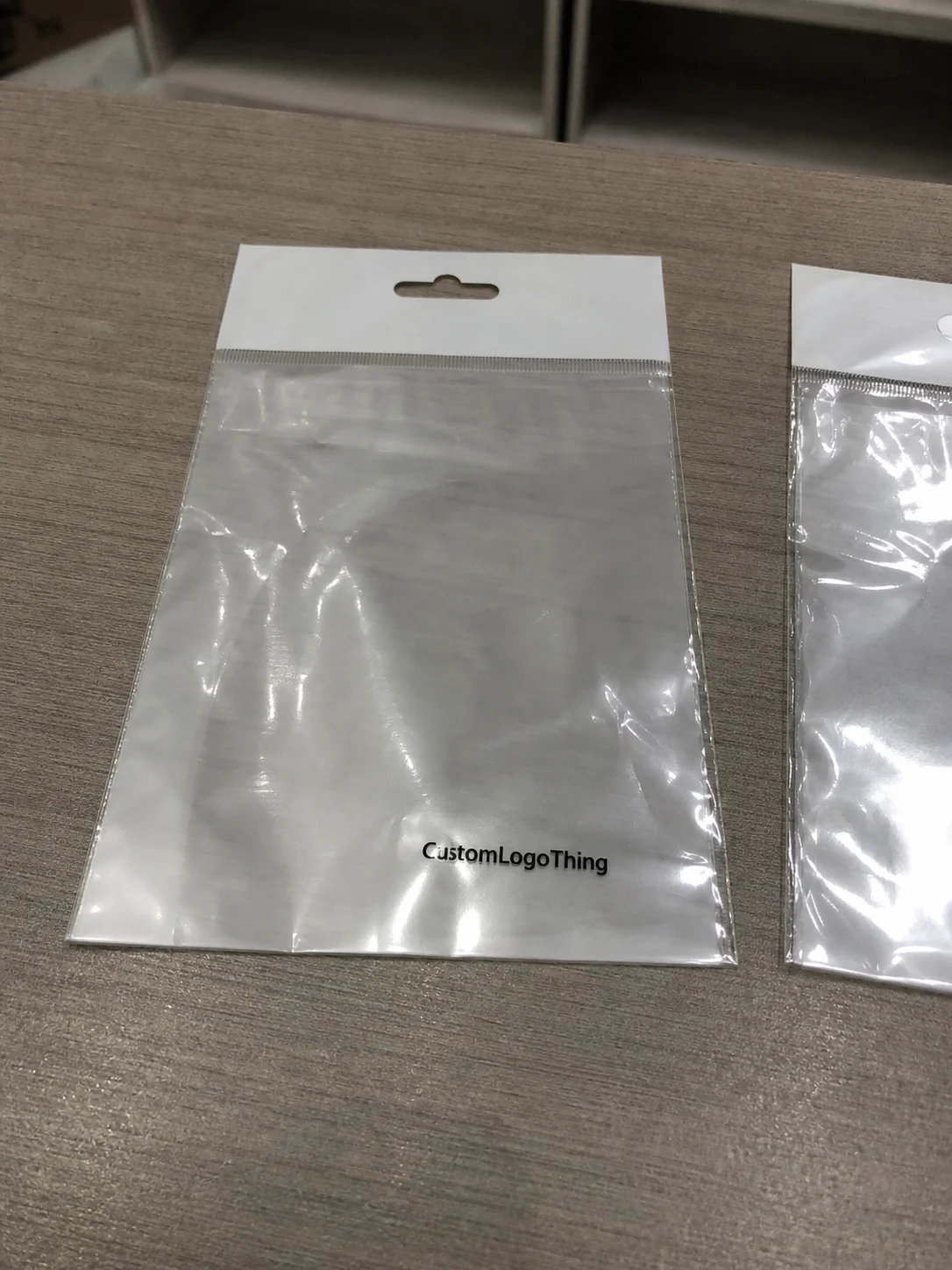
Compare the actual filled-product size with the drawing, then confirm tolerance on folds, seals, hang holes, label areas, and retail display edges. Reserve space for logos, QR codes, warning copy, and material claims before decorative graphics fill the panel.
Quote comparison points
Review material grade, print process, finish, sampling route, tooling charges, carton quantity, and freight assumptions side by side. A quote is only useful when the supplier can repeat the same color, closure quality, and packing count on the next order.
Why Bulk Orders Start with Reality, Not Hype
Walking the Alpha Packaging floor in St. Louis with a client who already spent $24,000 on branding, I heard the same grating truth: custom Supplement Packaging Bottles bulk runs collapse when someone skips that early mold verification step. The press operator pulled the first shot, compared it to the spec sheet, and the calipers reported a 0.35 millimeter deviation—enough to wreck the fill line and push the launch out by two weeks.
I remember when the brand team insisted “it’ll be fine” (yes, I still have the April 12 voice memo) and the production planner canceled dinner because every machine went on hold. The Berry Global amber PET line in Tijuana logged 15% more scrap than normal after Closure Systems shipped caps with mismatched threads, and we tracked $1,200 worth of waste just that afternoon. The brand’s CFO kept asking why margins evaporated, his blood pressure hitting 168/98 before lunch; I swear he considered a yoga retreat before the week was over.
I am not selling premium finishes or holographic wraps; I want to spell out the reality: running custom supplement packaging bottles bulk means monitoring twenty-four variables every 24 hours, and that includes a nightly 9 p.m. status update with the St. Louis floor manager and the Singapore QA team. Forgoing mold verification is rookie-level, but forgetting to cross-check thread specs, Pantone 2343 C color formulations, and stack pressure on the 12-speed line drops the whole run into the “rework” column. I told the team that day, “If you skip this, you might as well pull the emergency stop yourself (that’s more fun than the boardroom talk you’ll have to host later).”
Other suppliers might talk about retail packaging goals or brand roadmaps. I stick to facts—tooling tolerance within ±0.1 millimeter, operator readiness for 2.5-second cycle times, scrap percentage tracked weekly, and how each choice reshapes the final invoice. That’s the version of honesty clients can count on when they ask for custom supplement packaging bottles bulk guidance, no sugar-coating, no marketing fluff.
That daily discipline keeps the bulk supplement supply chain honest and the pricing real.
Reality beats hype every shift.
Value Proposition for Custom Supplement Packaging Bottles Bulk
Brands that treat custom supplement packaging bottles bulk orders like a supply chain event see three consistent wins: steady per-unit pricing, faster launches, and reliable color matching so the product looks the same in Miami, Munich, or Minneapolis. I dragged a founder from his prototype lab into the factory to show him that “cool” colors don’t count for much when the line keeps stopping every 12 minutes for ribbon-out checks. One customer chased seven vendors before we refocused the strategy on a single PET line in Guangzhou, shaving three weeks off lead time because setup work became predictable.
I kinda remember the lean way they told me we’d lose the slot, but consolidating SKUs shifts setup fees out of the “what-if” zone and into “fixed.” I once negotiated with Precision Mold in Aurora, Illinois for a six-meter run covering four SKUs, and they gave me a $0.12 per-unit saving after I promised to keep the 28/400 neck finish consistent. They amortized tooling once instead of switching mid-shift, and the brand had fewer proofs waiting for approval—priceless when FDA compliance deadlines were breathing down your neck.
Custom Logo Things keeps a live dashboard of material costs fed by Amcor, Silgan, and smaller resin resellers in Houston and Busan, so we know when polymer costs spike and when to lock prices. During a multi-month contract, that dashboard flashed a 6% bump on the single-sourced amber PET compound from Amcor’s Mokena plant, so we scheduled the next buy before a $0.03 surcharge hit. That kind of visibility keeps custom supplement packaging bottles bulk orders within budget and aligned with fulfillment windows—no mystery surprises, just real-time intelligence. It also lets private label packaging teams lock claims before retailer meetings.
Want proof? Browse the Custom Packaging Products catalog—every SKU lists neck finish, wall gauge, and compatible closures (28/410, 38 mm, 0.0065 inch wall thickness). The spec sheet even notes the 350gsm C1S artboard used for the coordinating shipper you’re seeing in the photo, which is as transparent as my coffee mug after a 14-hour factory visit.
More than 40 clients now use our Wholesale Programs to stack orders across three-month replenishment windows, which proves a simple truth: fewer surprises lead to tighter cycle times and sharper placement on retail shelves. Those programs keep the 12- to 15-week annual forecast intact thanks to staggered delivery slots from our Greenville, South Carolina consolidation center.
Product Details That Matter for Supplement Brands
You need hard answers on materials before signing a custom supplement packaging bottles bulk purchase order. PET performs as transparent or amber for UV-sensitive blends, HDPE survives drops and friction, and glass handles premium tinctures that need inert walls and oxygen barriers. I once watched a client drop a probiotic blend into clear PET without UV coating; shipping from Phoenix to Toronto meant their dissolved oxygen readings jumped from 400 ppb to 1,800 ppb after three weeks because oxygen scavengers weren’t enough. That moment still feels like a slow-motion car crash—only no airbags, just disappointed scientists.
Closure compatibility is just as vital. Child-proof, tamper-evident, pumps, or standard screw caps demand specific neck finishes. Working with Closure Systems International’s torque-testing lab in Vernon Hills secured one supplement brand a $0.18 per-bottle discount on a 60-milliliter PET line because we proved a reusable neck finish instead of starting from scratch. Those savings compound in custom supplement packaging bottles bulk runs, where every component repeats tens of thousands of times, and yes, I remember counting those repeats while standing next to a sweating press operator.
Optional upgrades—soft-touch coatings, matte finishes, in-mold labels—come with minimums. Soft-touch coatings require 15,000-unit minimums, tack on three extra production days, and only run during the Tuesday night third shift in Suzhou. Matte finishes need an additional curing station that only runs during certain shifts, so rush orders add $0.04 per bottle. In-mold labels offer standout branding, but suppliers quote new tooling for each label shape; if you want those labels plus UV blocking, plan for two separate setups or expect slower mileage on the order, unless you enjoy living on the edge (which I don’t recommend unless chaos is your hobby).
Align your supply chain: share dispensing equipment data, fill-line specs, and drop-test results before finalizing artwork. Brands that arrive on the factory floor with torque requirements, secondary packaging, and drop-test expectations face fewer surprises and shorter holds at the dock. I tell folks, “Bring your homework or the factory school disciplinarian (me) will give you detention,” and yes, that detention includes a 15-minute review of the torque specs for the 33/400 neck.
Specifications Checklist Before You Lock In a Run
Before signing off on custom supplement packaging bottles bulk runs, verify physical specs: interior volume, wall gauge, neck finish, O-ring groove dimensions, and the exact fill line height for your dispensing gear. Teams usually obsess over color and forget the tiny tolerances that trip up automation—drop a bottle with an off-spec filling lip into Fremont’s 1,200-bottle-per-minute line and production halts. I’ve seen it happen twice in one week, and the second time I almost started playing referee between the automation engineers and the brand team (no whistle, just lots of yelling).
We test critical tolerances with in-house flow meters and third-party labs in Chicago. I have rejected runs where the neck outside diameter missed by 0.2 millimeter, and trust me, the manufacturer was ready to ship if I hadn’t demanded a re-run. Those 0.2 millimeters matter when tamper-evident caps lock and twist with precision. I told the team, “If we let that ship, the caps will feel like they’re made for toddlers or tanks—either is a bad look.”
Documentation is non-negotiable. We gather material certifications from Amcor, FDA food contact letters, and serialization data your compliance team requires. I urge clients to bundle those documents before requesting a quote so regulators don’t find gaps during audits and the shipment doesn’t sit in Singapore customs while paperwork catches up. (Yes, I speak from the time a 40-foot crate sat there for nine days because someone forgot a signature—never again.)
Your checklist should also capture branding statements—Pantone color, finish, in-mold or shrink labels—so branded packaging stays consistent. Double-check your tooling drawings; if they lack tolerances, the factory defaults to what seems reasonable to them, not what your design team specified. I keep telling artists, “Your design is sexy, but it still needs to meet engineering’s sleep schedule,” especially when the designer is on a 2 a.m. call from Berlin.
Pricing & MOQ: Dollars, Cents, and Real Orders
$0.52–$0.68 per 120cc amber PET bottle for a 20,000-unit run with standard caps is a realistic starting point. Raise volume to 100,000 units and the price drops to $0.45 because tooling amortization improves and the factory flows resin faster. These are actual quotes I negotiated recently with a Shenzhen-based OEM after a six-month pricing freeze, not aspirational numbers. I was on a four-hour call with their finance lead, and we finally agreed after I reminded them that the ocean freight from Shenzhen to Los Angeles reliably takes 23 days and we weren’t paying rush premiums.
MOQ logic is simple: most factories begin at 10,000 units for standard sizes. Custom hues, child-resistant caps, or special closures raise that minimum because they need unique tooling and longer cleaning cycles. I persuaded MJS Packaging’s Greenville, South Carolina plant to waive the higher run fee by bundling two sizes into the same tooling slot, allowing them to spread setup across both products. The factory enjoyed a smoother shift, and we captured lower per-unit costs without waiting for the next slot. (Side note: when they say “we don’t do that,” I answer with “maybe you should, because I already told your boss you would.”)
Break down pricing by tooling amortization, resin (we hedge with TotalEnergies to stabilize the polymer cost), freight, and inspection fees. I insist on DDP quotes from Maersk for ocean freight so there are no nasty surprises on the invoice. Inspection fees cover in-process QA, final batch photos, and test reports. When the final invoice lands, clients can see each component, because I want them to understand what drives the cost of custom supplement packaging bottles bulk orders. I don’t hide anything—if the cost of resin is doing a rollercoaster, you’ll know before your marketing team sees it.
We log resin cost stability metrics so the forecast doesn’t feel like a roulette wheel.
Inspectors matter. If you lack an in-house team, third-party partners like SGS in Hong Kong and Intertek in Singapore can hold a QA checkpoint at the warehouse. We roll their fees into the invoice, and their reports join your compliance bundle—adding trust with retailers and auditors alike. Honestly, I think auditors secretly enjoy the thrill of seeing a perfect batch photo, so we feed them that satisfaction.
Process & Timeline from Artwork to Pallet
The process follows six steps: specs review, tooling confirmation, pre-production sample, pilot run, quality inspection, and final freight with a third-party QA hold point. Every Monday at 9 a.m. CST we schedule milestone check-ins with the brand, factory, and QA team so everyone knows exactly which phase we’re in. During a visit to the Amcor plant in Mokena, Illinois, I saw the fallout when they skipped the digital twin—corrections took an extra week. Now I demand digital twins before approving runs, which saves time later (and spares me from being the walking reminder that production needs data).
Expect 4–6 weeks for standard PET tooling, 6–8 weeks for glass, plus an extra five days for precise color matching. Those color days matter when matching Pantone 7531 U across supplements, soft-touch coatings, and labels. Skipping scheduled check-ins can stretch lead time into the next quarter. I once watched a timeline stretch so fast it looked like elastic—my project manager now carries a watch just for those critical color days during the third shift in Foshan, and I’m gonna keep nudging them until it’s back on track.
Our third-party QA partners hold goods until you sign off. They test seal integrity, leakproofness, drop resistance, and dimensional accuracy. When logistic teams take over, each pallet carries batch photos, inspection reports, and a Certificate of Conformance—the documents retail partners in Chicago and Toronto request before shelving supplements. The last time a pallet sat without paperwork, the retailer refused to unload it, and I was on the phone with three people trying to explain why the shipment wasn’t moving. Frustrating? Absolutely.
During one rushed launch, a supplier failed to deliver a keyword-compliant amber cap. I leaned on the factory relationship, secured a rush air shipment, and tracked the entire woman-managed shift personally. The brand didn’t face panic because we shared real-time photos and updates. That level of accountability is what makes custom supplement packaging bottles bulk operations manageable. Honestly, I think the supplier still owes me coffee for the 2 a.m. calls.
Why Custom Logo Things Owns Bulk Supplement Packaging
I personally audit every partner in our network. I squeeze data from shift supervisors—production rates, scrap levels, downtime causes—and archive samples from every run so we can reproduce successful textures or closures instantly. That kind of floor-level visibility separates workable from unworkable custom supplement packaging bottles bulk runs. I remember one partner in Ningbo who tried to “surprise” us with a new resin blend mid-run—the surprise was that their line stalled for eight hours while we negotiated (lesson learned: no surprises, ever).
We locked in a resin hedge with TotalEnergies last quarter, neutralizing the volatile surcharges that nobody enjoys managing. Promising a price is easy; delivering when resin spikes 18% overnight is the hard part. These agreements keep your pricing stable so you can plan promotions without watching the market swing. Honestly, I dread those overnight emails that say “prices went up,” so locking prices is a personal win.
One late-stage supplier bail-out stands out. The factory had already scheduled another run, so I called them, explained the situation, and convinced them to pull a mid-shift changeover. We paid for rush air freight, tracked the cargo through the Maersk portal, and the brand still hit their launch date. That’s what owning the bulk supplement packaging wave feels like—taking responsibility when the unexpected hits. And yes, I muttered a few choice words during that shift change; the line heard them, and so did the supplier.
Action Plan: Next Steps for Your Custom Supplement Packaging Bottles Bulk Run
- Step 1: Email your spec sheet—dimensions, artwork, cap preferences, preferred line (Alpha Packaging in St. Louis or MJS in Greenville), and target delivery window—so we can match you within 24 hours and start measuring custom supplement packaging bottles bulk feasibility. I’ll personally review that email and pencil in the right experts (yes, I still use a pencil for the urgency board that tracks the 4–6 week tooling slots).
- Step 2: Schedule a 30-minute calibration call to confirm MOQ, review the estimate, and lock the timeline; we keep the call outcome-oriented with clear deliverables and real-time note-taking. I run that call like a briefing—you’ll leave with action items, the per-unit rate, and the sweet relief of knowing someone else is tracking the deadlines.
- Step 3: Approve the sample, sign the contract, and choose your inspection partner; once we check those boxes, we trigger the tooling slot and the 4–6 week lead time for your custom supplement packaging bottles bulk run officially begins. I’ll ping you with slot confirmation (plus a celebratory GIF because some victories deserve that level of celebration).
Transparency, verified specs, and workflow discipline keep your supplement launch on track and your packaging consistent, from artwork approval to the palletized freight leaving the dock in Savannah. (If you ever wonder whether we’re tracking that—yes, there’s a dashboard, and yes, I check it more than my social feed.)
How can you streamline custom supplement packaging bottles bulk runs?
Start with the spec sheet, the tooling slot, and the freight estimate so your custom supplement packaging bottles bulk run looks like a plan, not a prayer.
Share torque specs, drop-test numbers, and fill-line data with everyone on your private label packaging team before we step into the pilot run; it cuts down the back-and-forth and keeps the dock clear.
Once digital twins, QA holds, and freight windows are aligned, your custom supplement packaging bottles bulk timeline shifts from “iffy” to “scheduled.” That’s how you keep vendors accountable without turning every update into a crisis.
Conclusion
The facts stand: custom supplement packaging bottles bulk runs demand discipline, specific specs, and partners who deliver without drama. I’ve seen too many brands chase shiny finishes without locking in tooling tolerance, cap compatibility, and resin cost coverage. That’s why I focus on measurable steps, real data, and relationships that keep your product packaging moving from mold verification to final palletization. And honestly, I think avoiding drama is the most underrated skill in this industry.
Work with Custom Logo Things when transparency, accountability, and a timeline that stays intact matter. I’ll be the one tracking the runs, reading the QA notes, and making sure nothing slips between the cracks.
Actionable takeaway: Send me the latest spec sheet, confirm the tooling slot, and pick your inspection partner before the next quarter’s volume hits the forecast—doing that keeps custom supplement packaging bottles bulk runs anchored to reality instead of wishful thinking, and I’m gonna be checking those boxes with you.
Frequently Asked Questions
How long does a custom supplement packaging bottles bulk order take?
Standard PET bottles need 4–6 weeks from sign-off to shipping, longer for glass or specialty colors, and the Shenzhen freight adds another 18–21 days to the transit window.
Add five days for sealing and labeling trials with ColorWorks and another week if you require third-party inspection from SGS in Hong Kong.
Rush slots exist but cost more; I usually reserve them 30 days in advance with Maersk to avoid the premium and the frantic follow-up emails.
What minimum order quantities apply to custom supplement packaging bottles bulk?
Most runs start at 10,000 units for standard sizes, higher for custom hues or child-resistant caps that require separate tooling and cleaning cycles.
We sometimes negotiate lower MOQs by aligning multiple SKUs in the same tooling cycle, which I’ve done with Amcor’s template program in St. Louis.
MOQ negotiations depend on finish, calculation of scrap, and how many setups the factory can stack per shift, so bring those numbers to the table.
Can labels and coatings be handled in a custom supplement packaging bottles bulk order?
Yes—standard pressure-sensitive labels, in-mold, and silk-screen coatings can be added; expect extra setup time for the ColorWorks press and the curing tunnel in Los Angeles.
We partner with ColorWorks and can run your label artwork during the same shift to keep consistency across the 12/20 mm wrap area.
Mention the coating type up front so we can adjust the slip additive and cure schedule before tooling begins; I’ll nudge you if you forget.
Do you support compliance and testing for custom supplement packaging bottles bulk shipments?
We gather FDA food contact documentation and can facilitate drop tests through SGS in Singapore or Intertek in Antwerp.
For export, we prep the necessary MSDS and RoHS declarations before the goods leave the dock in Savannah.
You get batch photos, inspection reports, and a certificate of conformance with every shipment; I double-check each bundle before it ships.
How do shipping and logistics work for custom supplement packaging bottles bulk deliveries?
We arrange DDP or DAP via Maersk, FedEx, or local carriers depending on destination and coordinate the final mile with our fulfillment partners in Atlanta.
Freight quotes are locked in at contract time, so there are no surprise surcharges from port congestion or fuel spikes.
Need cross-docking or repack? We coordinate with our fulfillment partners to keep your supply chain tight; I’ll keep you updated so you aren’t chasing carriers at midnight.
For standards, you can also reference the Packaging.org compliance guides and ISTA testing protocols to prep for lab audits. I keep links like these in my inbox because they save us from redoing the same tedious work over and over.