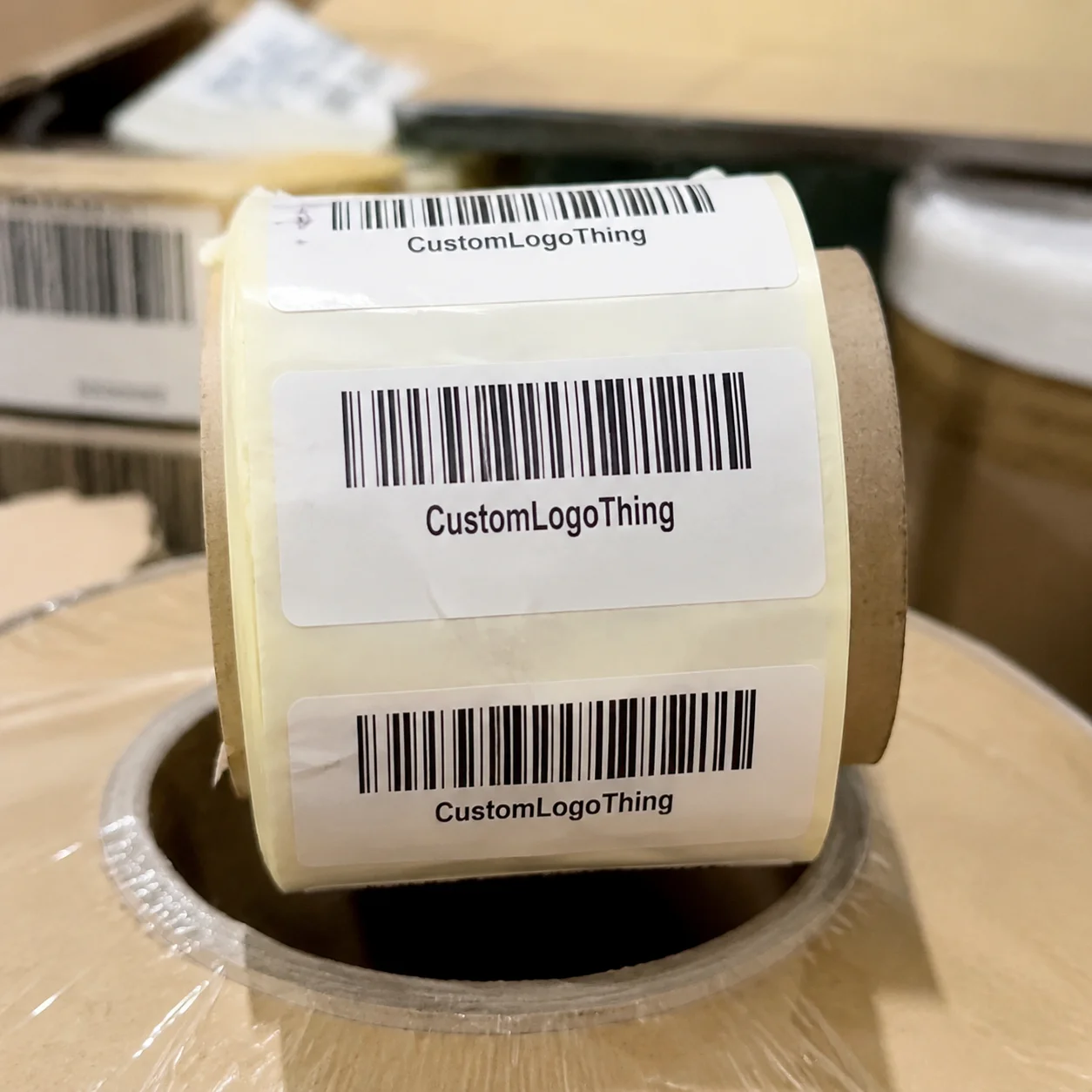
Most apparel label failures trace back to mismatch, not design. Heat, wash cycles, adhesive choice, fabric texture, and line speed all pull on the result at once. That is why custom thermal transfer labels deserve more scrutiny than they usually get. Matched correctly, they print cleanly, survive handling, and stay readable long after a cheaper label would have smeared, curled, or lifted.
They also sit at the intersection of product and presentation. A label is part of the garment, but it also affects how a brand feels on receipt, during unboxing, and after the first wash. For apparel teams managing branded packaging, tighter package branding, or a more consistent product packaging system, labels are one of the least glamorous decisions with one of the biggest downstream effects.
The trap is assuming all labels solve the same problem. They do not. A size label for a basic tee, a care label for a technical hoodie, and a barcode label for a fulfillment carton need different constructions. Treating them as interchangeable is how programs get expensive in the wrong places.
What Custom Thermal Transfer Labels Are and Why Apparel Brands Care
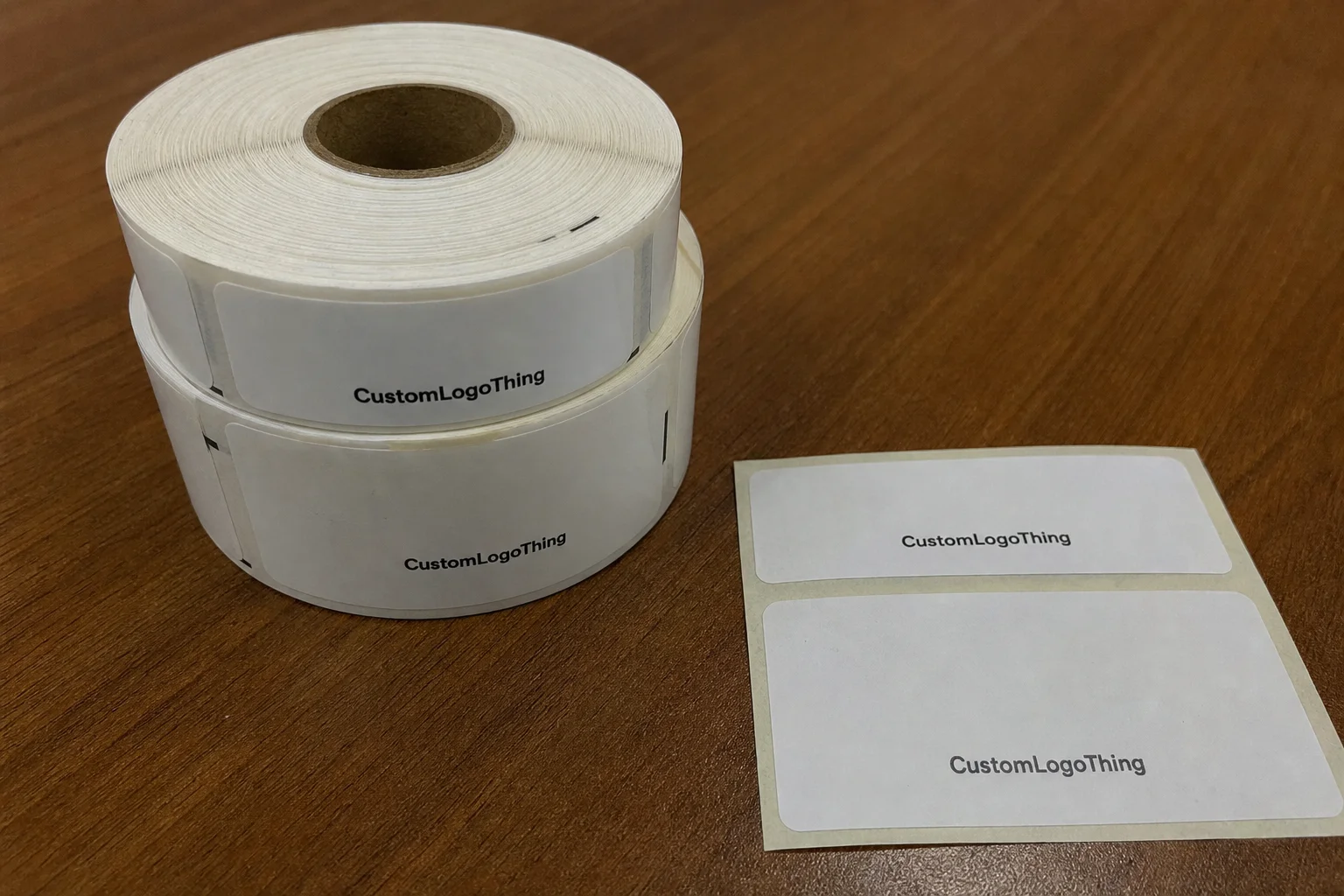
Thermal transfer printing uses heat and pressure to move ink from a ribbon onto a receiving surface. In apparel, that surface might be a synthetic label stock, a care label insert, or a logistics label used during packing and distribution. The process is valued because it produces sharp text, solid contrast, and repeatable output without the smudge risk that comes with some lower-grade print methods.
Custom thermal transfer labels are useful because they can be tailored to the garment, the use case, and the production environment. That matters. A brand that sells soft basics and performance wear does not need one universal label format. It needs a system that can handle different fabrics, different wash expectations, and different ways of applying or attaching labels.
Compared with woven labels, thermal transfer labels are usually faster to produce and easier to standardize. Compared with direct print on garment, they can be easier to control across multiple factories or co-packers. Compared with sticker-based solutions, they are far better suited to apparel conditions. The catch is that durability is not automatic. It depends on the full stack: substrate, ribbon, adhesive, printer settings, and the environment the label will live in.
Most label failures are spec failures. The artwork gets blamed because it is visible, but the real issue is usually the material, the ribbon, or the application method.
That is the first thing experienced buyers learn. Start with the garment and the end use. Then choose the label. Not the other way around.
How the Transfer Process Works on Clothing Labels
The mechanics are straightforward. A thermal transfer printer heats the ribbon, the ink releases, and pressure bonds that ink to the label surface. If the stock is wrong, the ink sits poorly. If the ribbon chemistry does not match the stock, the print can rub off. If the print settings are off, the label may look fine on the roll and fail once it is folded, washed, or shipped.
Buyers only need a few variables to make a strong decision, but they need to understand them clearly.
- Printer type: direct thermal and thermal transfer are not the same. Apparel programs typically need thermal transfer for durability.
- Ribbon type: wax, wax-resin, and resin behave differently. Resin is usually the safer choice for wash resistance and abrasion.
- Face stock: paper, polyester, and textile-like synthetics accept ink in different ways and carry different durability limits.
- Attachment method: sewn-in, heat-applied, peel-and-stick, or insertion into packaging all change the performance profile.
Care labels do not face the same conditions as inventory labels. A label inside a cotton tee is exposed to skin contact, laundering, folding, and friction. A size label on a folded garment may only need clean readability and stable placement. A barcode label on a fulfillment pack needs scan accuracy more than softness or aesthetic polish. One construction rarely covers all three well.
In production, the workflow should be clear: artwork review, material selection, proofing, print setup, run, finishing, and inspection. Variable data adds another layer. If the order includes sequential numbering, multiple SKUs, or barcodes, the supplier’s file control matters as much as the printer itself. A weak process turns simple jobs into rework.
Repeated orders are where discipline shows up. A supplier that stores approved specs, printer settings, and repeat-job notes can save time and reduce errors on reorders. That matters for brands running frequent drops or managing Custom Labels & Tags alongside other Custom Packaging Products in the same production window.
Cost, Pricing, and MOQ Basics for Label Buyers
Label pricing is driven by a set of variables that are easy to overlook because they sound ordinary. Material, size, color coverage, finish, order volume, tooling, and packaging format all affect the final number. Two labels that look almost identical can still differ by 30% to 60% in unit cost if one needs a specialty adhesive or a synthetic stock that survives repeated laundering.
For apparel buyers, a realistic starting point for custom thermal transfer labels often looks like this:
| Order Tier | Typical Unit Range | Common Upfront Costs | Best Fit |
|---|---|---|---|
| 1,000 to 2,500 pieces | $0.20 to $0.45 each | Higher setup, proofing, and small-run labor | Sampling, pilot drops, limited collections |
| 5,000 to 10,000 pieces | $0.10 to $0.28 each | Moderate setup, better per-piece efficiency | Core SKUs, seasonal replenishment |
| 25,000+ pieces | $0.06 to $0.18 each | Lower per-unit setup impact, more efficient runs | High-volume basics, standard size or care labels |
Those ranges are intentionally broad. A one-color size label is a different job from a multi-line care label with barcode data and a tested adhesive. Low quotes often hide the real cost in proofing, setup, or revisions. If a supplier avoids discussing those pieces, the estimate is probably incomplete.
MOQ can be equally misleading. Minimums often reflect material availability, press setup, or custom tooling. That is normal. What matters is whether the MOQ fits the brand’s product rhythm. A stable evergreen line can absorb a higher commitment. A seasonally changing program usually cannot. Dead stock from a label change is still dead stock, even if the unit price looked attractive.
Ask for quotes that are truly comparable. Same dimensions. Same substrate. Same ribbon spec. Same finish. If the inputs are different, the numbers are not comparable, and the lowest quote may just be the least honest one.
Watch for hidden line items:
- Artwork cleanup and file correction
- Custom die or tooling charges
- Special adhesives for stretch, coated, or low-energy surfaces
- Rush production fees
- Additional proofs or sample rounds
That is where margins quietly slip. The label itself is rarely the only cost.
Production Steps and Turnaround: From File to Finished Roll
A clean order starts before production. The supplier should be able to review the file, confirm the spec, and flag problems before anything is printed. If those steps are rushed or skipped, the result is usually delayed anyway, only with more waste attached to it.
The basic path is simple: artwork review, material confirmation, proof, production, inspection, and shipment. Complexity enters through variables like size matrix, multilingual copy, barcodes, special finishing, or attachment format. One missing detail can stop the whole run.
Send the following early if you want a realistic quote and timeline:
- Final dimensions
- Quantity by SKU or size
- Garment type or fabric composition
- Application method
- Wash and abrasion expectations
- Packaging format, such as rolls, sheets, or serialized packs
For straightforward apparel labels, a common turnaround is 8 to 15 business days after proof approval. Custom constructions, special adhesives, or variable-data jobs usually take longer. Rush jobs can sometimes move in 3 to 7 business days, but only if the materials are available and the artwork is already clean. Rush fees do not fix unclear files; they only compress the mistake window.
Packaging and transit matter too. If labels are being shipped with garments or into a fulfillment center, ask how they are packed, how rolls are oriented, and whether cartons need extra protection. On larger distribution programs, teams often borrow transit-testing logic from frameworks such as ISTA so product and label damage are checked before a launch exposes them.
Complexity rarely hides. It usually announces itself in the schedule. A plain black-on-white size label is fast. A multi-SKU care label with special adhesive and serialized tracking data is not. The order takes as long as the slowest part of the workflow.
How to Choose the Right Label Construction for Wash Durability
There is no universal best construction. There is only the right one for the garment, the wear cycle, and the level of handling expected before the customer even washes it once. A premium hoodie, a children’s basic tee, and a technical base layer all ask different things from a label.
A practical way to narrow the choice is by use case:
- Care labels: need legibility, wash resistance, and a finish that does not irritate the wearer.
- Branding labels: need consistent appearance and a material that supports the product story.
- Size labels: need fast recognition and strong contrast.
- Inventory or barcode labels: need reliable scan performance and stable handling.
Fabric matters more than many buyers expect. Cotton behaves differently from polyester. Stretch knits behave differently from woven fabrics. Coated surfaces introduce another layer of risk because the adhesive may not bond as expected. A label that performs well on one fabric can fail early on another without any change to the artwork at all.
For wash durability, the safest default is often a resin ribbon on a synthetic face stock with an adhesive tested for the intended surface. That is not the cheapest option, and it should not be selected blindly. It is the better starting point for programs exposed to laundering, abrasion, or repeated folding. A label inside a seam needs a different comfort profile than one that gets packed, shipped, and handled repeatedly in transit.
A rough filter helps:
- Short-life or low-wash apparel: standard synthetic label with a tested adhesive or sewn-in care content.
- Mid-range fashion basics: resin or wax-resin system on a compatible stock.
- Technical or premium garments: resin system, sample testing, and tighter quality control on every lot.
If the garment is supposed to survive repeated wear, the label spec should be chosen with the same seriousness as the fabric spec. Cutting corners here is not a small saving. It is a delayed cost.
Brands often think about labels in isolation, then realize later that the package system tells a different story. If the line also uses custom printed boxes or branded inserts, the label finish should not clash with those materials. The typography, contrast, and tone should feel like part of the same product system rather than a separate purchase stitched on afterward.
For sustainability programs, there is also a coordination question. The apparel label itself may need one construction, while hangtags, inserts, or outer cartons can use FSC-certified paper. That does not solve everything, but it does keep the packaging narrative coherent instead of fragmented.
Common Mistakes That Wreck Label Performance and Budgets
The most expensive mistake is buying on unit price alone. A cheap label that fails after a few wash cycles is not cheap. It becomes reprint cost, customer support time, and sometimes a return. The savings disappear the moment the label stops doing its job.
Some failures begin in the file. Others begin in the spec. The most common ones are predictable:
- Using a font that is too small for care text or barcode readability
- Poor contrast between text and background
- Ignoring placement and fold direction
- Ordering before confirming the application method
- Skipping proof review because the artwork looks fine on screen
- Choosing a label spec that does not match the fabric or wash environment
Rush ordering creates its own problems. When teams skip proof approval to save a day, they often lose more time later correcting the wrong run. The issue is rarely the speed itself. It is the missing verification step that should have caught the error.
Variable data can also go sideways quickly. If sequencing files are off, if roll direction is incorrect, or if SKU information is inconsistent, the entire batch may be unusable. That is avoidable with a basic review process and a supplier who actually checks the data before printing.
Another common issue is treating labels as separate from the rest of the packaging program. A brand may coordinate custom printed boxes, apparel inserts, and labels, but let each item be designed in isolation. The result is a fractured customer experience and a production team that has to reconcile mismatched specs late in the process. If the visual system is meant to feel unified, the materials should be planned together.
Cheap labels are expensive when they fail in the field. The real bill arrives after the customer opens the package, reads the care instructions, and starts washing the garment.
Expert Checks Before You Place the Order
Before approving a run, lock the spec. Material, size, quantity, attachment method, wash standard, and packaging format should all be final. If one of those is still in motion, the quote is not fully reliable yet.
For premium garments or technical apparel, ask for samples or test prints. A solid supplier should expect that request. Samples expose bad assumptions early, which is exactly what they are for. Check print density, edge quality, adhesive behavior, and whether the label still looks clean after bending and folding.
Vendor quality should be judged on more than price. Response time matters. Proof accuracy matters. Tolerance control matters. So does the ability to repeat the same result on the next run. A supplier that tracks approved specs and inspection notes is usually worth more than a cheaper quote that has no process behind it.
A small pilot batch is often enough to expose the main risks. Use this as a practical test:
- Apply labels to the intended garment or substrate.
- Wash the sample at least 5 times under normal conditions.
- Inspect for smear, lift, edge curl, or fading after each cycle.
- Rub and fold the garment as a customer would.
- Check barcode scan quality if the label carries variable data.
For more demanding programs, some buyers align abrasion checks with ASTM methods such as ASTM D4966 or use transit-test logic similar to ISTA for packed goods. Not every label needs lab testing, but every label needs a standard that is better than guesswork.
That is the practical buying model: define the spec, compare equivalent quotes, request proof or samples, and tie the order to the real production calendar. Custom thermal transfer labels perform well when the system around them is controlled. That is not a marketing claim. It is the difference between a label that disappears into the workflow and one that keeps creating work long after the shipment lands.
What are custom thermal transfer labels used for in clothing?
They are used for care instructions, branding, sizing, and sometimes inventory or barcode labeling on apparel. They work best when a clean, durable mark is needed and the label must survive handling and laundering better than a basic sticker.
How long do custom thermal transfer labels last after washing?
Durability depends on the ribbon, stock, adhesive, fabric, and wash conditions rather than print method alone. When those parts are matched correctly, the label can hold up through repeated wash cycles without smearing or lifting.
What affects the price of custom thermal transfer labels the most?
Quantity, material, size, finish, and setup complexity usually drive the biggest changes in price. Rush timing, special adhesives, and additional proofing can move the quote more than buyers expect.
How long is the turnaround for custom thermal transfer labels?
Standard turnaround depends on approval speed, print complexity, and production load. Simple orders move faster; custom constructions, special finishes, and delayed proof approval extend the timeline.
What should I send for an accurate quote on custom thermal transfer labels?
Send dimensions, artwork, quantity, garment type, application method, and any wash or compliance requirements. If there is a target launch date, include it up front so the supplier can confirm the production window before you commit.