Barcode Labels Low MOQ Custom Order: Small Runs That Still Scan Cleanly
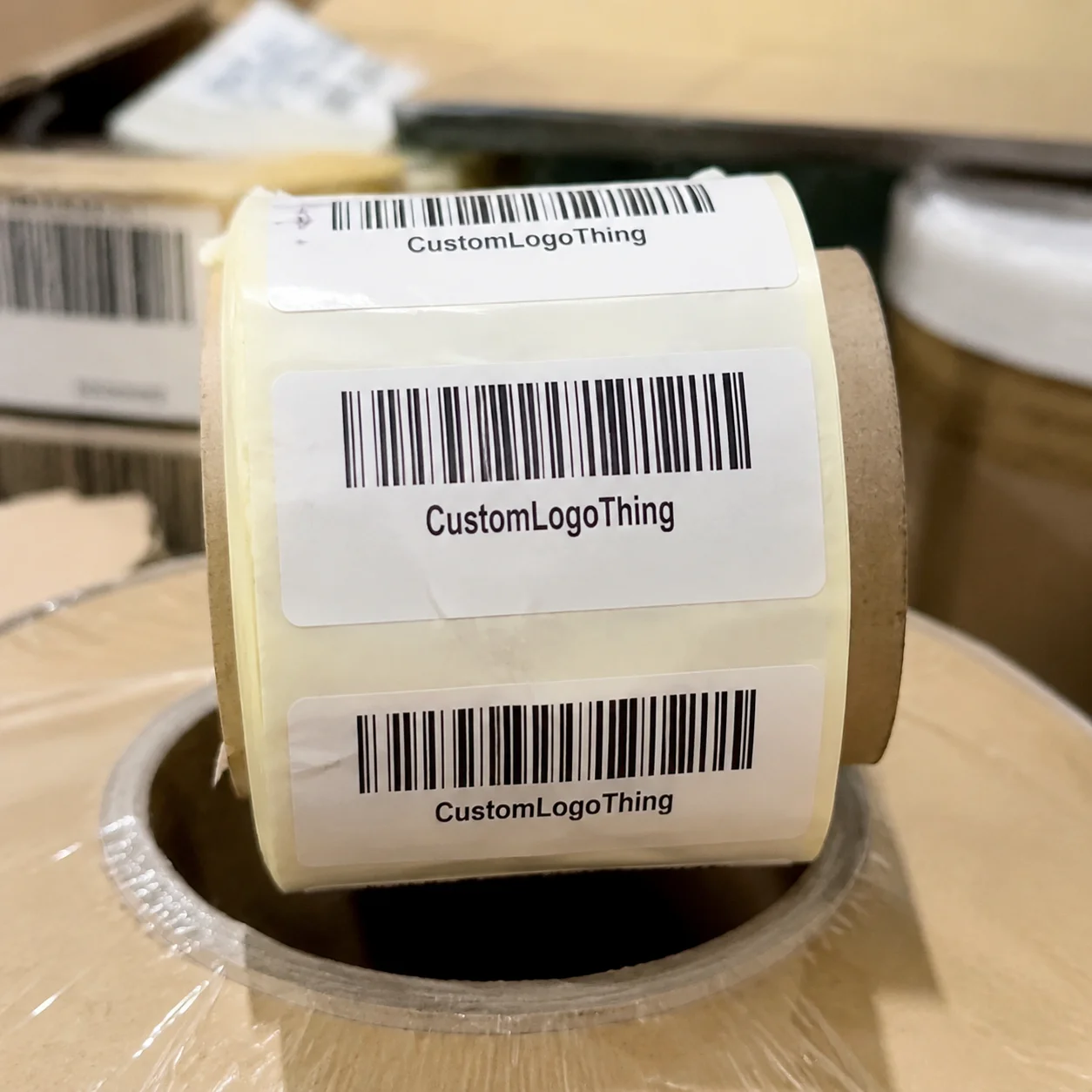
A small batch can look polished on the shelf and still fail at receiving if one label will not scan. A barcode labels Low MOQ Custom Order lets a buyer label boxes, jars, pouches, sample kits, retail units, or warehouse bins without buying 50,000 labels before the product has proven itself.
That matters. Cash trapped in obsolete labels is not only an accounting nuisance. It becomes a packaging control problem when a UPC changes, a compliance statement gets revised, a private label buyer asks for different copy, or a seasonal SKU runs for six weeks and disappears. Short runs give teams enough labels for a launch, warehouse test, compliance update, or limited production batch while keeping the label built like a working part of the package.
Low MOQ does not mean improvised. The same fundamentals apply whether the order is 250 pieces or 25,000 pieces: readable barcode artwork, the right face stock, adhesive matched to the surface, durable printing, accurate die cutting, and a roll or sheet format that fits the application method. Many small runs get under-specified at exactly this point. The buyer focuses on quantity. The scanner still needs contrast, quiet zones, and clean print edges.
Custom Logo Things supports short-run barcode labels for common packaging and inventory needs, including UPC labels for retail cartons, Code 128 labels for warehouse systems, QR and 2D codes for product information, batch number labels, inventory tags, shipping support labels, and new-SKU product packaging. If you are comparing suppliers, ask practical questions first: Will the label scan cleanly? Will it stay down? Is the quote based on the actual material, finish, and data requirements?
Product Details That Affect Barcode Readability
Barcode labels are not just small printed stickers. They are functional product labels, and the print method, surface finish, barcode size, contrast, and dimensional accuracy all affect whether a scanner reads the code the first time. A label can be attractive and still be a poor barcode label if the bars are fuzzy, the symbol is squeezed, or the quiet zone is crowded by a logo.
Buyers may request UPC-A or EAN codes for retail packaging, Code 39 or Code 128 for internal warehouse systems, QR codes for product information, Data Matrix codes for compact traceability, sequential numbering for inventory control, lot codes, SKU labels, or simple product identification labels. Each format has its own tolerance for size reduction and print quality. A large QR code on a flat carton is forgiving. A small linear barcode wrapped around a 1.25-inch bottle radius is not.
Artwork quality is the first control point. Vector barcode artwork in AI, EPS, or PDF format is preferred because it keeps bar edges sharp during scaling and output. Raster files can work, but they need enough resolution at final print size. Screenshots are usually a poor starting point because compression softens edges and can alter proportions. Black bars on a white or light background remain the safest choice for most scanners, especially in receiving areas with older handheld devices or mixed lighting.
Practical rule: keep the barcode panel clean, flat, and high contrast. Branding can sit around it, but the scanner needs a clear start, a clear stop, and enough quiet zone on both sides to read the symbol without guessing.
Shape and format should match the package. Rectangles work well for cartons and retail boxes. Small rounded-corner labels are common on jars, bottles, tubes, and component packaging because the corners resist lifting better than sharp square points. Wrap-style labels can include a dedicated barcode panel, but the code should sit on the flattest part of the container. Compact labels for bags and pouches need extra care because flexible films wrinkle during filling, sealing, and handling.
Rolls are usually better for hand dispensers, semi-automatic applicators, and repeat application on a packing line. Sheets suit office-style use, prototypes, kitting, and very small controlled batches. If your team already uses a dispenser or applicator, share the core size, outside roll diameter limit, label gap, and unwind direction before quoting the job.
How Small Barcode Label Orders Stay Scannable
A small barcode order stays scannable by controlling four variables early: barcode data, print contrast, label size, and application surface. If any one of those is treated as an afterthought, the order can still print beautifully and fail at the scanner.
The barcode data comes first. A UPC, EAN, Code 128, QR code, or Data Matrix symbol should be generated from the correct number or data string, not rebuilt from a low-resolution image pulled from an email. Human-readable numbers need to match the encoded data exactly. On variable data labels, the spreadsheet, SKU list, and proof must agree before production begins.
Contrast is the second control. Black on white is not exciting, but it is efficient. A scanner is measuring the difference between dark bars and light spaces, not judging brand personality. Metallic ink, low-contrast brand colors, heavy gloss, and busy backgrounds can all reduce scan reliability. For retail barcode stickers, the safer approach is often a branded label with a reserved white barcode panel.
Size is the third control. Smaller is not always smarter. If a symbol is reduced too far, the bars narrow, the quiet zone shrinks, and the scanner has less information to work with. For a barcode labels Low MOQ Custom Order, the label size should be chosen around the barcode and the package, not only around the amount of available white space on the design.
The application surface is the fourth control. Curved bottles, flexible pouches, textured corrugate, damp glass, and recycled cartons each create different risks. A short run is often the best time to test that reality. Apply a few labels, scan them under the same conditions your warehouse or customer will use, and look for lifting, glare, wrinkling, or distorted bars before you reorder at a higher quantity.
Material, Adhesive, and Finish Specifications
Material selection starts with the environment. White paper is the economical choice for dry indoor carton labeling, basic retail packaging, stockroom bins, and short-use product identification. It prints cleanly, handles one-color barcodes well, and can keep unit cost down on low-MOQ label work.
BOPP film is a better fit where moisture resistance, a cleaner feel, or a smoother package branding surface matters, such as jars, bottles, cosmetics, and flexible pouches. PET is tougher and more dimensionally stable for industrial applications, higher abrasion exposure, or labels that need a longer service life. It can be unnecessary for a dry carton label, but useful for component packaging, warehouse assets, and high-handling environments.
Adhesive is just as important as the face stock. Permanent adhesive works for corrugated cartons, glass, plastic bottles, folding cartons, and most standard retail units. Removable adhesive is useful when labels must peel away from samples, reusable containers, or temporary inventory tags without leaving heavy residue. Freezer-grade adhesive is built for cold chain products and frozen goods, while high-tack adhesive helps on textured corrugate, coated boards, recycled packaging, low-energy plastics, or surfaces that are not perfectly smooth.
Surface conditions change the decision. A label applied to a clean 72°F carton in a packing room behaves very differently from a label applied to a cold, damp bottle coming out of refrigeration. Dust, oil, condensation, curve radius, flexible packaging movement, and shipping abrasion all affect performance. If the label goes onto a pouch before filling, say so. If it goes onto a chilled jar after filling, say that too.
Finishes should support the job. Matte finishes reduce glare and often scan well under varied lighting. Gloss can make colors pop for branded packaging, but the barcode area still needs strong contrast and reflection control. Protective varnish or lamination can help with abrasion, moisture, handling, and light scuffing. Food, beverage, and personal care buyers should also ask whether material choices align with internal compliance requirements and packaging design standards.
Size is not only about fitting the label on the container. The barcode must be large enough for the intended scanner and viewing distance, while the full label still leaves room for human-readable numbers, logo, legal copy, batch data, and handling clearance. For retail UPC work, many buyers reference GS1 sizing guidance; for distribution packaging and transport testing, broader packaging validation may connect to standards and resources from groups such as ISTA. Recyclability and fiber sourcing may also be part of the specification, and paper-based buyers often ask about FSC options through FSC.
Pricing, MOQ, and Unit Cost for Custom Barcode Labels
Low MOQ pricing depends on the production setup, not only on label size. Even a short run may require artwork review, barcode file checking, material staging, press setup, die cutting, slitting, roll winding, inspection, and packing. That setup time is why the unit cost on 250 labels can look high beside 5,000 labels, even if both use the same 2 x 1 inch white paper stock.
The main quote drivers are order quantity, label dimensions, material, adhesive, finish, color count, variable data requirements, roll count, core size, unwind direction, sheet format, proofing needs, and shipping destination. A plain black Code 128 label on white paper may price very differently from a laminated BOPP label with four-color branding, three SKU versions, and sequential numbering.
| Label Option | Best Fit | Typical Low-Run Price Behavior | Key Watchout |
|---|---|---|---|
| White paper, one-color barcode | Indoor cartons, inventory tags, sample packaging | Often the lowest setup and material cost for 250-2,000 labels | Not ideal for moisture, heavy scuffing, or refrigeration |
| Matte BOPP film | Jars, bottles, pouches, retail packaging | Higher material cost, but cleaner appearance and better moisture resistance | Adhesive must match plastic, glass, or curved surfaces |
| PET with durable adhesive | Industrial labels, component packaging, repeated handling | Higher unit cost on short runs due to material and finishing needs | May be more label than a short indoor carton job needs |
| Variable data or sequential labels | Asset tags, batch labels, serialized inventory | Data setup and checking add cost even at low MOQ | Data file control must be exact to avoid duplicates or gaps |
As quantity rises, unit cost usually drops because setup time, calibration, and inspection are spread across more labels. Material usage also becomes more efficient, and the press spends more time producing good labels instead of preparing to produce them. Tiered pricing is useful here: ask for the smallest practical run, then one or two larger quantities, such as 500, 1,000, and 2,500 pieces. Purchasing gets a real comparison between cash outlay, reorder timing, and per-label cost.
There are clean ways to control cost without weakening function. Use standard sizes where possible. Choose white stock for basic barcode work. Keep the barcode in one color, usually black. Share one label dimension across multiple SKUs if the layout allows it. Send print-ready artwork. Confirm roll specifications before production so the finished labels fit your existing dispenser or applicator.
For broader packaging planning, review related Custom Labels & Tags and Custom Packaging Products together, especially if labels need to match custom printed boxes, retail inserts, or other packaging components. A barcode label is small, but it often carries the operational identity of the product.
Proofing, Production Steps, and Lead Time
A reliable barcode labels low moq custom order starts with complete inputs. Send the finished label size, barcode file or data, quantity, material preference, packaging surface, application method, and delivery deadline. From there, the job can be quoted, proofed, confirmed for roll or sheet format, moved into production, and checked before shipment.
The proof is not just a pretty picture. It should confirm barcode placement, human-readable numbers, logo position, text, margins, quiet zone, color, label dimensions, corner radius, unwind direction, and any sequential or variable data fields. If the proof shows a barcode squeezed into a corner with only 0.03 inch of quiet zone, fix it before production. A few minutes during proofing can prevent a box of labels that looks fine but slows every receiving scan.
Production is fairly direct when the information is clean. Material is selected. Artwork is prepared for the print method. Labels are printed, varnished or laminated if specified, die cut or slit, wound onto rolls or packed as sheets, and inspected for print clarity, cut accuracy, and count. On roll labels, the winding direction matters because hand application, tabletop dispensers, and semi-automatic applicators may feed from different orientations.
Lead time depends on the job. Simple one-color labels on available stock can often move in a matter of business days after proof approval, while laminated film labels, freezer adhesives, variable data, or several SKU versions may take longer. The clock should be measured from approved artwork, not from the first email, because delays usually come from missing barcode files, unclear data, changed dimensions, or uncertainty about the application equipment.
Retail launches, production filling dates, warehouse changeovers, compliance updates, and trade show sample kits all deserve early deadline information. Short-run barcode labels can be produced efficiently, but only if the production team knows what surface the label touches, what data it carries, and how fast the finished rolls or sheets need to arrive.
Quality Checks Before Labels Leave the Floor
The best small run still needs inspection because the label has a job after it looks good. It must scan cleanly, stay attached, remain readable through packing and handling, and match the product or carton it identifies. A scanning failure on 300 launch samples can damage a buyer presentation just as quickly as a scanning failure on a full production run.
Barcode verification can get technical, but the basic controls are easy to understand. Bar width, contrast, quiet zone, edge definition, print density, and distortion all affect scan performance. Small labels, curved bottles, and flexible pouches raise the risk because the symbol may bend, stretch, wrinkle, or catch glare. For critical retail and logistics work, buyers may ask about barcode grading against applicable barcode standards or scanner checks before release.
Visual and dimensional checks should confirm label size, cut registration, rounded corners, roll winding, missing labels, color consistency, text legibility, and alignment between the barcode and any human-readable numbers. If the barcode number says one thing and the printed text below it says another, the label is not ready. That mismatch can happen on variable data jobs when a spreadsheet, artwork layer, or SKU list is not controlled carefully.
Adhesive and material checks matter too. Labels should release properly from the liner, apply without tearing, avoid edge lift under expected conditions, and match the specified stock and finish. Recycled corrugate, coated cartons, glass jars, flexible films, and frosted plastic containers do not all accept adhesive the same way. Testing a few labels on the actual package before a larger reorder is one of the cheapest forms of risk control.
For sequential or variable data labels, the order should be checked for duplicate numbers, missing numbers, incorrect ranges, and mismatched readable text. If a warehouse system expects labels 1001 through 1500, a missing 1247 may create more trouble than the label cost suggests. Good data control keeps the order useful after it reaches the floor.
What to Send for a Fast, Accurate Custom Label Quote
A fast quote is usually built from complete specifications, not guesswork. If you send only a photo and say, "Need barcode stickers," the supplier has to ask several follow-up questions before pricing the job correctly. Send the details once, and you will usually get a cleaner recommendation on MOQ, material, finish, and unit cost.
- Finished label size, such as 2 x 1 inch, 3 x 2 inch, or a custom die size
- Quantity needed, plus any tiered quantities you want compared
- Barcode type, such as UPC-A, EAN, Code 128, QR, or Data Matrix
- Barcode data, human-readable numbers, SKU names, batch fields, or sequential ranges
- Artwork files, logo files, text, and color requirements
- Material preference, including paper, BOPP, PET, freezer stock, or removable label stock
- Application surface, such as corrugated box, glass jar, plastic bottle, pouch, tube, or coated carton
- Indoor, outdoor, refrigerated, frozen, damp, dusty, or high-handling conditions
- Finish preference, including matte, gloss, varnish, or lamination
- Roll or sheet preference, core size, roll outside diameter limit, and unwind direction
- Delivery deadline and ship-to location
Vector files such as AI, EPS, or PDF are preferred for sharp barcode edges. High-resolution PNG or TIFF files may work if the barcode is clean, properly sized, and not compressed, but avoid screenshots and stretched images. If you are unsure about the adhesive, include photos or notes about the packaging surface. Corrugated boxes, glass jars, plastic bottles, flexible pouches, coated cartons, and refrigerated products each create different adhesion and durability questions.
Ask for tiered quantities and a material recommendation in the same quote request. That helps you compare low-startup cost, better unit cost, and durability choices without reopening the job several times. Buyers planning repeated orders may also want to ask about reorder files, SKU version control, and broader purchasing through Wholesale Programs. For quick policy questions, the FAQ page can help, but custom barcode labels should still be quoted from the actual production requirements.
For the quickest barcode labels low moq custom order, send the scannable barcode file, finished label dimensions, order quantity, packaging surface, and deadline together. That gives Custom Logo Things enough information to price the order around real production needs, not assumptions, and it gives you a cleaner path from proof approval to labels that scan, stick, and support the package properly.
FAQ
What is the minimum order quantity for custom barcode labels?
MOQ depends on label size, material, print method, finish, and whether the job uses fixed artwork or variable data. A barcode labels low moq custom order is practical for test runs, new SKUs, sample packaging, seasonal products, and short production batches. Request tiered pricing so you can compare the smallest workable run against larger quantities with a lower unit cost.
Can I place a low MOQ barcode label order with different SKUs?
Yes, multiple SKUs can often be produced in one order if the labels share the same size, material, finish, and general layout. Each barcode file and human-readable number must be checked carefully so the printed label matches the correct product. Combining SKUs may improve efficiency, but every version should be listed clearly in the quote request.
What files do I need for a barcode labels custom order?
Vector barcode artwork in PDF, AI, or EPS format is preferred because it keeps bars sharp and edges clean. If sending raster artwork, use a high-resolution file and avoid screenshots, compressed images, or stretched barcodes. Include the barcode number, label dimensions, logo files, text, finish preference, and any roll direction requirements.
How do I know which material is best for barcode labels?
Paper labels usually work well for dry indoor cartons and retail packaging. BOPP or PET film is better when labels need moisture resistance, added durability, or a cleaner finish on bottles, jars, and flexible packaging. Adhesive choice should be based on the surface, temperature, storage conditions, and whether the label must be permanent or removable.
How long does a low MOQ custom barcode label order take?
Lead time depends on artwork readiness, material availability, quantity, finish, and whether the order includes variable data. Simple labels on stocked material can usually move faster than specialty adhesives, laminated film labels, or multi-version SKU sets. Measure timing from proof approval, and send complete specifications early to protect the schedule.