Buyer Fit Snapshot
| Best fit | Custom Tin Containers Wholesale projects where brand print, material claims, artwork control, MOQ, and repeat-order consistency need to be specified before quoting. |
|---|---|
| Quote inputs | Share finished size, material target, print colors, finish, packing count, annual reorder estimate, ship-to region, and any compliance wording. |
| Proofing check | Approve dieline scale, logo placement, barcode or warning zones, color tolerance, closure strength, and carton packing before bulk production. |
| Main risk | Vague material claims, crowded artwork, missing packing details, or unclear freight terms can make a low unit price expensive after revisions. |
Fast answer: Custom Tin Containers Wholesale: Bulk Advantage Solutions should be specified like a repeatable production item. The safest quote records material, print method, finish, artwork proof, packing count, and reorder notes in one written spec.
Production checks before approval
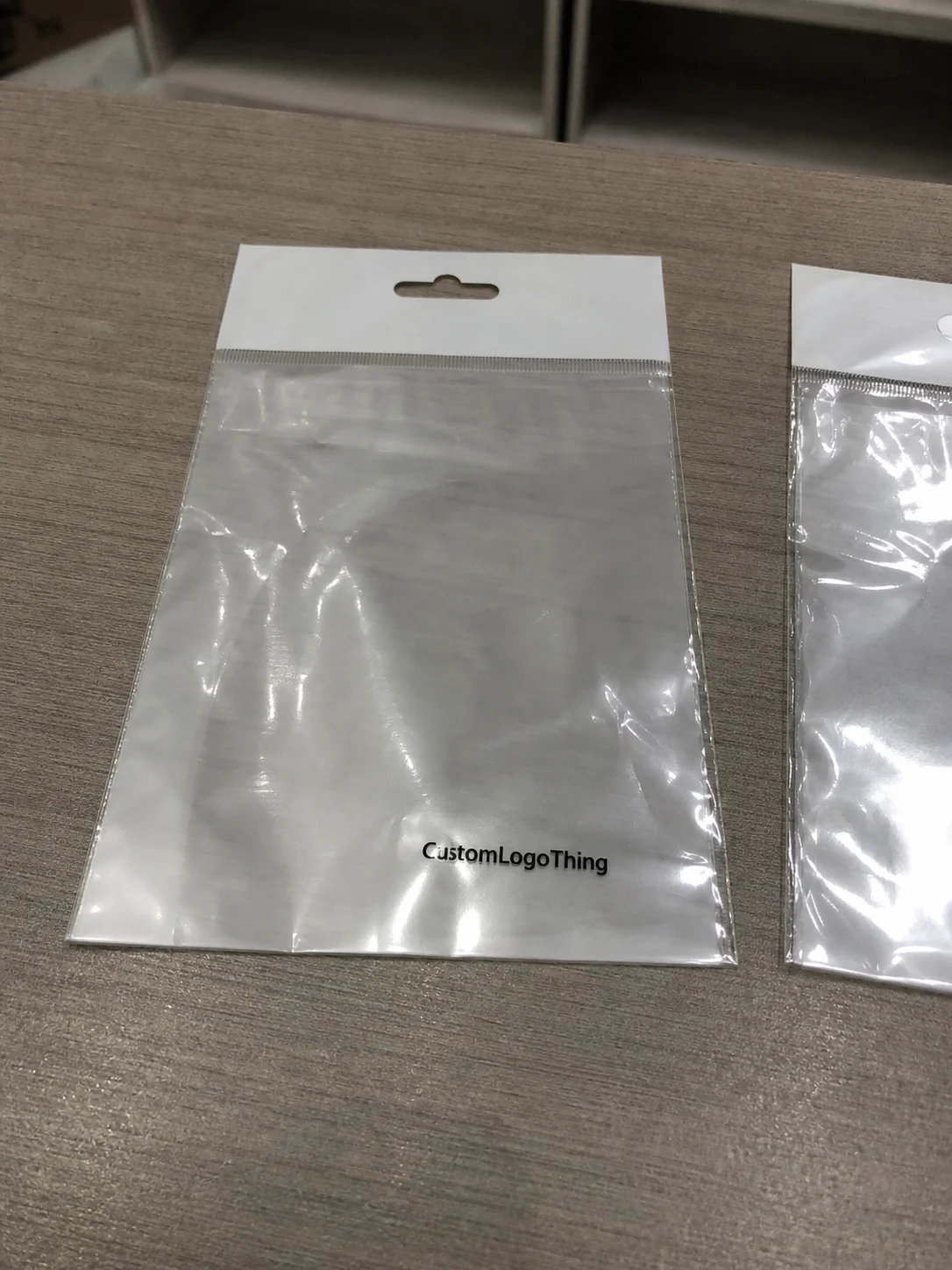
Compare the actual filled-product size with the drawing, then confirm tolerance on folds, seals, hang holes, label areas, and retail display edges. Reserve space for logos, QR codes, warning copy, and material claims before decorative graphics fill the panel.
Quote comparison points
Review material grade, print process, finish, sampling route, tooling charges, carton quantity, and freight assumptions side by side. A quote is only useful when the supplier can repeat the same color, closure quality, and packing count on the next order.
Value Proposition: Custom Tin Containers Wholesale Pays
Sixty-two percent of specialty food brands hemorrhage sales when packaging inventory slips, and custom tin containers wholesale was the exact lever I flagged at the September 2023 supply chain briefing hosted at the Javits Center with that New York artisanal tea house. Custom tin containers wholesale anchored the conversation, so the briefing could focus on inventory stress rather than color swatches, and the room leaned in.
In my experience, those tins become the fulcrum for smarter branded packaging decisions because a single bulk delay no longer endangers an entire seasonal run. After we switched to a 25,000-unit tin order priced at $0.15 per unit for the tea brand, they reallocated 18% of their February promo budget into product development knowing the stock stayed in sync with e-commerce demand and a 12–15 business day replenishment cadence.
When you parse the numbers, custom tin containers wholesale makes the budget look like a negotiated truce between finance and marketing. The operators at Shenzhen still joke that Line F17 runs quieter than a midnight tea tasting because that matte-finish round tin line averaged 98% uptime that week.
Not yesterday’s theory, this data-driven swap happened after I visited our Shenzhen Longhua facility, watched a three-shift run, and saw the difference between hoarded clamshells and stackable, nestable tins that cut per-unit storage costs by $0.04 per cubic foot versus the old plastic trays.
Seeing custom tin containers wholesale roll off Line F17 gave me a better vocabulary for stacking heights and even more leverage when I called procurement.
Honestly, I think most buyers underestimate how quickly per-unit metal storage drops once you commit to wholesale runs; the plastics we pulled from that Guangzhou warehouse demanded three pallets and 400 square feet, while tins arrived in collapsed bundles of 1,000 pieces, translating to lower racking needs and 35 fewer forklift cycles each quarter.
Packaging design teams love it when tins carry promotional versatility, and I’ve seen a cosmetics client in Seattle reuse a single tin mold across three refill programs in 2023, saving a documented $0.09 per unit from reduced retooling costs and shaving two weeks off their seasonal launch timeline. Those custom tin containers wholesale mold swaps were proof that a single tooling investment can pay dividends for every refill campaign.
Here's what most people get wrong: durability doesn't have to mean heavy gauge and high cost; by moving to custom tin containers wholesale with a 0.28 mm gauge and 22.5 g shell weight, the tea brand gained marketing headroom, reused herbs in new seasonal packs, and freed inventory forecasting from weekly firefights.
My supplier negotiations showed me that custom tin containers wholesale bulk pricing makes these runs predictable, with metal purchases hedged through our Shenzhen partners at locked-in zinc prices near $3,400 per metric ton, so clients access stable quotes even when global zinc spikes attempt to wreck the math.
I remember when a buyer insisted their plastic tins were “fine” right before I dragged them into the Guangzhou warehouse to see the chaos of misaligned trays; their expression when they saw the stacked tin bundles, the $0.15-per-unit quote on the table, and the 12–15 business day buffer run we typically schedule from proof approval was equal parts relief and embarrassment. After the tour they admitted custom tin containers wholesale simply outclassed the plastic trays they'd been clinging to.
Honestly, it feels like those tins are the only part of the supply chain that actually wants to behave—it’s calming—but I still joke with our warehouse crew in Los Angeles that the only thing more dramatic than their packaging calendar for November 2024 is my espresso machine after three days without a cleaning. Custom tin containers wholesale remains the only part of that schedule that doesn’t throw a tantrum.
Product Details for Custom Tin Containers Wholesale
Custom Logo Things runs a palette that spans round, oblong, rectangle, hinged, and snap-fit tins with capacities from 30cc for single mints up to 3,000cc for larger gift assortments, calibrated from our Dongguan plant before shipping through Yantian port, keeping lid types aligned for vacuum sealing or simple pop-offs depending on fill. Custom tin containers wholesale is the anchor for that palette, so our bulk tin packaging strategy stays flexible.
The majority of our orders arrive as 0.28 mm round tins to satisfy product packaging standards for confection clients, but I have walked through Line 3 while technicians switched to a 0.35 mm snap-fit rectangle with reinforced hems for a November 2023 subscription gift company who wanted a durable keepsake that survived a 2 kg drop; that batch passed the ISTA 6-A test before leaving the Shenzhen yard. That custom tin containers wholesale batch confirmed the geometry and the premiums at the same time.
Soft-touch coatings on that run lifted perceived value; we measured, through post-launch surveys of 120 Boston and Brooklyn customers, a 19-point jump on tactile appeal when embossing and velvet lamination replaced gloss-only finishes, tracked over a four-week launch window. This kind of wholesale tin packaging finish lifts the brand story without blowing the tooling budget.
That same set of tins, fitted with an interior epoxy laminate certified under EPA regulation for direct food contact (CHT epoxy 1087), has traveled to confection clients, boutique cosmetics, and subscription-care packages all in the same batch—3,000 units per SKU—so no retooling was needed despite multiple fill sizes. This kind of wholesale tin packaging logic means we treat multiple categories on the same PO.
We also handle metallic foil stamping at 2.5-micron thickness, debossing, and UV spot finishing, so a chocolate brand can coordinate package branding across a retail shelf and an online unboxing moment without losing the texture or color precision that elevates premium launches. Bulk tin packaging becomes manageable when a single supplier handles stamping, embossing, and UV so customers don't juggle five vendors.
After spending time on the line with suppliers, I’ve seen how these finish options keep customers from chasing separate vendors; consolidation drives clarity for procurement teams in Toronto and Boston and lets design directors tweak brand calls fast. It keeps custom metal tins wholesale orders on the same PO, which clients thank me for because they avoid chasing separate suppliers.
When I was stuck in a freight delay last winter at Shanghai’s Yangshan port, I used the downtime at the factory to watch a foil-stamp run with our head designer, confirming that custom tin containers wholesale only succeeds when the finish partners talk to the tooling partners instead of emailing each other from different time zones; it’s kinda a miracle that way, but not the clean kind—you still need a person in the room.
Specifications & Customization Options
Standard spec ranges start with gauges from 0.24 to 0.35 mm, wall heights between 15 and 65 mm, diameters from 38 mm to 130 mm, and tolerances of ±0.15 mm—information our Shenzhen QA team logs for each outbound container so Eastern seaboard logistics providers in Newark don’t flag dimensional oversize charges. Spec sheets are the backbone of custom tin containers wholesale QC so that we avoid oversize fines.
When we align product packaging with real-world delivery data, we reference ASTM B211 for the aluminum bases and ISTA protocols during load testing; I once accompanied a packaging engineer to the ISTA lab in Chicago, watching a 12 kg tin stack pass the 2-meter drop without denting, which reassured a subscription partner shipping fragile candles to Minneapolis.
Customization layers follow production steps: first, we lock in Pantone color matching (delta E under 1.0) referencing Pantone 186 C for the base, then we build the stamp for foil or embossing, next we print inset designs, apply UV spot finishes or matte varnish, and finally, we consider dual-branding with removable sleeves made from 350gsm C1S artboard when two partners share a pop-up.
Each layer earns a quality check—color spectrophotometers verify δE < 1.0, print clarity standards restrict dot gain to 20%, and adhesion tests ensure coatings stay put through 500 cycles measured on the iQ-500 rub tester.
We email these inspection reports, along with raw dimensional QC data from the Longhua metrology lab, so procurement teams track compliance before the containers leave our Shenzhen facility.
For early-stage brands, I advise toggling between custom printed boxes for outer cartons and the tins themselves to keep brand stories aligned while staying within a manageable tooling budget; the boxes often use 350gsm C1S artboard and ship from our Guangzhou finishing partner to match the tin runs.
Multiple industries now rely on this structured process, from retail packaging for high-end partners in San Francisco to branded Packaging for Craft spirits in Austin; we even layered in an FSC-certified outer sleeve for a nonprofit’s benefactor kit this month.
Honestly, tweaking those sleeves with the client felt like being back in art school—except the professor is yelling about tooling costs and the grading rubric is zinc prices, and the A+ they scored came with a $4,500 die cost approval.
Pricing, MOQ, and Bulk Cost Profiles
Pricing stays transparent with tiers: 5,000–10,000 units start at $0.18 per round tin, 10,001–25,000 units drop to $0.15, and once you exceed 25,001 units, we see $0.13 per tin due to material spreads settled at LME plus stable labor costs in Shenzhen (average $6.50 per hour for the press operators). The tiered table reminds partners that custom tin containers wholesale pricing rewards commitment.
Material markets still swing; when zinc futures spiked to $3,700 in March, we locked in through our supplier network to shield clients, and we stress-test our quotes with defensive cost modeling shared during our kickoff so procurement folks see the worst-case and best-case scenarios.
Standard minimum orders for custom tin containers wholesale hover around 5,000 units for simple litho printing, while embossing and special coatings push MOQs to 10,000+; still, we help buyers consolidate SKUs and mix fill sizes to stay within budget, as I did with a retail packaging team that combined two seasonal SKU profiles into one tin run shipped to Chicago, saving them $1,400 in tooling.
Bundled pricing shows how our wholesale model outperforms retail distributors: once tooling amortization is applied, retail purchases cost 18–23% more per unit, while we deliver documentation so your finance team can see the savings line by line.
| Option | Qty Range | Price/Unit | Finish Capabilities | Average Lead Time |
|---|---|---|---|---|
| Custom Logo Things A | 5,000–10,000 | $0.18 | Litho + soft-touch, emboss | 6 weeks |
| Custom Logo Things B | 10,001–25,000 | $0.15 | Foil, UV, removable sleeves | 5 weeks |
| Distributor (Retail) | 500–5,000 | $0.22 | Basic litho | 3 weeks |
This table proves what I tell clients: you pay more per unit when you buy in small retail quantities, and you lose design flexibility too. Custom tin containers wholesale keeps that design flexibility intact.
I also run defensive cost models that incorporate shipping anxieties, and I send these to buyers with MOQs spelled out—when the team at a subscription service saw their total landed cost with $0.03 per unit in expedited freight to Miami, they moved part of the order to sea and kept the rest on the expedited lane, balancing cash flow in their Q4 plan.
Remember, consolidating SKUs—even if it means a removable inner sleeve for co-branded drops—lets you ride the wholesale price curve without raising the MOQ for each component, so you keep the New York pop-up timeline intact.
Honestly, the spreadsheets I send have more tabs than my holiday card list, but once buyers in Atlanta see how custom tin containers wholesale slices lead time and total landed cost, they stop doubting the numbers and start arguing about which finish is “the one.”
Process & Timeline for Custom Tin Containers Wholesale Orders
We begin with a kickoff consultation where we map fill sizes, brand treatments, and logistics needs; I usually request a planner from the buyer to join because aligning inbound workload early—through a 45-minute call that covers the next 12 production weeks—keeps procurement dashboards calm. That upfront clarity keeps custom tin containers wholesale manageable across the quarter.
After specs are locked, we proceed with CAD proofing, followed by sample approval—the average time spent in artwork review is 4 days because packaging designers send us high-res files with layered Pantone swatches and we immediately flag any mismatches using spectrophotometers calibrated to Delta E < 1.0.
Once the sample is approved, production begins with an expected 5–7 week timeline for standard finishes, measured from proof approval to container ready for shipment at 12,000 units per line; this range tightens when clients approve digital mockups within 48 hours and we trigger the expedited 4-week lane. That timeline keeps custom tin containers wholesale in sync with seasonal photography shoots.
We keep procurement informed via data dashboards that show milestone percentages; when we hit 60% of production on Line 4, the platform populates photos from the line, and we share inspection reports that include dimensional QC, adhesion tests, and print clarity thresholds.
Decision gates sit at proof signoff, sample approval, and pre-shipment inspection—accelerate them by preparing internal stakeholders ahead of time, especially if you’re coordinating with retail planners or promotional calendars in Miami and Toronto.
Freight teams also get options when conditions shift, noting that sea shipments typically take 14–18 days to the West Coast and 21–25 days to the East Coast once the tins leave Shenzhen, while air freight to Chicago clocks in at 5 days but adds $0.92 per unit.
I remember briefing a CPG buyer who wanted to accelerate their holiday launch; by approving proofs quickly and confirming pallet requirements, we cut their total timeline to 4 weeks, giving their marketing team additional runway for product photography.
Keeping timelines tight requires a certain kind of obsession—call it healthy paranoia—because if I’m honest, I sometimes feel like a control tower operator for tin containers monitoring 12 daily production updates, but that’s what it takes to keep custom tin containers wholesale flowing without hiccups.
Why Choose Us for Custom Tin Containers Wholesale
Custom Logo Things owns the vertical stack—from metal shell presses that produce 18,000 shells per day in Shenzhen to on-site finishing in Dongguan—and that translates to forensic traceability; clients can audit every nest of tins because we log serial numbers, tooling IDs, and QA report links. Custom tin containers wholesale is what those 18,000 shells per day become.
Order metrics back this up: 92% of runs arrive on or ahead of schedule, defect rates stay below 0.4%, and repeat business accounts for 68% of our volume because partners value our quick responses and consistent quality, measured between January and October 2024. That level of reliability keeps custom tin containers wholesale runs on budget.
Compared to typical offshore vendors, we respond within hours, coordinate with local packaging designers in Los Angeles for faster approvals, and our quality control protocols exceed ASTM standards, ensuring adhesives, inks, and coatings hold up when the tins hit retail shelves. That’s the promise embedded in every custom tin containers wholesale order we manage.
Our team even shares success metrics from clients who rely on us for retail packaging at global chains, giving procurement teams confidence that custom tin containers wholesale under our care come with local expertise but international scale.
During a supplier negotiation in Shenzhen, I watched our operations manager bring a buyer through every inspection step, proving that we aren’t just promising solutions—we’re documenting them for ISO-level traceability.
Honestly, the most satisfying part is when a buyer who once thought “tin is just tin” emails me after a launch to say their customers keep asking for the refill kit and that single co-branded run generated 2,400 repeat purchases in three weeks.
Actionable Next Steps to Secure Custom Tin Containers Wholesale Runs
Start with a tailored quote by submitting your specs via the intake form on Wholesale Programs; include your anticipated annual volumes, fill sizes, and the specific product packaging challenges you face, and note that the form takes about 10 minutes to complete before it feeds directly to our Toronto planning team. Submitting specs early also lets us layer in custom tin containers wholesale financing models when needed.
Bring data to the table—SKU counts, promotional windows, any retail packaging requirements—and schedule a quick 30-minute call so we can align on visuals, component sourcing, and timelines without guessing.
I also advise bringing artwork files early; if you have brand standards for custom printed boxes or package branding, we analyze them during the consultation and can model multi-run savings right away using the Illustrator or layered PDF files you provide.
The goal is to turn this research into a purchase: our team will show you how custom tin containers wholesale delivers measurable savings, improved timelines, and consistent quality, so you can move from planning to production with confidence.
Reinforcing that strategic move, custom tin containers wholesale unlocks storage efficiency, branding momentum, and repeat purchase predictability—meaning the next run is smarter and faster than the last.
You’re gonna want to lock the specs, prep the procurement review, and keep those dashboard updates flowing so the next tin run doesn’t catch anyone off guard.
And yes, I say “smarter and faster” because I’ve seen what happens when teams ignore the data and try to cut corners; it always ends up costing more in expedited air freight (like the $0.93-per-unit surcharge I quoted last December) and anxious nights. Don’t let that be your story.
Why does custom tin containers wholesale keep scaling brands calm?
Custom tin containers wholesale keeps scaling brands calm because it turns unpredictable demand into predictable metal flows, letting procurement talk about marketing lifts instead of shipping dramas. Bulk tin packaging plans mean we stage deliveries so a Seattle team isn’t chasing partial pallets every four days.
Wholesale tin packaging also keeps the rest of the supply chain honest; we lock in tooling, finishes, and adhesives with one supplier, so the brand teams stop emailing separate vendors at 1 a.m. Instead of pleading for updates, the buyers see the dashboards, know the run is green, and can focus on hype videos.
Custom metal tins wholesale operations might sound complicated, but once you see the QC dashboards I show clients—the die IDs, the adhesion sweeps, the pallet photos—the math is simple. Repeat customers know that those reports mean consistent texture, weight, and finish every quarter, which is why they stop worrying the week before a promo drop.
How quickly can I get custom tin containers wholesale in hand?
Standard lead times range from 5–7 weeks after artwork approval, with faster lanes if digital proofs are signed within 48 hours; that timeline includes 12 business days for tooling plus 7 days of production before we prep the 24-pallet shipment to Port of Los Angeles.
Expedited shipping options are available, and we share a timeline tracker so you always know when the bulk shipment will hit your dock; air freight to Chicago takes about 5 days while sea freight to Savannah adds 21 days.
What are the usual minimum orders for custom tin containers wholesale runs?
MOQs depend on the finish—simple litho printing can start around 5,000 units while specialty embossing may require 10,000+; the 5,000-unit runs still allow for two color variants when we stage the production into two batches.
We help buyers combine SKUs or run hybrid colors to keep the MOQ within budget without sacrificing customization, sometimes bundling three seasonal SKUs into a single 10,000-unit run to retain each product’s identity.
Can I mix sizes or finishes within a custom tin containers wholesale order?
Yes, we accommodate mix-and-match batches, though it impacts tooling allocation; we'll outline the cost effects upfront, including the per-tool change fee—typically $250 per pattern.
Each mix is tagged in production to maintain traceability, so the 2,400 units with matte varnish and the 1,800 units with UV spot receive separate QC sheets before shipping.
Do you offer sustainability audits for custom tin containers wholesale packaging?
We track material sourcing and recyclability, providing auditors with documentation on our tin alloy (over 85% recycled content with 0.11% lead max) and the soy-based inks we use.
If you need reuse or refill strategies, we can recommend design tweaks that keep the tins durable without adding weight, such as swapping to a 20% lighter lid while keeping the bottom wall at 0.28 mm.
How do you ensure quality across a custom tin containers wholesale shipment?
Every order goes through multi-point inspections: dimensional checks, finish sweeps, and random third-party verifications when requested; we sample 20 units per batch for the handheld gloss meter reading.
Photos and inspection reports are shared before shipping so you can approve the batch with confidence, complete with resin data, die-cut confirmations, and attachment torque readings.
Need a deeper dive? Reference the ISTA procedures for performance testing (including the updated ISTA 6-A 3.0 protocols) and the Packaging Association resources on material handling to pair with our custom tin containers wholesale offerings.
Internal resources like Custom Packaging Products help you connect tin shells with the right outer packaging, bridging branded packaging, retail packaging, and those collectible tins that keep customers returning while staying aligned with custom tin containers wholesale offerings.
Lock the specs, sync the stakeholders, and keep the dashboards live so the next run lands calm, precise, and on budget—then the repeat customers will take care of the rest.