Custom Tyre Stickers Are Small, But They Change the Whole Vehicle
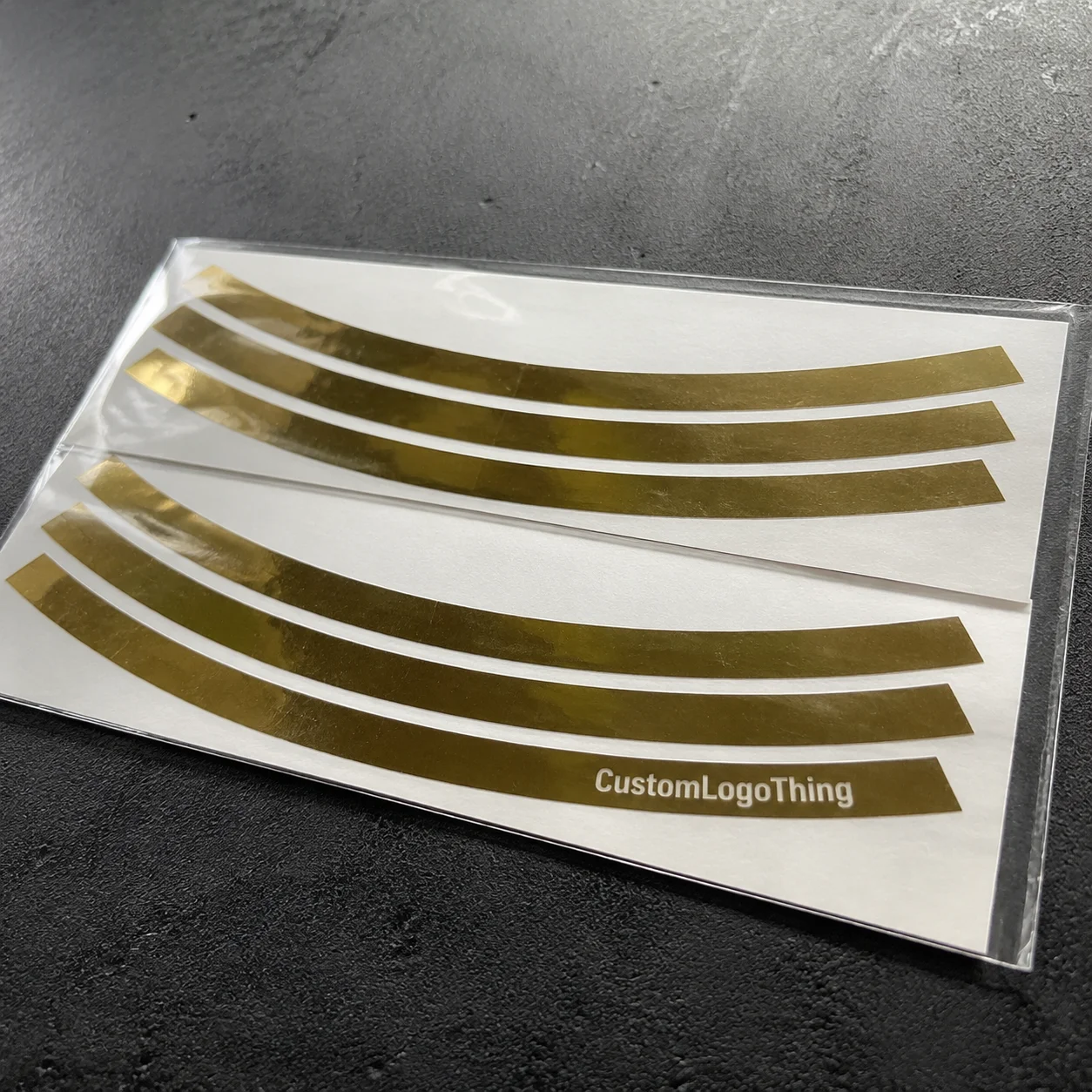
People notice Custom Tyre Stickers before they notice plenty of expensive work on a car. Annoying? Yes. True? Also yes. Clean sidewall lettering can make a build look finished instead of “almost there.”
Tyre stickers are letters, logos, numbers, or graphic marks made for tyre sidewalls. That last part matters. Ordinary vinyl decals do not suddenly become road-ready because someone stuck them to rubber and hoped for the best. Tyres flex, heat up, collect brake dust, meet road salt, and get coated with tyre shine products that are basically adhesive sabotage in a bottle.
Most products sit in three buckets. Temporary event decals are built for short campaigns, show booths, photo shoots, garage displays, or one-weekend branding. Semi-permanent rubber lettering uses thicker flexible material and a stronger bonding system for vehicles that actually move. Branded sidewall graphics may combine cut lettering, printed logos, colour panels, repeated layouts, or retail-kit packaging for teams, dealerships, and product launches.
The appeal is obvious. A small surface carries a lot of visual weight when the artwork is readable and the placement is clean. Car clubs use tyre lettering for identity. Drift builds use it for attitude. Dealerships use it to make display vehicles look less generic. Garages use it for customer-facing builds and branded kits. Race teams use it because a sidewall is visible even when the rest of the car is covered in sponsor clutter.
If you already buy Custom Labels & Tags, the production logic will feel familiar: material, adhesive, finish, artwork, application method, and durability decide whether the final result looks professional or cheap. The difference is that tyre sidewalls are far less forgiving than a box, bottle, or hang tag. Rubber does not care about your logo guidelines.
How Tyre Lettering Actually Sticks to Rubber
Tyre lettering sticks because of a system: clean rubber, compatible adhesive, correct pressure, cure time, and material that can flex with the sidewall. Skip one of those pieces and the edges start lifting. Usually right before the event. Naturally.
Rubber is a difficult surface. New tyres can carry mould-release residue. Used tyres may have dust, dressing, silicone, old cleaner, road film, salt, or invisible oil in the surface texture. Sidewalls also move under load, warm up during driving, cool down when parked, and sit under UV exposure. Weak adhesive has a bad time there.
Application styles vary. Peel-and-stick tyre decals are fast and useful for short-term or moderate-duty use if the adhesive is made for rubber. Glue-applied raised rubber letters usually look more premium and last longer, but installation takes patience. Transfer sheets keep spacing consistent for words, numbers, and repeat layouts. Pre-spaced logo sets help when multiple tyres need matching placement and nobody wants to align each letter by hand like a punishment exercise.
Raised rubber lettering gives the closest factory-style finish. It has physical depth, a matte surface, and better tolerance for sidewall movement than thin printed film. The tradeoff is cost and install time. Thin printed film can be fine for promo use, especially on static displays, but it tends to show wear faster around edges and curves.
Surface preparation is not optional. Degrease the sidewall with the cleaner recommended by the supplier, let it dry fully, remove tyre shine, and work around moulded texture without gouging the rubber. A proper prep session can take 10–15 minutes per tyre before a single letter goes down. Rush it and the adhesive bonds to cosmetic grease instead of rubber. Very stylish. Very temporary.
Tyre stickers perform best on clean sidewalls with enough flat space for the design. Busy moulded branding, aggressive texture, old cracked rubber, and narrow curved shoulders make installation harder. A straight-on tyre photo with a ruler visible tells a supplier more than a tyre code alone.
Material, Adhesive, Size, and Artwork Specs That Matter
Material choice controls the look, lifespan, and price. Rubber compound lettering is usually the premium option for durable sidewall branding. Flexible polyurethane can work well for shaped logos and colour designs if the adhesive system is compatible. Printed adhesive films are common for short-term promotional graphics. Basic decals are acceptable for indoor launches, static displays, and photo sets where the car is not doing a 200-mile trip afterward.
The adhesive needs to be tyre-safe, flexible, heat-resistant, and designed for rubber. General sticker adhesive, wall graphic adhesive, and packaging-label adhesive are not enough. A tyre application has to tolerate flex, grime, temperature shifts, and cleaning. For retail kits, suppliers may also check packed sets using principles from ISTA, especially if backing cards, inserts, and replacement pieces must survive shipping without bending or losing parts.
Size is where buyers get optimistic. Letter height often sits around 20–45 mm for passenger vehicles, depending on sidewall height and the intended look. Larger SUVs, trucks, track cars, and display vehicles may have room for taller lettering, but the usable flat area still matters. Stroke thickness should be strong enough to cut, handle, clean, and read while the tyre is moving. Ultra-thin script may look elegant on a screen and miserable on rubber.
Artwork should be vector whenever possible: AI, EPS, SVG, or clean PDF. Cut lettering needs closed paths, clean outlines, and sensible minimum line thickness. Printed logos can hold more detail, but tiny gradients, distressed textures, and hairline gaps disappear fast against black rubber. Design restraint is not boring. It is survival.
Colour affects visibility and production. White is common because contrast does most of the work. Red, yellow, blue, orange, reflective effects, and printed logos may be possible depending on the material, order size, and production method. Matte rubber usually looks more like original equipment or race styling. Glossy printed film looks more promotional and may show scuffs sooner.
Practical rule: if the design cannot survive being cut, handled, aligned, pressed down, cleaned, and viewed from 10 feet away, it is not ready for tyre production.
The same production discipline applies to Custom Packaging Products. A complex design that only works at 400% zoom is not production-ready. Whether the job is Custom Printed Boxes, retail packaging, or tyre lettering, clarity wins.
Pricing, MOQ, and Unit Cost for Tyre Sticker Orders
Pricing depends on material type, tyre count, pieces per tyre, letter height, colour count, logo complexity, adhesive system, packaging, and whether artwork needs cleanup. A small DIY set may start around $15–$40 per tyre for simple wording. Premium raised custom lettering can run $40–$120+ per tyre, especially with larger letters, special colours, complex logos, or individual retail packing.
Minimum order quantity depends on production method. Simple cut lettering may have low minimums, sometimes one vehicle set. Custom colours, printed logos, moulded effects, branded backing cards, instruction inserts, barcode labels, or resale-ready kits usually need higher quantities because setup takes real time. Ordering 10 sets costs more per set than ordering 100 because setup work gets spread across more units. Shocking, I know.
Setup costs can include artwork cleanup, vector tracing, cut setup, colour matching, sample production, branded backing cards, polybag packing, instruction insert printing, and label placement. Buyers who deal with packaging already know the pattern. The item may be small, but the setup steps are not imaginary.
| Option | Typical Use | Estimated Cost Range | Durability Expectation | Best Buyer Fit |
|---|---|---|---|---|
| Short-term printed decals | Photo shoots, indoor displays, one-off events | $15–$30 per tyre | Days to a few weeks | Budget campaigns and temporary branding |
| Peel-and-stick cut lettering | Car clubs, show cars, simple names or numbers | $25–$60 per tyre | Weeks to months with good prep | DIY buyers who want cleaner sidewalls without premium cost |
| Glue-applied raised rubber letters | Road use, race styling, customer-facing builds | $40–$120+ per tyre | Months or longer when installed properly | Serious builds, teams, dealerships, retail kits |
| Bulk branded retail kits | Resale, garage merchandise, launch bundles | Quoted by quantity and packing spec | Depends on selected material | Brands needing repeatable presentation |
For a useful quote, send tyre count, letter height, logo file, colour, application type, and packing requirements. If the order includes retail packaging, include backing card size, insert copy, bag type, barcode needs, and label placement. Vague quote requests create vague prices. Nobody wins.
Process and Timeline From Design File to Installed Lettering
A practical production flow looks like this: submit the logo or wording, confirm tyre size and usable sidewall space, approve a digital proof, produce a sample if needed, manufacture the order, pack it, ship it, then install it. Simple on paper. Less simple after three people start emailing different logo versions.
Standard custom cut sets often take 5–10 business days after proof approval. Complex printed orders, special colours, bulk branded sets, and packaged retail kits may need 2–4 weeks. That does not include slow artwork feedback, missing files, payment delays, customs clearance, or shipping drama. Shipping drama loves a calendar.
Proof approval is where timelines often get murdered. A supplier can cut clean lettering from clean artwork, but they cannot guess whether “make it more aggressive” means taller letters, thicker strokes, slanted type, or a different logo. Review proofs at actual size. Check spelling. Check orientation. Check tyre count. Check whether left and right sides need mirrored layouts.
Sampling is useful, but know what it proves. A sample can confirm material feel, colour direction, letter height, logo readability, and fit on the intended sidewall. It cannot guarantee long-term road wear if the final installer applies it over tyre shine, drives before cure time, or attacks the edges with a pressure washer two hours later.
Installation may take 15–30 minutes per tyre for cleaning, placement, pressure, and curing, especially for multi-letter layouts. Larger logos and curved placements take longer. If the adhesive requires a cure period, avoid driving, washing, dressing, or heavy handling until the instructions say it is safe. Some systems need several hours. Others recommend overnight curing.
For race, event, dealership, or launch deadlines, build in extra time. Add at least one week if shipping crosses borders, if the order needs custom packaging, or if several people must approve the proof. The Environmental Protection Agency’s guidance on safer chemical use is also a useful reminder to ask about cleaners and solvents used during application. Harsh chemicals can affect adhesives and rubber surfaces, so follow supplier instructions instead of improvising with garage mystery fluid from 2009. See general chemical safety resources from the EPA Safer Choice program.
Step-by-Step Guide to Ordering the Right Tyre Stickers
Ordering custom tyre stickers is not difficult, but it does punish guessing. Use a checklist and the quote process gets cleaner, faster, and less expensive.
- Measure the usable sidewall area. Do not only read the tyre size printed on the tyre. Measure the flat space between raised branding, rim edge, and curved shoulder. A 25 mm letter may fit nicely on one tyre and look cramped on another.
- Decide the goal. Temporary event branding, show-car styling, long-term road use, resale kits, and race team identification all point to different materials and budgets.
- Choose the application type. Peel-and-stick is faster. Raised rubber looks better and usually lasts longer. Glue-applied layouts need patience. Some people should not be trusted with tweezers and adhesive.
- Prepare vector artwork. Send AI, EPS, SVG, or PDF files with clean outlines. Simplify logos before quoting so the supplier does not spend paid setup time fixing avoidable design problems.
- Confirm colour, height, quantity, and packing. State how many tyres, how many sides per tyre, whether the layout repeats, and whether each set needs individual packaging.
- Review the proof at actual size. Check spelling, spacing, logo proportion, orientation, and sidewall fit. A proof is not a decorative email attachment. Read it.
- Order extras. One spare sheet is cheaper than a panic reorder. Add replacements for installation mistakes, damaged letters, or future refreshes.
If the lettering will be sold as kits, treat the packaging like part of the product. A backing card with clear instructions, prep steps, cure time, and cleaning warnings reduces customer mistakes. Good branded packaging does not fix bad installation, but it does reduce the number of people blaming the product after ignoring the instructions.
Common Mistakes That Make Tyre Stickers Peel, Crack, or Look Cheap
The first mistake is applying stickers over tyre shine, oil, dust, or damp rubber. Adhesive does not bond to cosmetic grease. It bonds to clean surfaces. Degrease, dry, and prep the sidewall exactly as recommended. If the tyre still feels slick, it is not ready.
The second mistake is choosing thin regular vinyl because it is cheaper. Cheap vinyl may look acceptable on a parked display, then curl, crack, or wrinkle after heat cycles and flexing. If the vehicle will be driven, use material designed for tyre sidewalls.
The third mistake is making letters too small or too detailed. Tiny outlines, close spacing, and fragile strokes are hard to cut, hard to transfer, and hard to read. For moving vehicles, readability beats logo complexity almost every time.
The fourth mistake is ignoring sidewall curvature. A flat digital proof does not magically fit every tyre profile. Curved shoulders, raised texture, and moulded branding can distort spacing or create weak bonding zones. Ask for a proof based on real measurements and send photos from straight on.
The fifth mistake is rushing cure time. Driving, washing, or pressure spraying too soon can lift edges before the adhesive has properly set. If the supplier says wait overnight, wait overnight. The car will survive.
The sixth mistake is ordering exactly the number needed. Installation errors happen, especially on first attempts. A letter can land crooked, pick up dust, fold into itself, or get damaged during cleaning. Extras are cheap insurance.
The seventh mistake is cleaning installed lettering with harsh solvents. Strong chemicals can weaken print, adhesive, or colour depending on material. Use mild cleaning methods and avoid aggressive pressure washing near edges. If the product has printed colour, be even more careful.
Most failures are preventable with better prep, simpler design, realistic specs, and clear instructions. That is the boring truth. Boring usually wins in production.
Next Steps Before You Request a Quote or Place an Order
Before asking for a quote, gather the basics: straight-on tyre sidewall photos, usable height measurement, quantity, artwork file, colour choice, durability goal, deadline, and packaging needs. Put a ruler or tape measure in the photo. Guessing from a tyre code alone is a fine way to waste everyone’s afternoon.
Ask the supplier about adhesive type, expected wear, cleaning instructions, cure time, replacement pieces, and whether the product suits road use or event-only use. If they cannot explain the difference between temporary film and raised rubber lettering, keep asking questions. Pretty mockups are easy. Durable sidewall graphics are not.
Budget decals make sense for short campaigns, photo shoots, indoor displays, one-off shows, and vehicles that only need to look good for a controlled window. Premium raised or rubber lettering makes more sense for customer-facing builds, race teams, repeat vehicle use, retail kits, and anything expected to survive real driving.
If the order includes resale kits, think beyond the sticker itself. Instruction sheets, backing cards, barcode labels, and compact retail packaging can reduce returns and make the product feel finished. That matters if your tyre lettering sits beside other automotive accessories or Custom Printed Boxes in a shop display.
To order custom tyre stickers without expensive mistakes, specify material preference, quantity, artwork format, tyre size, usable sidewall space, colour, application type, packaging needs, and deadline. The clearer the brief, the cleaner the quote. Funny how that works.
FAQ
How long do custom tyre stickers usually last?
Temporary printed decals may last days to a few weeks depending on driving, weather, washing, and cleaning products. Premium rubber or glue-applied lettering can last months or longer when installed properly. Tyre shine, pressure washing, curb rub, heat, and poor cleaning before application shorten the lifespan fast. No adhesive enjoys abuse.
Can tyre stickers be used on any tyre sidewall?
They work best on clean sidewalls with enough flat space and minimal raised texture. Aggressive sidewall patterns, heavy moulded branding, very curved profiles, or old oily rubber can reduce adhesion. Send photos and measurements before ordering so the supplier can judge fit instead of pretending all tyres are the same. They are not.
Are custom tyre decals safe for road use?
Quality tyre stickers should sit on the outer sidewall and should not interfere with tyre structure, tread, valves, or balancing. Use products designed for tyre rubber, heat, flex, and outdoor exposure. For racing, commercial vehicles, or regulated events, check the event rules or local requirements before applying branded sidewall graphics.
What artwork file is best for custom tyre lettering?
Vector files such as AI, EPS, PDF, or SVG are usually best because they cut cleanly and scale properly. High-resolution PNG files may work for printed designs, but they are less ideal for cut lettering. Avoid tiny details, thin strokes, gradients, and distressed textures unless the supplier confirms they can reproduce them cleanly.
How much should I order if I only need one vehicle set?
Order enough for all visible sidewalls plus at least one spare set or replacement sheet. For a four-tyre vehicle with lettering on one side only, that usually means four applications plus extras. If the design is for an event, launch, or paid client build, order spares upfront. Emergency reorders are where budgets go to die.


