Custom Vinyl Outdoor Stickers Are Not Indoor Stickers With Better Weather
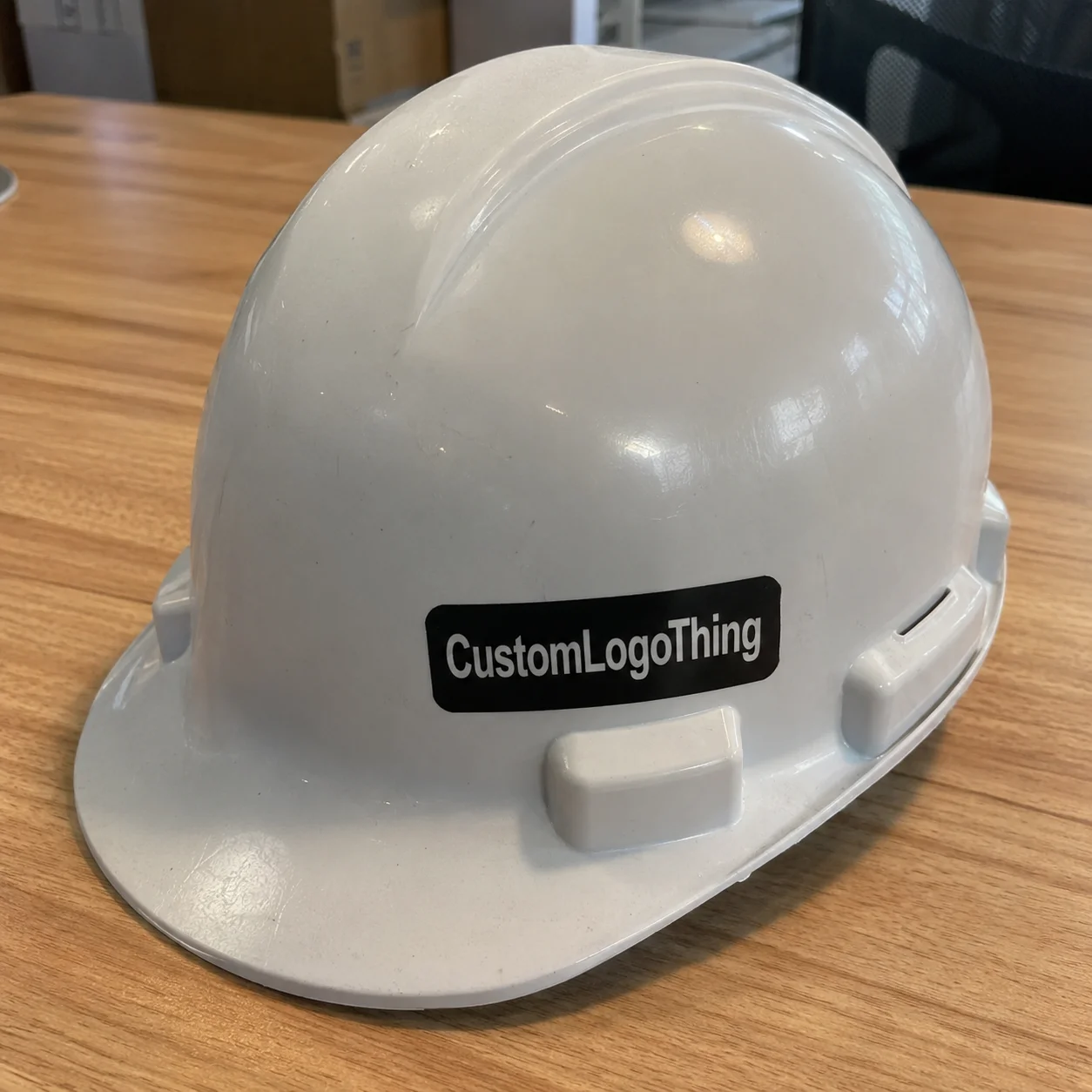
Custom Vinyl Outdoor Stickers look simple until sunlight, road grit, rain, freezer doors, car washes, and impatient application crews start testing them. A cheap decal can fail before a campaign earns back the cost of printing it. Lovely.
Outdoor vinyl decals are printed stickers built for exterior or high-moisture use. A proper construction usually includes waterproof vinyl face stock, adhesive matched to the application surface, UV-resistant inks, and sometimes a clear laminate over the print. That laminate is not decorative fluff. It protects ink from abrasion, cleaning, sunlight, and the mystery grime that collects on coolers, trucks, jobsite bins, retail doors, and storage cases.
Buyers use outdoor decals in more places than most spec sheets admit: equipment labels, bumper stickers, event handouts, cooler decals, window promotions, shipping containers, safety notices, hard hats, bottles, outdoor retail branding, and Product Packaging That may sit in damp or exposed environments. A sticker on a candle jar has a very different life from one on a landscaping trailer. Same logo. Different punishment.
The useful distinction is simple. Paper stickers belong in dry, temporary settings: bakery boxes, indoor event labels, short-term retail packaging. Basic vinyl stickers handle moisture better and can work for light exterior exposure. Outdoor-rated vinyl decals, especially laminated versions, are built for longer sun exposure, repeated handling, washing, and abrasion.
Outdoor performance is not one magic feature. It is a stack of choices: vinyl film, adhesive, ink system, finish, surface prep, application temperature, and realistic exposure conditions. Get one layer wrong and the whole sticker can underperform. Annoying, yes. Avoidable, also yes.
The practical question is not “Can this be printed?” Almost anything can be printed. The better question is: what surface, what weather, what lifespan, what handling, and what failure would actually cost?
How Outdoor Vinyl Decals Handle Sun, Rain, and Rough Surfaces
A typical outdoor decal has four parts: vinyl film, adhesive, release liner, and printed artwork. If it is laminated, a clear film or coating sits over the ink. That top layer may be gloss, matte, or textured, depending on the protection level and finish the job needs.
Waterproof means moisture should not quickly destroy the sticker material. It does not mean the decal can survive every degreaser, pressure washer, freeze-thaw cycle, or cleaning routine. UV resistance means colors fade more slowly in sunlight. Abrasion resistance means rubbing, scraping, and handling do less damage. These terms overlap, but they are not interchangeable. “Weatherproof” sounds reassuring; a material spec is more useful.
Calendared vinyl is the common workhorse. It is cost-effective, slightly thicker, and suitable for general outdoor use on flat or gently curved surfaces. Cast vinyl is thinner, more conformable, and better for compound curves or long-term vehicle graphics. If a decal needs to wrap around a helmet, contour panel, water bottle curve, or vehicle surface, cast film usually behaves better.
Adhesive choice matters just as much as the vinyl. Permanent adhesive is standard for long-term outdoor use. Removable adhesive makes sense for temporary promotions, window campaigns, and seasonal signage. High-tack adhesive helps on textured plastics, powder-coated metal, and harder-to-stick surfaces. Low-tack adhesive is useful when clean removal matters more than maximum bond strength.
Smooth glass, painted metal, coated plastic, sealed wood, and smooth packaging usually work well. Raw concrete, dusty surfaces, oily plastics, rubbery materials, untreated wood, and some low-surface-energy plastics are where sticker dreams go to die. If the surface sheds dust, absorbs oil, flexes heavily, or resists adhesive wet-out, standard adhesive may fail no matter how sharp the print looks.
Practical rule: if the surface is dirty, cold, wet, oily, powdery, or freshly painted, the adhesive is already fighting uphill. Clean the surface and apply within the recommended temperature range, often above 50°F, unless the material is rated for cold application.
For lifespan, use ranges instead of fantasy. Unlaminated outdoor vinyl may last roughly 6 to 24 months depending on sun, moisture, handling, and surface. Laminated outdoor decals can often run 2 to 5 years in moderate conditions. Not always. A shaded storefront window and a south-facing truck bumper in desert heat are not comparable. Same sticker. Different battlefield.
Key Specs That Decide Durability, Finish, and Real-World Performance
Material thickness is easy to oversell. Thicker is not automatically better. A thinner conformable vinyl can perform better on curves because it bends without lifting at the edges. A thicker vinyl may feel more substantial for handouts, product labels, and promotional decals, but it can fight curved surfaces. For many general outdoor stickers, buyers commonly see vinyl in the 3 to 4 mil range, plus laminate if specified.
Laminate changes both performance and appearance. Gloss laminate boosts color saturation and makes logos read sharply from a distance. Matte laminate reduces glare and fingerprints, which helps readability in bright light. Textured laminate can add scuff resistance or grip for specialty labels. If the sticker will go on vehicles, equipment, coolers, construction gear, or anything people handle often, laminate is usually worth quoting. Skipping it to save pennies can be expensive in the dumbest way.
Digital printing is ideal for short runs, full-color artwork, gradients, photos, and multiple versions. It also works well for branded packaging programs where stickers support seasonal product packaging without ordering thousands of new cartons. Screen printing can make sense for very high volumes or simple spot-color designs, especially where color density and durability matter more than version flexibility.
Cut style affects usability. Kiss-cut sheets are easy to peel and good for small labels or multi-design sets. Die-cut singles look polished for giveaways, retail packaging inserts, and events. Roll labels work for hand application or machine application. Transfer decals are best for individual letters, symbols, or logo marks where the background should disappear.
| Spec Choice | Best Use | Tradeoff |
|---|---|---|
| Calendared vinyl | Flat signs, packaging labels, general outdoor decals | Lower cost, less conformable on curves |
| Cast vinyl | Vehicles, helmets, curved surfaces, long-term graphics | Better flexibility, higher unit cost |
| Gloss laminate | Bumper stickers, colorful logos, event decals | Bright finish, more glare |
| Matte laminate | Warning labels, premium branding, readable outdoor signage | Lower glare, slightly softer color pop |
| High-tack adhesive | Textured plastic, powder coating, equipment labels | Stronger bond, harder removal |
Size and shape need discipline. Small safety labels need readable type, not elegant hairline typography that disappears after six feet. Large bumper stickers need thicker strokes and strong contrast. Tiny QR codes outdoors are usually a bad plan unless tested at the actual scan distance, angle, and lighting. If the code is smaller than roughly 0.8 to 1 inch square, test before printing 5,000 pieces and blaming the universe.
Color behaves differently outdoors. Reds, oranges, and fluorescents tend to fade faster than darker or more stable pigments. Clear vinyl may require white ink behind the artwork so the design does not vanish on glass or dark surfaces. Metallic, holographic, and fluorescent films can look excellent, but they may narrow print options, change lead times, or reduce long-term outdoor predictability.
Warning decals, equipment labels, and industrial stickers may need specific colors, symbols, adhesives, or durability testing. ASTM test methods may apply for adhesion, weathering, and material performance, while transport and handling programs may reference ISTA standards when labels are part of a broader packaging system.
Pricing, MOQ, and Unit Cost: What Drives the Quote
The quote is driven by sticker size, quantity, vinyl grade, laminate, version count, cut style, adhesive type, packaging, proofing needs, and shipping speed. A 2-inch circle on standard white vinyl is not priced like a 7-inch die-cut laminated decal with high-tack adhesive and five artwork versions. Shocking, I know.
Small custom outdoor vinyl stickers may cost a few cents each at high volume, especially for simple shapes and standard materials. Short runs, specialty shapes, heavy-duty adhesives, or laminated decals may land around $1 to $4+ each. For many business orders, 250 to 1,000 pieces is where pricing starts to make sense because setup, proofing, cutting, and packing are spread across more units.
Minimum order quantity is not just supplier stubbornness. Low minimums are useful for testing a design, but the unit cost is higher because machine time and setup do not disappear. Math remains rude but reliable. If 100 stickers cost $1.80 each and 500 cost $0.62 each, the larger order may be smarter if the artwork is proven and the use case is ongoing.
Die-cut singles often cost more than simple square or rectangle stickers because they require more finishing time, more material waste, more handling, and sometimes slower packing. Kiss-cut sheets can be more efficient for small labels. Rolls can be efficient if stickers are applied in a warehouse, fulfillment line, or retail packaging process.
Laminate is worth the extra cost for outdoor product labels, vehicles, toolboxes, coolers, construction gear, and decals that will be handled, washed, scraped, or exposed for more than a short campaign. For a three-day indoor event, maybe skip it. For a cooler decal dragged across gravel and wiped with cleaner, stop pretending unlaminated ink is brave.
Hidden quote details matter. Split shipments, individually bagged stickers, barcode labels, rush production, multiple artwork files, Pantone matching, special liner types, and roll orientation can all change cost. If stickers are part of a larger Custom Packaging Products program, align the decal specs with boxes, inserts, mailers, or retail displays so the materials do not fight each other visually or operationally.
Ask for two or three quantity breaks, such as 250, 500, and 1,000 units. The cheapest useful order size is often not the smallest one. Also ask whether the quote includes laminate, proofing, cutting, packing, and freight. If the price looks suspiciously low, something may be missing. Usually protection. Sometimes sanity.
Process and Timeline From Artwork to Finished Outdoor Stickers
The ordering process is straightforward when the buyer shows up with actual information. Define the use case, choose size and material, submit artwork, receive a proof, approve the proof, print, laminate if needed, cut, inspect, pack, and ship. That is the clean version. The messy version starts with a blurry logo screenshot and ends with everyone asking why the deadline moved.
Standard production often takes about 5 to 10 business days after proof approval. Complex die cuts, specialty adhesives, color matching, unusual packing, or large orders can add time. Rush production may be available, but it usually narrows material choices and increases cost. The production clock usually starts after proof approval, not after the first email that says, “Can you make this?” That email is not artwork. It is a wish with punctuation.
A good proof should show dimensions, cut line, bleed, safe zone, colors, finish, quantity, material, and any special notes like roll direction or individual packing. For roll labels, direction matters if the sticker is applied by machine or if workers need the label to dispense in a specific orientation. For die-cut singles, the proof should make the cut path obvious, especially around delicate logo shapes.
Vector files are best for logos, text, and cut lines. AI, EPS, and production-ready PDF files are common. High-resolution PNG, TIFF, or PSD files can work for photo-based designs if built at final print size, usually 300 dpi for close viewing. Fonts should be outlined when possible. Bleed is commonly around 0.0625 to 0.125 inch, depending on the supplier and cut method. Safe margins keep text away from the trim edge.
Quality control should not be mysterious. For outdoor stickers, a basic check may include material confirmation, print registration, color consistency, cut accuracy, liner release, lamination coverage, edge quality, and sample adhesion. If the job has serialized labels, warning text, barcodes, or multiple versions, version control becomes part of quality control. The prettiest decal is still a problem if the wrong warning copy ships.
Revisions can be fast or painful. One small text change may take minutes. Rebuilding the whole sticker after proofing can reset the schedule and increase cost. If multiple departments need to approve copy, colors, legal text, or warning icons, collect that feedback before the proof stage. Production teams are many things. Mind readers, sadly, not included.
Plan backward from the in-hand deadline. Allow time for proof review, production, shipping, and a small buffer because freight carriers apparently enjoy keeping life interesting. For event handouts, trade shows, retail launches, or coordinated Custom Labels & Tags, a 2 to 3 week planning window is safer than gambling on a last-minute miracle.
Common Ordering Mistakes That Make Outdoor Decals Fail Early
The first mistake is choosing the cheapest vinyl for a high-exposure use. A sticker for a laptop is not the same as a sticker for a pressure-washed trailer. If the decal faces sun, road spray, salt, cleaners, or repeated handling, quote the better material before the first batch peels and makes the brand look like it lost a fight.
The second mistake is skipping laminate. Outdoor ink needs help if the sticker will face sun, hands, cleaning chemicals, ice chests, toolboxes, vehicles, or retail handling. A clear laminate can improve fade resistance, scuff resistance, and cleanability. It will not make the decal immortal. Nothing does. But it can turn a short-lived sticker into a useful one.
The third mistake is using tiny text, thin lines, or delicate reversed-out details. On screen, everything looks crisp because the monitor is lying politely. In real life, a 2-inch sticker viewed from 10 feet away needs strong contrast and simple shapes. Thin white type reversed out of a dark photo background may look clever in design software and useless on a bumper.
The fourth mistake is assuming permanent adhesive sticks to everything. Low-energy plastics, textured powder coating, rubbery surfaces, dusty bins, and oily equipment may need special adhesive or testing. If adhesion is critical, ask for a material sample or a small test run. Apply it to the actual surface, wait at least 24 to 72 hours, then test edge lift, rubbing, moisture, and temperature changes.
The fifth mistake is bad application. Stickers applied to dirty, cold, wet, or freshly painted surfaces are already compromised. Clean with the recommended method, avoid oily residue, let paint cure fully, and apply within the adhesive’s temperature range. Pressure matters too. Many pressure-sensitive adhesives need firm, even pressure to wet out properly against the surface.
The sixth mistake is approving artwork without checking real dimensions. A 2-inch sticker and a 4-inch sticker can both look fine on screen. Only one may be readable on a moving vehicle. Print the design on office paper at actual size before approving the proof. It is not glamorous. It works.
The seventh mistake is forgetting distribution. Bulk-packed decals work for warehouse use. Retail kits, event tables, sales reps, influencer mailers, and Custom Printed Boxes may need singles, sheets, bags, labeled bundles, or carton-level organization. Packing style affects labor, cost, and how smoothly the stickers reach the people applying them.
Build a Sticker Spec Your Supplier Can Actually Price
If you want an accurate quote, do not send only a logo and ask, “How much?” Send a sticker spec. Include size, shape, quantity, indoor or outdoor use, expected lifespan, application surface, exposure conditions, finish preference, packing method, and deadline. That one paragraph can save three rounds of email and at least one headache.
Choose one primary job for the sticker. Is it a durable warning label, a giveaway decal, a retail branding piece, a product packaging label, or a vehicle promotion? One sticker can do many things poorly or one thing well. A premium matte decal for retail packaging may not need the same adhesive as an equipment label on powder-coated metal. A bumper sticker needs different thinking than a bottle label stored in ice water.
Order a small test run or sample when the surface is unusual, the application is long-term, or the decal will face chemicals, sun, saltwater, freezing temperatures, or repeated washing. Testing is not just for industrial buyers. It is common sense with a purchase order. For sustainability claims or packaging-related material decisions, check guidance from sources such as the EPA Sustainable Materials Management program, especially if stickers are part of a broader branded packaging system.
Send the right files. A vector logo file is best. Also include final copy, brand colors, desired size, examples of similar stickers, and photos of the application surface if adhesion is a concern. If you need white ink, clear vinyl, special adhesive, roll labels, or individually packed decals, say that upfront. Suppliers can price almost anything more accurately when the details arrive before the quote, not after production starts.
Ask direct questions: What vinyl grade is being quoted? Is laminate included? What adhesive is recommended for the surface? How long does production take after proof approval? Which quantity breaks lower the unit cost? Can the supplier provide a sample for adhesion testing? Clear questions produce clear quotes. Vague questions produce vague quotes wearing nice formatting.
Custom vinyl outdoor stickers work best when the quote is built around the surface, weather exposure, lifespan, and application method, not just the cheapest price per piece. The right spec will not make a decal indestructible. It will make failure less likely, performance easier to predict, and the quote much less of a guessing contest.
FAQ
How long do custom outdoor vinyl decals usually last?
Basic outdoor vinyl may last around 6 to 24 months depending on sun, moisture, abrasion, and application surface. Laminated outdoor decals can often last 2 to 5 years in moderate conditions, especially on smooth, clean surfaces. Vehicle use, coastal salt air, desert sun, pressure washing, and frequent handling can shorten the real lifespan.
Are waterproof vinyl stickers the same as weatherproof stickers?
Not exactly. Waterproof usually means the sticker material and adhesive can tolerate moisture. Weatherproof is broader and should include UV resistance, abrasion resistance, adhesive strength, and temperature performance. For serious outdoor use, ask for outdoor-rated vinyl, UV-resistant print, and laminate.
What is the best finish for outdoor vinyl stickers?
Gloss is best when you want bright colors, shine, and strong visual pop. Matte is better for lower glare, a premium feel, and easier readability in bright light. For rough handling, ask about a protective laminate rather than choosing finish based on looks alone.
What artwork file do I need for custom vinyl outdoor stickers?
Vector files such as AI, EPS, or PDF are best for logos, text, and custom cut lines. High-resolution PNG, TIFF, or PSD files can work for photo-based designs if they are built at final print size. Include bleed, safe margins, outlined fonts, and a clearly marked cut line for die-cut shapes.
How can I lower the unit cost of outdoor sticker orders?
Order at higher quantity breaks because setup and finishing costs spread across more pieces. Use standard shapes when possible, such as circles, rectangles, squares, or rounded rectangles. Limit unnecessary version changes, specialty packing, rush shipping, and overbuilt materials unless the use case truly needs them.


