Custom Warning Stickers: Specs, Cost, and Ordering
The product ships safely, the box looks polished, and then the warning label curls off in the warehouse or fades before anyone reads it. Custom Warning Stickers are supposed to reduce confusion and risk, not turn into tiny pieces of expensive confetti. Cute design is nice. A readable safety message that stays attached is better.
These labels sit at an awkward intersection: packaging design, production constraints, safety communication, and sometimes compliance review. They may be applied to shipping cartons, drums, bins, electronics, machinery, retail packaging, bottles, tools, panels, or parts handled by people who are tired, rushed, distracted, or wearing gloves. That means the spec matters. Material, adhesive, ink, finish, size, wording, and placement all decide whether the label works.
What Custom Warning Stickers Actually Need to Do
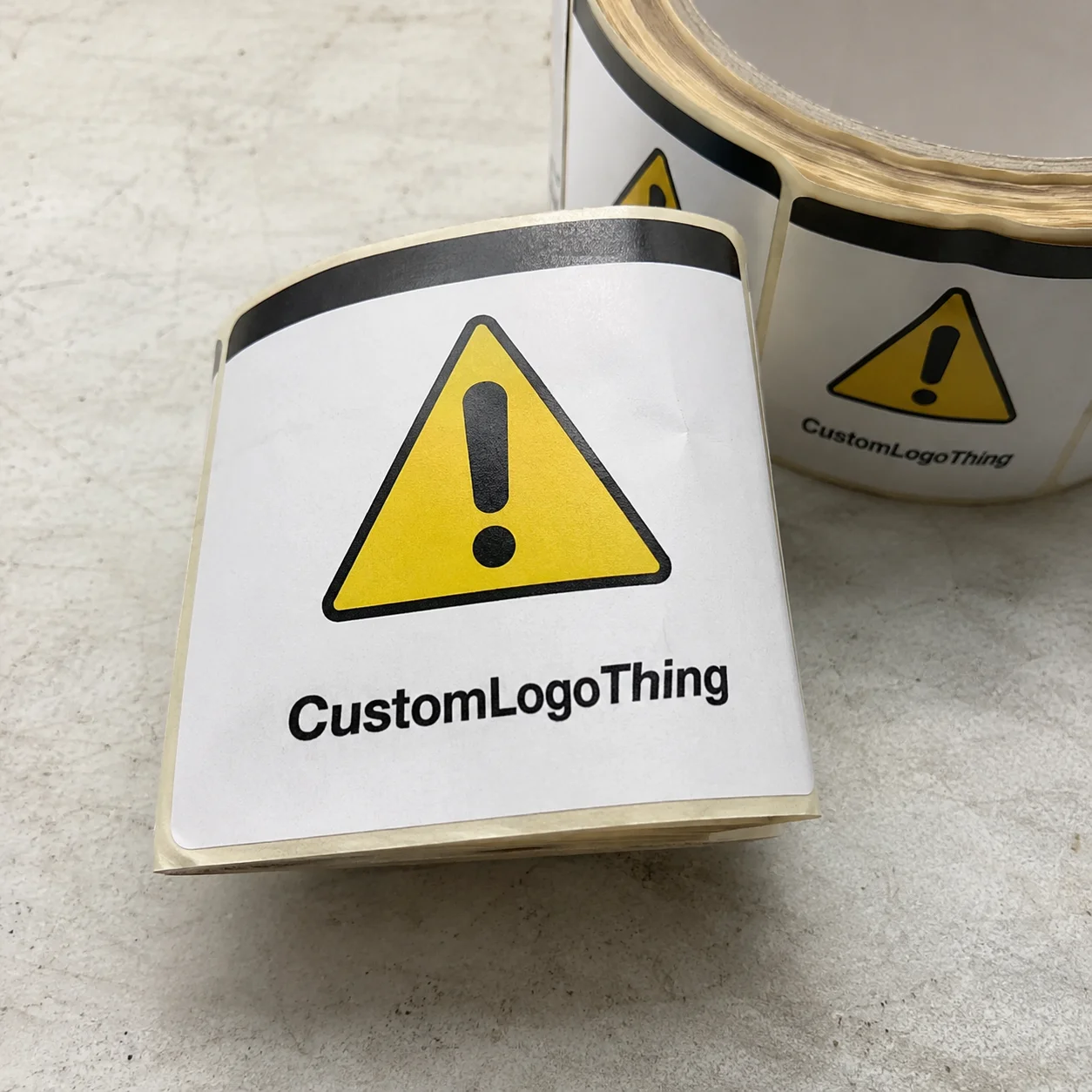
Custom warning stickers are printed adhesive labels used to communicate hazards, handling instructions, regulatory cautions, equipment risks, chemical notices, electrical warnings, shipping alerts, and product safety messages. That is the plain definition. The practical one is shorter: they need to get noticed quickly, understood instantly, and stay readable long enough to matter.
The job is not branding first. Yes, the label can match a packaging system. Yes, it can use controlled colors, type, and layout so the product does not look patched together at the last minute. But if the warning blends into the graphics like another decorative badge, the design has failed. A hazard label is not a lifestyle sticker.
Common uses include lithium battery warnings, fragile handling labels, chemical container notices, electronics safety labels, warehouse bin IDs, outdoor equipment decals, medical-adjacent packaging cautions, machinery labels, and retail product safety notices. Some only need to survive a three-day shipping cycle. Others need to stay legible on a tool, enclosure, drum, or control panel for years.
Small wording differences matter. Warning stickers usually call attention to a hazard or risk. Caution labels often indicate lower-level hazards or safe handling steps. Safety decals tend to be more durable and are often used on equipment, vehicles, or outdoor surfaces. Compliance labels may require specific wording, symbols, materials, durability, or placement. Instructional labels explain use, care, storage, or handling steps.
Custom printing helps because generic stock labels often almost say the right thing. Almost is not great for safety. A custom run lets you match the exact hazard, surface, size, environment, language, and brand system instead of slapping “CAUTION” on everything and hoping the reader fills in the blanks.
Practical rule: if the label explains a real risk, specify it like a functional component, not like a last-minute packaging decoration.
How Safety Labels Work: Materials, Adhesive, Ink, and Finish
A warning label has four working parts: face stock, adhesive, ink system, and protective finish. If one fails, the whole label can fail. Packaging is rude like that.
Face stock is the printable surface. Paper is fine for dry indoor packaging, short-term cartons, inserts, and low-abuse applications. It is inexpensive, easy to print, and perfectly sensible for a label that only needs to survive storage and shipping. BOPP, also called polypropylene, handles moisture better and is common for product packaging, bottles, jars, and warehouse labels. Vinyl is more flexible, so it suits curved surfaces, outdoor gear, and decals that need to tolerate movement. Polyester is the more serious option for equipment, electronics, higher heat, abrasion, and industrial exposure.
Adhesive is where buyers accidentally save three cents and create a bigger problem. General permanent adhesive works on clean, smooth paperboard, glass, and many plastics. Removable adhesive is useful for temporary shipping alerts, inspection labels, or short-term process labels. Freezer-grade adhesive is built for cold-chain products and refrigerated storage. High-tack adhesive grabs better on textured plastic, corrugated surfaces, or powder-coated finishes. Aggressive adhesive is used for drums, metal tools, industrial containers, and surfaces that are not exactly friendly.
The surface matters as much as the adhesive. Low-surface-energy plastics such as some polyethylene and polypropylene containers can reject ordinary adhesives. Powder coating can be inconsistent. Corrugated board absorbs pressure differently from a smooth retail carton. A label that bonds beautifully to glass may lift on rough HDPE in two days.
Ink system affects durability. Standard digital printing works well for general warnings, short runs, and mixed designs. UV printing offers stronger resistance against sunlight and handling. Thermal transfer is common for variable data, barcodes, batch numbers, and serialized safety labels. Screen printing costs more to set up, but it can be the right choice for heavy-duty decals needing thick ink coverage and long outdoor life.
Finish changes both readability and protection. Matte finishes reduce glare, which helps warning copy. Gloss makes color pop, but glare can hurt legibility under bright warehouse lights or direct sun. Lamination adds abrasion, moisture, and chemical resistance. UV coating is usually a more economical protective layer, though it is not the same as a thick laminate.
| Material | Best Use | Typical Durability | Buyer Notes |
|---|---|---|---|
| Paper | Dry indoor boxes, cartons, short-term notices | Days to months indoors | Lowest cost, weak around moisture and abrasion |
| BOPP / Polypropylene | Product packaging, bottles, general moisture exposure | Months indoors or light-duty use | Good balance of price and moisture resistance |
| Vinyl | Outdoor items, curved surfaces, flexible decals | Months to years depending on laminate | Better for bending, weather, and rough handling |
| Polyester | Electronics, equipment, panels, industrial labels | Long-term industrial use | Higher cost, stronger heat and abrasion resistance |
Tie every spec to the real environment. Indoor shelf life, warehouse handling, refrigerated storage, sunlight, oil exposure, hand contact, curved plastic, rough HDPE, and powder-coated metal all behave differently. If the warning label is part of a broader packaging system, Custom Logo Things also offers Custom Labels & Tags for product, shipping, and identification applications.
Key Design Factors That Make Warnings Readable Fast
Warning label design is about speed. People should not have to squint, decode, or admire your font choice while avoiding a hazard. The message may have two seconds to land.
Start with the signal word. Danger is used for the most severe hazards, usually where death or serious injury is likely if the hazard is not avoided. Warning is serious but typically a step below Danger. Caution is for lower-level hazards. Notice is generally used for property damage, handling, or process information rather than personal injury risk. Do not swap them around because the red one “looks stronger.” That is how labels lose meaning.
Color conventions help people sort information quickly. Red is commonly used for severe hazards. Orange signals warning-level hazards. Yellow is associated with caution. Blue often points to mandatory instructions, such as PPE reminders. Green usually indicates safety information, first aid, or safe conditions. Black-on-white is best for supporting copy because contrast wins. Tiny gray text on a yellow background is not design restraint. It is a readability crime.
Icons and pictograms speed recognition. Common examples include flame, electric shock, crush hazard, chemical exposure, battery risk, fragile handling, keep dry, temperature limits, and eye or glove protection. Use icons that match the actual hazard. Five icons on a 1.5-inch label usually perform worse than one clear icon and eight useful words.
Type size depends on viewing distance and label size, but practical minimums matter. For small electronics, body text below 5 pt becomes risky unless the label is inspected close-up. For warehouse or machinery decals, headings may need to be 18 pt, 24 pt, or larger depending on distance. Use bold headers, short lines, high contrast, limited copy, and enough white space so the label does not turn into wallpaper.
Shape affects use, too. Rectangles work well for instructions and multi-line warnings. Triangles or icon panels can emphasize hazards. Small labels fit electronics, chargers, retail inserts, and compact packaging. Larger decals fit machinery, outdoor equipment, and warehouse assets. Roll labels are best for automated application or repetitive hand application because operators can apply them faster and more consistently.
Multilingual layouts need discipline. English, Spanish, and French can fit cleanly if the label is sized for it. Cramming three languages, four icons, a QR code, a logo, and legal copy into a postage stamp? No. Use a QR code for extended instructions, manuals, SDS references, or installation videos, but keep the main hazard message visible without scanning anything.
Placement is part of the design. A label on the bottom of a carton may satisfy a checklist but fail in use. Put the warning where the user naturally looks before handling, opening, plugging in, lifting, heating, cleaning, or operating the product. If shrink wrap, straps, handles, or product orientation hide the message, revise the placement before approving production.
For broader transit and handling practices, the International Safe Transit Association publishes packaging testing resources that can help teams think about distribution stress, handling, and shipment conditions.
Pricing, MOQ, and Unit Cost: What Changes the Quote
Pricing for custom warning stickers depends less on the word “custom” and more on size, material, adhesive, finish, quantity, shape, print method, and supply format. A 1 x 2 inch paper label on a sheet is not priced like a 5 x 7 inch laminated polyester decal on rolls with sequential barcodes. Shocking, I know.
Simple paper or BOPP warning labels often land around $0.03 to $0.18 each at higher quantities, especially when the size is small and the shape is standard. Durable vinyl or polyester decals often range from $0.15 to $1.25+ each, depending on size, laminate, adhesive, print coverage, and order volume. Large-format industrial decals, specialty adhesives, tamper-evident stocks, and chemical-resistant constructions can run higher.
MOQ is a tradeoff. Low minimums are useful for testing, compliance updates, pilot launches, and short production runs. Unit cost drops hard when an order moves into the hundreds or thousands because setup, proofing, material waste, and finishing time get spread across more labels. If you only need 50 labels for a pilot, buy 50. If the spec is locked and the product sells monthly, ordering 1,000 or 5,000 pieces usually makes more sense.
Tooling and setup also matter. Standard rectangles, circles, and ovals are cheaper because printers can use common dies or digital cutting efficiently. Custom die-cut shapes can add setup cost, especially for thicker materials or production runs that need physical tooling. Repeat orders usually become more efficient once material, size, roll direction, and artwork are locked.
Premium features raise the quote for good reasons. Outdoor laminate, high-tack adhesive, chemical resistance, variable numbering, barcodes, sequential data, metallic stock, and tamper-evident material all add cost. Some features are worth every penny. Others are theater. Do not overbuy polyester laminate for a box that lives indoors for three days, but do not cheap out on a label exposed to heat, oil, moisture, abrasion, or liability.
| Label Type | Typical Use | Approximate Unit Cost | Cost Drivers |
|---|---|---|---|
| Paper warning label | Indoor cartons and dry packaging | $0.03-$0.12 at volume | Size, quantity, sheet versus roll format |
| BOPP safety label | Moisture-resistant product packaging | $0.05-$0.18 at volume | Ink coverage, adhesive, roll direction |
| Vinyl warning decal | Outdoor gear and curved surfaces | $0.15-$0.85+ | Laminate, size, weather exposure |
| Polyester equipment label | Electronics, panels, machinery | $0.25-$1.25+ | Heat, abrasion, chemical resistance |
Format affects price and workflow. Sheets are convenient for small batches, office application, and mixed label sets. Rolls are better for production teams and label applicators. Roll quotes may require core size, label gap, outside roll diameter, unwind direction, and whether the label dispenses left-edge first, right-edge first, top first, or bottom first. That sounds fussy until an applicator jams during a launch.
Process and Timeline: From Artwork to Finished Warning Labels
The normal ordering process is straightforward if the buyer brings real details. Define the hazard. Choose the label size. Select material and adhesive. Prepare artwork. Review the proof. Approve production. Print, finish, pack, and ship. The slow part is rarely printing. The slow part is usually missing information.
Simple digitally printed labels may take a few business days after proof approval. A realistic range is often 3-7 business days for straightforward short runs, depending on the supplier’s queue. Specialty materials, custom dies, laminates, physical samples, or high-volume roll labels may push production to 8-15 business days or more. Freight time is separate, and yes, people forget that constantly.
Projects slow down for predictable reasons: missing dimensions, unclear surface type, vague durability needs, low-resolution logos, legal text revisions, late barcode data, and committee feedback. The classic label-killer. If three departments need to approve copy, route it before the printer is waiting on press time.
Proofing matters. A digital proof confirms size, layout, color direction, copy, icons, and cut lines. It does not perfectly guarantee color on every material unless you request a physical sample or press proof. White ink on clear film, fluorescent colors, metallic stock, and matte laminate can shift the final look. Not always dramatically, but enough to matter if brand color is strict.
File prep is not glamorous, but it saves money. Send vector logos when possible. Outline fonts. Use CMYK color builds unless the supplier requests something else. Include bleed, usually 0.0625 to 0.125 inch depending on the printer. Keep safe margins away from the cut edge. Use high-resolution icons. Put cut lines, white ink, variable data, and spot colors on separate named layers if the file supports it.
Quality-control checks should be boring and specific. Confirm the size with a ruler, not just by eye. Read every word after proof approval; typos hide in all-caps warnings. Scan barcodes and QR codes from printed samples, not only from the PDF. Check color contrast under the lighting where the label will be read. For roll labels, confirm unwind direction before production, not after the cartons arrive.
Order samples or a small pilot run for textured plastic, curved containers, outdoor gear, chemicals, refrigerated products, and anything safety-critical. One label applied to the actual surface for 48-72 hours can reveal curling, edge lift, glare, contrast issues, smudging, or adhesive failure Before You Buy 10,000 pieces. That is not overthinking. That is adult supervision.
If warning labels are part of a larger product launch, coordinate them with Custom Packaging Products such as custom printed boxes, inserts, sleeves, and retail packaging. Package branding looks cleaner when label dimensions, color, and placement are planned before production files are finalized.
Common Mistakes That Make Warning Decals Fail
The biggest mistake is choosing the cheapest sticker without matching it to the surface and environment. That works right up until the label peels off and becomes expensive confetti. A two-cent savings is not impressive if relabeling labor costs thirty times more.
Material mismatch is the usual suspect. Paper labels in wet areas fail. Standard adhesive on powder-coated metal can lift. Low-tack labels on rough plastic may never bond properly. Indoor ink used outdoors can fade fast under sunlight. A label on an oily tool, solvent container, or freezer product needs a different construction than a label on a dry cardboard carton.
Design mistakes are just as common. Tiny text, weak contrast, too many icons, vague signal words, overstuffed copy, and decorative fonts all reduce comprehension. Warnings also fail when they are placed where nobody looks: the bottom of a box, the back of a panel, behind a handle, or under shrink wrap. If the reader cannot see it during normal use, it is not doing much.
Compliance-adjacent problems deserve a careful pause. Copying random internet wording is risky. Skipping required language, using the wrong hazard level, ignoring multilingual needs, or failing to update labels after a product change can create serious problems. A printer can help with production specs, materials, and artwork setup, but legal or regulatory language should be confirmed by your internal safety, legal, or compliance team.
Application mistakes ruin good labels. Surfaces should be clean, dry, and free of dust, oil, release agents, or residue. Many pressure-sensitive adhesives apply best around 50°F to 90°F, though specialty adhesives vary. Cold application can reduce initial tack. Rushed placement creates bubbles and wrinkles. Curved surfaces may need flexible vinyl, a smaller label panel, or a different shape to prevent edge lift.
Production mistakes happen right before launch because everyone is moving fast. Approving proofs without checking scale is one. Forgetting roll direction for machine application is another. Roll labels may need a specific unwind direction, core size, gap, and outside diameter to run through an applicator. Also check carton quantities before launch. Nothing says “fun afternoon” like discovering half the safety labels are at the wrong warehouse.
Storage conditions deserve a mention because labels are not immortal before use. Keep unused rolls or sheets clean, dry, and away from extreme heat, direct sunlight, and heavy pressure. Old stock can lose tack, curl, yellow, or become harder to dispense. For regulated or safety-sensitive products, version control matters: outdated labels should not be floating around production after wording changes.
For paper-based components that support responsible sourcing goals, the Forest Stewardship Council offers certification information that may be relevant for brands building sustainability requirements into product packaging and printed materials.
Next Steps Before You Order Safety Stickers
Before requesting a quote, collect the details that actually shape price and performance. A supplier can move faster when the request is specific. “I need a warning label” is not a spec. It is a cry for follow-up emails.
- Hazard: electrical shock, heat, chemical exposure, choking risk, battery handling, fragile contents, or another defined risk.
- Surface: corrugated board, glass, painted metal, powder-coated metal, HDPE, PET, ABS plastic, vinyl, wood, or coated paperboard.
- Environment: indoor shelf, warehouse, freezer, outdoor sunlight, oil exposure, chemical splash, abrasion, or frequent hand contact.
- Lifespan: temporary shipment label, seasonal product label, one-year equipment decal, or long-term industrial label.
- Application: hand-applied sheets, rolls for operators, or roll labels for machine application with a required unwind direction.
- Artwork: logo, warning copy, icons, dimensions, colors, compliance notes, barcode data, QR code, and reference samples.
Match the material to the use case. Use paper for short-term indoor packaging. Use BOPP for general moisture resistance. Use vinyl for outdoor or curved surfaces. Use polyester for equipment, electronics, panels, and industrial use. That basic filter solves most quoting confusion before it starts.
Ask better supplier questions. What adhesive fits this exact surface? Will it survive moisture, sunlight, or cleaning chemicals? Is laminate needed, or is UV coating enough? Can the labels be supplied in the roll direction my applicator requires? What is the reorder process once the proof is approved? Can the same artwork be adapted across different sizes for cartons, products, and warehouse bins?
Test one label on the actual surface before committing to a large run, especially for textured plastic, metal, glass, chemical containers, freezer storage, or outdoor equipment. Press it down firmly, wait at least 24 hours, then check edges, readability, glare, smudging, and removal behavior if removal matters. For long-term equipment labels, a 72-hour check is better than a five-minute desk test.
Custom warning stickers are easiest to buy when specs are specific, not guessed. Send the size, surface, quantity, artwork, exposure conditions, application method, and required durability level before asking for pricing. The quote will be more accurate, the proofing process will be cleaner, and the finished label is far more likely to do the unglamorous job it was made for: warn people clearly before something goes wrong.
FAQ
What materials are best for custom safety warning labels?
Use paper for dry indoor packaging, BOPP for general moisture resistance, vinyl for outdoor or curved surfaces, and polyester for equipment, electronics, heat, abrasion, or industrial exposure. The best material depends on the surface, temperature, moisture, chemicals, handling, and how long the warning must remain readable.
How much do custom caution stickers usually cost?
Basic warning stickers can cost about $0.03 to $0.18 each at higher quantities, while durable vinyl or polyester decals often range from $0.15 to $1.25+ each. Size, material, adhesive, laminate, quantity, shape, print method, and roll versus sheet format all affect the final unit cost.
What is the typical turnaround time for printed warning decals?
Simple digitally printed labels may be produced within 3-7 business days after proof approval. Specialty adhesives, laminates, custom die cuts, physical samples, compliance revisions, or large roll orders can push production to 8-15 business days or more, not including freight.
Do custom warning stickers need to follow compliance rules?
Many safety labels should follow industry or regulatory guidance for signal words, colors, icons, wording, placement, and durability. A printer can help with production specs, but legal or compliance language should be confirmed by your internal safety, legal, or regulatory team.
Can warning stickers be made waterproof or weatherproof?
Yes, waterproof or weather-resistant warning stickers usually use synthetic materials like BOPP, vinyl, or polyester with durable inks and optional laminate. For outdoor, chemical, freezer, or high-abrasion use, test the label on the actual surface before placing a full production order.


