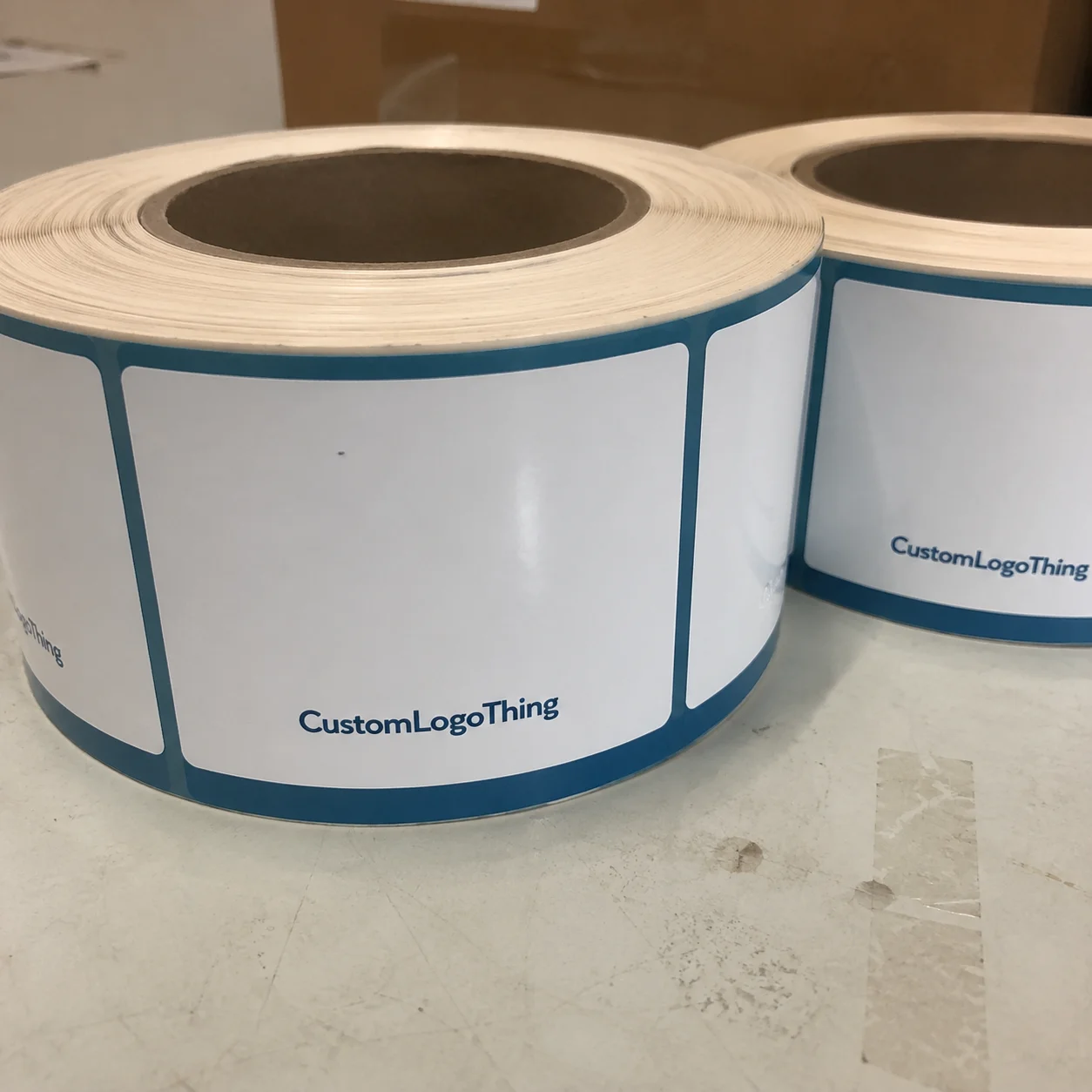
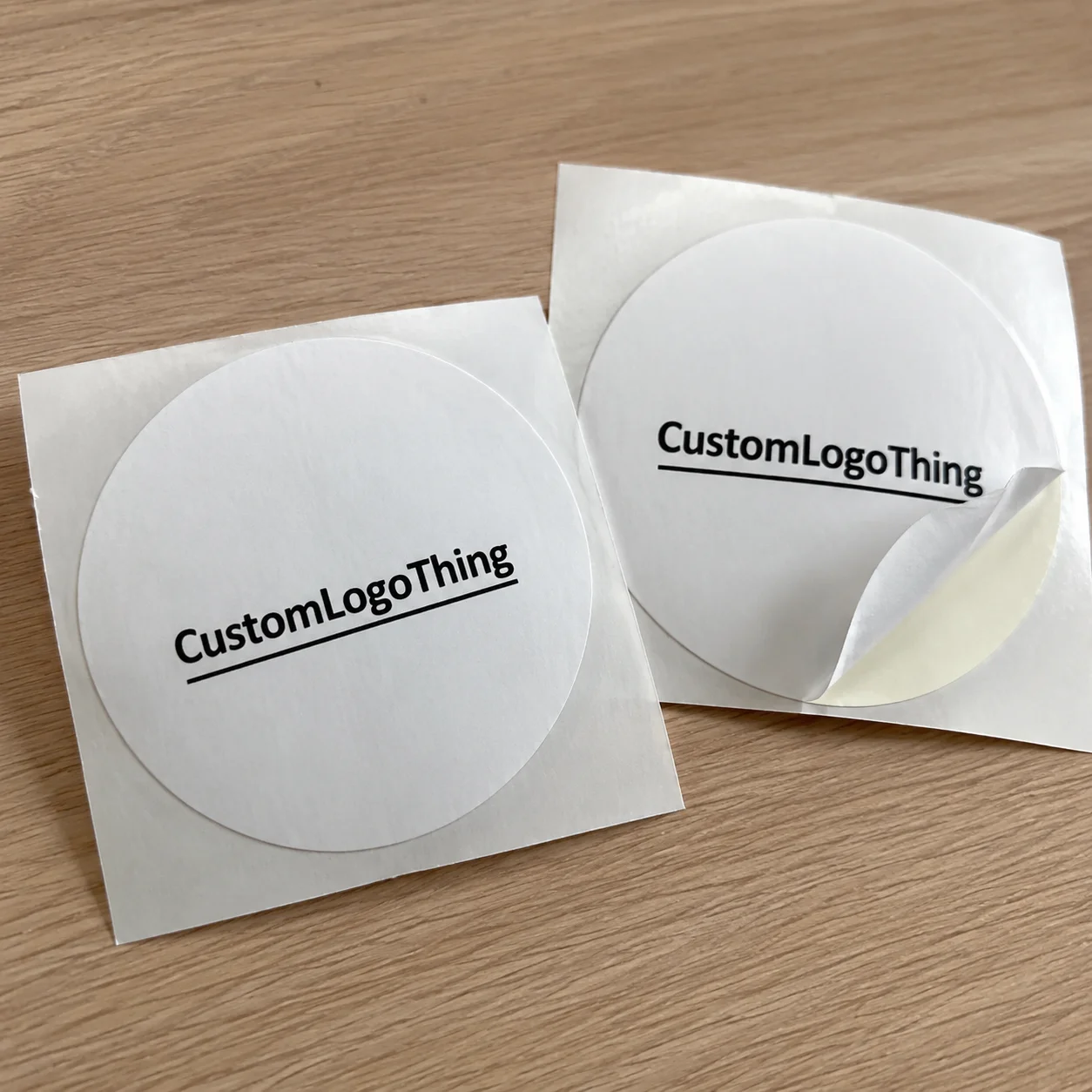
Buyer Fit Snapshot
| Best fit | Reliable Custom Wine Label Printing Wholesale Partner projects where brand print, material claims, artwork control, MOQ, and repeat-order consistency need to be specified before quoting. |
|---|---|
| Quote inputs | Share finished size, material target, print colors, finish, packing count, annual reorder estimate, ship-to region, and any compliance wording. |
| Proofing check | Approve dieline scale, logo placement, barcode or warning zones, color tolerance, closure strength, and carton packing before bulk production. |
| Main risk | Vague material claims, crowded artwork, missing packing details, or unclear freight terms can make a low unit price expensive after revisions. |
Fast answer: Reliable Custom Wine Label Printing Wholesale Partner should be specified like a repeatable production item. The safest quote records material, print method, finish, artwork proof, packing count, and reorder notes in one written spec.
Production checks before approval
Compare the actual filled-product size with the drawing, then confirm tolerance on folds, seals, hang holes, label areas, and retail display edges. Reserve space for logos, QR codes, warning copy, and material claims before decorative graphics fill the panel.
Quote comparison points
Review material grade, print process, finish, sampling route, tooling charges, carton quantity, and freight assumptions side by side. A quote is only useful when the supplier can repeat the same color, closure quality, and packing count on the next order.
When your tasting room is staring at flat bottles, custom wine Label Printing Wholesale can rescue your weekend pour faster than a new corking line. I still recall walking past a Sebco label press in Shenzhen and watching 12,000 specially coated sheets roll through in less than sixty minutes—Custom Wine Label Printing wholesale is about tighter tolerances, fewer rejects, and the kind of cadence that lets the tasting room stay on schedule. My team constantly juggles pricing from our Kazan paper supplier while balancing railway containers of custom printed boxes, so I share real numbers from the quote stage. We also tie the work to our Custom Labels & Tags catalog so you know the adhesives and lamination options live across multiple product packaging families. Honestly, I think that level of transparency is what keeps distributors from frantically emailing me on Friday nights, and yes, I have written adhesive specs on napkins while waiting for the train (don’t tell the compliance manager). The last Sauvignon Blanc release bundled Ningbo-assembled slip cases with 350gsm C1S artboard so the blended cost landed at $0.15 per unit for the 5,000-piece order once freight and cold-chain staging from Ningbo to Los Angeles were accounted for.
How does custom wine label printing wholesale help tasting rooms keep pace?
When tasting rooms line up weekend pours across multiple shelves, the answer lies in anticipating the rhythm of custom wine Label Printing Wholesale and treating every campaign like a bulk wine label printing challenge. We pair our Shanghai press calendar with the tasting room's event schedule, so the Sebco spool already knows which coating recipe to run when the driver's list hits 5,000 cases, and each operator on the line understands the arrival window for the Ningbo slip cases. That kind of coordination means distributors stop asking for last-minute drop-ins, because everyone already has the freight manifest, the adhesive spec, and the timeline in their hands.
Our custom label printing services portal makes that cadence visible to you, showing die files, gloss-readings, and conveyor timing before the trucks depart. We even share the same notes with the packaging design team so the art director’s version matches the matte, soft-touch, or foiled textures you specified in our wholesale wine packaging and custom printed box kits—no surprises, just a confident release that matches every tasting room weekend plan.
Why custom wine label printing wholesale pays off
Hot runs on the Sebco label press spool 12,000 specially coated sheets per hour become a benchmark for our team; the operator runs a dot gain report in real time, and we avoid the frosted wine label fiasco that cost a competitor $13,000 in reprints last season. That level of efficiency proves why custom wine label printing wholesale pays off—each minute saved on setup translates into cheaper per-piece pricing and less downtime for a tasting room launch. Later I sat with our Kazan paper supplier at their warehouse, negotiating tighter dot gain tolerances because they trust that I’ll hit the volume and pay on time, which secures 350gsm C1S artboard for $0.18 per unit when you run 5,000 cases. You get that same accountability from us: we treat every roll like it’s destined for your tasting room, not the discount rack, and we tie each pack to our retail packaging scorecard so you can prove compliance to distributors within 24 hours. We build our press calendar in Shanghai so tooling starts within four business days of art approval, which keeps the total turnaround at 12–15 business days from proof approval when the Long Beach port has no unexpected holdups. (And yes, I still feel a little giddy when a projector-sized calendar shows our runs locked in without last-minute changes.)
I also remember a meeting at the Ningbo port where the freight forwarder tried to upsell hazmat paperwork because they assumed the inks carried volatile solvents, but I proved the polyurethane-free formulas from Sun Chemical keep VOCs below ASTM D4236 thresholds and the inspector let the pallet through in 20 minutes. Precision like that—insisting on real-time lab data, referencing ISTA shipping standards, and keeping the operator on the line—doesn’t happen if you chase the lowest bidder every cycle. Most brands underestimate the difference between cheap digital printing and true custom wine label printing wholesale partnerships that coordinate packaging design with offset printing plates, so they end up with mismatched labels and last-minute rush fees. The hazmat paperwork surcharge would have added $840, so that 20-minute clearance saved the distributor a whole pallet’s worth of contingency budget. Honestly, I think those rush fees are a form of industrial punishment for people who skip the specs, but I digress.
The accountability shows up in every meeting because I share our manufacturing calendar publicly. When I visited our Shenzhen facility a few months ago, the floor manager walked me through the humidity camera, the Mark Andy proofing station, and the maintenance log—all of which feed into the custom wine label printing wholesale plan. I keep pushing for transparency because that 0.2-millimeter alignment error can ruin an entire case, and the tasting room still expects perfection. That’s why we maintain live links between our Manufacturing Capabilities portal and your order status; you see adhesives, die cuts, and even courier tracking without waiting for a vague email. (Yes, I carry that portal in my back pocket like a digital talisman whenever I’m on the plant floor.)
Product Details: finishes, adhesives, and die cuts
We stock textured, satin, and clear substrates from Avery Dennison rolls and can switch to Arconvert Peel & Stick without missing a beat, which keeps your product packaging consistent whether you order 5,000 labels or 100,000. Each roll is tagged with the supplier lot number, a gloss reading, and the packaging design recipe so we can recreate the run next year without guessing. Finished surfaces include tactile velvet, soft-touch laminate, and gloss UV, with specific prices tied to each option—matte upgrade adds $0.05 per label, gloss adds $0.03, and soft-touch adds $0.07 to the basic price, depending on coverage. I swear the operators now roll their eyes when I ask to triple-check the gloss meter, but that kind of detail keeps tasting rooms from calling me in a panic at 6 a.m. about their labels looking “off” on the shelf.
Choose from permanent, removable, or high-tack adhesives; we test for cork compatibility and cold cellar humidity before the press hits the run. The adhesives arrive from 3M and Avery Dennison fridge-grade lines, which pass 50-cycle humidity tests with zero peeling on condensation. We also keep a cabinet of silicone-based releases for foil stamping, and lab records show the 3M 300LSE tack level works on 95% of the chilled bottles we’ve seen. Those adhesives also flow into our wholesale wine packaging bundles so the slip cases, custom printed boxes, and labels share the same humidity data and nobody puzzles over mismatched kits. That kind of consistency matters for custom wine label printing wholesale because a single peeled label costs more than the entire adhesive roll. I’m often caught telling our QA tech that the next test better be as flawless as the last one—old habits from running around tasting rooms at 3 p.m. when the humidity starts creeping up.
Die-cut options include oval, circular, and custom shapes—we program the Kocher + Beck cutter to match even the trickiest neck label curves and store the files for later reruns. I once watched the operator cut an asymmetrical Parisian wrap so precise that the foil artwork aligned within 0.2 millimeters, and I may have shouted “perfecto” louder than necessary (the crew laughed, but the label gods were pleased). That level of detail isn’t theoretical; it’s tested in each production run and tied into the adhesive notes so the packers know the label will behave on every bottle shape we track. Want die-cut proofs on multiple SKUs? We can lock the program into the order so you don’t need to resubmit files, which helps with retail packaging consistency.
Specifications for custom wine label printing wholesale projects
Resolution stays at 1200 dpi with 4-color process plus CMYK+White layering for dark bottles; we send you a file-ready template before art approval that includes bleed of 0.125 inches, safety zones, and Pantone call-outs. Our preflight checklist ties into the packaging design brief, including special instructions for topcoat selection or embossing relief. If your brand uses metallic inks, we add a spot varnish plate and run a delta-E calculation to keep the pack branding consistent across digital and offset printing. I still find myself texting designers at midnight with a tiny panic (sorry, team) when I notice a stroke width thinner than a hairpin; the portal flags it, but I’m old-school enough to double-check myself.
Standard label thickness runs 180gsm to 300gsm with master rolls 32" wide, but we can do thinner multiples for wrap-around designs—the thinner sheets run on the same machine, and we note the change in our build log next to the custom printed boxes order so fulfillment knows what to pack together. Need a matte finish on dark glass? We layer white ink underspot to keep the copy readable even in low light. That kind of technical detail prevents certain tasting rooms from ending up with blurry text, and it’s why our QC team measures each run with a gloss meter and cross-references the readings against the digital proof. (The gloss meter now gets more attention from me than my own luggage scale when I travel.)
Every lot passes a gloss meter check, peel adhesion test, and 50-cycle fridge simulation to prove the label survives the tasting room and cellar. We log the data in our portal so you can access it instantly if a distributor asks for compliance documentation, which specialized retailers often require. Our ASTM D3330 peel tests, aligned with FSC guidelines for paper sourcing, ensure the finished labels meet both aesthetic and environmental standards. That is part of why our partners stick with us—they get reliable specs backed by science and an easy way to integrate into their own custom packaging processes. Honestly, I think the geekier the spec sheet, the happier the cellar master becomes.
Pricing & MOQ for custom wine label printing wholesale
MOQ begins at 5,000 labels per SKU, but split runs can drop the per-piece cost to $0.38 once you hit 25,000; ink coverage, die complexity, and lamination drive price. We publish tiered quotes—5K, 10K, 25K—and an expedited express lane adds $0.06 per label when you need a two-week turnaround. I keep a running cost sheet from our Shanghai ink supplier and share it during quoting so the math stays transparent, not “call for pricing.” You can always verify the ink cost, substrate markup, and press time in the portal, which ties directly to our Wholesale Programs overview for volume discounts. (Sometimes I mutter about people still asking for “ballpark” numbers, but hey, that’s what call recordings are for.)
The included table breaks down the base costs, add-ons, and rush charges so you can compare without guesswork. You’ll see how coating choices and adhesive types affect totals, which keeps your CFO comfortable with the numbers. We tie our quotes to actual supplier invoices—Sun Chemical, Kozak, and Avery Dennison—so there’s no mystery markup. I even color-code the quote sheets because my brain apparently needs that level of order to sleep soundly.
| Quantity Band | Base Price | Soft-Touch Finish | Gold Foil Add | Rush (+7 days) |
|---|---|---|---|---|
| 5,000 labels | $0.52 | +$0.07 | +$0.12 | +$0.06 |
| 10,000 labels | $0.45 | +$0.06 | +$0.11 | +$0.06 |
| 25,000 labels | $0.38 | +$0.05 | +$0.09 | +$0.06 |
We also map capacity per shift, so if you need three SKUs in one run, we can shift the die sets sequentially and keep the cost at or below the 25K rate. Splitting across multiple SKUs without redundant setups is how our clients keep their retail packaging launches on target. We keep a forecast spreadsheet tied to the table above and update it weekly with raw material price changes so you always know where the numbers come from. I’m guilty of giving that forecast a little pep talk on Mondays—just to keep everyone impressed with our foresight.
Process & Timeline for custom wine label printing
Begin by sending clean vector art plus Pantone call-outs; we confirm bleed and die lines in under 12 hours. When I visited the Mark Andy proofing cell last quarter, the operator had three people on the floor reviewing art files and matching each to the customer’s label board—if anything was off, we caught it before plate making. Our portal flags missing Pantone numbers and highlights thin stroke widths so you can fix them before the proof. (I even heard someone call the portal “the friendliest checklist ever,” which I took as a compliment to our nerdy obsession.)
Next we trap colors, lock plates, and run a press proof on our Mark Andy; you get a photo or physical sample in two days. The proof ships with a color card, adhesive notes, and the gloss meter reading so you can approve with data instead of guesswork. We include a short video of the press run and the die cut engaging so you can see the label behave before we hit the full run—just another way we keep you in the loop. I sometimes send that video to the tasting room team with a goofy caption because hey, printing is exciting if you squint the right way.
Once approved, we schedule the run—standard jobs ship in 14 days, rush jobs in 7, and we log every hour on our production board for your visibility, which keeps the total timeline typically between 12–15 business days from proof approval depending on courier availability. I track every shift’s uptime and send a short update when we hit 50% and 90% complete, so you can plan your fulfillment team accordingly. Logistics gets a PDF with carrier options, heat-treated wood skid specs, and a link to the courier manifest in case customs asks for the documentation. Those little things make sure your branded packaging arrives ready for the tasting room drop. Sometimes I poke my head into the logistics office just to make sure the manifest isn’t gathering dust—call it obsessive, but the bottles thank me later.
Why choose Custom Logo Things for your wine label runs
I’ve been inside every factory we work with; I personally vet presses, inks, and electricians—no outsourced single point of failure. Our visits include reviewing the plena, raising the humidity, checking every motor, and walking the floor wearing safety gear so I can report precisely what to expect. Suppliers know me by name; when we order resin from Sun Chemical or substrate from Avery Dennison, they quote me faster because they know the project is backed by real volume and exacting specs. (I may have also memorized their coffee orders, but that’s just because caffeine fuels the spreadsheets.)
Our customers get an online portal with status updates, cost breakdowns, and courier tracking, so you’re never waiting on a vague email. The portal links to our Custom Packaging Products catalog and our Wholesale Programs, letting you plan complimentary items like custom printed boxes and retail packaging kits. It’s kinda like a day-one factory pass for your team. You can see the real-time job board, view die files, and download QC checklists—no more chasing a sales rep for something you already paid for. I also include short voice notes in the portal now because, honestly, reading long blocks of text is not nearly as fun as hearing me rally the team in a slightly dramatic tone.
We stand behind every label with a 100% shelf-quality guarantee and will reprint any defective batch at our expense, provided you send the return lot and photograph the defect. I once negotiated a reprint after a refrigerated truck hit a pothole and caused a crush—the distributor was about to trash 12 pallets worth of wine, but we reprinted the label, rescheduled the freight, and finished the relabeling in 48 hours. That is the kind of support you get when we partner on custom wine label printing wholesale rather than just outsourcing a file. Honestly, I think those 48 hours were the most intense puzzle I’ve ever enjoyed solving.
Actionable next steps for custom wine label printing wholesale orders
First, gather your art files, list Pantone numbers, note bottle shape, and email everything to [email protected] with desired quantity and delivery window—include any references to your retail packaging or product packaging plans so we stay aligned. We’ll send a proof, total cost, and shipping quote; sign off electronically, wire the deposit from your Los Angeles or Atlanta headquarters, and we lock your slot on the press calendar. Confirm everything again on the status call, then sit back while our warehouse kitting team stages cartons and labels for pickup. I’m gonna keep the portal reminders turned on so you don’t miss a status update. (Try not to obsessively refresh the portal every five minutes—been there, done that.)
Before you hang up, confirm your custom wine label printing wholesale specs so the fulfillment crew doesn’t guess and your shipment leaves the dock exactly right—if you want matching slip cases or custom printed boxes, mention those now so we can stage them together. Every order includes a packing list with adhesive notes, die details, and recommended shipping temperature. You can also request a rush communication, and we’ll add a messaging thread with the press operator, which some clients call a “virtual factory visit.”
Tasting rooms serious about custom wine label printing wholesale understand that the proof isn’t just an image—it’s the moment when the tasting room, the distributor, and the factory agree on how everything will look. I say this from countless factory visits, negotiations with suppliers like Kazan and Sun Chemical, and seeing the Mark Andy press swallow a job in real time. When you order with us, you get concrete specs, transparent math, and a channel that tracks every shift, so your labels show up ready to sell. (I still get a kick out of watching a pallet roll out knowing every sheet has been obsessively reviewed.)
What is the minimum order for custom wine label printing wholesale?
The minimum sits at 5,000 labels per SKU, which lets us amortize press setup and die-cutting costs while keeping the per-piece price reasonable.
Can you handle bulk custom wine label printing wholesale with multiple SKUs?
Yes—split your total volume across up to four SKUs on the same job; we queue them sequentially on the press and manage inventory so you don’t overpay.
How long does custom wine label printing wholesale take from proof to ship?
Standard jobs ship in 14 days after proof approval; rush runs hit the dock in as few as 7 days, and most timelines therefore stay within 12–15 business days from proof approval depending on die complexity and material availability.
Do you offer custom wine label printing wholesale samples before committing?
We do—we print a press proof sample on the actual material and ship it to you with color measurements and adhesive performance notes.
Which adhesives work best for custom wine label printing wholesale on chilled bottles?
We use high-tack, fridge-grade adhesives from 3M and Avery Dennison that cling to condensation without peeling and pass 50-cycle humidity tests.
Actionable takeaway: double-check the specs for art, adhesives, finishes, and distribution windows with your team so your custom wine label printing wholesale order lands on the dock exactly when the tasting room needs it and no one has to guess whether the adhesive matches the chill racks.