What Custom Ziplock Baggies Actually Solve
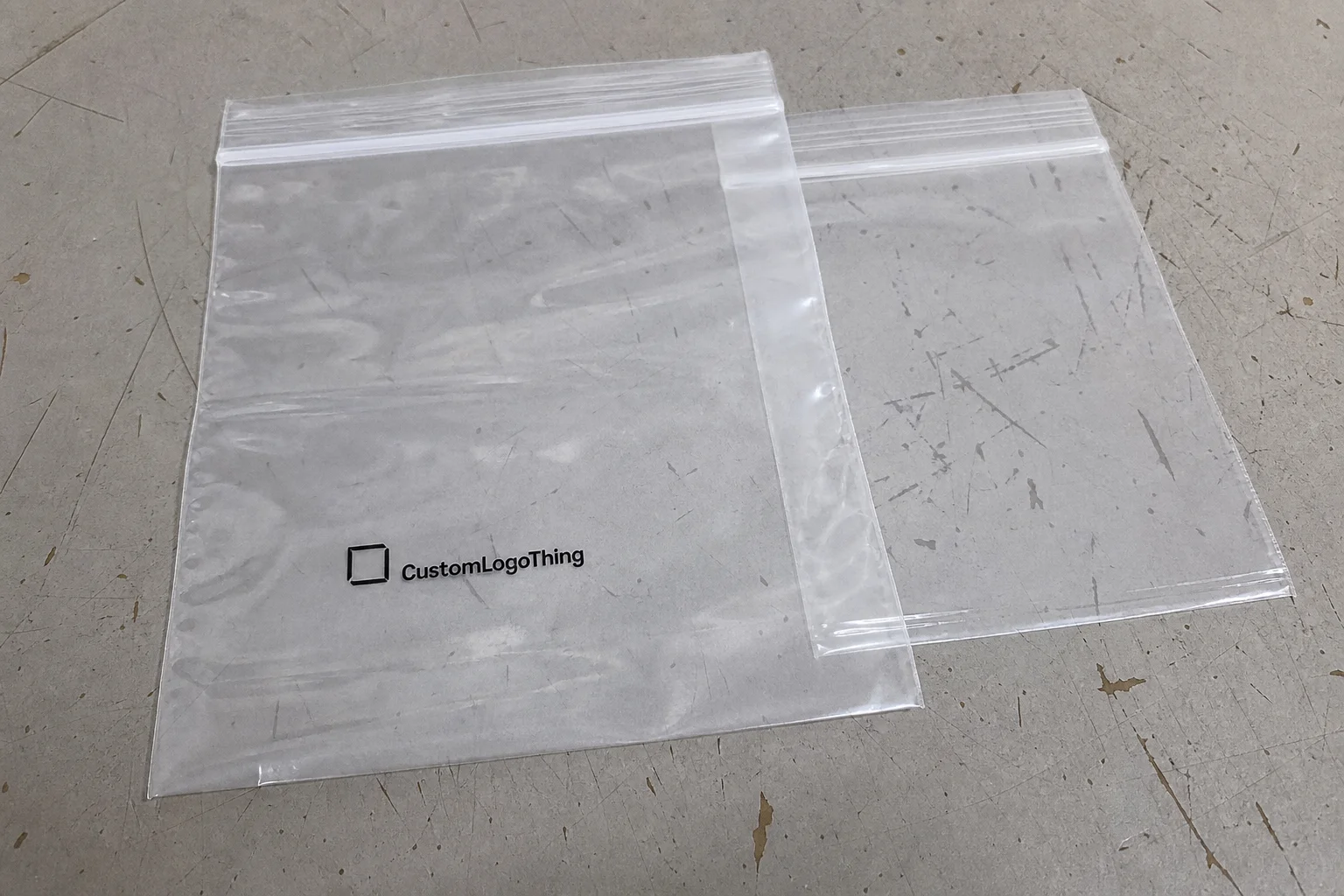
custom ziplock baggies do a lot of work for a format that looks almost too plain to matter. They keep small products contained, protect contents from casual handling, and give buyers a package that feels finished instead of improvised. That matters in retail, in sampling, and in shipping. A bag can be technically functional and still send the wrong signal if the construction feels cheap or the graphics look like an afterthought.
The closure is the first clue. A solid press-to-close zipper makes the package reusable, and reuse changes perception. Consumers read that as convenience, but it also suggests care in the way the product was packed. A flimsy closure creates the opposite effect. It is the packaging equivalent of a loose button on a tailored jacket.
For snacks, cosmetics samples, hardware kits, accessories, and event kits, the bag is often doing three jobs at once. It has to protect the product, support presentation, and keep brand information legible. That is a narrow brief. It is also why the best packaging buyers do not start with decoration. They start with function, then add branding only after the structure makes sense.
There is a useful comparison here. A resealable bag competes with pouches, cartons, sleeves, clamshells, and rigid boxes, but it wins when visibility, light protection, and easy access matter more than shelf drama. The package should fit the product category rather than force the category to fit the package. For a lot of everyday goods, that means a simple resealable bag remains the most efficient option.
The mistake is assuming all custom ziplock baggies behave the same. They do not. Film thickness, zipper profile, seal strength, print method, and surface finish all change how the package handles and how long it lasts. A bag can pass the eye test and still fail under real use. That gap is where many first orders go wrong.
How the Resealable Closure and Film Build Work
A custom ziplock bag is a small system: zipper track, film layers, side seals, bottom seal, and optional features such as a hang hole or tear notch. Each element affects the others. Add thickness and the bag feels sturdier, but filling can get less forgiving. Add a barrier layer and performance improves, but the price rises and the feel may change. Buyers often see only the front panel. Production sees the whole stack.
The zipper is the part users handle repeatedly, so it deserves more attention than it usually gets. A standard press-to-close zipper works for light retail goods and sample packs. For products that move through fulfillment or are opened and closed many times, a more secure closure can reduce customer complaints. A weak zipper is not a design flourish. It is a failure point.
Film choice carries most of the performance load. Clear polyethylene is common because it is flexible, inexpensive, and easy to inspect through. It works well for products where visibility matters more than oxygen or moisture control. Laminated structures add strength and can improve barrier properties. Barrier films are more expensive, but for odor-sensitive, moisture-sensitive, or shelf-stable products, that extra cost may protect the product better than a lower-priced film ever could.
Thickness deserves its own line item. A 2 mil bag and a 4 mil bag are not interchangeable. The thicker one usually feels better, resists puncture more effectively, and holds up during shipping, but it also changes the way the package folds and fills. If the product is lightweight and non-fragile, overbuilding the film can waste money. If the product has corners, edges, or repeated handling, thin film becomes a false economy quickly.
Print behavior depends on the substrate too. Some films accept graphics cleanly and keep type sharp. Others are less forgiving, especially with dense ink coverage, tiny text, or full-bleed layouts. If the artwork depends on fine lines or precise color matching, the material needs to support that. A package that looks strong in a mockup but muddy in production creates more damage than a plain bag ever would.
For buyers who need a grounded reference, packaging guidance from the packaging industry association is useful because it keeps the discussion on materials, use case, and performance rather than just appearance. That is the right order of operations. Finish last. Function first.
Custom Ziplock Baggies Pricing, MOQ, and Quote Drivers
Pricing is where vague requests get expensive. There is no single rate for custom ziplock baggies because the final number depends on size, film construction, zipper style, print coverage, and order volume. A quote that looks high is usually reflecting setup, material, and waste allowance. A quote that looks suspiciously low is often missing one of those realities.
MOQ exists because production has fixed costs. Plates or print setup, machine adjustments, testing, and spoilage do not disappear just because the order is small. At 1,000 units, those costs are spread thinly and the unit price climbs. At 10,000 or 25,000 units, the same setup gets amortized across more bags, so the price per piece usually drops. The tradeoff is inventory risk. Cheap unit pricing is not a win if the bags sit in storage for two quarters.
In practical terms, simple stock-style bags with minimal print sit at the low end. Fully custom construction with heavier film, barrier layers, full-coverage graphics, or custom closures moves up fast. Packaging buyers often underestimate how quickly small changes stack. A hang hole adds a die-cut step. A tear notch adds another. A gusset changes forming. None of those features is outrageous by itself. Together, they can move a quote enough to matter.
Here is a practical way to think about the main cost drivers:
| Spec Choice | Typical Use | Cost Impact | Buyer Takeaway |
|---|---|---|---|
| Standard clear PE film | Light retail items, samples, organizers | Lowest | Best starting point if visibility and basic protection are enough |
| Thicker film | Heavier products, repeated opening, shipping | Moderate | Raises cost, but usually improves handling and puncture resistance |
| Barrier laminate | Moisture-sensitive or odor-sensitive goods | Higher | Worth paying for only if the product actually needs the protection |
| Full-coverage print | Retail presentation, strong brand presence | Higher | Looks polished, but needs better art setup and tighter color control |
| Custom zipper or extra features | Premium packaging, repeat-use items | Highest | Use only when the product and price point justify it |
The shortest path to a usable quote is a detailed brief. Size, quantity, print count, closure type, and product use are the basics. Missing any of those usually creates revisions, and revisions cost time. A buyer who asks for “something nice” is not asking a supplier for creativity. They are asking for guesswork.
Lead-time cost should be part of the decision too. Faster schedules can require tighter print windows, premium freight, or more limited material choices. If the launch date is fixed, the real cost is not just the unit price. It is the cost of being late. That is where packaging budgets often get distorted.
Choosing Size, Material, and Print Specs That Fit the Product
Size should follow the product, not the mood board. Measure the item, then add allowance for insertion, closure, and display. If the bag is too small, filling becomes awkward and the zipper may not close cleanly. If it is too large, the product looks lost inside the package. That visual slack can make even a good product feel underdeveloped.
There is a useful rule of thumb: if the bag needs to hold a lightweight item that customers will inspect through the film, prioritize clarity and clean dimensions. If the item has sharp edges or repeated handling, prioritize film strength and zipper reliability. If the content is moisture-sensitive, odor-sensitive, or shelf-stable for longer periods, barrier performance belongs near the top of the list. The use case should dictate the build.
Print decisions matter just as much. A small logo on a clean panel often reads better than a crowded layout trying to fill every inch. On transparent material, negative space can be a strength. On opaque or laminated structures, stronger graphics may work, but they need to be built around the actual printable area. Overdesigned packaging often looks expensive on screen and noisy in hand.
Color accuracy is another place where expectations need to be set early. Packaging buyers sometimes ask for a specific shade as if it were a universal constant. It is not. Film, ink system, and finish can all shift how color lands. Matching a digital proof to a production bag is usually close, not perfect. The important question is whether the result is within an acceptable range for the brand and product line.
Product lines also matter. If the bag sits alongside cartons, inserts, or other branded pieces, the packaging system should feel coordinated. A sharp bag paired with generic outer packaging can undercut the whole presentation. The reverse is true too. A restrained bag can make a larger system feel intentional if the typography, color, and labeling are aligned. That is why a coordinated set of Custom Packaging Products usually performs better than a stack of unrelated pieces.
For regulated or sensitive items, do not improvise. Food, cosmetics, supplements, and similar categories may require specific materials, label language, or barrier characteristics. If the bag is part of a broader sustainability program, supporting components may use recycled or certified paper materials, but certification on the outer package does not fix a mismatched film spec. For paper-based components, FSC is a common reference point. The bag still has to do its own job.
Production Steps and Lead Time From Proof to Ship
The production path is usually straightforward. First comes spec intake: dimensions, quantity, print requirements, material preference, and any special features. Next comes the quote. After approval, artwork is placed into a production template and a proof is created. Once the proof is signed off, production starts. Final inspection, packing, and shipping close the loop.
Most delays happen before production, not during it. Artwork that is not print-ready slows the schedule. So does a missing dieline, a vague size request, or a late change to the zipper or finish. Every revision resets part of the process. Buyers sometimes treat proofing like a casual checkpoint. In practice, it is the point at which the order becomes real.
Simple orders often move faster than complex ones. If the bag is based on an existing structure with limited print and standard materials, lead time may fall in the 12 to 15 business day range after proof approval. More complicated jobs can take longer, especially if tooling, specialty film, or custom features are involved. Volume matters too. A larger order can be efficient to run, but not necessarily fast to finish.
Timelines also depend on how quickly the buyer responds. Fast approval on proof edits, sample review, and final artwork can shave days off the schedule. Slow responses do the opposite. That becomes painful when the packaging is tied to a launch, a seasonal promotion, or an event kit. One late component slows the entire shipment chain, even if the rest of the product is ready.
“The bag is rarely the hard part until the spec changes twice, the artwork is still moving, and the launch date does not move with it.”
Common Mistakes That Waste Money or Slow the Order
The first mistake is choosing the wrong size. Too small and the product does not fit with enough clearance for filling and closure. Too large and the package looks loose, which weakens shelf appeal and wastes material. This sounds basic because it is basic. It is also one of the most expensive errors, since it can force a re-run or push customers toward a less useful package.
The second mistake is overloading the artwork. Packaging is not automatically stronger because it is busier. A clean logo, concise text, and deliberate spacing usually outperform a cluttered layout with too many claims, icons, and decorative elements. On a small surface, the eye needs a place to rest. If every millimeter is shouting, nothing gets read clearly.
The third mistake is treating all zip bags as interchangeable. A closure that feels weak, a film that tears too easily, or a seal that fails in transit can all create avoidable problems. Customers may not describe the issue in technical terms, but they notice the result. A package that leaks, opens early, or looks flimsy tells them the product was not handled with care.
Another common problem is an incomplete brief. “Medium size” is not a spec. “Premium look” is not a spec. Useful details include target dimensions, product weight, quantity, artwork files, closure preference, and the environment the bag will live in. Cold storage, retail shelves, warehouse packing, and direct-to-consumer shipping all place different demands on the construction.
Sample approval is also easy to skip and hard to recover from later. A proof shows layout. It does not show how the zipper feels, how the film behaves, or whether the package fills the way you expected. If those things matter, a sample is cheap insurance. One untested production run can cost more than three careful checks up front.
Next Steps for Ordering Without Guesswork
If the goal is a cleaner quote and fewer revisions, start with five pieces of information: product dimensions, intended use, target quantity, print requirements, and any performance needs such as barrier, hang hole, or a stronger zipper. That is enough to produce a useful recommendation instead of a generic price range.
Then compare two or three builds rather than committing to the first idea. A slightly thicker film may improve puncture resistance enough to prevent complaints. A smaller size may reduce waste and sharpen presentation. A different closure may add a small cost but save the product from shipping failures. Small changes often carry more value than flashy ones.
Proofs and samples deserve attention, not speed. Confirm zipper feel, print placement, and final dimensions before production. If the bag is part of a larger packaging system, check that the typography and colors sit comfortably beside the rest of the line. A bag does not need to dominate the shelf. It just needs to stop looking accidental.
Used well, custom ziplock baggies are not filler packaging. They are a compact, efficient format that protects the product, supports reuse, and gives the brand a cleaner physical presence. That only happens when the spec matches the use case. Everything else is decoration.
FAQ
What affects the price of custom ziplock baggies the most?
Size, film thickness, zipper style, and print coverage usually have the biggest effect on pricing. Order quantity matters too, because setup costs are spread across the whole run. Barrier materials, special finishes, and extra features can raise the price quickly.
How do I choose the right size for custom ziplock baggies?
Measure the product first, then allow room for filling, closure, and display. The bag should close without stretching and still look proportionate once filled. If the size is uncertain, compare two options and request a sample before production.
What is a typical lead time for custom ziplock baggies?
Simple orders with standard materials usually move faster than fully custom builds. A common range after proof approval is around 12 to 15 business days for straightforward jobs, with longer timelines for more complex specs or larger volumes. Artwork delays often matter more than machine time.
Can custom ziplock baggies be used for food or cosmetics?
Yes, provided the material and sealing spec fit the product and any regulatory requirements. Food and personal care items often need cleaner labeling and better barrier performance than general-purpose packaging. Confirm the construction before ordering.
What should I send when requesting a quote for custom ziplock baggies?
Send product dimensions, target quantity, artwork files, print count, and the closure type you want. Include the use case so the supplier can recommend the right film and thickness. The more specific the brief, the fewer quote revisions you will need.


