When buyers compare Custom Ziplock Bags for clothes with plain garment sleeves, the difference looks minor on a sample table and much bigger once the orders hit the warehouse. A resealable closure keeps dust off, helps protect folded apparel from moisture, and makes unpacking feel cleaner without adding much complexity. That is why these bags keep showing up in retail packaging, e-commerce fulfillment, storage, and returns processing.
The bag is not just a container. It is part of the packaging system. Fit, clarity, thickness, print quality, and seal performance all need to work together. Miss one of those pieces and the result is usually predictable: wrinkled shirts, blown-open seals, or packaging that makes a decent garment look cheaper than it should.
For apparel brands, the appeal is practical more than flashy. These bags protect the product, keep SKUs easier to sort, and give teams one more controlled surface for branding. That is not a miracle. It is just competent packaging, which is rarer than it should be.
Why ziplock apparel bags outperform plain poly sleeves
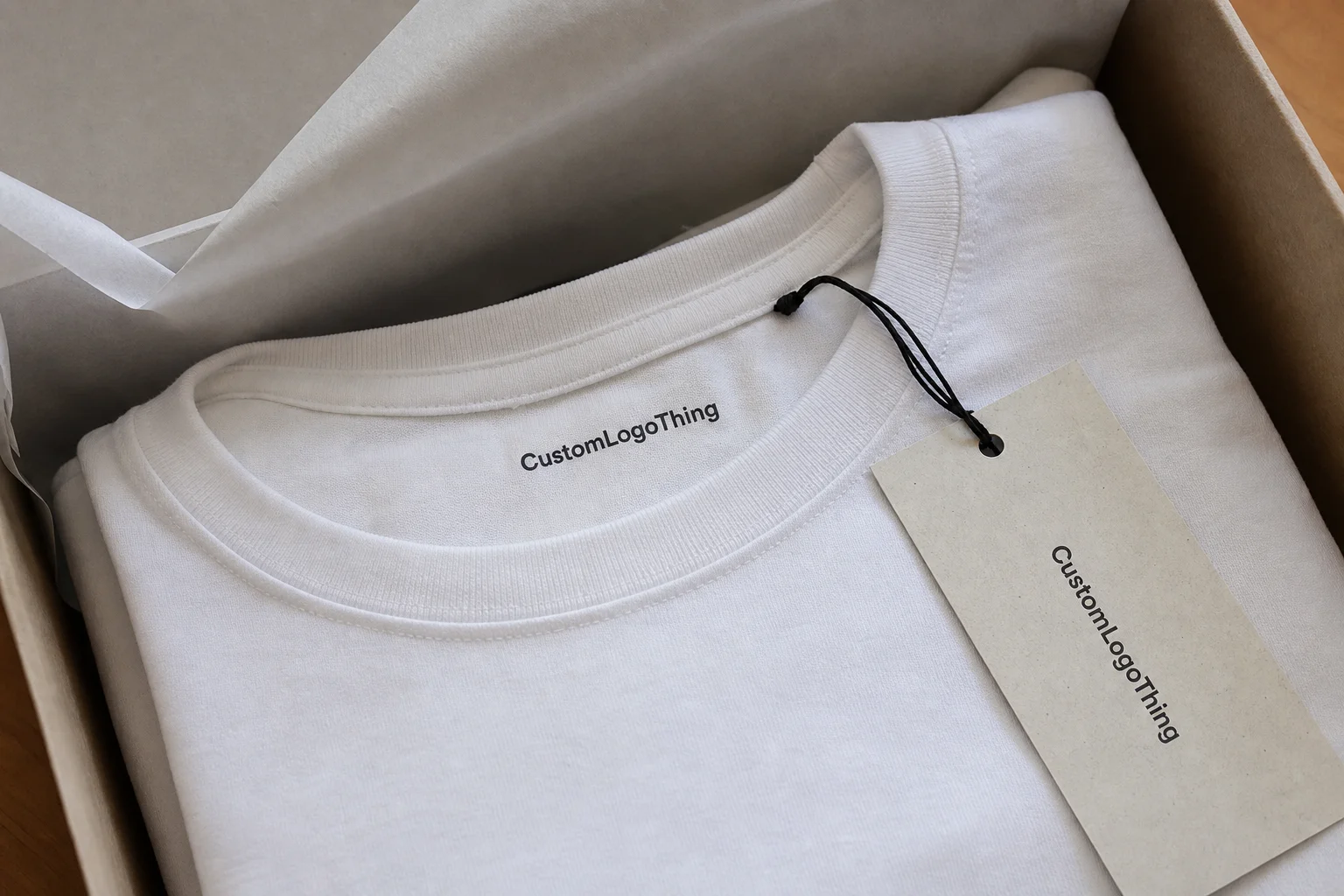
Clothes get damaged in boring ways. Dust settles on black fabric. Moisture can leave garments smelling stale in storage. Static makes lightweight knits cling to the bag walls. Add rough handling in fulfillment, and the result is often a product that arrives intact but looks tired. Buyers notice that immediately.
Custom ziplock bags for clothes solve a specific problem: the packaging can be opened and closed again without destroying it. Plain poly sleeves are cheap and functional, but once opened, they usually go in the trash or get taped shut in a hurry. A resealable closure gives the bag a second life for inspection, storage, or customer returns.
That reuse value matters more than many teams expect. A resealable bag can reduce complaints tied to dirty packaging, incomplete repacks, or garments that look as if they were handled too many times before delivery. It will not fix poor sewing, bad sizing, or a late shipment. It can, however, prevent small presentation failures from turning into expensive returns.
These bags sit inside the broader category of plastic Bags for Apparel, but in practice they behave like part of the merchandising system rather than disposable wrapping. They are used for retail hang-tag presentation, distribution to stores, e-commerce shipping, and seasonal storage. That flexibility is one reason buyers keep coming back to them.
“A bag is the first packaging surface many shoppers touch. If it feels flimsy, the garment starts at a disadvantage.”
For brands building a broader packaging system, the bag can work alongside labels, tissue, inserts, and Custom Packaging Products like mailers or custom printed boxes. The strongest programs treat the bag as one controlled touchpoint, not an afterthought squeezed in at the end.
How the closure, film, and seal design work together
The bag only performs well when its parts match the job. The zipper seal determines how easily the bag opens and closes. The film controls clarity, stiffness, and puncture resistance. The edge seals determine whether the package survives compression, stacking, and transit. If one element is weak, the whole bag feels off.
Most buyers will see three common material families: LDPE, PP, and mixed plastic constructions. LDPE is flexible and forgiving, which is why it is widely used for garment sleeves and storage bags. PP tends to be clearer and crisper, though it can feel stiffer. Mixed constructions can improve certain performance traits, but they also make material claims more complicated, especially if recycled-content or recyclability language is part of the brief.
Resealability also matters operationally. Inventory teams may open and close bags repeatedly during counting or quality checks. Retail associates inspect items and put them back. Customers reuse the same bag for seasonal storage after purchase. A zipper that works only once is not enough. The closure should stay aligned after multiple cycles and should not snag at the ends.
Practical features often include:
- Film thickness in the 40–100 micron range, depending on garment weight and handling risk
- Transparent or frosted film for visibility and shelf presentation
- Hang holes for retail display or warehouse organization
- Tamper-evident elements when the brand wants a cleaner security cue
- Optional venting when thick folded apparel needs less trapped air
Printing and size influence handling more than many teams expect. A logo placed too low can disappear behind a folded shirt. A bag that is technically the right width but too short will bunch at the zipper. A clean dieline and sensible art placement are part of packaging design, not decoration.
If you are comparing options for retail packaging, ask for the exact gauge or micron spec, the seal style, and the closure type. Suppliers will often say “strong” or “premium,” but those words do not tell you whether the bag is 50 microns or 80 microns, or whether the zipper is easy enough for repeated opening in the field. Numbers beat adjectives. Every time.
Material choice also affects how the bag behaves on the line. Softer LDPE tends to fold more easily around the garment. Clearer PP can create a sharper, more polished look, but it may crack or crease more noticeably if the film is too thin for the load. For heavier folded items, a little extra gauge usually pays for itself in fewer damaged packs and fewer rejected cartons.
Key specs that determine fit, durability, and presentation
Fit comes first. Measure the folded garment at its widest and thickest points, then add room for insertion, zipper clearance, and any tissue, barcode label, or insert card. For a slim T-shirt, the allowance can be modest. For a hoodie, knitwear set, or multi-piece bundle, the bag needs more depth than many people guess. Compression can make the pack look tidy, but it also crushes the garment profile.
Film thickness is the next lever. Thinner film can be perfectly adequate for lightweight shirts, but it is more vulnerable to puncture and edge stress. Thicker film improves durability and usually gives the bag a more structured appearance. The trade-off is cost and, sometimes, stiffness. Too stiff, and the bag becomes annoying to fill or reseal at speed.
Clarity is a brand decision as much as a functional one. If the garment needs to be visible on a shelf, choose high-clarity film or a frosted finish with generous transparent panels. If the packaging needs more branded presence, use color blocking, logo repeats, or a printed header area without hiding the product. Dark full-coverage art can look good in renderings, but it slows SKU checks and hides the actual garment.
| Option | Typical use | Visual impact | Approx. unit cost at 5,000 pcs |
|---|---|---|---|
| Clear LDPE ziplock bag | Basic retail or storage | High product visibility | $0.08–$0.16 |
| Printed frosted PP bag | Mid-tier branded presentation | Cleaner, more premium feel | $0.12–$0.22 |
| Heavy-gauge custom printed bag | Heavier garments, returns, storage | Strong shelf presence | $0.18–$0.32 |
Those numbers move with size, print coverage, and order volume, so treat them as planning ranges rather than quotes. Still, they are useful because they show how quickly a “small upgrade” can change the cost structure.
Branding options usually include logo placement, one-color or multi-color print, frosted or matte effects, and warning copy such as “keep away from children.” Some brands also request recycled-content claims or sustainability language elsewhere in the pack system, but those claims need to be precise. If a supplier cannot document the exact resin or test method, the claim should stay out of the artwork.
Compliance is not one-size-fits-all. Apparel bags are not food packages, but buyers still ask about odor, material consistency, and safety expectations. If the product line includes infant apparel or premium retail, request a material spec sheet, any relevant ASTM or internal test references, and clear language on what the bag can and cannot claim. For broader packaging context, the Institute of Packaging Professionals is a useful industry reference.
One more practical point: test the zipper by hand. A good zipper feels consistent across the full width. It should not need a wrestling match at the corners. If it does, that usually means the profile or sealing pressure is off, and the problem will show up again during packing.
Cost, pricing, and MOQ: what actually drives the quote
Pricing for custom ziplock bags for clothes is shaped by a handful of predictable inputs: size, material, thickness, print coverage, zipper style, and order volume. The last one surprises buyers more often than it should. A quote for 1,000 pieces can look very different from 5,000 or 10,000 because setup costs are spread across fewer units.
Low-volume sampling is usually priced as a development job, not a standard production run. That can mean a unit price 2x to 4x higher than the eventual production number. Once the spec is locked and the order scales, the economics improve quickly. If you are testing multiple sizes, it is often smarter to order a small sample set first rather than commit to a full MOQ on an unproven fit.
The biggest price escalators are usually:
- Large bag size or thicker film
- Multi-color print or full-coverage graphics
- Special closure designs or tamper-evident features
- Short runs with low MOQ
- Fast turnaround or rush freight
Buyer math should go beyond the unit quote. Total landed cost includes freight, cartons, inserts, possible rework, and waste rate. If 3% of the bags fail inspection or arrive in the wrong size, that hidden cost matters. A quote that is $0.02 lower but creates 1,000 extra labor minutes is not the better buy.
Most suppliers will give a clearer number if you provide folded garment dimensions, print artwork, target quantity, and whether the bags are for storage, retail display, or direct-to-consumer shipping. That context helps them avoid guessing on gauge and zipper grade. Guessing is how packaging gets overbuilt, underbuilt, or both.
For brands building a larger retail packaging program, it also helps to compare the bag against outer cartons, inserts, and labels. Sometimes the answer is not more print on the bag. Sometimes the better move is a simpler sleeve and stronger branding elsewhere in the pack. Expensive packaging is easy. Effective packaging takes more discipline.
Production steps and lead time: from artwork to delivery
The production path is straightforward, but delays usually come from missing details. It starts with a brief: garment type, dimensions, material preference, print intent, and expected order volume. The supplier then prepares a spec review or dieline. After that comes artwork proofing, then sampling if needed, followed by approval, production, inspection, and shipment.
Typical lead times depend on complexity. A standard bag with simple print may move from proof approval to production in about 12–15 business days, then shipping time on top of that. If you add custom color matching, specialty finishes, or a peak-season window, the schedule can stretch. Extra margin helps. Assuming the fastest estimate will hold is a good way to disappoint everyone involved.
Delays usually happen for the same reasons across suppliers:
- Artwork submitted without bleed or correct dimensions
- Late changes after the proof stage
- Missing material spec decisions
- Slow sample approvals from internal teams
- Peak-season factory demand
Clear communication helps more than pressure. If you need a brand launch date, tell the supplier the real deadline and ask for the latest safe approval date. That is better than asking for a miracle after the artwork has already been revised three times.
One practical rule: lock the structure before focusing on design polish. It is easier to adjust logo size than to rework a bag that is 20 mm too short for the garment. That matters even more if you are coordinating the bag with hang tags, inner sleeves, or custom printed boxes. The packaging family should fit together, not fight each other.
For shipping expectations and transit testing, many buyers ask about ISTA procedures. If your bagged apparel will move through layered distribution, the ISTA resources can help frame what “survives shipping” should mean in your testing plan.
Quality control should not stop at the proof. Good suppliers check zipper alignment, seal consistency, print registration, film clarity, carton counts, and sample fit before release. If the order includes multiple sizes, it is worth verifying one finished piece from each size rather than assuming the smallest and largest will behave the same. They usually do not.
Common ordering mistakes that raise waste and returns
The first mistake is under-sizing. Hoodies, sweatshirts, and multi-piece sets need more room than buyers estimate from a flat measurement. If the bag is too tight, the zipper area gets stressed, the film wrinkles badly, and the garment looks packed instead of presented.
The second mistake is over-printing on low-clarity film. If visibility matters, dark art across the center can hide the apparel and make the shelf look crowded. In retail packaging, product recognition usually sells better than clever graphics. The shopper should identify the garment in a couple of seconds, not solve a design puzzle.
Third, weak seals and poor zipper alignment create failures that are expensive in a way quotes never show. A bag that pops open in transit or takes effort to reseal increases repack labor and can make customers think the garment was mishandled. Thin film can work, but only if the closure and edge seals are consistent from bag to bag.
The hidden mistake is not testing the bag with real apparel. A sample with no shirt inside tells you very little about thickness, drape, or how the zipper behaves when the bag is full. Test at least one sample with your actual folded garment, the same inserts, and the same label setup you plan to use in production.
Another common miss: forgetting how the bag will be handled after packing. If warehouse staff need to scan labels through the film, confirm readability before approving print placement. If retail teams hang the bags, verify the hang hole position and strength. If customers will reuse them, make sure the zipper is intuitive enough to close with cold hands, which is the kind of detail people only remember when it fails.
From a packaging design point of view, the best-looking bag on screen is not always the best-performing bag in a warehouse. That gap is where waste creeps in.
Expert ordering checklist and next steps before you request quotes
If you want a cleaner sourcing process, define the job before you start price shopping. For custom ziplock bags for clothes, the most useful inputs are simple and concrete.
- Garment type and folded dimensions
- Intended use: retail display, shipping, storage, or returns
- Target film thickness and preferred material
- Branding goals: clear, frosted, printed, or minimal
- Budget range and target MOQ
- Expected shelf life or storage duration
Ask for samples with the actual apparel inside, not just empty mockups. Empty bags can hide size problems, zipper stiffness, and visibility issues. Also ask for material spec sheets, print proofs, MOQ details, and carton pack-out information so you can compare suppliers on the same basis. That makes the quotes comparable instead of vaguely “competitive.”
Check the boring details too. Is the zipper centered? Are the edge seals even? Does the print stay away from the fold line? Is the bag easy to open with gloved hands if your operation uses them? These questions sound small, but they are exactly where packaging quality is won or lost.
If you are building a larger branded packaging system, consider whether the bag should coordinate with labels, inserts, or outer mailers. Sometimes the bag carries the logo. Sometimes it should stay quiet and let the garment lead. Both approaches can work. The right answer depends on price point, channel, and how much the bag needs to do on its own.
My practical advice: compare two or three specifications, validate the fit with real garments, and then approve the artwork and production timing. That sequence saves money, reduces waste, and usually produces a cleaner result than starting with graphics and hoping the size works out later.
If you are ready to request quotes, keep the requirements tight, ask for honest lead times, and make sure the supplier understands the exact use case. Done well, custom ziplock bags for clothes do more than protect fabric. They support presentation, reduce handling issues, and make the whole pack-out feel intentional.
FAQ
What size should custom ziplock bags for clothes be for folded shirts?
Measure the folded shirt at its thickest point, then add clearance for the zipper area and easy insertion. The bag should let the garment slide in without compressing collars, hems, or printed graphics. If the shirt includes inserts or tissue paper, build in extra width and height so the seal is not stressed.
Are custom ziplock bags for clothes reusable enough for storage?
Yes, many buyers use them for seasonal storage, inventory handling, and customer returns because the closure opens and reseals easily. Durability depends on film thickness, zipper quality, and how often the bag is opened. For long-term storage, choose a stronger film and verify seal performance with the actual garment weight.
What affects the unit cost most when ordering garment ziplock bags?
Size, material, print coverage, closure style, and order quantity are the biggest cost drivers. Higher MOQ usually lowers the unit price, while custom colors or specialty finishes increase it. Artwork complexity can also raise cost if it requires multiple print passes or extra setup.
How long does production usually take after artwork approval?
Timelines vary by supplier, but custom production typically starts after the final proof is approved. Sampling, color matching, and specialty features can add time before full manufacturing begins. The fastest path is to submit complete specs early and avoid changes once the proof stage starts.
Can custom ziplock bags for clothes improve retail presentation?
Yes, clear or frosted bags create a cleaner shelf look and help shoppers see the product without opening it. Printed logos and consistent sizing make inventory look organized and more premium. The bag also helps protect garments from dust and handling marks during display and transport.

