Custom Ziplock Bags for food look uncomplicated, and that is part of their appeal. A well-made resealable pouch protects freshness, improves post-open convenience, and gives the product a cleaner shelf presence without pretending the zipper alone can solve every packaging problem. For many brands, that small closure does more work than the design team first expects.
Buyers often begin with graphics, which makes sense. Shelf appeal matters. But the better question is whether the bag suits the food, the filling line, and the way customers actually use it at home or on the go. That is where Custom Ziplock Bags for food become a practical decision rather than a decorative one.
Custom ziplock bags for food: what they are and why brands use them
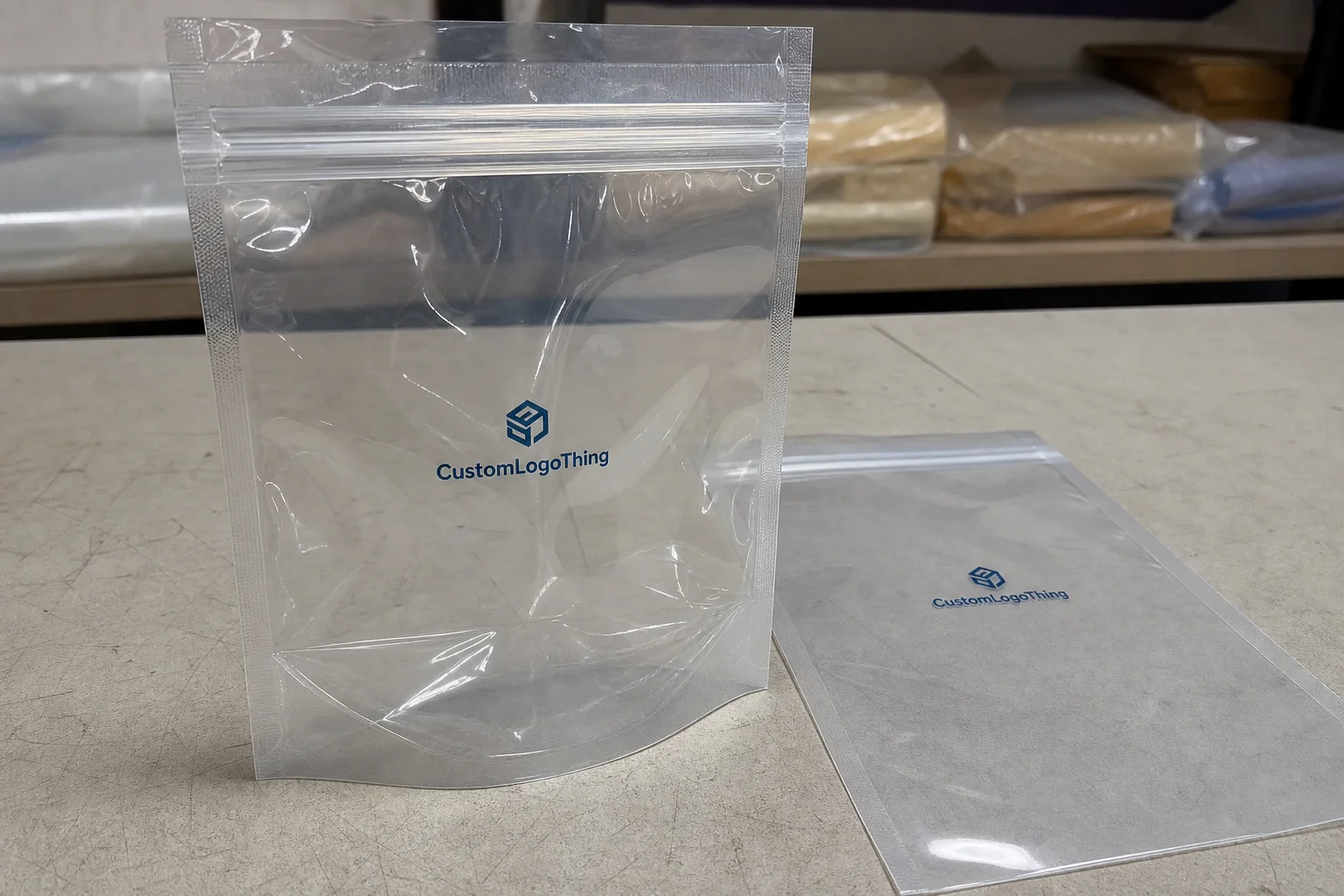
These are flexible food pouches or bags with a resealable zipper closure, custom printed with branding, product details, and the compliance copy required in your market. They are common for dry snacks, coffee, jerky, dried fruit, baking ingredients, candies, pet treats, and similar low-moisture products. If the food is oily, aromatic, or sensitive to air and humidity, the material spec matters even more than the print.
The value is practical. A consumer opens the pouch, closes it again, and continues using it without reaching for a clip or elastic band. That kind of convenience changes how the product feels. It can make a budget item read as premium, which is one reason branded flexible packaging has such strong shelf influence. The food may not change, but the perceived value often does.
These bags also help with portion control and storage. They keep pantry shelves tidier, reduce stray crumbs, and create a better re-close experience after first opening. Brands sometimes underestimate how much that matters once the product leaves the warehouse.
Good package branding is not just decoration. It should protect the product, support the fill line, and make the customer’s life easier after opening.
For brands comparing formats, it helps to think in systems rather than single packages. A pouch is not always the answer. Sometimes a box with an inner liner performs better on shelf or in transit. If your packaging plan may expand later, review the broader range at Custom Packaging Products before locking in one format too early.
How resealable food packaging works
The zipper is usually an interlocking track. Press the two sides together and the tracks engage; pull them apart and the pouch opens. Most food bags still receive a heat seal above the zipper, which provides tamper evidence and gives the first open a cleaner feel.
That closure sits inside a film structure designed to do more than hold shape. A clear front lets the product show through. A matte or glossy printed exterior changes how the shelf reads. Foil or metalized layers improve barrier performance, especially for oxygen, moisture, and light. Choose the wrong structure and the bag may look polished while quietly allowing quality loss. Attractive failure is still failure.
What the pouch protects against depends on the layer stack. Common threats include:
- Oxygen for flavor loss, rancidity, or slow oxidation.
- Moisture for caking, softening, or crispness loss.
- Light for sensitive ingredients and color stability.
- Odor transfer for aromatic foods like coffee, spices, or dried fruit.
- Contamination from handling, dust, or environmental exposure.
That is why higher-barrier materials cost more. They are doing more work. Coffee, herbs, and ingredients with strong aroma need better protection than a short-life snack in a clear pouch. Not every SKU needs a heavy laminate, but underpackaging a product usually leads to complaints later.
Custom printing adds the communication layer. It can carry the product name, flavor, nutrition panel, QR code, batch code zone, warnings, storage instructions, and retail graphics. The zipper still handles reclosure; the print makes the packaging useful to the brand as well as the buyer.
Key specs that affect freshness, print quality, and usability
If performance matters, start with the material structure. Not the finish. Not the color. Structure first.
PET/PE is common for general-purpose use because it balances stiffness, sealability, printability, and cost. It works well for many dry foods. Foil laminate is the stronger choice when barrier performance matters more, especially for oxygen-sensitive or aromatic products. Kraft laminate can deliver an earthy look, but the actual performance comes from the inner layers, not the paper face pretending to be the technical solution. Mono-material recyclable options are increasingly requested, although they need careful testing because recyclability targets and barrier demands do not always align neatly.
Barrier level matters just as much. A simple way to think about it is:
- Low barrier: suitable for short shelf life or products that are not very sensitive.
- Medium barrier: a practical middle ground for snacks and baked goods.
- High barrier: better for coffee, jerky, herbs, and flavors that fade quickly.
Film thickness, usually measured in microns or mils depending on the supplier, affects puncture resistance and hand feel. Thicker film usually survives shipping better and feels sturdier on shelf, but it may also feel less flexible. Very thin film can look refined and then split at the corner seal. That is not premium; it is a return waiting to happen.
Closure style matters too. Standard zippers are common. Child-resistant options exist for certain products and regulated markets, though they add cost and can slow down filling. Tear notches improve first-open convenience. The right choice depends on the food, the audience, and the channel. Retail packaging has different needs than warehouse storage or subscription fulfillment.
Print method affects both cost and visual behavior. Digital printing usually fits lower MOQs and faster artwork changes. Flexographic printing becomes more efficient as volumes rise, especially when color consistency across a large run matters. Gravure is less common for many buyers because setup requirements are heavier, but it can support very high volumes. Finish also changes the result: matte reads softer and more artisanal, gloss gives sharper contrast, and soft-touch can feel premium if the product can justify it.
Food compliance is not optional. Confirm food-contact safety for the film, inks, adhesives, and any claims printed on the bag. If your market requires specific symbols or wording, verify that early. Standards-based buyers may also want to understand how transport and handling testing is discussed by groups such as the ISTA and the Packaging Machinery Manufacturers Institute. Distribution abuse is real even when packaging plans assume ideal conditions.
| Structure | Best for | Typical strengths | Typical tradeoff |
|---|---|---|---|
| PET/PE clear pouch | Dry snacks, candy, baked goods | Good clarity, decent printability, moderate cost | Not ideal for highly aromatic products |
| Foil laminate | Coffee, jerky, herbs, sensitive foods | Higher barrier, better odor and light protection | Higher price, less product visibility |
| Kraft laminate | Artisanal brands, natural positioning | Strong shelf personality, premium texture | Barrier depends on inner layers, not the kraft look |
| Mono-material recyclable film | Brands with sustainability targets | Potential recyclability benefits | Needs careful spec review to meet barrier goals |
Cost, pricing, MOQ, and quote factors that move the number
Price depends on size, material, barrier layer, zipper style, finish, print coverage, and order quantity. That list stays long because packaging is physical, not abstract. Bigger bags use more film. Better barrier uses better materials. More colors add setup complexity. Specialty finishes cost more because finishing is an added process, not a free aesthetic upgrade.
For practical budgeting, smaller digital runs often carry a higher unit price but lower setup burden. Depending on size and print coverage, a smaller order might land around $0.35-$0.90 per unit. At higher volumes, flexographic runs can reduce unit cost substantially, sometimes into the $0.08-$0.25 range or lower for simpler specs, but only after setup, plates, and freight are spread across more pieces. If a quote looks unusually cheap, check what was excluded.
MOQ is another reality check. Printed custom film often has a higher minimum than stock-based customization. Suppliers may quote 5,000, 10,000, or more pieces depending on structure and print method. Lower MOQs do exist, but they usually come with higher unit cost. That is the tradeoff.
Hidden costs often appear in extra spot colors, custom windows, gussets, specialty finishes, child-resistant closures, and added compliance copy. Freight and tooling can also change the total landed price more than buyers expect. The cheapest unit price is not always the best deal once everything is counted.
Here is a quick comparison of the main cost drivers:
| Quote factor | Lower-cost choice | Higher-cost choice | Buyer impact |
|---|---|---|---|
| Print method | Digital | Flexographic or gravure | Digital fits small runs; larger runs favor setup-heavy methods |
| Barrier | Low to medium | High-barrier foil laminate | Higher barrier protects freshness but raises cost |
| Finish | Standard gloss or matte | Soft-touch or specialty texture | Premium feel increases quote price |
| Closure | Standard zipper | Child-resistant or specialty zipper | More functionality, more cost, sometimes slower filling |
If you want a useful quote, do not send “need bags” and hope for precision. Send dimensions, food type, fill weight, barrier requirement, zipper preference, print coverage, and target quantity. That converts guesswork into an actual quote. Buyers who provide this information usually get better answers and fewer revisions.
Process and lead time: from artwork to production steps
Good production starts before anyone opens design software. First, define the use case: what food, what shelf-life target, what fill method, and what environment the pouch will live in. A frozen storage format, a retail snack bag, and a coffee pouch are not interchangeable just because they all reseal.
Next comes artwork and dielines. Bleed, seal zones, barcode placement, and mandatory copy all need review before proofing. If text sits too close to the seal area or a barcode lands on a curved surface that scans poorly, production becomes slower and more expensive. Design should support the line, not force the line to compensate for the artwork.
Then comes proofing and samples. A PDF does not show how color behaves on film, how the zipper feels in hand, or whether the window size looks right on the finished pouch. If the bag will sit beside custom printed boxes or other branded packaging, the finish and color need to match in the real world, not just in a mockup.
Production usually includes printing, lamination, pouch forming, zipper application, sealing, and inspection. Simpler specs move faster. More layers, tighter compliance copy, and specialty finishes can add time because they require more setup and quality-control checks. Lead time often runs around 12-15 business days after proof approval for straightforward digital jobs, while larger or more complex orders can take longer depending on material availability and finishing requirements.
If your packaging must meet expectations for transit or distribution, ask whether the supplier references standard methods such as ASTM or ISTA protocols. Not every food pouch needs formal transport testing, but hard shipping conditions make testing a sensible conversation before release.
Common mistakes buyers make with reclosable food bags
The biggest mistake is choosing a bag that looks correct but has the wrong barrier. A polished pouch that lets a product go stale is expensive disappointment. If the food is aromatic, oily, or moisture-sensitive, material selection comes first.
A second mistake is overspending on print coverage before checking whether there is still room for batch codes, seals, and barcodes. If production has to crowd or reduce important information, the package becomes harder to run and harder to sell.
Third: ignoring zipper quality. People focus on the front panel and forget the closure is the actual everyday experience. A weak zipper turns a premium product into a daily annoyance, and consumers rarely separate that annoyance from the brand.
Fourth: choosing the wrong size. Too small can create fill issues and stressed seals. Too large wastes film and shelf space. Hand-filling lines often need a wider mouth or more generous top margin than buyers expect. Semi-automatic lines have their own constraints. The pouch should fit the process, not make the process struggle around it.
Fifth: skipping samples. Screen proofs and paper comps cannot tell you zipper feel or film behavior, and they will not catch every compliance issue. If you are making Custom Ziplock Bags for food for a real launch, sample approval is the inexpensive step that helps prevent a costly mistake.
Sixth: forgetting storage conditions. Heat, humidity, oily ingredients, and long warehouse dwell time all affect performance. A pouch that works for short retail turnover may be wrong for long-haul distribution or subscription fulfillment.
Expert tips for better shelf life, easier filling, and stronger branding
Start with the food, then build outward. Match the barrier and closure to the product first. After that, shape the artwork around the structure. That order saves money and avoids a lot of frustration.
Use transparent windows with intent. A window can help sell the product by showing color, texture, or other quality cues, but it should not consume the whole brand area. The best packaging usually keeps the brand dominant while letting the product support the story.
Ask for fill-friendly dimensions if you pack by hand or on semi-automatic equipment. Bag mouth width, headspace, and gusset depth affect throughput more than most buyers expect. A few millimeters can mean fewer spills and less operator fatigue. That feels minor until a line is running for hours.
Reserve a clean area for batch codes, expiry dates, and barcodes. It keeps production smoother and improves retail scanning. It also reduces the chance that decorative elements will crowd the print zone and create a headache for the coding team.
Finish selection should support the brand position. Matte often reads premium and artisanal. Gloss creates brighter shelf impact and stronger contrast. Soft-touch can feel elevated, although it adds cost without changing the pouch’s functional performance. Use it because it supports positioning, not because it sounds sophisticated in a quote.
If sustainability is part of the brief, ask for actual options in your size and barrier range. Do not assume a recyclable or reduced-material structure exists in every format. The answer depends on the film stack, zipper type, and barrier target. The FSC can matter if paper-based components or certified sourcing claims are part of the wider package system, but the material still has to perform on shelf and in transit.
Next steps: how to choose the right bag spec and request quotes
The cleanest buying process is boring in the best way. Build a one-page spec sheet with product type, fill weight, dimensions, barrier needs, zipper style, print colors, and target quantity. That single sheet usually prevents a large share of quoting confusion.
Then narrow the material choices to two or three structures based on shelf-life needs, not just price. A low-cost bag that fails is not economical. It is delayed spending with added frustration.
Request samples or a prototype if freshness, zipper feel, or color accuracy matters. Compare quotes on the same basis: unit cost, setup fees, freight, MOQ, and lead time. If one supplier excludes plates, tooling, or shipping, the number is not actually cheaper; it is incomplete.
Before ordering, confirm artwork, compliance copy, and pack-out method. If your custom ziplock bags for food are going into launch, final details should be settled before the run begins. The best outcome comes from clear specifications, a realistic budget, and a pouch structure that fits the product instead of fighting it.
The short version: Choose the Right material, verify the zipper, keep the print file production-friendly, and ask for a sample before committing. That is how buyers reduce risk and get packaging that performs after the product leaves the line.
What foods work best in custom ziplock bags for food?
They work best for dry or low-moisture foods like snacks, coffee, jerky, dried fruit, candy, baking mixes, herbs, and pet treats. For oily, aromatic, or moisture-sensitive products, choose a higher-barrier structure instead of a basic clear pouch.
How do I choose the right barrier for food packaging bags?
Start with the food’s main enemy: oxygen, moisture, light, or odor transfer. Low-barrier bags are fine for short shelf life, while medium to high barrier is better when freshness and flavor retention matter.
What affects the price of custom ziplock bags for food most?
Size, material, barrier layer, print coverage, finish, zipper type, and order quantity are the biggest drivers. Higher MOQ usually lowers unit cost, but setup fees and freight can still move the total.
How long does production usually take for printed ziplock food bags?
Simple digital jobs can move faster, while higher-volume or more complex printed bags take longer because of setup, proofing, and inspection. Lead time depends on artwork approval, material availability, print method, and finishing requirements.
Do I need samples before ordering custom ziplock bags for food?
Yes, if color accuracy, zipper feel, or shelf presentation matters to your brand. Samples help catch size issues, seal problems, and compliance mistakes before you commit to a full run.


