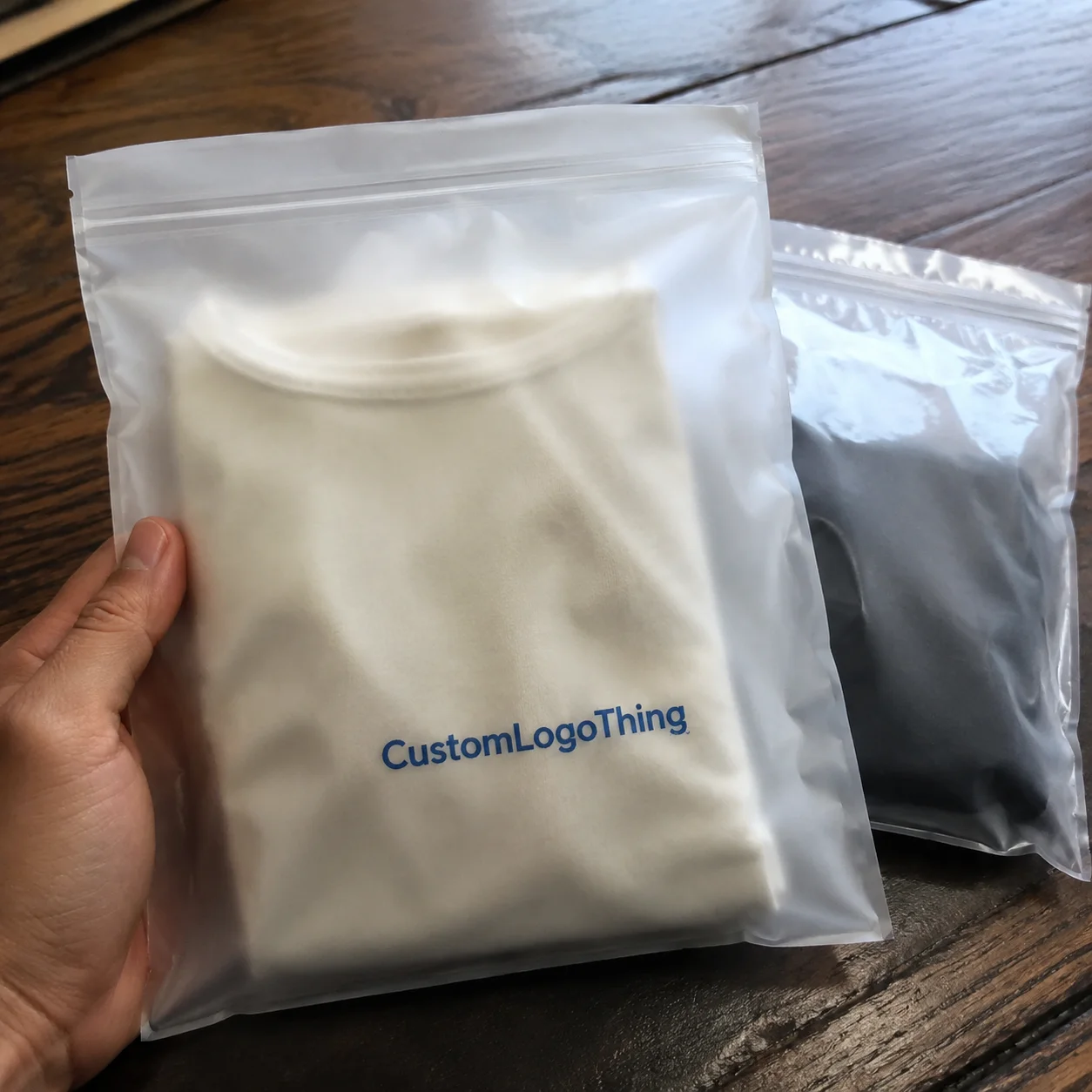
Custom Ziplock Pouches: Buy Smarter With Better Specs
Custom ziplock pouches do one job well when they are spec’d properly: they open cleanly, reseal reliably, protect the product, and still look good in transit or on shelf. The zipper matters, but the film structure, seal area, and pouch size usually decide whether the package actually works.
The questions that matter are practical. How much barrier does the product need? Will the pouch fit the real fill volume? Does the printed surface survive handling? Those details decide whether the package is useful or just nice-looking.
They also make sense commercially. A resealable pouch can cut waste, support repeat use, and improve shelf presence without the cost of rigid packaging. That is why you see them on snacks, supplements, beauty samples, pet treats, and small retail kits.
If the spec sheet is vague, the quote is guesswork. Guesswork gets expensive after the first run.
What They Actually Solve
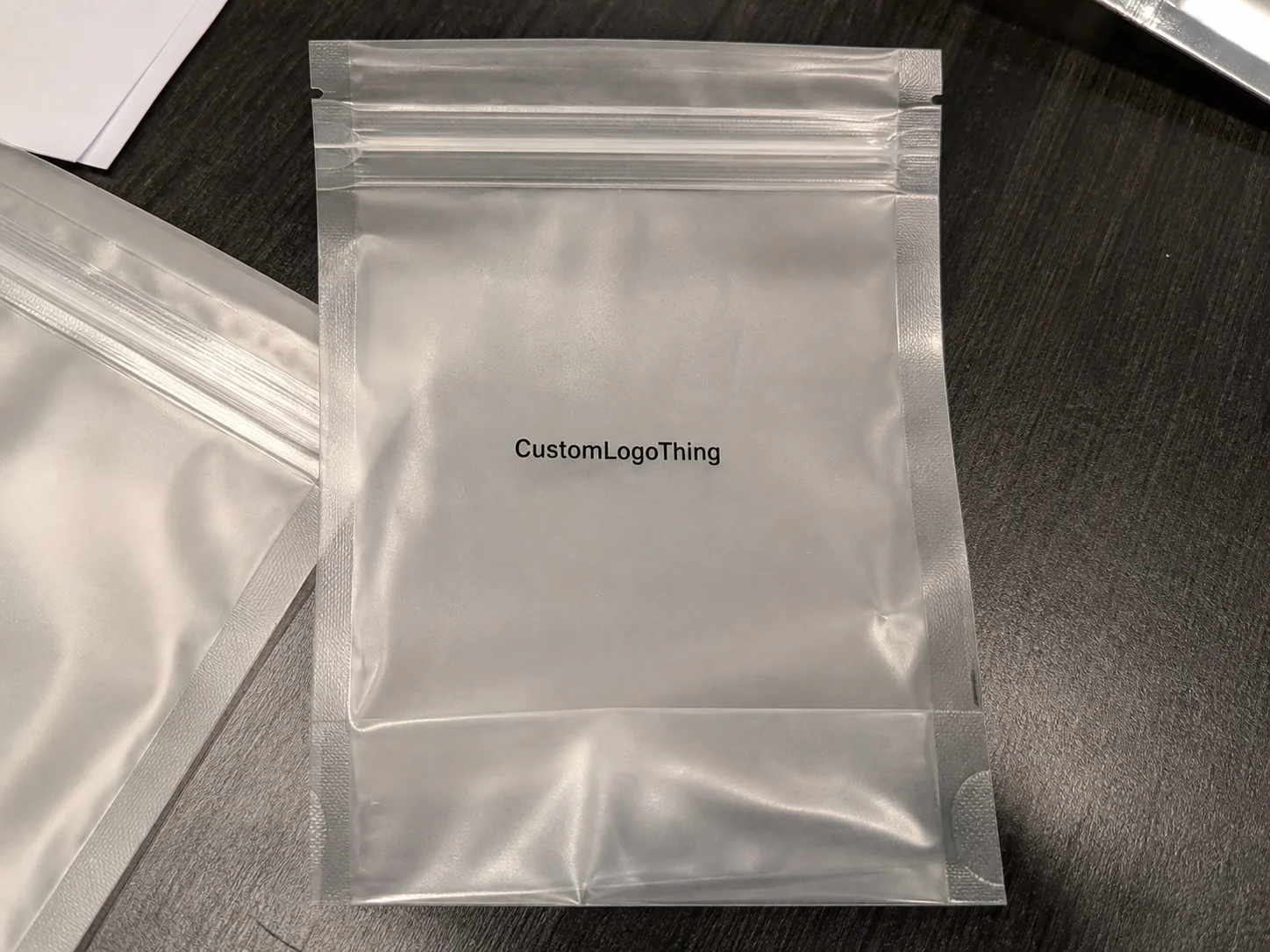
The first mistake is thinking a pouch problem is really a zipper problem. Most of the time, the issue starts with sizing or material choice. A pouch that is too small fights the fill line and stresses the top seal. A pouch that is too large leaves the product loose, which hurts presentation and can increase shipping damage.
That is where custom ziplock pouches earn their keep. They fit products that are opened more than once and still need freshness, odor control, and a clean close. You see them on snack packaging, refill formats, travel sizes, sample kits, and resale items because the format matches the use case without extra bulk.
They also improve the day-to-day experience. A good pouch opens without a tug-of-war, closes in one motion, and does not need awkward two-handed pressure. That matters when customers use the product repeatedly and expect the package to behave the same way every time.
Price matters, but cheap is not the same as efficient. A low-cost pouch that scuffs, leaks odor, or fails in transit usually costs more once complaints and replacements are counted. In practice, the better move is often a spec that costs a little more up front and avoids support issues later.
There are limits. Highly oxygen-sensitive, very oily, or safety-regulated products need stronger barrier performance and sometimes special closures. Some jobs call for foil, metallized layers, child-resistant features, or tamper evidence. Others do not. The right build depends on the product, not the supplier’s default stock answer.
How Custom Ziplock Pouches Seal and Protect
The zipper is the reseal feature. The laminate is the barrier. Those get lumped together a lot, which leads to weak decisions. A pouch can feel solid in hand and still miss the mark on shelf life if the film is too thin, the layer stack is wrong, or the seal area is underspecified.
Closure styles change daily use
Press-to-close zippers are the common choice because they are familiar and affordable. Slider zippers cost more, but they are easier to open and close repeatedly, especially on larger pouches or products handled often. Tamper-evident styles give a visible first-open signal. Child-resistant formats are a different category and should be specified carefully because they affect cost and lead time.
Barrier is decided by the film stack
For dry products with low sensitivity, a basic PE structure may be enough. If the package needs a more polished shelf look, many buyers choose PET with a PE sealant layer, usually in gloss or matte. For coffee, powders, aromatics, or products that need better oxygen and odor resistance, foil or metallized layers can make a real difference.
Material choice should follow product behavior. Oily goods can migrate into certain films. Sharp edges can stress thinner structures. Moisture-sensitive products need more than a nice exterior. A pouch that behaves on a sample table can still fail after a week in a warm truck or a humid warehouse.
Small design details affect production and use
Gussets, tear notches, hang holes, and fill lines all change how the pouch behaves. A bottom gusset or side gusset increases capacity, but it also changes how the pouch stands, how it packs into cartons, and how it fills on equipment. Tear notches help with first open. Hang holes matter for peg display.
If the pouches will ship in case packs, ask about seal width and puncture resistance. A pouch that looks fine in a catalog can still collapse under compression or rub through in transit. For shipping validation, standards from groups like ISTA are useful references because they test vibration, stacking, and shipping stress.
Material, Size, and Print Choices That Change Performance
Size should be based on the filled product, not just the weight on a spec sheet. A dense product and a fluffy product with the same weight do not take up the same volume. Leave room for headspace, zipper clearance, and a proper top seal. A pouch that is too short looks crammed. A pouch that is too tall wastes material and increases freight cost.
Film thickness changes puncture resistance, stiffness, and shelf feel. Thicker is not automatically better. A lightweight product in an oversized heavy pouch can feel clumsy and raise unit cost without adding much protection. In practice, many buyers land somewhere in the 80-160 micron total structure range, but the right figure still depends on the product, closure, and handling conditions.
Surface finish changes how the package reads from a distance. Gloss tends to make color pop and helps graphics stand out. Matte gives a quieter, more restrained look and often photographs well. Soft-touch can feel premium, though it adds cost and can mute fine typography if the artwork is too small. Metallic and clear-window builds each send a different signal.
Printing method also shapes the budget. A simple one- or two-color design is easier to control. Full-coverage art, photographic graphics, and multiple spot colors push setup and unit cost up quickly. If the launch is still unproven, a cleaner artwork approach is usually the safer call.
| Option | Typical Use | Usual Cost Impact | Notes |
|---|---|---|---|
| Clear PE resealable pouch | Dry goods, samples, simple retail items | Lowest | Good visibility, lighter feel, limited barrier |
| PET/PE matte pouch | Snack brands, supplements, premium merch | Moderate | Better shelf look, stronger print presentation |
| Metallized or foil-lined pouch | Coffee, odor-sensitive items, shelf-stable goods | Higher | Stronger barrier, less product visibility |
| Special zipper or child-resistant build | Regulated or repeated-use products | Highest | Better usability or safety, but more setup and test time |
This is the part many quotes skip. A plain clear pouch and a matte, high-barrier, printed pouch are not the same product. Treating them as interchangeable is how budgets get distorted before production even starts.
If you are comparing packaging systems rather than one bag type, it helps to zoom out first. A pouch that supports the product well may be the better move even if a rigid box looks more impressive on paper. If you need a starting point, a full packaging catalog is more useful than chasing isolated unit prices.
Cost, MOQ, and Quote Drivers
Price moves with size, film structure, zipper style, print coverage, finish, and quantity. Small spec changes can move the quote more than buyers expect. A slightly wider pouch uses more material. A different closure can add tooling or change the production process. More colors, special finishes, and complex shapes all push cost upward.
MOQ is usually tied to setup time and press efficiency. Digital runs can suit shorter orders and testing, while gravure or flexo setups make more sense when you need volume. If the supplier does not explain where the minimum comes from, ask. A decent quote should show what is driving the threshold, not just throw out a number.
Lead time depends on more than production speed. Artwork approval, material sourcing, proofing, and inspection all sit on the critical path. If you are changing multiple elements at once, expect the schedule to stretch. A clean spec and finished artwork save days, sometimes weeks.
Inspection is where hidden issues surface. Check zipper function, seal strength, print alignment, odor, puncture resistance, and carton pack-out before you approve a full run. A cheap preproduction sample is useful only if it reflects the real build. A “close enough” sample is not much help when the production order has to ship on time.
Buyers often compare unit price and stop there. That misses the real cost picture. Freight, storage, rejection risk, and the labor needed to pack or rework a bad run all belong in the same conversation. The cheapest quote is not cheap if it creates extra handling at every step.
Production Steps and Turnaround Timeline
A normal run starts with the spec, not with the artwork. The supplier needs pouch dimensions, material stack, zipper type, print method, finish, and order quantity before the quote can mean anything. Once those are settled, artwork prep and dieline placement come next.
Proofing should be treated as a control step, not a formality. Check barcode placement, logo size, copy spacing, and the way colors will land on the chosen film. If there is a matte finish or a window panel, that affects how the design reads in real light. A file that looks clean on screen can still fail in print.
After proof approval, the supplier schedules the run, then tests samples against the agreed spec. That is the point to confirm zipper action, seal consistency, and carton fit. If you skip that check, you are betting the whole order on the assumption that the first sample tells the whole story.
Turnaround varies by structure and quantity. Simple builds move faster. Custom barrier structures, special closures, and larger print jobs take longer. Plan for extra time if the product launch depends on a retail date, a shipment window, or a regulatory check.
The safest timeline is the one with room for one mistake. That usually means leaving time for a revision, a print correction, or a late sign-off. Tight schedules can work, but only if the spec is locked before production starts.
Common Ordering Mistakes to Avoid
The most common mistake is ordering by price before the use case is clear. A pouch built for dry samples will not automatically work for oily snacks, and a premium-looking pouch may be wrong for a product that needs stronger barrier performance than style.
Another common miss is guessing size from weight alone. Weight says little about volume. Powder, granola, pet treats, and gummies can all need very different pouch dimensions even when the fill weight matches.
Print files cause problems too. Too much fine text, weak contrast, or a layout that ignores the seal area can ruin an otherwise solid design. If the branding depends on tiny type, the pouch probably needs a rethink.
Buyers also forget about logistics. If the pouches will move through rough shipping, humid storage, or repeated warehouse handling, the spec should reflect that. A beautiful pouch that fails in distribution is still a failed purchase.
Finally, do not treat the sample as proof of the entire run. A clean prototype is useful, but it does not replace inspection of the production lot. One good pouch does not guarantee ten thousand good pouches.
Expert Tips and Next Steps
Start with the product, then work back to the pouch. Write down the fill weight, actual volume, shelf life target, shipping conditions, and any safety or compliance needs. That short list usually gets you closer to the right spec than a long wish list of features.
Ask for samples that match the real build, not a “similar” version. If the quote is based on matte PET with a press-to-close zipper, do not approve a glossy stock sample and assume it tells the same story. It does not.
If you are not sure whether a pouch is the right format, compare it against the broader packaging plan. Some products need more structure. Some need less. The best choice is the one that protects the product, supports the brand, and does not make the packing line harder than it needs to be.
When you are ready to request pricing, send the supplier a clean spec sheet with dimensions, material preference, zipper style, print count, finish, quantity, and shipping timeline. Clear inputs get better quotes. Vague inputs get slow replies and numbers you cannot trust.
FAQ
Are custom ziplock pouches reusable?
Yes, if the zipper and film are built for repeated use. The reseal feature should close smoothly without loosening after a few cycles.
What is the best material for food packaging?
It depends on the product. Dry snacks may do fine with PE or PET/PE, while coffee, spices, and odor-sensitive foods usually need a stronger barrier layer.
Do matte pouches cost more than glossy pouches?
Usually, yes. Matte finishes often carry a premium because of the material and print handling involved.
How do I choose the right size?
Base it on the filled volume, not only the weight. Leave room for headspace, zipper clearance, and a proper top seal.
Can I get a sample before placing a full order?
Yes. A sample is the best way to check zipper function, print quality, and how the pouch feels with the actual product inside.
What affects lead time the most?
Artwork approval, material availability, print method, and the complexity of the pouch structure usually have the biggest impact.