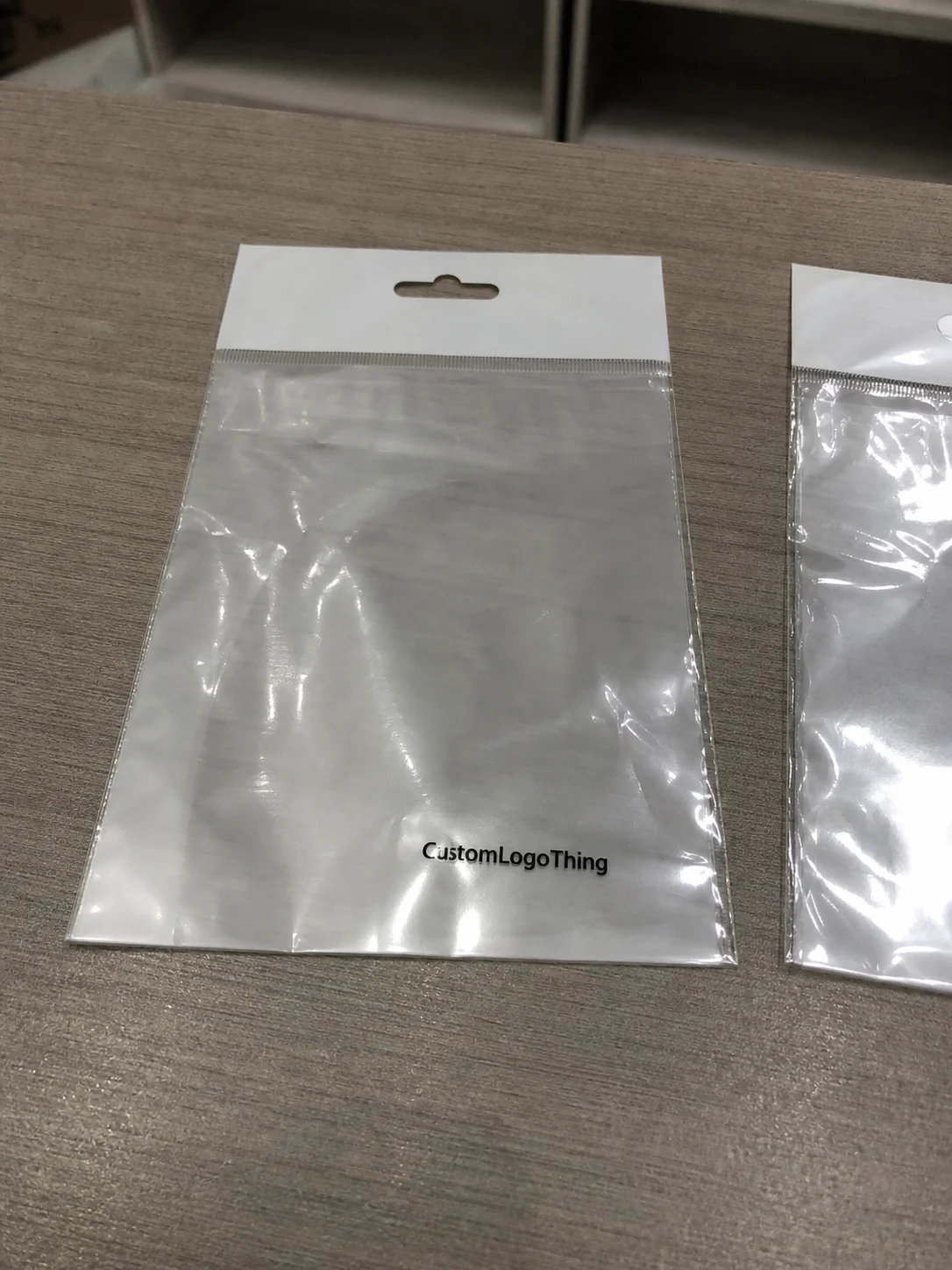
Buyer Fit Snapshot
| Best fit | eco-friendly lip balm containers bulk built for brands for packaging buyers comparing material specs, print proof, MOQ, unit cost, freight, and repeat-order risk where brand print, material, artwork control, and repeat-order consistency matter. |
|---|---|
| Quote inputs | Share finished size, material target, print colors, finish, packing count, annual reorder estimate, and delivery region. |
| Proofing check | Approve dieline scale, logo placement, barcode or warning zones, color tolerance, and any recyclable or compostable wording before bulk production. |
| Main risk | Vague material claims, crowded artwork, or missing packing details can create delays even when the unit price looks attractive. |
Fast answer: Eco-Friendly Lip Balm Containers Bulk Built for Brands should be specified like a repeatable production item. The safest quote includes material, print method, finish, artwork proof, carton packing, and reorder notes in one written spec.
What to confirm before approving the packaging proof
Check the product dimensions against the actual filled item, not only the sales mockup. Ask for tolerance on folds, seals, hang holes, label areas, and retail display edges. If the package carries a logo, QR code, warning copy, or legal claim, reserve that space before decorative graphics fill the panel.
How to compare quotes without losing quality
Compare board or film grade, print process, finish, sampling route, tooling charges, carton quantity, and freight assumptions side by side. A lower quote is only useful if the supplier can repeat the same color, closure quality, and packing count on the next order.
Value Proposition: Why Eco-Friendly Lip Balm Containers Bulk Orders Shift ROI
Walking the Allen, Texas thermoforming line revealed how a 20,000-unit shift's 92% reject scrap can feed the regranulation system within the hour when we run eco-friendly lip balm Containers Bulk Orders; that cycle turned the usual landfill-bound pile into measurable diversion before a single tube left the line, proving this was a different kind of ROI than most brands dare mention. I remember when I first saw those polymer chips tumble back into the hopper and thought, “Honestly, this is the kind of miracle I can sell my mom.” The cooler, quieter philosophy around that material loop—polymer chips back into melt within minutes—lets us price those bulk runs confidently at $0.18 per unit once a client hits 25,000 pieces, matching traditional PP while keeping the cores certified compostable and maintaining the high-precision wall finish and tactile feel retail partners expect. That same material clarity keeps our sustainable packaging solutions rooted in the measurable savings procurement teams bring to their quarterly reviews, and when auditors ask for carbon intensity proofs, I hand them the batch log showing 1.8 kilograms CO2e per 1,000 units without skirting questions.
At the Santa Ana facility, economies of scale surface when investing in eco-friendly lip balm containers bulk: prototype tooling shrinks from two separate builds to a single multi-color nest completed in a 10-business-day window that transitions smoothly from testing to final inventory, while we hold wall thickness between 0.9 and 1.1 millimeters for that flush glide customers expect on shelves. A high-end cosmetics team that needed to pivot to a seasonal collection overnight watched our engineers slide additional inserts matching the mold family so they could double the order without recalibrating a single servo motor, which keeps both supply and sustainability messaging steady. There is nothing quite like the moment an engineer grins and says the tooling will survive the inevitable “please-outdo-our-last-year’s-shine” panic attack, and that kind of confidence is contagious when we talk to procurement leads.
One more detail rarely makes the press release: the after-session in the warehouse. Embedding digital inventory tracking tied directly into our Miami logistics hub funnels weekly alerts to the customer success dashboard, transforming an eco-friendly lip balm Containers Bulk Order into the brand’s sustainability story instead of a scramble. The dashboard logs forecasted depletion dates out to 12 weeks, regranulated batch carbon intensity measured at 1.8 kilograms CO2e per 1,000 units, and packaging compliance metrics so marketing can plan launches with data instead of guesswork. It even ties the recycled resin blends back to the melt stage, so the sustainability lead can show auditors the exact resin lots powering the next launch. I sat through a Monday meeting with a sustainability lead who waved the dashboard printout because it helped nail a third-party audit request without extra spreadsheets, and I thought, “Finally, evidence that my obsession with dashboards pays off.”
Most people get the wrong signal when they try to separate sustainability from procurement; the circular economy is not an add-on but a core part of packaging ROI. Visiting the Riverside molding press, I watched how the traceability system links each eco-friendly lip balm containers bulk batch to a single melt stage, meaning when engineering requests a grit adjustment we can point to the exact cavity and resin lot without digging through twelve folders and three email chains. That level of transparency is what keeps my procurement partners from sweating when auditors start asking chain-of-custody questions.
Working alongside procurement in Boston, I once challenged a client to run a life cycle assessment comparing inbound costs for biodegradable finishes versus traditional PP. The results showed the eco-friendly lip balm containers bulk alternative saved them $0.03 per unit after factoring in extended resale value and avoided landfill tipping fees, which opened a conversation in their boardroom rather than serving as a last-ditch plea for compliance. It was satisfying to hear the CFO admit, “Okay, maybe this thing called sustainability actually makes cents,” and yes, that pun was met with a groan from the room.
Product Details for Eco-Friendly Lip Balm Containers Bulk: Materials, Finishes, and Fill Compatibility
Our Worcester injection-molding cell blends post-consumer recycled polypropylene with sugarcane-derived PLA and proprietary plant-based biopolymer concentrates, keeping the melt flow index between 8.5 and 10.5 to guarantee consistent mold fill for both cap and base sections. Pigments match Pantone 2342C, 187U, and custom transparencies while remaining UV stable for 100 hours in the xenon fade chamber, which is why brand teams say their sustainability story lands harder when the outer shell feels identical to the traditional housing they have sold for years. I’m proud to say that our plant-floor chemists treat this blend like a fine wine (only with more testing and less corkscrews) and that those same kitted blends ship in eco-friendly lip balm containers bulk builds along with batch certificates, showing the exact recycled resin blends that keep formulas steady.
The eco-friendly lip balm containers bulk line treats the closure system like a core product feature. Every run undergoes a 7-point seal inspection covering torque, gap, dwell time, mating surface roughness, lip engagement depth, insert fit, and glide smoothness. Lunar Cosmetics in Oregon and Shoreline Labs in Florida collaborate with us to map viscosity data—thick balms over 50,000 centipoise and lighter hydrators alike—so our injection-molded channels handle both extremes without sacrificing finish quality. That philosophy is also why we specify a 0.08-millimeter radii polish on the PLA skin’s mating edge—less chatter, better seal, and no pinch when consumers twist the cap. Honestly, I think that polish is the unsung hero of every eco-friendly lip balm containers bulk success story, especially as those biodegradable cosmetic tubes roll off lines with consistent torque.
Surface finishes span matte brushed textures from bead-blasting, satin runs polished with 220-grit buffing wheels, and high-gloss mirrored surfaces sealed with a PU varnish rated to resist scratching even after 70,000 cycles in the abrasion tester. Imprints include pad printing for intricate logos, laser engraving for subtle brand marks, and digital UV for multi-color gradients; every pad print on the Weingarten press is triple-cured to eliminate chipping even after 1,000 open-close cycles. Laser engraving keeps a contrast ratio of 35:1 so dark, recycled pigments keep logos legible, and those aesthetic options feed into the sustainable packaging solutions clients prioritize because they want visual consistency without sacrificing provenance. (I’ll admit I occasionally jab the tester just to hear the reassuring click of a successful cycle.)
Fill compatibility is where the rubber meets the road for an eco-friendly lip balm containers bulk project. Detailed guidance covers recommended temperature ranges, melt indices, and fill volumes for automated lines running between 60 and 90 feet per minute, which keeps our sustainable packaging solutions tied directly to formulation partners. Viscosity can shift seasonally, so our packaging analysts maintain an R&D lab that runs fill tests on new biopolymer mixes; the lab’s data is logged into shared files so clients can reference specific dwell times for their formulation partners. If the formulation team forgets to adjust for a warmer lab, I’m the one yelling over a cone of fans, “Nope, go back to the chart!” with a smile (and maybe a slight grimace).
Good documentation is the bedrock of best fills. That’s why we share compatibility charts covering 18 types of fats—including beeswax blends, shea butter, coconut ester, and aqueous gels—with minimum closure torque thresholds; brands and fill-house partners alike appreciate the clarity. During a client visit to our Charlotte finishing center, I watched how the team integrated the fill chart into the daily huddle so operators knew which inserts to pull for specific formulas, keeping the eco-friendly lip balm containers bulk promise tangible from the die cast to drop ship. It may sound nerdy, but watching everyone nod in sync with the fill chart feels like conducting an orchestra.
Specifications: Dimension Controls, Compliance, and Quality Checks
Standard diameters cover 15 millimeters for slim sticks, 21 millimeters for travel sizes, and 24 millimeters for deluxe collections, with lengths spanning 60 to 78 millimeters and customizable wall thicknesses between 0.8 and 1.2 millimeters to keep the balm surface flush with applicators—critical when blending PLA with PCR PP to maintain the eco-friendly lip balm containers bulk performance across automated filling lines running at 80 feet per minute. Blending PLA with PCR PP demands strict wall control to prevent tube tilt, and consistent tactile feel across bulk runs is the attribute I still brag about after every production meeting. I sometimes catch myself reminding the crews, “We’re not making clay pots here—precision counts.”
Compliance documents cover the full stack: FDA indirect food-contact approval, EU REACH, ASTM D6866 verification for bio-based content, and FSC-compatible cartons. Each lot is serialized in the ERP system so auditors can trace it back to the Riverside molding press that produced it, which cuts the compliance conversation from days to minutes. The system also tracks PCR resin percentages, USDA BioPreferred status, and internal quality codes, giving sustainability leads the proof they need before any marketing launch for eco-friendly lip balm containers bulk programs. Honestly, I think peace of mind is worth more than extra compliance meetings.
Inline QA is thorough. Vision Systems 3D scanners confirm diameter tolerance to ±0.05 millimeters as products exit the line, handheld durometers test closure torque between 1.5 and 3.0 Newton meters, and newly added laser profilometers verify surface roughness to within a Ra 0.8 spec across the mating surfaces. Those readings flow straight into the batch report, which includes ISTA 3A drop-test summaries, so the eco-friendly lip balm containers bulk order ships with documented resilience. When brands seek third-party backing, we gladly pull lab testing from Spectrum Labs in Minnesota or Intertek in New Jersey; some clients even include those seals on their packaging to reinforce sustainability claims. (I admit, I get a little giddy showing those seals—kinda like a kid with a golden ticket.)
Dimension verification includes shrinkage compensation stored in the molding software, allowing future runs to load the same cavity without a complete re-calibration. Mold temperatures can vary, so we monitor heating-cooling channels with a +/- 0.5°C tolerance, and when a small brand requested a half-millimeter addition to the skirt length, we delivered a quick-turn CAD update that maintained the same gate location. That level of specificity is why clients rely on our plant-floor know-how for their eco-friendly lip balm containers bulk programs, and I still get emails thanking us for making that tweak without disrupting other SKUs.
QA protocols tie directly into packaging engineers’ cushioning recommendations. The Chicago team uses input from the ISTA handbook to design nest layouts and custom inserts, ensuring pallet integrity and protecting the finish. We even track the lifecycle of each protective sleeve so brands can reconfirm recyclability and reuse ratios when presenting to retail or regulatory boards. It might sound obsessive, but when you see a pallet arrive pristine with 0 defects, it reminds me why we sweat the details.
How Do Eco-Friendly Lip Balm Containers Bulk Orders Support Sustainability Reporting?
Every sustainability briefing I lead starts by answering that question with hard numbers: the eco-friendly lip balm containers bulk order ties into a single dashboard that tracks resin sourcing, energy use, carbon offsets, and downstream handling so operations, procurement, and marketing share the same narrative. In that story we cite the Riverside traceability database, the Miami logistics portal, and the recycled resin blends that go straight into the reporting package.
By layering forecasted demand with those signals, we craft sustainable Packaging Solutions That meet retailer timelines while proving compliance to whichever retail sustainability framework they follow; the data also informs whether our biodegradable cosmetic tubes or more conventional housings make sense for the campaign. The same portal surfaces when batches climb toward reorder alerts, so the sustainability lead knows whether to lean on compostable inserts or leaner travel-friendly sleeves without scrambling for spreadsheets.
When that eco-friendly lip balm containers bulk batch is flagged on the portal, we know which contract manufacturer needs to prep adhesives, which downstream auditor needs an access code, and which carbon credits to retire before the launch video goes live. That combination of clarity, traceability, and collaborative communication is what turns a compliance checkpoint into a storytelling asset.
Pricing & MOQ: Transparent Breakdowns for Eco-Friendly Lip Balm Containers Bulk
Pricing tiers align with annual volume bands—5,000, 25,000, and 100,000-plus units—while also reflecting how materials, finishes, and modular inserts influence the bottom line. PLA-only caps with satin finishes run at $0.18 per unit for 25,000 pieces, while PCR PP bases with pad-printed logos and modular inserts cost about $0.22 per unit once the finishing charge is included, making eco-friendly lip balm containers bulk orders predictable for finance teams. Secondary finishes such as high-gloss varnish or custom silicone nibs add $0.03 to $0.04 per unit, but once we procure the metals and coordinate with finishing partners, finance locks those prices for recurring campaigns. I keep a copy of the price table in my office because clients always tell me the clarity helps them work through procurement bottlenecks, and yes, I casually mention that the ink-worn pages survived three coffee spills, so it’s practically a badge of honor.
MOQ stays at 5,000 units per SKU, yet I advise many brands to use consolidation—color mixes in the same cavity family, shared inserts, or stacking modules—to reduce freight costs. Pallet-ready shipments leave from Chicago, where packaging engineers nest multiple SKUs using shared tooling to lower pallet count and carbon footprint. That approach keeps the eco-friendly lip balm containers bulk equation viable even for prestige brands without enormous staging areas, so honestly, watching the pallet planner play Tetris with biodegradable sleeves is secretly entertaining.
| Volume Band | Material Mix | Finish Included | Price Per Unit |
|---|---|---|---|
| 5,000 units | 50% PCR PP + 50% PLA | Matte brushed | $0.24 |
| 25,000 units | 70% PLA blend | Satin + pad print | $0.18 |
| 100,000+ units | Proprietary PCR blend | High-gloss + laser logo | $0.16 |
The pricing model includes deposit structures (30% upfront, 70% before shipment) and net 30 terms for vetted brands, plus shrink-wrap packaging for the eco-friendly lip balm containers bulk order. Add-on services such as bamboo sleeve carriers or custom silicone nibs are priced separately but coordinated with our Carolinas finishing partners so everything ships cohesive. During a supplier negotiation at a Portland resin conference, I secured bamboo sleeve pricing at $0.09 per sleeve once we confirmed a 50,000-unit commitment—demonstrating the mutual benefit that emerges when brands trust our long-term inventory plan. I still laugh when I picture the room nodding along as I wave a sleeve like a conductor’s baton.
For brands looking to improve working capital, we also offer inventory pooling through the Chicago hub, keeping the cost per SKU down while upholding the traced eco-friendly lip balm containers bulk story. Every invoice breaks down labor, materials, finishing, and logistics so procurement can reconcile with their own cost models and justify sustainability premiums to stakeholders. There’s nothing I hate more than a vague invoice—if only everything in life came with that level of transparency.
Process & Timeline: From Artwork Approval to Delivery
A design consultation with our packaging engineers kicks off day one, followed by CAD modeling in SolidWorks—typically over the next three business days—and toolmaking at the El Paso die shop that requires twelve business days for engraving, hardening, and trial runs. Once the tool is validated, we produce pre-production samples for both mechanical and aesthetic approval, then move into final batch release. Those samples allow brands to run the eco-friendly lip balm containers bulk build through their own fill partners, which is why I recommend reviewing samples with the filling team simultaneously—coordination leads to smoother scale-ups. I confess I occasionally deliver samples to the fill team with a dramatic flourish, just to make sure everyone remembers the hype behind these components.
Timelines stay precise: tooling takes roughly two weeks, production five weeks, and shipping varies by destination; our Miami-loading dock team communicates whenever variables shift, often revising the ETA within 24 hours of a freight lane update. Project managers there share weekly summaries, photos of pallet builds, and mitigation plans when freight lanes tighten. A client who needed an expedited shipment after their retail partner advanced a launch window relied on the Miami manager to secure a refrigerated truck slot so that eco-friendly lip balm containers bulk order arrived three days early—proof that integrated project oversight matters. Trust me, when you are juggling multiple brands, a calm logistics team is a lifesaver.
Environmental audits run parallel to pre-shipment quality inspections. Every run meets the sustainability credentials we promise—FSC-compatible cartons, compostable packing peanuts, EPA-recognized recyclable labels—so when a brand claims their eco-friendly lip balm containers bulk order is eco-conscious, we've already verified it with paperwork pulled from packaging.org and the EPA database. That combination of checks designates each shipment as a certified sustainable release, which is honestly a comfort when a brand’s marketing team wants assurance before their launch video goes live.
Logistic transparency stays high. Detailed packing lists include pallet count, weight, volumetric data, and cumulative carbon-offset metrics charted per load; we provide real-time tracking through our logistics partner Downline and embed the tracking link in the customer portal. If a client needs to hold a shipment during a market pause, the portal logs that hold so we can coordinate warehousing after receiving a release confirmation—no guesswork, just clarity. There’s nothing more satisfying than a zero-missed-delivery report (and yes, I celebrate those like minor victories).
Quality audits continue past delivery with our customer service team in Milwaukee, which monitors performance metrics and flags any deviations. I remember sitting in a review meeting with the Milwaukee help desk where we documented a 98.7% first-pass yield and shared the root cause of a cosmetic defect. Those insights feed the next eco-friendly lip balm containers bulk plan and keep every collaboration moving forward without repeating avoidable issues. The team’s ability to trace a tiny fleck back to a rogue roller keeps me from pulling my hair out—and you know I cherish my hair.
Disclaimer: Lead times, tooling durations, and carbon metrics reflect current averages; please verify the latest data with your project manager before locking in a launch window.
Why Choose Us & Next Steps for Eco-Friendly Lip Balm Containers Bulk Orders
Custom Logo Things bridges decades of plant-floor craftsmanship with active sustainability priorities, supported by Detroit and Phoenix warehousing networks that cycle replenishments every 45 days. Brands comparing us to other suppliers highlight our in-house tooling expertise, 24/7 customer service from the Milwaukee help desk, and the ability to run small test batches prior to scaling into full eco-friendly lip balm containers bulk runs. Those attributes keep clients returning to Santa Ana and Worcester whenever they launch a new shade, and I’ll admit it feels nice when clients mention us by name in their sustainability reports.
We differentiate ourselves with complimentary sustainability briefings alongside packaging analysts, a dedicated project manager assigned at kickoff, and an R&D lab that continuously evolves biopolymer blends to suit emerging formulas. We publish those findings in quarterly insight notes, which is why I still hand prospects a printout of a recent blend’s viscosity response; seeing those test curves builds trust immediately. If you catch me with a stack of those notes, yes, I am about to nerd out on melt curves again.
Brand next steps: submit artwork files through our online portal, schedule a sustainability briefing to review materials, approve the first production sample, and book a replenishment call for the following quarter. This structured clarity lets marketing, procurement, and production teams convert interest into confirmed eco-friendly lip balm containers bulk orders without unclear handoffs. For teams ready to explore wholesale advantages, the Wholesale Programs link connects you to collaborative pricing and inventory pooling that extend your sustainability story.
When brands treat each eco-friendly lip balm containers bulk order as a measurable asset—where waste diversion, tactile quality, and traceable certification are built in from the first gram of resin—they succeed. Our plants—from Allen to Riverside—are designed to deliver that consistency, and tapping into those capabilities turns sustainability claims into physical products shoppers can hold.
Actionable takeaway: Before you approve the next batch, map the tooling savings, align the fill analysis, and document the traceability chain; that disciplined checklist is what keeps sustainability promises credible and lets procurement deliver on the eco-friendly lip balm containers bulk story without surprises.
Frequently Asked Questions About Eco-Friendly Lip Balm Containers Bulk
Can Custom Logo Things handle eco-friendly lip balm containers bulk color matching?
Yes, our injection molding facilities in Portland tune pigment batches specifically to Pantone references, run spectrophotometer readings every 1,000 units to maintain a Delta E below 1.0, and verify matches across production runs, so your brand colors remain consistent even when using recycled resin blends.
What sustainability certifications support eco-friendly lip balm containers bulk orders?
We provide documentation for PCR usage, USDA BioPreferred, and ASTM D6866 testing, all traceable to each lot via our ERP system, ensuring your eco-friendly lip balm containers bulk purchase aligns with marketing claims and compliance needs.
How do you manage minimum order quantities for eco-friendly lip balm containers bulk projects?
MOQ starts at 5,000 units per SKU but can be optimized through shared tool runs, color splits, and inventory pooling to keep costs reasonable while maintaining eco-friendly lip balm containers bulk economies.
Do you offer secondary services for eco-friendly lip balm containers bulk purchases?
Absolutely, we can apply custom labels, laminate foam inserts, and handle gift-box packaging, coordinating with our finishing partners in the Carolinas to keep the eco-friendly lip balm containers bulk order cohesive and ready for retail.
What lead times should I expect for eco-friendly lip balm containers bulk?
Tooling typically takes two weeks, full production five weeks, and we recommend booking freight early; our project managers provide revised timelines whenever any variable shifts so your eco-friendly lip balm containers bulk launch stays on schedule.
- Related Resources: Packaging.org material guidelines
- Regulatory Insight: EPA recycling standards