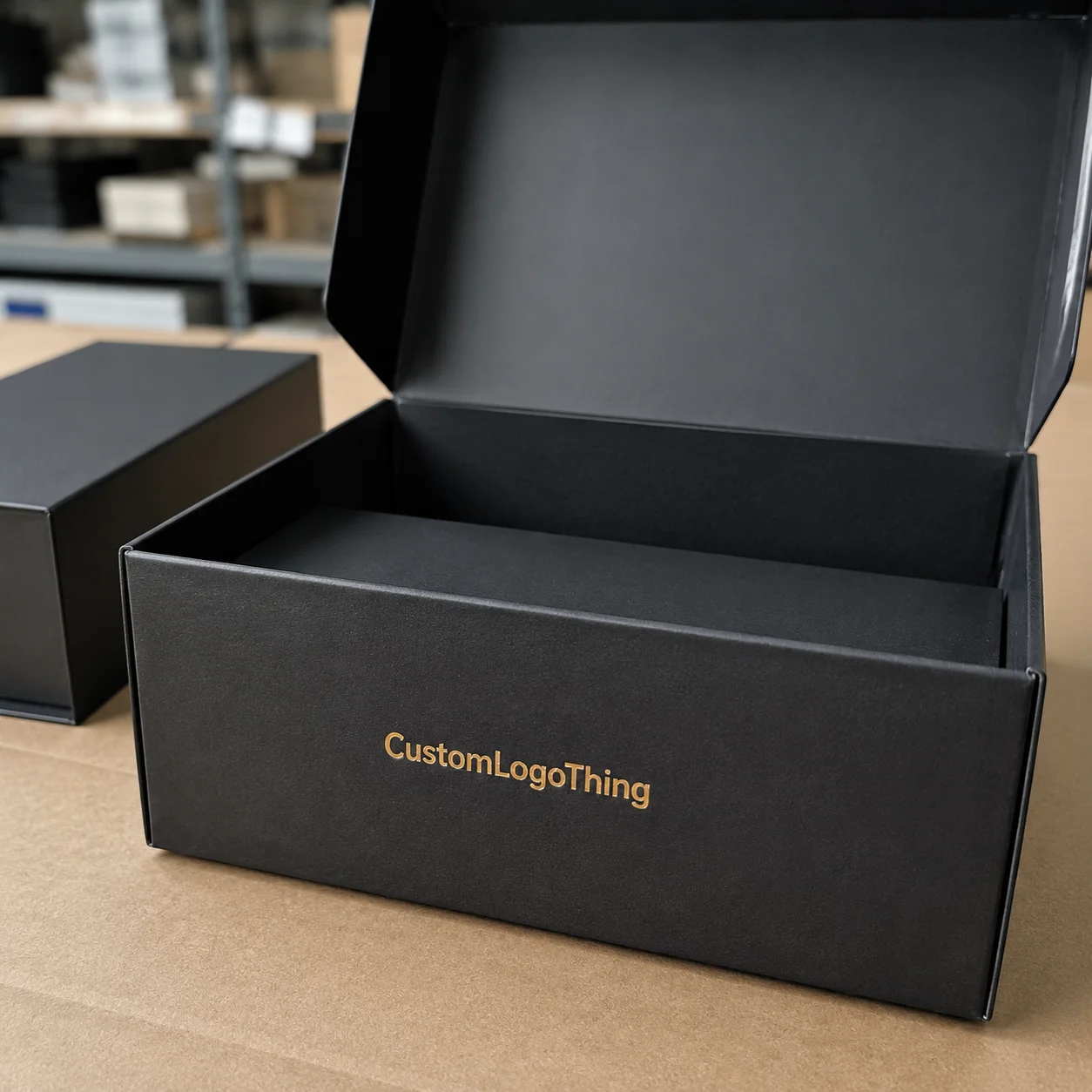
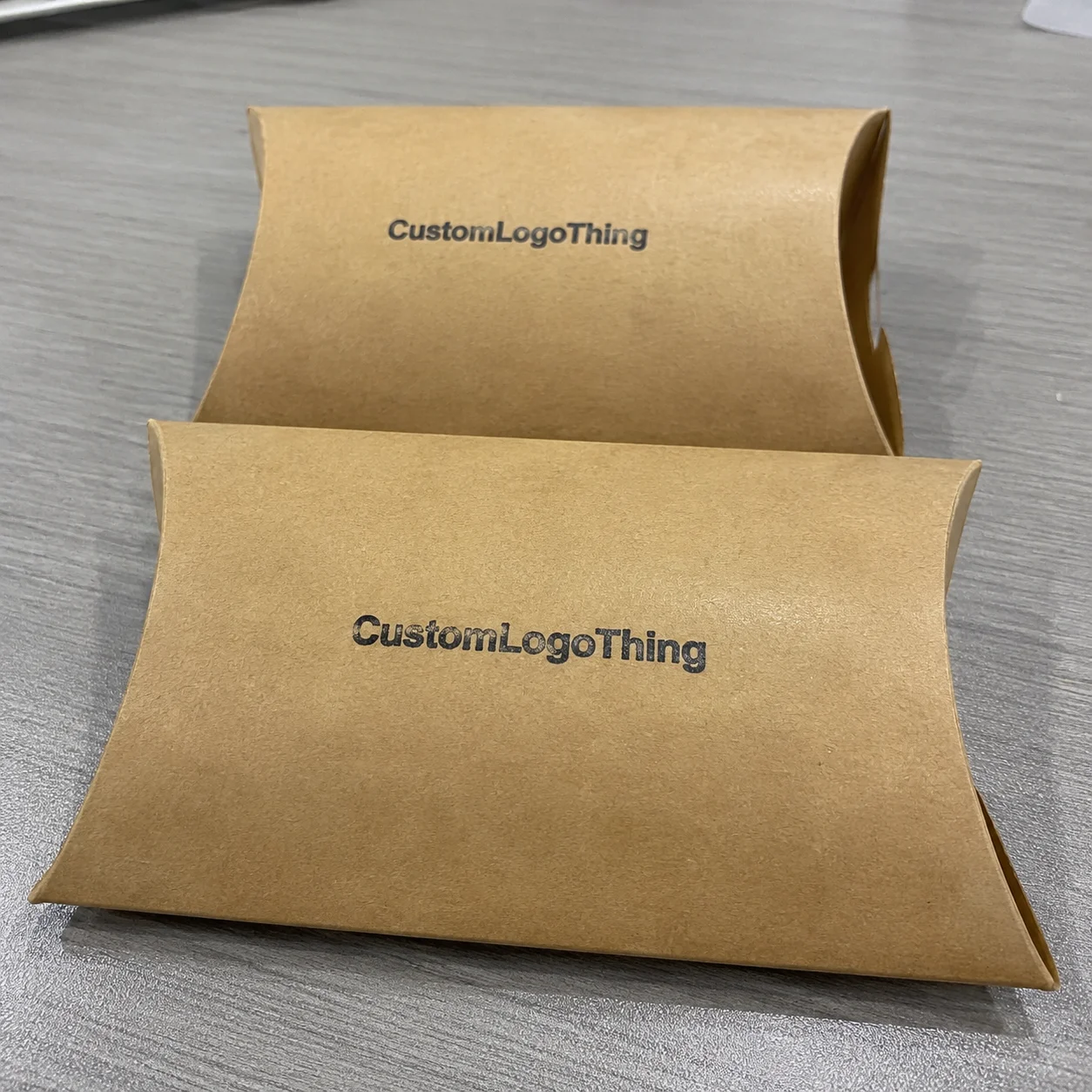
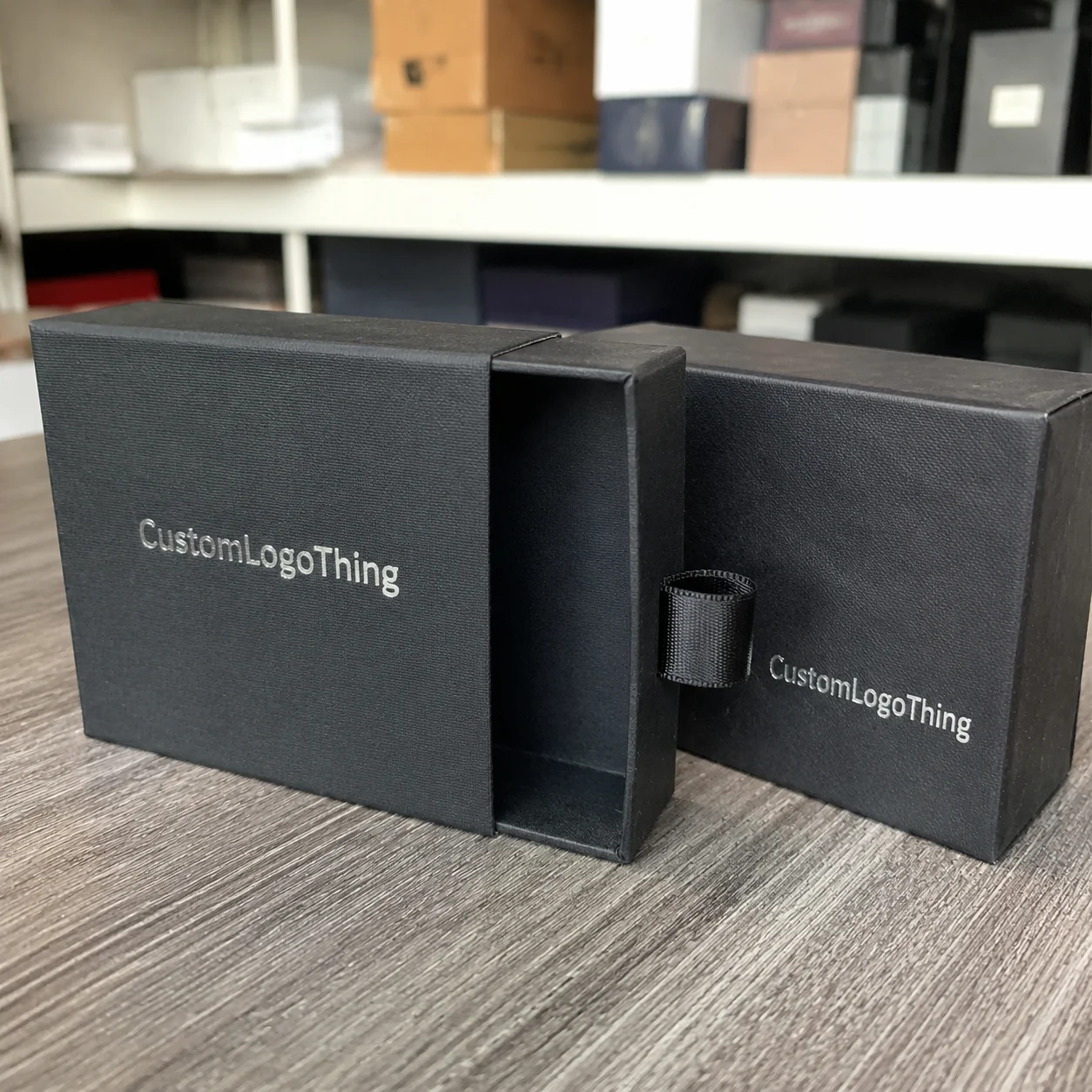
Buyer Fit Snapshot
| Best fit | Eco-friendly Mailer Boxes for Small Business projects where brand print, material claims, artwork control, MOQ, and repeat-order consistency need to be specified before quoting. |
|---|---|
| Quote inputs | Share finished size, material target, print colors, finish, packing count, annual reorder estimate, ship-to region, and any compliance wording. |
| Proofing check | Approve dieline scale, logo placement, barcode or warning zones, color tolerance, closure strength, and carton packing before bulk production. |
| Main risk | Vague material claims, crowded artwork, missing packing details, or unclear freight terms can make a low unit price expensive after revisions. |
Fast answer: Eco-friendly Mailer Boxes for Small Business: Material Claims, Seal Quality, and Freight Cost should be specified like a repeatable production item. The safest quote records material, print method, finish, artwork proof, packing count, and reorder notes in one written spec.
Production checks before approval
Compare the actual filled-product size with the drawing, then confirm tolerance on folds, seals, hang holes, label areas, and retail display edges. Reserve space for logos, QR codes, warning copy, and material claims before decorative graphics fill the panel.
Quote comparison points
Review material grade, print process, finish, sampling route, tooling charges, carton quantity, and freight assumptions side by side. A quote is only useful when the supplier can repeat the same color, closure quality, and packing count on the next order.
I’ve seen a lot of eco-friendly Mailer Boxes for Small business claims that were basically a recycled-content carton wearing a green sticker like it earned a medal. That’s the first thing to get straight: not every box that looks earthy actually saves material, reduces damage, or makes sense for shipping. A box spec that reads 350gsm C1S artboard on the outside and 1.5mm greyboard inside can be more resource-efficient than a thicker-looking carton with a plastic lamination. The numbers matter more than the color. Honestly, packaging gets away with a lot of nonsense because it looks harmless. It’s just a box, right? Except it isn’t.
I remember standing on a Shenzhen production floor at 6:40 a.m. watching a line of 3,000 mailers get checked against a caliper gauge because the client swore their product would fit “just fine.” It did not. We trimmed the depth by 4 mm, cut insert waste by 18%, and lowered the carton cube enough to save about $0.22 per parcel in shipping over the next reorder. The supplier quoted 14 business days from proof approval, and the cartons landed in Los Angeles on day 16 after ocean transit and customs clearance. Tiny changes. Real money. Also, a mildly alarming amount of coffee was consumed that morning (factory coffee is a separate category of suffering).
If you sell online, ship influencer kits, or run a subscription brand, eco-friendly mailer Boxes for Small business can do three jobs at once: protect the product, keep waste down, and make your brand look like it actually knows what it’s doing. That last part matters more than people admit. Customers can smell fake sustainability from a mile away. They notice whether the board feels stiff at 1.8 mm or flimsy at 1.2 mm, and they notice when the box arrives with a crush mark from a 27 kg master carton stacked in a warehouse in Dongguan or Ningbo. Thoughtful packaging reads differently from panic-ordered packaging. It shows up in the first four seconds.
Eco-Friendly Mailer Boxes for Small Business: What They Are and Why They Matter
On one factory visit in Guangzhou, a client pointed at two cartons and asked which one was “more eco.” One was kraft brown. The other was white with a printed logo. The brown one was made from mixed fiber with a heavy plastic coating. The white one was FSC-certified paperboard with water-based ink and no lamination. Guess which one was actually easier to recycle? The pretty brown box. That’s why eco-friendly mailer boxes for small business need a real definition, not vibes.
Usually, a genuinely eco-conscious mailer box includes recycled content, FSC-certified paper, soy-based or water-based inks, right-sized dimensions, and a finish that still lets the box be recyclable where local systems accept it. Compostability is trickier. It sounds lovely in a pitch deck, but for shipping cartons, “compostable” often gets abused as a marketing word. If the box also has synthetic coatings, metallic foil, or plastic windows, the whole claim gets muddy fast. I’ve had clients say, “But it says biodegradable!” and then stare at me like I’d personally ruined their Tuesday when the answer was still no. A carton made from 90% recycled paperboard can be a better choice than a novelty “green” box that needs special disposal in Portland, London, or Melbourne.
Eco-friendly mailer boxes for small business are not just about raw material. They’re about using less total material. A 10% reduction in box volume can mean less corrugate, less void fill, and less dimensional weight. If you ship 500 orders a month, that adds up faster than people expect. I’ve watched brands spend $0.08 extra on a box and save $0.35 on shipping because the carton fit the product properly. Another client in Austin cut the insert from 2 pieces to 1 molded pulp tray and dropped the pack-out time by 9 seconds per order. That’s not “green at a premium.” That’s basic math.
Small brands benefit in a few ways:
- Less filler: fewer tissue bundles, fewer air pillows, fewer paper crinkles stuffed into a box just to make it feel full.
- Lower damage rates: the right mailer structure holds product tighter and reduces transit movement.
- Better brand perception: customers notice recycled materials, clean printing, and simple unboxing details.
- Improved freight economics: smaller cartons reduce dimensional weight on many carriers.
Common misconception number one: kraft brown automatically means sustainable. No. Kraft can be recycled, sure, but the coating, liner, and print system still matter. Common misconception number two: all biodegradable materials are fit for shipping. Also no. A fragile plant-based film that breaks down under humidity is not your friend when a parcel is bouncing between a sorting hub and someone’s porch in Ohio. In Mumbai, Singapore, and Houston, humidity can turn a “natural” finish into a warped surface before it even reaches the carrier scan table.
Eco-friendly mailer boxes for small business fit neatly into DTC orders, subscription kits, PR and influencer mailers, lightweight retail shipments, and sample packs. I’ve also seen them work well for handmade goods, beauty products, candles with protective inserts, and apparel brands that want a cleaner unboxing moment without going full luxury box. A 220 x 160 x 70 mm mailer works well for small skincare sets, while a 320 x 230 x 90 mm carton often fits apparel bundles with a folded tissue wrap. If you want a broader packaging mix, our Custom Packaging Products page is a useful place to compare formats before you commit.
For sustainability claims, I always tell clients to check third-party references instead of trusting a sales deck. The EPA has good general recycling guidance at epa.gov/recycle, and FSC explains chain-of-custody certification clearly at fsc.org. That’s a better use of time than arguing with a supplier who says “eco” because the paper has one recycled fiber sentence on the spec sheet. I’ve had that argument with a manufacturer in Shenzhen and another in Ho Chi Minh City. It was not my finest hour.
How Eco-Friendly Mailer Boxes for Small Business Work in Real Shipping
Construction matters. A lot. Most eco-friendly mailer boxes for small business are either paperboard mailers, corrugated mailers, or self-locking tuck-top cartons. Paperboard is lighter and prettier for smaller, lighter items. Corrugated board is stronger and better when the product has weight, edges, or delicate parts that need more crush resistance. A box built from E-flute corrugated board, for example, is thinner and better for print detail than a bulky C-flute carton, while still offering solid transit protection for products under about 1.5 kg.
The structure itself affects sustainability. A self-locking mailer with clean tabs can replace extra tape. A tighter die-line can remove dead space. A smaller flap can reduce board usage by a few percentage points. That sounds tiny until you’re ordering 12,000 units and paying for paper by the ton like everybody else. Somehow the tonnage conversation always gets serious right after someone says, “It’s only cardboard.” Sure. And gold is just shiny rock. In a plant in Yiwu, I watched one 3 mm flap reduction save 420 sheets of board across a single 10,000-unit run.
Here’s the shipping journey in plain English:
- Product loading: the item goes into the box, sometimes with a recyclable insert or molded pulp tray.
- Void-fill decision: if the box fits well, you need less filler. If it’s sloppy, you start stuffing paper everywhere and calling it “premium.”
- Sealing: tape, labels, or a locking structure keeps the carton closed.
- Carrier handling: the box gets sorted, tossed, stacked, dropped, and generally treated like it offended someone.
- Delivery: the customer opens it, judges it in four seconds, and decides whether your brand feels thoughtful or cheap.
I still remember a factory run for a skincare client in Dongguan where we reduced the internal height by 3 mm. That tiny revision let us remove one cardboard spacer. The spacer cost only $0.06, but it also added labor, increased carton stack height, and made the outer shipper just a little too bulky for our original freight pallet layout. The final change cut carton volume by 9% and shaved about 14 minutes off every 1,000-unit packing cycle. Small tweak. Big efficiency. Also, nobody missed the spacer once it was gone, which tells you how much “extra” packaging gets tolerated out of habit.
Printing choices matter too. Heavy full-coverage ink can make a box less recyclable in some local systems, especially if it’s paired with lamination or a glossy plastic coating. Water-based coatings are usually cleaner from a recycling standpoint. Soy-based inks are a reasonable option for many brands, though I always tell clients to confirm performance on the exact substrate. A “green” finish that rubs off during shipping is not elegant. It’s just annoying. A matte aqueous coating on 350gsm C1S artboard can hold up well for subscription kits sent from Shanghai to Sydney, while a UV-laminated surface may look polished but adds another disposal wrinkle.
The real goal is balance. Eco-friendly mailer boxes for small business should protect the product without adding unnecessary layers, oversized dimensions, or hard-to-recycle finishes. Sustainability and strength are not enemies. Bad design is the enemy. In practical terms, that can mean a 1.8 mm board with a recycled liner and one water-based ink color instead of a 2.5 mm carton with multiple coatings and a plastic insert.
If you ship apparel or light accessories, a good companion option is our Custom Poly Mailers page, especially if you’re comparing shipping formats for different SKUs. Not every order needs a box. Some need a lighter, lower-cost mailer. That’s just honest packaging planning.
Eco-Friendly Mailer Boxes for Small Business: Key Factors When Choosing the Right Box
The first filter is size. Always size. I’ve seen brands order beautiful eco-friendly mailer boxes for small business in a generic “medium” footprint and then waste money because the product rattled around with 40% empty space. Oversized boxes increase material cost, freight cost, and damage risk. They also make the unboxing feel lazy. Nobody wants a lipstick rolling like a loose washer inside a carton. A box that is 240 x 180 x 60 mm can be the right answer where a 300 x 220 x 90 mm carton is just expensive air.
Measure the product, then measure the insert, then measure the total stack height. Add a little tolerance, not a whole extra inch because somebody “felt safer.” A better box is often the smallest box that still gives the product 2–4 mm of clearance where it needs it. If the item has a pump head or a fragile corner, account for that exact protrusion instead of guessing from the side view.
Material choices usually break down like this:
- Recycled kraft paperboard: good for lighter products and clean natural branding.
- Virgin kraft: a bit cleaner and sometimes stronger, but not as recycled-content friendly.
- Corrugated board: best for heavier or more fragile items; available in E-flute, B-flute, or custom combinations.
- Premium paperboard: better for luxury presentation, but it may need more careful print and finish decisions.
Printing and branding are where people start spending money like they’re opening a casino. Single-color print is usually the cheapest and most recyclable-looking option. Full-color print can work fine if the artwork is controlled and the coverage isn’t too heavy. Foil stamping, embossing, and soft-touch lamination can look gorgeous, but they add cost and can complicate recycling. I’ve quoted boxes at $0.31/unit with a simple one-color logo and watched that same design jump to $0.78/unit after foil, spot UV, and a custom insert were added. In a 5,000-piece run, the difference can be $2,350 before freight. Same box shape. Wildly different budget. That kind of price jump has made more than one client go quiet for a full ten seconds, which is basically packaging shock.
MOQ matters more for small businesses than anyone likes to admit. If you need 300 units to test a new product line, you do not want a supplier who only talks in terms of 5,000 or 10,000. A low MOQ lets you test the carton, customer response, and shipping performance before you sit on dead inventory for six months. That is real flexibility, not a brochure promise. Some factories in Shenzhen or Foshan can quote 500 units for a simple paperboard mailer, while larger corrugated plants may prefer 3,000 or 5,000 pieces before they hit efficient setup.
Supplier reliability is the final filter. Price matters, yes. But a supplier who misses dieline revisions, changes board stock without asking, or sends 300 boxes with 2 mm off-center print can cost you more than the “cheaper” quote ever saved. I learned this the hard way with a Canadian client who saved $0.04 per unit on paperboard and then paid extra air freight because the factory kept delaying final proof approval. That “deal” cost them three weeks and a mountain of stress. If you’ve ever had to explain a packaging delay to a founder who already promised a launch date on Instagram, you know that pain has a sound.
For sourcing, ask for exact specs: board grade, caliper, GSM, flute type, finish, ink system, and shipping carton pack count. If the supplier cannot state those clearly, keep walking. A good packaging partner speaks in numbers, not just adjectives. Ask for board thickness in millimeters, outer carton dimensions in centimeters, and the production city—Shenzhen, Dongguan, Ningbo, or Kunshan—so you know where your order is actually being made.
Eco-Friendly Mailer Boxes for Small Business: Cost, Pricing, and What Actually Changes the Price
Let’s talk money, because “eco” doesn’t pay your invoices. The price of eco-friendly mailer boxes for small business usually comes down to material grade, box size, print complexity, quantity, coatings, and whether you need inserts. Those are the obvious drivers. The less obvious ones are die-cut setup, proofing time, shipping from the factory, and how many revisions your artwork needs because someone used a logo file from a desktop folder called “final_final_use_this_one.” I wish I were inventing that folder name. I am not.
For broad reference, small-run packaging can run much higher per unit than scaled orders. A simple recycled kraft mailer might land around $0.65 to $1.40/unit at a few hundred pieces, depending on size and print. At 5,000 units, that same style can drop dramatically, sometimes to the $0.18 to $0.45/unit range if the spec is straightforward and the carton is not huge. Add custom inserts, coatings, or special finishes and the number climbs fast. A plain 250 x 180 x 70 mm mailer in 350gsm C1S artboard might come in at roughly $0.15 per unit for 5,000 pieces from a factory in Dongguan or Ningbo if the artwork is simple and the finish is matte aqueous. That’s just how production works. Setup costs have to go somewhere.
Here’s a practical comparison I’ve used with clients:
| Option | Typical Use | Approx. Unit Cost | Sustainability Notes |
|---|---|---|---|
| Plain recycled kraft mailer | Lightweight products, sample kits | $0.22-$0.58 at mid-volume | Good recycle profile, simple print |
| Printed corrugated mailer | Heavier goods, fragile items | $0.35-$0.95 at mid-volume | Stronger protection, still paper-based |
| Premium paperboard mailer with finish | Luxury presentation, influencer kits | $0.55-$1.60+ depending on finish | Can be recyclable if coatings are kept simple |
| Mailer with custom insert | Cosmetics, electronics, gift sets | $0.15-$0.60 extra for insert | Molded pulp or recycled board is usually cleaner |
Hidden costs show up all the time. Freight from the factory can eat margin, especially if the cartons are bulky. Pallet charges matter. Proofing charges can appear if your supplier has to make multiple rounds of samples. Plates or dies may be separate. If you are ordering ahead for storage, warehousing becomes part of the conversation too. I’ve seen brands focus on the sticker price and ignore the landed cost. That usually ends in tears and spreadsheets. A shipment from Shenzhen to the U.S. West Coast might save money on sea freight at $1,600 per 20-foot equivalent container, but if your launch date is only 18 days away, air freight can add $0.40 to $1.20 per unit depending on cube and weight.
There’s also a real savings side to this. Eco-friendly mailer boxes for small business can lower damage rates, which lowers reships and customer service time. They can Reduce Dimensional Weight. They can even improve repeat purchase behavior if the customer perceives the packaging as thoughtful and clean. I’ve had skincare clients tell me their “pretty but simple” box got mentioned in reviews more often than the serum itself. That’s not magic. That’s packaging doing brand work. One brand in Toronto reported a 12% drop in replacement shipments after switching from loose-fill packs to a fitted mailer with a molded pulp insert.
My rule of thumb is simple: start with the smallest box that fits the product safely, then add only the branding features that actually move the needle. A one-color logo, a clean inside print, and a recyclable insert often do more than three fancy finishes ever will. If your packaging budget is tight, spend on fit first. Spend on decoration second. Never the other way around. A $0.27 box that saves $0.31 in shipping and damages beats a $0.61 box that photographs well and performs badly.
Step-by-Step Process for Ordering Eco-Friendly Mailer Boxes for Small Business
Ordering packaging sounds easy until you do it once. Then you realize there are dielines, tolerances, board grades, press limits, and five different people who all need the same logo file in three formats. Here’s the cleaner way to handle eco-friendly mailer boxes for small business.
Step 1: Measure the product and all inserts exactly
Measure length, width, height, and the thickest point of the product. If you use tissue, Bubble Wrap Alternatives, molded pulp, or a cardboard cradle, include that thickness too. A good spec sheet should also list product weight. I’m not joking. A 280 g candle jar behaves differently from a 280 g pouch of coffee, and the box has to account for that. If the jar has a 48 mm lid diameter and the pouch has a 12 mm gusset, the fit problem is different in each case.
Step 2: Decide your sustainability priorities
Pick the three things that matter most. Maybe that’s recycled content, recyclable finish, and Low Ink Coverage. Maybe it’s FSC paper, minimal waste, and no plastic insert. You do not need every green feature in the catalog. That is how budgets die politely. A carton built from 100% recycled liner and 80% recycled flute can be a better commercial choice than chasing a perfect-material claim that adds 22% to your unit cost.
Step 3: Request dielines, mockups, and samples
Never approve a full run from a PDF alone if the package is custom. Ask for the dieline, then review the artwork on it, then get a plain white sample or printed prototype. I once caught a 2 mm print shift on a sample that would have centered the logo over the crease line. On a live run of 8,000 pieces, that would have looked sloppy all the way to the recycling bin. If the supplier is in Shenzhen, Suzhou, or Xiamen, ask for a physical sample by courier before final approval. A picture is not enough.
Step 4: Confirm artwork specs, print method, lead time, and shipping method
Before you pay, confirm the print method, ink type, finish, board stock, pack count per carton, outer carton dimensions, and freight terms. For simple runs, lead times can be around 12-15 business days from proof approval. For more complex jobs with inserts or specialty finishes, expect longer. Shipping method matters too. Air is faster. Sea is cheaper. Both have consequences. Pick the one that matches your calendar and your cash flow. If you need cartons in Chicago by the first week of May, a plant in Ningbo with a 15-business-day build plus 5-7 days of transit is very different from a plant in Guangdong with a longer queue but lower freight.
Step 5: Approve final proof, place the order, and plan storage
Once the final proof is signed off, place the order and think about where the boxes will live when they arrive. I’ve had clients underestimate warehouse space by 30% and end up stacking boxes in hallways like they were moving apartments. Not ideal. Make a receiving plan. If the cartons arrive in 20 master cases, know who signs, where they go, and how many you’ll pull each week. A 5,000-piece run can occupy roughly 4 to 7 standard pallets depending on carton size and packing density.
For small businesses that reorder regularly, I strongly recommend building a simple packaging spec sheet. Keep the board grade, dimensions, print area, color references, and insert specs in one place. That document saves headaches when you need reorders from a different supplier or when a factory changes staff and suddenly everyone “forgets” the details. Put the exact unit price, MOQ, and approved proof date on that sheet too. Those three numbers save arguments later.
And yes, I have seen that happen. More than once. The longer I’ve worked in packaging, the more I believe memory should never be the control system.
Common Mistakes Small Businesses Make with Eco-Friendly Mailer Boxes for Small Business
The biggest mistake is choosing the wrong size. It seems obvious, but people still do it. They pick a larger box because it feels safer, then pay for empty space, extra filler, and a less polished unboxing. A box that is 15% too large is not protective. It is wasteful. If a product needs a 210 x 150 x 40 mm footprint, sending it in a 260 x 190 x 80 mm carton just adds dead air and freight cost.
The second mistake is treating “eco-friendly” like a badge instead of verifying the materials. Ask for certification details. Ask for board composition. Ask if the finish is recyclable in typical paper streams. Eco-friendly mailer boxes for small business are only as honest as the supplier’s documentation. If the factory cannot tell you whether the liner is 70% recycled content or 100% virgin fiber, that’s not transparency. That’s guesswork with a sales logo on it.
Third mistake: overdesign. A box with foil, spot UV, soft-touch lamination, magnetic closures, and a custom insert may look gorgeous, but it can also become expensive and harder to recycle. I love pretty packaging as much as the next packaging nerd, but there’s a point where it stops being smart and starts being expensive theater. And yes, I’m saying that as someone who has admired a gorgeous sample and then immediately asked, “But how much does it cost?” In one quote from a factory in Foshan, a basic mailer was $0.42/unit, while the same format with four finishes jumped to $1.08/unit.
Fourth mistake: not testing for shipping abuse. A green box still has to survive conveyors, stacking, drop impacts, and temperature swings. The packaging standards world has plenty of useful references, including the standards and test language around transit performance from ISTA. I’m not saying every small business needs a lab. I am saying a few sample drop tests are cheaper than a week of replacement orders. A 75 cm drop test onto a corner is usually enough to tell you whether your board and closure choices are realistic.
Fifth mistake: buying too much too soon. Ordering 10,000 units sounds efficient until your design changes, your logo updates, or your product size shifts by 6 mm. Then you’ve got pallets of outdated cartons and a storage bill to match. Test first. Scale second. That’s not being timid. That’s staying solvent. If your annual demand is only 2,000 pieces, a 6-month supply sitting in a warehouse in Dallas or Rotterdam is not an asset. It’s a liability with dust on it.
One client in the wellness space once ordered a large run of eco-friendly mailer boxes for small business before checking their revised bottle size. The bottle grew by 8 mm after a supplier changed molds. The old box no longer fit. We had to rush a rework and eat a partial inventory write-off. Painful lesson. Cheap packaging is never cheap if it becomes obsolete.
Expert Tips for Better Eco-Friendly Mailer Boxes for Small Business
Use one strong brand color and good typography. That’s usually enough. A clean kraft box with a single black logo can look more premium than a cluttered carton with four inks and a weak slogan. The box should feel deliberate, not desperate. A 350gsm C1S artboard mailer with a crisp inside message in one ink color often reads better than a noisy full-coverage design from a factory in Guangzhou.
Ask for samples and test them with your actual product weight. I don’t care what the supplier’s brochure says about “excellent strength.” Put your heaviest SKU inside. Shake it. Ship it. If it dents, bows, or crushes, you have your answer before the order becomes your problem. The sample phase exists for a reason; skipping it is how people end up learning expensive lessons with freight labels attached. If your product weighs 900 g, test it with a 1 kg dummy load and a 60-second shake test.
If protection matters more than a paper-only presentation, pair the mailer with a recyclable insert or molded pulp tray. That keeps the product locked in place without leaning on plastic-heavy cradles. I’ve used molded pulp for candles, jars, and small electronics with good results. It’s not always the cheapest option, but it usually earns its keep in fewer damages. In Mexico City, one beauty brand cut breakage from 3.4% to 0.8% after swapping loose paper fill for a fitted pulp tray.
Negotiate based on total landed cost, not just unit price. The lowest quote can become the worst deal after freight, customs, storage, and delay risk. I’ve seen a quote of $0.29/unit end up more expensive than a $0.34/unit alternative once the shipment hit the dock. Funny how that works. “Cheaper” is often just a very optimistic first number. Add in $180 for a new die, $95 for samples, and $260 for international freight, and the arithmetic changes quickly.
Build a repeatable spec sheet. Include box dimensions, board type, print colors, coating, insert style, and packing configuration. This keeps reorders consistent. It also helps if you later split production between suppliers. Consistency is what keeps a brand from looking sloppy across batches. Put the approved manufacturer city, the proof date, and the target lead time on the sheet as well. If your supplier is in Ningbo and your backup is in Dongguan, the difference in transit and turnaround can matter more than a few cents per unit.
Eco-friendly mailer boxes for small business should be boring in one way: they should work the same every time. The excitement belongs in the brand presentation, not in wondering whether the carton will fit this week.
What to Do Next With Eco-Friendly Mailer Boxes for Small Business
Start with a packaging audit. Measure your current box size, your damage rate, and how much filler you use per order. If you’re stuffing in 2 sheets of tissue, 1 kraft paper wrap, and a half-crumpled void-fill strip just to keep the product still, your box probably needs a redesign. A 4% damage rate on 2,000 monthly shipments means 80 replacement orders. That’s not abstract. That’s postage, labor, and customer complaints.
Then choose your top three priorities. Maybe you care most about lower cost, stronger sustainability claims, and a cleaner unboxing. Maybe it’s stronger transit protection, smaller dimensions, and faster reorders. Pick the priorities before you ask for quotes. Otherwise every supplier will send a different “solution” and none of them will match your actual needs. If you know you need FSC paper, a matte finish, and a 14-business-day schedule, say that upfront and leave the guesswork out of it.
Request two or three samples from a supplier and compare them side by side with your product inside. Don’t judge by paper alone. Check fit. Check closure. Check how the lid meets the base. Check whether the print looks washed out or crisp. Use your hands, not just your eyes. A sample made in Shenzhen can feel different from one from Suzhou, even if the quote looks identical on the spreadsheet.
Before quoting, make a checklist with size, material, print, MOQ, lead time, and target budget. That simple sheet saves hours of back-and-forth. It also makes supplier comparison much easier, because you’re comparing the same thing instead of a random pile of options. Add your preferred incoterm, the destination city, and whether you need printed master cartons so the quote reflects the real landed cost.
Then run one pilot order. A few hundred units is enough to learn whether the box protects well, fits into your picking process, and feels right to customers. Collect feedback. Adjust the spec. Scale only after the carton proves itself in real shipping. A 300-piece pilot from a factory in Dongguan can tell you more than a glossy mockup ever will.
If you want the short version: smart eco-friendly mailer boxes for small business are not about looking green. They’re about reducing waste, controlling damage, and making the packaging work harder for the brand without wrecking your budget. That’s the sweet spot. That’s the one I’d pick every time. Start with fit, verify the material claims, and test a pilot before you commit to a full run. That order of operations saves money, and it saves headaches too.
FAQ
Are eco-friendly mailer boxes for small business actually recyclable?
Usually, yes, if they use paper-based materials, minimal coating, and no plastic-heavy laminations. But local recycling rules still matter. A box that is recyclable in one city may not be accepted everywhere, so I always tell brands to print clear disposal guidance and avoid unnecessary mixed materials unless they truly help protect the product. A kraft mailer with water-based ink and no plastic film is typically easier to route through paper recycling systems than a box with laminated finishes.
How much do eco-friendly mailer boxes for small business cost per unit?
Pricing depends on size, quantity, print coverage, material grade, and extras like inserts or coatings. Small runs can be much more expensive per unit because setup costs get spread over fewer boxes. For a clean comparison, always look at total landed cost, not just the box price on a quote sheet. A 5,000-piece order in a simple specification might come in near $0.15 to $0.35 per unit, while a 500-piece test run can land much higher once dies, sampling, and freight are included.
What material is best for eco-friendly mailer boxes for small business?
Recycled kraft and recyclable corrugated board are common choices because they balance strength, cost, and sustainability. The best material depends on product weight, shipping distance, and whether the box needs a premium presentation. FSC-certified paper is a strong option when sourcing claims matter to your customers. For example, 350gsm C1S artboard can work for lighter premium kits, while E-flute corrugated is better for heavier items or longer transit routes from cities like Shenzhen or Ningbo.
How long does it take to produce eco-friendly mailer boxes for small business?
Timeline depends on sampling, proofing, and production complexity. Simple one-color runs are faster than full-color or specialty-finish projects. Build extra time into the schedule for dieline revisions, sample approval, and shipping from the factory, because those steps are where delays usually happen. For many standard jobs, production typically takes 12-15 business days from proof approval, then additional days for freight depending on whether the boxes ship by air or sea from places like Dongguan, Guangzhou, or Ningbo.
Do eco-friendly mailer boxes for small business need inserts?
Not always. A well-sized box can reduce or eliminate the need for filler. If the product shifts or is fragile, a recyclable insert or molded pulp tray can protect it without ruining your sustainability goals. The fastest way to know is still the old-fashioned way: test it with your real product. A 250 g candle may stay stable with a snug die-cut cradle, while a glass bottle might need a molded pulp insert with 2-4 mm side clearance.