Buyer Fit Snapshot
| Best fit | Eco Friendly Packaging Affordable projects where brand print, material claims, artwork control, MOQ, and repeat-order consistency need to be specified before quoting. |
|---|---|
| Quote inputs | Share finished size, material target, print colors, finish, packing count, annual reorder estimate, ship-to region, and any compliance wording. |
| Proofing check | Approve dieline scale, logo placement, barcode or warning zones, color tolerance, closure strength, and carton packing before bulk production. |
| Main risk | Vague material claims, crowded artwork, missing packing details, or unclear freight terms can make a low unit price expensive after revisions. |
Fast answer: Eco Friendly Packaging Affordable: Costs, Specs, MOQ should be specified like a repeatable production item. The safest quote records material, print method, finish, artwork proof, packing count, and reorder notes in one written spec.
Production checks before approval
Compare the actual filled-product size with the drawing, then confirm tolerance on folds, seals, hang holes, label areas, and retail display edges. Reserve space for logos, QR codes, warning copy, and material claims before decorative graphics fill the panel.
Quote comparison points
Review material grade, print process, finish, sampling route, tooling charges, carton quantity, and freight assumptions side by side. A quote is only useful when the supplier can repeat the same color, closure quality, and packing count on the next order.
Eco Friendly Packaging affordable is not a slogan. It is a spreadsheet with cardboard in it, and the spreadsheet usually starts in a factory somewhere noisy, like Dongguan at 7:30 a.m. I remember standing beside a folder-gluer outside Shenzhen while a buyer insisted the cheapest poly mailer on the table had to be the winner. We ran the numbers again, slower this time, with damage claims at $0.11 per parcel, void fill at $0.03, and the extra freight from returns that looked like they had been through a warehouse derby. The recycled mailer won by a mile on a 10,000-unit launch. Sticker price had a nice smile. Total cost told the truth.
I have seen the same mistake in retail packaging, branded packaging, and Custom Printed Boxes from Guangzhou to Los Angeles. A pretty box can still be a money pit if the board is too heavy, the print spec is bloated, or the MOQ was chosen by someone who has never paid to store 40,000 units in a warehouse in New Jersey. That is a special kind of tax on bad decisions. For any brand, the real question is blunt: can the package protect the product, carry the brand, and still leave room for profit on the reorder at 5,000 pieces or 10,000 pieces?
I do not think most buyers need more packaging jargon. They need a quote that spells out the board grade, the print method, the insert count, the die cost, and the freight estimate to the right ZIP code or port. They also need the real point where Eco Friendly Packaging affordable stops being a nice phrase and starts being a real buying decision. That point shows up when the material choice, the dimensions, and the schedule all fit the actual ship date instead of some fantasy calendar someone built on a Monday morning in March.
This is how I look at product packaging on every project, whether the factory is in Shenzhen, Ningbo, or a suburban converter in Ohio. I ask five questions before I call any option affordable: what is the material, how is it printed, what is the MOQ, what does freight do to landed cost, and how long will production really take? If one answer gets slippery, the quote usually has a problem hiding behind it. And yes, suppliers do get slippery. I have heard more creative math in packaging meetings than I have heard in a room full of teenagers explaining why the homework is "almost done."
One more thing before we get into the details: I am gonna be direct about where brands waste money. The expensive mistake is usually not the paper itself. It is the mismatch between the package and the product, or between the package and the shipping lane. That sounds basic because it is basic. Basic is also where margin lives.
What Makes Eco Friendly Packaging Affordable?
Eco Friendly Packaging affordable usually comes down to one thing: the whole job has to work on the first pass. Not just the unit price. Not just the material. The whole job. I have seen brands save a few cents on the box and then hand those savings back to the carrier, the warehouse, and customer service. That is not affordability. That is a scavenger hunt for margin.
The cheapest program is usually the one with the simplest structure, the cleanest print spec, and the lowest damage rate. A recycled mailer, kraft folding carton, or molded pulp insert can all fit the definition of eco friendly packaging affordable if they are matched to the product and the shipping lane. A 2-ounce serum does not need a luxury box that behaves like a museum piece. A glass bottle does not want a flimsy sleeve that folds under pressure in transit. The right package protects the product and keeps the reorder from turning into a rescue mission.
I also look at how the pack behaves in the warehouse. Does it stack cleanly? Does it nest without wasting space? Can the team assemble it without adding labor? Those details matter more than people admit in meetings. If a carton stores flat, runs fast on the line, and reduces void fill, eco friendly packaging affordable gets easier to defend in the P&L. This is the boring part. It is also the part that keeps the finance team from staring at you like you just bought a yacht for a lip balm launch.
So yes, affordability is a mix of design discipline, material choice, and freight reality. If the package is smaller, lighter, easier to pack, and less likely to fail, the math usually works. That is the difference between packaging that looks green on a mood board and Packaging That Stays eco friendly packaging affordable after the first reorder.
There is also the less glamorous truth: you do not need every sustainability feature on day one. Sometimes a recycled board, low-ink print, and a smart dieline beat a long list of feel-good extras. That is kinda the whole playbook.
Eco Friendly Packaging Affordable: What Actually Saves Money
eco friendly packaging affordable starts with total landed cost, not the unit price sitting in a quote. I learned that standing next to a folder-gluer in Dongguan while a buyer tried to save $0.06 a unit by switching to a thinner plastic mailer. The carton looked cheaper. The math was ugly. Add void fill at $0.03, replacement shipments at $0.11, and repacking labor at roughly $0.08 per order, and the recycled mailer saved more than $1,200 on a 10,000-piece launch. That is the part nobody puts in the first email because it ruins the thrill of the low number.
That is why I push buyers to compare the full job, not just the box. eco friendly packaging affordable means the package arrives intact, stacks clean in the warehouse, and does not trigger a flood of damage claims that chew through margin. I have seen brands spend $18,000 on a launch campaign and then lose the win because every fourth order arrived crushed. Cheap packaging is not cheap if it sends a second invoice. Or a third. Or a very annoyed email chain at 11:47 p.m. with customer service asking why the serum bottle is rattling around like loose change.
The cost trap usually shows up in five places. Material thickness. Print coverage. Insert count. Freight weight. Production delays. Miss one of those and the quote turns into a guess. On one coffee subscription project in Portland, a thinner board saved $0.04 per unit, then damage rates jumped from 1.2% to 6.8% and the returns team burned through the savings in six weeks. That is not eco friendly packaging affordable. That is a small mess with recycled content on the label.
"We thought the cheaper mailer saved us money until we stopped paying for replacements and customer complaints dropped to almost zero." That came from a fulfillment manager in Chicago after we switched to a recycled corrugated mailer with a cleaner insert layout and a 32 ECT board instead of a flimsy 24 ECT spec.
When I talk about affordability, I am not talking about bargain-bin packaging. I am talking about packaging that earns its keep in the warehouse and on the invoice. A recycled mailer, a kraft carton, or molded pulp can absolutely be eco friendly packaging affordable if the structure matches the product. A rigid setup for a 6-ounce candle is overkill. A flimsy sleeve for a glass serum bottle is false economy. The right build is the one that uses the least material without inviting damage during parcel handling in Chicago, Dallas, or Seattle.
Here is the decision math I use before I quote a project:
- Material - recycled board, FSC paper, or molded fiber usually gives a better cost-to-performance ratio than mixed-material builds.
- Print method - one-color flexo or restrained digital print keeps setup low and often stays under $0.08 per unit at 5,000 pieces.
- Structure - the simplest shape that protects the product is usually the winner, especially if the dieline is standard.
- MOQ - a lower minimum reduces inventory risk, but the per-unit cost rises, sometimes by 20% to 35%.
- Freight - bulky packaging can make ocean or parcel shipping the hidden expense, especially on a 40-pound case pack.
If you are trying to tighten retail packaging costs, start by cutting decoration before you cut structure. In my experience, customers do not return because the box missed a foil stamp. They return because the package failed in transit or the opening experience felt sloppy. That is why eco friendly packaging affordable should be judged on protection, presentation, and re-order stability together. Fancy is fine. Fragile is not. A clean 1-color mark on 350gsm C1S artboard often beats a crowded four-color design on a cheaper but weaker sheet.
Another quiet saver is consistency. Keep one family of sizes if you can. The minute you start ordering seven almost-identical cartons, warehousing gets messy and the purchasing team starts losing time to the dumb stuff. Time has a cost, even if the invoice does not label it.
Product Details: Materials That Ship Clean and Stack Well
The core materials I recommend most often are recycled corrugated mailers, kraft folding cartons, molded pulp inserts, paper bags, and compostable mailers. Each one solves a different problem, and none of them wins every job. For eco friendly packaging affordable, I start with the product itself: weight, fragility, shelf presence, and shipping route. A 2-ounce lip balm does not need the same structure as a glass bottle or a bundle of apparel headed to Toronto. Packaging should fit the product, not the other way around. Wild concept, I know.
Recycled corrugated mailers are the workhorse for shipping-focused brands. They handle crush better than thin paperboard, they stack neatly in case packs, and they protect heavier products without wasting a lot of space. A 32 ECT or 44 ECT board, depending on the load, is usually enough for most direct-to-consumer packs, and the price is often around $0.18 to $0.34 per unit at 5,000 pieces when the design stays simple. That is why eco friendly packaging affordable often starts here for subscription boxes, sample kits, and ecommerce orders that move fast.
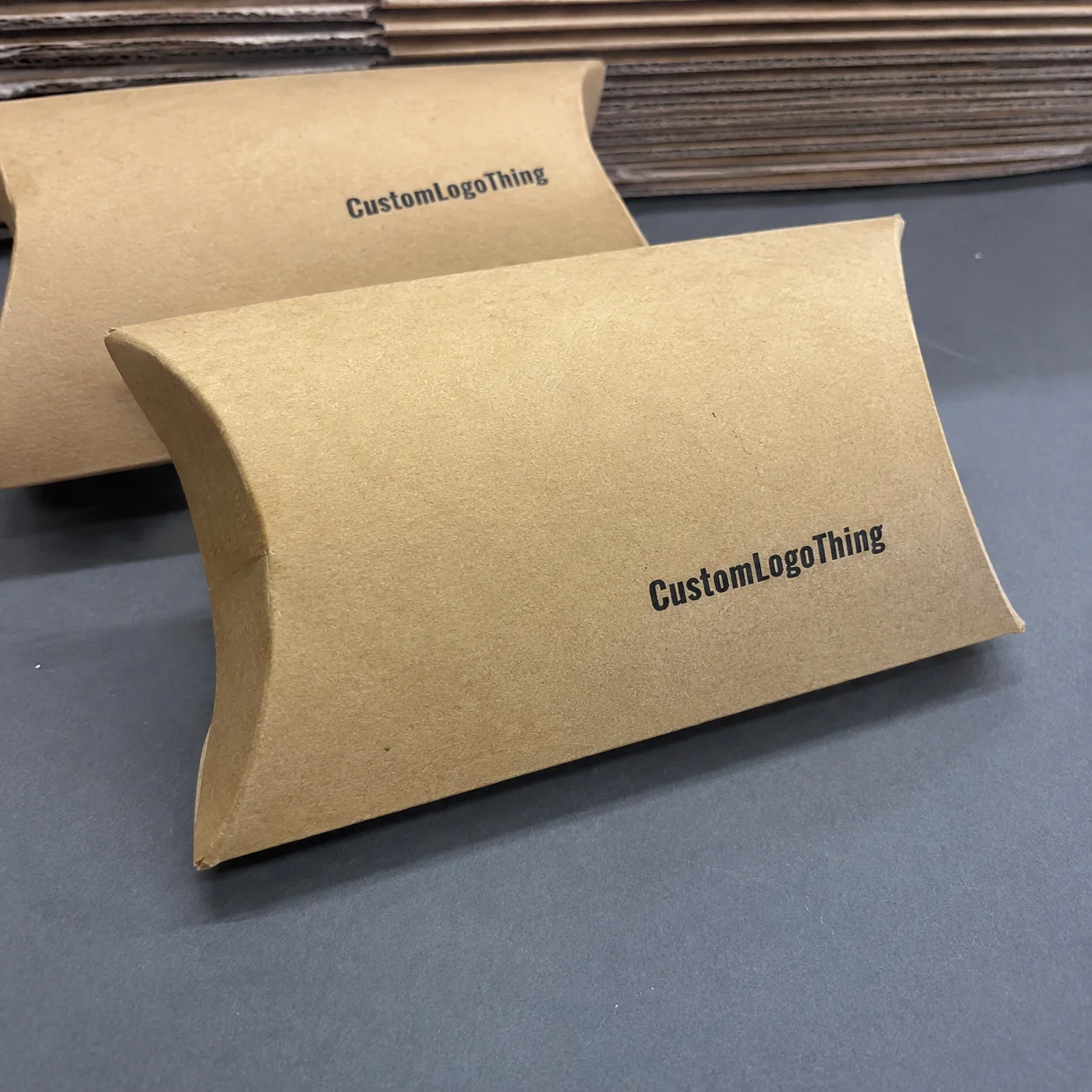
Kraft folding cartons are the sweet spot for retail packaging and package branding. They give you clean print, a natural look, and enough structure for shelf presentation without dragging costs into luxury territory. I have watched brands spend extra on glossy coatings when a simple 1-color or 2-color layout on 350gsm FSC paperboard would have looked sharper and cost less. On a recent job in Suzhou, switching from a two-pass coated box to a single-pass kraft carton cut the quote by $0.09 per unit at 3,000 pieces. Honest packaging design beats noisy packaging design nine times out of ten. The one time it does not? Usually someone is trying to sell perfume or ego.
Molded pulp inserts deserve serious attention if the product breaks easily. I have seen a cosmetics client in Austin save money by switching from foam to molded fiber because the insert fit was tighter and the pack rate in the warehouse was faster. The insert cost only $0.14 to $0.28 per unit at 10,000 pieces, and the assembly time dropped by about 9 seconds per kit. That is the part people miss. When inserts nest cleanly and drop into place, labor goes down. eco friendly packaging affordable is not just about raw material cost. It is also about how much time a worker spends touching each unit. Time is money, and factory floors are very good at reminding you of that.
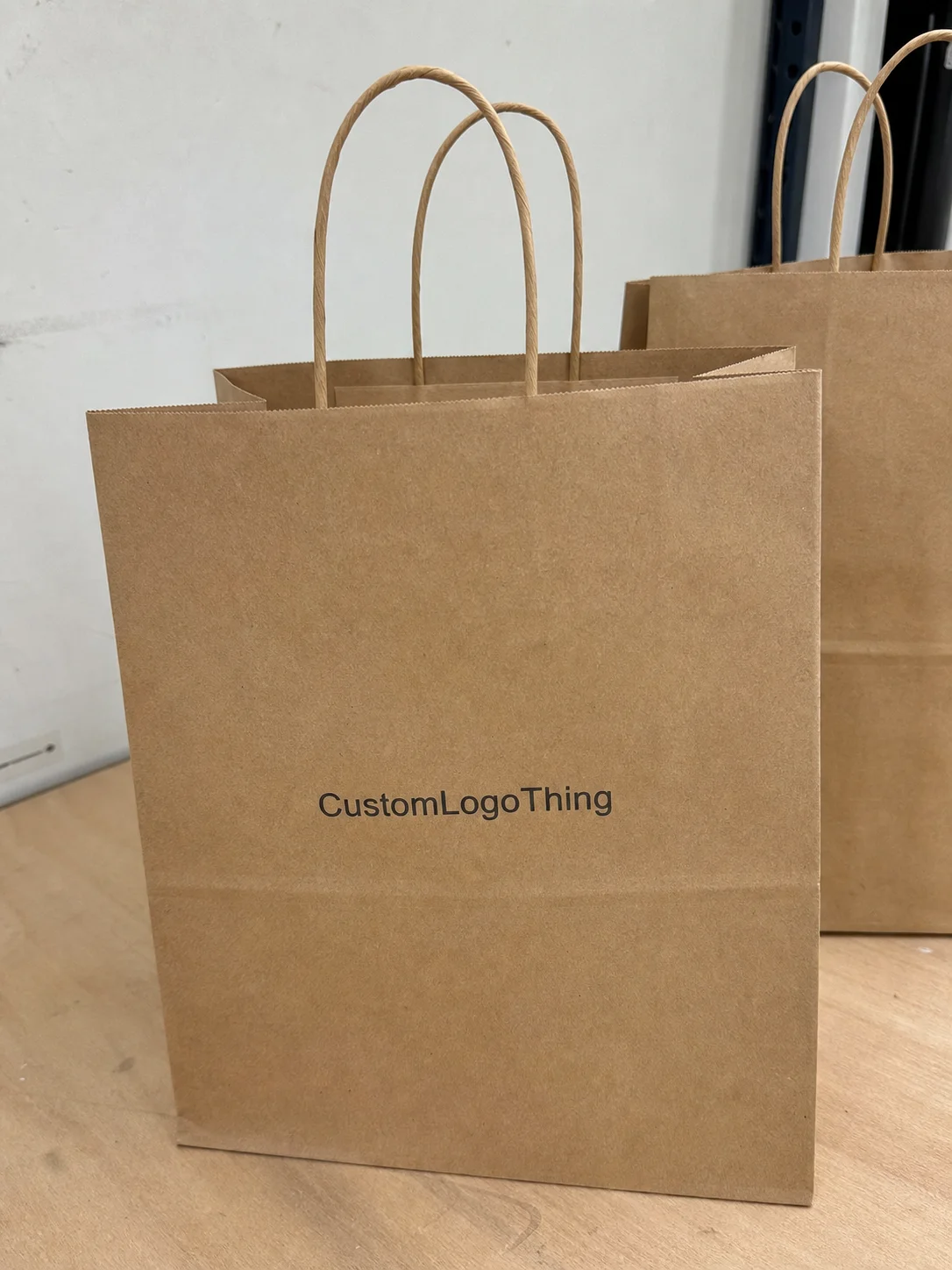
Paper bags make sense for retail, trade shows, and carry-out packaging. They are easy to brand, they can be printed with limited color, and they work well when the product is not getting tossed around in a parcel network. For a 120gsm to 180gsm program, I care about handle strength, base gusset, and print coverage. If a bag tears before the customer reaches the car in Chicago or Atlanta, the whole brand experience falls apart. That is not a branding issue. That is a cost issue, and it usually shows up as a replacement bag order three weeks later.
Compostable mailers can be useful, but I tell buyers to check claims carefully. Not every compostable option performs the same way in humid warehouses in Houston or hot freight lanes through Phoenix. If you need documentation, ask for the data sheet and the certification trail. FSC paper claims, recycled content statements, and water-based coatings all help when they are backed by paperwork, not just ink. The FSC standards at fsc.org are worth reviewing if you need chain-of-custody support and a paper trail your compliance team can actually file.
My practical recommendation matrix is simple:
- Light and fragile - use a corrugated structure with a molded pulp insert and a 1 mm snug fit around the cavity.
- Shelf-facing product - use a kraft folding carton with restrained branding and a 350gsm board minimum.
- High-volume shipping - prioritize nesting, flat-pack storage, and case pack efficiency at 25 or 50 units per carton.
- Apparel or soft goods - use paper mailers or paper bags with a clean one-color print and a low-ink coverage spec.
If you want a broader catalog of options, start with Custom Packaging Products and compare the materials side by side before you lock the spec. That makes eco friendly packaging affordable easier to build because you are not forcing one material to do a different job. I have seen too many brands ask a paperboard sleeve to behave like a shipping carton. It never ends well.
I also care about stack behavior. A package that stacks badly costs money in the warehouse. I once visited a fulfillment center in New Jersey where the team was using a second layer of void fill because the cartons arrived slightly bowed from the supplier in Ningbo. They were not buying bad boxes on purpose. They were buying boxes without enough compression strength, and the shipper had also changed flute orientation without telling anyone. That small mistake turned into extra labor, extra freight, and extra complaints. That is the kind of leak that kills eco friendly packaging affordable faster than any paper premium ever could.
Specifications Buyers Should Compare Before Ordering
The fastest way to waste money is to compare two packaging quotes that are not actually the same package. For eco friendly packaging affordable, the spec sheet matters more than the headline price. I want the material thickness, flute profile, paper gsm, finished dimensions, print sides, coating, and insert count written out clearly. If one supplier lists 350gsm C1S artboard and the other says only "premium board," I already know which quote is hiding the details. And yes, "premium board" is one of those phrases that makes me reach for my coffee a little harder.
Size accuracy matters more than people think. A carton that is 2 mm too wide can change the fit, add filler, and bump the freight class. A carton that is 5 mm too tall can shift the pallet pattern, which means fewer units per pallet and more shipping cost. I have watched a brand spend an extra $860 on a single truckload because the box height was never confirmed after the dieline revision in a Long Beach project. That is a stupid place to lose margin, but it happens all the time because everyone assumes someone else checked it.
If your package has to survive parcel abuse, ask for testing tied to actual standards. I like to reference ISTA procedures, especially when a carton or mailer is shipping through a rough carrier network from Los Angeles to Miami. An ISTA drop profile, compression resistance, and moisture exposure test tell you more than a green leaf printed on the side panel. ASTM D4169 and ASTM D642 also come up often in buyer conversations, and for good reason: the numbers separate real performance from marketing noise.
Print limitations are another quiet cost driver. The more colors you add, the more setup time you buy. Full-bleed coverage, foil, embossing, and soft-touch lamination each increase labor and usually push the bill upward. I am not against premium finishes. I just think they should be chosen on purpose. If the product sits in a shipping carton the customer opens once, you do not need to dress it like a boutique perfume box. That is how eco friendly packaging affordable stays disciplined. A two-color flexo run in Dongguan will almost always beat a four-color + foil stack on a one-off carton.
Compare quotes only after the specs are normalized. That means the same board, the same insert count, the same coating, the same print coverage, and the same freight mode. I have seen buyers compare a low quote for a carton with no inserts against a higher quote that included die-cut pulp and think the first supplier was cheaper. Wrong. They were buying different jobs. The only honest comparison is apples to apples, and on a 5,000-piece order that can mean a difference of $0.12 to $0.21 per unit.
Use this checklist before you sign off:
- Material grade - ask for gsm, E-flute or B-flute, and recycled content percentage.
- Finished size - confirm exact internal dimensions, not just the outside measurements.
- Print coverage - note how many sides are printed and whether there is inside print.
- Coating - ask whether the finish is aqueous, water-based, or uncoated.
- Insert spec - confirm cavity count, depth, and nesting direction.
That level of detail sounds boring until a shipment arrives and the product does not fit. Then it becomes the whole story. Good packaging design is not loud. It is precise. It keeps eco friendly packaging affordable because the first approved sample is the same thing that gets mass produced, not some optimistic cousin of it. I have seen one 1.5 mm mistake ruin a whole production week in Guangzhou.
Eco Friendly Packaging Affordable Pricing and MOQ
eco friendly packaging affordable pricing is driven by material grade, print setup, tooling, design complexity, carton size, and shipping mode. Most buyers focus on the unit price and ignore the setup fee. That is backwards. If a quote looks low because it hides a $220 die charge, a $180 plate charge, and a $95 sample fee, the first invoice will wake you up fast. I have seen it happen more than once, and the surprise is never pleasant.
MOQ works the same way. Lower minimums reduce risk for a new launch, but they push up the per-unit cost because the factory spreads setup across fewer pieces. Higher volumes improve unit pricing once the spec is locked. A 1,000-piece run almost never gets the same price as a 5,000-piece run, even when the carton looks identical. That is not a scam. That is manufacturing math in Dongguan, Shenzhen, or even a domestic plant in Ohio. For eco friendly packaging affordable, the trick is deciding where inventory risk ends and cost savings begin.
On a recent quote for a kraft folding carton, I negotiated with a Mondi representative over board weight. The first offer used 450gsm stock at a clean-looking price, but the board was heavier than the product needed. We moved to 400gsm, kept the same structure, and the unit cost dropped by $0.07 on 5,000 pieces. No drama. No wobble in compression. Just a smarter spec. That is how eco friendly packaging affordable gets built, especially when the product is a 4-ounce candle or a 30 ml serum bottle.
Here is the kind of pricing range I use as a starting point for factory-side planning. These are examples, not freight-inclusive promises, because shipping and destination matter. A carton moving to Seattle from Ningbo is not the same as a carton moving to a warehouse in Dallas from a plant in New Jersey.
| Option | Typical spec | MOQ | Example unit cost | Best use |
|---|---|---|---|---|
| Recycled corrugated mailer | 32 ECT, 50% PCR, 1-color flexo | 500-1,000 | $0.22-$0.48 at 1,000; $0.15-$0.34 at 5,000 | Subscription boxes, ecommerce, returns |
| Kraft folding carton | 300-350gsm FSC board, 1-2 colors | 1,000 | $0.28-$0.55 at 1,000; $0.12-$0.27 at 5,000 | Retail packaging, shelf display, branded packaging |
| Molded pulp insert | 1-2 cavity, custom fit, recycled fiber | 2,000 | $0.19-$0.41 at 2,000; $0.14-$0.28 at 10,000 | Fragile products, bottle packs, kits |
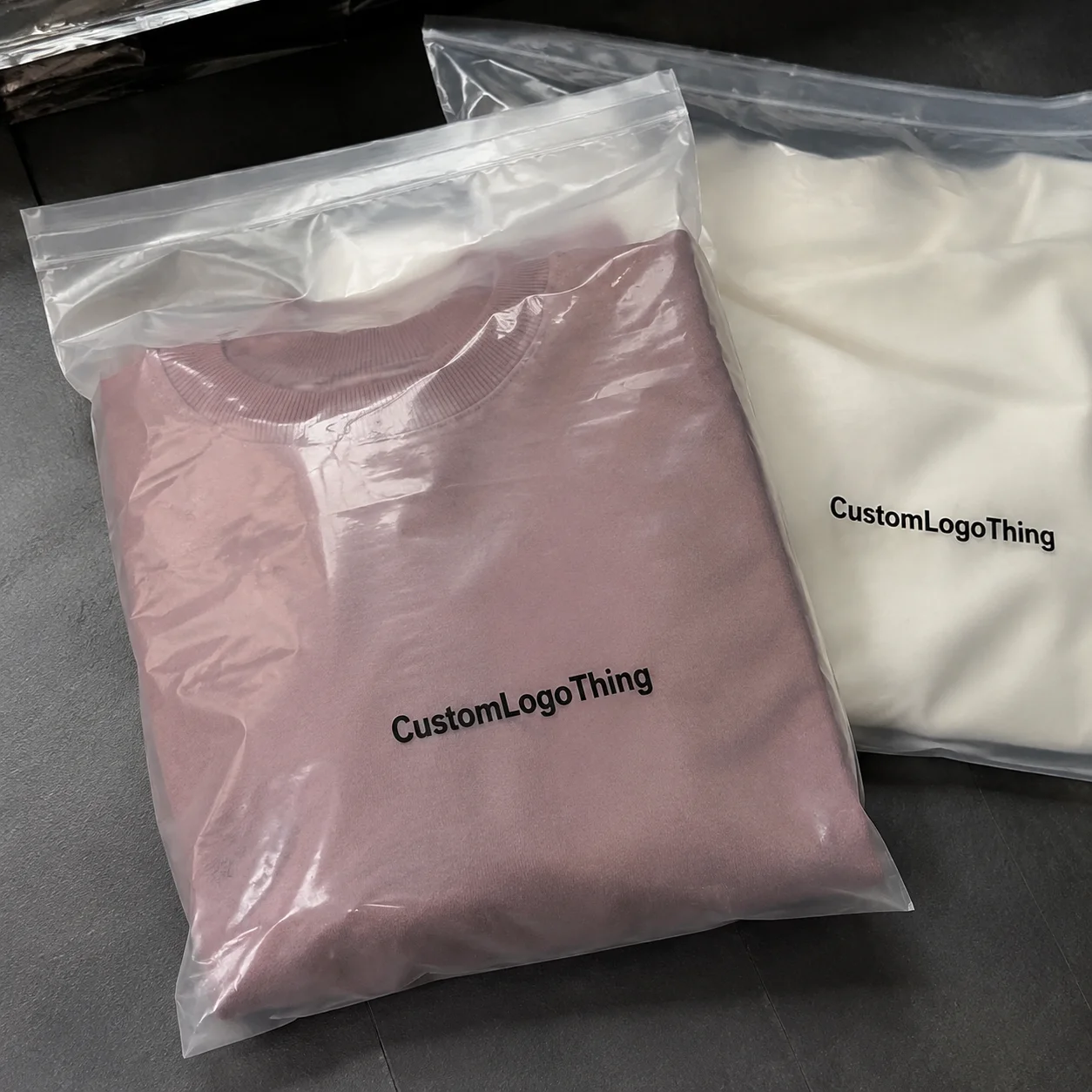
| Compostable mailer | Paper-based or certified compostable film | 1,000 | $0.33-$0.68 at 1,000; $0.24-$0.46 at 5,000 | Apparel, soft goods, low-risk shipping |
| Paper bag | 120-180gsm, flat handle or die-cut | 500 | $0.12-$0.30 at 500; $0.08-$0.19 at 5,000 | Retail carry, events, in-store handoff |
When I quote eco friendly packaging affordable programs, I always split the numbers into four buckets: sample cost, mass production cost, tooling cost, and freight estimate. If a supplier dumps those together into one mystery line, the quote gets harder to compare and easier to inflate later. Separate lines keep everyone honest. Also, they make bad surprises much easier to spot before the money leaves your account. A $65 sample, a $180 die, and a $480 ocean freight estimate are a lot easier to judge than one mystery total.
The cleanest ways to lower cost without cheapening the pack are simple. Reduce the color count. Standardize dimensions. Use a stock board with custom print instead of a fully custom construction. Remove a layer of insert if the product does not need it. Those moves usually save more money than a flashy finish ever will. More important, they keep eco friendly packaging affordable for the reorder, not just the launch. That is the part that protects margin in month six.
Ask these questions on the first quote:
- What is the MOQ at 1,000, 3,000, and 5,000 units?
- What is included in the setup fee, and what is extra?
- What does the die or plate cost?
- What is the sample charge?
- What freight mode did you use for the estimate?
If the supplier cannot answer those without sliding into vague language, keep shopping. Honest pricing is part of real package branding. It is also part of eco friendly packaging affordable because the wrong quote can look good for one minute and ruin the budget for three months. I have watched that movie in factories from Suzhou to Savannah, and I do not recommend the sequel.
Production Process and Timeline From Quote to Delivery
The production path is straightforward when everyone stays organized: brief, quote, dieline confirmation, sample or proof, revision, production, quality check, packing, and freight booking. That sounds neat on paper. In practice, eco friendly packaging affordable projects slow down when the buyer changes dimensions after proof approval or sends artwork files that need to be rebuilt from scratch. I have watched a one-line logo tweak turn into a two-day detour because someone forgot to check the export settings in Adobe Illustrator. Beautiful.
Simple stock-based jobs move faster than fully custom jobs. A plain kraft mailer with one-color print can move from proof approval to production in 7 to 10 business days if the supplier already has the material in house in Shenzhen or Ningbo. A fully custom carton with inserts, special coatings, and a new die usually takes 12 to 15 business days after approval, sometimes longer if the factory queue is full. Add freight on top of that. If the boxes are crossing an ocean, the clock gets bigger fast. A port delay in Long Beach can add another 4 to 6 days without anyone doing anything wrong.
I once worked with a skincare brand in Austin that lost nine business days because they changed the logo size after the proof was signed off. The carton was fine. The schedule was not. The warehouse had already booked receiving labor and the launch kit sat waiting for cartons that were technically "almost ready." That is why I tell buyers that eco friendly packaging affordable is as much a timing question as a cost question. Cheap packaging that arrives late is not cheap. It is just expensive with better manners.
The biggest timeline mistakes are predictable. Late artwork files. Unclear dimensions. Multiple proof revisions. Approvals sent by email with no single decision-maker copied in. If you want a clean schedule, decide the print spec early and keep the file handoff disciplined. I have seen a 3-day proof turn into a 17-day spiral because four people kept asking for tiny changes that all required new plates or a new cut line. Nobody was malicious. Everyone was just "being helpful," which is sometimes the most expensive thing in the room.
Freight matters just as much as production. Domestic trucking may add 4 to 7 business days. Ocean freight can take 25 to 35 days depending on destination and port congestion. Customs and warehouse receiving can add another delay if the paperwork is sloppy. That is why I always build the delivery date from the shipping lane backward. eco friendly packaging affordable does no one any favors if the cartons arrive after the launch window has already passed. A 20-foot container from Shenzhen to Los Angeles is not a mystery. It is a calendar item.
If the job is time-sensitive, ask about three options:
- Priority tooling - move the die or plate to the front of the line.
- Split production - ship part of the order first and the balance later.
- Stock-based fallback - use a standard material or size to cut lead time.
I am a fan of rush plans only when the plan is real. "Urgent" is not a strategy. A good supplier will tell you whether eco friendly packaging affordable can still hit the calendar with the spec you want, or whether you need to simplify the structure to protect the deadline. That kind of honesty saves launches and, frankly, saves a lot of yelling.
Why Choose Us for Eco Friendly Packaging Affordable
I know what happens when a supplier quotes low and then charges extra for every tiny change. I have sat in those meetings in Dongguan and Long Beach. I have seen the extra $0.02 become $0.09 because the board spec was not written clearly from the start. That is why our approach to eco friendly packaging affordable is blunt: show the real cost up front, keep the spec tight, and avoid the surprise fees that make a "good deal" ugly after approval.
Long-term factory relationships matter here. When I walk a line, I am looking at stack height, reject rate, and how the team packs cartons at the end of the run. If the stack leans, if the reject bin is too full, or if the finished packs are tossed into shipping cartons with no protection, the cheap quote will cost more later. I would rather work with a stable line at Smurfit Kappa, DS Smith, or a well-run regional converter in Illinois than chase a price that only exists on a screenshot. Screenshots do not protect pallets, and they sure do not fix a 200-unit shortfall.
Quality control is not a slogan either. Clean print registration, accurate cuts, consistent board strength, and packaging that arrives in spec are what keep customer service quiet. I have opened enough shipments to know that a box with a perfect mockup and bad tolerances is not useful. eco friendly packaging affordable should still mean the carton closes correctly, the sleeve fits, and the insert does not rattle around like loose change in a car cup holder. A 2 mm miscut can turn into a 2% reject rate fast.
Our service value is practical. Clear dielines. Fast quote turnaround. Sample support. Straight talk on what to simplify without hurting the brand. If a client asks me whether a 3-color print job is worth it, I will tell them the truth: sometimes yes, often no. For many launches, one strong color and a clean layout deliver better package branding than a crowded design with a higher unit cost. That is especially true in retail packaging, where shelf distance matters more than a fancy render and the customer has about 2 seconds to decide.
If you are comparing options across custom printed boxes, mailers, and inserts, start with Custom Packaging Products and narrow the spec before you ask for final numbers. That makes eco friendly packaging affordable easier to quote because the factory is not guessing what you meant. Guessing is expensive. Precision is cheaper, and precision is usually the difference between a $0.15 unit and a $0.24 unit at 5,000 pieces.
"The supplier who explains the die line in plain English usually saves me more money than the one who leads with the lowest number." I heard that from a brand manager after a packaging meeting in Chicago, and I have used it ever since.
When I visited a production floor in southern China last year, I saw a team rework a pallet because the cartons were packing 12 mm too loose. The product fit the render. It did not fit the real world. That gap is where budgets die. eco friendly packaging affordable lives in the real world, not the mockup, and the real world cares about flute direction, case pack count, and whether the freight pallet can survive a forklift in a hurry.
One last reality check: the best supplier is not always the cheapest one, and the cheapest one is rarely the best one. I know, shocking. But if the low quote depends on fuzzy specs, a weak board, or a heroic freight estimate, it is gonna come back to bite you in the reorder.
Next Steps for Eco Friendly Packaging Affordable Orders
Before you request a quote, lock down five details: product dimensions, target quantity, shipping destination, print coverage, and any sustainability claims you need to support. If you can answer those in one message, you get a cleaner quote and a faster sample path. That is the easiest way to keep eco friendly packaging affordable from drifting into a vague, expensive mess. A spec sheet with 148 mm by 92 mm by 34 mm beats "roughly the size of a phone box" every time.
My preferred order of operations is simple. First, request two or three sample material options. Second, compare the unit price at your real volume, not a fantasy volume. Third, choose the version that meets budget and performance together. I have never seen a brand regret asking for one extra sample when the alternative was approving the wrong board and reordering two months later. I have seen plenty regret skipping it, though. That meeting is never fun, especially when the reprint lands at $0.16 more per unit than the original quote.
Insist on separate lines for tooling, printing, sample fees, freight, and any add-ons. If a supplier will not break those out, the quote is hard to compare and easy to pad later. That does not mean the factory is bad. It means the quote is not finished. A real eco friendly packaging affordable brief should be specific enough that the supplier can answer it without improvising. If the reply sounds like jazz, ask for a second draft.
My decision rule is plain: if two options look close, choose the one with the cleaner spec sheet, better reorder stability, and lower damage risk, not the one with the prettiest brochure. Brochures do not survive warehouses. Cartons do. And the carton that survives shipping, stores neatly, and keeps the client from paying replacement costs is the one that deserves the order. I have watched that choice save a brand nearly $4,000 over two quarters in Atlanta.
Send your quote request with the phrase eco friendly packaging affordable, plus the exact size, quantity, print coverage, and delivery date you need. If the supplier can answer with board grade, MOQ, timeline, and landed cost without dodging the details, you are dealing with someone who knows packaging. If not, keep moving. The right factory in Shenzhen, Suzhou, or Chicago will not make you guess.
If you need the shortest version of the play, here it is: lock the spec, test the sample, compare landed cost, and approve only the build that protects the product at the lowest real cost. That is the move. Everything else is decoration.
FAQ
What is the cheapest eco friendly packaging option for small brands?
Recycled kraft mailers and standard corrugated cartons usually give the lowest entry price, especially at 500 to 1,000 units. Keep print simple, use stock sizes where possible, and avoid custom tooling unless the product truly needs it. Cheap is not useful if the pack breaks product or drives freight costs up, and I have seen plenty of "cheap" packs do both. A 32 ECT mailer with one-color print often lands around $0.22 to $0.48 at 1,000 pieces, which is hard to beat for simple ecommerce shipments.
How low can the MOQ be for eco friendly packaging affordable orders?
MOQ depends on material, print method, and size, but simple stock-based runs can start much lower than fully custom builds. Expect a higher unit price at lower quantities because setup cost gets spread across fewer pieces. I always ask for pricing at 1,000, 3,000, and 5,000 units so the breakpoints are obvious, and I ask whether the die charge is $150, $220, or bundled into the unit price. That detail matters more than people want to admit.
Does eco friendly packaging affordable still support custom printing?
Yes, and it usually works best with one-color or limited-color printing. Water-based inks, restrained coverage, and standard finishes keep the price down better than full-bleed premium effects. In many cases, simple branding looks cleaner and is easier to produce consistently. Also, it does not scream "we spent the budget on foil and regret." A 1- or 2-color layout on 350gsm FSC board can look sharp and stay inside budget.
What affects eco friendly packaging affordable pricing the most?
Material thickness, carton size, print complexity, tooling, and order quantity drive most of the cost. Freight can matter just as much as production, especially with bulky cartons or insert-heavy packs. Changing specs after approval is one of the fastest ways to push the price up. If you revise the dieline after proof signoff, expect delays of 2 to 5 business days and sometimes a new sample charge.
How long does eco friendly packaging affordable production take?
Timelines vary by spec, but sample approval and final artwork signoff usually control the schedule more than production itself. Simple packaging can move faster than fully custom constructions with inserts or special coatings. Build freight time into the plan so the delivery date is based on reality, not optimism. In many cases, you should plan on 7 to 10 business days for simple stock jobs and 12 to 15 business days from proof approval for custom runs, plus transit time.
If you want eco friendly packaging affordable that actually holds up in production, do not start with the prettiest render. Start with the material, the dimensions, the MOQ, and the freight lane. That is how I have kept packaging budgets sane for brands that needed clean branding, reliable protection, and a reorder they could afford without flinching. A box that costs $0.15 per unit at 5,000 pieces and arrives in 12 to 15 business days from proof approval is a lot better than a gorgeous disaster with a 28-day apology attached.
The real takeaway is simple: ask for a sample, a landed-cost quote, and a production timeline on the same spec, then choose the version that protects the product with the least waste. That is what makes eco friendly packaging affordable actually affordable.