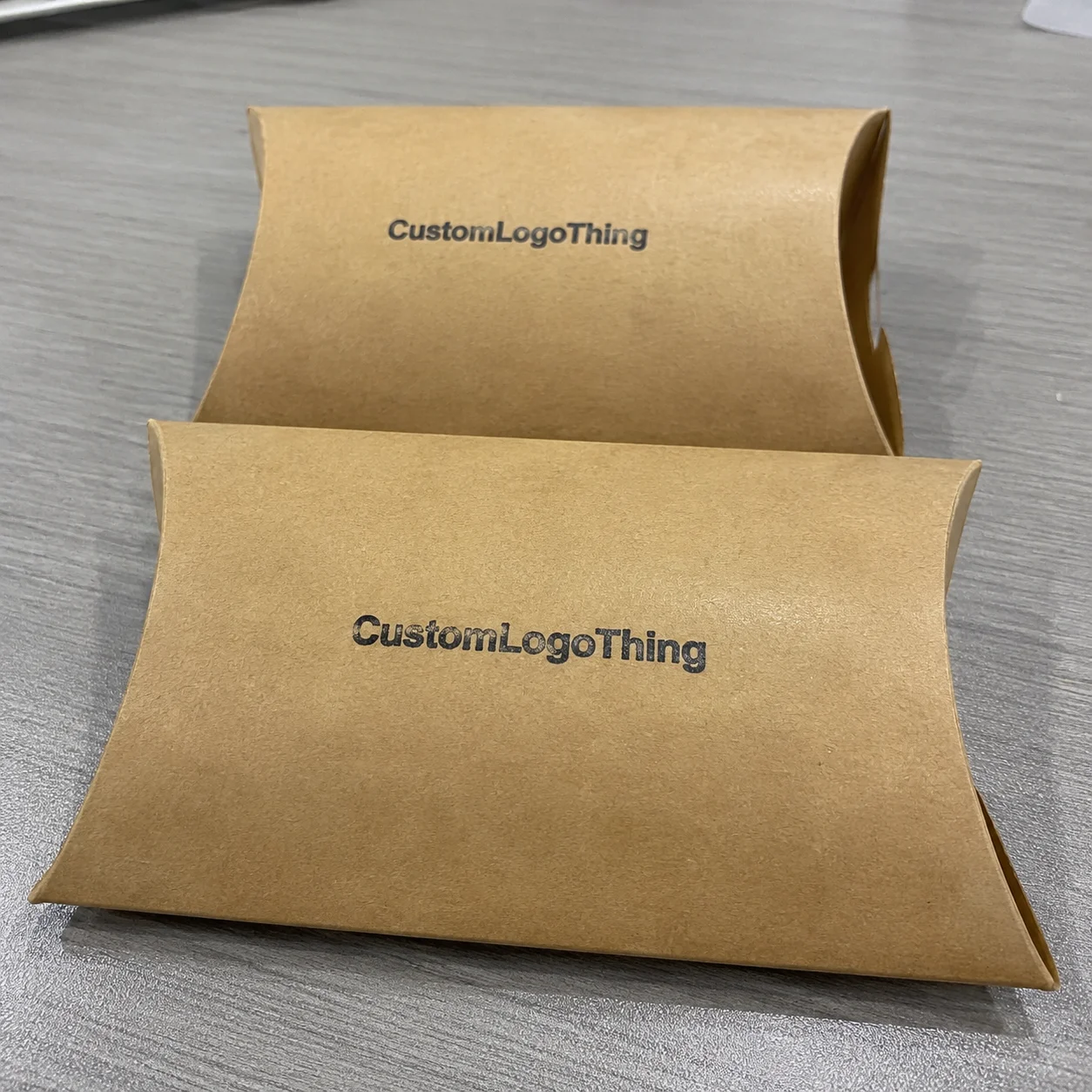
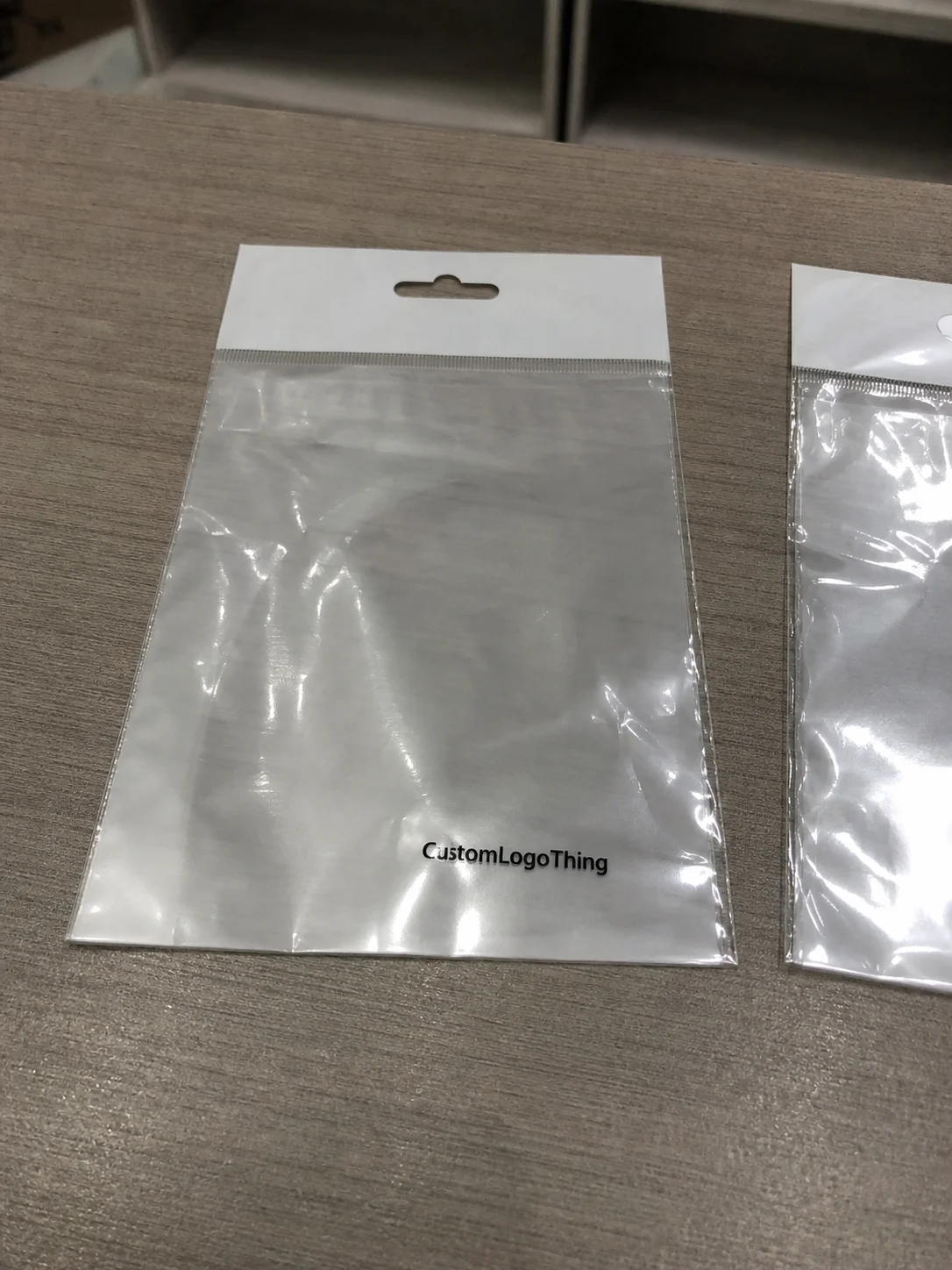
Buyer Fit Snapshot
| Best fit | Eco Friendly Packaging Bulk Order projects where brand print, material claims, artwork control, MOQ, and repeat-order consistency need to be specified before quoting. |
|---|---|
| Quote inputs | Share finished size, material target, print colors, finish, packing count, annual reorder estimate, ship-to region, and any compliance wording. |
| Proofing check | Approve dieline scale, logo placement, barcode or warning zones, color tolerance, closure strength, and carton packing before bulk production. |
| Main risk | Vague material claims, crowded artwork, missing packing details, or unclear freight terms can make a low unit price expensive after revisions. |
Fast answer: Eco Friendly Packaging Bulk Order: Pricing, Specs, MOQ should be specified like a repeatable production item. The safest quote records material, print method, finish, artwork proof, packing count, and reorder notes in one written spec.
Production checks before approval
Compare the actual filled-product size with the drawing, then confirm tolerance on folds, seals, hang holes, label areas, and retail display edges. Reserve space for logos, QR codes, warning copy, and material claims before decorative graphics fill the panel.
Quote comparison points
Review material grade, print process, finish, sampling route, tooling charges, carton quantity, and freight assumptions side by side. A quote is only useful when the supplier can repeat the same color, closure quality, and packing count on the next order.
An Eco Friendly Packaging bulk order gets judged first by color, fiber claims, and the look of the unboxing moment, but the real risk sits in the details you cannot see from a mood board. In my experience, the package that fails in transit costs far more than the one that looked a little less polished on a sample board but survived 600 miles of rough handling from a facility in Dallas to a distribution hub outside Atlanta. I remember standing on a loading dock in July, watching a perfectly pretty carton get flattened because somebody had approved it by eye instead of by spec, and honestly, that was the moment I stopped trusting surface-level sustainability claims. I’ve seen eco friendly packaging bulk order programs save money only after a brand stopped obsessing over optics and started measuring compression strength, seal integrity, and damage rate on real shipments, usually after 40-inch drop tests and a stack-load trial at the pallet level.
That is the part many buyers miss. A recycled mailer that tears at the corner, or a folding carton that crushes under stack load, creates replacement shipments, customer complaints, and a second round of freight from a plant in Cleveland or a co-packer in Memphis. That is not sustainability. That is waste with better branding. A good Eco Friendly Packaging bulk order program cuts landfill impact, supports brand perception, and reduces returns when the material, structure, and route are matched correctly, whether the route is a Midwest retail network or direct-to-consumer fulfillment out of Southern California. I have a soft spot for teams that ask hard questions here, because those are usually the teams that end up with fewer headaches, fewer chargebacks, and fewer frantic “can we rush 4,000 more units?” emails at 4:58 p.m. on a Friday.
I’ve sat in meetings where the marketing team wanted “the most natural-looking option,” while operations quietly asked for 32 ECT corrugated and a stronger adhesive strip sourced from a converter in New Jersey. The winning choice was usually the one that made both teams a little uncomfortable, because it balanced package branding with shipping reality. Bulk buying matters for a simple reason: unit costs drop, print consistency improves, and supply becomes more predictable for repeat launches, subscription programs, and multi-location fulfillment. That is why Eco Friendly Packaging bulk order planning needs numbers, not slogans. And yes, I have watched a room full of people argue about the shade of kraft paper for 20 minutes as if the universe were ending; the paper was closer to 120 gsm than 110 gsm, which somehow made the argument feel more scientific than it was, though the coffee certainly did not improve.
Eco Friendly Packaging Bulk Order: What Buyers Overlook First
The first mistake is treating sustainability as a finishing touch rather than a performance requirement. I’ve seen brands approve a compostable mailer, then discover the adhesive fails in humid warehouses, especially in coastal facilities where summer humidity pushes past 70% in Savannah or Tampa. Another client selected a lighter paper-based pack and saved 12% on material cost, only to absorb a 9% rise in damage claims because the product was shipped cross-country in mixed pallets from a plant in Fort Worth to a fulfillment center in New Jersey. The eco friendly packaging bulk order that looks cheapest on paper is not always cheapest after freight, claims, and replacement units are counted, particularly once you add a $0.15-per-unit difference across 5,000 pieces and a second freight leg at $680.
Here’s the practical value proposition. Choose the Right format and you lower landfill impact, keep product packaging aligned with buyer expectations, and avoid the hidden emissions tied to re-shipping damaged goods from regional hubs in Phoenix, Chicago, or Nashville. If a pack reduces void-fill by 25% and cuts breakage by 1.8 percentage points, that is measurable. It is also finance-friendly. In procurement terms, eco friendly packaging bulk order planning should be judged on total landed cost, not a single unit price line. I’m biased toward numbers because numbers do not get sentimental about “premium feel” when a parcel arrives dented after a 320-mile line-haul run.
Bulk ordering changes the math in your favor. A run of 10,000 units often spreads setup costs far better than three separate runs of 3,000, especially when the tooling is cut in Illinois and the printing is handled in Pennsylvania. Print plates, tooling, and proofing are not free, and they rarely scale down with quantity. The result is simple: a well-planned eco friendly packaging bulk order can reduce per-piece cost, stabilize your branded packaging, and keep your packaging design consistent across shipments and retail packaging channels. In one plant tour at a corrugated converter outside Chicago, I watched a single die-cut tool run through enough board to make the difference between “expensive” and “why didn’t we do this earlier?” fairly obvious, especially once the operator showed me the pallet count and the waste trim at the end of the shift.
When I visited a converted carton line in New Jersey, the production manager showed me three stacks of nearly identical kraft cartons. One had a 1.5 mm board upgrade, one had a lower-gsm liner, and one had a different glue pattern. To the eye, they looked interchangeable. In a drop test, they were not, and the carton with the 1.5 mm board survived the first drop from 30 inches while the lower-gsm liner split on the corner. That is why an eco friendly packaging bulk order should always begin with performance data, not color preference. If you want a dramatic lesson in humility, stand next to a test table while a “good enough” box fails under load. It is oddly educational, and mildly infuriating, especially when the failure happens after you have already approved a pallet build of 864 units.
“The box can be beautiful, but if it fails at aisle three of the parcel network, you pay for that beauty twice.”
That line came from a supplier negotiation I still remember in a warehouse conference room near Newark. It was blunt, and accurate. This section matters because eco friendly packaging bulk order buyers often receive broad claims with little proof. Ask for numbers. Ask for test results. Ask for the actual spec sheet. If the reply sounds like a recycled slogan instead of a factory answer, I start getting suspicious fast, especially if the supplier cannot tell me whether the board is 32 ECT, 44 ECT, or a 350gsm C1S artboard with a water-based coating.
Eco Friendly Packaging Bulk Order: Product Options That Hold Up
Buyers usually choose from six core categories in an eco friendly packaging bulk order: mailers, boxes, paper bags, sleeves, wraps, inserts, and protective void-fill. Each solves a different problem. The right answer for apparel is not always the right answer for cosmetics, and the right option for retail packaging is not always the right one for e-commerce shipping from an Ohio warehouse to California customers. Product fit matters more than the marketing label, even if the marketing deck insists otherwise, and a line item that looks elegant at $0.11 per unit can still fail if the inner product shifts by 8 mm during transit.
Recycled paperboard is a strong choice for folding cartons, sleeves, and lightweight retail packaging. It prints well, holds crisp folds, and typically offers better shelf presentation than lower-grade stock. For custom printed boxes, paperboard gives you a clean surface for high-resolution graphics and QR codes, especially on a 350gsm C1S artboard or a 300gsm recycled SBS sheet. But it is not the right answer for heavy or fragile items without structural support. I like paperboard for projects where the brand wants elegance without unnecessary bulk, because it behaves like a well-cut jacket: clean, light, and surprisingly capable when tailored properly by a converter in Dongguan, Suzhou, or a domestic plant in Tennessee.
Kraft paper works well for mailers, wraps, and bags. It has a natural appearance buyers often associate with eco friendly packaging bulk order programs, and it usually handles shipping abuse better than it gets credit for. I’ve seen 90 gsm kraft mailers outperform decorative coated alternatives in warehouse drop tests because the paper flexed instead of splitting, especially after a 36-inch drop onto a corrugated deck. That said, kraft is not moisture-proof. If your route includes rain exposure or cold-chain condensation, you need barrier treatment or a different structure. I learned that the hard way after a pallet sat by a dock door in a sideways drizzle near Baltimore, and a 15-minute delay turned into edge swelling that nobody wanted to admit they had predicted.
Corrugated board remains the workhorse for shipping. ECT ratings, flute choice, and liner quality determine how well a carton stacks and protects. For many eco friendly packaging bulk order programs, corrugated gives the best balance of recycled content, recoverability, and performance. Double-wall construction may be necessary for heavier SKUs, while a single-wall 32 ECT box is usually enough for lighter e-commerce parcels. The right spec depends on product weight, cubic size, and the carrier network, and a well-made 24 x 18 x 12 inch carton from a regional facility in Indiana can outperform a thinner box from a low-cost source if the liner quality is better. I’ve always said corrugated is the quiet professional in the room: not flashy, rarely dramatic, and usually the reason your product arrives intact.
Molded fiber is gaining traction for inserts, trays, and protective forms. It is especially useful when you need a shaped interior component that reduces movement in transit. The best molded fiber parts can replace plastic clamshells in some categories, though not every product geometry allows it. In one supplier review, a cosmetics brand cut inner-plastic content by 78% using molded pulp trays paired with a recycled paperboard carton, and the tray tooling paid for itself after 18,000 units. That is a concrete sustainability gain, not a vague promise. It also gave the unboxing a more deliberate feel, which the brand team loved, and the fulfillment team tolerated because the tray actually did its job in the warehouse at 22,000 units per month.
Compostable film and plant-based alternatives can work for specific applications, especially food service or sealed mailers, but they require close scrutiny. Compostability is not the same as convenience. If local collection systems do not accept the material, the environmental benefit narrows. For that reason, I advise buyers to treat compostable claims carefully and ask where the material is actually recoverable. The EPA and packaging associations both stress that end-of-life outcomes depend on local infrastructure; see the EPA’s waste guidance at EPA.gov and industry resources from the Packaging School/PMMI ecosystem. I wish every sales pitch came with a map of where the material can actually go, because that would save everyone a lot of polite disappointment, especially in markets like Portland, Denver, or Minneapolis where municipal rules can vary block by block.
There is also a simple use-case rule that saves time. Apparel and lightweight accessories can often use kraft mailers or recycled mailer boxes. Cosmetics may need rigid or semi-rigid custom printed boxes with inserts, often built from 350gsm C1S artboard or a reinforced corrugated shell. Subscription kits often need a combination of corrugated outer packaging and printed paperboard inner components. Food service requires grease resistance, closure reliability, and sometimes barrier performance that standard paper cannot provide, particularly if the product spends 72 hours in cold storage before dispatch. In other words: the product, the route, and the customer expectation have to agree before the order goes in.
| Packaging option | Best use case | Typical strength | Eco profile | Common tradeoff |
|---|---|---|---|---|
| Recycled paperboard | Retail packaging, sleeves, cartons | Light to medium | High recycled-content potential | Not ideal for heavy shipping loads |
| Kraft mailers | Apparel, soft goods, documents | Medium | Widely recyclable | Humidity sensitivity |
| Corrugated boxes | E-commerce, multi-item shipments | High | Commonly recyclable | Bulkier than paperboard |
| Molded fiber | Inserts, protective trays | Medium to high | Fiber-based, often recyclable | Tooling can raise MOQ |
| Compostable film | Specialty sealed mailers, food | Variable | Depends on certification and disposal path | End-of-life confusion |
My advice is straightforward: the best eco friendly packaging bulk order option is usually the one that matches the shipping environment and product fragility, not the most eco-looking option in a sales deck. That sounds plain because it is. Plain often works better than poetic in procurement, especially when you are deciding between a 28 ECT mailer box and a 32 ECT shipper with a better glue line. I know that may not win awards, but it does tend to reduce freight claims.
Specifications to Check Before You Place an Eco Friendly Packaging Bulk Order
Specifications are where the real value sits. I’ve watched buyers approve an order with no dimensions beyond “fits our bottle,” and they paid for it later with insert redesigns and slower packing lines in facilities from Raleigh to Reno. For any eco friendly packaging bulk order, request exact dimensions, caliper or GSM, burst strength, ECT ratings, closure type, and print area limits. If the supplier cannot give those quickly, pause the project. A supplier who shrugs at basic measurements usually makes everybody else work twice as hard later, and that usually shows up first in the warehouse, where a 1 mm mistake can turn into a 9-second delay on every pack-out.
For paper and paperboard, ask for GSM, caliper, and recycled content percentage. For corrugated, ask for ECT, board grade, and flute type. For mailers, request seal strength and tear resistance. For molded fiber, ask about wall thickness, density, and whether the part is designed for nesting or stack loading. These details affect both product protection and carton count per pallet. I have a particular dislike for vague “heavy-duty” labels, because they often mean absolutely nothing until a package gets crushed under a pallet of books or 1,200 glass jars rolled out of a truck in October.
You also need sustainability documentation. FSC certification, recycled content claims, and compostability or recyclability statements should be provided in writing. If a seller says “eco friendly” but cannot show proof, that is a red flag. FSC matters because chain-of-custody verification gives buyers confidence about sourcing; review standards at fsc.org. Depending on your target market, you may also want region-specific guidance on recyclability language so your package branding does not overpromise. I always tell teams that a bold environmental claim without documentation is just a future customer service problem waiting for a label, and that problem tends to surface first in states like California, Massachusetts, or Washington where labeling scrutiny can be more exacting.
Print and finishing choices deserve close attention. Water-based inks and soy-based inks are common sustainability-friendly options. Matte varnish can reduce glare and improve shelf readability. Soft-touch lamination feels premium, but it may complicate recyclability depending on the substrate and collection system. Embossing and debossing add tactile appeal to branded packaging, yet they also change tooling costs and may slow production. If you want an eco friendly packaging bulk order that stays recyclable, do not add finishes just because they look expensive. I love a beautiful carton as much as anyone, but I love a recyclable carton that survives the trip even more, especially if it leaves the factory in Shanghai, Ho Chi Minh City, or a domestic print house in Ohio with a clear QC report attached.
Testing should not be optional. Ask for drop tests, compression tests, humidity exposure checks, and seal validation. I’ve seen one client in beverage accessories reduce damage claims by 17% after testing a revised carton in 40-inch drop scenarios and stack compression at a logistics site in Charlotte. The real test environment always looks harsher than the sample table. That is normal. It is also why a proper eco friendly packaging bulk order needs a test protocol before mass approval. Nobody enjoys redoing a launch because the glue line failed after 48 hours in a warm warehouse, but somehow everyone remembers that lesson forever, usually right after the first 2,500 units ship.
Here is a procurement checklist I use with clients:
- Request dielines in AI or PDF format.
- Approve a physical sample before print release.
- Ask for FSC or equivalent documentation where applicable.
- Confirm print method, ink type, and finish.
- Verify shipping carton count, pallet pattern, and outer case label format.
- Test one sample against your actual packing line and carrier conditions.
A buyer once told me, “We assumed the supplier knew what we meant.” That assumption cost them two weeks and 6,000 unusable inserts made to the wrong cavity depth. In eco friendly packaging bulk order work, clarity is cheaper than revision. If you want my honest opinion, unclear specs are the most expensive kind of optimism, especially when the revision cycle has to be routed back to a plant in Shenzhen for a second proof round.
Pricing, MOQ, and What Drives Unit Cost
Pricing is rarely about one number. It is a stack of decisions. For an eco friendly packaging bulk order, unit cost depends on material, size, print complexity, certification requirements, and order volume. A 2-color kraft mailer is not priced like a 4-color folding carton with specialty coating and a molded insert. Comparing them as if they were identical is a common procurement mistake, and I’ve watched smart people make it because the quote sheet looked tidy enough to fool them, especially when one line showed $0.15 per unit for 5,000 pieces and another showed $0.23 per unit for 2,000 pieces with no setup fees listed.
MOQ, or minimum order quantity, exists because production lines need setup. Dies must be installed. Plates must be made. Raw material must be reserved. Custom printed runs are less flexible than stock items, and special materials may be sourced in full pallet quantities. That is why some eco friendly packaging bulk order options start at 1,000 units while others begin at 5,000 or 10,000. The machinery does not care about your launch calendar. It does not care if the brand meeting ran long, either; a die cutter in a plant outside Guangzhou is still going to ask for the same setup time even if the spreadsheet is late.
For buyers, the main question is not “What is the lowest MOQ?” It is “What MOQ gives me the best tradeoff between inventory risk and unit savings?” A 5,000-piece run might price at $0.18 per unit, while a 10,000-piece run drops to $0.13 per unit. That looks like a 27.8% savings, and it is. But if the additional 5,000 units sit in storage for eight months, the carrying cost may erase the benefit. Eco friendly packaging bulk order strategy should account for warehouse space, cash flow, and forecast reliability. I would rather see a team order slightly less and reorder with confidence than buy a mountain of boxes and spend the next quarter trying to hide them behind the receiving desk, where every forklift operator knows exactly how to find them.
Hidden cost factors matter too. Freight can move the final number more than buyers expect, especially on oversized cartons or heavy corrugated. Tooling fees, proofing charges, sample runs, and rush fees can also change the landed cost. Storage fees show up when you buy in volume and do not have immediate throughput. I’ve seen teams celebrate a low unit quote, then discover freight added 14% and a color proof delay added another week. That is the sort of surprise that makes a procurement spreadsheet look like it got into a fistfight, particularly once a rush air shipment from Los Angeles to Newark gets added at the end.
Here is a simple way to compare pricing tiers for an eco friendly packaging bulk order:
| Volume | Example unit price | Typical setup impact | Best for |
|---|---|---|---|
| 1,000 units | $0.26 | Highest spread of setup costs | Testing, pilot launches |
| 5,000 units | $0.18 | Balanced setup efficiency | Growing brands, seasonal launches |
| 10,000 units | $0.13 | Lowest per-unit setup burden | Recurring fulfillment, multi-channel retail |
The numbers above are illustrative, not universal. That depends on size, board grade, print coverage, and whether your eco friendly packaging bulk order requires certification paperwork or custom tooling. Still, the pattern is dependable: volume improves economics when demand is stable, especially if the run is produced on a consolidated schedule in a factory in Vietnam or a domestic converter with an open press window.
Ask for tiered quotes at three levels, ideally 1,000, 5,000, and 10,000 pieces. That gives you a real break-even curve instead of a guess. If the 10,000-piece quote only saves 6% over 5,000 units, you may be better off ordering less. If the savings are 20% or more, the bulk case gets stronger fast. That is how experienced procurement teams buy, and that is also how they avoid overcommitting to inventory that will sit for 11 months in a climate-controlled room.
One more caution. Do not compare a quote with recycled content, FSC sourcing, and print proofing against a barebones quote that excludes those items. That is not price comparison; it is accounting theater. For an eco friendly packaging bulk order, ask every supplier to quote the same spec set line by line. Otherwise you end up “saving” money on paper and spending it in the warehouse, which is my least favorite kind of surprise, especially when the extra cost shows up in inbound freight from the port in Long Beach.
What is the typical timeline for an eco friendly packaging bulk order?
The best process starts before artwork. First comes inquiry, then spec confirmation, then sampling, proof approval, production, quality checks, and shipment. That sequence sounds basic because it is. Yet many delays happen because the buyer sends a logo file before dimensions, or requests a quote without knowing the target ship weight. A clean eco friendly packaging bulk order moves faster when the fundamentals are settled first. I’ve seen well-run projects finish ahead of schedule simply because everyone agreed on the box size before debating Pantone 186 like it was a constitutional issue, and because the supplier had the dieline ready in 24 hours rather than three days.
In practical terms, simple stock-plus-print orders can often move through faster than fully custom structures or special finishes. A straightforward kraft mailer with one-color print may be ready in 12 to 15 business days after proof approval, depending on line load and material availability. A custom molded fiber insert or complex retail packaging structure may need 4 to 6 weeks, sometimes longer if tooling is involved. If someone promises everything in a few days, ask how they plan to bypass sampling and quality checks. Usually, the answer is either magical thinking or a very anxious sales rep who has not yet seen the production schedule in Suzhou or Ohio.
Delays usually come from four places: artwork changes, certification checks, material shortages, and approval bottlenecks. I once watched a launch slip by nine days because a buyer changed Pantone references after the proof stage. That is not a production problem. That is a decision problem. An eco friendly packaging bulk order only stays on schedule when stakeholders approve quickly and agree on specifications before the line starts. The fastest projects I’ve seen were the ones where nobody kept “just one more tweak”ing the art file into oblivion, especially after the sample arrived from the factory in Dongguan and the dimensions were already confirmed.
To shorten lead times, finalize dimensions early, provide print-ready files, and approve samples fast. If possible, include a real product sample in the evaluation process. A carton that fits a photo on a screen may not fit a bottle with a raised cap or a cosmetic pump. I’ve seen that mismatch create a full redesign of the insert tray. Small detail. Big cost. Sometimes the difference between “fits beautifully” and “does not fit at all” is a 2 mm shoulder that nobody bothered to measure, which is the kind of thing that makes packaging people develop eye twitches and start carrying calipers to meetings.
Logistics matters too. Ask how the packaging will be packed, palletized, and shipped. Will cartons be wrapped with corner boards? How many units per pallet? What is the pallet height? These questions reduce damage during inbound transport and make receiving faster at your warehouse. For an eco friendly packaging bulk order, shipping a clean pallet is part of the quality promise. A supplier who can describe their pallet pattern in plain language usually knows what they are doing, whether the shipment is leaving from a facility in Indianapolis or a port-adjacent warehouse in Los Angeles.
When a supplier can share a clear timeline, the process feels calmer. A reliable timeline for an eco friendly packaging bulk order usually includes:
- 1 to 2 days for initial quote revision
- 3 to 5 days for sample preparation or dieline confirmation
- 2 to 4 days for proof approval after artwork finalization
- 12 to 15 business days for simpler production runs
- Longer cycles for special structures, tooling, or higher-volume orders
That range is honest. It depends on what you are making. A paper sleeve is not a molded tray. A small run is not a national rollout. The best suppliers say that plainly. I trust the person who says “here’s what we can do, and here’s what might slow us down” far more than the one who promises the moon and ships cardboard dust from a press line that has already been overbooked.
Why Choose Us for Eco Friendly Packaging Bulk Order Programs
At Custom Logo Things, we treat eco friendly packaging bulk order projects as operating decisions, not marketing exercises. That means we focus on verified materials, consistent output, and production support that respects timelines. I’ve spent enough time in supplier reviews to know that buyers do not need more adjectives. They need samples, specs, and a partner who answers the same question twice without changing the answer. Honestly, that alone should count as a luxury in packaging sourcing, especially when a plant in Malaysia, Taiwan, or the Midwest needs confirmation before the press is locked in.
Our bulk-order programs are built for stability. If you are ordering monthly for a growing e-commerce brand, or you need a repeatable package for regional retail packaging, consistency matters as much as price. A stable eco friendly packaging bulk order plan can support forecast-based purchasing, reduce emergency reorders, and keep your branded packaging aligned across channels. I’m especially fond of repeat programs because they let teams stop reinventing the wheel every quarter and start improving the wheel instead, often by tightening the spec from 18 ECT to 32 ECT or by switching from a generic liner to a better recycled sheet.
Customization is available across size, print, structure, insert design, and sustainability-friendly finishing options. We can help you compare materials for product packaging, from recycled paperboard to corrugated options and molded fiber inserts, then narrow the field by shipping method and product fragility. That comparison work saves time because it cuts out options that look good in theory but fail in real use. It also keeps decision-making grounded, which is refreshing and rarer than it should be, especially when the order size is 8,000 units and the line needs a final answer before the end of the week.
One thing I value in a supplier relationship is straightforward consultation. A buyer once asked me whether a matte-coated box was “more sustainable” than a bare kraft sleeve. The right answer was no, not by itself. The better answer was that the package needed to survive warehouse handling and show the brand in a way that fit the margin. That kind of guidance is what procurement teams actually need from an eco friendly packaging bulk order partner. Give me the truth, the spec sheet, and a realistic timeline, and I’m usually happy, especially if the quote reflects the actual freight lane and not a fantasy rate from a catalog estimate.
“We did not want a prettier box. We wanted fewer damaged units and a better margin story.” — operations lead at a subscription brand I advised
We also believe proof beats promises. That is why samples, clear spec sheets, transparent quotes, and production updates matter. They reduce risk for procurement teams and make it easier to compare options across suppliers. If you already manage multiple SKUs, you know the cost of vague communication. It is usually a missed deadline, then a rushed freight charge, then a margin problem. I have seen teams lose more money to uncertainty than to the actual packaging itself, which is a deeply annoying way to learn a lesson, especially when the delayed order originated from a plant in Guangdong and nobody tracked the proof sign-off correctly.
If you need a broader starting point, explore our Custom Packaging Products for different packaging formats, review Wholesale Programs for recurring volume needs, or check the FAQ for common ordering questions. Those pages are useful when you are comparing materials, delivery expectations, and print options across an eco friendly packaging bulk order rollout, whether you are sourcing 2,500 units or 25,000 units.
How to Order Eco Friendly Packaging in Bulk: Next Steps
Start with the facts. Gather dimensions, product weight, shipping method, branding files, and target quantity before you request a quote for an eco friendly packaging bulk order. If you can include a product photo and a sample carton or current pack-out spec, even better. I’ve seen those two items save days of back-and-forth. One time, a simple reference photo clarified an insert issue that had already eaten up three emails and an unnecessary argument about whether a pump bottle was “standard.” It was not, and the revised cavity saved the project 6 mm of extra movement inside the shipper.
Next, ask for at least two material options and request sample sets. A recycled paperboard carton and a corrugated alternative may differ by only a few cents, but the shipping results can be very different. You should also ask for a spec sheet comparison so your team can review caliper, GSM, ECT, closure, and print method side by side. That makes the decision transparent. I prefer when the choice is so clear that nobody has to “interpret” it with a mysterious optimism filter, especially if the quote from one supplier shows $0.15 per unit for 5,000 pieces and the other is built around a $0.19 per unit structure with heavier board.
Before approval, confirm MOQ, lead time, and freight terms in writing. Do not leave those items implied. For an eco friendly packaging bulk order, a unit price is only meaningful if you know the total delivered cost, where the cartons will ship from, and how long the material will remain reserved. The number that looks pretty in an email can turn ugly fast once shipping is attached to it, particularly if the goods are leaving from a factory in Shenzhen and crossing three transit points before they hit your dock in Ohio.
Test one production sample against your real warehouse workflow. Put it through the same packing speed, the same drop height, and the same pallet build pattern. If your team uses automated tape machines or manual sealing, account for that too. A package that looks good on the sample table can create friction on a live line. That is where the truth appears. And yes, it often appears with a squeak, a crease, or a frustrated warehouse lead saying, “I knew this corner would be annoying,” usually right after a 1,200-unit trial run on a Tuesday afternoon.
Here is the cleanest path forward:
- Choose the product type and shipping method.
- Collect the exact dimensions and target order quantity.
- Request two or three eco-friendly material options.
- Review printed samples and spec sheets.
- Approve the final proof only after a real-use test.
- Place the bulk order with confirmed pricing tiers.
That process protects budget, timeline, and product integrity. It also gives your team confidence that the final package is not just sustainable on paper, but functional in transit and consistent in production. If you are ready to move, start your eco friendly packaging bulk order by submitting specs, requesting pricing tiers, and approving a sample run. That is the clearest route to lower waste, stronger package branding, and fewer surprises, whether the job is 3,000 cartons or 30,000 mailers.
And yes, the keyword is part of the process because the process is the point. A successful eco friendly packaging bulk order is built on specifications, not wishful thinking. That is what I have learned from the factory floor, from supplier negotiations, and from the brands that keep ordering again because the numbers hold up. I’ll take that kind of boring reliability over flashy promises any day, especially when the supplier can consistently hit 12 to 15 business days from proof approval and keep the unit price where the spreadsheet says it should be.
What is the minimum eco friendly packaging bulk order quantity?
MOQ depends on the packaging type, custom printing, and material availability. Simple stock formats may start lower, while fully custom structures often need 1,000 to 10,000 units because of setup and tooling. Ask for tiered MOQ options if you need a balance between cost savings and inventory control, and request the exact breakpoints in writing so you can compare 1,000, 5,000, and 10,000-piece pricing without guesswork.
How do I compare eco friendly packaging bulk order pricing fairly?
Compare unit price, freight, proofing, tooling, and any certification or setup fees. Make sure the quotes are based on the same material, size, print coverage, and finish. Request pricing at multiple quantities so you can see the true bulk break point rather than guessing from one number, and ask for landed cost to your ZIP code so a $0.15-per-unit quote does not turn into a $0.22-per-unit reality after shipping from a plant in the Midwest or overseas.
Which materials are best for an eco friendly packaging bulk order?
Choose recycled paperboard, kraft, corrugated, molded fiber, or compostable film based on product needs. Fragile items usually need stronger cushioning or higher compression ratings. The best material is the one that meets shipping performance and sustainability goals together, whether that means 350gsm C1S artboard for a premium sleeve or 32 ECT corrugated for a heavier parcel leaving a warehouse in New Jersey.
How long does an eco friendly packaging bulk order usually take?
Lead time depends on customization, sampling, and production volume. Stock-supported designs are usually faster than fully custom packaging, and a simple print-only run can often move in 12 to 15 business days after proof approval. Approving artwork and samples quickly can shorten the timeline significantly, especially when tooling is already in place and the supplier is working from a confirmed dieline rather than a revised file sent at the last minute.
Can I customize print and still keep eco friendly packaging bulk order goals?
Yes, but print choices should support recyclability and material performance. Water-based or soy-based inks are common sustainability-friendly options. Keep artwork coverage and finishing aligned with the recovery method you want customers to use, and avoid decorative layers that create disposal confusion; for example, a clean one-color print on kraft from a facility in Pennsylvania can preserve recyclability far better than a heavily laminated build with no clear end-of-life path.