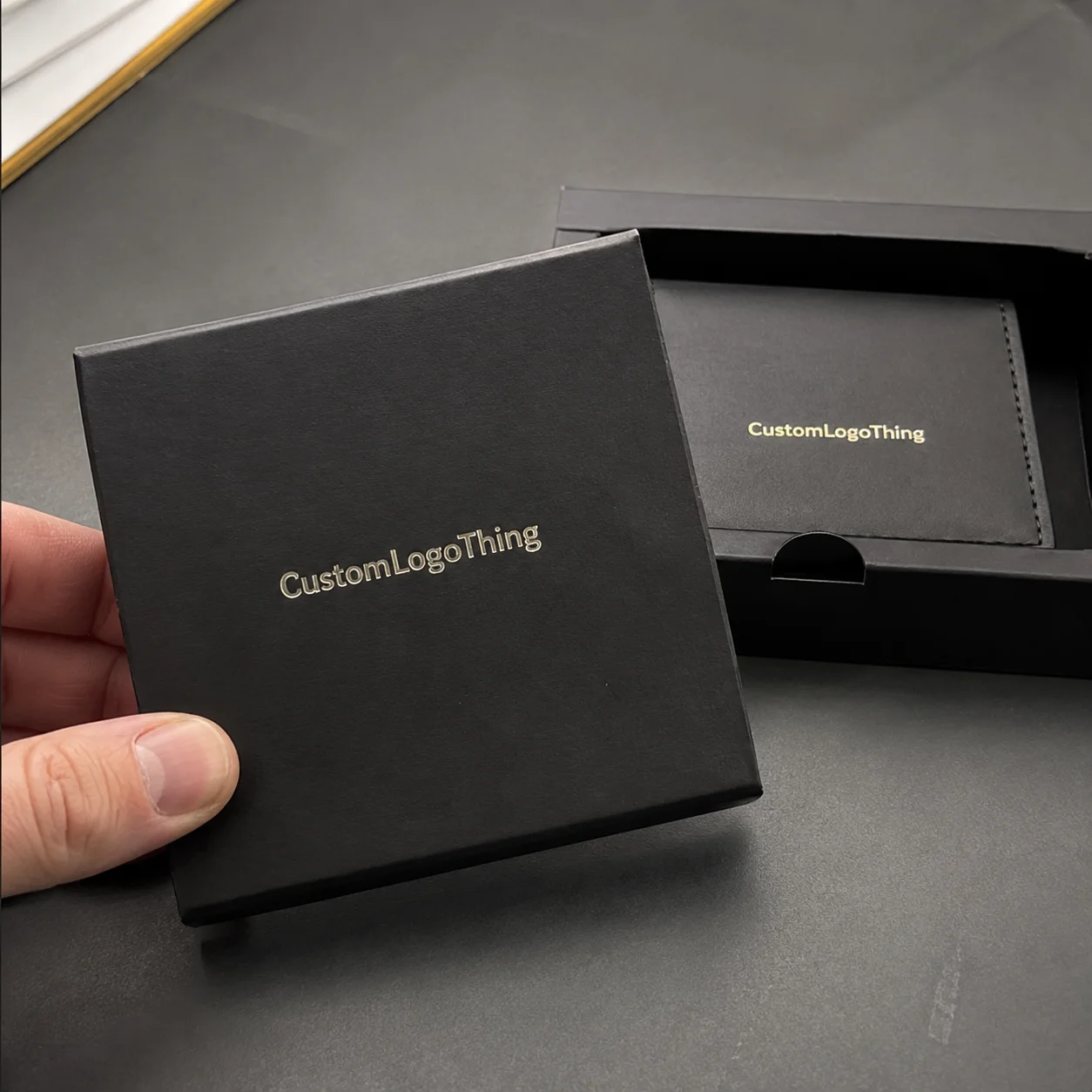
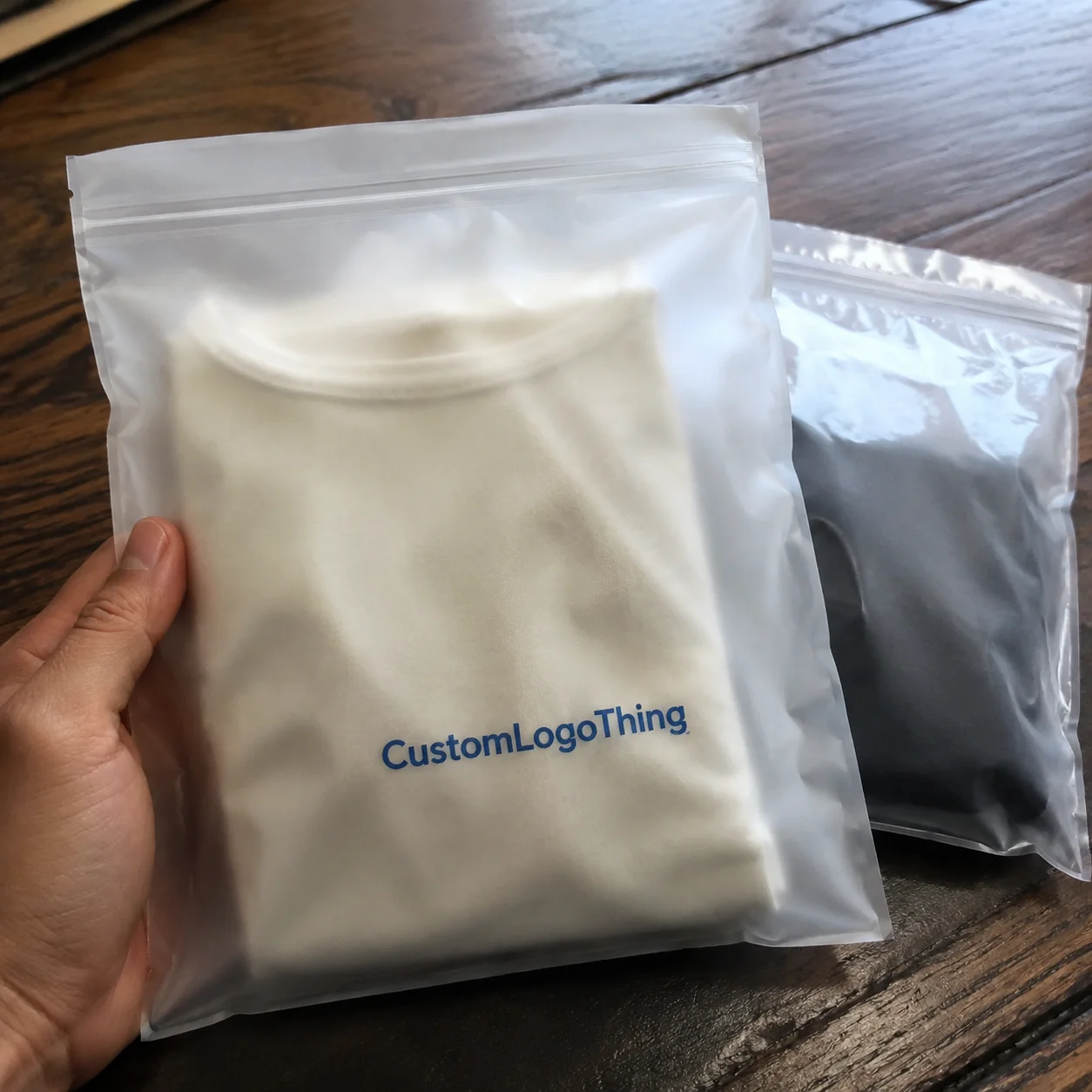
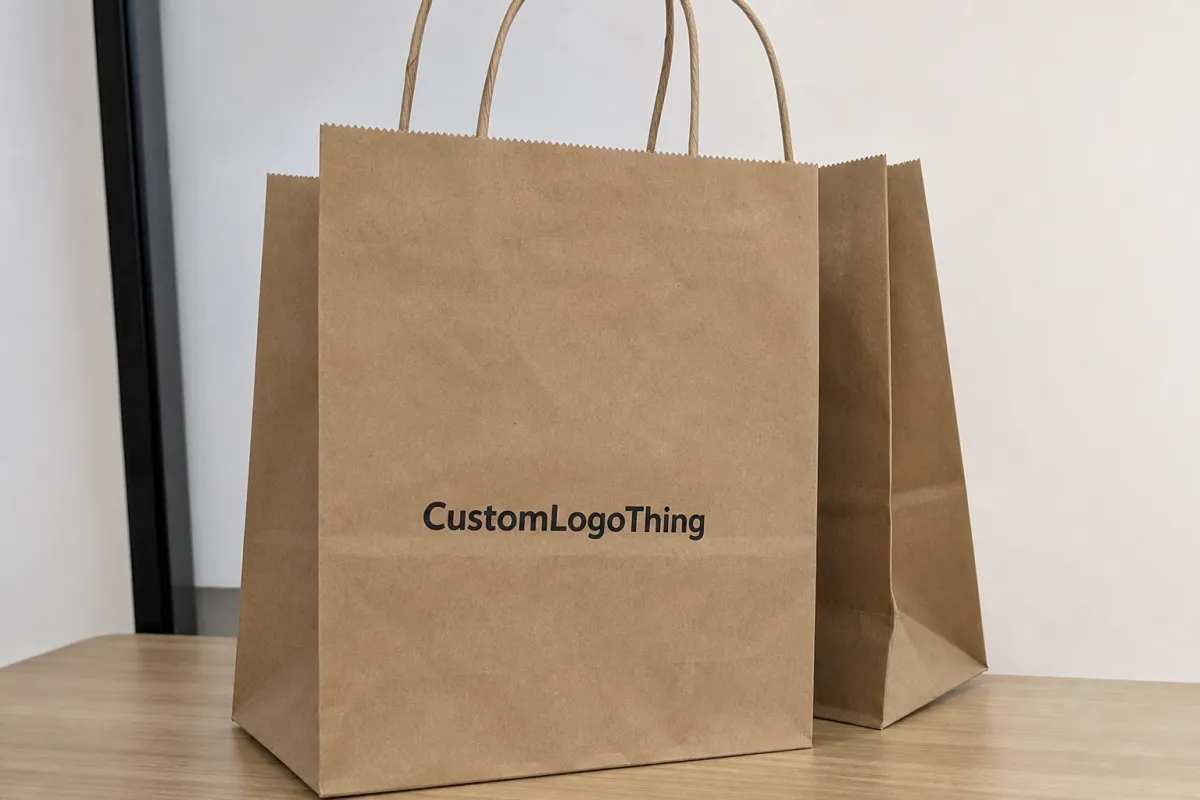
Buyer Fit Snapshot
| Best fit | Eco Friendly Packaging Premium Quality projects where brand print, material claims, artwork control, MOQ, and repeat-order consistency need to be specified before quoting. |
|---|---|
| Quote inputs | Share finished size, material target, print colors, finish, packing count, annual reorder estimate, ship-to region, and any compliance wording. |
| Proofing check | Approve dieline scale, logo placement, barcode or warning zones, color tolerance, closure strength, and carton packing before bulk production. |
| Main risk | Vague material claims, crowded artwork, missing packing details, or unclear freight terms can make a low unit price expensive after revisions. |
Fast answer: Eco Friendly Packaging Premium Quality: Artwork Proof, Packing Count, and Landed Cost should be specified like a repeatable production item. The safest quote records material, print method, finish, artwork proof, packing count, and reorder notes in one written spec.
Production checks before approval
Compare the actual filled-product size with the drawing, then confirm tolerance on folds, seals, hang holes, label areas, and retail display edges. Reserve space for logos, QR codes, warning copy, and material claims before decorative graphics fill the panel.
Quote comparison points
Review material grade, print process, finish, sampling route, tooling charges, carton quantity, and freight assumptions side by side. A quote is only useful when the supplier can repeat the same color, closure quality, and packing count on the next order.
Eco Friendly Packaging premium quality is one of those phrases people toss around as if it automatically means “sustainable and expensive.” It doesn’t. I remember standing on a factory floor in Shenzhen, holding recycled paperboard that felt better in my hands than virgin plastic ever did, and thinking, honestly, this is what premium can look like when the materials are chosen with a brain and not just a mood board. I’ve also watched brands spend an extra $0.27 per unit just to make a box look tired, usually because they chose the wrong coating, the wrong board grade, and the wrong factory in Dongguan for the job. The difference is never magic. It comes down to material choice, structure, print control, and a little discipline, plus the willingness to say no to a few shiny distractions that never survive a freight lane from Shenzhen to Long Beach.
If you want Eco Friendly Packaging premium quality that actually protects the product and makes the brand look sharp, you need to think like a packaging buyer, not a Pinterest board. I’ve negotiated with mills over FSC-certified kraft from Zhejiang, argued with printers over color drift on uncoated stock in Guangzhou, and seen a $0.18 custom mailer outperform a $0.52 “luxury” rigid box because the structure was smarter. That’s the part people miss. It’s also the part that saves you from a lot of very annoying emails later, especially when a 5,000-piece run arrives in 12 business days and nobody has to panic over crushed corners.
One of the clearest lessons I’ve picked up over the years is that the best packaging decisions usually look boring on paper and brilliant in practice. The supplier in Foshan who asks awkward questions about product weight, transit route, and stacking pressure is usually the one who saves you money later. The sample that feels slightly underwhelming in a showroom can end up delivering the best unboxing experience once it’s printed, folded, and packed with the real product inside. Packaging has a funny habit of rewarding the people who sweat details instead of chasing drama.
Eco friendly packaging premium quality: what it really means
Here’s the plain-English version: Eco Friendly Packaging premium quality means packaging that reduces environmental impact without looking flimsy, cheap, or careless. It should still carry the product well, print cleanly, open with intention, and survive shipping abuse from a warehouse forklift in Shenzhen to a porch drop in Austin. If it can’t do those things, it isn’t premium. It’s marketing dressed up with a compostable sticker, and I’ve got to be blunt about that because I’ve seen too many brands learn it the hard way after a $14.99 serum leaked through a poorly scored carton.
I’ve seen brands assume “eco” means brown, rough, and sad. Wrong. A 350gsm FSC paperboard carton with a matte aqueous coating, tight fold accuracy within 1mm, and a clean two-color print can feel more upscale than glossy virgin plastic. The tactile finish matters. So does the way the lid closes, the way the insert holds the item, and whether the corners arrive crushed after a 12-hour freight run from Ningbo to Los Angeles. If the box feels good in the hand, that feeling does a lot of heavy lifting before the customer even sees the product.
There’s also a real difference between eco packaging and premium eco packaging. The first is about material choice. The second is about the full experience: perceived value, brand alignment, durability, and whether the package supports the product price point. A $9 lip balm in a noisy, overprinted box looks confused. A $68 skincare serum in a clean recycled carton with crisp embossing looks like someone actually made decisions. And that matters, because customers can smell indecision from across the room, usually before the tape is even cut.
“We thought the recycled stock would feel cheap,” a beauty client told me after we sampled three paperboards in a Guangzhou packaging plant. “Then the heaviest one looked like it belonged in a luxury store.” She was right. The 17-point board won. Not the prettiest mockup. The smartest one.
In real life, Eco Friendly Packaging premium quality gets judged by scuff resistance, fold accuracy, color consistency, closure performance, and how the pack holds up in transit. I once watched a buyer reject a gorgeous box because the tab closure popped open after three assembly cycles on the line in Dongguan. She didn’t care that the print was perfect. Her customers wouldn’t either. Packaging has a way of exposing wishful thinking, which is rude but helpful, especially when a 2,000-unit pilot run reveals the problem before a 20,000-unit order does.
One more thing most people get wrong: a “cheaper-looking” sustainable material can outperform a more expensive one. During a supplier negotiation at a Guangdong plant, I compared two options side by side: a coated virgin board at $0.31/unit and a recycled board at $0.24/unit. The recycled one had better fiber lock, sharper crease memory, and less edge cracking. It looked more premium after shipping from Foshan to Chicago. The expensive choice was prettier on a sample table and worse in the real world. That’s packaging for you, and it has a sense of humor in the worst possible way.
How eco friendly packaging premium quality works
Eco friendly packaging premium quality starts with the material stack. You’re usually choosing among kraft paperboard, recycled corrugate, molded fiber, FSC-certified paper, plant-based inks, and water-based coatings. None of those automatically makes a box premium. The trick is pairing the right stock with the right structure and finish. Material alone is not the hero. Sorry, paper mills. I know you’re trying your best, but a 1.5mm misaligned dieline can undo your whole argument.
For custom printed boxes, I usually look at board weight first. A folding carton might use 300gsm to 400gsm paperboard, while mailer boxes often land in E-flute or B-flute corrugate depending on the product weight. Apparel brands can often get away with lighter board. Electronics and glass need more cushion. Beauty products sit somewhere in the middle, depending on whether the brand sells at $18 or $180. The product price point tells you more than most branding decks ever will, and so does whether the item weighs 120g or 1.2kg.
Construction drives a huge part of the result. Thickness matters. Flute choice matters. Die-cut precision matters more than people think. If the die is off by even 1.5mm, the box feels sloppy. Glue line quality also matters. I’ve opened production cartons where the adhesive had bled through the seam and telegraphed as a dark line. That kills the premium feeling fast. I still remember one run in a factory outside Shenzhen where the seam looked like it had been highlighted by someone with very poor judgment and a glue gun set too hot. Not ideal.
For finishing, the sustainable options are better than most buyers realize. Soy inks print well on certain stocks. Water-based coatings can give a soft matte feel without wrecking recyclability. Embossing and debossing are still strong choices because they add tactile depth without adding plastic. A minimal foil accent can work too, but I usually tell clients to use it like hot sauce: one dab, not a bucket. Honestly, I think restraint looks more expensive than overdoing it ever will, especially on a 350gsm C1S artboard carton with a soft-touch alternative coating.
How brands test samples before full production
Testing is where eco friendly packaging premium quality either gets proven or gets exposed. I always push for sample checks under real lighting, not just under a designer’s monitor glow. Then I want drop tests, rub tests, and assembly checks. A sample that looks good for one minute on a conference table can fall apart after two warehouse handles and a courier toss. Packaging has a way of humiliating optimism, especially when the first drop test is from 90cm onto concrete.
For shipping-focused products, I like to reference ISTA testing standards when we’re talking performance expectations. Not every project needs full lab certification, but the logic is useful. If your box is supposed to survive transit, test it like transit exists. Wild concept, I know. A basic ISTA 3A-style test plan, even run informally in a warehouse in Ningbo, tells you far more than a polished render ever will.
The best sampling conversations are specific. I ask: does the lid align within 1mm? Does the coating scuff after 20 rubs? Does the insert hold a 180g bottle without shifting? If a supplier can’t answer those questions, they are guessing. Guessing is expensive. Guessing also tends to become my problem later, which is never a fun trade. A good sample approval should include a signed reference sheet, a measured die-cut sample, and at least one packed unit with the actual product inside.
And if the sample is close but not quite right, don’t wave it through just to keep the schedule moving. I’ve seen people do that because they were tired, or because marketing was breathing down their neck, or because the launch calendar already felt impossible. The problem is that “close enough” in packaging usually means “expensive enough” once the full run starts. A calm extra day at the sample stage can save a very uncalm two weeks later.
Key factors that affect eco friendly packaging premium quality
Material sourcing is the first big factor in eco friendly packaging premium quality. Recycled content percentage, certification standards, and supplier consistency matter more than shiny sustainability language. I’d rather see a mill certificate and a production log than three paragraphs of green fluff. If the recycled fiber input fluctuates from 70% to 90%, print consistency usually follows it downhill. I’ve watched that movie before, usually in a plant in Guangdong, and it never ends well.
FSC certification is one of the cleanest signals here. It doesn’t mean the pack is perfect, but it tells me the chain of custody is being managed. For brands that want credibility, that matters. You can read more about certification and responsible sourcing on the FSC website. It’s a useful reference, not a magic wand. No certificate in the world can rescue a box that was designed badly or specified with a recycled kraft grade that was too soft for a 1.4kg product.
Structural design is the next piece. A well-designed insert, tuck flap, locking mechanism, or sleeve can make basic board feel much higher end. I’ve seen a simple two-piece mailer with a custom insert beat out a rigid box because it opened cleanly and protected the product better. The consumer did not care that the material cost was lower. They cared that it felt intentional, and people can tell when a package has been thought through instead of merely assembled in a hurry on a line in Dongguan.
Print quality is where a lot of recycled packaging gets blamed unfairly. The truth is that recycled or uncoated stock behaves differently, so the printer has to compensate. Ink absorption can dull colors. Registration needs tighter control. Pantone matching gets trickier. If your brand uses a loud red or a deep navy, you need a printer who has done it before on custom printed boxes, not someone who “thinks it should be fine.” That phrase has caused more headaches than I care to count, especially when a 4-color process job lands 8 Delta E off target.
Finishing choices can raise perceived value quickly, but some finishes hurt recyclability. A plastic lamination may give you a glossy look and more scuff resistance, yet it can complicate recycling. A water-based coating often gives a better balance. This is where brands need to pick a lane. If the product is fragile and high-value, one finish tradeoff might make sense. If the product is low-margin and mass-market, over-finishing is just burning cash. And if you’ve ever had a finance team stare at a sample board in a factory meeting room in Shenzhen like it personally offended them, you know exactly what I mean.
Brand fit matters too. I’ve had clients want luxury-grade package branding for a $14 candle. That can work if the rest of the experience supports it, but not if the box costs more than the product. The package has to match the product category, shipping environment, and customer expectation. Beauty, food, apparel, and electronics all have different rules. Same paper, different job. That sounds obvious, but apparently it needs saying when a premium mailer costs $0.41 and the candle retails for $14.99.
For retail packaging, shelf presence matters more than people admit. A box can be environmentally responsible and still pop at 3 feet away if the contrast, typography, and structure are handled well. That’s real packaging design, not decoration for its own sake. When a package gets ignored, it usually isn’t because it’s sustainable. It’s because it wasn’t designed with enough discipline, or because the print went muddy on a stock that should have been tested in Shanghai before full run approval.
Cost and pricing for eco friendly packaging premium quality
Eco friendly packaging premium quality is usually more expensive at low volumes. That’s normal. Certified materials, custom tooling, proofing, and better finishes all add cost. If you want a 500-piece run with a custom structure, expect the unit price to look rude. Factories don’t love tiny orders with high expectations. They smile anyway, then charge accordingly. I don’t blame them, but I do wince when the quote lands, especially when the buyer asks for museum-grade presentation and a 7-day lead time from proof approval.
Here’s the pricing logic I use with clients. The more you simplify, the lower the unit cost. The more you personalize, the higher the setup cost. A folding carton with one-color print and a standard tuck end might sit around $0.22 to $0.35/unit at 5,000 pieces, depending on board and coating. Add a custom insert, emboss, and specialty dieline, and that same project can move to $0.48 or more. At 20,000 pieces, the unit price drops, sometimes sharply, and in some coastal China factories it can fall to roughly $0.15 per unit for 5,000 pieces on a very simple spec if the board is standard and the print is minimal. That’s why order quantity matters so much.
| Packaging option | Typical setup complexity | Illustrative unit cost at 5,000 pcs | Best for |
|---|---|---|---|
| Simple FSC folding carton | Low | $0.20–$0.32 | Light beauty, accessories, small retail items |
| Mailer box with one-color print | Medium | $0.28–$0.45 | Direct-to-consumer shipments, apparel, subscription kits |
| Rigid-style eco board box | High | $0.65–$1.40 | Premium gifting, luxury presentation, high-AOV products |
| Molded fiber insert kit | Medium to high | $0.18–$0.40 | Product protection with a natural look |
Where do brands overpay? Easy. Unnecessary premium finishes. Oversized boxes. Gold foil on a product that ships in an outer carton and never gets seen. And my favorite: last-minute dimension changes after artwork approval. That one causes remake fees, new knives, delayed freight, and grumpy emails with seven exclamation marks. A client once added 8mm to box height after the sample phase in a Shenzhen factory and spent an extra $420 on new tooling plus two weeks of delay. All because “it felt a little tight.” That line still makes me laugh a little, mostly because I survived it.
Where can you save without looking cheap? Simplify the print palette. Optimize dimensions so you’re not shipping air. Choose one hero finish instead of three. A soft matte aqueous coat plus clean typography can look far better than five special effects fighting each other. Real eco friendly packaging premium quality often comes from restraint, not excess. In fact, restraint is usually what separates a polished package from one that looks like it tried too hard at the office holiday party.
Sample and tooling costs deserve respect. A dieline adjustment might be $35 to $85 depending on complexity. Sample runs can cost $120 to $300, sometimes more for specialty materials. That money is well spent. Proofing is always cheaper than fixing a full production error. I’ve personally seen a 10,000-unit mistake turn into a $2,100 write-off because the window cut was 4mm off. Nobody wants that meeting. Nobody wants to be the person explaining why 10,000 boxes are now very expensive recycling, especially when the production timeline was already 12–15 business days from proof approval.
If you need a broader packaging lineup while you sort out the structure, take a look at Custom Packaging Products. It helps to compare options before locking yourself into one format that may not suit the product, whether you’re sourcing in Shenzhen, Guangzhou, or Dongguan.
Step-by-step process and timeline for sourcing
The sourcing process for eco friendly packaging premium quality gets much easier when you stop treating it like a mystery and start treating it like a checklist. First, define product weight, shipping method, sustainability goals, and presentation level. A 120g candle, a 700g serum set, and a 2kg electronics accessory are not the same job. They should not be quoted like they are. I know that seems obvious, but I’ve seen it happen more than once, and it always creates chaos, especially when the wrong flute spec gets paired with a fragile bottle.
Step two: collect dieline specs, artwork files, and compliance notes before asking for quotes. I can’t tell you how many times I’ve seen a buyer send “box for bottle” and expect a meaningful price. Give the supplier dimensions, closure style, coating preferences, and any retail requirements. If the packaging needs a barcode, warning text, or language panel, include that too. Good data gets good pricing. Bad data gets polite confusion and a quote that doesn’t help anybody, usually from a sales rep in Guangzhou trying to guess your actual board weight.
Step three: request material and finish samples, then compare them under real conditions. Put them under daylight. Put them under warm LEDs. Scratch them with a fingernail. Hold them next to the product. This is where branded packaging either feels coherent or looks like three different departments made it. Your packaging design should support the product, not confuse it. I tend to trust the sample that still looks calm after I’ve handled it a few times because that’s usually the one that holds up in the wild, not just under the studio lights in a design office.
Step four: approve structure and print proofs before production. I’m always amazed by how many people rush this part. Proof approval is not bureaucracy. It is your last cheap chance to catch a 2mm shift, a typo, or a color mismatch. When you skip it, you pay for it later in freight, labor, and customer complaints. And yes, the typo will be on every unit, which is the kind of thing that keeps people awake at 2 a.m. while a factory in Dongguan is already running the job.
Step five: set a realistic timeline. For a simple project, I’d budget 3 to 5 business days for quoting, 5 to 10 business days for sampling, 10 to 18 business days for production, and then freight depending on lane and mode. A sea shipment can add several weeks. Air freight is faster and more expensive. There is no secret loophole where custom printed boxes materialize overnight because your launch date got ambitious. In practice, a typical schedule is 12–15 business days from proof approval for production on a straightforward FSC folding carton, plus 5–7 business days for sample and artwork signoff if your files are already clean.
I once worked with a skincare startup that insisted on a “fast” launch. They wanted eco friendly packaging premium quality, a custom insert, a matte uncoated finish, and a specialty closure. Fine. But they also changed the bottle neck height twice. We ended up with three samples, one revised dieline, and a freight upgrade that cost $860 more than planned. The boxes were good. The lesson was expensive, which seems to be how packaging education is often delivered, especially when the factory is in Shenzhen and the launch date is on a billboard in New York.
For procurement teams that like structure, I recommend using a basic spreadsheet with columns for material, finish, MOQ, sample lead time, production lead time, and freight estimate. Keep everything in one place. Fancy dashboards are nice, but a simple sheet with actual numbers wins more often than not. Honestly, I trust a clean spreadsheet more than a pretty slide deck with animated icons and no hard data, especially if the quote shows a $0.15 per unit for 5000 pieces baseline and the buyer wants to compare it against a rigid box.
Common mistakes when choosing eco friendly packaging premium quality
The biggest mistake is choosing the greenest-sounding material without checking whether it protects the product. I’ve seen compostable mailers used for heavy glass items. Bad idea. The mailer may be environmentally friendly, but the broken product inside is not. Waste is waste, even if it comes in a noble outfit. A smashed serum bottle still becomes a customer service headache, and nobody gets points for poetic sustainability, especially if the package came from a supplier in Dongguan that never tested the load weight.
Another classic error is using a flimsy structure and hoping branding can cover it. It won’t. Customers can feel weakness in product packaging immediately. If the corners crush or the lid bows, the whole experience drops. Clean graphics don’t compensate for poor engineering. Packaging buyers learn this the hard way, usually after a returns spike and a meeting where everyone suddenly remembers they “had concerns.” The fix often costs less than the returns, but only if the problem is caught before a 10,000-unit run leaves a factory in Shenzhen.
Ignoring the shipping channel is another one. If your packaging is designed only for shelf appeal, it may fail in e-commerce. If it’s only designed for shipping, it may look dull in retail. Eco friendly packaging premium quality needs a plan for the actual route the box travels. Store shelf, courier bag, pallet, display table. Different journey, different needs. Different road, different bruises. A carton that looks great on a table in Guangzhou might still be the wrong answer if it has to survive a 1.2m drop test.
Overcomplicating finishes causes trouble too. Too many coatings, laminations, or decorative effects can reduce recyclability and make production inconsistent. A simple matte coating with one embossed logo can look better than five “premium” effects fighting each other. I’ve had clients cut down from four finishes to one, save $0.19/unit, and improve the final result. That’s not a compromise. That’s common sense wearing a good jacket, and it often performs better than the more expensive version.
Skipping sample tests is the last big mistake, and it’s probably the most expensive. If you don’t test fit, rub resistance, color, and assembly before the full run, you’re trusting guesswork. I’ve seen entire orders go sideways because a fold line was too close to a window cut. One test would have caught it. Instead, the factory produced 8,000 boxes that couldn’t close properly. That kind of mistake is the reason I get a little twitchy when someone says, “We can just approve it based on the render.” No. We cannot, especially when the production window is already only 12 business days from proof approval.
There’s also a quieter mistake that doesn’t always show up until reorder time: not documenting what actually worked. A box might pass approval and still leave everyone fuzzy on the exact paper grade, coating name, or tolerance. Six months later, the reorder looks “close” but not identical, and suddenly the finish feels off by just enough to bother the brand team. That’s why a proper spec sheet matters so much. It keeps the good version from becoming folklore.
Expert tips for better eco friendly packaging premium quality
If you want eco friendly packaging premium quality without wasting budget, use one strong tactile cue. Soft matte aqueous coating works. So does a crisp emboss. A smart structural insert works too. Don’t pile on everything. People think more finish equals more luxury. Usually it just equals more clutter and more cost. I’m all for drama in a product launch, but not in the bill of materials, especially when a single soft-touch pass on 350gsm C1S artboard already gives you the feel you need.
Match the paper stock to the product category. Beauty products often benefit from smooth paperboard and clean registration. Food packaging may need stronger moisture resistance and compliance-friendly inks. Apparel can lean into kraft textures and minimal print. Electronics need better protection and tighter inserts. That is not a trend. That is job-specific packaging design. Different products have different personalities, and the box should stop pretending otherwise, particularly when the shipping route runs from Guangzhou to a fulfillment center in Dallas.
Ask suppliers for real production photos and factory references, not just mockups. A polished render can hide weak glue lines, poor corner crush, and sloppy cutting. I’d rather see three actual shipment photos from a factory than one beautiful Photoshop comp. If a supplier can show you a clean run of branded packaging they’ve shipped before, that tells you a lot more than a sales deck full of buzzwords, especially if the photos include pallet counts, carton labels, and a dated QC sheet.
“Can you show me the actual box after it’s packed, taped, and loaded?” That’s the question I ask. The answer tells me whether the supplier knows product packaging or just knows presentations.
Negotiate by simplifying structure, not by cutting material below a safe threshold. If the box needs stronger board, keep the board. Reduce the number of print colors. Adjust the insert geometry. Shrink the empty space. Good negotiation should improve the package, not weaken it. I’ve watched buyers slash board weight by 15% and then spend the savings replacing damaged shipments. That is not procurement. That is self-sabotage with a spreadsheet, and the freight invoice usually arrives to prove it.
Build a packaging spec sheet so future reorders stay consistent. Include exact dimensions, board grade, coating, ink set, tolerance targets, and approved photos. I like to store a reference shot of the final carton next to the order notes. When a reorder happens six months later, nobody has to guess what “the good version” was. This matters a lot for retail packaging where color drift and material substitution can quietly ruin consistency, especially if the supplier changes stock from 300gsm to 350gsm without asking.
One more practical tip: always ask whether the supplier stocks the material or has to source it per order. Stocked materials often keep timelines tighter and quality more stable. Sourced-to-order materials can be fine, but they need more checking. If your launch is fixed, predictability beats bragging rights. I’ll take predictable and solid over exciting and late any day of the week, particularly if the factory is in Shenzhen and your ad campaign goes live on Friday.
And if you’re comparing options across several factories, don’t be shy about asking for the same substrate from each one. A real side-by-side sample comparison will show you, pretty quickly, who actually understands eco friendly packaging premium quality and who is just good at quoting. That little exercise saves a lot of second-guessing later, which is always nice when a launch date is already breathing down your neck.
Next steps to buy eco friendly packaging premium quality
Start with a simple brief. Write down dimensions, product weight, target budget, and sustainability requirements. Add the shipping method, whether you need retail display, and how premium the unboxing should feel. That one page does more for eco friendly packaging premium quality than a 40-slide deck full of adjectives. I’ve seen elaborate presentations fail because the actual box spec was three lines long and suspiciously vague, while the real product weighed 680g and needed a molded insert.
Next, shortlist three suppliers and ask each one for the same quote format. Use the same specs. Same quantity. Same finish request. Same delivery window. Otherwise you’re comparing apples to oranges and pretending it’s a spreadsheet. Ask for material type, certification status, unit price, sample cost, and lead time. If one quote is missing two of those, push back. A good supplier should be able to answer clearly, not hide behind vague optimism. If the factory is in Guangdong and the quote says “standard material,” ask for the exact board grade and coating name before you move another inch.
Then order samples and test them in shipping conditions. Put product inside. Shake it. Tape it. Stack it. Mail it if you can. Rank each sample on feel, protection, and print appearance. This is where the right custom printed boxes reveal themselves. The winner is rarely the prettiest render. It’s the one that still looks good after handling. It’s also the one that doesn’t make you mutter under your breath when you open the prototype, usually because the insert fit within 1mm and the lid closed exactly as planned.
Revise the brief based on sample feedback before you move to production. If the insert is loose, fix it. If the coating scuffs, change it. If the box is overbuilt, trim it. The point is not to fall in love with the first sample. The point is to land on the version that delivers real eco friendly packaging premium quality without wasting money, and without adding a week of back-and-forth with a plant in Dongguan that already quoted you based on the right dieline.
If you want a smart, durable, premium-feeling result, remember this: good packaging is a system. Material, structure, print, finish, and shipping all have to work together. That is how eco friendly packaging premium quality becomes a real business advantage instead of a slogan. And yes, it can still look beautiful. Beautiful, practical, and better for the planet is a pretty good trio, if you ask me, especially when the material is FSC-certified, the coating is water-based, and the unit cost stays around $0.24 in a 5,000-piece run.
The clearest takeaway is simple: choose the lightest package that still protects the product, then prove it with samples before you place the order. If the board grade, structure, and finish are right, eco friendly packaging premium quality will do more than reduce waste; it will make the product feel more considered, which is what customers remember long after the shipping carton is gone.
FAQ
Is eco friendly packaging premium quality more expensive than standard packaging?
Usually yes at low volumes. Certified materials, custom tooling, and better finishes add cost, especially under 5,000 units. The good news is that unit price drops fast as order quantity rises. The bad news is that the cheapest option often becomes the most expensive once damage, returns, and weak brand perception are counted. I’ve seen “cheap” packaging turn into a very expensive lesson, and nobody enjoys that bill, particularly when a $0.19 savings leads to a $2.10 replacement cost per damaged order.
What materials work best for eco friendly packaging premium quality?
Recycled paperboard, FSC-certified kraft, molded fiber, and recyclable corrugate are all strong choices. The right one depends on product weight, moisture exposure, and how important the unboxing experience is. In practice, premium results come from the right material plus the right structure, not from one magic substrate. If anyone tries to sell you on a single miracle material, I’d be suspicious. A 350gsm C1S artboard carton may be perfect for one product, while an E-flute mailer in Shanghai works better for another.
How do I make eco friendly packaging premium quality look expensive without harming sustainability?
Use tactile and structural cues like crisp folds, embossing, and strong print contrast. Keep finishes minimal and intentional instead of piling on laminations and decorative extras. A clean design on a well-made recycled board often feels more premium than a busy package with too many effects. My honest opinion? Quiet confidence beats flashy chaos almost every time, especially when a matte aqueous coating on FSC board gives you a refined finish without adding plastic.
What is the typical timeline for eco friendly packaging premium quality orders?
Simple projects can move from brief to sample to production in a few weeks if files are ready and revisions stay light. Complex structures, custom coatings, or certification checks can extend the process. A practical estimate is 3 to 5 business days for quoting, 5 to 10 business days for sampling, and typically 12–15 business days from proof approval for production on straightforward carton jobs. The fastest way to delay everything is changing dimensions after the sample is approved. I’ve seen that one change add two weeks without even trying, which is a special kind of frustration.
How can I tell if a supplier truly offers eco friendly packaging premium quality?
Ask for material certifications, production photos, and sample packs from previous jobs. Check whether they can explain tradeoffs between sustainability, durability, and finish quality in plain language. If a supplier only talks about being eco-friendly and never mentions testing, print control, or structural performance, that’s a red flag. I’d also ask for real shipment photos, because mockups are easy and boxes in the wild are the truth. A supplier in Shenzhen or Dongguan that can show packed cartons, pallet counts, and a QC report is usually a far better bet than one with only polished renders.