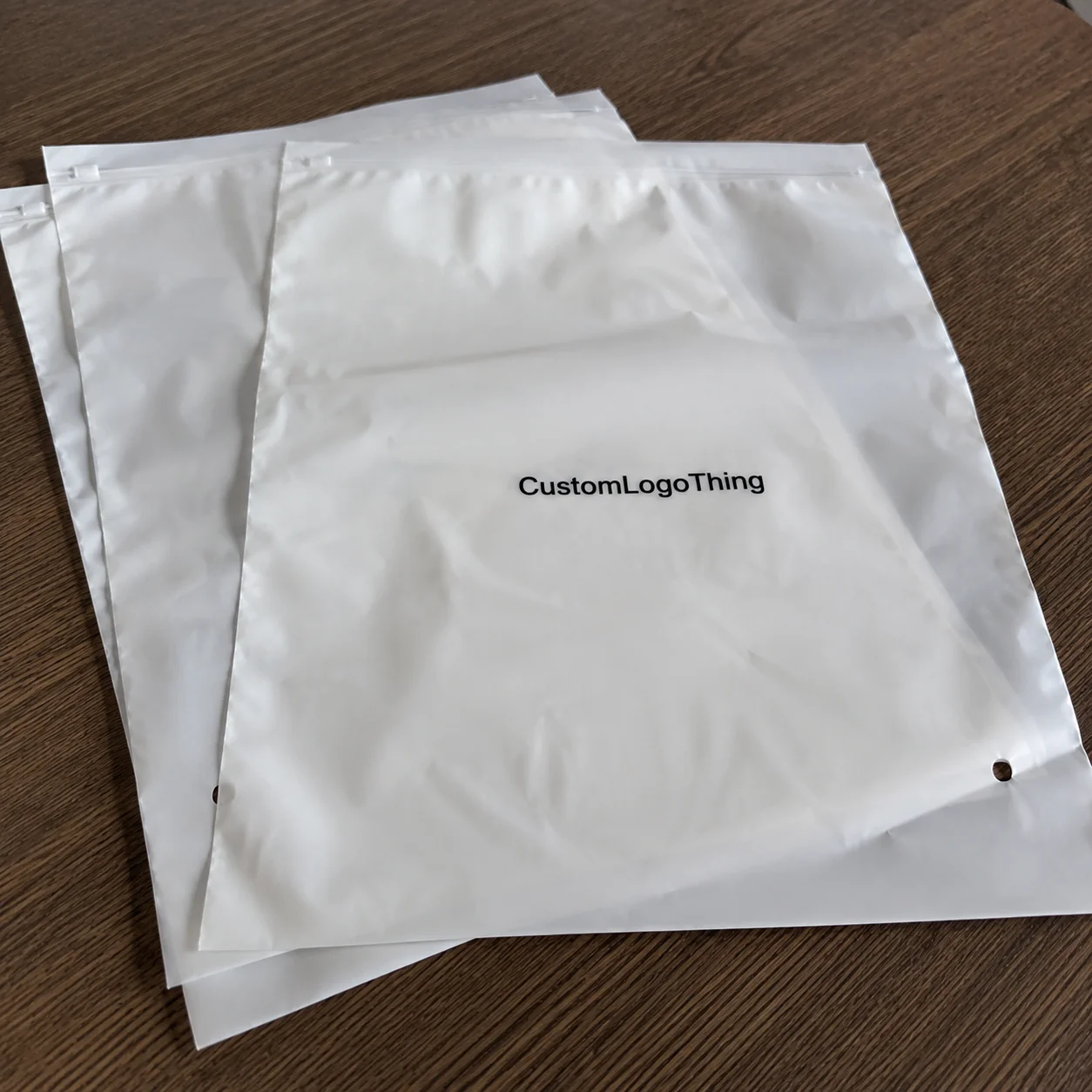
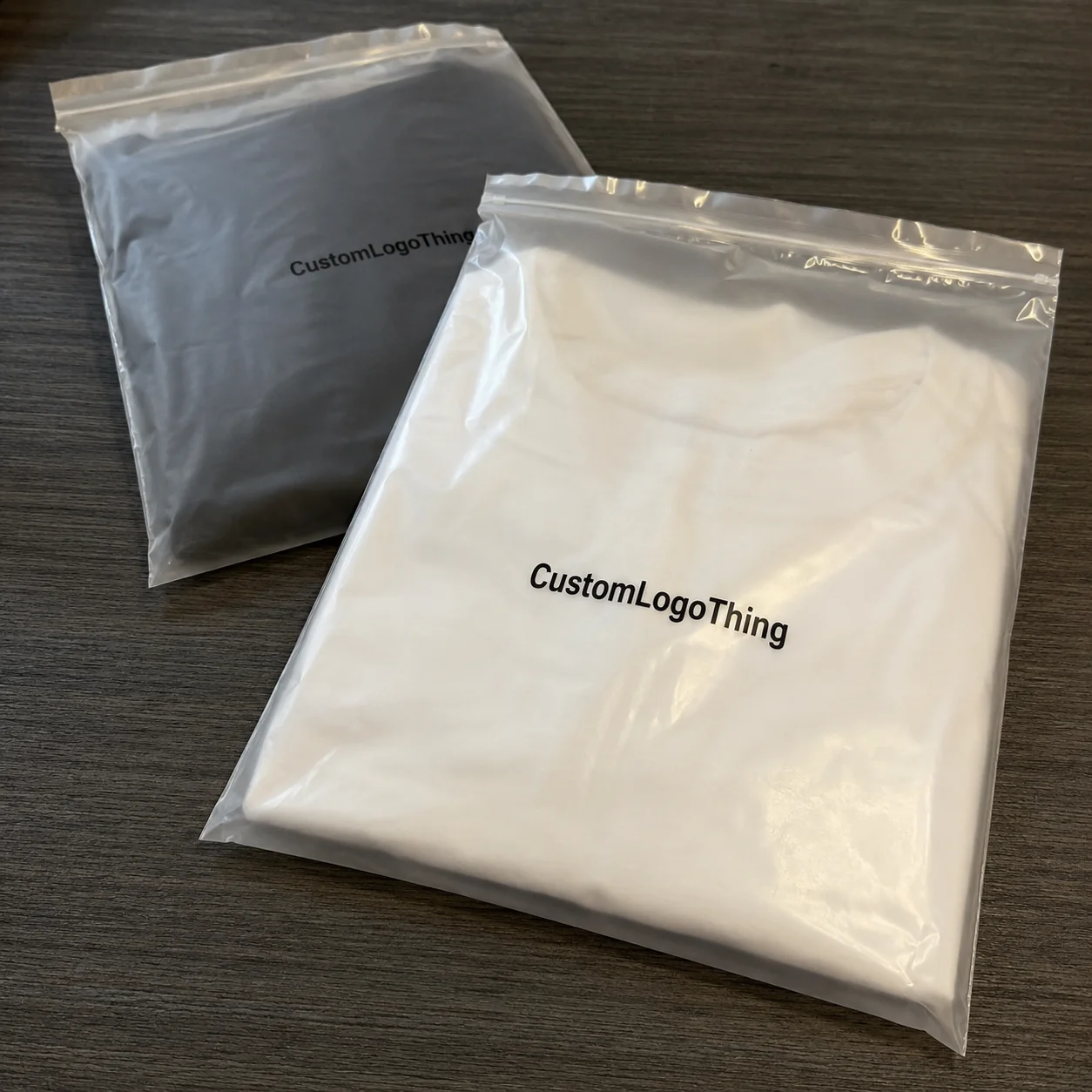
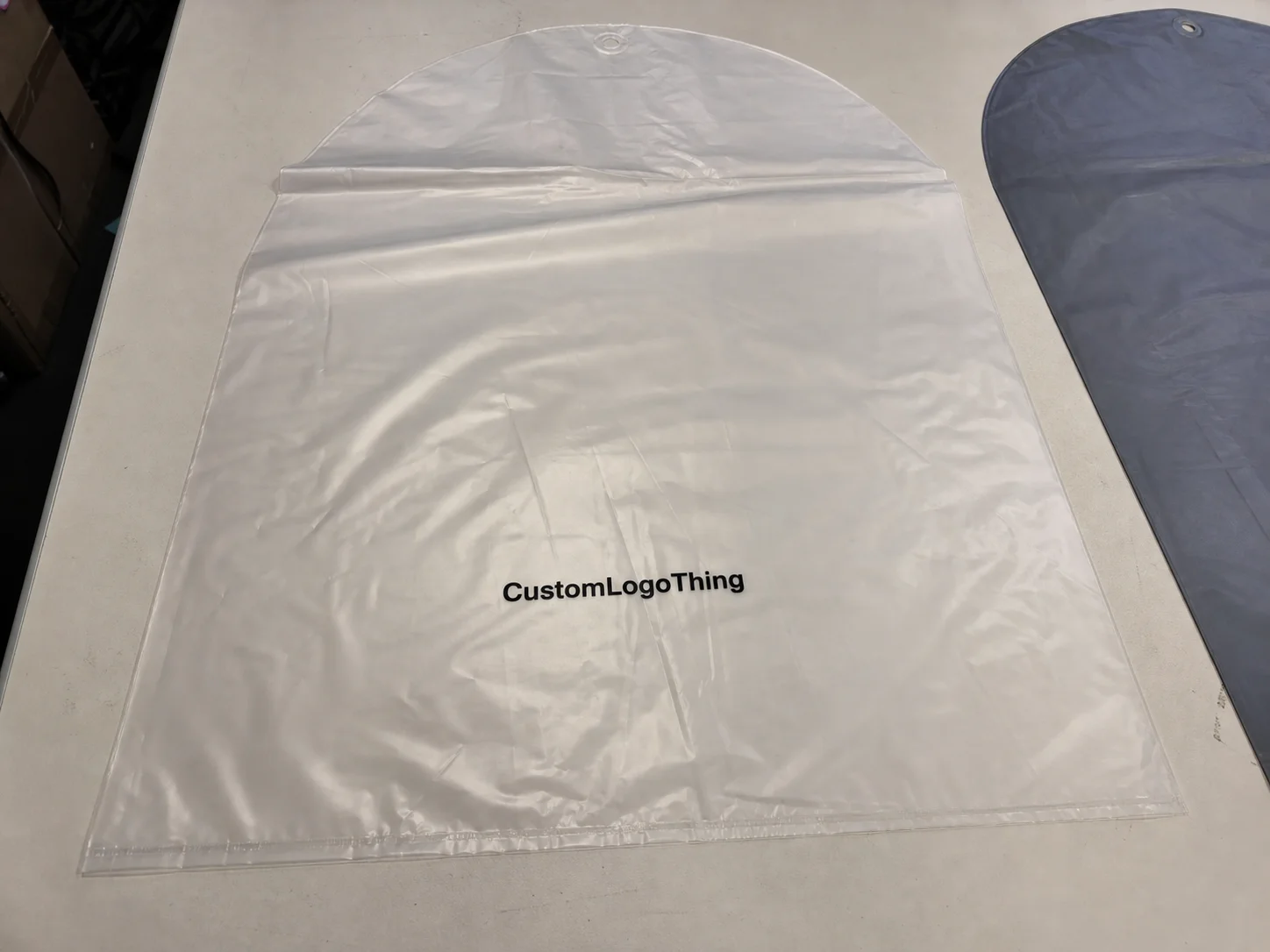
Buyer Fit Snapshot
| Best fit | Eco Friendly Packaging Price projects where brand print, material claims, artwork control, MOQ, and repeat-order consistency need to be specified before quoting. |
|---|---|
| Quote inputs | Share finished size, material target, print colors, finish, packing count, annual reorder estimate, ship-to region, and any compliance wording. |
| Proofing check | Approve dieline scale, logo placement, barcode or warning zones, color tolerance, closure strength, and carton packing before bulk production. |
| Main risk | Vague material claims, crowded artwork, missing packing details, or unclear freight terms can make a low unit price expensive after revisions. |
Fast answer: Eco Friendly Packaging Price: Artwork Proof, Packing Count, and Landed Cost should be specified like a repeatable production item. The safest quote records material, print method, finish, artwork proof, packing count, and reorder notes in one written spec.
Production checks before approval
Compare the actual filled-product size with the drawing, then confirm tolerance on folds, seals, hang holes, label areas, and retail display edges. Reserve space for logos, QR codes, warning copy, and material claims before decorative graphics fill the panel.
Quote comparison points
Review material grade, print process, finish, sampling route, tooling charges, carton quantity, and freight assumptions side by side. A quote is only useful when the supplier can repeat the same color, closure quality, and packing count on the next order.
we have spent enough time on factory floors in Dongguan, Shenzhen, and Ningbo to know one thing: the Eco Friendly Packaging price guide is rarely captured by the first number on a quote sheet. I remember standing in a corrugated plant outside Dongguan while a brand owner stared at a “cheap” compostable mailer quote and asked why it jumped from $0.22 to $0.41 per unit once setup, freight, and testing were added. The answer was plain enough. The factory still had to pay for plates, film, compliance work, and shipping. A real eco friendly packaging price guide only makes sense when you look at the full landed cost, not the headline number. Otherwise, you’re basically doing math with one eye closed, and that’s how bad packaging decisions get made.
If you sell apparel, cosmetics, food, or subscription products, packaging is not just a box or bag. It is product packaging, brand presentation, shipping protection, and in some cases, a chargeback shield. Honestly, I think that last part gets overlooked all the time. The right Eco Friendly Packaging price guide helps you compare recycled corrugated mailers, kraft mailer boxes, compostable mailers, molded pulp inserts, and recycled rigid boxes without getting fooled by a quote that looks good until the freight invoice shows up. we have seen that invoice arrive with a $380 fuel surcharge on a 1,200-unit shipment from Shenzhen to Los Angeles, and it has a special talent for ruining everyone’s mood.
Eco Friendly Packaging Price Guide: Why the First Quote Is Never the Full Story
The first quote is usually the easiest number to get and the least useful one to trust. I learned that the hard way years ago when I visited a Shenzhen plant making compostable poly mailers for a small DTC skincare brand. The sales rep quoted $0.19 per unit at 10,000 pieces for a 100% compostable 80-micron film. Nice number. Then we added print setup, a custom size, ASTM D6400 testing documentation, and shipping by air because the launch date was already tight. Final landed cost? Close to $0.34 per unit. That gap is exactly why a real Eco Friendly Packaging price guide has to go deeper than “cheap” versus “premium.”
The honest version is simpler: eco packaging often costs more on paper than plain stock packaging. The real question is total cost per shipped order. If recycled corrugated reduces breakage by 8% and cuts customer complaints by 12%, it can be the lower-cost option even when the unit price is higher. That is the part most people miss. A decent Eco Friendly Packaging price guide should account for damage rates, return rates, warehouse fees, and the way packaging affects brand trust in the first 3 seconds after unboxing. Three seconds. That’s all you get before someone decides whether your brand feels thoughtful or like it was assembled during a fire drill.
Material type matters first. Recycled kraft paper, FSC-certified corrugated board, molded pulp, and compostable film all sit in different cost buckets. Then you have print coverage, structure complexity, certifications, and order volume. Add custom sizing and you can move the quote by 10% to 40% without changing the packaging category at all. A 350gsm C1S artboard carton in a 210 x 160 x 70 mm size will not price like a 32 ECT recycled mailer at 240 x 180 x 60 mm, even if both are “just boxes.” That is not me being dramatic. That is Tuesday in procurement.
Eco packaging can still be the smartest business move. we have seen brands pay $0.06 more per unit for better recycled shipping boxes and make that money back through fewer damages, lower replacement shipments, and stronger repeat purchase rates. The best eco friendly packaging price guide does not chase the prettiest quote. It chases the best landed cost per shipped unit. For a 5,000-piece run out of a factory in Guangdong, that difference can be $300 on the packaging line and $900 saved in reships by the time the quarter closes.
“We thought we were saving money with the lowest quote. Then our returns and reships ate the savings in one quarter.” — A DTC brand owner I worked with after a packaging redesign
For standards and certification references, I always tell clients to check the source, not the sales pitch. FSC has clear chain-of-custody rules at fsc.org, and the U.S. EPA has useful guidance on packaging waste reduction at epa.gov. If your supplier cannot explain their claim in plain English, that is a problem. A real eco friendly packaging price guide should include verification, not vague green buzzwords, especially when a factory in Zhejiang is quoting recycled content and the mill certificate is only available after deposit.
Product Details: Which Eco Friendly Packaging Options Fit Your Product
Not every sustainable format fits every product, and that is where buyers get burned. A lightweight apparel brand does not need the same structure as a glass serum line. A subscription snack box has different needs than a luxury gift set. The smartest eco friendly packaging price guide starts with product fit, because the wrong material can cost more in damage, returns, and shelf disappointment than it saves at purchase. A 220g candle in a thin mailer from a factory in Xiamen is a bad idea for exactly the same reason a 12-piece cosmetic kit in a poly bag is a bad idea: physics does not care about marketing.
Recycled corrugated mailers are the workhorse. They are a strong match for books, apparel, supplements, and most DTC shipping. I like them because they usually balance cost and protection better than anything else in the category. A 200 x 150 x 50 mm mailer in 32 ECT recycled corrugated can be very competitive at scale, especially if you keep print simple. For many brands, that is the baseline in any practical eco friendly packaging price guide, and at 5,000 pieces the price can sit around $0.18 to $0.39 per unit depending on flute type and print coverage.
Kraft mailer boxes are the sweet spot for retail packaging and branded packaging when you want a natural look without paying for luxury finishes. They photograph well, ship well, and convert well if your branding is clean. If you’re building package branding around a minimalist, earthy identity, kraft often gives you the best cost-to-perception ratio. we have seen brands save 18% by switching from a full-color coated box to a one-color kraft print and still look more premium on camera. Funny how sometimes less does the heavy lifting, especially when the board is a 350gsm kraft-lined structure from a factory in Dongguan.
Compostable mailers work when the product is soft goods and moisture exposure is manageable. They are not magic. If your product is heavy, sharp-edged, or vulnerable to puncture, you need to test before you commit. The problem with some compostable films is that they can feel great in marketing meetings and underperform in wet weather. A serious eco friendly packaging price guide includes that ugly little detail, along with the reality that a 100% compostable PLA blend can add 15% to 30% over a standard recycled poly alternative in medium runs.
Paper shipping bags are useful for clothing, accessories, and lightweight retail packaging. They are lower profile than boxes and can reduce material use, but they do not protect fragile items well. If the product can be crushed, choose something with structure. If it can’t, paper bags become a false economy. we have seen a boutique brand lose $9,000 in reships because they tried to use paper bags for glass candles shipped through a warehouse in Arizona in August. Cheap is expensive. Every time. I still get annoyed thinking about that one.
Molded pulp inserts are ideal for cosmetic bottles, electronics, and premium kits that need internal protection without plastic foam. They are not always the cheapest insert, but they can be the most defensible from a sustainability standpoint. If you are comparing eco friendly packaging price guide options for fragile goods, molded pulp often beats EVA or PET in brand perception and compliance alignment. A standard two-cavity insert for a 50 ml serum and 15 ml eye cream can run $0.09 to $0.18 per set at 5,000 units, depending on wall thickness and tooling.
Recycled rigid boxes sit at the higher end of the cost scale, but they make sense for gift sets, influencer kits, and high-margin retail presentations. If the box is part of the product experience, treat it that way. You are not buying cardboard; you are buying presentation, perceived value, and a better chance of social sharing. For premium custom printed boxes, rigid boxes can be worth the spend if the margin supports it, especially when wrapped in 157gsm C1S art paper or FSC-certified specialty paper from a plant in Shanghai.
Here is the simple match-up I use with clients:
- Light apparel: recycled mailers, kraft bags, or paper shipping bags
- Fragile cosmetics: kraft mailer boxes with molded pulp inserts
- Subscription boxes: recycled corrugated with one-color or full-color print
- Food-safe items: certified paper-based structures with proper barrier specs
- Gift sets: recycled rigid boxes or premium mailer-style cartons
Stock packaging versus custom packaging is not a moral debate. It is a math problem. Stock can move faster and cost less, but it may waste space and print poorly. Custom can fit better and brand better, but it needs more setup and usually a higher MOQ. A strong eco friendly packaging price guide should help you choose the cheaper total solution, not the cheaper-looking one. For example, a stock mailer that adds 18 mm of void fill can cost more in freight than a custom box that ships flat and nests tighter in the carton.
Eco Friendly Packaging Price Guide: Specs That Change the Cost Fast
If a supplier gives you a nice round number without asking about specs, I would be suspicious. Material specs, print specs, and structural specs can change the quote in a hurry. A proper eco friendly packaging price guide has to break down the details, because two boxes that look identical on screen can have very different costs in the factory. A 300gsm folding carton out of Guangzhou is not the same as a 350gsm C1S artboard carton from a Shenzhen converter with UV coating on the outside and aqueous varnish on the inside.
Material thickness is one of the biggest drivers. For paperboard and corrugated, GSM, flute type, and board grade matter. A 250gsm folding carton is not the same as a 350gsm board with a barrier coating. A B-flute mailer is not the same as an E-flute mailer. More fiber usually means more cost, and stronger board often means higher freight weight too. That second part sneaks up on people and then suddenly everyone is “surprised” by the shipment. I use quotes because, well, the surprise was usually avoidable.
Recycled content percentage can also affect pricing, especially if you need a specific certification or a tighter material window. Sometimes 100% recycled stock is more available. Sometimes it is not. we have had suppliers in Dongguan quote a 6% surcharge for a certified recycled grade because their mill allocation was tight. That is normal. A good eco friendly packaging price guide acknowledges market reality instead of pretending recycled stock is always the cheapest option, particularly when a mill in Hebei has a different basis weight tolerance than a paperboard line in Guangdong.
Barrier coatings are another cost lever. Water-based coatings, grease resistance, and moisture barriers all add expense. If you are shipping food or anything that might see humidity, you may need a coating that resists migration or softening. If you do not need it, do not pay for it. Simple. A coating added “just in case” can raise your unit price faster than a nicer print upgrade, and a matte aqueous coat on 10,000 sleeve packs can easily add $0.02 to $0.05 per unit.
Print coverage changes pricing fast, and I mean fast. One-color outside print on kraft is usually the most economical custom route. Full-color outside plus inside print costs more. Add foil, embossing, or specialty inks and you are now in a different budget conversation. we have seen a brand go from $0.28 to $0.47 per box just by adding inside print and a soft-touch finish. Pretty? Yes. Necessary? Not always. A factory in Shenzhen will usually quote that difference immediately if you ask for Pantone-matched coverage on both sides.
Custom sizing helps reduce void fill and shipping dimensional weight, but new dimensions can increase tooling cost or change sheet utilization. That means your box may not fit the factory’s standard cutting layout. A good supplier will show you whether a dimension lands on a standard die or needs a new tool. If you want a clean eco friendly packaging price guide, that one detail belongs on the table. A new die line in a Jiangsu plant can add $120 to $350 before the first carton is even printed.
Structural complexity also matters. Tuck-end cartons are usually cheaper than auto-lock bottoms. Mailer-style boxes are different from sleeve-and-tray sets. Inserts with multiple compartments cost more than a simple flat insert. A more complex design can improve unboxing, but it will not be free. Packaging design should support the product, not just the mood board. A 4-panel tray set with magnets and ribbon pulls will price very differently from a one-piece mailer with a locking tab, and the quote should say so plainly.
Compliance is another place where quotes change. FSC chain-of-custody, compostable claims, food contact requirements, and lab testing all add cost. If a supplier says “eco,” ask what standard they are using. ASTM D6400, EN 13432, and FSC have different meanings. If the pack is meant for food, check whether the material and ink system are compliant for that use. A trustworthy eco friendly packaging price guide includes these checks because fake compliance is a nightmare with a prettier logo. Food-grade liners, for instance, can add 5% to 12% depending on the barrier structure and the compliance paperwork.
Here’s a practical comparison of common spec choices and their impact:
| Spec Change | Typical Price Impact | Why It Moves Cost |
|---|---|---|
| One-color print to full-color print | +12% to +35% | More plates, more press time, more ink coverage |
| Standard size to custom size | +8% to +20% | New die, different sheet utilization, lower run efficiency |
| Basic board to higher GSM or thicker flute | +10% to +25% | More raw material and higher shipping weight |
| No coating to moisture or grease barrier | +6% to +18% | Extra process and specialty material layer |
| Standard carton to FSC-certified carton | +3% to +10% | Certified sourcing and documentation overhead |
If I sound cautious, that is because I have seen buyers approve a spec sheet in 10 minutes and then spend six weeks fixing the fallout. The best eco friendly packaging price guide keeps the spec conversation boring, specific, and measurable. That is how you avoid surprises. A 2 mm change in tuck flap depth or a shift from E-flute to B-flute can alter the production line layout in a way that looks tiny on paper and very real on the invoice.
Pricing & MOQ: What Eco Packaging Actually Costs
Let’s talk numbers, because vague pricing helps nobody. A proper eco friendly packaging price guide should show realistic bands by format and order size. These are not universal prices. They change with country of origin, spec, freight mode, and market conditions. They are still useful as planning numbers, which is what most buyers actually need before they ask for quotes. A buyer in California sourcing from Dongguan will see different landed costs than a buyer in the Netherlands sourcing from Ningbo, and that is before duties enter the chat.
For low-MOQ kraft mailer boxes, I usually see pricing around $0.42 to $0.88 per unit at 500 to 1,000 pieces, depending on size and print. At 3,000 pieces, that can drop into the $0.24 to $0.46 range if the structure is simple and the print stays under control. If you ask for foil and full coverage on a tiny run, expect the quote to behave badly. That is not the supplier being difficult. That is the economics of setup. A 220 x 160 x 60 mm kraft mailer with one-color print in a factory near Guangzhou can land near the lower end of that range if the dieline is standard.
Recycled corrugated mailers often land in the $0.18 to $0.39 per unit range at 5,000 pieces for standard sizes with one-color print. Smaller orders can push that to $0.35 to $0.72 per unit because the setup cost gets spread across fewer boxes. If you need a custom cut size, add more. If you need a faster ship date, add more again. The eco friendly packaging price guide is basically a lesson in how manufacturing math works, and math does not care about your launch date. A 12- to 15-business-day production run from proof approval is common for a standard recycled mailer, but only if artwork is final and the board is in stock.
Compostable mailers usually cost more than paper-based shipping options. A common band is $0.22 to $0.55 per unit at medium quantities, but that can jump if you need heavier film, custom print, or specific compostability documentation. we have negotiated with suppliers in Ningbo where a small change in gusset width added nearly 9% to the quote because the extrusion spec changed. Tiny detail. Real money. If the mailer needs a thicker 75- to 90-micron structure for puncture resistance, the unit price can climb by $0.03 to $0.07 immediately.
Molded pulp inserts vary widely, but for standard protective inserts you might see $0.09 to $0.28 per set at scale, with custom tooling pushing the early cost higher. If the insert needs tighter tolerances for bottles or cosmetics, the mold cost becomes part of the conversation. A buyer once asked me why a pulp insert sample was cheap but the production quote looked higher. Easy answer: sampling and production are not the same thing, and mold amortization has to go somewhere. A disciplined eco friendly packaging price guide spells that out, especially when a custom mold in Quzhou might require $400 to $1,200 before the first production set.
Recycled rigid boxes are typically the most expensive option in this group. At 1,000 pieces, they might run $1.20 to $3.50 per unit depending on size, board grade, wrap material, and interior fitments. At higher quantities, unit cost improves, but rigid packaging is still a premium structure. If your average order value is high enough, that can be justified. If not, you are paying for presentation whether you need it or not. A 2 mm rigid board wrapped in 157gsm printed art paper from a factory in Shanghai will not price like a plain corrugated shipper, and the quote should never pretend otherwise.
The MOQ question deserves a straight answer. Lower MOQ sounds friendly, but it often raises the unit price because the factory has the same setup work for fewer units. Plates, dies, proofing, and labor do not scale linearly. If a supplier offers 300 units on a custom printed box, fine. Just do not expect wholesale pricing. The eco friendly packaging price guide is not anti-small brand. It is just honest about what small runs cost. A 300-piece run in a Shenzhen workshop might be possible, but the price can easily be 20% to 40% higher than a 3,000-piece run of the same structure.
Here is a practical way to compare common options:
| Packaging Option | Typical MOQ | Approx. Unit Price Range | Best For |
|---|---|---|---|
| Recycled corrugated mailer | 500-3,000 | $0.18-$0.39 | Apparel, books, subscription products |
| Kraft mailer box | 500-2,000 | $0.24-$0.88 | DTC, retail packaging, gifting |
| Compostable mailer | 1,000-5,000 | $0.22-$0.55 | Soft goods, lower weight items |
| Molded pulp insert | 1,000-10,000 | $0.09-$0.28 | Cosmetics, electronics, fragile items |
| Recycled rigid box | 500-2,000 | $1.20-$3.50 | Gift sets, premium brand kits |
The hidden cost buckets are where people get surprised. Sampling can run $50 to $250 depending on complexity. Artwork revisions may cost nothing, or they may cost if you keep changing dimensions after the dieline is approved. Import duties and local taxes vary by destination. Warehousing adds cost if you buy too early and do not have space. Freight is the part many buyers ignore until it bites them in the face. I wish I were being poetic there, but no, it really does bite, especially on a 40-foot container arriving in Long Beach after a 28-day ocean transit.
we have seen a brand compare two quotes and choose the one that was $0.04 cheaper per unit. Then they paid $620 more in shipping because the supplier packed the cartons poorly and the freight cube was worse. That is why I keep repeating landed cost. A real eco friendly packaging price guide compares factory price, sample cost, freight, duties, and damage risk. Otherwise you are not comparing quotes. You are comparing illusions. On a 6,000-piece shipment, $0.04 per unit looks small until the freight line adds another $0.10 per unit because the carton dimensions were careless.
Process & Timeline: From Quote to Delivery Without Guesswork
Good packaging projects move in a clear sequence. Bad ones bounce around like a pinball machine. The workflow I use is simple: inquiry, dieline review, quote, sample approval, production, inspection, and shipping. A practical eco friendly packaging price guide should include timing because the cheapest quote is useless if it misses your launch date by three weeks. A supplier in Shenzhen can only move as fast as your approval cycle, and a delayed proof can push a 12-day run into a 20-day headache.
For stock-based eco packaging with custom print, the timeline can be relatively fast. If the supplier already has the base material and size, you may be looking at 10 to 18 business days after proof approval for production, plus freight. Fully custom structures usually take longer. Add 7 to 12 days for sampling, 10 to 20 days for production, and then shipping time depending on the route. Air is faster and more expensive. Ocean is cheaper and slower. The universe remains consistent on that point, annoyingly and reliably. From proof approval in a Guangzhou print shop, I usually tell clients to expect 12 to 15 business days for a simple box run and 15 to 25 days if inserts or coatings are involved.
What slows a project down? Unclear dimensions. Missing print files. Late certification requests. Sample revisions after the fact. If a buyer changes the box size after the first sample, the factory has to redo the dieline and sometimes the cutting tool. That can cost time and money. A clean eco friendly packaging price guide always warns buyers about change orders before they happen. A 4 mm adjustment in a folding carton may seem tiny, but in a production hall in Dongguan it can mean a new layout, new waste calculations, and a new quote.
One of my more memorable factory visits was in a paperboard plant near Shenzhen where a buyer kept asking for “just a little more room” inside a custom printed box for a serum set. We measured the bottles three times. The final adjustment was 4 mm. Four millimeters. That tiny change required a different insert layout and increased board waste. The quote went up by 6%. The product still looked better, but now the buyer understood why packaging people ask for exact measurements and not guesses.
Communication checkpoints matter. I tell clients to expect a response at each stage: quote confirmation, dieline approval, digital proof, physical sample, pre-production check, and shipping notice. If you do not know when you will see the next step, you will start chasing the supplier and nobody enjoys that. Well, nobody except maybe one overcaffeinated project manager I met in Shanghai. That guy could turn “checking in” into a full-time sport. He also wanted status updates every 48 hours, which, to be fair, is exactly the sort of detail that keeps a launch from sliding.
For buyers who need technical validation, I always recommend checking transport and performance requirements against recognized standards. ISTA testing is a useful reference for shipping protection, and their resources are available at ista.org. If a supplier says a pack will survive parcel shipping, ask what test protocol they used. Drop tests, compression tests, and vibration testing are not decorations. They tell you whether the box can survive the trip, whether that trip is 800 miles by truck or a last-mile route through four distribution centers.
The smartest timeline strategy is also the simplest: send ready artwork, approved dimensions, and a clear material choice before asking for a quote. If you want a better eco friendly packaging price guide, give the supplier fewer reasons to guess. Guessing costs time. Time costs money. Packaging, as usual, is not sentimental. A clean vector dieline, a Pantone list, and a final quantity of 5,000 pieces can save you more than any clever negotiation.
Why Choose Us for Sustainable Packaging That Hits Budget
At Custom Logo Things, I care less about hype and more about whether the packaging works in the real world. we have sat in supplier meetings in Guangzhou, Shenzhen, and Wenzhou where people promised the moon and delivered a dented box. That is not how I do business. If you need a practical eco friendly packaging price guide, I help you compare the real numbers: unit price, setup, freight, and fit. Not fairy dust. Not “eco vibes.” Actual numbers, like $0.27 per unit at 5,000 pieces or a 14-day sample turnaround after artwork approval.
We work factory-direct, which matters because middlemen love adding margin while pretending they are adding value. I have negotiated with corrugated plants, paper mills, and print shops long enough to know where costs can be tightened and where they cannot. Sometimes I can shave $0.03 off a unit by changing the print coverage. Sometimes I cannot. Honest answers save everybody time. The best eco friendly packaging price guide is one that tells you when a spec change is actually worth it. In a Ningbo plant, for example, moving from full-color print to a one-color kraft design might save 14% without changing the overall structure.
Quality control is non-negotiable. I like pre-production sampling, in-line checks during the run, and a final inspection before shipment. If the product is going into retail packaging, branded packaging, or a high-volume DTC program, you cannot afford surprises. A box that looks fine in a photo but collapses in transit is not a win. It is an expensive mistake with branding on it. And yes, we have had to say that to clients with a straight face more times than I can count. A simple 5-point QC check on dimensions, print register, glue strength, board crush, and pack count is usually worth the hour it takes.
We also help with packaging design decisions that protect budget. That means choosing the right board grade, simplifying print where possible, and adjusting dimensions so the carton nests efficiently on the sheet. Those are not glamorous conversations. They are the conversations that keep the project inside budget. we have seen brands save thousands by removing one unnecessary specialty finish and shifting to a cleaner one-color layout. Honestly, the box looked better too, which was a nice bonus. A 157gsm art paper wrap with no foil can be more elegant than a heavy finish that just looks expensive in the sample room.
Here’s what I tell clients when they ask what matters most: if your product is fragile, protect it. If your margin is thin, simplify it. If your brand is premium, spend on the parts customers can actually see and touch. That is how I think about custom printed boxes and broader product packaging decisions. The best results usually come from discipline, not excess. A rigid box in Shanghai, a corrugated mailer in Dongguan, or a molded pulp insert in Foshan can all be right if the spec matches the product and the budget.
We also support sustainable claims that can stand up to scrutiny. FSC sourcing, recycled content, and compostable structures should be documented properly. If the claim cannot be supported, it should not go on the pack. Trust is expensive to lose and cheap to preserve if you do the paperwork right from the beginning. That usually means keeping the mill certificate, ink safety statement, and test report together before the first shipment leaves the factory floor.
Our internal product range is broad enough to cover most needs, and you can review options through Custom Packaging Products. If you already know the format you need, that shortens the process. If you do not, our team can help you narrow it down without wasting your budget on three rounds of bad samples. Been there, regretted that, never again. A clear product range also makes it easier to compare a 500-piece MOQ against a 5,000-piece run without losing sight of the unit economics.
Next Steps: Get a Quote That Matches Your Budget and Product
If you want a quote that is actually useful, send specific information. Not “we need eco packaging.” That tells me almost nothing. Give me product dimensions, weight, shipping method, target quantity, print colors, and the sustainability requirements you care about. A strong eco friendly packaging price guide starts with real inputs, not general vibes. If your carton is 180 x 120 x 40 mm and the product weighs 320 grams, I can give you a much better number than if you say “small box, maybe green.”
At minimum, I recommend preparing these details:
- Product size: length, width, height in mm or inches
- Product weight: so we can judge structural needs
- Quantity: first run and expected reorder volume
- Print method: one-color, full-color, inside print, or no print
- Material preference: recycled corrugated, kraft paper, compostable film, molded pulp, or rigid board
- Shipping method: parcel, freight, air, or ocean
- Certification needs: FSC, compostable claim, food-safe use, or other compliance
Ask for two quote options if you can. One should be optimized for lowest unit cost. The other should be optimized for branding impact. That way you can see the tradeoff in black and white. A useful eco friendly packaging price guide does not force you into one answer. It shows you the financial difference between a sensible box and a fancy one. On a 3,000-piece order, that gap might be $0.11 per unit; on a 10,000-piece order, it could be a five-figure difference across the year.
I also recommend ordering a sample or prototype before you approve full production. Sample costs are cheaper than fixing a bad design after 5,000 pieces are printed. we have watched brands skip sampling to save $120 and then spend $1,800 correcting fit issues. That is not smart savings. That is expensive optimism, and it tends to arrive wearing a smug little grin. A sample from a Shenzhen factory usually takes 3 to 7 business days if the dieline is already approved, and that time is almost always money well spent.
Compare landed cost, not just factory price. Include freight, duties, sample costs, and the value of reduced damage. If one supplier is cheaper on the quote but much worse on shipping efficiency, the math may flip. You do not need the cheapest pack. You need the best economic result for your product, your margin, and your brand. That is the heart of any real eco friendly packaging price guide, whether the order is 1,000 units or 50,000.
If you are ready to move, send your specs and I’ll help you build a cleaner eco friendly packaging price guide for your project. Give me the details, and I’ll give you the numbers. Simple. No drama. No fluff.
FAQ
What affects eco friendly packaging price the most?
Material type, print coverage, structure complexity, and order quantity usually move the price more than anything else. Certifications, custom sizing, and special coatings can also increase cost quickly, especially if the supplier needs new tooling or testing. A one-color recycled corrugated mailer at 5,000 pieces will almost always price differently than a full-color rigid box at 1,000 pieces.
Is recycled packaging cheaper than compostable packaging?
Usually yes. Recycled paper and corrugated options are often more affordable than compostable films or specialty materials. But the cheapest option depends on your product, MOQ, shipping method, and whether you need extra barrier performance. A compostable mailer made in Ningbo with 90-micron film and custom print can easily outrun a recycled mailer by $0.05 to $0.12 per unit.
What MOQ should I expect for custom eco friendly packaging?
MOQs vary by packaging type, but many custom paper and corrugated projects start at a few hundred to a few thousand units. Lower MOQs are possible, but unit pricing is higher because setup costs get spread across fewer pieces. For example, a 500-piece run of custom kraft mailer boxes will usually cost more per unit than a 3,000-piece run from the same factory in Dongguan.
How long does custom sustainable packaging take to produce?
Stock-based custom printing can move faster, while fully custom structures usually take longer because of sample approval and production setup. Artwork approval, samples, and freight choice all affect the final schedule. In many cases, production takes 12 to 15 business days from proof approval for simple paperboard items, while ocean freight can add 20 to 35 days depending on the destination port.
How do I compare packaging quotes accurately?
Compare the same material, same dimensions, same print method, same MOQ, and same shipping terms. Use landed cost per unit, not just the factory price, so you do not get tricked by a cheap quote with expensive freight. A quote for $0.24 per unit in Shenzhen can end up costlier than $0.31 per unit in Dongguan if the freight cube, duties, and packing efficiency are better on the second option.
If you want the blunt version, here it is: the best eco friendly packaging price guide does not promise the lowest sticker price. It shows you the best total value for your shipping, your product, and your brand. we have seen enough factory floors, bad samples, and “surprise” freight bills to know that the cheapest quote is often the most expensive mistake. Send the specs, compare the real numbers, and build the right packaging the first time.