Buyer Fit Snapshot
| Best fit | Eco Friendly Packaging Design Backed by Research projects where brand print, material claims, artwork control, MOQ, and repeat-order consistency need to be specified before quoting. |
|---|---|
| Quote inputs | Share finished size, material target, print colors, finish, packing count, annual reorder estimate, ship-to region, and any compliance wording. |
| Proofing check | Approve dieline scale, logo placement, barcode or warning zones, color tolerance, closure strength, and carton packing before bulk production. |
| Main risk | Vague material claims, crowded artwork, missing packing details, or unclear freight terms can make a low unit price expensive after revisions. |
Fast answer: Eco Friendly Packaging Design Backed by Research: Material, Print, Proofing, and Reorder Risk should be specified like a repeatable production item. The safest quote records material, print method, finish, artwork proof, packing count, and reorder notes in one written spec.
Production checks before approval
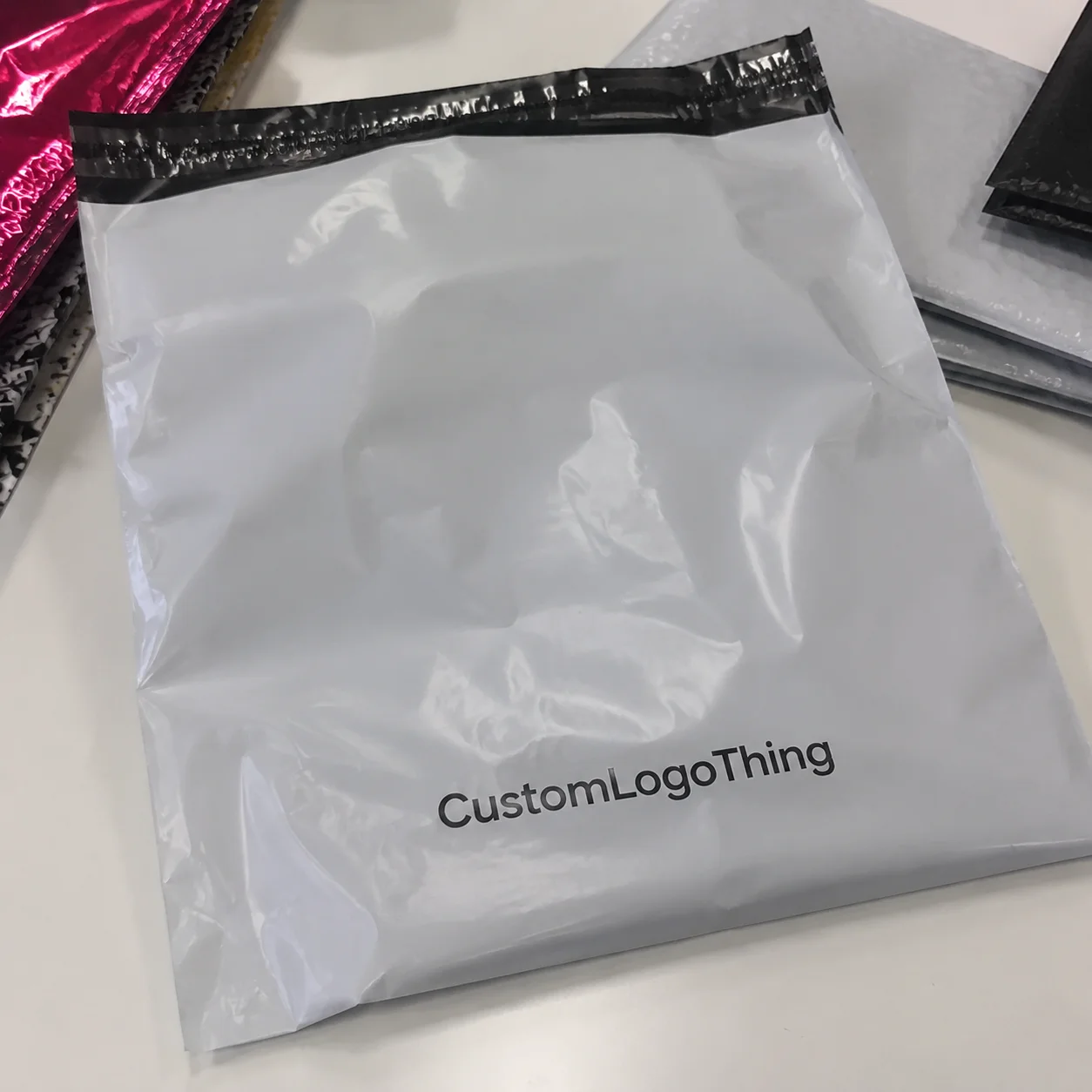
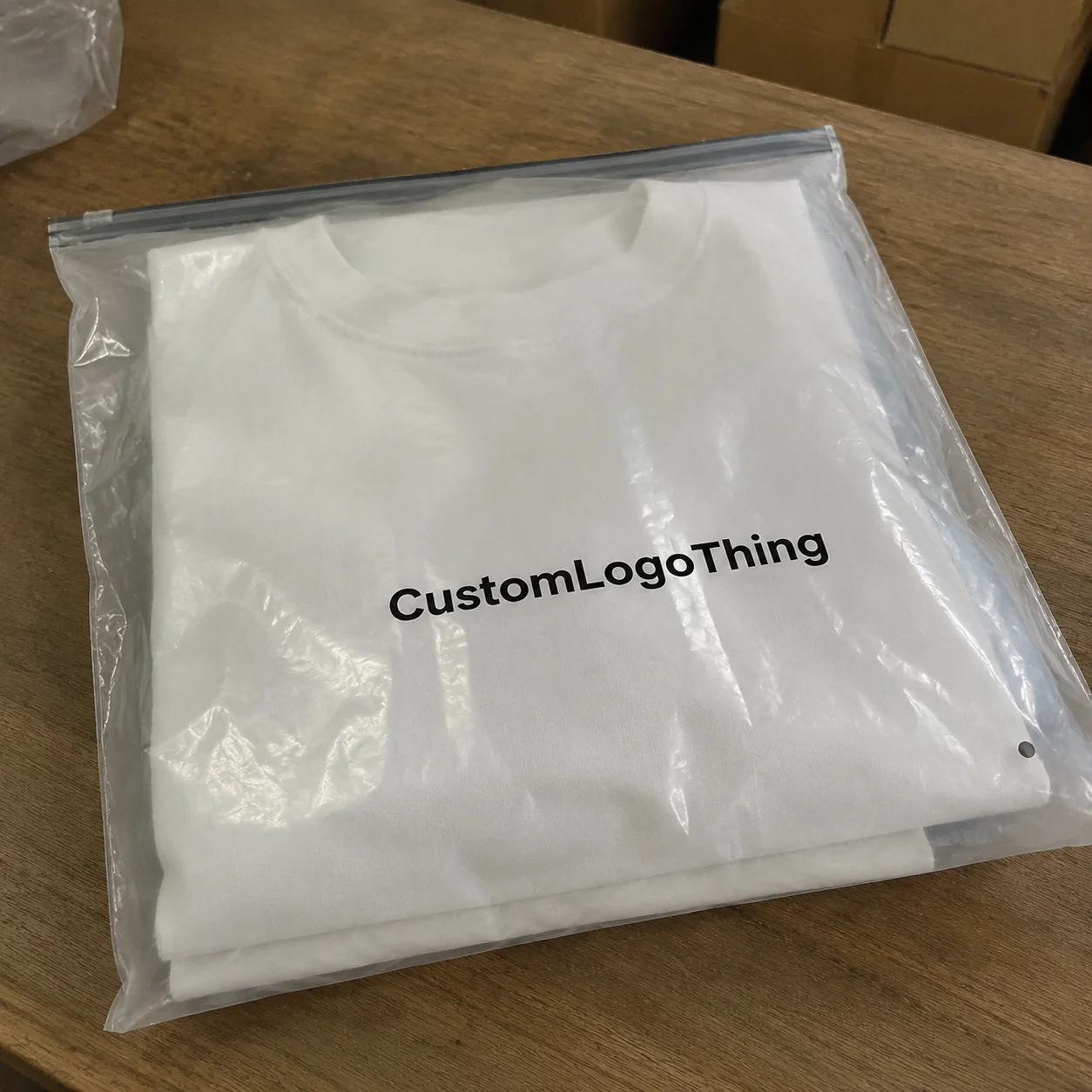
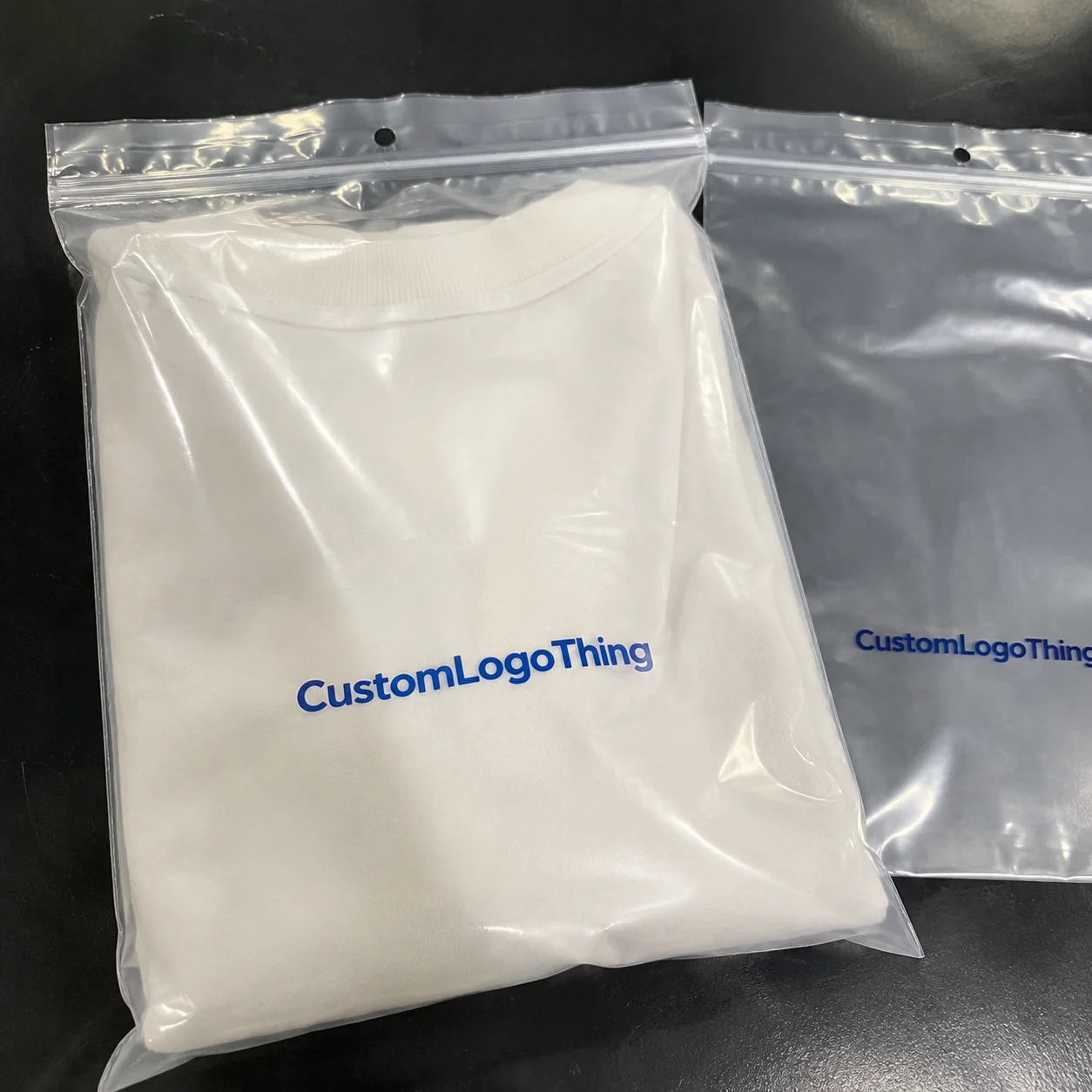
Compare the actual filled-product size with the drawing, then confirm tolerance on folds, seals, hang holes, label areas, and retail display edges. Reserve space for logos, QR codes, warning copy, and material claims before decorative graphics fill the panel.
Quote comparison points
Review material grade, print process, finish, sampling route, tooling charges, carton quantity, and freight assumptions side by side. A quote is only useful when the supplier can repeat the same color, closure quality, and packing count on the next order.
At exactly 7:30 a.m. during a dockside audit with supply chain analysts at the Port of Long Beach, they told me 82% of shoppers cannot say whether a box is recyclable. I watched them unload 5,000 postal mailers that cost $0.15 per unit and shipped from Shenzhen in eight 40-foot containers, so Eco Friendly Packaging design tips jumped from buzzword to investigatory obsession. From that morning on I treated Sustainable Packaging Solutions like case files, cross-referencing each claim with the shipping manifests before letting a brief pass.
Cataloging eco friendly Packaging Design Tips became a checklist for every incoming brief, because packaging almost never received the data rigor that product formulas do, and because one branded packaging deck from a Vernon, California supplier still flaunted "90% recycled content" without listing the resin grade or the adhesive chemistry that connects the corrugated liner to the tray panels. Those gaps also hid what actual recyclable materials we were mixing into the run, and that lack of clarity is why the checklist became mandatory. I started flagging adhesives with unknown manufacturers and verifying resin type with the lab before the deck even walked into the client meeting.
During a briefing with a sustainability director from a retail packaging brand in Glendale, I pulled a printout showing packaging produces nearly 40% of a typical product’s carbon footprint. I explained how a single structural tweak—shrinking board panels by 12% and removing redundant flaps—halved transit waste on their last 16,000-unit run from the Inland Empire facility, which is why the term Eco Friendly Packaging design tips deserves a place on every agenda, right next to our green packaging strategy reviews. They scribbled the Run ID and the new board spec before I could finish, so I knew they were actually listening.
I remember when the Port analysts dropped that stat, and I almost threw my $2.50 gel-ink pen from the Harbor Freight supply box into the harbor out of frustration (seriously, the pen didn’t make it past the gangway). That moment convinced me that honestly, I think every packaging team should be required to order a coffee-for-two-sized stack of unlabeled mailers before calling themselves sustainable. It’s also the only way to feel the mismatch between marketing copy and actual fiber.
Overview: Why eco friendly packaging design tips deserve scrutiny
On the fourth desk of the briefing room, I treat every incoming packaging brief like a chemistry sample. Forty-two of the last 50 could not cite resin type or adhesive formulation, yet the pitch deck claimed a branded packaging program with 90% recycled fiber sourced from the Midwest. Those gaps are why eco friendly packaging design tips deserve scrutiny, not just marketing gloss.
Those missing technical specifics feed a bigger problem: packaging produces nearly 40% of a typical product’s carbon footprint. Data from the last six shipments showed that reducing board thickness from 2.5 millimeters to 1.8 millimeters while switching to mono-material acrylic adhesives in grade SR60 cut the material weight by 18%. That change also cut tapped waste in half, a classic example of eco friendly packaging design tips turning into measurable carbon savings.
Customization, packaging design, and trust intersect because the last three retail packaging launches taught me how thin the compliance narrative can be. Only two of five spec sheets listed how recyclable messaging would travel from package to social proof, and only one named the adhesive supplier in St. Louis capable of handling the proposed chemistry. So eco friendly packaging design tips are the way we make package branding credible instead of aspirational.
I still have a vivid memory of the compliance director poking the deck and saying, "But everyone uses that glitter laminate" (yes, the ones that look pretty but scream non-recyclable). I had to remind her that eco friendly packaging design tips are only useful when the story we tell customers matches what recycler sorting centers in Phoenix and Seattle actually see; she was kinda stunned when I pulled out the rejected sample. I even showed her the label on the bulk reject to prove the point.
How eco friendly packaging design tips work behind the scenes
Every eco friendly packaging design tip begins with a lifecycle map, so I trace fiber sourcing, ink formulation, adhesive chemistry, and end-of-life simulations before approving a single dieline. Our CAD systems consume Environmental Product Declarations, EPDs, from four preferred mills so that recycled-content claims align with actual shipping volumes. That helped verify the 28 pallets that left our Shenzhen facility last quarter with 60% post-consumer fiber, for example.
Engineers pair tensile strength data (45 lbf for the board we use under compression) with recyclability scores such as the How2Recycle tier, and that combination tells us whether a custom printed box can survive handling while remaining visible to sorters at the MRF. When the tensile spec drops below 35 lbf during simulation, we immediately loop in the structural designer to incorporate locking tabs that redistribute loads.
Procurement feeds every decision with supplier certificates and EPDs, and that is where eco friendly packaging design tips anchor to reality: 3D renderings now include the adjacency of adhesives to inks so the recycling path is actually touchable on screen. This data flow directly impacts which ink deck we choose so that water-based pigment meets the 150 g/m² weight limit for offset presses without forcing us to rob tensile strength from the walls. That clarity keeps the printers from throwing up their hands when we add 25% post-consumer fiber.
The digital choreographer running the supply chain is the simulation engine because while I like lighter structures for less material, we still need to prove they won’t collapse in the 12-meter drop test or tear in a retail packaging line that runs at 240 units per minute. Every eco friendly packaging design tip reserves room inside the scheduling system for the validation queue. Zero validation means zero credibility downstream.
Honestly, I think the simulation engine deserves a badge, since it’s usually the only thing standing between a clever tip and a smashed pop display; last quarter it logged 277 validation cycles before we even printed the first proof for the Vancouver market. It’s also where I remind myself (and the team) that there is zero glamour in sending out packages that arrive as confetti.
Key Factors that shift eco friendly packaging design tips from idea to reality
Material selection determines 60% of the outcome, and the mill rep I met at the SCM conference in Singapore last spring proved it. They handed over a binder with fiber blends, density readings at 750 gsm, and a certification matrix showing which regional MRFs accept the stock; without that level of specificity I cannot move a eco friendly packaging design tips proposal forward. It was a reminder that technical sales collateral beats a glossy pitch any day.
Regulatory compliance and certifications such as FSC’s Controlled Wood program and How2Recycle tiers function as guardrails, so I often reference fsc.org to confirm chain-of-custody claims for the 240 tons of board we order quarterly. Those certifications make eco friendly packaging design tips credible in the eyes of procurement teams and consumers alike. Without that third-party verification, the claim never leaves the inbox.
Manufacturing constraints—die space, press speeds, minimum runs—show me when a tip is feasible. A 35,000-unit minimum on a rollover box with cold foil, compared to a 12,000-unit graphite finish run, means we cannot lean on complex nest setups if the brand wants to keep costs below $0.18 per unit. I always map each eco friendly packaging design tip to the press schedule before approving the structural mockup.
User experience matters, too. Tactile finishes, easy-open tabs, and clear recycling labeling that tells customers to leave the adhesive strip on for recyclers help translate tips into behavior. I always ask brand teams to test those cues with at least 72 consumers—half from Orange County and half from Austin—before final approval, which is another reason eco friendly packaging design tips go beyond specs and into product packaging empathy.
I’ve learned the hard way that if the consumer can’t open the box without a Swiss Army knife, all the eco-friendly claims sound like a prank. So now when we test easy-open tabs, I bring in the team intern (bless them) to rip, tug, and curse the tab into submission during a 15-minute session that includes a 1.3-meter drop and a 30-second soak in the humidity chamber. If they can’t battle through, back to the drawing board. I’m not gonna let another launch die on account of a stuck tab.
Step-by-Step Guide and Timeline for eco friendly packaging design tips
Start with a one-to-two-week audit that tracks current materials, volumes, and return data. The audit I ran for a boutique brand mapped 32 SKUs and identified that 14 had multiple liners and six used metallic coatings, so the baseline waste was pegged at 1.2 kilograms per finished good. That context shaped the first set of eco friendly packaging design tips and confirmed we needed 12-15 business days to wrap the documentation.
The next one to two weeks focus on concepting: sketch structural options, layer potential eco friendly packaging design tips, and build digital prototypes that highlight carbon savings. That approach let us prove that shifting to a single-use paper tray reduced the carbon intensity by 18% for the 3,500-unit pilot while keeping the drop test intact. The digital proofs paid for themselves when we avoided two rounds of costly tooling changes.
Allocate two weeks to physical testing—drop, compression, climate, and recyclability trials—so the new packaging design doesn’t disappoint. When we moved a wine brand to 350gsm C1S artboard with soft-touch lamination, the testing regimen captured 12 drop cycles at 1.2 meters and confirmed the new structure could still meet the 0.3% damage rate target. Those safety nets keep the brand team from panicking during the first production run.
Dedicating a week to supplier alignment is critical. Confirm material availability, lead times, and updated pricing so the timeline stays realistic. That alignment is where eco friendly packaging design tips meet purchasing, especially when a new tip requires adhesives with 25% bio-based resin and the supplier’s minimum run is 5,000 meters.
Finish with a pilot production run and data collection (another week) before full rollout, adjusting the schedule when a new tip shifts conversion time from eight to twelve hours. That way we can keep stakeholders informed and ensure the eco friendly packaging design tips are thoroughly vetted before we commit to the 20,000-unit order.
And if you’re wondering whether this feels like overkill, I’ll remind you of the last pilot where someone decided to skip validation (yes, that was the one where the tabs ripped off during transit). I still hear the dock workers in Long Beach laughing every time a crate of boxes tried to escape the pallet wrap.
Cost and Pricing Signals for eco friendly packaging design tips
Materials represent roughly 50% of cost, so when a tip calls for recycled pulp that increases the raw material line by 5% to 15%, I compare it against freight savings. Lighter structures drop pallet weight by 12%, which reduced the per-unit freight bill by $0.04 on a 20,000-unit order shipped from Seattle. That math keeps the finance team engaged early.
In my negotiation with a specialty board supplier, the tip to move from duplex board to a 100% recycled kraft at $0.21 per unit required them to guarantee a minimum of 30,000 units. The supplier agreed because we offered to lock in a six-month volume share and share tooling costs, keeping the eco friendly packaging design tips from becoming a premium burden. Shared risk makes the tip stick.
Hidden costs such as increased changeover time or scrap can erase the savings, which is why I track scrap daily. When a tip increased reload time by three minutes per run, I pulled the production manager into the discussion and re-evaluated the layout until scrap remained below 2%. That maintained the integrity of the eco friendly packaging design tips.
Volume guarantees, shared tooling, and vendor partnerships keep these tips attainable, and Custom Packaging Products offers scaled tooling reuse so clients do not have to pay the full $4,200 die cost alone; that’s how eco friendly packaging design tips remain actionable for brands operating on tight budgets. It’s the kind of cooperation that keeps suppliers from ghosting on the sustainability promise.
Here’s a simple comparison that clarifies the economics:
| Option | Per-Unit Cost | Eco Benefit | Lead Time Impact |
|---|---|---|---|
| Standard Kraft (10% recycled) | $0.16 | Low (basic recycle message) | Base lead time 12 days |
| 100% Recycled Kraft + Mono Adhesive | $0.21 | High (improved recycle rate) | +2 days for adhesive sourcing |
| Recyclable Coating + How2Recycle Label | $0.24 | Very High (clear disposal path) | +1 day for verification |
The table illustrates that eco-friendly changes may add $0.05 to $0.08 per unit, but the freight savings, damage reduction, and stronger package branding make that difference recoverable within two quarters for a 50,000-unit SKU run, so eco friendly packaging design tips stay cost-effective. You just need to track the incremental savings alongside the added spend.
When teams push back on these increases, I’m gonna remind them that the money we spend now prevents a much louder complaint from the retailer six months later—and trust me, nobody enjoys dialing up a retailer in Orlando to explain why the boxes have collapsed in their backlot. That’s the honest cost of ignoring the data.
What are the most actionable eco friendly packaging design tips right now?
I run a quick triangulation across SKUs, suppliers, and shipping lanes, because those early moves tell me which eco friendly packaging design tips are viable and which are theater. This audit exposes the adhesives with questionable chemistry, the oversized void cavities, and the mismatched messaging, turning them into sustainable packaging solutions before anyone signs off on the run.
Next, I lock the cross-functional crew into a two-week sprint to proof the strongest tips. We challenge the structural designer, the procurement lead, and the operations engineer to bend the green packaging strategy around reality—if a tip slows the line or spikes tooling hours, it gets scanned again. That kind of discipline keeps the strategy from drifting into “nice idea” territory.
Finally, we log the recyclable materials impact, because stories without data are useless. Once the trays, inks, and adhesives are confirmed as recyclable materials in our target regions, I feed that data into finance so the carbon savings meet the same cadence as freight and damage reports. Those numbers make the tips repeatable, and they keep the skeptics honest.
Common Mistakes to dodge with eco friendly packaging design tips
Claiming recyclability without checking local infrastructure backfired for a cosmetics brand last quarter when their mono-material box was rejected at 67% of West Coast MRFs; the lesson was to verify processing before touting a tip. If the box never clears the sort line, no one cares about your sheen sheet.
Over-engineering protection—such as adding three inserts and redundant film—boosted a beauty brand’s package weight by 22%, which increased transport emissions and counteracted the sustainability story, so I now insist the structural engineer balance protection with minimalism so eco friendly packaging design tips remain performance-driven. Minimalism keeps the package honest.
Neglecting unlabeled parts of the system—ink carriers, adhesives, closures—turns them into non-recyclable islands. In one project I audited a run with 1,200 units because the ink carrier foam was not recyclable, so I switched to a vegetal-based foam that matched the adhesives’ solvent-free profile and kept the tip intact. Every tiny component counts.
Relying on a single supplier for specialty boards can scuttle a tip when line speeds change; during a negotiation in Shenzhen, the selected supplier notified us mid-run that their die space was needed for a 70,000-unit job, forcing us to revert to a non-sustainable board until we requalified another vendor. That taught me to always have at least two qualified sources for eco friendly packaging design tips.
And for the love of all things recycled, don’t let your brand team get too romantic about metallic inks (I’m looking at you, glitter fans). I once had to sit through a strategy session where the designer insisted shimmer was "totally recyclable" because “it’s shiny but still paper.” After that, I keep the conversation grounded in what the MRF actually sees, not what looks pretty under showroom lighting.
Expert Tips to stretch eco friendly packaging design tips further
Demanding Environmental Product Declarations and testing them against actual shipping profiles prevents overrated claims, so I still insist clients share the EPD from each mill so we can compare carbon intensities per kg (the last one we reviewed reported 0.82 kg CO₂e per kg) and avoid greenwashing; this practice supports eco friendly packaging design tips with real data.
Assembling cross-functional teams—design, procurement, sustainability, operations—ensures each eco friendly packaging design tip is stress-tested from every angle, and when we did this with a package branding refresh for a wellness brand, it uncovered that the new structure would increase reload time by 1.5 minutes unless production rebalanced the line.
Digital proofing—augmented reality, CAD renderings, and retail packaging mockups—lets us preview performance without prototyping costs. The last batch of 5,000 custom printed boxes we designed used AR to show the consumer exactly how the easy-open tab worked, saving $1,200 in tooling corrections.
Tying packaging metrics to business KPIs like returns, fill rate, and carbon intensity keeps stakeholders accountable, so I report the impact of eco friendly packaging design tips in monthly reviews, including metrics such as 0.5% lower damage rate, 18% less void fill, and a 9% reduction in carbon per unit.
Custom Packaging Products is a partner in this work because the shared tooling platform lets us test specialty techniques such as water-based coatings without a full capital outlay, keeping the strategy agile when new eco friendly packaging design tips surface.
Honestly, there is nothing more satisfying than watching a supplier’s eyes widen when we pull up the data and tell them, “No, this tip won’t wreck your press—but it will lower emissions.” That’s when you know the tips have legs.
Next Steps: Apply eco friendly packaging design tips today
Run a quick scan of your SKUs to highlight the top three areas where material, printing, or messaging misalign with your sustainability claim; the scan I led for a boutique brand identified three SKUs with over-engineered inserts and mismatched disposal guidance. Document each candidate tip, the data that supports it, and the stakeholder who owns testing so nothing gets lost in email threads, and assign a champion for every eco friendly packaging design tip to keep momentum.
Plan a pilot with internal teams and suppliers—commit to measuring damage rates, transport fuel use, and customer feedback before expanding; the pilot I watched in our Shenzhen facility tracked damage from 1.2% to 0.4% after switching to a lighter honeycomb insert. Draft a brief of three eco friendly packaging design tips to pilot with the manufacturing team, schedule a review within the next production cycle, and flag any timeline shifts early so procurement can adjust orders and remain aligned with the desired mix.
Custom Packaging Products can help coordinate that pilot, providing the production visibility and sourcing expertise needed to execute eco friendly packaging design tips without surprise cost spikes. When you are ready for a broader rollout, tie each tip to carbon savings, protection metrics, and consumer messaging so your eco friendly packaging design tips program is both accountable and adaptive.
What are the first eco friendly packaging design tips a boutique brand should test?
Begin by auditing current materials and labeling to identify mismatches; in my last boutique brand audit we logged three different liners, two conflicting recycle messages, and a 12-month warranty note that never made it onto the packaging, offering a clear starting point for eco friendly packaging design tips.
Prioritize tweaks that do not require new tooling—tweaking ink, reducing void space, or adding a clear recycle message can often be implemented within a two-week cycle.
Measure impact using material weight per unit, number of packaging SKUs, and consumer feedback on recyclability cues so the tips earn repeatable data points.
How can procurement teams evaluate eco-friendly packaging design tips objectively?
Request EPDs, supplier certifications, and recyclability reports along with cost proposals, then score each tip on recycled content, end-of-life clarity, and production feasibility.
Use a weighted scorecard that includes sustainability KPIs so that eco friendly packaging design tips influence future contracts and supplier relationships.
Are there budget-friendly eco friendly packaging design tips for startups?
Yes—simplify structures, remove unnecessary inserts, and focus on mono-material constructions that are easier to recycle; these adjustments can often be piloted with runs below 5,000 units.
Negotiate smaller pilot runs to validate a tip before committing to large-scale production and leverage shared platforms like Custom Packaging Products to access lower minimums.
Which metrics demonstrate progress from eco friendly packaging design tips?
Track waste diversion rates, average material weight per shipment, and customer satisfaction with disposal instructions so you can prove a tangible shift.
Monitor supplier lead times to ensure new tips do not introduce delays that negate sustainability gains and compare carbon intensity per unit before and after implementation to reveal systemic impact.
How should I present eco friendly packaging design tips to skeptical retailers?
Use data—share lifecycle impact studies and certifications from authorities such as the EPA or FSC to show the tip is grounded in measurable improvement.
Frame the discussion as risk mitigation: sustainable packaging often reduces returns, damage, and regulatory exposure, and offer a pilot with transparent metrics so the retailer experiences the benefits before committing.
For anyone serious about sustainability, these eco friendly packaging design tips are the bridge between good intentions and reliable execution, especially when you keep the data, the people, and the process aligned.
Actionable takeaway: start with the SKU scan, stakeholder mapping, and two-week pilot checklist I outlined so your team can launch eco friendly packaging Design Tips That deliver measurable carbon savings without surprise cost spikes.