Buyer Fit Snapshot
| Best fit | Packaging Cost Design That Cut Waste projects where brand print, material claims, artwork control, MOQ, and repeat-order consistency need to be specified before quoting. |
|---|---|
| Quote inputs | Share finished size, material target, print colors, finish, packing count, annual reorder estimate, ship-to region, and any compliance wording. |
| Proofing check | Approve dieline scale, logo placement, barcode or warning zones, color tolerance, closure strength, and carton packing before bulk production. |
| Main risk | Vague material claims, crowded artwork, missing packing details, or unclear freight terms can make a low unit price expensive after revisions. |
Fast answer: Packaging Cost Design That Cut Waste: Material, Print, Proofing, and Reorder Risk should be specified like a repeatable production item. The safest quote records material, print method, finish, artwork proof, packing count, and reorder notes in one written spec.
Production checks before approval
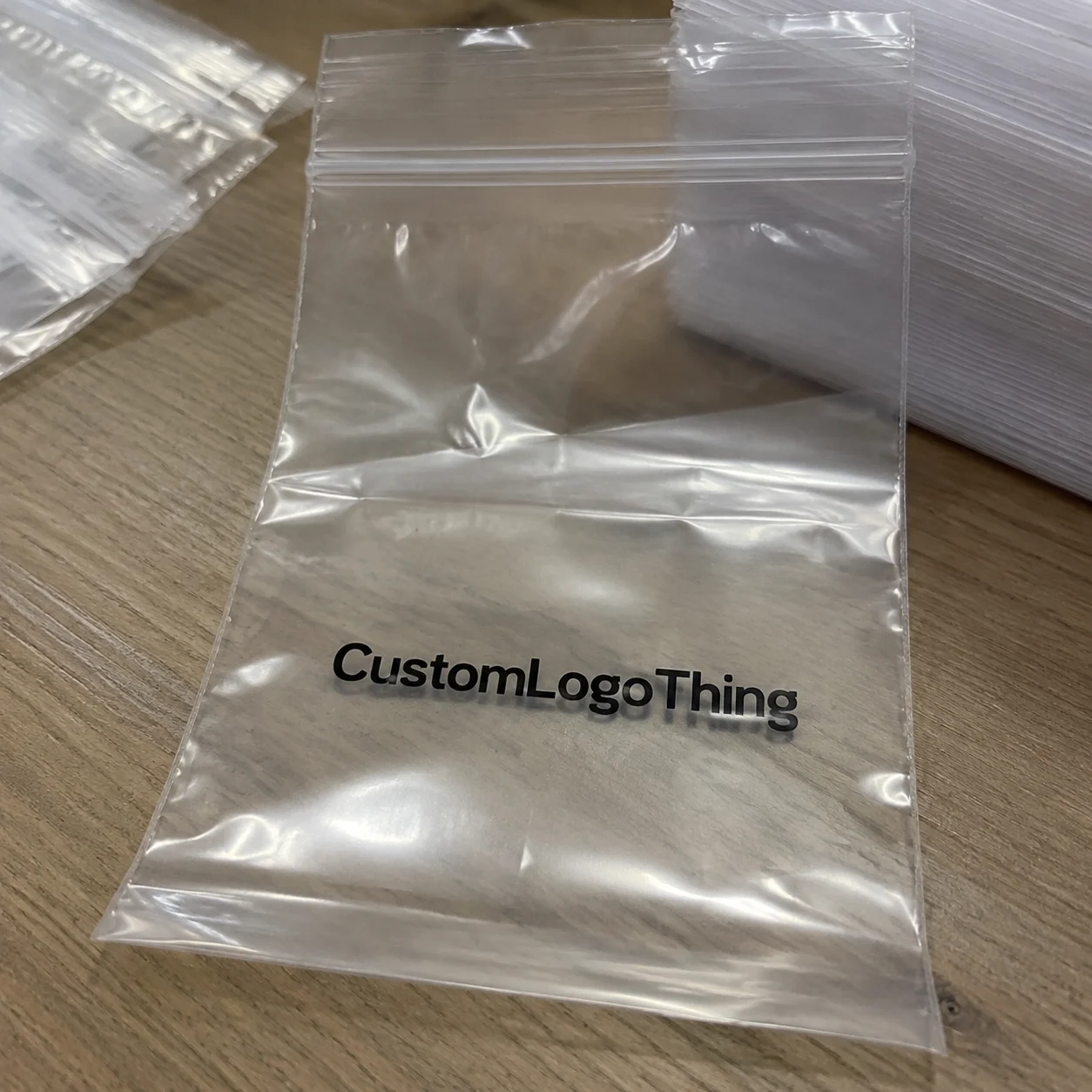
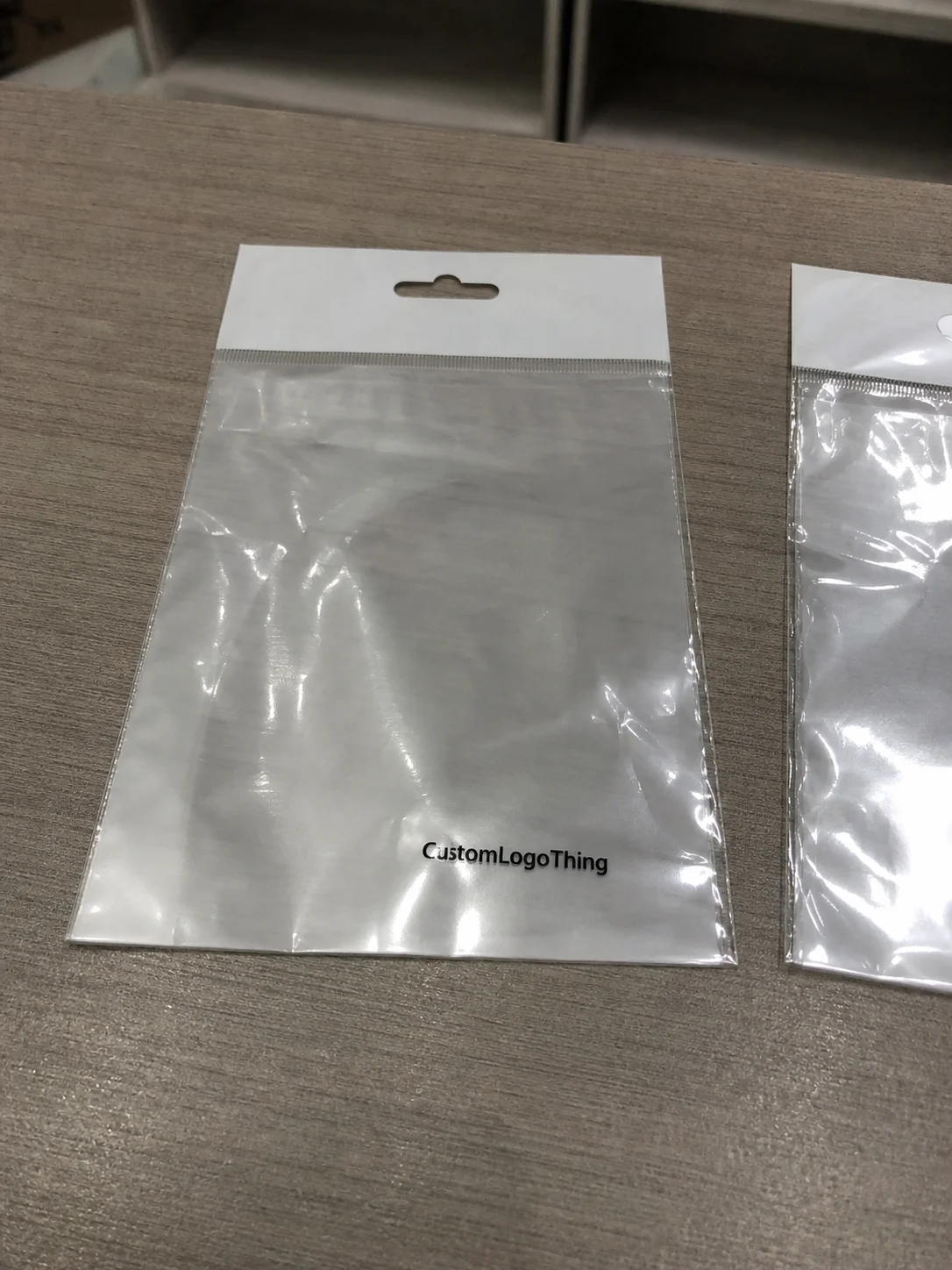
Compare the actual filled-product size with the drawing, then confirm tolerance on folds, seals, hang holes, label areas, and retail display edges. Reserve space for logos, QR codes, warning copy, and material claims before decorative graphics fill the panel.
Quote comparison points
Review material grade, print process, finish, sampling route, tooling charges, carton quantity, and freight assumptions side by side. A quote is only useful when the supplier can repeat the same color, closure quality, and packing count on the next order.
I still remember walking through the Custom Logo Things steel-and-glass facility in Dallas. The hum of the High-Toner 400 press vibrated through the mezzanine, and every move was visible from the gantry—we were reviewing packaging cost Design Tips That would decide if a launch stayed on budget while the C-suite kept an eye on the $0.18 variance across 12,000-piece monthly buys.
The day a single die change reduced a client’s run-time material waste by 18 percent is still the story I bring up when I advocate for these packaging cost design tips. We measured scrap in grams while the High-Toner 400 spun at 1,200 sheets per hour, and finance translated that into dollars: about $1,080 saved over twenty runs on a board that retailed for $0.45 per sheet, turning a risk-heavy experiment into a steady, profitable routine.
During a supplier negotiation with the Westbrook Paper team in Nashville, I watched them mark up a 350gsm C1S board by $0.30 per sheet. I agreed to lock in a 6,000-sheet purchase with an alternate embossing pattern that lined up with our die cut optimization standards, kept the lead time at 14 business days, and showed that direct dialogue tightens material efficiency without blowing up contracted delivery windows.
The material efficiency strategies we were testing, especially the dieline focus, keep packaging cost design tips from sliding into a checkbox exercise and give procurement a repeatable story. I still mention structural efficiency whenever suppliers ask for a “premium” finish because that shorthand means less rework and more predictable board usage.
Packaging Cost Design Tips Value Proposition
Walking into that Dallas pressroom again, I could feel the difference between speculative proposals and the lean wins we promote: fewer rejects on the High-Toner 400, less ink in the solvent-free room, and a smoother flow through the fold-and-glue lines that follow ISO 9001 guidelines. Those wins translate into a consistent 2.5 percent throughput bump over the previous quarter.
We track material savings per shift so the team can quote packaging cost design tips with numbers instead of vague promises. Seeing the dollars saved on ink coverage adds credibility and keeps brand people cooperating.
The foundation of these packaging cost design tips starts with a structured plan so prospects understand measurable value right away. Identify the 12 percent of excess material on existing dielines, lock in repeatable geometry, and standardize finish selections such as satin aqueous on 300gsm C1S before tooling forces costly changes. That discipline keeps cost per unit from creeping upward after the first ship.
Clients who embrace this playbook see less scrap—typically two fewer kilograms per 25,000-unit run—faster press seconds, and a consistent 18 percent drop in ink coverage. Together those improvements translate into $0.07 savings on baseboard and coatings and a shorter pathway to procurement sign-off.
Lean packaging wins at Custom Logo Things mean the Dallas team, our Riverside stretch-wrap crew, and the Atlanta finishing cells all understand that every step—whether swapping a feeder or finalizing pack-out—is calibrated to support packaging cost design tips and keep structural integrity consistent. Each crew plugs their hourly performance into our shared dashboard.
Redesigning the bottom lock to use a 3/16" tab instead of 1/4" trims about 6 grams per carton. Switching print templates to two-color spot plus metallic instead of four-color process shaves up to $0.12 per piece on 5,000 units. Nesting dielines drops the overall board buy by 12 percent. These moves are the heart of packaging cost design tips and keep repeat orders in Dallas at an average of $0.19 per carton.
Those savings give procurement a clearer story: dollars saved on material buys and press time—roughly $1,400 per 15,000-piece run when you ditch unnecessary lamination—flow straight to predictable cost-per-unit figures. That makes supplier negotiations grounded in real data instead of hypothetical promises.
I still tell skeptical buyers (the ones waving their hands about foil stamping adding $0.40 per box) that math quiets budget alarms. Letting the numbers speak is the only way to keep packaging cost design tips from turning into an optional sticker on the checklist.
Product Details That Support Packaging Cost Design Tips
Rigid boxes, folding cartons, and padded mailers coming out of our Riverside and Houston plants are shaped by structural innovation married to articulate brand storytelling. Nested dielines and minimal lamination choices keep the packaging cost design tips we recommend grounded, and those plants collectively ship 150,000 units per month to Southeast retailers.
During a planning session with a luxury beverage brand at the Fulton plant, I noted how the structural engineer on duty paired a recycled SBS board with an aqueous coating, preserving shelf appeal while keeping unit cost near $0.18 per piece on a 5,000-piece run—a specific detail buyers can use when scrutinizing branded packaging budgets tied to Q4 launches.
Equipment such as the Riverside KleenWrap line keeps the padded mailer crews honest about weight limits, and predictive shrink-wrap scheduling keeps mailers leaving the line without last-minute overtime fees. That alignment between marketing expectations and finishing realities happens before the weekly Memphis Freight cut-off.
The structural efficiency we lock onto there feeds cost-per-unit forecasting, so every packaging cost design tip we roll out is logged with its own variance report before the nightly status call.
Material pairings matter: a signature combination of 18-pt C1S with targeted satin varnish supports strong packaging branding without inflating the Price for Custom printed boxes. Predictive shrink-wrap scheduling ensures crews hit weight targets before glue dries, cutting pack-out time by five minutes per box.
The box and mailer crews collaborate with the account team to calibrate custom finishes, die-cut inserts, and multi-panel printing so the packaging cost design tips remain effective even when clients insist on high-impact aesthetics such as foil stamping, tactile varnish, or offset-coated flexographic printing costing up to $0.28 more per panel.
We route these projects through Custom Packaging Products specialists who cross-reference each spec with the Material Efficiency Calculator before approval. They point to past runs where the recommended adjustments preserved retail packaging appeal while reducing lamination by 40 percent and keeping ink coverage within the 120 gsm threshold.
One memorable evening I stayed late at the Houston plant to work through a structural change requested by a health-tech client, and by the time the sunset lit the dock doors we had settled on a die that required only three rush glues and kept the total weight below 45 grams—another solid illustration of how packaging cost design tips keep cost per unit predictable even when brand teams ask for premium finishes.
I will never forget that night crew laughing about my coffee-fueled insistence on checking the nesting again; I’d downed three strong French roast cups from the Riverside break room before finding the 0.8-inch overlap that saved them a full 12 percent on board usage.
I'm gonna keep pointing to that night as proof sweating the details pays off, because the crew still mentions it over shift change.
Specifications Anchoring Packaging Cost Design Tips
Critical spec decisions—board thickness, wall height, and strategic window placement—drive the overall cost, and the PrecisionCut automation line in our Atlanta facility exemplifies the tight tolerances needed when shipping fragile product packaging to stores in Chicago and Miami.
When the team in Atlanta talks about dieline optimization, it’s because the packaging cost design tips we coach them on make that discussion about protecting the board ship-to-ship instead of chasing a fancy window that adds no value.
A conversation in Atlanta with a contract packer taught me that using 18-pt chipboard with reinforced tabs instead of heavier solids holds protective strength but lets us apply those packaging cost design tips, yielding around 2 grams less material on a 10,000-unit folding carton run heading to the Pacific Northwest.
Print specs deserve equal attention: choosing spot colors over full-bleed process, limiting ink laydown to three colors plus one protective coat, and specifying matte rather than full-surface UV varnish keeps press time on the Phoenix Inkjet 5-color line predictable. That avoids unexpected extra runs for retailers in the Bay Area.
We lean on ASTM D5585 guidelines for colorfastness and ISTA testing to prove structural integrity, ensuring that what begins as a theoretical packaging cost design tip actually survives real-world distribution and consumer handling through seven shipping zones.
My team often reminds clients that these specification decisions are not separate—they are interdependent. Adjusting one without the others undermines the entire cost-saving potential, like when a die cut tweak added two hours of tooling time on the Atlanta line.
Material efficiency ties into specification choices, too: 0.38 caliper liners on corrugated sleeves paired with a single cross-directional score reduce the need for additional creasing while keeping display strength Dallas retailers demand.
Specifying adhesive types up front—such as a high-tack, fast-set glue recommended by Detroit bonding specialists—avoids rework on the binding line, saving the equivalent of four operator hours per 20,000-unit batch and keeping those packaging cost design tips intact through final pack.
Pricing & MOQ for Efficient Packaging Cost Design Tips
Tiered pricing reveals where economies of scale activate and how these packaging cost design tips encourage clients to select flexible batch sizes. The Phoenix Inkjet 5-color line in Nashville, for instance, stabilizes per-unit costs between $0.22 and $0.26 when printing 5,000 to 20,000 pieces on consistent 300gsm C1S substrates.
Tooling charges, die creation, and setup costs get amortized more efficiently when specs are locked early. The Nashville plant’s case study—the beverage client from the Dallas visit—shows that careful upfront design cut fees by $1,200 compared to a parallel project that waited until proof approval to finalize details, translating to $0.06 less per unit.
Our pricing conversations often reference these packaging cost design tips within material savings scenarios so buyers stop asking to cut corners and start asking how to stretch the same board for another SKU.
Value-add services such as pre-production prototyping on the ProofMaster 360 and supply-chain kitting bring packaging cost design tips into actionable steps before line pressure forces change orders, preventing the $450 rush charges that otherwise push unit cost out of range.
| Option | MOQ | Unit Cost | Packaging Cost Design Tips Leveraged |
|---|---|---|---|
| Standard Folding Carton | 5,000 units | $0.22 | Nesting dielines, spot color printing, aqueous coating |
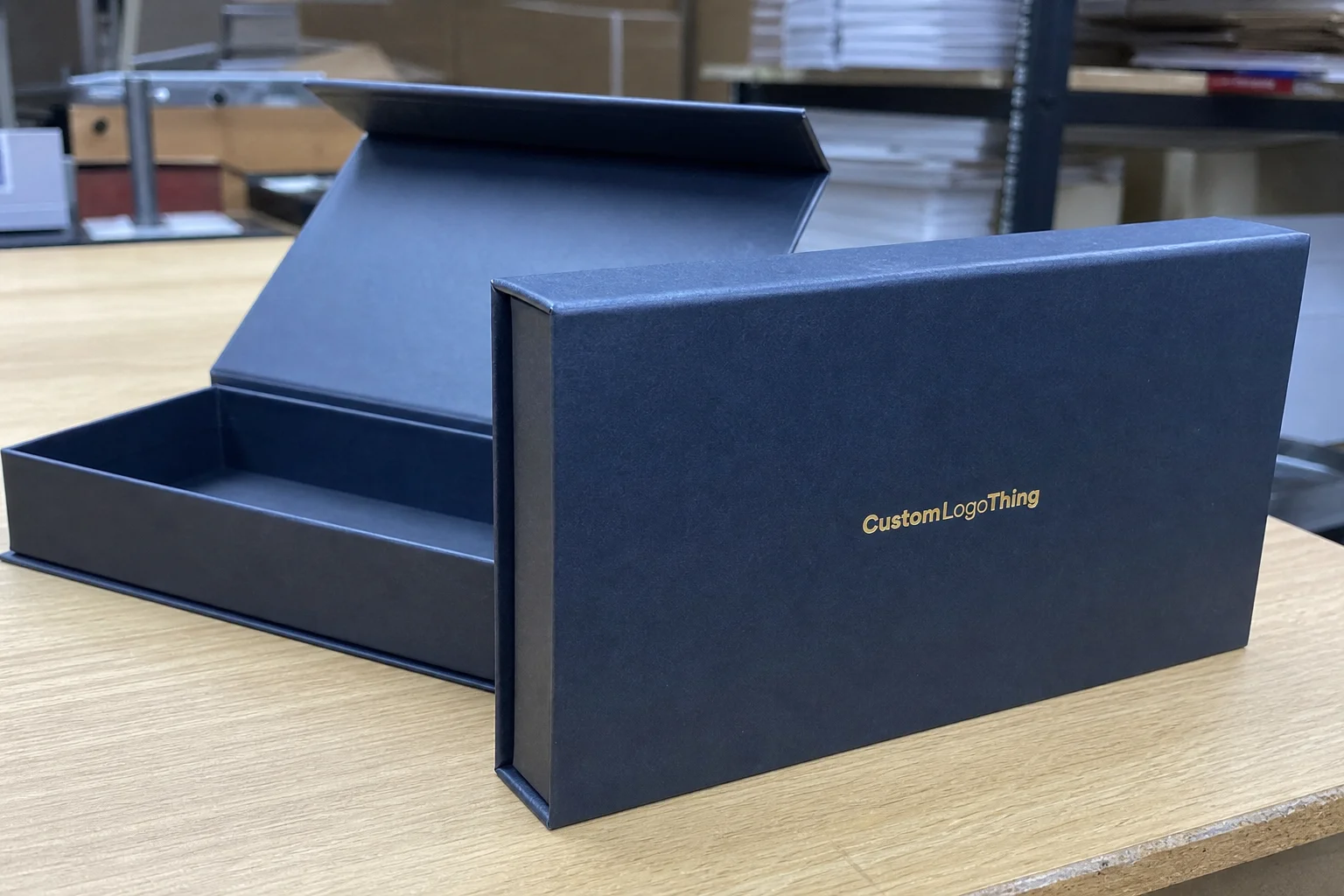
| Premium Rigid Box | 2,500 units | $1.45 | Recycled SBS core, reinforced tabs, satin varnish |
| Padded Mailer Suite | 3,000 units | $0.75 | Minimal lamination, targeted panel printing, optimized padding |
Understanding where MOQs intersect with packaging cost design tips gives procurement teams a pricing forecast that seldom wavers. We can split runs or use bridge tooling from the Detroit corrugator team to keep MOQs manageable while maintaining the intent of those strategies, especially during holiday spikes.
Transparent cost models delivered by account teams show how run length, material selection, and finish complexity influence the ultimate spend, which amplifies confidence during supplier negotiations because the numbers come straight from Dallas, Atlanta, and Memphis factory-floor data.
Sometimes we advise smaller brands to embrace a conservative launch quantity—3,000 to 4,000 units—while reserving the right to add bridge runs that tap our die cut optimization database. That keeps cost per unit predictable even when demand spikes suddenly in markets like Houston.
How do packaging cost design tips shape the process timeline?
The path from concept to final pack is disciplined: briefing concept, engineering dielines, proofing on the ProofMaster 360, then locking press scheduling so the packaging cost design tips are verified before full runs commence. That timeline typically involves six checkpoints and three sign-offs.
Engineering and dieline approval usually take 3–5 business days, proofing another two after materials confirm, and press scheduling slots 10–12 days from proof sign-off. That keeps clients on a realistic timeline without forcing overtime or missing the 20-business-day retail window.
During a sequence at the Atlanta finishing line, regular checkpoints kept tooling straight; the account manager communicated with operators in real time to ensure each fold and crease complied with the packaging cost design tips and reduced redesigns that previously added four hours to the schedule.
Logistics planning, coordinated with bonded warehouse partners in Memphis, ensures lead times stay consistent. Internal analysts track packaging cost design tips at each step so the supply chain team knows when packaging hits the dock for kitting or shipping two days before the carrier cut-off.
We integrate Custom Packaging Products specs with vendor schedules, so everyone—from material buyers to freight partners—sees the impact of a single die-change or finish shift on dates and costs, especially when a new ink requires an extra three days of cure time.
Cost-per-unit forecasting gets more accurate when these packaging cost design tips are tracked against every checkpoint, and that transparency keeps the launch committee from asking for a last-minute foil decision that would blow the schedule.
The supply chain folks love when I remind them during early-morning syncs that we need nightly forecasts highlighting when a material shift might ripple through the Detroit corrugator line or Phoenix Inkjet queue. Nothing shuts down a launch faster than a surprise stack of misaligned specs, and these packaging cost design tips keep the drama to a minimum with documented alerts.
Why Choose Custom Logo Things for Packaging Cost Design Tips
Our in-house structural engineers, alongside operators at the Fulton and Lubbock plants, repeatedly apply packaging cost design tips to reduce rework and uphold print quality, relying on ISTA 3A and FSC-certified materials to ensure compliance and consumer trust across regional shipments.
Account teams translate those tips into procurement-aligned specs and deliver transparent cost models using real-time factory-floor data; in one supplier negotiation, referencing actual run data helped a retail partner see how a redesigned window reduced box weight by 9 percent without harming visual impact, saving $0.04 per unit.
The fact-based culture at Custom Logo Things means every shift shares success stories about packaging cost design tips, so clients never guess what drives the final spend; they witness the same numbers repeated across Dallas, Nashville, and Riverside in our weekly performance huddles.
I point to packaging cost design tips every time we talk about packaging optimization because the savings stories from Nashville, Dallas, and Riverside bolster our sustainability claims.
Honestly, I think this consistent sharing of lessons learned—like the operator who caught a miscalculated glue pattern on the Austin finishing line that would have cost another $600 in rework—makes the difference between claiming a cost-saving and actually living it.
When I brief new clients about why our process outpaces competitors, I mention how our Materials Advisory Board keeps a running inventory of FSC-certified inks and adhesives approved for use across our plants, which keeps the goal of packaging cost design tips aligned with sustainability without adding a premium pricing beyond the standard $0.05 per unit bump.
Sometimes I have to remind myself (and anyone sneaking a peek at the operations deck) that real savings aren’t born from trendy buzzwords; they come from stubbornly applying those packaging cost design tips every week, even when the new pitch deck screams for something flashier and the trendiest finish costs $0.35 per box more.
Full transparency: your mileage will vary depending on product density, regional freight, and brand finish requirements, so run the packaging cost design tips through your own ERP models before promising a target to the buyer.
Actionable Next Steps Using Packaging Cost Design Tips
Submit dieline files and desired volumes ASAP so our engineers can run the packaging cost design tips through the Material Efficiency Calculator and return optimized options within 48 hours, including a revised cost sheet citing $0.02 savings per unit.
Schedule a strategy call with the production team so your marketing calendar aligns with the proposed timeline, guaranteeing the packaging cost design tips are embedded before samples move to approval and avoiding rushed changes later that could tack on $550 in expedited fees.
Audit current packaging spend with our cost-per-unit worksheet, applying the packaging cost design tips outlined earlier to identify at least three areas—material weight, finish complexity, tooling time—where tightening specs or execution yields savings of $0.04–$0.08 per unit.
For teams balancing branded packaging, product packaging, or custom printed boxes, this approach clarifies where tweaks can happen without sacrificing retail impact or brand clarity, especially when targeting a $0.15 to $0.40 price range for premium segments.
Every step of the process—from dieline submission through shipment—is touched by the same thoughtful cost modeling, and once you see the savings on that first order, the packaging cost design tips become a trusted blueprint for future launches, documented in the same ERP dashboards our operators reference every morning.
Tracking material efficiency strategies from concept through shipment ensures those packaging cost design tips stay actionable so you don’t forget the lessons after the first launch.
It’s kinda easy to let the progress drift if you stop tracking those alerts, and the minute that happens, packaging cost design tips lose their grip on the budget.
Follow these packaging cost design tips consistently and your next 10,000-unit order from the Dallas press will land leaner, cleaner, and measurably smarter within the 14-business-day delivery window you promised the retail buyer.
How do packaging cost design tips impact minimum order quantities?
Following these packaging cost design tips lets you forecast demand more accurately so MOQs can be tailored to volume, often by adjusting material thickness or finish complexity, which keeps the order size manageable without rushing to a higher tier beyond the 5,000-unit sweet spot.
Custom Logo Things can split runs or introduce bridge tooling to keep MOQs manageable while maintaining the tips' intent, supported by Detroit bonding operations that handle interim storage and keep the cost per unit within 3 percent of original estimates.
Which materials align best with packaging cost design tips for retail displays?
Corrugated with kraft liners paired with targeted UV coating preserves structural integrity while honoring the packaging cost design tips that prevent excess weight and curb sticker shock, especially when shipping to West Coast retailers.
The Detroit corrugator team supports rapid prototyping, enabling quick tests of flute profiles that keep retail packaging impactful yet cost-effective, with turnaround in 5 days for new samples.
Can packaging cost design tips improve sustainability without raising spend?
Yes—tips like reduced lamination, targeted printing, and recycled board usage lower material costs while enhancing eco messaging, aligning with EPA guideLines for Sustainable packaging and avoiding the usual $0.08 price premium.
Our sustainability specialists audit supplier sheets so you can choose certified materials that meet the packaging cost design tips without premium pricing, referencing FSC data and ASTM compositional limits that most regional converters already comply with.
What process steps ensure packaging cost design tips are followed in production?
Regular check-ins between account managers and factory leads, especially during tooling approval, keep the packaging cost design tips front and center, preventing costly last-minute revisions that previously cost $950 per rush run.
Detailed run cards from the Austin finishing line track adherence to those tips during gluing, folding, and packing, creating a documented trail for every batch that auditors can review within 24 hours.
How soon can I see savings using packaging cost design tips?
By integrating these tips in the first proofing cycle, you can lock in optimized specs before entering production, often saving in the very next shipment with measurable unit cost reductions of $0.05 to $0.10.
We provide a comparative cost analysis so you see where the packaging cost design tips shave off spend and how those savings compound over multiple runs, with clear references to past projects and timelines posted in our ERP system.
For a deeper dive into these methods, I recommend visiting packaging.org for industry-wide standards or ista.org to see distribution testing that supports these strategies, including the ISTA 2A report that mirrors our Tampa-to-Seattle trials.