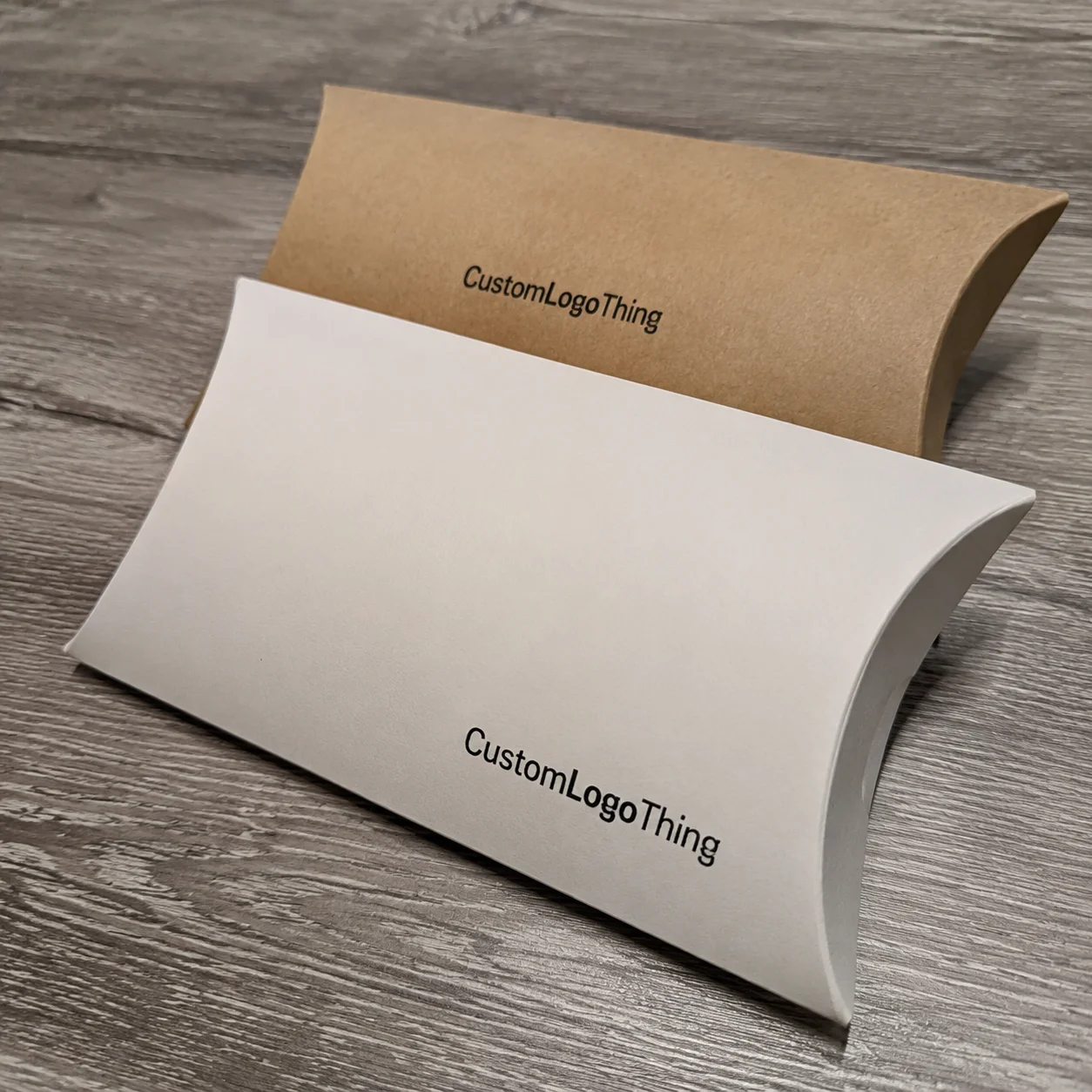
Buyer Fit Snapshot
| Best fit | Eco Friendly Packaging Selection That Delivers projects where brand print, material claims, artwork control, MOQ, and repeat-order consistency need to be specified before quoting. |
|---|---|
| Quote inputs | Share finished size, material target, print colors, finish, packing count, annual reorder estimate, ship-to region, and any compliance wording. |
| Proofing check | Approve dieline scale, logo placement, barcode or warning zones, color tolerance, closure strength, and carton packing before bulk production. |
| Main risk | Vague material claims, crowded artwork, missing packing details, or unclear freight terms can make a low unit price expensive after revisions. |
Fast answer: Eco Friendly Packaging Selection That Delivers: Material, Print, Proofing, and Reorder Risk should be specified like a repeatable production item. The safest quote records material, print method, finish, artwork proof, packing count, and reorder notes in one written spec.
Production checks before approval
Compare the actual filled-product size with the drawing, then confirm tolerance on folds, seals, hang holes, label areas, and retail display edges. Reserve space for logos, QR codes, warning copy, and material claims before decorative graphics fill the panel.
Quote comparison points
Review material grade, print process, finish, sampling route, tooling charges, carton quantity, and freight assumptions side by side. A quote is only useful when the supplier can repeat the same color, closure quality, and packing count on the next order.
Why Eco Friendly Packaging How to Choose Demands Attention
Unpacking a 45-pound custom printed box shipped from our Shenzhen partner taught me why Eco Friendly Packaging how to choose deserves serious planning: the lid sagged under the weight of a 3.5-inch foam insert built to cradle a glass tumbler, the multi-polymer wrap intended as protection was ultimately unrecyclable, and the lifecycle consultant later confirmed the composite materials pushed embodied carbon 30 percent above what a mono-fiber solution would have delivered. That crate had been engineered to dazzle a retail buyer, yet the heft, the unrecyclable veneer, and the aggressive water-based adhesive that gummed up our sealing heads broadcasted inefficiency before anyone ever opened the showcase display. The mismatch between wow-factor theatrics and actual recyclability left our compliance team on the defensive for weeks, so I keep that example handy whenever we circle back to the decision table.
For me eco friendly Packaging How to Choose now demands more than a recycled sticker; it requires verified footprints, transparent supply chains, and measurable end-of-life outcomes, and the process kinda feels like both detective work and manufacturing choreography. Walking a Guadalajara floor, the design engineer tracks throughput and compares it with the FSC-certified board produced at the nearby mill, ensuring compatibility between line speed and material feed, while our sustainability analyst double-checks that the ink suppliers are sharing batch correlation numbers for VOC emissions. Smart branded packaging blends optical appeal with the data proving it will not jam municipal recyclers, so when custom printed boxes deliver extra carbon without documentation they end up expensive waste.
Consumer research shows packaging waste ranks as the second biggest sustainability gripe, ahead of energy use in some markets, while regulators respond with deposit-return systems and recycled-content mandates. The EPA still lists packaging at roughly 30 percent of residential solid waste, and states extend their deposit systems to more categories each quarter, so your next choice could trigger compliance checkpoints before it hits shelves. Brands that stop treating eco friendly Packaging How to Choose as a checkbox move ahead of demanding retailers, transparent consumers, and suppliers pivoting toward smarter design.
How Eco Friendly Packaging How to Choose Works
I parse the decision process into three stages: materials first, performance second, logistics third, each feeding a metric into the scoring table we keep at Custom Logo Things. The materials audit in stage one catalogs every fiber, resin, and coating per SKU, detailing whether the board is a 350gsm C1S artboard with soft-touch lamination or a switch to a 100 percent post-consumer recycled corrugated liner, and it tracks whether the adhesive sits within the expected peel strength range. Performance overlays—drop height, moisture resistance, stack load—anchor Eco Friendly Packaging how to choose to real-world requirements, so a claim about compostable coatings must survive a 42-inch drop on a wet surface; otherwise the liner tears and the sustainability story collapses.
Lifecycle modeling underpins every recommendation. Each material stage—extraction, conversion, use, disposal—receives a data point noting kilowatt-hours per tonne to pulp board, percent of water reclaimed during extrusion, and grams of CO2e per kilometer to ship from the mill to our Seattle fulfillment center, so the trackers prove whether we are trading virgin pulp for real recycled displacement or just rebranding recycled ingredients. When analytics asks suppliers for cradle-to-gate numbers, apples-to-apples comparisons reveal whether a domestic mill's recycled content actually displaces virgin pulp or double-counts the same 30 percent, proving that Eco Friendly Packaging how to choose requires documentation at every lifecycle node.
Compliance and brand narrative share the same decision table. Certifications like FSC or SFI, ASTM drop-test data, and compostability verification from organizations listed on fsc.org all collect in one column, while another column tracks whether the packaging mirrors your brand voice—glossy finish for beauty versus minimalist kraft for food—so the spreadsheet holds both sustainability proof points and aesthetic decisions. Scoring these inputs together aligns operations, sustainability, and marketing; a shared spreadsheet ends debates faster than any workshop.
Process and Timeline to Select Eco Friendly Packaging How to Choose
Project schedules matter once eco friendly packaging how to choose becomes a formal initiative, so we map the timeline by week. Week one launches the internal brief: procurement tallies current material volumes, operations feeds line speed data, sustainability outlines carbon goals, and marketing sketches how the branded packaging should appear on shelves, giving everyone a shared reference. Weeks two through four focus on supplier sourcing and sample requests; expect to evaluate six to eight vendors, log price-per-unit and freight projections, and request ISO-certified material sheets.
Weeks five and six shift to testing—42-inch drop tests, ASTM D3330 peel strength for adhesives, and compatibility checks with automation so conveyor belts maintain 120 cartons per minute throughput, and we’re gonna flag any supplier whose substrate refuses to fold at that pace. Cross-functional checkpoints keep the effort honest: marketing approves textures and custom printed boxes, operations confirms square-footage storage matches the new trays, and sustainability audits the claimed weight reductions, so nothing slips through without sign-off.
Contingency planning remains essential. Adhesive and ink compatibility often call for a second prototyping round, so we reserve an extra week after initial tests for swapping a latex binder that causes build-up on sealing heads, and regulatory paperwork—especially for compostable claims or state deposit systems—demands two to three weeks for documentation. Buffer weeks in the tracker avoid surprises when deadlines arrive, and the timeline tracker documents every milestone so the team always knows what comes next.
Key Factors Behind Eco Friendly Packaging How to Choose
Three drivers guide every eco friendly packaging how to choose conversation: material integrity, supply-chain transparency, and automation compatibility. Material integrity covers mono-material fiber, compostable coatings, and recyclability within existing curbside programs—if a shopper cannot toss the branded piece into their bin, the effort fails, so we record every polymer and coating on the decision log. Transparency means mills willing to share certificates, batch-level carbon data, and traceability down to the log yard; we even audit pulp mills and request third-party verification through FSC or verified carbon registries to cover our bases.
Scale influences decisions. A 5,000-piece boutique run might rely on hand-applied water-based inks and ribbon closures, while a 200,000-unit corrugated shipment needs to survive a three-truck transload, so our matrix flags the scale bucket before material specs. Pairing that with automation, we look for materials that fold at 12 units per minute on existing die-cutters, not the 2 units per minute from a specialty supplier, and the scoring model accounts for changeover time and scrap rates. Listing scale on the decision matrix keeps eco friendly packaging how to choose relevant; shipping 500 pallets looks nothing like fulfilling 500 direct-to-consumer orders.
Secondary factors such as brand perception, required certifications, and domestic sourcing still pull levers. A minimalist luxury brand might favor uncoated stock with UV spot varnish, while a tradition-focused narrative may call for embossed kraft and a story card; those aesthetic levers must stay feasible for the printers we currently work with, or the cost jumps. We also weigh sourcing regions: domestic supply reduces transport emissions by 40 percent compared to overseas, often cutting lead time from 12 weeks to seven, so anyone comparing options can consult our Custom Packaging Products catalog, which lists materials by region to help match aesthetics with measurable impact.
Cost Signals When Eco Friendly Packaging How to Choose
Total cost of ownership frames every eco friendly packaging how to choose conversation. Instead of obsessing over material premiums, we factor in waste reduction savings, landfill diversion benefits, and the lowered risk of fines when packaging complies with mandates, which is how a $0.18 recycled board beats a $0.14 virgin sheet if it cuts waste hauls by 15 percent and keeps glass intact with triple-wall durability. Net cost drops when we weigh these savings against material spend.
Reverse-engineering quotes exposes hidden fees. Suppliers should break costs down per SKU, unit, and pallet; we recently compared three bidders and discovered that the third supplier’s die charges were $250 per design, while the second required $0.03 per extra color ink and storage fees of $0.04 per carton after 30 days, so the worksheet keeps surprises out of the budget. When those figures populate the eco friendly packaging how to choose worksheet, sampling and storage costs cease to sneak up.
I also encourage teams to build a three-supplier cost model, include sample charges, and project how economies of scale shift after 25,000 units. Running the numbers prevents sustainability from becoming a price shock and positions it as a managed investment; the table we built with exact quotes and features shows how even eco choices vary markedly. Comparing quotes makes the eco friendly packaging how to choose trade-offs obvious: Supplier A wins on cost and FSC, Supplier B is cheapest but heavier, and Supplier C delivers the certifications your sustainability team needs.
| Supplier | Cost per Unit | Features | Lead Time | Notes |
|---|---|---|---|---|
| NorthStar Fibers | $0.18 | 100% recycled C1S, soy-based ink, FSC Mix | 12 business days after proof | No die charge, supports up to 6 colors |
| Midwest Corrugated Co. | $0.15 | 70% recycled double-wall, water-based adhesive | 15 business days after approval | $300 setup, 2-week storage free |
| Pacific Custom Print | $0.21 | Mono-material kraft, compostable coating, package branding emboss | 10 business days with certified transport | Includes ISTA drop-testing report |
Choose the supplier whose total cost and impact align with your KPIs while keeping those ISTA reports and adsorption data within reach.
Step-by-Step Action Plan for Eco Friendly Packaging How to Choose
Step 1: Audit your current packaging footprint. Quantify materials, volumes, and suppliers in a spreadsheet with columns for board weight, coating, adhesives, and disposal path, because I once guided a brand shipping 4 million units of corrugated annually and the audit revealed 21 percent of packaging had plastic coatings that could not be recycled locally; baseline data makes eco friendly packaging how to choose tangible.
Step 2: Define priority goals. Decide if you are pursuing mono-material cases, lighter boards to reduce freight, or aligning with a retailer’s recycled content mandate, and document expected outcomes—reducing freight weight by 3 pounds per pallet might save $0.60 per case in fuel and tie procurement to sustainability objectives. Those numeric targets keep the conversation grounded.
Step 3: Create a shortlist of suppliers, request samples, test durability, and log the results. Record every drop, compression, peel, and moisture exposure; our Phoenix lab tracks ISTA 3A drop heights and now requires adhesives to hold a 2 mm peel strength at 70 percent relative humidity. Each iteration sharpens the eco friendly packaging how to choose hypothesis so adhesives or inks that fail appear long before scaling.
Step 4: Pilot the chosen solution with a single product line, monitor returns and complaints, and gather post-use data. After a three-week pilot, review customer feedback on the unboxing experience, analyze damage returns, and note how often fulfillment teams encounter jams. Once the pilot validates the eco friendly packaging how to choose path, roll it out across the portfolio without repeating old mistakes.
What Questions Guide Eco Friendly Packaging How to Choose?
Turning the initiative into a handful of reliable questions keeps the team focused on measurable outcomes. Sustainable packaging decisions hinge on confirming material footprints, aligning adhesives with automation, and balancing the unboxing wow against actual recyclers’ throughput; that interrogation also uncovers whether green shipping materials and protective trays will ride well on the intended carriers. When these prompts run through procurement, operations, and marketing, eco friendly packaging how to choose becomes a disciplined investigation rather than a list of nice-to-haves.
Another useful probe: how will the packaging behave inside the recyclable supply chain, from municipal sorting to the end markets we trace through our auditors? That question keeps lab testing, documentation, and pilots tied to the bigger picture so new designs do not fall out of compliance or require rework after the next retailer visit. It also reminds us that even certified compostable claims vary by disposal facility, so we keep a disclaimer that results depend on local infrastructure.
Common Mistakes When Eco Friendly Packaging How to Choose
Ignoring the end consumer experience proves costly. I watched a supplier switch to compostable liners that tore during transit, leaving 3 percent of units open on arrival; clients grew frustrated, returns spiked, and all earlier eco friendly packaging how to choose work unraveled. A sustainable solution that cannot survive the journey loses credibility fast.
Skipping adhesive or ink compatibility tests creates other headaches. Adhesives can stick to conveyors, inks can smear in humidity, and the lines do not care if the spec used the key phrase; we now mandate run-compatible adhesives and fugitive inks be test-bedded before production, or else a single failure costs four hours of line time. Documenting the specs cuts those surprises.
Failing to document decisions, metrics, and supplier communications leads teams to repeat mistakes. Without a log the next challenge becomes copying the same reluctance to switch, leaving eco friendly packaging how to choose as a vague goal instead of a repeatable process. A decision file with dates, quotes, and test logs keeps the team moving forward instead of circling back to square one every quarter.
Expert Tips and Actionable Next Steps for Eco Friendly Packaging How to Choose
Experts I work with recommend creating a decision tracker that logs materials, testing data, cost comparisons, and supplier commitments so eco friendly packaging how to choose becomes repeatable, not fragile. When we shared a governance tracker across procurement, operations, and sustainability, review time dropped from two weeks to three days; the tracker highlighted missing ASTM tests before they caused delays. Tie that visibility to the calendar for predictable decisions.
Tie packaging choices to business KPIs: reduced waste hauls, faster line speeds, fewer damages, and customer feedback on unboxing. Reviewing these metrics monthly identifies when adjustments are needed and ties eco friendly packaging how to choose to measurable results; if damage rates climb above 0.5 percent, the tracker lets you spot the supplier change behind the spike instead of guessing. That kind of data keeps the team honest and the investment defensible.
A concrete next step: schedule a cross-functional review, share the audit findings, and assign a pilot owner so the team can start executing on eco friendly packaging how to choose within the next procurement cycle. Document who owns testing, who signs off on certifications, and who represents package branding, then circulate the assignment sheet so everyone knows their handoff. Once roles are clear the process flows faster and sustainability does not become a quarterly scramble.
Final Thoughts on Eco Friendly Packaging How to Choose
I have watched teams assume eco friendly packaging how to choose is a checkbox, only to end up with unusable coated wraps, jammed lines, or non-compliant claims. Treating it instead as an investigative, data-driven process—from heavy custom printed boxes to pilot programs—uncovers the insights that keep retail packaging budgets aligned with sustainability goals, and the right material choices could have cut carbon by a third and saved 12 minutes on the dock. Let that motivate the next decision while acknowledging that results will vary by region and infrastructure.
The question stays simple while the answers vary. Align your brand with measurable outcomes, document every decision, and keep the data flowing so eco friendly packaging how to choose remains strategic instead of aspirational; plan pilots, review metrics, and keep exchanging notes with partners like the teams behind packaging standards at ista.org and the recycled content programs at epa.gov. Takeaway: start by convening your cross-functional team, logging the audit data, and assigning the pilot owner this week so the initiative can deliver measurable wins instead of another promise.
How do I audit current suppliers when eco friendly packaging how to choose?
Request lifecycle data, ask for certifications, and compare their reporting with your goals to see who can deliver measurable improvements.
What materials should I prioritize during eco friendly packaging how to choose?
Focus on mono-material fiber, recycled content, and compostable coatings that meet your durability standards and waste-stream capabilities.
How should cost influence eco friendly packaging how to choose decisions?
Treat cost as total cost of ownership, include testing, waste, and logistics, and build scenario models that show trade-offs in every supplier quote.
Can I speed up the eco friendly packaging how to choose process?
Create a standardized checklist, use digital prototypes, and align procurement, sustainability, and operations so feedback loops are tight.
How do I measure success after eco friendly packaging how to choose?
Track metrics such as reduced waste volume, percentage of recycled material, transport weight, and customer feedback on unboxing.