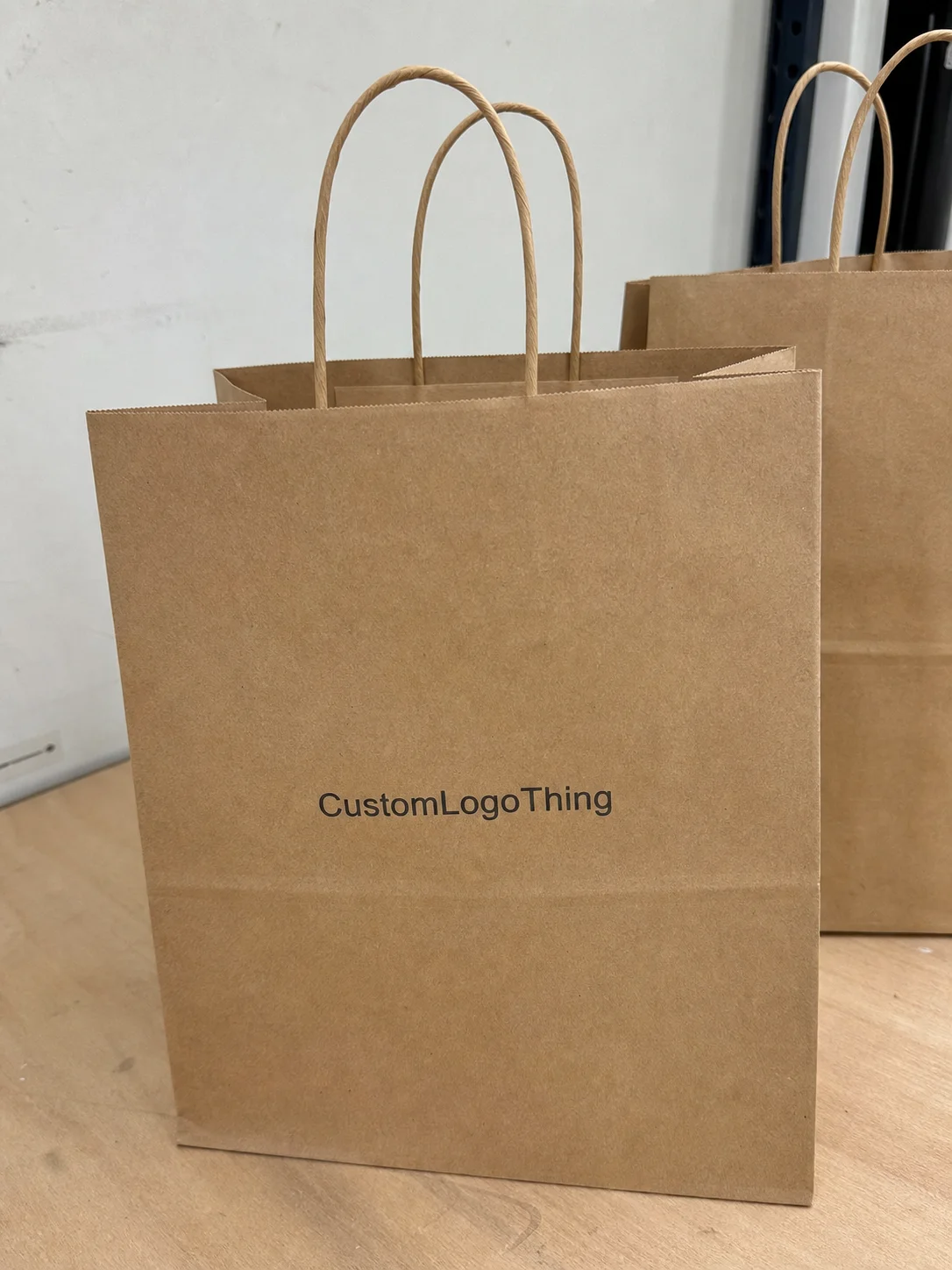
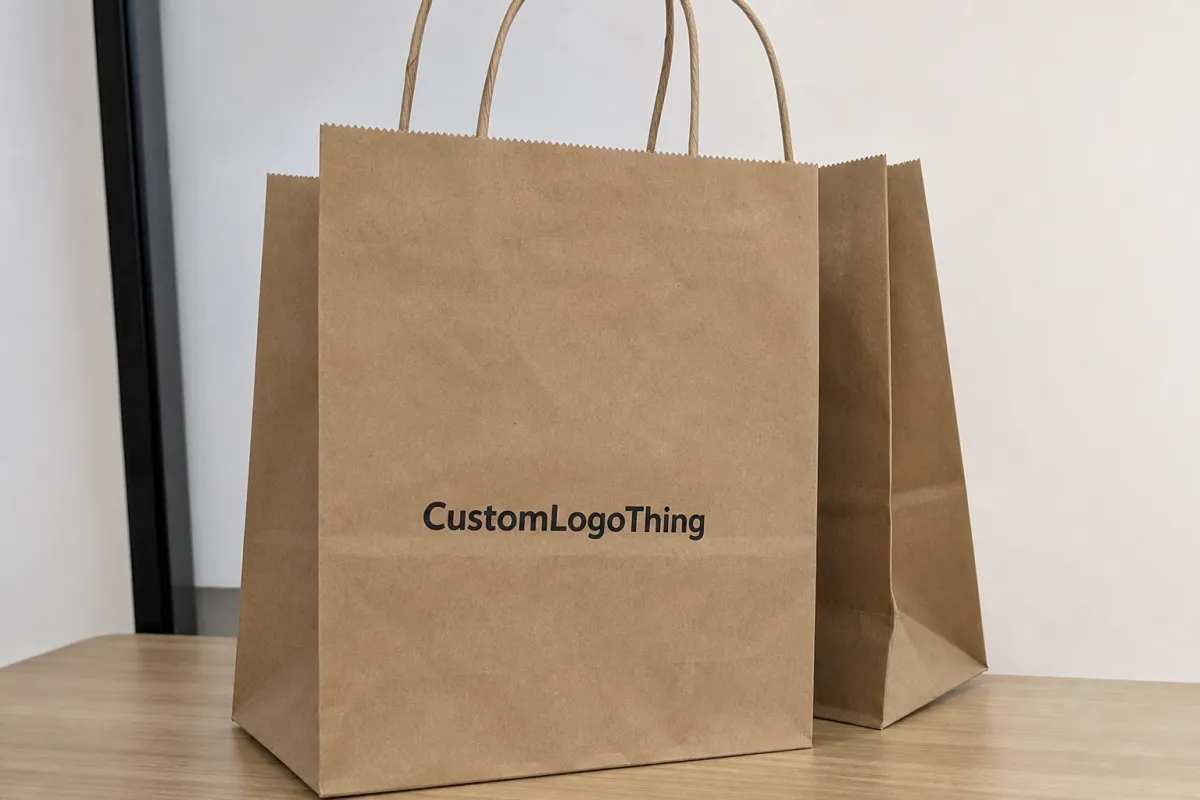
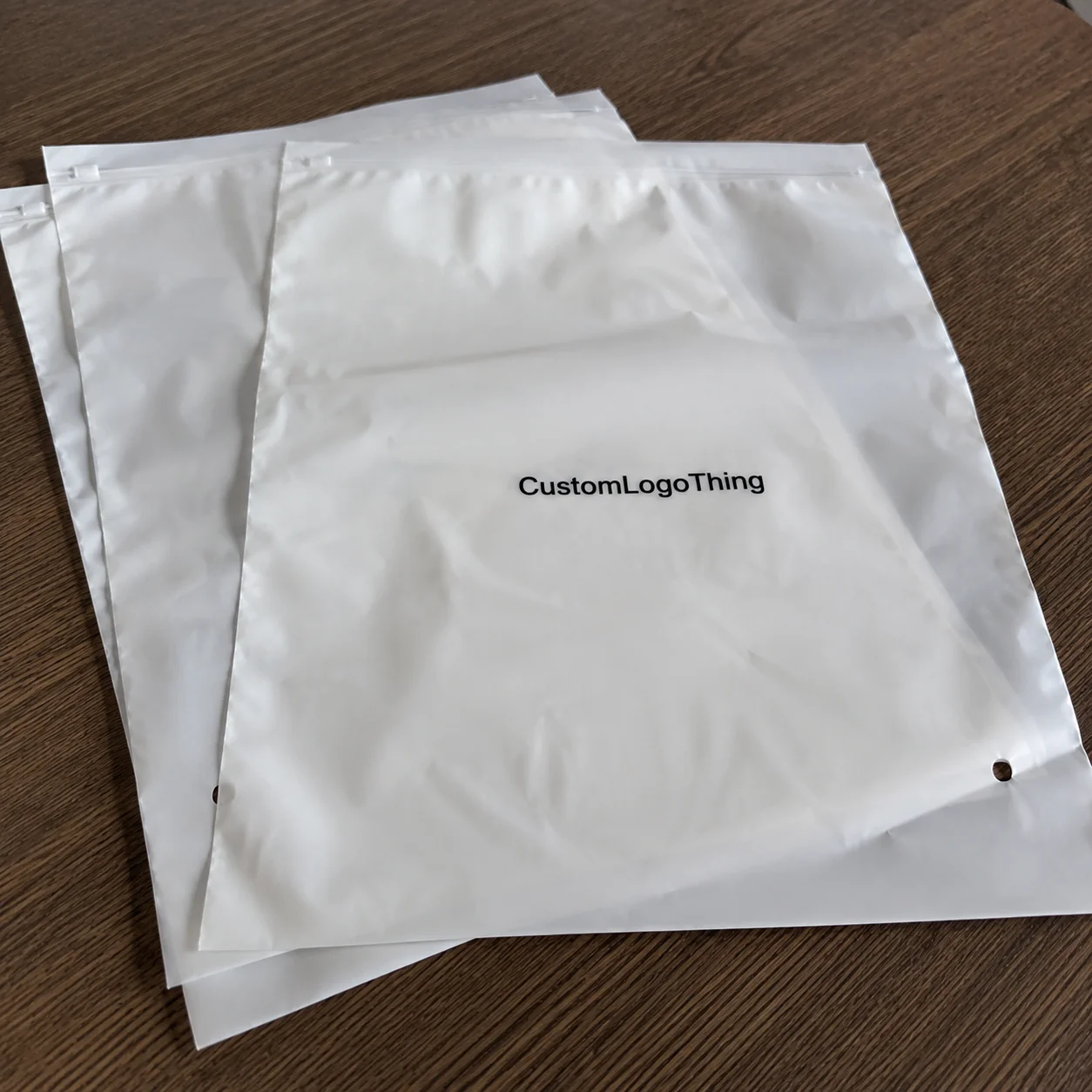
Buyer Fit Snapshot
| Best fit | eco friendly packaging premium quality for packaging buyers comparing material specs, print proof, MOQ, unit cost, freight, and repeat-order risk where brand print, material, artwork control, and repeat-order consistency matter. |
|---|---|
| Quote inputs | Share finished size, material target, print colors, finish, packing count, annual reorder estimate, and delivery region. |
| Proofing check | Approve dieline scale, logo placement, barcode or warning zones, color tolerance, and any recyclable or compostable wording before bulk production. |
| Main risk | Vague material claims, crowded artwork, or missing packing details can create delays even when the unit price looks attractive. |
Fast answer: Eco Friendly Packaging Premium Quality: What Really Matters should be specified like a repeatable production item. The safest quote includes material, print method, finish, artwork proof, carton packing, and reorder notes in one written spec.
What to confirm before approving the packaging proof
Check the product dimensions against the actual filled item, not only the sales mockup. Ask for tolerance on folds, seals, hang holes, label areas, and retail display edges. If the package carries a logo, QR code, warning copy, or legal claim, reserve that space before decorative graphics fill the panel.
How to compare quotes without losing quality
Compare board or film grade, print process, finish, sampling route, tooling charges, carton quantity, and freight assumptions side by side. A lower quote is only useful if the supplier can repeat the same color, closure quality, and packing count on the next order.
Eco Friendly Packaging premium quality gets mentioned so often that the phrase can start to sound ornamental. Then a box goes through a 1,200-mile parcel route and the illusion falls apart. I’ve watched it happen more times than I’d like to admit: a kraft carton crushed under 32 ECT corrugate during a regional shipping test in Dallas, Texas, then a compostable mailer that looked plain until we added a tight structural insert built from 18pt recycled paperboard. The second one felt more luxurious than a coated SBS sleeve. Same price category? Not even close. Same result? The latter won.
That contrast matters. In my experience, Eco Friendly Packaging premium quality is not about looking “green.” It means the packaging uses lower-impact materials and smarter production choices, yet still protects the product, supports the brand story, and creates a polished customer experience. If one of those three pieces is weak, the whole system feels off. If all three work together, the packaging earns its place on the shelf, in the parcel sorter, and in the customer’s hand.
Here’s the simplest way I explain it to clients: quality should be judged through three lenses — product protection, brand presentation, and environmental footprint. A carton that is recyclable but arrives dented is not premium. A rigid box with metallic lamination that cannot be recovered in any standard recycling stream may look premium, but it raises obvious questions. The best Eco Friendly Packaging premium quality programs do both jobs at once, usually with a substrate like 350gsm C1S artboard or 48-gram molded fiber instead of a generic, under-specified board.
I’ve also noticed a pattern during supplier meetings. Brands often bring me samples of “sustainable” packaging that are only sustainable in appearance. One client once called it “green theater,” and honestly, that phrase stuck because it was so accurate. Real sustainability comes from material choice, sourcing, certification, and end-of-life reality — not from printing a leaf icon on the lid. I still laugh a little when a sample arrives with a tiny leaf and a giant plastic window, as if the leaf cancels the plastic somehow.
The good news? Premium and sustainable are not opposites. They only become opposites when the packaging program is rushed, under-specified, or designed in silos. The strongest Eco Friendly Packaging premium quality systems are engineered early, with production in cities such as Shenzhen, Dongguan, or Ho Chi Minh City, and with design, sourcing, and logistics all sitting at the same table.
Eco Friendly Packaging Premium Quality: What It Really Means
Let’s define the phrase clearly. Eco friendly packaging premium quality refers to packaging made from lower-impact materials and processes that still delivers strong protection, attractive presentation, and a good customer experience. That might mean FSC-certified paperboard, recycled corrugate, molded fiber inserts, water-based inks, or compostable protective layers. It can also mean better design decisions: less excess material, tighter sizing, and fewer unnecessary finishing steps. A folding carton made from 350gsm C1S artboard with soy-based black print and a matte aqueous coating can look significantly more expensive than a heavier but sloppier box.
What it does not mean is weak packaging. Too many people still assume eco-friendly equals flimsy, rough, or cheap-looking. I’ve walked plant floors in Guangzhou where teams were convinced a recycled board would fail because it wasn’t glossy enough, only to watch the samples pass compression and vibration checks with room to spare. Premium quality is measurable. It is not just a vibe. In one test, a recycled mailer with a 2.5 mm score line and 32 ECT flute survived 18 drops from 30 inches; the glossy conventional box beside it failed on drop six.
There’s also a difference between packaging that looks sustainable and packaging that actually is sustainable. Brown paper alone does not tell you much. A kraft box can be excellent if it is made from responsibly sourced fiber, printed with low-impact inks, and designed for recovery. It can also be misleading if it uses mixed materials, heavy plastic windows, or coatings that block recyclability. Eco friendly packaging premium quality depends on the full build, not one visual cue. Honestly, I think that’s where a lot of brands trip over their own messaging.
“The smartest packaging looks expensive, ships safely, and still makes sense at end of life. If it only does one of those things, it’s incomplete.”
In practical terms, quality should be measured across three areas. First, does the package protect the product from crush, shock, moisture, and handling? Second, does it reinforce the brand through clean print, precise structure, and a consistent feel? Third, does it reduce environmental impact through thoughtful material selection and efficient manufacturing? If the answer is yes across all three, you are genuinely dealing with eco friendly packaging premium quality. If the answer is “mostly,” then you are still in prototype territory, no matter how polished the mock-up looks on a studio table in New York or Los Angeles.
That’s the central point I wish more teams understood: sustainable does not have to mean plain, and premium does not have to mean wasteful. The strongest packaging programs are designed to satisfy both goals at once. And when they are, the business case usually improves too, because the same box that reduces filler by 12% can also raise perceived product value by a noticeable margin.
How Eco Friendly Packaging Premium Quality Works
The material layer is where most projects begin, but it should never be where they end. Recycled paperboard, FSC-certified kraft, molded fiber, bioplastics, and compostable laminates all behave differently under pressure, humidity, and transit stress. A material that works beautifully for a tea set may fail for a glass serum bottle. A corrugated mailer that looks great for e-commerce may not deliver the tactile finish a luxury retail box needs. Eco friendly packaging premium quality is always material plus structure, and often a specific spec such as 1.5 mm greyboard wrapped in 157gsm art paper with 4-color CMYK printing.
I remember a cosmetics project where the team wanted a very light carton to reduce material use. The first prototype looked elegant on a white desk. Then we ran a practical test in a humid receiving area in Shenzhen, and the flaps started curling within hours. We changed to a slightly heavier recycled board, added a water-based coating, and the box held its shape without sacrificing the premium feel. That one adjustment saved the brand from return rates and damaged reviews. The original sample looked lovely — right up until it started acting like a tired paper towel in 85% humidity.
Structure matters because packaging is really an engineering problem wearing a branding suit. Reinforced corners, custom inserts, right-sized boxes, and protective inner linings all help preserve quality while keeping material use sensible. A good structural design often removes waste instead of adding it. That is one reason eco friendly packaging premium quality is frequently stronger than generic off-the-shelf options, especially when the dieline is built around the product rather than around a stock carton dimension like 8 x 6 x 3 inches.
Printing and finishing can stay premium too. Water-based inks, soy inks, embossing, debossing, foil alternatives, and low-impact coatings can create a refined look without dragging the package into high-waste territory. I’ve seen uncoated kraft elevated with a simple blind emboss and a deep black soy-based logo. It was understated, and it looked expensive. Restraint often reads more premium than overworked decoration, particularly on a 350gsm C1S artboard sleeve shipped from a facility in Dongguan with tight registration tolerance of ±0.3 mm.
Testing is the part that separates assumptions from facts. Drop tests, compression tests, humidity exposure, and fit checks show whether the package can survive the real journey. If a brand ships in corrugated boxes, I want to know the ship method, the carton count, and the weight per unit. If the product sits on retail shelves, I want to know how long it will be stored and at what temperature. If it’s gift-ready, I want to see the opening sequence. That is how eco friendly packaging premium quality proves itself, whether the route runs through Chicago distribution or a regional warehouse in Rotterdam.
For standards and verification, I often point teams toward the reference points used across the industry. The Sustainable Packaging Coalition has strong educational resources, and organizations like the EPA and ISTA are useful for understanding recovery and transit testing expectations. I’ve found that clients who read the standards before approving artwork make fewer expensive mistakes later. Packaging engineering is much cheaper before the press run, especially when the setup fee is $350 or more and the proof cycle adds 2 to 3 business days.
One more point that gets overlooked: success usually comes from coordination, not just material selection. The design team, sourcing team, logistics team, and printer need to work from the same brief. If they don’t, you end up with nice-looking packaging that is impossible to produce consistently. Eco friendly packaging premium quality is a systems problem. The materials matter, yes, but the process matters just as much, especially when the print run is 5,000 pieces and the supplier in Shenzhen needs final approval before moving to lamination.
The Key Factors That Separate Premium From Mediocre
Material quality comes first. Recycled content percentage, fiber strength, certification credibility, and coating performance all influence the final result. A board with 30% recycled content is not automatically better than one with 90% recycled fiber if the higher-recycled option fails in shipping. I’ve seen brands get fixated on a single percentage and ignore the actual performance data. That’s backwards. Eco friendly packaging premium quality should be evaluated with evidence, not slogans, and that evidence should include caliper measurements, burst strength, and crush resistance recorded in the supplier’s spec sheet.
Visual quality is next. Color consistency, print sharpness, texture, closure alignment, and die-cut precision all shape how premium the packaging feels. A package with slightly off-register printing or a crooked tuck flap can make a $120 product feel like a clearance item. That is not an exaggeration. I once sat in a client meeting where the product itself was excellent, but the carton’s side seam wandered by nearly 2 mm across a batch. The brand team was stunned by how quickly people noticed. Customers do, especially when the unboxing happens under bright retail lighting or on a phone camera at 4K resolution.
Protection standards are non-negotiable. A beautiful box that crushes in transit fails the customer and creates waste through replacements, refunds, and returns. That is the hidden irony in weak packaging: it is often less sustainable because it generates more freight, more rework, and more disposal. In other words, eco friendly packaging premium quality can actually improve environmental outcomes by reducing damage rates from 8% to 2% or better, depending on route and product weight.
Branding consistency matters too. Packaging should match the product’s price point, channel, and audience. A prestige skincare line needs different branded packaging cues than a direct-to-consumer snack brand. One can use a rigid uncoated carton with refined typography; the other may need a printed corrugated mailer with a vivid interior reveal. Both can be premium. Both can be eco-friendly. They just need to fit the brand honestly, whether that brand sells from a boutique in Paris or a Shopify store operating out of Austin.
Shelf life and storage conditions are another pressure point. Some eco materials are more sensitive to moisture, heat, or long storage than traditional plastics. That does not make them inferior. It just means the design must account for reality. If packaging sits in a warehouse for eight weeks in a humid climate, I want moisture testing built into the approval process. Eco friendly packaging premium quality is often the result of anticipating the storage environment, not just the shipping environment, especially in coastal markets like Miami, Singapore, or Kolkata.
Compliance and claims are where many good intentions go wrong. Brands need to verify recyclability or compostability claims with documentation. If your paperboard contains a film layer, say so and explain the recoverability. If your supplier claims FSC certification, ask for the chain-of-custody paperwork. I have seen a polished sales pitch collapse in thirty seconds when a buyer asked for proof. That’s why I advise teams to keep claims simple, specific, and documented. A clear claim backed by a lab report dated 2024 is worth more than a glossy sustainability paragraph with no source.
| Option | Typical Look | Performance | Common Use | Relative Cost |
|---|---|---|---|---|
| FSC-certified paperboard | Clean, refined, print-friendly | Good for retail and light shipping | Cosmetics, gifts, apparel | Moderate |
| Recycled corrugate | Minimal, natural, sturdy | Strong for e-commerce transit | Subscription, shipping cartons | Low to moderate |
| Molded fiber | Modern, organic, tactile | Excellent cushioning, solid structure | Electronics, personal care, premium inserts | Moderate |
| Compostable laminate | Smooth, high-end finish | Varies by environment and certification | Specialty food and gift packaging | Higher |
That table reflects a simple truth: premium is not one material, and sustainable is not one finish. The right choice depends on weight, moisture exposure, customer expectations, and distribution channel. The wrong choice usually comes from starting with the look and only later asking whether the structure can work. Eco friendly packaging premium quality starts with performance, then adds beauty, and the sequence matters as much as the finish.
Cost, Pricing, and Budget Reality
There is a persistent myth that sustainable packaging is always dramatically more expensive. Sometimes it is. Often it is not. The real cost picture depends on material availability, order volume, design complexity, and finishing choices. A simple recycled kraft mailer may be cheaper than a heavily embellished conventional box. A custom molded fiber tray might cost more upfront, but reduce damage enough to save money overall. Eco friendly packaging premium quality needs a total-cost view, not a unit-price snapshot, and that total should include freight from the factory in Guangdong or Ohio, plus potential savings from fewer replacements.
Here’s how I break down pricing for clients: substrate, printing, tooling, setup fees, special coatings, inserts, freight, and waste reduction savings. If a brand asks for a 4-color printed rigid box with embossed logo, soft-touch coating, and a custom insert, the price structure will look very different from a one-color tuck box. That is normal. The trick is knowing where the money actually goes. A die line change can add $150 in tooling, while a matte aqueous coating might add only $0.03 per unit at 10,000 pieces.
Right-sizing is one of the easiest places to save. When a carton is cut to the right dimensions, dimensional weight drops, product movement is reduced, and filler usage goes down. I once worked with a subscription brand that shaved nearly 18% off its outbound shipping spend simply by reducing box height by 0.5 inches and redesigning the insert. The packaging looked better too. That is the kind of quiet win people miss when they focus only on the material line item.
Low-volume economics are less forgiving. At 1,000 units, custom eco packaging often carries a higher unit cost because setup and tooling are spread across fewer pieces. At 10,000 or 25,000 units, those costs usually improve significantly. The gap can be dramatic. That is why brands testing a new product launch should plan carefully before assuming the first quote reflects the final cost structure. Eco friendly packaging premium quality rewards scale, but only after the structure is locked, and a print run of 5,000 pieces often lands in a very different bracket than 500.
Here is a practical pricing example I’ve used in client conversations. A recycled paperboard folding carton might run around $0.18/unit at 5,000 pieces with a single-color print, while a more finished rigid presentation box with molded fiber insert, specialty coating, and two-color print can move into a much higher bracket depending on size and freight. For a standard mailer in 350gsm C1S artboard, a quote may land near $0.15 per unit for 5,000 pieces, whereas a customized gift box with debossing and a pull ribbon can move closer to $1.20 per unit. The exact number depends on the supplier, tooling, and location — and yes, shipping from our Shenzhen facility versus a domestic plant in Los Angeles or Toronto can change the math quickly. That is why quotes without specs are mostly guesswork.
Hidden ROI matters more than many procurement teams expect. Fewer returns, stronger brand perception, better unboxing content from customers, and lower damage rates can all offset higher upfront spend. I’ve seen a premium tea brand justify a slightly higher carton cost because customer photo shares increased after the new packaging launch. Their package branding improved, and so did repeat orders. Not every brand will get that result, but the principle is sound, especially if the packaging is produced in a city with reliable turnaround and consistent print control, such as Ho Chi Minh City or Shenzhen.
My budgeting rule is simple: spend where the customer touches the packaging most, simplify where they don’t. That might mean a premium outer box and a more modest inner sleeve. It might mean better print and a simpler insert. The goal is to preserve the feeling of eco friendly packaging premium quality without paying for unnecessary flourishes that customers never see, like an extra wrap layer that adds $0.06 per unit but disappears the moment the box is opened.
For teams building a broader packaging program, it can help to compare alternatives against a packaging catalog or product library. Our Custom Packaging Products page is a useful starting point if you need to narrow options by format, material, and application. A good comparison saves weeks, and often prevents a costly second proof cycle in week three.
Step-by-Step Process and Timeline
A realistic workflow starts with discovery. Before anyone opens Illustrator, you need product dimensions, weight, fragility, shipping method, storage conditions, and brand goals. If those details are missing, the design process becomes a guessing game. Eco friendly packaging premium quality depends on getting the brief right early, because the brief sets the material and structure decisions. A typical intake form should ask whether the product weighs 120 grams or 1.2 kilograms, and whether it ships by parcel, pallet, or storefront pickup.
Then comes material selection and structural design. This is where the packaging engineer and the designer should be talking constantly. If the product is a glass bottle, the insert profile matters. If the product ships in humid regions, the coating spec matters. If the box must sit on shelf for six weeks, the board stiffness matters. I’ve watched projects gain two weeks simply because someone skipped this step and had to restart after the first sample failed fit testing. Frustrating? Absolutely. Avoidable? Also yes. A 2 mm difference in inner width can be the difference between a secure insert and a rattling mess.
Prototype development is where reality starts pushing back. Samples often reveal details that never appear on a screen: a flap that pulls too tightly, a print area that looks smaller than expected, a closure that feels loose, a corner that catches during assembly. The faster a team tests prototypes, the less expensive the revision cycle usually is. That is one of the best-kept truths in packaging design. I’ve seen a $75 prototype save a $7,500 reprint, which is a trade most teams will happily make once they see the invoice.
Testing should be built into the schedule, not added as an afterthought. For shipping programs, I like to see drop tests and compression checks aligned with the route the product will actually travel. For retail packaging, fit and shelf presentation checks matter more. For gift packaging, the opening sequence needs attention. Some brands want documented tests based on ISTA methods; others want internal pass/fail criteria that mirror their own risk tolerance. Either way, testing is how eco friendly packaging premium quality becomes dependable instead of theoretical. A practical timeline for testing is 3 to 5 business days for basic samples, and 7 to 10 business days if humidity or transit simulations are included.
Delays usually come from a few predictable places: unclear specs, late artwork changes, supplier constraints, and unnecessary approval loops. A marketing team that changes a logo lockup after final sampling can add a week or more, depending on the print method. A procurement team that waits to request certification documents may stall launch by several days. The cure is coordination. Not glamorous, but effective. In one case, final sign-off moved from Monday to Thursday because the barcode placement changed by 4 mm; that single delay pushed production from a Friday slot to the following Tuesday.
Below is a typical planning range I give clients. It is not universal, because custom printed boxes and specialty inserts vary a lot, but it is a practical benchmark. For reference, many suppliers will quote 12-15 business days from proof approval to finished production on standard folding cartons, while rigid sets can run longer if hand assembly is involved.
| Project Type | Discovery to First Sample | Revisions and Testing | Production to Delivery |
|---|---|---|---|
| Simple folding carton | 7-10 business days | 3-5 business days | 10-15 business days |
| Custom mailer box | 10-14 business days | 5-7 business days | 12-18 business days |
| Rigid box with insert | 14-18 business days | 7-10 business days | 15-25 business days |
That timeline assumes decisions are made on time. If artwork is late, proofing drags, or sourcing is constrained, the schedule stretches. The earlier eco friendly packaging premium quality is planned, the easier it is to preserve both performance and cost control. I’ve never seen a rushed packaging launch become cheaper. Never, not in London, not in Singapore, and not in a production hall in Dongguan where the press schedule was already full.
Common Mistakes Brands Make
The first mistake is eco theater: packaging that looks sustainable but is built from mixed materials that are difficult to recycle or separate. A paperboard sleeve with an unremovable plastic window can undermine the whole story. So can a box with too many laminated layers. Customers are more informed than brands sometimes assume, and they notice when the sustainability claim feels decorative rather than functional. If a carton uses paper on the outside and a polyethylene film on the inside, that detail matters, even if the front panel says “recyclable.”
The second mistake is choosing materials for appearance alone, then discovering they cannot handle moisture, stacking, or shipping stress. I visited one client’s fulfillment center in Nashville where boxes had been chosen for their matte finish, but the board absorbed humidity near the loading dock and began warping. The team had to reprint and rework part of the launch. That kind of mistake is expensive, and it usually comes from testing too late. Eco friendly packaging premium quality only works if the material can survive the route, including a 48-hour hold in a warehouse at 78°F and 65% relative humidity.
Over-engineering is another trap. Some brands pile on layers, oversized boxes, decorative wraps, and extra inserts until the sustainability gain disappears. A box with too much empty space often uses more filler and more freight than a leaner design would. Better design is not always bigger design. Sometimes it is smaller, tighter, and cleaner. I’ve seen a 10-inch box carry a 7-inch product with enough air to fit a paperback novel, which is a strange way to ship “premium.”
Poor print decisions can also cheapen a premium product. Heavy ink coverage on a soft board may crack. A light recycled substrate may show too much dot gain if the press settings are off. Color matching matters more than many teams expect, especially for branded packaging that needs to remain consistent across product lines. If a luxury brand uses three different whites on three carton styles, customers notice, even if they cannot explain why. A delta E of 4 can be visible in daylight, and visible is enough.
Weak supplier communication creates another costly loop. Vague briefs lead to vague samples, and vague samples lead to expensive revisions. I’ve sat through meetings where a buyer said, “Make it more premium and more sustainable,” without specifying budget, structure, or target finish. That brief can cost a week before it even gets to production. Good suppliers can solve a lot, but they are not mind readers. If the target unit cost is $0.22 at 10,000 units, say so. If the target lead time is 14 business days, say that too.
The last mistake is treating sustainability as an afterthought. If it is not part of the design brief from day one, it becomes a compromise at the end. The smartest teams define eco friendly packaging premium quality as a single requirement, not two competing goals. That framing changes everything, from material selection to approval timelines, and it prevents the strange situation where a brand spends $8,000 on design only to discover that the chosen finish blocks recycling.
Expert Tips for Making Eco Friendly Packaging Feel Premium
Start with touch. Texture, rigidity, and opening experience often signal quality faster than graphics do. A 400gsm recycled paperboard with a clean fold line can feel more expensive than a glossy package that flexes in the hand. I’ve watched buyers run their fingers across samples for less than five seconds before making a judgment. That reaction is real. Eco friendly packaging premium quality begins in the hand, not just the eye, and that is especially true for items like candle boxes, skincare sleeves, and premium tea cartons.
Use restraint in design. Minimal layouts, thoughtful typography, and clean finishes often make sustainable materials look more elevated. Too much decoration can fight the natural character of the substrate. A simple logo, a calm color palette, and a precise layout can communicate confidence better than a crowded design ever will. A 2-color print on natural kraft often lands harder than a five-effect box with foil, gloss, matte, and metallic ink all competing for attention. Restraint is one of the most underused premium cues in packaging design.
Structural precision matters more than most marketers realize. Lids should close cleanly, inserts should hold products securely, and the unboxing sequence should feel intentional. If the lid catches or the insert rattles, the premium illusion breaks immediately. That is why custom printed boxes often perform best when the structural engineering is done before the art is finalized. A box with a 1 mm tolerance on closure alignment can feel notably more finished than one that closes “close enough.”
Pick one or two standout premium details and stop there. An embossed logo, a contrast print interior, or a custom molded insert can carry the whole experience. If you add five premium effects, the package can start to feel busy. I’ve seen brands spend heavily on foil, spot UV, specialty laminates, and metallic ink all at once, only to end up with something that felt louder than luxurious. Eco friendly packaging premium quality usually benefits from discipline, not decoration inflation.
Storytelling works best when it is honest and short. A single line explaining that the paper is FSC-certified or that the insert is molded fiber can be enough. You do not need a paragraph of self-congratulation on the inside flap. Customers want transparency, not a lecture. A small note on the back panel or insert can explain the material choice without sounding preachy. Something like “Made with 100% recycled corrugate, printed in Mexico City” does more work than three sentences of abstract sustainability language.
Testing with real users matters because internal teams often miss friction points. A designer may love a tight lid; a customer may find it frustrating. A procurement team may love a thinner board; a retailer may worry about shelf denting. I always want a few user reactions before final approval. That feedback often reveals the difference between “nice sample” and true eco friendly packaging premium quality, especially when the opening moment lasts less than 12 seconds and still has to feel special.
One of my favorite client memories came from a premium candle brand in Portland that switched from a glossy conventional box to a recycled board sleeve with a soft, natural feel. The first factory run looked almost too simple on the line. Then the brand sent me customer photos from unboxing posts. The packaging looked calm, elegant, and expensive because it fit the product story. No extra decoration. No wasteful gimmicks. Just good package branding and a clear material spec: 24pt recycled paperboard with a matte water-based varnish.
For teams building a broader range of retail packaging and product packaging formats, it helps to think in systems. If one line uses molded fiber, another can use recycled paperboard, and a third can use a corrugated shipper with a premium insert. Consistency does not always mean identical materials. It means a coherent brand language across every touchpoint, whether the cartons are produced in Guangdong, Warsaw, or Monterrey.
What Should You Look for in Eco Friendly Packaging Premium Quality?
Start by asking a simpler question than most teams do: does the packaging perform, or does it merely present? That distinction matters because eco friendly packaging premium quality should do both. If the box protects the product, matches the brand, and avoids unnecessary waste, you are on the right track. If it only photographs well, it is still unfinished work.
Look for material transparency first. A supplier should be able to tell you the board grade, fiber source, coating type, and recycling or composting reality. If they cannot explain the substrate in plain language, the claims are probably thin. FSC-certified paperboard, recycled corrugate, molded fiber, and water-based inks are all good indicators, but they are not enough on their own. Structure and testing matter just as much.
Look for precision in the sample. Crisp folds, aligned seams, straight edges, and secure inserts tell you the production line is paying attention. A premium box with a crooked flap is like a tailored jacket with one sleeve longer than the other. Customers see it in a blink. Eco friendly packaging premium quality should look calm, measured, and exact, not busy or overworked.
Look for evidence of transit readiness. A good sample should survive handling, compression, and at least a basic drop test. If the package is for e-commerce, ask about the corridor it will travel, the parcel weight, and the expected sortation stress. If it is for retail, ask about shelf time and humidity. If it is for gifting, ask how the opening experience feels after a long shipping journey. Those questions expose weak spots before they become returns.
Finally, look for a supplier who thinks in tradeoffs rather than slogans. The best partners will tell you when a finish may reduce recyclability, when a thinner board may lower costs but increase damage risk, or when an insert should be redesigned to reduce material use. That honesty is the real marker of eco friendly packaging premium quality. It is practical, not performative.
Next Steps for Choosing the Right Packaging
The decision path is actually pretty simple, even if the execution is not. First, define the product’s protection needs: weight, fragility, moisture exposure, and shipping route. Second, identify the customer experience goal: shelf presence, giftability, e-commerce unboxing, or all three. Third, shortlist materials that satisfy both sustainability and quality requirements. That is the foundation of eco friendly packaging premium quality. If the product is 280 grams and ships in winter from Minneapolis to Atlanta, the material strategy should look very different from a 60-gram sample kit delivered locally in London.
I recommend building a scorecard with four columns: protection, appearance, environmental impact, and cost. Give each option a score from 1 to 5 after testing samples. That approach forces the team to compare real options instead of debating preferences in the abstract. It also exposes tradeoffs quickly. A material that scores high on appearance may score lower on moisture resistance. A lower-cost carton may look fine but fail under load. A reusable PET tray might perform well but fail the recovery test for your market.
Order samples before you commit to full production. Always. Even experienced buyers get surprised by board feel, print tone, or fit once the box is physical. If possible, run at least one basic transit test and one customer-handling review. The cost of a sample round is small compared with the cost of reprinting 10,000 units because the closure was wrong. In many supplier quotes, a sample set is only $60 to $120, while a full reprint can run into five figures.
Compare supplier capabilities carefully. Ask about certifications, print quality, structural design support, lead times, and proof of claims. If you need FSC documentation, ask for it early. If you need recycled content data, ask for it in writing. If you need specific packaging design support for custom logo things, say that clearly in the brief. Suppliers can do a lot, but only if they know what success looks like. A plant in Shenzhen may offer a 3-day sample turnaround; a domestic plant may offer closer communication and a 7-day turnaround. Either can be right.
Here is the practical action list I give clients before they request quotes:
- Gather product dimensions, weight, and fragility details.
- Document shipping conditions, including parcel, pallet, or retail display.
- Collect brand assets, logo files, and color standards.
- Set a target budget and acceptable tolerance range.
- List any required certifications or documentation.
- Decide which premium touchpoints matter most.
That list saves time because it turns a vague idea into a workable brief. And a workable brief is what makes eco friendly packaging premium quality possible without chaos. The best projects I’ve seen were never accidental. They were planned early, measured carefully, and adjusted with discipline, usually before the first proof left the printer in Hong Kong or Shanghai.
If you are comparing product packaging options, start with structure first and embellishment second. Once the box protects properly, the rest becomes easier to tune. That order matters more than most people think, and it is the difference between a package that merely looks sustainable and one that actually performs.
FAQs
Is eco friendly packaging premium quality possible without high costs?
Yes, especially when brands right-size packaging, reduce excess materials, and choose finishes strategically. I’ve seen projects where a cleaner structure lowered freight and replacement costs enough to offset a slightly higher board price. A recycled mailer at $0.15 per unit for 5,000 pieces can outcompete a cheaper-looking box once return rates, shipping waste, and damaged-product replacement are counted. The cheapest option is not always the most economical once damage, returns, and customer complaints are included.
What materials are best for eco friendly packaging premium quality?
Common strong choices include FSC-certified paperboard, recycled corrugate, molded fiber, and responsibly sourced kraft. The best option depends on product weight, moisture exposure, and the visual style the brand wants. Material testing matters more than labels alone because performance varies by structure and coating. A 350gsm C1S artboard sleeve might work beautifully for cosmetics, while a 32 ECT recycled corrugate shipper is better for subscription kits leaving a warehouse in Nashville or Phoenix.
How long does it take to develop eco friendly packaging premium quality?
Timing depends on complexity, but most projects need time for design, sampling, testing, and revisions. Simple cartons can move faster, while custom structures and specialty finishes usually take longer. In practice, many suppliers need 12-15 business days from proof approval to finished production for standard cartons, and 15-25 business days for rigid sets with inserts. Starting early is the best way to avoid rushed compromises in quality or sustainability.
How can I tell if a packaging supplier is genuinely sustainable?
Ask for certifications, recycled-content documentation, and proof behind recyclability or compostability claims. A credible supplier should explain tradeoffs, testing methods, and end-of-life considerations clearly. If the answers are vague, the sustainability claim usually is too. A supplier that can show FSC chain-of-custody paperwork, recycled fiber percentages, and a production location such as Dongguan or Monterrey is usually far more reliable than one offering only marketing language.
What is the biggest mistake when creating eco friendly packaging premium quality?
The biggest mistake is treating sustainability and premium presentation as separate goals instead of one design problem. Brands that focus only on appearance often end up with packaging that fails in transit or creates more waste. The best results come from planning protection, branding, and environmental impact together, with clear specs such as board grade, coating type, and order quantity written into the brief from the start.
If I had to leave you with one final thought, it would be this: eco friendly packaging premium quality is not a compromise, and it is not a trend. It is a design standard. The brands that treat packaging as part engineering, part branding, and part environmental responsibility usually get better results than the brands chasing one goal at a time. That’s the real lesson, and it holds up whether you are shipping a prestige serum, a candle set, or custom logo things that need to feel right from the first touch. If the brief is specific, the materials are tested, and the production plan is grounded in real numbers, the packaging usually follows suit.