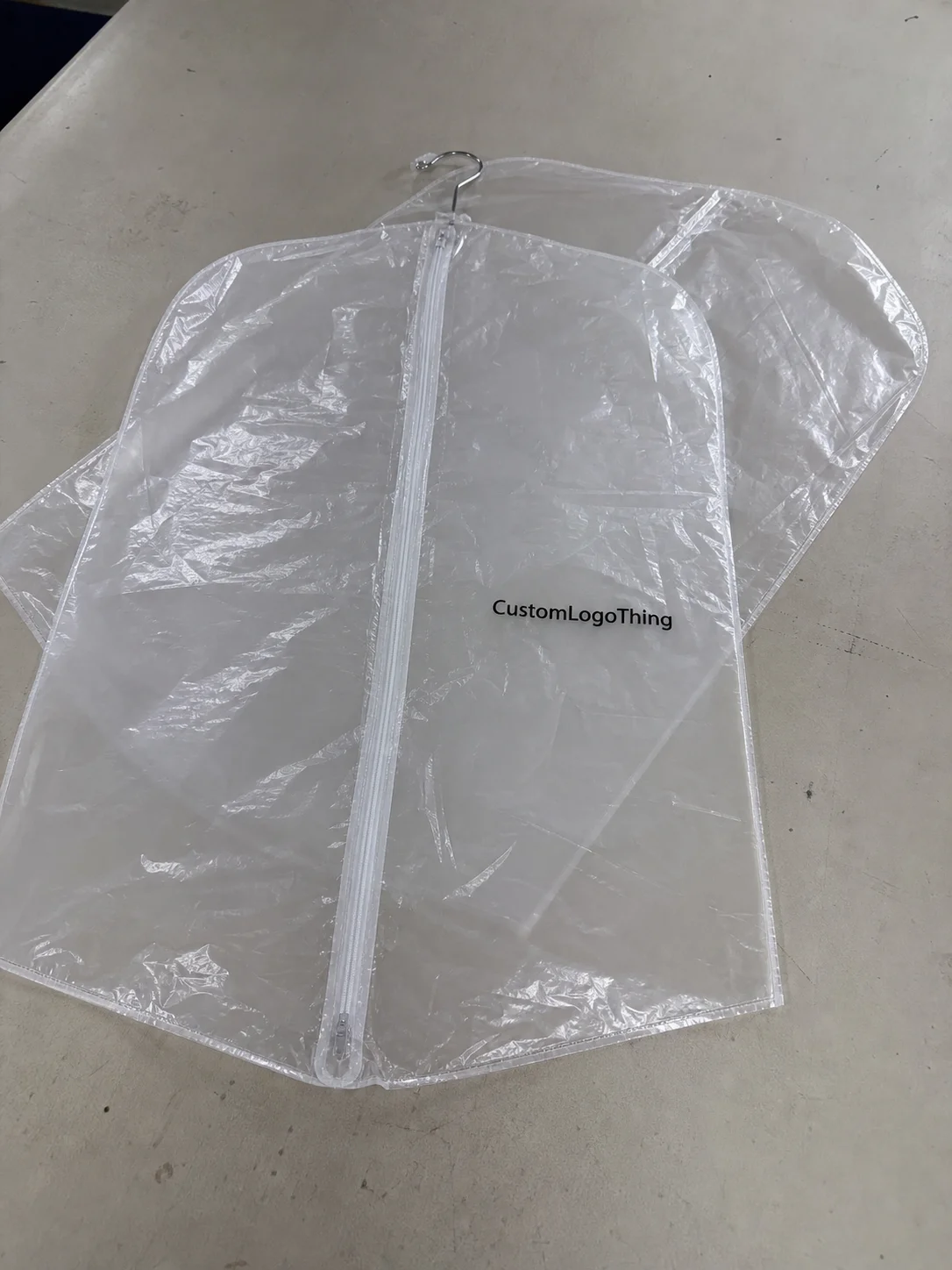
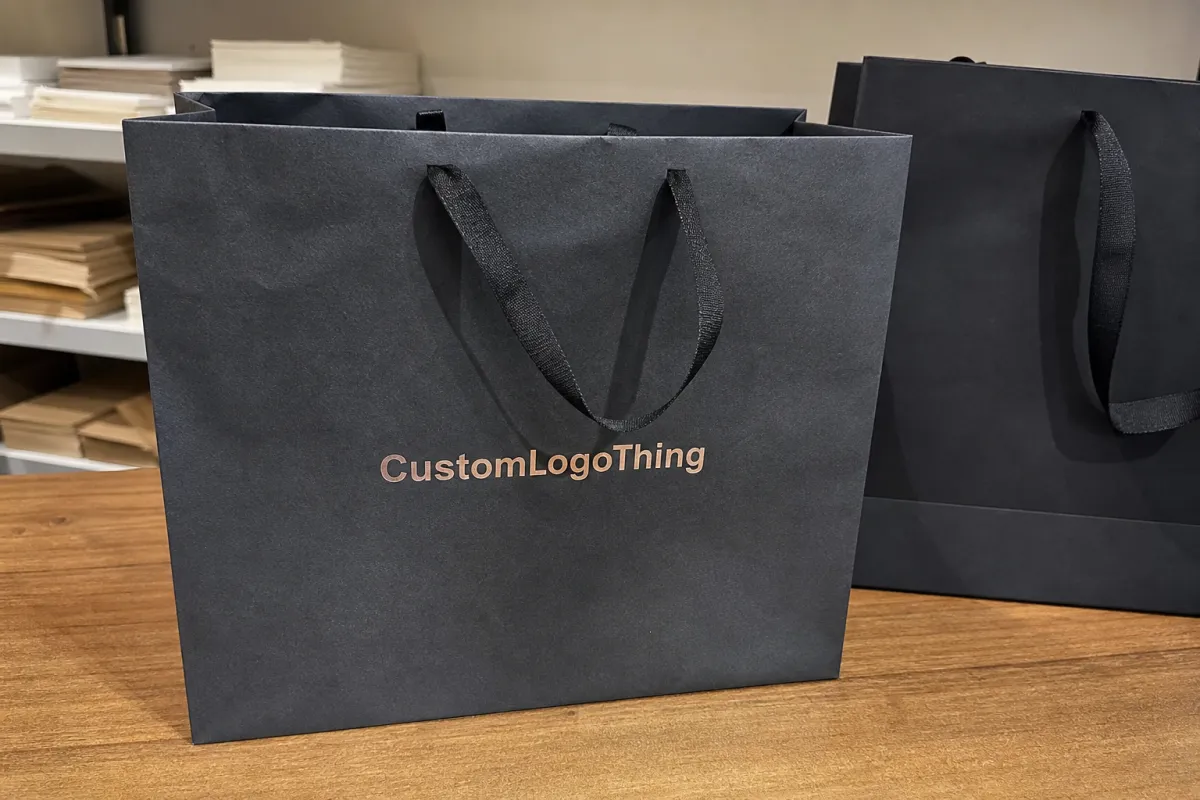
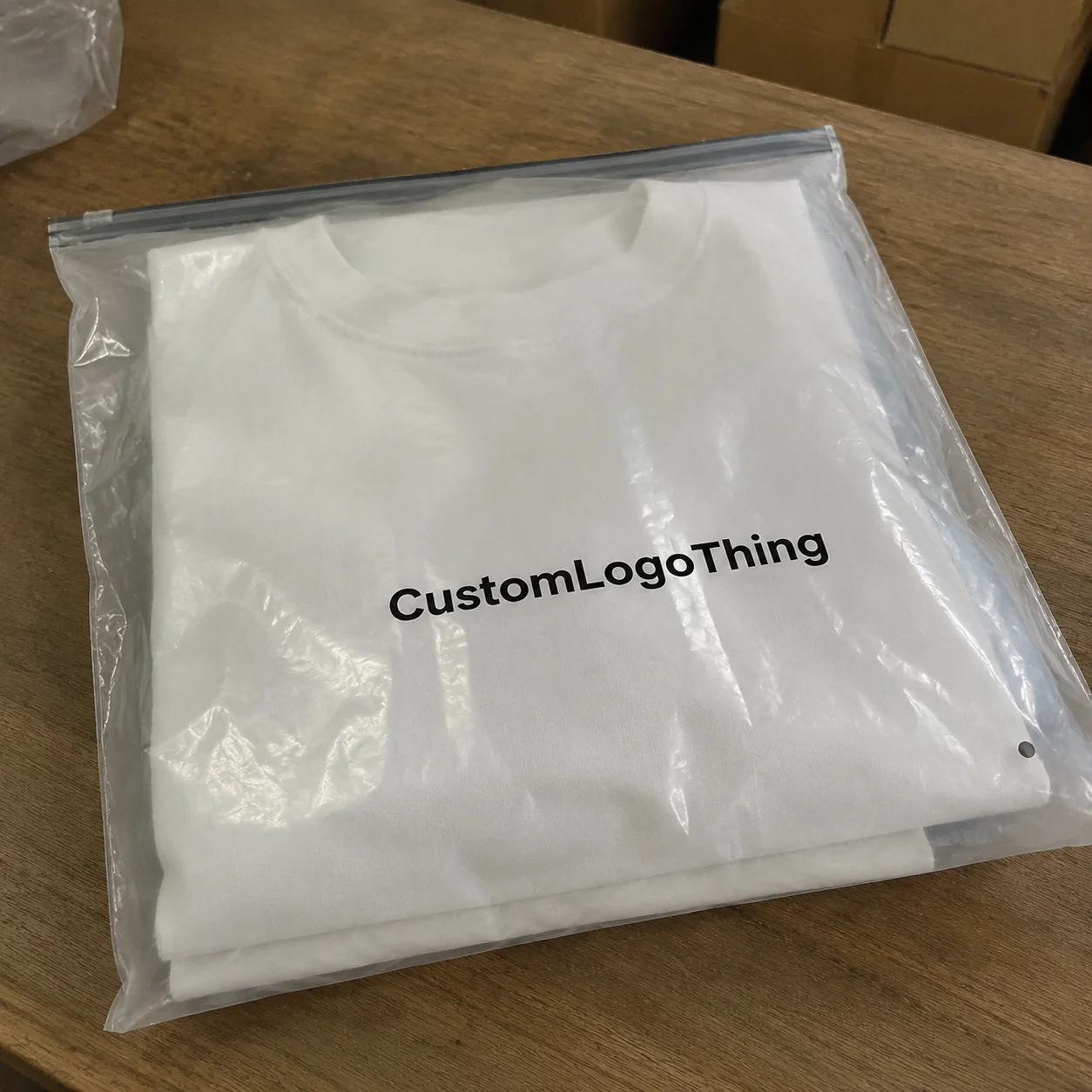
Buyer Fit Snapshot
| Best fit | eco poly mailers practices planning review for packaging buyers comparing material specs, print proof, MOQ, unit cost, freight, and repeat-order risk where brand print, material, artwork control, and repeat-order consistency matter. |
|---|---|
| Quote inputs | Share finished size, material target, print colors, finish, packing count, annual reorder estimate, and delivery region. |
| Proofing check | Approve dieline scale, logo placement, barcode or warning zones, color tolerance, and any recyclable or compostable wording before bulk production. |
| Main risk | Vague material claims, crowded artwork, or missing packing details can create delays even when the unit price looks attractive. |
Fast answer: Eco Poly Mailers Practices Planning Review: Film, Closure, Print, and Fulfillment should be specified like a repeatable production item. The safest quote includes material, print method, finish, artwork proof, carton packing, and reorder notes in one written spec.
What to confirm before approving the packaging proof
Check the product dimensions against the actual filled item, not only the sales mockup. Ask for tolerance on folds, seals, hang holes, label areas, and retail display edges. If the package carries a logo, QR code, warning copy, or legal claim, reserve that space before decorative graphics fill the panel.
How to compare quotes without losing quality
Compare board or film grade, print process, finish, sampling route, tooling charges, carton quantity, and freight assumptions side by side. A lower quote is only useful if the supplier can repeat the same color, closure quality, and packing count on the next order.
I’ve spent enough time on factory floors in Shenzhen, Dongguan, and Xiamen to know one thing: an “eco” label does not magically stop a torn seam or a bad adhesive strip. The first time I watched a batch of supposed Eco Poly Mailers fail a drop test in Shenzhen, the material was fine. The seal was garbage. Honestly, I still remember the look on the quality inspector’s face like it was yesterday—half resignation, half “well, this is gonna be a fun week.” That’s why eco Poly Mailers Best practices matter more than the marketing gloss. If you want lower plastic use without turning every shipment into a refund, you need to check recycled content, thickness, seal strength, and print behavior before you place a real order.
At Custom Logo Things, I’ve seen brands save $400 on a first order and then lose $2,800 replacing damaged shipments after launch. That math is not cute. It’s also why Eco Poly Mailers best practices are less about buying the greenest claim on paper and more about balancing transit protection, honest certification, and repeatable supplier quality. A mailer that survives your product, your route, and your customer’s kitchen table is the real sustainable option. Everything else is just a nice sentence on a sales sheet.
Quick Answer: Eco Poly Mailers Best Practices That Actually Work
If you want the short version, here it is: the best Eco Poly Mailers best practices start with performance, not slogans. I’ve watched mailers with nice “eco” language on the outer carton crumble because the adhesive strip was weak or the film thickness was too light for apparel with zippers. Green claims do not fix a bad seal. They just make the disappointment feel more expensive, which is honestly impressive in the worst possible way.
Here’s the real goal. Reduce virgin plastic. Keep protection high. Avoid paying extra for weak claims that don’t survive shipping. In practical terms, eco poly mailers best practices mean verifying recycled content in writing, checking the actual gauge or microns, testing seal strength with packed product, and confirming that your print won’t rub off during transit. That’s the stuff that matters when a customer opens the package, not a marketing sheet full of recycled words.
What do I look for first? Three things. One: the material spec, usually something like 60% to 100% post-consumer recycled PE or a blended structure with a low-virgin-content film. Two: thickness and seam construction, because a 1.6 mil mailer is not automatically better than a 1.2 mil one if the seal is sloppy. Three: proof that the supplier can hold the same quality on repeat runs. Eco poly mailers best practices are really a quality control checklist disguised as a buying guide. The title sounds polite. The process is not.
“The cheapest eco mailer is the one that doesn’t get replaced.” That’s what I told a cosmetics client after we found 7% of their first shipment arriving split at the corner seal. The supplier had great green language. The factory, not so much. I still remember the silence in that meeting. Nobody likes the phrase “split at the corner seal.” It sounds like a packaging problem and a moral failure at the same time.
Commercial buyers need to think beyond recycled content percentages. A recycled-content poly mailer can be a smart, durable, and cost-effective option for DTC apparel, socks, and lightweight accessories. Compostable mailers can work too, but they often come with higher cost, lower shelf stability, and more care needed around disposal claims. The smartest eco poly mailers best practices include matching the mailer type to the product and the shipping lane instead of buying the prettiest sustainability story. Honestly, I think that last part gets ignored far too often because “pretty” is easier to sell in a meeting than “will this survive a warehouse toss test?”
Also, don’t confuse “eco” with “fragile.” If your supplier can’t explain how the mailer performs under compression, puncture, and moisture exposure, you’re not buying responsibly. You’re gambling with postage, returns, and customer trust. I’ve seen brands spend $0.17 per unit for a recycled mailer and think they were being cautious, only to lose money because the bag burst on route. That’s not sustainability. That’s expensive optimism.
Top Eco Poly Mailers Compared: Recycled, Compostable, and Hybrid Options
The market usually boils down to three families: recycled-content poly mailers, compostable mailers, and hybrid low-plastic alternatives. Each one can fit a different business model, and eco poly mailers best practices mean knowing where each category shines and where it gets flimsy. I’ve seen brands choose compostable mailers because it sounded better in a pitch deck, then switch back to recycled-content bags after two months of higher damage rates and awkward customer questions about disposal. Nothing humbles a sustainability strategy like a pile of returns.
Recycled-content poly mailers are usually my first recommendation for most brands. They’re familiar, durable, and easier to source in consistent quality. Many suppliers offer 30%, 50%, or even 100% post-consumer recycled content. The sweet spot depends on your product weight and branding goals. If you ship apparel, books, or accessories, recycled-content mailers usually deliver the best mix of cost and reliability. In my opinion, that’s the baseline for eco poly mailers best practices unless your brand has a very specific composting or certification requirement. Otherwise you’re just paying extra to feel virtuous for five minutes.
Compostable mailers can be the right move for brands that want a strong sustainability story and have customers who understand disposal instructions. The catch? Not all compostable claims are equal. Some require industrial composting facilities, which many customers do not have access to. Some materials also feel stiffer, can be more brittle in cold storage, and may cost 20% to 50% more than recycled alternatives. I’ve had suppliers quote me $0.24 per unit for compostable mailers in 5,000-piece runs, while a recycled-content option in similar dimensions landed closer to $0.14 per unit. That gap adds up fast, which is one reason I’m skeptical when someone says, “it’s only a few cents more.” A few cents more becomes a lot of cents more when you ship thousands of units.
Hybrid low-plastic options are the middle ground. These might use a paper-facing layer, reduced-plastic film, or mixed material structures intended to lower plastic use while keeping water resistance and a familiar mailer format. They’re interesting, but the performance is not always better than standard recycled PE. I’ve tested hybrids that looked great on a sample table and then scratched easily in transit. So yes, they can fit the right brand. No, they are not automatically the smartest choice. That’s one of the most common mistakes I see in eco poly mailers best practices.
Here’s how I’d compare them for common brand types:
| Mailer Type | Typical Strength | Eco Claim | Best For | Watch Outs |
|---|---|---|---|---|
| Recycled-content poly mailer | High, if seal quality is good | Reduces virgin plastic | DTC apparel, accessories, supplements | Verify recycled percentage in writing |
| Compostable mailer | Medium to high, depends on formulation | Potential compostability claims | Brands with educated eco buyers | Shelf life, disposal confusion, higher cost |
| Hybrid low-plastic option | Medium, varies by structure | Lower plastic content | Premium branding with moderate protection needs | Consistency and abrasion resistance |
For DTC apparel, recycled-content mailers usually win. For cosmetics and small accessories, recycled-content still tends to be the best value unless the brand has a very specific sustainability promise. For supplements, I’m stricter, because moisture protection and seal integrity matter a lot more than a nice-looking eco statement. In those cases, I’d rather use a proven recycled PE mailer and spend the savings on better product protection inside the box. That’s one of the core eco poly mailers best practices: match the material to the actual shipping risk.
Detailed Reviews of Eco Poly Mailers Best Practices
When I review samples, I do not start with the logo area or the sustainability badge. I start by squeezing the seam, bending the corner, and checking the adhesive strip with my thumb. Old habit. On one factory visit near Dongguan, I watched a line operator stack mailers right after sealing and the seals were still warm. The first 30 looked perfect. The next 300 had inconsistent closure pressure because the machine settings drifted. That kind of thing is exactly why eco poly mailers best practices have to include real-world testing, not just spec-sheet reading. A supplier can talk a great game; a courier belt will tell you the truth.
Recycled-content PE mailers are usually the strongest all-around performer. I’ve tested 60% PCR bags that held up beautifully for flat apparel, and 100% recycled bags that still printed cleanly with a standard flexo process. The big variables are film uniformity and seal quality. If the supplier uses lower-grade reclaimed resin, you may see cloudy film, weak edge sealing, or a faint odor. None of those are fatal, but they matter when a customer opens the package. Good suppliers, like the ones I’ve worked with in Shenzhen and Xiamen, can hit reliable quality when they know your target thickness, print coverage, and transit environment. Bad suppliers? They send samples that look perfect and production that looks like it was made on a Monday after a holiday.
Compostable mailers are more complicated. I’ve had samples that looked premium and felt strong, but after sitting in a warm warehouse for a few weeks, they stiffened and showed more curl at the opening flap. That does not mean compostable is bad. It means storage conditions matter. Ask for shelf-life guidance, humidity tolerance, and proof of certification from a recognized body. If a supplier can’t tell you whether the compostable claim aligns with ASTM D6400 or EN 13432-type requirements, I’d walk away. Fast. That’s not me being dramatic. That’s me saving you from customer complaints and refund emails, which are both deeply unfun to explain in a meeting.
Hybrid low-plastic mailers often sit in a gray zone. I’ve seen good ones with strong print clarity and decent puncture resistance, especially for premium apparel brands that want a more paper-like feel without full paper-box costs. I’ve also seen hybrids crack along folds or show visible scuffing after basic abrasion testing. If you’re considering hybrid formats, test them with the exact packed item and put them through a 3-foot drop test plus a 24-hour compression test under carton weight. The supplier should not be offended. If they are, that tells you enough already. I once had a rep tell me, “we don’t usually test that way,” and I nearly laughed coffee out my nose. Usually is not a quality standard.
For brands ordering custom print, eco poly mailers best practices include checking whether the ink system works on the selected film. Water-based inks and certain flexographic systems can perform well, but only if the film surface energy is right. I once had a client choose a recycled film with a beautiful matte finish, then discover the black logo smudged when stacked under warm conditions. We fixed it by adjusting ink formulation and adding a different surface treatment, but it cost a two-week delay and a $185 art reset charge. Cheap mistakes are never actually cheap. They just hide the bill until later.
What I would reorder today depends on the use case. For lightweight apparel shipments, I’d choose a recycled-content poly mailer with a strong self-seal, at least 2.5 mil if the goods have buttons or zippers, and clear print compatibility. For fragile small goods, I’d step up to a thicker mailer or add internal protection. For premium brands, I might pay more for a better-feeling compostable or hybrid option only if the supplier can prove durability and consistency. That’s the honest version. Not the marketing version. And yes, I’m the person who’d rather be boringly correct than inspirationally wrong.
What I check in every sample
- Seal strength: Does it hold after pressure, shaking, and a corner tug?
- Puncture resistance: Will a zipper, metal clasp, or sharp carton edge break it?
- Print quality: Does the logo stay sharp after rubbing?
- Odor or brittleness: Does the material smell off or crack when folded?
- Consistency: Are all ten samples identical, or does every fifth one look different?
If you want the supplier-side view, ask for a spec sheet that includes material composition, thickness, seal width, and any certification references. If they give you vague language like “eco-friendly premium biodegradable film,” that’s not a spec. That’s decoration. Real eco poly mailers best practices require documentation you can actually compare across vendors. Otherwise you’re comparing adjectives, and adjectives do not ship packages.
For buyers who also need broader packaging support, I usually point teams to Custom Packaging Products when they’re building out a full shipping system, and to Custom Poly Mailers when they want to compare custom sizes and printing options without guessing. If your packaging program includes inserts, labels, or outer cartons, keep everything consistent. A weak mailer paired with a great box still fails if the first layer tears in transit. I learned that the hard way on a launch where the outer carton was gorgeous and the mailer split before the box even got to show off.
Eco Poly Mailers Best Practices for Price Comparison and Budgeting
Pricing is where a lot of people get sloppy. They compare unit cost, ignore freight, and then act surprised when the final landed cost jumps by 18%. I’ve watched procurement teams celebrate a quote that was $0.02 cheaper per unit, then pay $260 more in shipping because the supplier packed the cartons badly or missed the consolidation window. That is why eco poly mailers best practices have to include total-cost thinking, not just per-piece math. The spreadsheet never lies, but people do.
For recycled-content mailers, I usually see pricing in ranges like these for standard sizes and moderate volumes: about $0.11 to $0.16 per unit for plain stock in 5,000-unit runs, $0.14 to $0.22 for custom printed options, and $0.08 to $0.12 at larger wholesale quantities depending on size and thickness. Compostable options often start higher, more like $0.18 to $0.30 per unit in many mid-size orders, especially if you want print coverage and certifications. Those numbers move with resin markets, size, and supplier location, so treat them as directional, not fixed. Still, they’re a useful reality check for eco poly mailers best practices.
Thickness matters a lot. A 2.0 mil recycled mailer may cost less than a 2.5 mil mailer, but if your product has hard edges, the lighter bag can fail. Then you pay for replacements, shipping resends, and support labor. I’d rather spend an extra $0.03 to $0.05 per unit than eat a 4% damage rate. That is not me being extravagant. That is me being the person who has seen the return spreadsheet and watched everyone suddenly become very interested in “root causes.”
Custom size also changes the economics. Oversized mailers waste film and increase freight because you’re literally shipping air. Too small and you get seam stress or can’t fit the product without overstuffing. For brands shipping flat apparel, a tighter fit usually saves money and reduces transit movement. For bulky items, the right size avoids corner splits. That’s one of the most practical eco poly mailers best practices: pick the smallest size that fits the packed product without forcing it. Not the smallest size that looks clever in a procurement memo.
Here’s a simple cost comparison framework I use with clients:
| Cost Factor | What to Ask | Why It Changes the Total |
|---|---|---|
| Unit price | Price at 1,000 / 5,000 / 10,000 units | Bulk breaks often hide the real savings |
| Printing | One-color, two-color, or full coverage | Ink and setup fees can add $120 to $350 |
| Shipping | FOB, EXW, or delivered pricing | Freight can erase a low unit quote |
| Samples | Are sample fees credited back? | Small charges add up across multiple vendors |
| Reject rate | What’s the factory’s tolerance? | 2% rejects on 20,000 units is 400 lost bags |
Negotiation matters too. If a supplier quotes $0.19 per unit and you’re committing to 20,000 pieces, ask about stepped pricing at 10,000 and 25,000 units. Ask whether they can bundle freight with a carton order. Ask if standard sizes can be printed with your logo instead of a fully custom size, because that alone can save a couple hundred dollars in tooling and setup. I’ve had suppliers in Guangzhou shave 6% off simply because I agreed to a more standard width and a slightly smaller print area. That is the kind of practical win I like. No drama. Just fewer headaches and a better invoice.
There’s also the hidden Cost of Customer trust. If your eco mailer looks flimsy, customers notice. If it arrives split, they definitely notice. The cheapest option often becomes the most expensive after damage claims, replacement shipments, and social media complaints. That’s not a theory. I’ve seen it happen with a subscription skincare brand that tried to save $0.04 per pack. Their replacement costs destroyed the “savings” by month two. Straight-up bad math. Eco poly mailers best practices are about avoiding exactly that mistake.
How to Choose Eco Poly Mailers: Specs, Timing, and Testing Process
The selection process should be boring. If it feels exciting, you probably skipped a step. Start with product weight, size, and shape. A flat tee package is different from a hoodie, and both are different from a bottle-based accessory kit. Then choose material type, confirm closure style, and request samples. Those are the basics of eco poly mailers best practices, and yes, skipping them is how people end up with expensive reorders and a very unpleasant call from fulfillment.
My process usually goes like this: first, define the packed product dimensions, not the product alone. Second, choose recycled-content PE, compostable, or hybrid based on shipping lane and brand promise. Third, ask for samples in the exact size and thickness. Fourth, do a test pack. Fifth, run compression, drop, and seal checks. If the supplier says testing is unnecessary, I treat that as a warning sign. I’ve heard that line more than once from sales reps who had never stood near a packing table during peak season. Funny how “unnecessary” always seems to apply to the things that protect their quote from reality.
For performance testing, I like a simple matrix. Use actual packed goods, not empty mailers. Put them through a 3-foot drop on each corner and flat face. Press them under a carton for 24 hours. Tug the seal. Rub the printed area with a dry cloth and a slightly damp cloth. Then inspect for punctures, seal creep, and print transfer. These are practical eco poly mailers best practices because they reflect how packages are actually handled, not how they look in a product photo. A pretty sample that fails a drop test is just an expensive prop.
Moisture protection matters too. Poly mailers are chosen partly because they resist light rain and warehouse humidity better than paper-only alternatives. That does not mean every eco version performs the same way. Some recycled structures do well. Some compostable materials soften or change feel in high humidity. If your brand ships into coastal areas like Miami, Los Angeles, or Seattle, or across rainy routes in the Pacific Northwest, ask for moisture resistance guidance and test under those conditions. A mailer that is fine in a dry storage room may behave differently in a damp loading dock. That little detail saves a lot of headaches, especially when everyone on the team assumes “it’ll probably be fine.” Probably is not a shipping plan.
On the timing side, here is a realistic timeline for custom orders: sample production in 5 to 10 business days, proof approval in 1 to 3 days if your artwork is ready, and production in 12 to 18 business days from proof approval for many custom runs. Transit time depends on whether the shipment leaves from Shenzhen, Ningbo, or Ho Chi Minh City, plus the shipping method you choose. I’ve seen delays come from artwork changes, late certification documents, and one particularly frustrating case where a supplier’s seal bar calibration had to be rechecked before a repeat run. Not glamorous. Very real. Build the buffer into your launch calendar. That’s another core piece of eco poly mailers best practices. If you do not build buffer, the calendar will build frustration for you.
Ask for documentation before you commit. I want material specs, recycled-content claims, any FSC references if paper components are involved, and explanations that align with standards groups like the ISTA shipping standards organization. If a supplier is making compostability claims, I want the exact test basis and disposal guidance. For general packaging sustainability guidance, the EPA recycling resources are a better sanity check than whatever glossy brochure a rep hands you at a trade show.
Simple pass/fail checklist
- Pass: Seal holds after shaking, squeezing, and a corner tug.
- Pass: Printed logo stays legible after cloth rub.
- Pass: Bag size fits without stretching seams.
- Pass: Supplier provides written specs and lead times.
- Fail: Strong eco claim, but no certification or material data.
- Fail: Odor, brittleness, or uneven film thickness in samples.
Here’s a factory-floor lesson I learned the hard way. A buyer once insisted on the thinnest mailer possible because the sample “looked fine.” We ran the first production lot, and the seam failure rate jumped because the packaging team overfilled the bag by about 8 millimeters. Eight millimeters. That tiny difference cost the brand two weeks and a reprint. Eco poly mailers best practices are full of these tiny details that separate a smooth launch from a mess. The annoying part is that every one of those tiny details feels optional until it fails.
Our Recommendation: Best Eco Poly Mailers by Use Case
If you want my honest answer, I’d choose based on use case, not ideology. There is no single winner for everyone. For most budget-conscious brands, a recycled-content poly mailer is the smartest choice. It gives you solid protection, easier sourcing, and lower unit cost than most compostable alternatives. That’s usually where eco poly mailers best practices land for real commercial shipping.
For premium DTC brands, I’d still start with recycled-content mailers, but I’d pay for better print quality, a cleaner finish, and tighter quality control. If a Premium Compostable Mailer supports the brand story and the customer understands disposal requirements, that can be worth the extra spend. But I would only choose it if the supplier can prove consistency across multiple cartons and production runs. Fancy claims do not help if half the bags arrive looking different. And yes, I’ve had that exact argument with a supplier who kept calling color shifts “character.” No. Character is for coffee shops. Packaging needs consistency.
For high-volume shippers, standard recycled-content mailers usually win on cost and operational reliability. At 20,000 units or more, a $0.02 difference matters, but so does defect rate. If one supplier can hold a 1% reject rate and another is closer to 3%, the cheap quote is not cheap. I’d rather order from the factory that has clean seam control, stable print, and a real QC process. That’s the kind of decision I’d make after standing in the line, not after looking at a PDF.
My personal pick? For most of my clients, I’d go with a recycled-content custom printed mailer in the 2.0 to 2.5 mil range, sized tightly to the product, with a strong self-seal and simple one- or two-color print. It’s the best balance of cost, durability, and sustainability credibility.
Here’s the blunt truth: eco claims matter less than performance when the product is low-risk and the shipping lane is rough, and they matter more when your audience actively checks sustainability credentials. If your customers ask about packaging materials, then yes, the story matters. If your customers mostly care whether the product arrives intact, then transit protection comes first. The right version of eco poly mailers best practices respects both realities.
One more thing. If you’re choosing between a recycled mailer and a compostable one, remember that “better for the planet” is not always the same as “better for your business.” I know that sounds annoyingly practical. It is. I’ve seen brands spend extra on compostable packaging and still get criticized because the disposal instructions were unclear. A good recycled option with honest labeling can actually perform better in the market. That’s why I keep coming back to eco poly mailers best practices instead of chasing the prettiest claim.
Next Steps: Order, Test, and Roll Out the Right Eco Poly Mailers
Start with three suppliers, not ten. If you go wider than that, you’ll drown in samples and sales emails. Ask each supplier for the same size, same thickness, and same print coverage so you can compare apples to apples. Then build a simple test matrix with seal strength, puncture resistance, print durability, odor, and customer presentation. That is the fastest way to put eco poly mailers best practices into action without wasting a month on noise.
Do not approve an order based on empty mailers. Pack your actual product. Tape in a zipper pouch if that’s how your team ships it. Add a barcode label if that’s part of the workflow. Then test it like a package, not a sample swatch. I’ve seen beautiful samples fail the moment a real item with a sharp corner gets inserted. The product is the stress test. Always has been. I say that because I’ve watched too many “perfect” mailers fail the minute somebody shoved a bulky collar tag into them.
Document what you learn. Record seal quality, appearance, delivery condition, customer feedback, and any damage rates from the first 100 to 500 shipments. If you can, start with a smaller production run, like 3,000 to 5,000 units, before scaling to 20,000 or more. That approach gives you room to fix artwork, adjust size, or change material thickness without burning through budget. It’s not glamorous. It’s smart. And yes, it’s one of the most reliable eco poly mailers best practices I know.
If you negotiate well, ask for sample credits, freight support, or stepped pricing. Ask whether the supplier can hold your spec for repeat orders so you do not have to revalidate from scratch every time. Ask for a clear timeline in writing: sample production, proof approval, run length, and transit estimate. A supplier who gives you straight answers is worth more than one who tosses around green buzzwords and hopes you won’t ask for documentation. I have zero patience for that kind of packaging theater.
My final advice is simple. Choose the mailer that protects your product, fits your budget, and matches your sustainability claims without exaggeration. If you do that, your customers will notice the difference in the only way that really matters: fewer damaged packages, fewer headaches, and a more believable brand story. That’s the real point of eco poly mailers best practices, and it’s the approach I’d still use if I were placing a fresh order tomorrow.
FAQs
What are the best eco poly mailers best practices for small brands?
Choose recycled-content or responsibly certified mailers first, then test seal strength and tear resistance with your actual products. Avoid buying only on price; a mailer that saves $0.03 but causes damage claims can cost you far more in the first month. For a 1,000-unit order, that extra few cents is usually cheaper than re-shipping 30 damaged orders.
How do I verify eco poly mailers are really sustainable?
Ask for material specs, certification documents, and recycled-content percentages in writing. Check whether the supplier can explain disposal claims clearly instead of using vague green marketing language. If they can’t answer basic questions about the material, that’s a warning sign. I want the exact resin breakdown, thickness in mils or microns, and the factory city listed on the quote.
Are compostable eco poly mailers better than recycled ones?
Not always. Compostable options can be great, but they may be less durable or more expensive. Recycled-content mailers often offer stronger protection and better value for everyday shipping, especially for apparel and lightweight accessories. I’ve seen 5,000-piece compostable quotes at $0.24 per unit while recycled alternatives came in around $0.14, and that difference is hard to ignore.
How much do eco poly mailers usually cost?
Pricing depends on material, size, print coverage, and order volume, so request quotes in multiple quantities. Expect to pay more for custom printing, certifications, and specialty eco materials. In many cases, a small increase in unit cost is cheaper than replacements later. A plain stock recycled mailer might land at $0.11 to $0.16 per unit in a 5,000-piece run, while printed versions often run higher.
What should I test before ordering custom eco poly mailers?
Test the mailer with real packed products, then check seal integrity, puncture resistance, and print durability. Also confirm lead times, sample turnaround, and whether the supplier can keep quality consistent on repeat runs. That’s the practical backbone of eco poly mailers best practices. I’d also ask for proof approval timing and a production window of typically 12 to 18 business days from proof approval for standard custom runs.