Buyer Fit Snapshot
| Best fit | Eco Poly Mailers Pricing projects where brand print, material claims, artwork control, MOQ, and repeat-order consistency need to be specified before quoting. |
|---|---|
| Quote inputs | Share finished size, material target, print colors, finish, packing count, annual reorder estimate, ship-to region, and any compliance wording. |
| Proofing check | Approve dieline scale, logo placement, barcode or warning zones, color tolerance, closure strength, and carton packing before bulk production. |
| Main risk | Vague material claims, crowded artwork, missing packing details, or unclear freight terms can make a low unit price expensive after revisions. |
Fast answer: Eco Poly Mailers Pricing: Quote Scope should be specified like a repeatable production item. The safest quote records material, print method, finish, artwork proof, packing count, and reorder notes in one written spec.
Production checks before approval
Compare the actual filled-product size with the drawing, then confirm tolerance on folds, seals, hang holes, label areas, and retail display edges. Reserve space for logos, QR codes, warning copy, and material claims before decorative graphics fill the panel.
Quote comparison points
Review material grade, print process, finish, sampling route, tooling charges, carton quantity, and freight assumptions side by side. A quote is only useful when the supplier can repeat the same color, closure quality, and packing count on the next order.
On a factory floor in Dongguan, I watched a buyer argue for a lower unit price on mailers that were 0.5 mil thinner than the sample he had approved. Three weeks later, he was back because the shipments were arriving with split seams and greasy handprints from repacking. That is the trap this Eco Poly Mailers pricing guide is meant to help you avoid: the cheapest sticker price can become the most expensive decision once damage, reorders, and labor are counted. In that plant, the quote difference was just $0.018 per unit on 20,000 pieces, but the return freight and rework bill topped $1,300 in one month.
Eco Poly Mailers are simple on the surface. They are lightweight shipping mailers made with recycled-content film or recyclable structures designed to reduce material impact while still protecting garments, accessories, books, and similar products in transit. But if you’ve ever compared two quotes for the same 10 x 13 inch mailer and seen wildly different numbers, you already know the market is not simple. One supplier may be quoting 30% post-consumer recycled content at 2.5 mil. Another may be offering a “green” claim with no test data, a lower thickness, and a weaker seal. That difference matters, especially when one option is made in Dongguan and another comes from a Wenzhou converter using a different resin blend.
This Eco Poly Mailers pricing guide is here to make the numbers understandable. I’ll break down what drives price, how to compare quotes without getting misled, and where hidden costs tend to creep in. I’ve seen buyers save $0.02 per unit only to lose $0.18 per order in return freight and repacking. That is not savings. That is leakage. And yes, people still try to defend it in meetings like the spreadsheet gods will forgive them. If you are buying from suppliers in Guangdong, Zhejiang, or Jiangsu, the factory address alone can change freight, lead time, and minimum order quantities by a lot.
Eco Poly Mailers Pricing Guide: Why the Cheapest Option Isn’t Always Cheap
There’s a reason experienced procurement teams keep a spreadsheet instead of chasing the lowest quote. A mailer that looks inexpensive can create higher total cost if it tears, forces a second shipment, slows pack-out, or makes your brand look careless. In my experience, the first number is often the least useful number. I’ve seen a $0.11 mailer become a $0.29 problem once labor, tape, and replacement postage were counted.
Eco poly mailers sit in an odd middle ground. They are not as rigid as corrugated boxes, and they are usually more protective than paper mailers for moisture-sensitive items. That middle ground is exactly why buyers search for an eco poly mailers pricing guide. They want to know whether they are paying for recycled content, a stronger seal, better print quality, or just better marketing language. A 10 x 13 inch mailer with 35% PCR film and a 3.1 mil wall will usually price differently than an 8 x 10 inch mailer with 30% PCR at 2.2 mil, even before print is added.
I’ve seen this play out in a client meeting with a subscription apparel brand that shipped 40,000 units a month from a fulfillment center outside Dallas, Texas. Their finance lead focused on a quote that was $0.012 lower per mailer. Their operations lead asked a better question: how many replacements do we ship when a poly seam opens in transit? The answer was 1.7% of parcels. That one percent-ish issue erased the apparent savings in about six weeks. Their production run was in Shenzhen, and the supplier’s cheaper resin batch still cost more once customer service tickets hit 240 cases in one month.
So here’s the starting point for this eco poly mailers pricing guide: price is not just the number on the quote. It is the sum of material, performance, freight, labor, storage, and the cost of failure. If you judge eco mailers only by unit price, you may pick the most expensive option in disguise. A quote from a factory in Dongguan at $0.15 per unit for 5,000 pieces can still beat a $0.12 quote from another region if the first one cuts damage claims in half.
“The cheapest mailer is often the one that creates the most calls from customer service.” That line came from a fulfillment manager I worked with in Ohio, and she was right down to the cent. She was running a 42,000-unit monthly program out of Columbus, and every extra complaint added real labor.
How Eco Poly Mailers Work and What You’re Really Buying
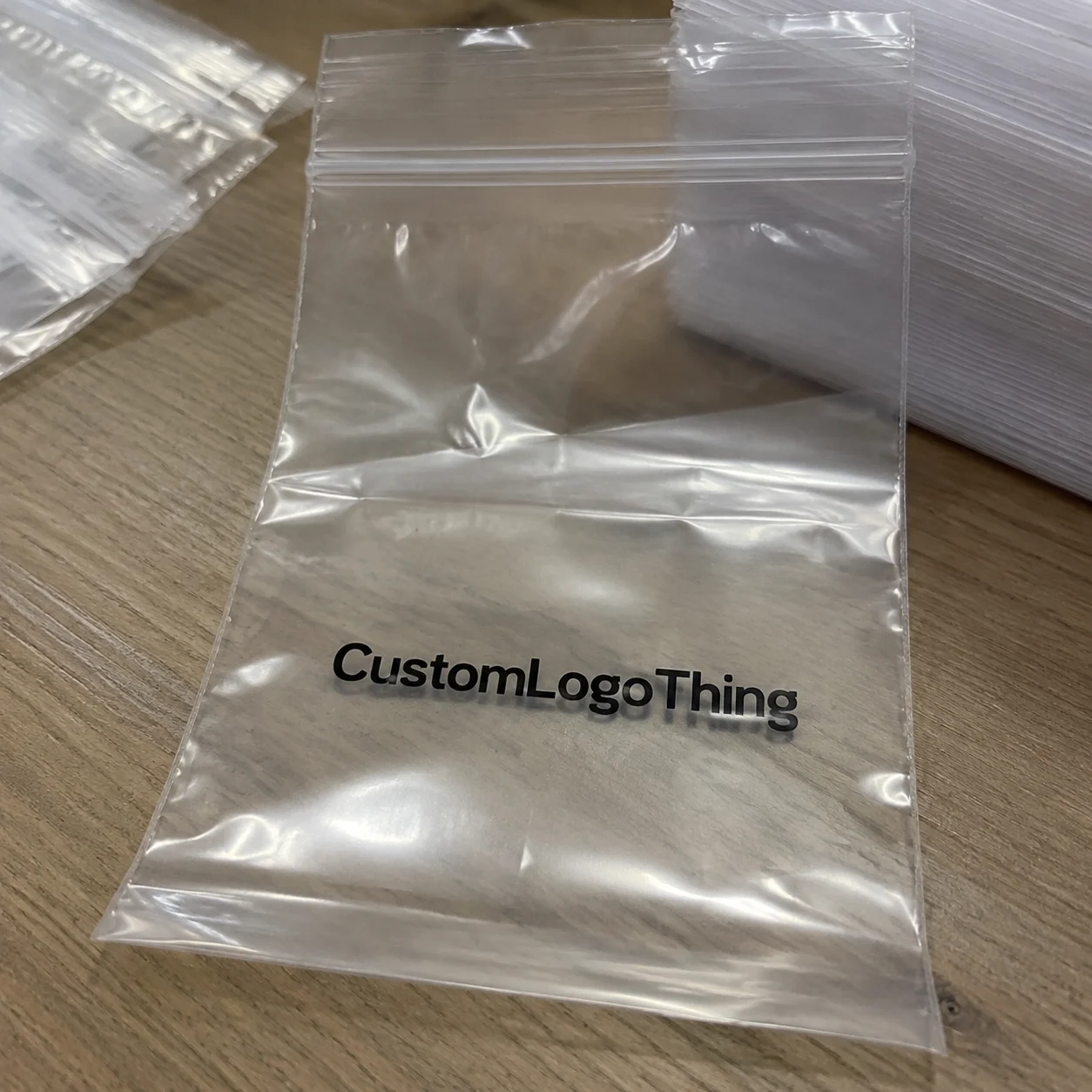
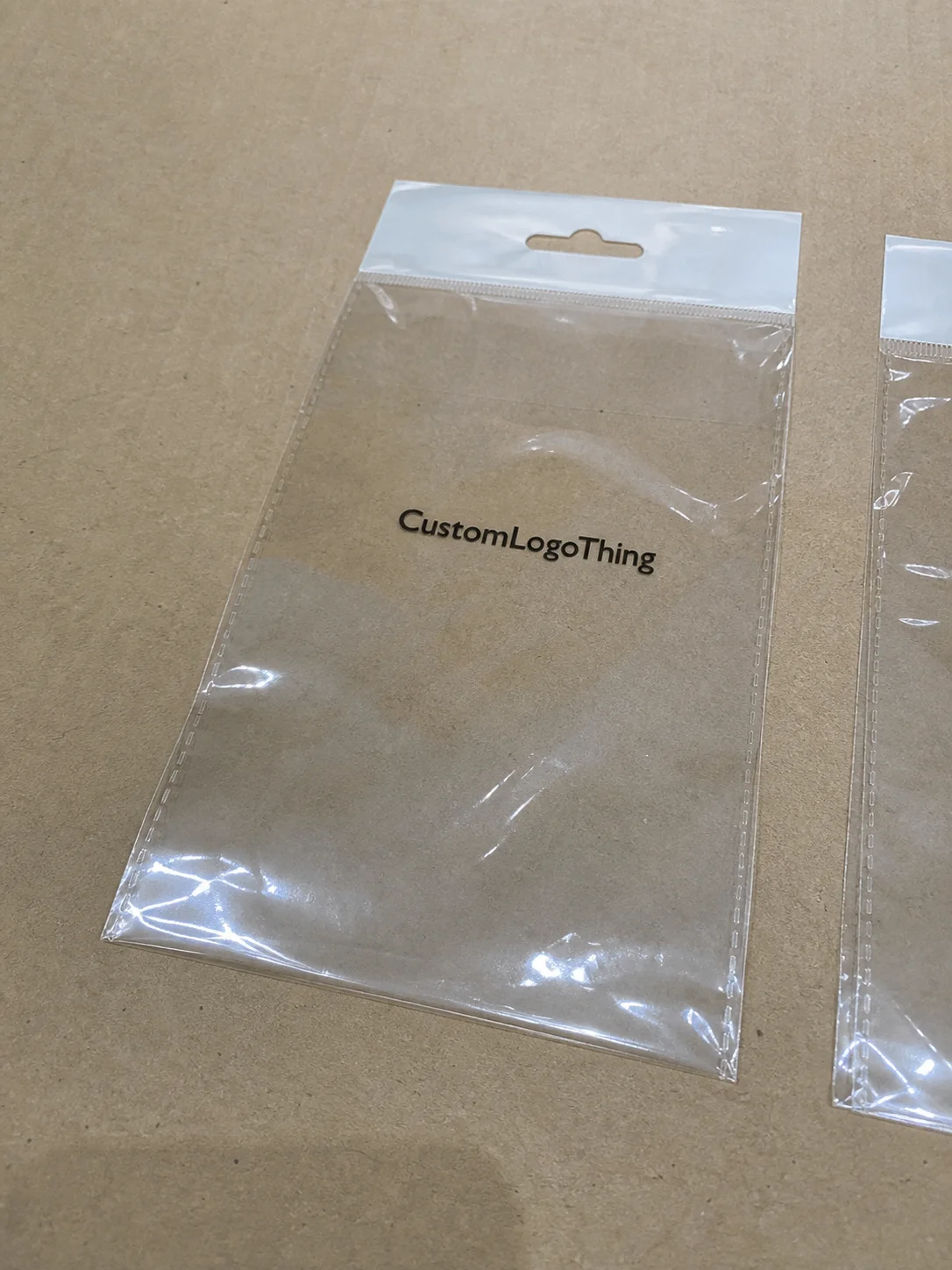
A standard eco poly mailer is usually a film-based shipping pouch with a self-seal strip, a flat or gusseted profile, and sometimes printed branding. The film may include recycled content, and in some cases it is designed to be recyclable in specific store-drop-off systems. The adhesives and inks matter too, especially if you are trying to support a sustainability story that can hold up to scrutiny. In practical terms, many mailers use 2.0 to 3.5 mil PE film, with hot-melt adhesive strips applied across the flap in a 15 to 20 mm band.
Here’s the tricky part: not all eco claims mean the same thing. A recycled-content mailer uses resin that includes post-consumer or post-industrial recycled material. A recyclable mailer is designed to enter a recycling stream, but that does not mean every curbside system accepts it. A compostable or biodegradable claim can be even more complicated because the product may require industrial composting conditions, specific certification, and a real end-of-life pathway. The label alone is not enough. A supplier in Ningbo might call a mailer “eco,” but if the film is 100% virgin LDPE with a lighter print load, that is marketing language, not a material spec.
I still remember visiting a packaging line in Guangzhou where a buyer had ordered “compostable” mailers for beauty samples. The problem? Their customers were in suburban markets with no access to industrial composting, and the mailers were being tossed into landfill bins anyway. The brand spent more per unit but did not improve disposal behavior. That is why this eco poly mailers pricing guide keeps circling back to actual use, not just the sustainability headline. Their final landed cost was $0.26 each on 8,000 units, and the packaging had zero effect on end-of-life handling.
Functionally, eco poly mailers are popular because they are light, moisture-resistant, and compact. They can lower dimensional weight compared with boxes, which matters for carriers that charge by size as much as by scale weight. For soft goods, folded apparel, lightweight textiles, and flat accessories, they often make more sense than corrugated packaging. Paper mailers can be a good alternative for some categories, but they may not match the tear resistance or water protection of a film mailer. Corrugated boxes offer better crush protection, but they add cubic volume, void fill, and more material per shipment. A 10 x 13 inch poly mailer may weigh 16 to 24 grams, while a small corrugated carton can easily exceed 180 grams before tape and fill.
| Packaging Option | Typical Strength | Best For | Common Tradeoff |
|---|---|---|---|
| Eco poly mailers | Good moisture and tear resistance | Apparel, accessories, flat products | Less crush protection than boxes |
| Paper mailers | Moderate protection, easy to recycle in many programs | Books, soft goods, low-fragility items | Can weaken with moisture |
| Corrugated boxes | High crush protection | Fragile, rigid, or mixed SKU shipments | Higher freight and material cost |
For shipping standards and transit testing, I often point clients toward the work published by ISTA. If a supplier says a mailer is “durable,” ask whether it has been tested against drop or distribution conditions relevant to your product mix. A brand can spend weeks debating recycled content and still miss the bigger issue: whether the package survives the trip intact. A basic ISTA 1A or 3A-style test can reveal corner punctures, flap failures, and scuffing that never show up in a photo sample.
If you need broader packaging materials or branded shipping components, our Custom Packaging Products page is a useful place to compare formats, while our Custom Poly Mailers page shows how print and sizing choices affect the final spec. Both matter when you are building a real eco poly mailers pricing guide for your operation, especially if you are balancing a 9 x 12 stock size against a 10 x 15 custom size for a warehouse in Los Angeles or Chicago.
Eco Poly Mailers Pricing Guide: The Main Cost Drivers
This is where the numbers start to separate. In any serious eco poly mailers pricing guide, four variables dominate: material source, thickness, quantity, and customization. Freight and lead time can also swing the final landed cost by a noticeable margin, especially if you are importing or placing rush orders. For a standard 10 x 13 inch mailer, the difference between a basic stock spec and a custom printed recycled-content version can be $0.05 to $0.14 per unit depending on the order size.
Material source and resin mix
Virgin resin is usually the baseline. Add recycled content, and the price can rise because sourcing becomes more variable, certification may be required, and consistency can be harder to maintain. Post-consumer recycled content often costs more than post-industrial recycled content because the collection and cleaning process is more complex. If a supplier can provide traceability or a certification such as FSC for paper components in a hybrid package, that can also influence price. For broader sustainability claims and material responsibility questions, I recommend checking the EPA’s packaging and waste reduction resources at epa.gov/recycle. A 30% PCR film out of Zhejiang may run $0.01 to $0.03 higher than a virgin equivalent at 10,000 pieces, while a documented 50% PCR blend can add more if the resin lot is tightly specified.
Honestly, I think buyers sometimes overfocus on the word “eco” and underfocus on resin consistency. A recycled-content film that runs well on the line can be cheaper in practice than a cheaper-feeling film that jams sealing equipment or varies in thickness from roll to roll. I’ve watched a fulfillment crew lose 20 minutes per shift because a seal strip peeled unevenly. That labor cost was larger than the resin premium. And somehow everyone acted surprised, as if packaging had refused to follow the rules just to be difficult. The culprit was a batch from a supplier in Suzhou that measured 2.1 mil in one corner and 1.8 mil in another.
Thickness and durability
Eco poly mailers are often priced by gauge or mil thickness, and the relationship is straightforward: more material usually means more cost. But the best choice is not always the thinnest one. A 2.5 mil mailer can be more cost-effective than a 2.0 mil version if it cuts damage claims by even a fraction of a percent. For apparel brands shipping denim, shoes, or boxed accessories, that extra half-mil can save money by reducing punctures and tears. In one case I reviewed, a 350gsm C1S artboard insert had to be added inside a mailer to protect a rigid accessory box, and the packaging team quickly learned that thin film plus sharp corners is a bad combination.
One retailer I advised had been buying an ultra-thin 1.8 mil option because it looked cheap on paper. Their repack rate was 3.2%. We moved them to a 2.4 mil recycled-content film, and repacks dropped below 1%. The mailer cost rose by about $0.016 per unit. Their total savings, after labor and replacement freight, were closer to $0.11 per shipped order. The supplier was in Dongguan, the run size was 25,000 pieces, and the final improvement showed up on the warehouse scorecard within two weeks.
Order quantity and scale pricing
Volume changes everything. At 1,000 units, your unit price may sit in the range of $0.21 to $0.34 depending on size, print, and content. At 10,000 units, that same style might fall to $0.12 to $0.19. At 50,000 units, another drop is common if the supplier’s production setup is efficient and the artwork is stable. Minimum order quantities matter too. A small brand ordering 2,500 custom pieces often pays more per unit than a mid-market brand ordering 25,000, even if the specification is identical. I have seen a quote in Shenzhen for $0.23 at 2,000 pieces fall to $0.15 at 5,000 pieces and $0.11 at 20,000 pieces once the print plates were amortized.
That is why this eco poly mailers pricing guide keeps pushing buyers to forecast demand realistically. If you overbuy to chase a price break and end up holding inventory for 14 months, the “discount” is no longer a discount. It is just slow-moving stock. I have watched perfectly rational adults get weirdly emotional about “saving” money that then sat in a warehouse gathering dust. A 90-day reorder cadence from a Jiangsu supplier is often better than one giant annual buy if your demand swings by season.
Customization and print complexity
Printing adds setup time, plates or digital prep, and more opportunities for waste if the design is complex. One-color logos are usually cheaper than full-bleed graphics. White ink on colored film can add cost. Metallic inks, matte finishes, and unusual Pantone matches can each push the price higher. Custom sizes also raise tooling and production expenses, especially if the size is not close to a standard roll width or bag width. A two-color print on a 10 x 13 inch mailer in Dongguan may cost $0.02 to $0.04 more than a plain stock version, while a full-coverage reverse print can add another $0.03 to $0.06 depending on line speed and setup.
I’ve sat through supplier negotiations where a client wanted seven ink colors on a small mailer and also expected the price to stay within stock-item territory. That is rarely realistic. Every additional color increases press time and setup risk. A cleaner design can save real money and still look premium. In one Shanghai meeting, I watched a brand remove two unnecessary colors and cut the MOQ from 20,000 pieces to 12,000 because the press setup got simpler.
Freight, storage, and supply chain pressure
Even if the quote is attractive, freight can distort the true cost. A pallet shipped across the country may add several cents per unit. If you are storing 90 days of inventory, warehouse charges matter too. Seasonal demand can also move pricing. During peak fulfillment months, some suppliers prioritize larger accounts or raise lead times, which affects your ability to avoid expedited shipping. A 1,500-pound pallet from Guangdong to California can add $450 to $900 depending on service level, and that changes the math fast.
For buyers, this is where the eco poly mailers pricing guide gets practical. Ask for a quote that includes the packaging unit price, freight to your dock, estimated storage impact, and reorder timeline. A number without logistics is only half a number. If a supplier in Ningbo quotes $0.13 per unit but needs 18 business days plus ocean transit, while a regional U.S. converter quotes $0.17 with delivery in 12 business days from proof approval, the second option may be the cheaper operational choice.
How to Compare Quotes Step by Step Without Getting Misled
If you want to use an eco poly mailers pricing guide the right way, start by forcing every supplier to quote the exact same spec. Same size. Same thickness. Same closure type. Same print coverage. Same recycled-content claim. If one quote is for a 10 x 13 inch, 2.2 mil, 30% PCR mailer and another is for a 9 x 12 inch, 1.8 mil, “eco-style” mailer, you are not comparing options. You are comparing categories. I ask for spec sheets with dimensions, film gauge, seal width, and bag count per carton every single time.
I learned this in a supplier review with a regional cosmetics brand in Atlanta. One vendor looked 14% cheaper until we noticed their quote excluded freight, used a lighter gauge, and assumed single-color art. When we normalized the specs, the gap nearly vanished. The buying team saved themselves from a bad decision by slowing down for 20 minutes. Honestly, that is the kind of “productivity” I can support. We also found out the cheaper quote came from a factory in Tianjin that had a 21-business-day production window versus 12 to 15 business days from proof approval at the competing plant in Guangdong.
- Match the dimensions exactly. Measure the actual product, inner packaging, and fold allowance, then compare the quoted size line by line.
- Check thickness and material claims. Ask for mil, gauge, resin source, and recycled-content percentage in writing.
- Include print details. Two-color front printing is not the same as full-coverage reverse print, and the price difference can be meaningful.
- Add freight and storage. A low unit cost can vanish once you add shipping from an out-of-state warehouse.
- Request sample testing. Use your own products, not a generic test item, to check seal strength and packing speed.
One useful way to compare quotes is landed cost per shipped order. That includes the mailer, freight, labor, spoilage, and expected damage rate. Here is a simple illustration for an apparel brand shipping 10,000 parcels from a warehouse in New Jersey:
| Scenario | Mailer Unit Cost | Damage/Repack Rate | Estimated Added Cost per Order | True Cost Signal |
|---|---|---|---|---|
| Thin stock mailer | $0.10 | 3.0% | $0.14 | Low sticker price, higher failure cost |
| Midweight recycled-content mailer | $0.14 | 1.0% | $0.08 | Better balance of cost and protection |
| Heavy-duty custom printed mailer | $0.18 | 0.5% | $0.07 | Higher upfront cost, lower total waste |
That table is not universal, and I would never pretend it is. Your product fragility, carrier mix, and warehouse labor rate all change the math. But it shows the point that matters in this eco poly mailers pricing guide: the quote that feels cheaper can be more expensive after damage is counted. A client in Los Angeles once saved $900 on the order and lost $2,100 in repacking over the next six weeks.
Testing matters too. Ask for 25 to 100 samples and run them through your actual fulfillment process. Check whether the adhesive strip seals after repeated handling, whether the film punctures on corners, and whether the mailer slips through your packing station at the speed your team needs. I’ve seen a 30-second seal issue become a 12-minute production bottleneck because the packers had to reseal envelopes by hand. That kind of chaos is deeply annoying, which is saying something because packaging has already tested my patience for years. If a supplier says “our samples are representative,” ask them to ship fresh samples from the same batch code you would actually receive.
Supplier transparency should carry weight. If a vendor can show material disclosures, test notes, lead times, and reorder consistency, that is worth money. Clear communication reduces surprises. A vague quote usually means a vague outcome. A factory in Xiamen that provides resin origin, thickness tolerance of +/- 0.05 mil, and a 12-business-day proof-to-production timeline is usually easier to buy from than one that answers every question with “yes, possible.”
Process and Timeline: From Quote to Delivery
The workflow is usually simple on paper and messy in practice. Discovery. Quoting. Proofing. Sample approval. Production. Shipping. The longest delays usually come from the middle two steps, especially when artwork revisions or unclear specifications keep changing. If you are building an eco poly mailers pricing guide for internal use, timeline should be part of it from the start. A realistic planning window for custom mailers made in Guangdong is often 12 to 15 business days from proof approval, plus 3 to 7 business days for domestic freight if the goods are already in the country.
Stock eco mailers can move quickly, sometimes within 5 to 10 business days if inventory is already in place. Custom Printed Mailers generally take longer. In many cases, I expect 12 to 20 business days after proof approval, and that can stretch if the design uses specialty inks, unique sizing, or a recycled-content film with a longer procurement lead. If the order is coming from an overseas facility, add transit time and customs clearance. From Shenzhen to a West Coast port, ocean transit alone can add 16 to 24 days, and customs can add another 2 to 5 business days if paperwork is clean.
One procurement manager I worked with in Texas kept missing launch dates because marketing would request a new print tweak after approval. The supplier was not the real problem. The problem was decision drift. Every revised file pushed the schedule. By the third change, the ship date had moved by nine working days. I remember staring at that email thread and thinking, “Well, there goes the launch plan.” The supplier was based in Dongguan, and the final proof cycle had burned four days because someone wanted the logo 3 mm higher.
Plan for buffers. If you know a seasonal spike is coming, order early enough to avoid rush freight. If you are launching a new product line, test the packaging at least once in the warehouse before you commit to a full run. A packaging bottleneck can choke sales just as easily as a product shortage. If you need 30,000 units for a Q4 push, place the order in September, not when the first holiday sale email is already written.
For brands that need broader packaging planning, it helps to align mailers with other components from Custom Packaging Products. That lets you standardize specs, reduce SKU sprawl, and keep the buying process cleaner. In practice, cleaner often means cheaper. It also helps your sourcing team avoid juggling six vendors across Guangzhou, Shenzhen, and Ningbo for one launch.
Common Pricing Mistakes Buyers Make
The most common mistake is buying on unit price alone. That looks disciplined. It is usually not. A second mistake is choosing the thinnest film available, then paying for returns and customer service later. A third is over-ordering custom inventory before demand is tested. I’ve watched all three happen in the same quarter at different companies. One brand in Seattle ordered 60,000 units at $0.09 each and then discovered the mailers failed corner-drop testing on 1.2 kg parcels.
Another frequent error is treating all eco claims as interchangeable. They are not. Recycled content, recyclability, and compostability each carry different meanings, testing requirements, and disposal realities. A supplier saying “eco” is not enough. Ask what percentage, what stream, and what standard supports the claim. If they cannot answer clearly, that is a problem. “30% PCR, PE recyclable where accepted, produced in Dongguan” is a real answer. “Better for the planet” is not.
Labor is the hidden cost that gets ignored most often. If a mailer takes longer to open, seal, or pack, the unit price becomes irrelevant very quickly. I once reviewed a fulfillment line where switching to a slightly smaller mailer saved $0.01 per piece but cost the warehouse nearly 11 seconds per carton because the product had to be folded tighter. That lost time mattered more than the savings. On 15,000 orders a week, that is a lot of wasted minutes and a lot of annoyed people in blue gloves.
Storage is another blind spot. Custom-printed inventory sitting on racks for months ties up cash and space. If your demand is unstable, a stock option or a smaller pilot run can be smarter. A good eco poly mailers pricing guide should make room for inventory risk, not just buying cost. If you are storing 8 pallets in Chicago for 6 months, that warehouse bill deserves to be in the spreadsheet next to the unit price.
Expert Tips for Getting Better Eco Poly Mailers Pricing
If you want better pricing, do not start with a bigger order. Start with a better spec. Standardize sizes across product lines first. A brand that uses six mailer sizes can often cut that number to three without hurting fit. That kind of consolidation improves purchasing power and reduces decision fatigue in the warehouse. I’ve seen a brand in Portland drop from seven SKUs to four and save $0.03 per unit just by simplifying the die line.
Ask for tiered pricing at multiple quantity levels. A quote at 5,000, 10,000, and 25,000 units gives you room to forecast rather than guess. The delta between tiers often reveals whether you should buy monthly, quarterly, or in a larger seasonal block. That is a useful habit in any eco poly mailers pricing guide. A supplier in Shenzhen might quote $0.15 per unit for 5,000 pieces, $0.12 for 10,000, and $0.10 for 25,000. That spread tells you exactly where the production break points sit.
Negotiate around total package value, not just the unit cost. Freight terms, proof charges, sample fees, print plate costs, and reorder flexibility all matter. A supplier who charges slightly more per mailer but offers better freight terms and faster reorders may be the better partner. I would rather pay $0.01 more to a factory in Guangdong that responds in two hours than chase a “cheaper” quote from a vendor in another province who disappears for four days.
Here are the practical moves I recommend most often:
- Use stock sizes first if your product dimensions allow it.
- Ask for recycling or recycled-content documentation so the sustainability claim is clear.
- Run a pilot of 500 to 2,000 units before you commit to a large custom run.
- Compare two or three suppliers with identical specs and freight assumptions.
- Track damage rate and packing speed for at least one full shipment cycle.
I also tell buyers to think about brand value honestly. A cleanly printed, right-sized recycled-content mailer can improve unboxing perception in a way that shows up in reviews and repeat purchases. That is hard to model perfectly, but not impossible to feel. I’ve heard customers describe a “cheap-feeling” mailer with surprising certainty, and that perception affects loyalty more than some teams want to admit. A matte 2.8 mil mailer with crisp black print can look sharper than a glossy generic one even if it costs $0.02 more.
For sustainability alignment, it helps to understand whether a supplier can support FSC-certified paper components or documented recycled content. The FSC site is a useful reference when paper-based elements are part of your packaging mix. The point is not to collect logos. The point is to back up claims with real material detail. If your packaging includes a paper insert, using 350gsm C1S artboard from a certified mill in Vietnam or southern China can make the spec clearer and easier to audit.
Next Steps: Build a Pricing Shortlist You Can Actually Use
At this stage, the smartest move is not to keep browsing quotes endlessly. It is to build a short, workable comparison sheet and use it against your actual orders. Put size, material, thickness, print needs, and landed cost in five columns. That gives you a clean view of where each supplier stands. For an eco poly mailers pricing guide, clarity beats volume every time. A spreadsheet with eight suppliers and real freight terms from Shanghai, Dongguan, and Los Angeles will tell you more than twenty glossy PDF quotes.
Gather two or three samples and test them with real products. Ship them through the same carrier lanes you normally use. Check what happens in a humid facility, a cold dock, or a fast-paced packing shift. A sample that looks good in an office may behave differently in the warehouse. I’ve seen that gap more than once, and it is why I trust field testing more than polished sales decks. If your team packs in Phoenix in August or Chicago in January, temperature swings should be part of the test.
Estimate monthly usage before you commit. If you know you ship 8,000 units in one quarter and 2,000 in another, a single annual order may not be the best fit. Sometimes a split order lowers risk without sacrificing much on price. Sometimes it does the opposite. You will only know after the numbers are mapped properly. A split order of 5,000 pieces now and 10,000 later can protect cash flow better than sitting on 15,000 units for 11 months.
Finally, look for standardization opportunities. Can one size replace two? Can a lighter but still strong recycled-content film work for your non-fragile SKUs? Can you shift some products from boxes to mailers without raising damage risk? Those questions often uncover the real savings. In one case, moving three accessories from cartons to 9 x 12 inch eco poly mailers cut packaging cost by 18% and reduced outbound cube by 23%.
If you use the results to request revised quotes, you will be in a stronger position to choose a supplier that balances cost, protection, and sustainability. That is the practical purpose of an eco poly mailers pricing guide: not to chase the lowest number, but to find the best total value. The best supplier is usually the one that gives you a clear spec, a real timeline, and a price that still makes sense after freight from Guangdong or Jiangsu is added.
What affects eco poly mailers pricing the most?
Material source, thickness, custom printing, and order volume are usually the biggest drivers. Freight, storage, and lead time can also change the true landed cost, especially if you need rush delivery or staggered replenishment. A 2.2 mil recycled-content mailer made in Dongguan will not price the same as a 3.0 mil printed version from Shenzhen.
Are recycled eco poly mailers more expensive than standard poly mailers?
Often yes, but not always. Pricing depends on resin availability, certification requirements, thickness, and order size. The lower cost of fewer returns and a stronger sustainability story can offset the higher unit price for many brands. For example, a $0.015 premium at 10,000 pieces can disappear fast if it prevents even 60 replacement shipments.
How do I compare eco poly mailers quotes accurately?
Make sure size, thickness, recycled content, printing, and shipping terms match exactly. The cleanest comparison is landed cost per shipped order, not only the per-mailer quote. Ask each supplier for the same size, such as 10 x 13 inches at 2.5 mil, and require the same freight term, like FOB Shenzhen or delivered to Chicago.
How long does it take to get custom eco poly mailers?
Stock options usually move faster than custom-printed or specialty-material mailers. Artwork approvals, sample testing, and production schedules are the most common timing variables, and delays often come from revision cycles rather than manufacturing itself. A typical custom run is 12 to 15 business days from proof approval, plus freight if the goods are shipping from China or another overseas factory.
What is the best way to save money on eco poly mailers pricing?
Standardize sizes, order in volume tiers, and test samples before committing to a large run. Focus on total cost, including damage reduction and packing efficiency, not just sticker price. If you can move from seven sizes to three and keep the same 30% PCR spec, your buying power usually improves immediately.
If you’re building your own eco poly mailers pricing guide for purchasing, start with the actual shipping problem you need to solve. Not the fanciest spec. Not the lowest quote. The right fit for your product, your warehouse, and your customers. That is where real savings live, and it is why I keep coming back to the same advice after years of seeing packaging decisions play out on factory floors and in client meetings: compare the full cost, not the headline number. A supplier in Dongguan with a $0.15 unit price for 5,000 pieces, a 12-business-day turnaround, and a 2.5 mil recycled-content film may be a better buy than a cheaper-looking quote that falls apart in transit.