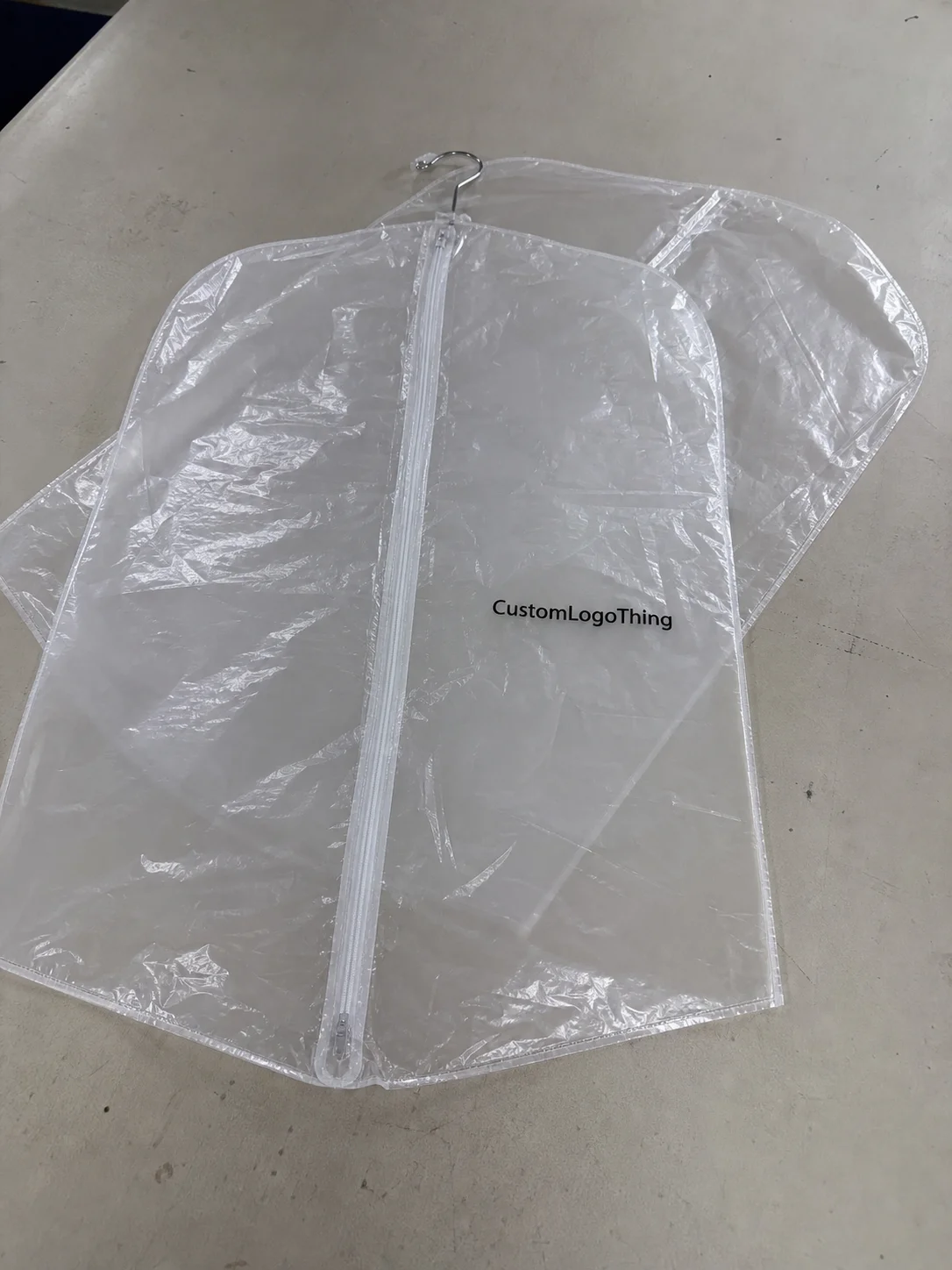
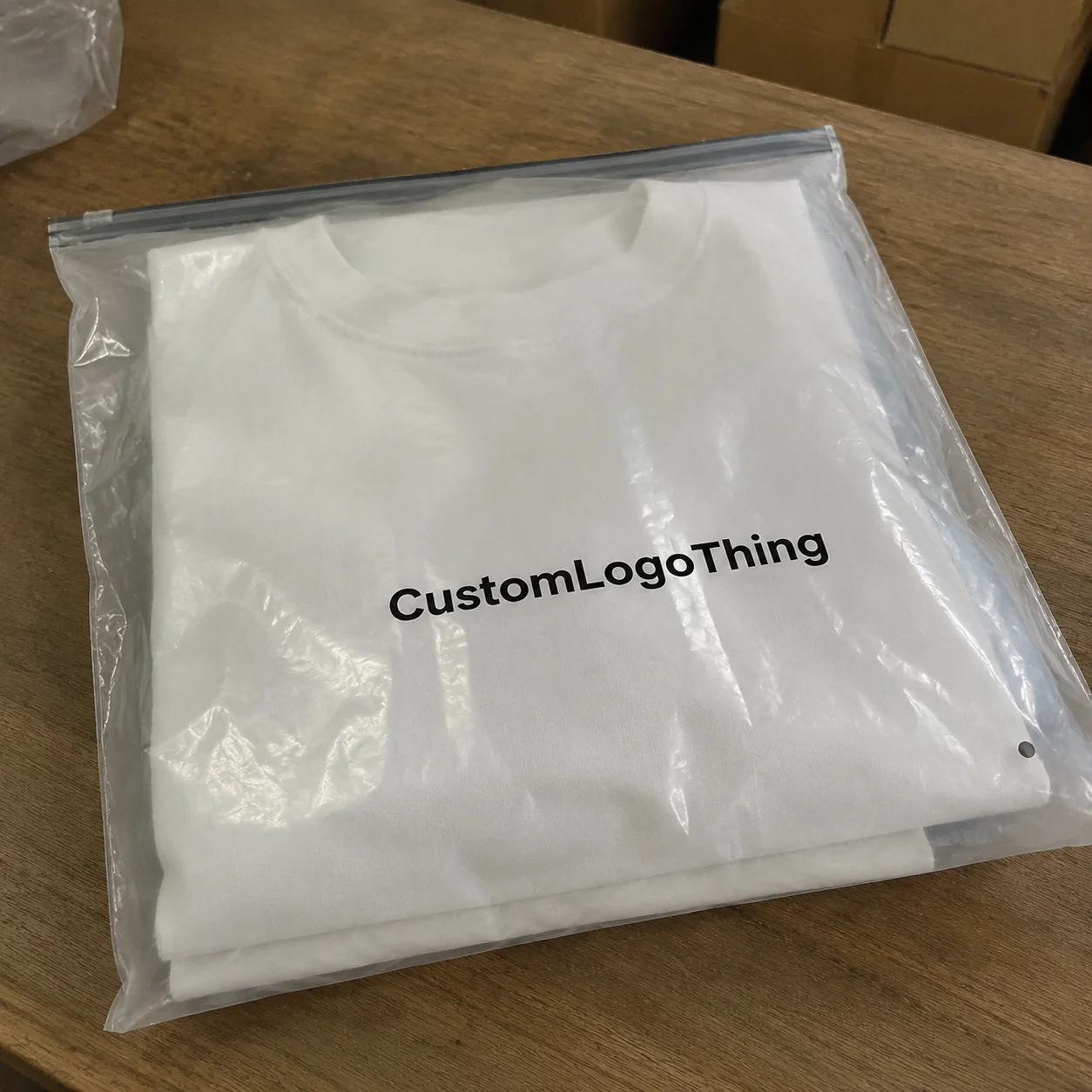
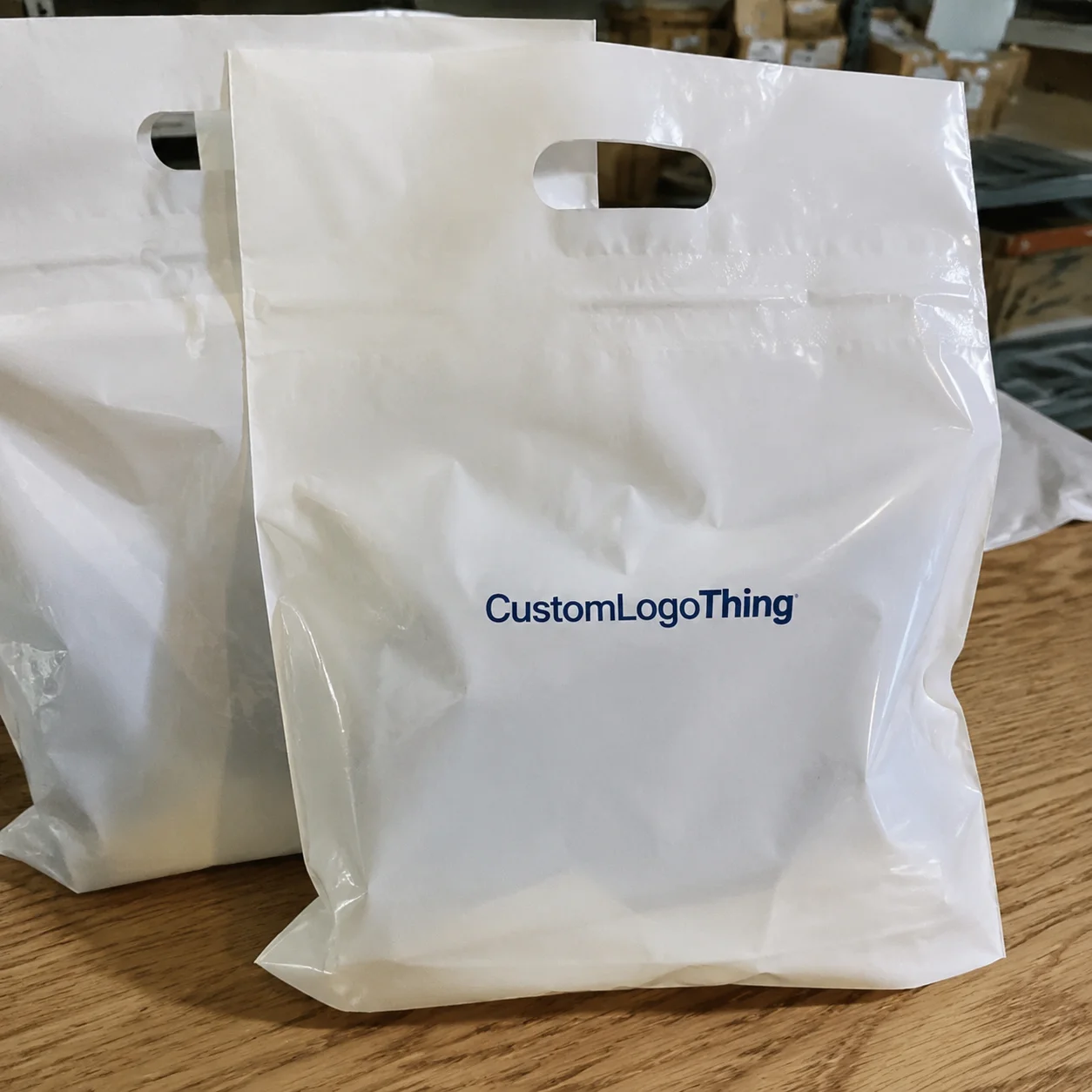
Buyer Fit Snapshot
| Best fit | Eco Poly Mailers Affordable projects where brand print, material claims, artwork control, MOQ, and repeat-order consistency need to be specified before quoting. |
|---|---|
| Quote inputs | Share finished size, material target, print colors, finish, packing count, annual reorder estimate, ship-to region, and any compliance wording. |
| Proofing check | Approve dieline scale, logo placement, barcode or warning zones, color tolerance, closure strength, and carton packing before bulk production. |
| Main risk | Vague material claims, crowded artwork, missing packing details, or unclear freight terms can make a low unit price expensive after revisions. |
Fast answer: Eco Poly Mailers Affordable: Artwork Proof, Packing Count, and Landed Cost should be specified like a repeatable production item. The safest quote records material, print method, finish, artwork proof, packing count, and reorder notes in one written spec.
Production checks before approval
Compare the actual filled-product size with the drawing, then confirm tolerance on folds, seals, hang holes, label areas, and retail display edges. Reserve space for logos, QR codes, warning copy, and material claims before decorative graphics fill the panel.
Quote comparison points
Review material grade, print process, finish, sampling route, tooling charges, carton quantity, and freight assumptions side by side. A quote is only useful when the supplier can repeat the same color, closure quality, and packing count on the next order.
Eco Poly Mailers Affordable: Why Cheap Usually Costs More
The first time I stood on a packing line in Shenzhen, a buyer waved two samples in my face and asked why the quote for Eco Poly Mailers affordable was $0.03 higher on the better one. I flipped them over, checked the seals, and the answer was sitting there in my hand: the cheapest bag had a thinner 25-micron film, a sloppy adhesive strip, and a seal that would fail if the carton got squeezed hard enough during a 6-hour truck move to Yantian Port. That tiny price gap turns into claims, replacements, and customer complaints fast. People love saving three cents. They hate paying for reships.
Honestly, I think Eco Poly Mailers affordable does not mean bargain-bin junk with a green sticker slapped on it. It means the supplier has worked out the material blend, film width, printing setup, and carton packing so you get usable performance without paying for waste. If a bag uses 30% to 100% recycled content wisely, keeps the gauge tight at 25 to 35 microns, and prints cleanly in one or two passes, the cost stays sane. That is the difference between smart buying and false economy, whether the factory is in Dongguan, Ningbo, or Ho Chi Minh City.
Most people get this wrong because they compare unit price only. That’s lazy. A mailer at $0.12 that produces 4% damage claims is more expensive than a $0.15 mailer that ships clean. I’ve sat in client meetings in Los Angeles where the finance team wanted the lowest quote, then two weeks later the operations team was begging for a reprint because the adhesive lift rate was embarrassing. Green packaging still has to ship product. Otherwise it’s just expensive trash in a compost-colored outfit.
For sellers moving apparel, accessories, and lightweight soft goods, Eco Poly Mailers affordable should be judged on three things: protection, presentation, and replacement cost. If the bag keeps moisture out during a rainy delivery in Chicago, resists puncture on normal carrier handling, and looks sharp with your logo in Pantone 186 C or black, you’re ahead. If it fails at any of those, the “cheap” option gets expensive very quickly. That’s not branding. That’s basic math.
“We spent an extra $0.02 per unit and cut damage complaints by almost half.” That was a Shopify apparel client after switching to the right spec of eco poly mailers affordable from a supplier in Shenzhen. Not glamorous. Just profitable.
Product Details: What Eco Poly Mailers Are Made Of
Most eco poly mailers affordable options start with polyethylene, usually LDPE or a blended recycled PE film. The better suppliers will use post-consumer recycled content, post-industrial recycled content, or a controlled mix of both. That matters because the resin blend affects opacity, seal consistency, and tear behavior. A decent bag is not “eco” because somebody printed a leaf on it. It’s eco because the material stream, thickness, and use case were chosen with some discipline, often at a plant in Guangdong or Jiangsu province.
I’ve seen good mailers made with 30% to 100% recycled content, depending on the application and the customer’s brand requirements. Some factories also add eco-friendly processing aids or odor-control additives, especially when the film includes higher recycled content. That’s useful, but it’s not magic. Recycled film can still print well and still hold up, as long as the extruder runs at the right melt temperature and the sealing bars are calibrated correctly. Bad process control ruins good resin. I’ve watched that happen more than once, usually right before a launch date in a warehouse 40 minutes outside Shenzhen.
For shipping performance, the features that matter most are pretty boring, which is exactly why they matter: opacity, puncture resistance, tear strength, water resistance, and a reliable self-seal adhesive. If the bag is translucent enough that items show through under a 500-lux packing station light, buyers notice. If the seal pops after one bend, carriers notice. If rain hits the parcel on a last-mile route through Seattle and the film turns gummy or weak, everybody notices.
Print options are straightforward. Single-color logos are the cheapest, usually the cleanest, and often the best for eco poly mailers affordable. Two-color and full-color branding cost more because setup time rises and ink management gets fussier. Matte finish feels more premium and hides scuffs better. Gloss can look brighter, but it also shows fingerprints and scratches more easily. Privacy tint on the inside is useful for apparel and subscription shipments because it stops contents from being visible under strong light, especially on white or pastel outer films.
Best use cases? Apparel, socks, swimwear, accessories, soft goods, promotional kits, and subscription shipping for light items. If the product bends, folds, or can handle a little compression, these mailers make sense. If you’re shipping ceramics, sharp metal parts, glass bottles, or anything with hard corners, don’t fool yourself. Use a box or add serious internal protection. I’ve had clients try to save eight cents by shipping heavy products in a mailer. They ended up paying for damaged stock and angry emails from customers in Austin, Dallas, and Toronto. Very efficient. In the worst way.
Specifications That Actually Matter Before You Order
Choosing the right size is where most buyers either save money or waste it. Standard eco poly mailers affordable sizes usually cover smaller apparel, folded tees, hoodies, leggings, and light accessories. But the right size depends on folded product dimensions, not wishful thinking. Measure the product after folding to the nearest 0.5 inch. Then add just enough room for a clean insert without stuffing the seal or creating a balloon in the package. Shipping carriers do not pay you for overpacked mailers, and neither do your warehouse teams.
Common size planning looks like this: small for socks and accessories, medium for t-shirts and lightweight tops, and larger formats for hoodies, denim, or multi-item kits. If you are ordering for Custom Poly Mailers, always check the finished usable area, not just the outer dimensions. An 11.5 x 15 inch bag and a 12 x 15.5 inch bag can behave very differently once the 1.5-inch adhesive flap and the fold line are included. That tiny difference can save you from a lot of reboxing later, especially if you ship from a fulfillment center in Atlanta or Carson.
Thickness is usually measured in microns or mils. In plain English, that tells you how much film is there. Thicker is not automatically better. A bag that is too thick can cost more, add weight, and still not solve a bad seal. I’ve seen 60-micron bags outperform 80-micron bags because the seal bar temperature held at 140°C and the cooling time was set correctly. The material spec matters, yes. So does the production line. Funny how that works.
For strong mailers, look at seam construction, edge sealing, and load-bearing expectations. The side seams should be even, the bottom fold should not split, and the self-adhesive strip should hold under normal handling. If your supplier can quote the bag against ASTM-style basic film tests or explain internal QC checks such as seal strength at 1.2 N/15mm, that’s a better sign than vague promises. For shipping performance standards, I also like referencing resources from ISTA and The Packaging School / packaging industry resources when buyers need a benchmark beyond “feels sturdy.”
Artwork specs are where people waste time. Send editable vector files, preferably AI, EPS, or PDF with outlines. Pantone matching is useful if your brand color matters, and it usually is the thing marketing nags about at 11 p.m. Print area should be defined before proofing, with bleed and safe zones confirmed in writing. If the logo sits too close to the fold or flap, you get distortion. If the barcode is too near the edge, scanners can miss it. Not ideal if the whole point is to move parcels without drama.
Custom messaging belongs where it supports the packaging, not where it makes the bag cluttered. A back flap can carry a return message, a web address, or a polite brand line. The front face should stay clean if your logo is already doing the job. For eco poly mailers affordable, one strong graphic usually beats a crowded design that costs more and prints worse. In a 1,000-piece test run, simple almost always wins.
| Spec Choice | Best For | Typical Impact on Cost | Practical Notes |
|---|---|---|---|
| 15-20 micron light-duty film | Small apparel, accessories | Lower | Works if products are soft and shipping lanes are short, such as regional delivery within 2 to 4 days |
| 25-35 micron mid-duty film | Most apparel brands | Balanced | Usually the sweet spot for eco poly mailers affordable, especially for 5000 to 20000 pieces |
| 40+ micron heavier film | Bulkier garments, multiple items | Higher | Better puncture resistance, but not always needed unless the parcel weighs over 1 lb |
| Single-color logo | Budget branding | Lower | Clean, readable, and usually the smartest first run for 5000-piece orders |
| Full-color print | Premium retail unboxing | Higher | Looks good, but only if the order volume justifies setup and plate costs |
Eco Poly Mailers Affordable Pricing & MOQ Breakdown
Pricing for eco poly mailers affordable changes with size, material blend, print complexity, and quantity. That’s not me dodging the question. That’s how packaging works. A 10 x 13 inch recycled mailer with one-color black print is not the same job as a 14 x 19 inch full-color custom bag with a matte finish and white interior tint. Different film usage. Different ink setup. Different production waste. Different carton counts leaving a factory in Dongguan or Xiamen.
For buyers trying to keep costs under control, MOQ usually falls into three practical buckets. Starter orders might begin around 5000 pieces for stock-style customization or simpler print work. Mid-volume programs often sit at 10000 to 20000 pieces. Larger annual programs can push well above that and unlock better unit pricing. The cost curve is real. Once the press is set and the run is moving, unit price drops because setup is spread across more bags.
Here’s a realistic pricing frame I’ve used in buyer conversations:
- Starter tier: around $0.12 to $0.18 per unit for simple eco poly mailers affordable orders at 5000 pieces, depending on size and film thickness.
- Mid-volume tier: around $0.08 to $0.14 per unit at 10000 to 20000 pieces with basic branding.
- Scale tier: around $0.05 to $0.10 per unit when order volume is high, specs are standard, and artwork is stable.
Those numbers move fast if you ask for special inks, extra colors, unusual dimensions, or packaging inserts. Freight also matters. A quote that looks great ex-factory can get ugly once ocean freight, customs, inland delivery, and carton packing are added. I’ve seen buyers celebrate a low unit price and then discover the landed cost was inflated by carton counts and air freight they never budgeted. That’s not a bargain. That’s a surprise bill, usually about 18% higher than the headline quote once it lands in Long Beach or Felixstowe.
Setup charges and plate fees are the part nobody wants to talk about, because they don’t show up until the supplier prepares production. For simple printed mailers, those costs can be manageable. For full-color or multi-pass jobs, the setup rises. Ask for the quote to show material, printing, tooling, freight estimate, and any compliance testing separately. That way you can compare apples to apples instead of comparing a real quote to someone’s fantasy spreadsheet. A quote with 3-color flexo, poly bag core size 3 inches, and export cartons of 250 pieces per box should read very differently from a plain stock bag.
There is also a point where a slightly higher unit cost saves money through lower waste. If a cheaper mailer increases returns by 1% to 2%, that can wipe out the savings immediately. I had one clothing brand in Los Angeles switch from a flimsy “budget eco” bag to a better spec and the monthly waste dropped enough to justify the upgrade within the first reorder. No theatrics. Just fewer broken seals and fewer complaints from customers who expect their package to arrive intact.
For eco poly mailers affordable, the smartest buyers do not chase the absolute bottom. They choose the lowest total cost that still protects the shipment, supports brand image, and avoids reordering every month because the first run was too thin. That is how you buy like a manufacturer instead of like an intern with a quote spreadsheet. And yes, I’ve seen both approaches in the same week.
Process & Timeline: From Artwork to Delivery
The ordering process for eco poly mailers affordable is pretty predictable if everybody does their part. It usually starts with an inquiry, then a quote, then artwork review, sample confirmation, production, inspection, and shipment. Simple. But simple only works when the customer sends usable artwork and confirms specs without dragging the process through six revisions because someone upstairs wants the logo 4 mm larger.
For stock-style customization, production can move relatively fast, often 12 to 15 business days after proof approval. Fully custom production, especially with recycled content or special print colors, may take 15 to 25 business days depending on queue and order volume. Shipping adds another variable. Air freight is faster and costlier. Ocean freight is slower and much more sensible for larger orders, especially if you are shipping from Shenzhen to Los Angeles or from Ningbo to Vancouver. Choose based on your inventory plan, not panic.
What slows orders down? Unclear artwork. Missing Pantone numbers. Last-minute color changes. Changing size after proof approval. And the classic: “Can you make it arrive sooner?” Yes, and the laws of physics will still charge you for it. I’ve sat through enough supplier calls to know that most delays come from decisions made after the quote, not during it.
Samples help. A physical sample is worth the extra time when brand color, seal strength, or fit are uncertain. A printed pre-production sample gives you a real feel for opacity, surface finish, and adhesive behavior. If you are ordering a new format for the first time, I strongly recommend it. A digital mockup tells you if the design is aligned. A physical sample tells you if the thing actually works in a packing room, where the timer is usually 90 seconds and nobody has patience for guesswork.
Plan freight around your sales cycles. If your peak season starts in November, do not wait until late September to place the order. Build in shipping delays, customs clearance, and one extra week for the kind of nonsense that always happens near year-end or around major holidays. Inventory shortages are expensive. I’ve watched a brand pay premium air freight on 18 cartons because they forgot how quickly their e-commerce orders were growing. That money could have bought a very nice dinner in Singapore. Instead it bought stress.
Why Choose Us for Eco Poly Mailers Affordable and Reliable
At Custom Logo Things, we treat packaging like a supply chain problem, not a decorating contest. Our job is to help buyers get eco poly mailers affordable without sacrificing the things that matter: film consistency, print quality, and delivery reliability. I’ve spent enough time in factories in Shenzhen and Dongguan to know that cheap quoting is easy. Actually delivering a usable product at a fair price is the hard part.
We work with vetted material suppliers and manufacturing partners who understand recycled film, adhesive control, and repeat print consistency. That matters because a mailer that looks fine on a sample card can still fail in production if the resin lot changes or the seal temperature drifts by 10°C. Quality control should happen at the film stage, during printing, and again before shipment. If a supplier cannot explain their checks, I get suspicious fast. Usually for good reason.
One thing clients appreciate is honest guidance on spec selection. If your product needs a 35-micron film and a simple one-color logo, I’ll say that. I’m not going to pitch a luxury finish if it does nothing for shipping performance. That’s how budgets get blown. I’ve had buyers thank me later for talking them out of a thicker bag they didn’t need. Strange world, I know: a packaging person not trying to over-sell packaging.
Our internal process also helps keep eco poly mailers affordable because we reduce avoidable back-and-forth. Clear artwork review. Clear size confirmation. Clear production notes. Clear freight planning. That lowers mistakes, and mistakes are where money leaks out of a project. If you want to browse broader options, our Custom Packaging Products catalog gives a sense of how we structure material choices across different packaging formats, from mailers to cartons.
I’ve negotiated enough with mills, printers, and freight teams to know that the supplier who is disciplined on the front end usually saves the buyer money later. No hype. No eco theater. Just practical packaging that ships well, looks professional, and fits the budget. If you need eco poly mailers affordable and dependable, that balance matters more than fancy language or fake sustainability claims.
Eco Poly Mailers Affordable: Next Steps to Order Right
Start with the product, not the quote. Measure what you ship in folded form, note the weight, and think about whether the item is soft, sharp, bulky, or moisture-sensitive. Then choose the mailer size and thickness around the real product. If the item is an oversized hoodie, do not order a small bag because the price looks better on paper. That kind of shortcut always comes back around, usually after a 2,000-piece run is already in the warehouse.
Before you request pricing, gather four things: artwork files, target quantity, preferred delivery date, and any must-have specs such as recycled content percentage, matte finish, or privacy tint. With that information, a supplier can quote accurately and tell you where the cost moves up or down. The more exact your brief, the more useful the quote. Even a simple note like “18 x 24 inch mailer, 35-micron film, one-color black print, 5000 pieces” can save a week of back-and-forth.
Ask for 2 to 3 comparable quotes with identical specifications. Same size. Same film thickness. Same print setup. Same freight assumptions. Otherwise you are comparing a real offer to somebody else’s imaginary best-case scenario. I’ve seen buyers choose the “cheapest” quote, only to discover it excluded shipping, ignored setup, or used a thinner film that looked fine until the first warehouse test. A quote that says $0.15 per unit for 5000 pieces may beat a $0.12 quote once the latter adds plates, cartons, and inland trucking from Shanghai to the port.
If you are unsure about color, seal strength, or fit, start with a sample or a short run. That is especially true if your brand relies on a specific tone of green, kraft-like recycled look, or clean black logo on a white bag. One sample can prevent an expensive mistake across 20000 units. I’d rather see you spend $35 on a sample than $3500 fixing a bad production run. That’s just sensible.
If you want to move forward with eco poly mailers affordable for your brand, keep it simple: measure accurately, Choose the Right spec, and compare true landed cost instead of headline pricing. That is how you get eco poly mailers affordable that protect shipments, support your brand, and stay practical for reorder planning. And yes, that’s the part people remember after the first busy shipping week.
Frequently Asked Questions
Are eco poly mailers affordable for small businesses?
Yes. Small businesses usually get the best value by choosing standard sizes, simple one-color printing, and MOQs that match monthly shipping volume. For many brands, eco poly mailers affordable starts making sense around 5000 pieces because setup costs spread out better. A slightly higher unit price can still be the smarter move if it cuts damage claims and avoids rush reorders from a factory in Shenzhen or Ningbo.
What size eco poly mailers affordable options should I choose for apparel?
Base the size on the folded garment, not the hanger size or a rough guess from your product page. T-shirts, hoodies, leggings, and light textiles usually fit common mailer sizes if you leave enough room for a clean fold. The package should close without stretching the adhesive flap or crushing the garment inside. That keeps eco poly mailers affordable and functional for shipping lanes that run 2 to 5 days across the U.S.
What is the minimum order quantity for custom eco poly mailers affordable pricing?
MOQ depends on material, size, and print method, but custom printed orders often start at 5000 pieces or more. Higher quantities usually lower the unit price because setup costs are spread across more bags. Ask for pricing tiers so you can see the breakpoints clearly and choose the best level for your shipping volume. For example, 5000 pieces, 10000 pieces, and 20000 pieces should each come with a separate line price.
How long does it take to produce eco poly mailers affordable custom orders?
Timeline depends on artwork approval, sample requests, production slot availability, and shipping method. Simple orders can move in roughly 12 to 15 business days after proof approval, while more customized jobs may take longer. If your season is busy, build in extra time for freight and warehouse receiving. That keeps eco poly mailers affordable from turning into a rush-order headache.
Do eco poly mailers affordable options protect against water and tearing?
Quality mailers are designed to resist moisture and handle normal shipping stress, but performance depends on thickness, seal quality, and what’s inside the bag. Soft apparel and accessories are a good fit. Sharp, heavy, or fragile products need a different format or extra protection. If the product is borderline, test it first instead of hoping the carrier treats it gently. They won’t, whether the parcel moves through Dallas, Atlanta, or Toronto.