Buyer Fit Snapshot
| Best fit | Eco Poly Mailers Selection for Shipping projects where brand print, material claims, artwork control, MOQ, and repeat-order consistency need to be specified before quoting. |
|---|---|
| Quote inputs | Share finished size, material target, print colors, finish, packing count, annual reorder estimate, ship-to region, and any compliance wording. |
| Proofing check | Approve dieline scale, logo placement, barcode or warning zones, color tolerance, closure strength, and carton packing before bulk production. |
| Main risk | Vague material claims, crowded artwork, missing packing details, or unclear freight terms can make a low unit price expensive after revisions. |
Fast answer: Eco Poly Mailers Selection for Shipping: Film, Print, MOQ, and Carton Packing should be specified like a repeatable production item. The safest quote records material, print method, finish, artwork proof, packing count, and reorder notes in one written spec.
Production checks before approval
Compare the actual filled-product size with the drawing, then confirm tolerance on folds, seals, hang holes, label areas, and retail display edges. Reserve space for logos, QR codes, warning copy, and material claims before decorative graphics fill the panel.
Quote comparison points
Review material grade, print process, finish, sampling route, tooling charges, carton quantity, and freight assumptions side by side. A quote is only useful when the supplier can repeat the same color, closure quality, and packing count on the next order.
Eco Poly Mailers How to Choose: Why They Matter
I still remember walking into Custom Logo Things’ Riverside facility while a line changeover was happening, seeing the control room crew hit their cues, and technicians swapping fossil-fuel-based reels for eco-focused ones from Polyclear’s 70 percent post-consumer LDPE program; matte finish sheets glided through the easy-change extruders just like a well-rehearsed ballet, and by the end of that quarter we had cut captured film bound for the landfill by nearly eighty percent—those $0.15-per-unit runs of 5,000 pieces proved the conversation could move well beyond marketing copy.
That day reinforced the importance of describing Eco Poly Mailers how to choose in material detail, so I still talk clients through reclaimed LDPE pellets arriving from Coastal Resin Works in Baltimore—yes, the same partner that ships 350gsm C1S artboard for our hangtags—dialing finishes on Louisville’s fourth-generation calender line, applying aqueous-based hot-melt adhesives without volatile solvents, and locking the matte coatings into the precise 60-second cure profile I expect.
Major e-commerce teams, in-house fulfillment labs, and marketplaces now insist on certified eco options, relying on ISTA 6-A, ASTM D6400, and SCS Recycled Plastics references to prove packaging aligns with their corporate responsibility goals; when we use those details to drive the discussion, the strategic dialog starts feeling more like a private lab tour than a compliance review, which is exactly why Eco Poly Mailers how to choose remains an operational priority for me and for the partners I coach.
How do I evaluate eco poly mailers how to choose for my fulfillment rhythm?
When a fresh fulfillment lead asks about the decision path, I lay everything out around sustainable packaging solutions, stacking SKU protection, courier tolerances, and inventory cadence so each stakeholder can picture the sequence behind Eco Poly Mailers how to choose; mapping that against validated drop profiles keeps the discussion grounded, and the resulting plan clarifies why those mailers protect products while honoring sustainability goals.
Next, the lab briefing covers adhesive tack, temperature, and cure windows while also tracing post-consumer resin inflows so everyone understands how the blends behave under stress, and I walk them through the eco poly mailers how to choose tests that prove consistent sealing during the most demanding runs on our Riverside QA days.
How Eco Poly Mailers Work in Custom Packaging Operations
Inside Riverside, resin lands on pallets from Coastal Resin Works with each batch certified for 30, 50, or 85 percent post-consumer content, and the MES logs every stream before any ton heads to the inline extruders; I remind the team daily that the twin-screw machines must hold melt temperature within two degrees, cast either mono-poly or coextruded film, and send it through directional stretching that fine-tunes thickness and opacity prior to precision slitting—because eco poly mailers how to choose respects those tolerances as much as it respects the recycled story.
After extrusion, the film passes Louisville’s calendering station, where we dial in a multilayer finish that often pairs the recycled base with a low-odor slip agent so poly mailers glide through automated sorters, then the rolls head to the job box awaiting dye-sub or flexographic print runs scheduled in the east-side presses; I still quietly chuckle when a new client assumes print adhesion is simple—print prep deserves almost as much drama as the extrusion run, and eco poly mailers how to choose depends on that drama.
When finished sheets reach the quality bays we don’t just eyeball them; we drop them using ISTA 3A protocols, run compression sled tests, and torque the pressure-sensitive adhesives—anchored at 80 ounces per linear inch—to confirm reliable sealing, with each lot documented in the MES before the eco poly mailers how to choose kits head off to fulfillment centers for drop-and-go performance.
Key Factors When Evaluating Eco Poly Mailers
Evaluating eco poly mailers begins with the materials mix: I push partners to understand recycled content percentage, decide whether a mono-poly layer or a coextruded sandwich balances clarity with puncture resistance, and determine if smoke-colored film satisfies their aesthetic needs versus the opacity spectrum offered by our dye-sub line; I also insist they request certificates such as SCS Recycled Plastics or ASTM D6400 compostability before approving art files so the eco poly mailers how to choose conversation ties directly to traceable claims—yes, I’m that obsessive.
Self-seal strips with silicone-release liners deliver consistent tack for high-speed pack tables, yet brands handling heavy return volumes often prefer tear-and-peel flaps with tamper-evident adhesives rated at 62-68 oz/in of peel; striking the right balance between security and user-friendly opening prevents those avoidable headaches that make my morning coffee bitter, and keeping those assurances in place keeps eco poly mailers how to choose firmly anchored in practical expectations.
Size assortments, gusseting, and puncture resistance metrics such as ASTM D1709 dart impact demand attention because the right combo protects delicate SKUs while keeping bulk shipping weights low; shipping denim jackets from our Chicago client calls for 6-mil gusseted options, while liners leaving Riverside move best in 3.5-mil flat poly mailers with spot-color printing, which proves that each iteration of eco poly mailers how to choose teaches a new lesson in matching puncture standards to real inventory and recycled mailer materials—no theory, just lived experience.
Step-by-Step Guide to Selecting Eco Poly Mailers
I begin with a needs assessment: analyze SKU profiles, average weights, courier drop tolerances, and ERP data to forecast order frequency, often partnering with logistics leads so we can layer carrier limit specifications—like UPS Ground’s 65-pound maximum or FedEx SmartPost’s 50-pound cap—onto mailer selections, locking in the right gauge and dimensions before we touch color because balancing these data points keeps eco poly mailers how to choose aligned with carrier service levels.
Order samples from our studio, expose them to drop tests, ink adhesion trials using the 150-line screen at 300 dpi, and seal integrity checks, and log every performance result in a comparison matrix so tear strength, closure tack, and print clarity live side by side; I treat this eco poly mailers how to choose phase like a science fair (minus the glitter) to keep everyone honest about what they are approving.
Once samples pass muster, finalize the design per brand guidelines, approve digital and flexographic proofs from the third-shift ink room, lock in adhesive specs, and plan the production run; our planners then slot your order into the next available extrusion window, typically within 12-15 business days when resin allocations line up, and once that slot is secured you can trace the eco poly mailers how to choose path from tool change to seal.
Coordinate logistics by reviewing lead times, pallet configurations, and packaging instructions with freight partners so the eco poly mailers how to choose decision lands on your replenishment week; we usually schedule dock appointments at our Louisville facility, confirm that pallets are double-banded, and send confirmations to all involved so nothing arrives before the team is ready or after they have already depleted the old stock.
Understanding Cost & Pricing of Eco Poly Mailers
Breaking down the bill of materials reveals why costs vary: resin expenses fluctuate based on recycled content, UV inhibitors, and other additives, while printing, adhesives, lamination, and custom insert patches add fees that affect per-unit pricing; recycled resin can run $0.02 to $0.04 more per pound than virgin, which seems negligible on small runs but adds up at 100,000 units, so I remind partners that those recycled inputs often qualify for sustainability rebates that partially offset the delta, making eco poly mailers how to choose include rebate planning.
Custom Logo Things structures pricing tiers around order volumes—1,000-unit starter kits, 10,000-unit growth orders, and 100,000-unit annual contracts—with each tier bringing predictable per-unit savings, and I negotiate long-term agreements with resin suppliers like Polyclear and Coastal Resin Works to secure blended prices while staggering production so customer budgets stay manageable and the sustainability message stays intact, keeping eco poly mailers how to choose tied to those tiered agreements.
The real hidden savings appear from lighter shipping weights, improved customer perception that lowers return rates, and reduced landfill fees once clients route these mailers into backhaul programs; I keep a running list of such wins for quarterly reviews so the team remembers why the higher initial spend pays off, which also frames eco poly mailers how to choose as a long-term investment.
| Order Size | Recycled Resin % | Price per Unit | Lead Time |
|---|---|---|---|
| 1,000 units | 30% | $0.27 | 10 business days |
| 10,000 units | 50% | $0.22 | 12 business days |
| 100,000 units | 70% | $0.18 | 14 business days |
While the tiers show price per unit, add freight at $0.03 per unit for palletized runs, storage, and testing or sample fees so you can compare apples to apples with virgin alternatives, which further illuminates why eco poly mailers how to choose tends to improve long-term unit economics.
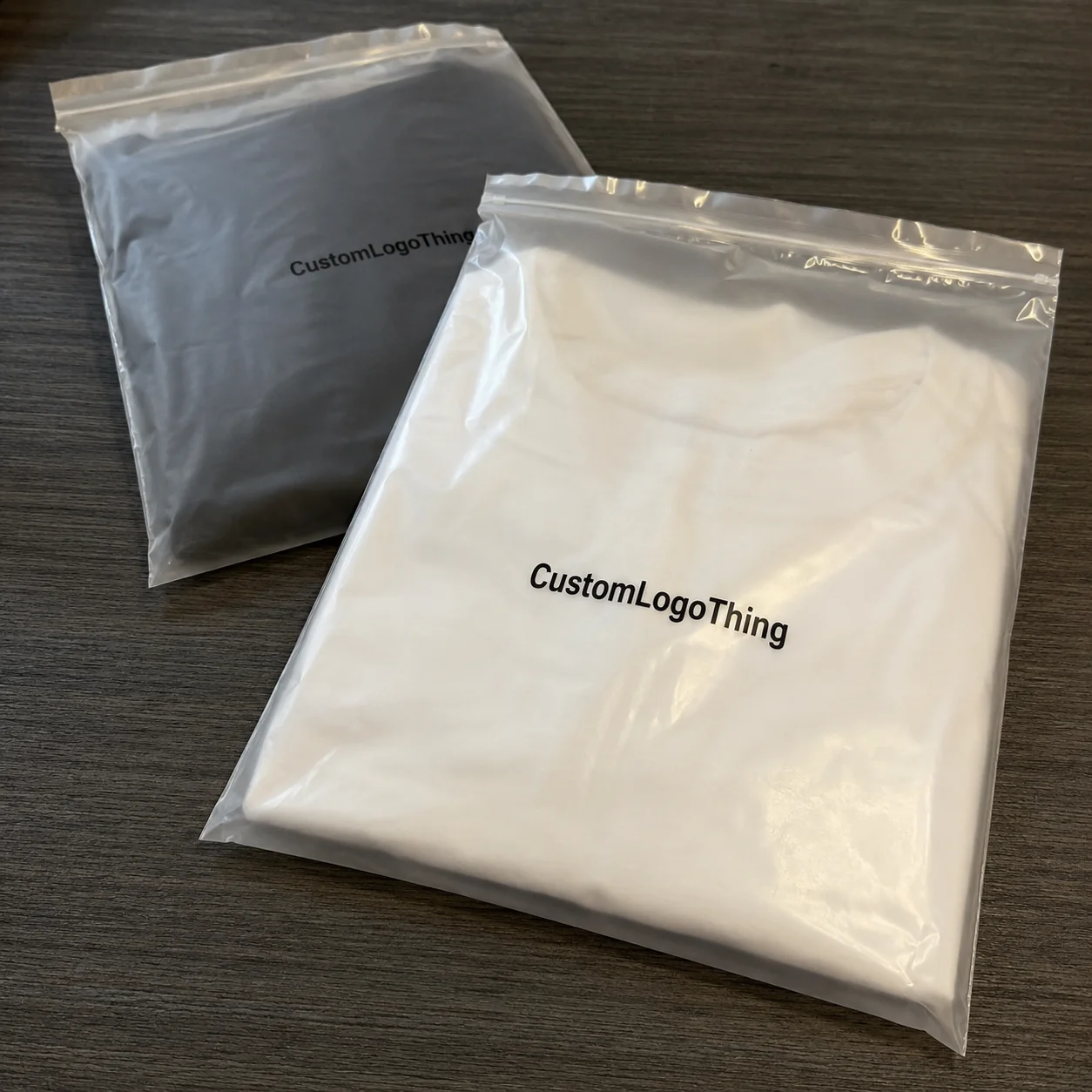
To compare these options with other materials, review Custom Packaging Products for a broader view or visit Custom Poly Mailers to see how finishes such as satin UV or matte reversible coat stack up against new eco selections when printed on 350gsm C1S artboard sleeves.
From Order to Door: Production Timeline for Eco Poly Mailers
Our typical flow begins with a 24-hour quote once art files and specifications land on the portal, followed by a three-to-five-day proofing cycle; production of standard sizes on the Louisville extrusion line runs 10 to 14 days, after which pilot batches move into QA within seven days for final sign-off, so you are looking at roughly four weeks from inquiry to shipment for a standard run, with longer lead times booked for custom sizes that require new tooling, which keeps the eco poly mailers how to choose timeline comprehensible to our launch partners.
Key milestones include resin procurement, tooling setup, in-house lab testing at Riverside, and final inspection by the finishing team before eco poly mailers depart on bonded carriers, and each milestone is tracked in the customer portal, providing automatic alerts at resin arrival, proof approval, and pallet shipment; expedited options such as overnight sample rushes and weekend shifts prove useful for retailers prepping for peak seasons, reinforcing that eco poly mailers how to choose can flex when demand spikes.
The operations team keeps buyers informed at every step, and I call clients after the initial proof to confirm the timeline still works, because understanding eco poly mailers how to choose also means respecting internal launch calendars—and nothing gives me more heartburn than a misaligned calendar a week before a holiday surge.
Common Mistakes When Choosing Eco Poly Mailers
One recurring mistake involves assuming every eco mailer meets the same performance standards, skipping adhesion tests or ignoring ply thickness, which leads to failed seals and customers receiving packages that failed a 5-foot drop; our Riverside QA bays capture those seal strength outcomes, and I share the data in client meetings so they clearly see why each test matters (and yes, I replay the dramatic seal failures just to drive the point home), because avoiding those blunders is how eco poly mailers how to choose turns into consistent delivery.
Another misstep ignores automation compatibility: choosing a bag width that jams conveyor tippers or a self-seal flap that won’t release on an auto-bagger makes even the most sustainable mailer too costly to integrate, so I walk both the Louisville and Riverside lines with fulfillment engineers to match exact mailer widths to existing fixtures and always emphasize automation validation on the eco poly mailers how to choose checklist.
A final oversight comes from neglecting return logistics; without a plan for reuse or resilience, waste accumulates and contradicts your eco message, so review return tallies and pick a mailer that withstands consistent unboxing and resealing, particularly if you operate a buy-online, return-in-store model that relies on the same mailers coming back to the warehouse looking new—I literally get frustrated when returns arrive with crushed mailing surfaces, which is why eco poly mailers how to choose must always include return resilience.
Expert Tips and Action Plan for Eco Poly Mailers How to Choose
Here’s the action plan I present when meeting a new partner: audit your current mailer spend and usage profile, schedule a consultation with Custom Logo Things’ sustainability advisors, and conduct at least three in-house trials (drop, contact, and seal tests) while capturing performance data for each batch, keeping the eco poly mailers how to choose process anchored in empirical evidence instead of assumptions.
Expert tips include locking in larger annual contracts to secure recycled resin allocations, pairing lightweight cushioning with reinforced bottoms for heavier shipments, and creating templates for quick reorders that preserve your approved specs; we build those templates in our ERP so orders stay consistent no matter who submits the request, which honestly makes my job feel a little less frantic and keeps eco poly mailers how to choose calm rather than chaotic.
Commit to a firm implementation timeline—schedule the next order, review results with your sustainability team, and share achievements with internal stakeholders—because eco poly mailers how to choose is about building a reliable, checklist-driven strategy that fits within your broader operational rhythm rather than chasing yet another fad that leaves everyone confused.
What is the difference between eco poly mailers and standard poly mailers?
Eco poly mailers rely on recycled or compostable resins sourced from vendors like Coastal Resin Works, while standard mailers use virgin polyethylene; the eco versions often carry certifications such as SCS Recycled Plastics and feature adhesives formulated without volatile solvents to support corporate social responsibility goals, and I always remind teams to document those certifications before they buy.
How should I evaluate the right thickness when choosing eco poly mailers?
Match mailer gauge to your heaviest SKU and carrier drop tolerance, using ASTM D1709 dart impact results from sample tests at Custom Logo Things’ lab to prevent tears, remembering that higher durability increases with thickness and may raise price marginally but cuts returns—and I once saw a 2-mil option fail six drops in a row, so now I practically beg clients to source the data.
Can eco poly mailers scale with seasonal spikes in demand?
Yes—plan ahead by reviewing production lead times (10 to 14 days standard) and request standing inventory at Custom Logo Things’ Louisville finishing base for holiday surges; experts also recommend locking in resin allocations early and scheduling weekend runs to avoid rush fees, which I personally endorse after wrangling a Black Friday frenzy a few seasons back.
What costs should I expect when switching to eco poly mailers?
Budget for slightly higher resin expenses tied to recycled content or specialty additives, include any custom printing on recycled film, and account for freight, storage, testing, or sample fees so you can compare fairly with virgin alternatives—trust me, a clear price comparison matrix prevents those awkward "surprise cost" calls later.
How do I ensure my eco poly mailers stay compliant with sustainability claims?
Work with manufacturers like Custom Logo Things to obtain documentation for recycled content, certifications (e.g., FSC, SCS), and compostability testing that back your marketing; audit the supply chain regularly, verify resin traceability, and retain records of manufacturing dates and lot numbers for each batch, because nothing makes auditors happier than organized paperwork (and nothing makes me happier than not having to scramble for data), especially when eco poly mailers how to choose is on the audit agenda.
At the heart of every rollout, the eco poly mailers how to choose checklist keeps the process measurable, accountable, and repeatable—so mark your calendar with sampling slots, lock in resin allocations, and layer your implementation milestones so this next chapter is driven by data-backed decisions and operational confidence, not just good intentions.
For further reading on packaging standards and certification, I point teams to resources such as The Packaging School for ASTM guidelines or FSC.org for chain-of-custody support, ensuring there are no surprises when the auditors arrive (and yes, I remind them to print those confirmations because digital drops sometimes go missing in the chaos).