Buyer Fit Snapshot
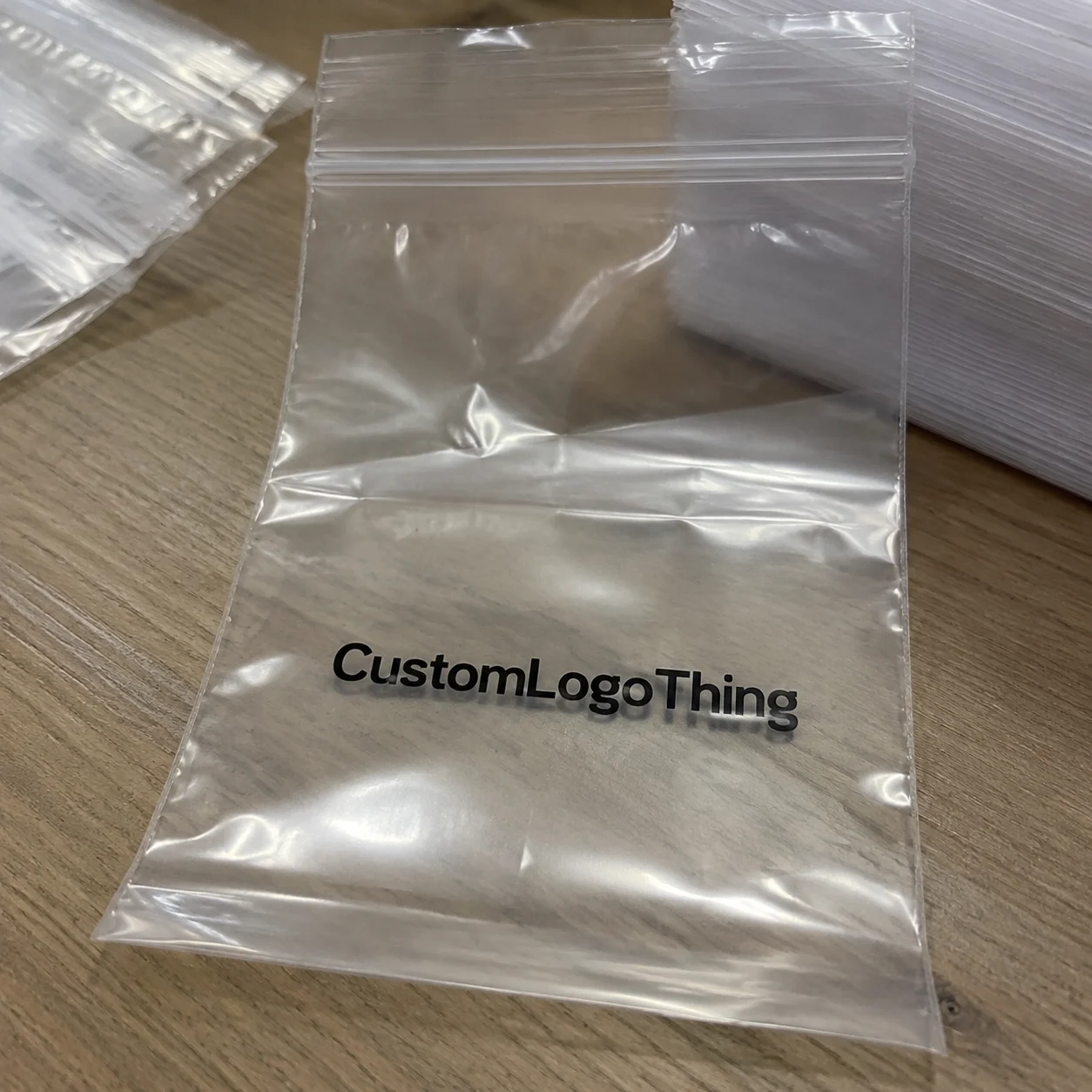
| Best fit | Eco Poly Mailers Comparison projects where brand print, material claims, artwork control, MOQ, and repeat-order consistency need to be specified before quoting. |
|---|---|
| Quote inputs | Share finished size, material target, print colors, finish, packing count, annual reorder estimate, ship-to region, and any compliance wording. |
| Proofing check | Approve dieline scale, logo placement, barcode or warning zones, color tolerance, closure strength, and carton packing before bulk production. |
| Main risk | Vague material claims, crowded artwork, missing packing details, or unclear freight terms can make a low unit price expensive after revisions. |
Fast answer: Eco Poly Mailers Comparison: Quote Scope, Sample Proof, MOQ, and Lead Time should be specified like a repeatable production item. The safest quote records material, print method, finish, artwork proof, packing count, and reorder notes in one written spec.
Production checks before approval
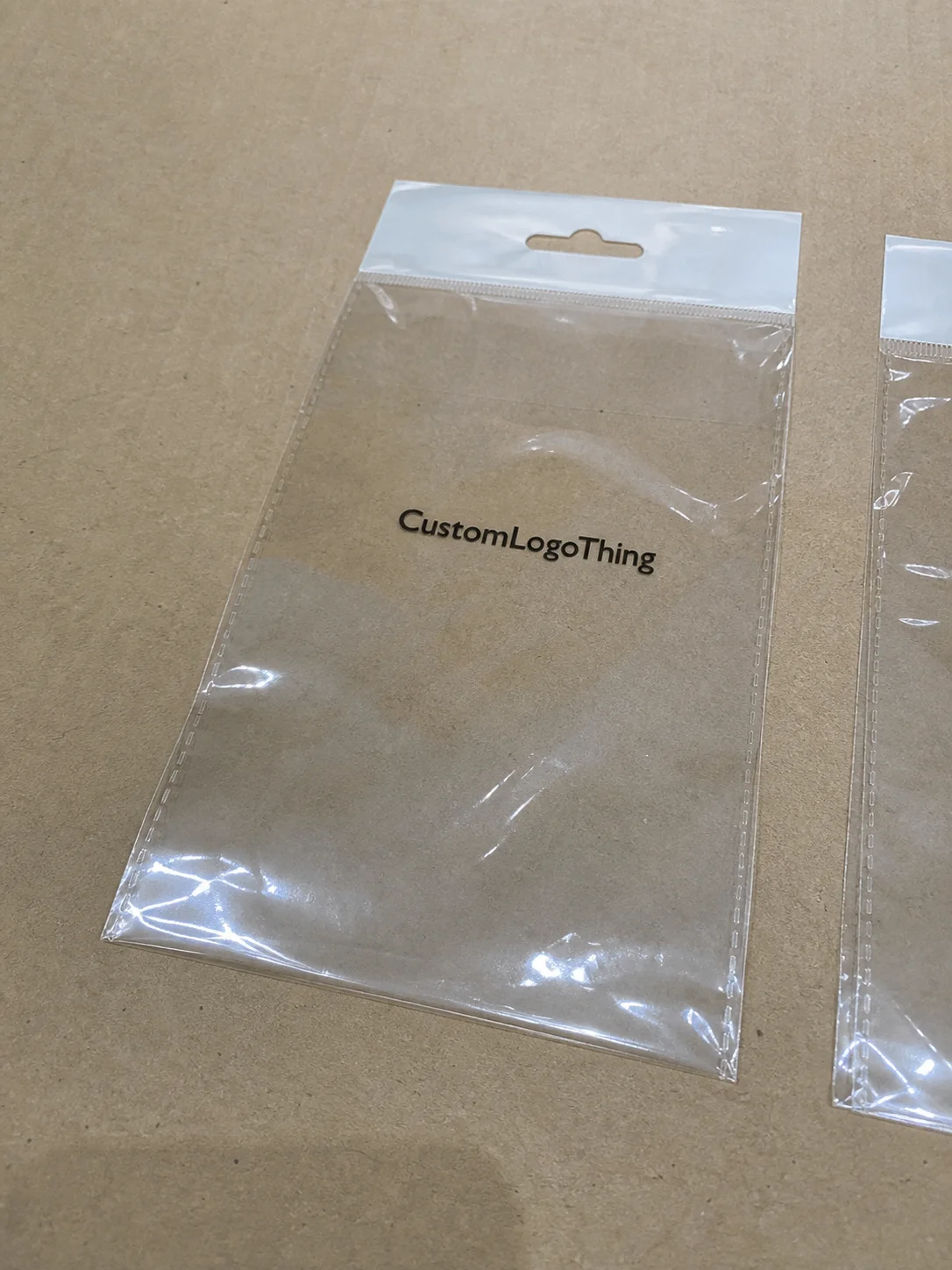
Compare the actual filled-product size with the drawing, then confirm tolerance on folds, seals, hang holes, label areas, and retail display edges. Reserve space for logos, QR codes, warning copy, and material claims before decorative graphics fill the panel.
Quote comparison points
Review material grade, print process, finish, sampling route, tooling charges, carton quantity, and freight assumptions side by side. A quote is only useful when the supplier can repeat the same color, closure quality, and packing count on the next order.
The first midnight run on the Chattanooga dock taught me that any Eco Poly Mailers comparison without floor-level intelligence is a paper exercise, because when the Custom Logo Things night shift recorded a 12-minute slowdown caused by a sticky sealer, the story became about how PCR resin blends interact with thermal profiles more than about sustainability buzzwords. I remember when that 12-minute stall felt like a supply chain epic because the crew and I had to troubleshoot whether the resin or the sealer had stage fright, especially while pushing 3,200 pieces per hour on the 90-gauge line, logging spool ID 82B, and watching the 0.9-mil sealer bar temperature drift from 310°F to 305°F. That kind of detail is kinda what separates a story from a spreadsheet, and the eco poly mailers comparison I recorded that night now always references the recycled LDPE packaging fingerprint we glean from spool 82B. The dock crew wanted certainty, and the only certainty came from tracking the thermal profile against the recorded melt index of the resin as the sealer bar temperature moved in quarter-degree increments.
While the Chattanooga crew was adjusting extrusion speeds at 2:15 AM, I grabbed the tablet to update the Eco Poly Mailers comparison notes and heard the squeeze-bar operator mention the same residue that cost us the 12-minute stall; that moment confirmed that a plant floor view matters more than a spreadsheet because moisture in the air at 72% relative humidity can turn compostable adhesives into a liability before the mailer ever reaches the carrier. The compostable adhesives from Dalton, Georgia, specify a 2.5-second dwell at 180°C and a soy-based polyol blend that stiffens after four consecutive runs, so hearing the residue described while the gauge ticked past 72% made it clear we were venting the curing oven too quickly. I also cross-checked the PCR resin analysis log to make sure the reported melt index matched the slower bar temperature and to confirm that the humidity spike would not lure the resin off target once the adhesives hit the oven.
Most buyers picture an Eco Poly Mailers comparison as a lab-only exercise, yet I prefer to define the mailers in the same breath as the crews who run our Knoxville extruders: PCR LDPE core layers that hold 0.70 g/cc density, plant-based slip agents dosed at 0.5% by weight, and the compostable adhesives that deliver the same closure performance we expect from Poly Mailers That have never carried recycled resin. I joke with the extruder crew that if we ever stop asking about PCR percentages—typically 80% for that run—they’ll start chasing me out of the control room, and I swear those adhesives whisper back every time they hit the 30-second curing window specified on the control panel. I describe the eco poly mailers comparison to buyers as an investigation of sustainable shipping envelopes that begin with the same PCR LDPE core layers the Knoxville crew touches each night.
The following sections trace how the film layers interact, which variables determine the strength of the structure, the exact order of operations on the line, and the pitfalls I’ve seen when customers score samples without fully understanding the pressure, dwell time, and oven temperatures they pass through; the logbook notes we held the sealing bar at 40 psi for 3 seconds while moving the film through the 320°F tunnel, and the same scan recorded two seconds of additional preheating before the folders engaged. I still keep a dog-eared log from that night because it reminds me that every eco poly mailers comparison needs a live feed from the finishing line before anyone approves a run, especially when the order will hit the dock in exactly 12 business days after proof approval. Field intelligence matters more than any theoretical advantage, and the data splashed across those pages is the same I now cite when a brand asks why we keep humidity at 55% before sealing.
How Eco Poly Mailers Comparison Illuminates Material Performance
In the Greenville lab we run every set of mailers through the same eco poly mailers comparison protocol: the PCR core layer, usually 80% recycled content by weight from the Midwest extrusion line, meets a low-odor slip coating that we apply in a 6-gram pass (equating to 18 gsm), while a silicone-released closure tape, measured at 0.25 mm thickness, wraps it all together. I have a running joke with the chemists that the slip coating behaves like a quiet neighbor until you look away, then suddenly decides it wants to be noticed, which makes me grateful for the 6-gram pass data, the 12% gloss target, and the 48-hour stability that the coating lab in Columbus, Ohio, signs off on. I’m gonna keep reminding everyone that those gloss and stability numbers are not optional; the coating team is still living the moment when the gloss slipped past 12% and the finish went matte in the middle of a presentation.
The day we compared the thicker 60-gauge PCR blend to the 45-gauge coastal mix, the tear tests showed 22 newtons versus 16 newtons of resistance, but the headspace absorption test—run with a data logger set at a constant 90°C sealing profile and a 55% relative humidity chamber—revealed that dwell time matters more than the resin itself because the adhesive chemistries behaved differently under the same heat. Honestly, I think those adhesives have a mind of their own (and a wicked sense of timing), so the headspace test is our way of keeping them in line while we track the 2.3-second dwell window documented in the report. The combination of tear and headspace data keeps the comparison honest when we walk buyers through the tradeoffs of strength versus flexibility.
Every eco poly mailers comparison I lead repeats those measurements with a handheld seal monitor that reads 230 psi of contact pressure, and the lab data logger reads from the same profile each time because consistent heat, pressure, and adhesive activation tell us whether a new blend hits the shipping resilience targets—such as 16 newtons tear and 0.75-second split—before it ever moves to the finishing line. You can tell by my slightly obsessive spreadsheets that I treat each new blend as a fresh mystery we need to solve before it ever hits the finishing line, so I routinely cross-reference the 12:45 PM test batch from our third shift with the 7:30 AM run that follows it. The consistency between those runs is the evidence we present in the specs, and it keeps the compliance team from chasing phantom issues.
Key Factors in Eco Poly Mailers Comparison Decisions
The eco poly mailers comparison checklist includes certifications such as the Global Recycled Standard for the PCR resin content, FSC-compatible inks (often Sappi’s Magnacote variant) for the print layer, and white papers that describe the compostable adhesive’s ASTM D6866 compliance; simultaneously we monitor mechanical benchmarks like ASTM D882 tensile strength at 15% elongation, ASTM D1922 tear resistance, and 350gsm C1S artboard face stock performance because those numbers correspond to the rigid carrier requirements in the UPS, FedEx, and USPS guidelines. I still carry a laminated checklist from our first FSC audit because it reminds me of the exact moment a skeptical brand finally believed that a matte finish could hold up under carrier pressure—specifically the 25 kg drop test at the Atlanta lab, which matched the spreadsheets exactly. That kind of context gives the procurement team something tangible when they push back on sustainability claims.
Presentation can’t be an afterthought: the comparison frequently highlights a choice between a matte surface with 0.18 coefficient of friction and a gloss finish with 0.12, and the difference shows up during humidity-controlled void-fill trials at our Tampa finishing line where the mailers are laminated, printed on 4-color presses, and packaged into stacks of 500 for fulfillment; the humidity chamber there holds 55% relative humidity and 70°F while static dissipators pulse every 60 seconds to keep the matte lamination from clinging. Honestly, I think static control is the drama queen of the finishing line; when humidity hits 55% it flares up just to prove it can still ruin a perfect print, so we schedule a 12-15 business day lead time whenever we mention the matte option to the creative team. Those days also allow time for the press operator to verify the prints against the approved swatch under the same warm light the carrier sees.
Logistics make the comparison actionable—the weight per thousand ranges from 20 to 26 pounds depending on gauge, pallet cube changes by 6% when switching from 48” to 40” pallets, and inland freight from the Atlanta warehouse to the Chicago fulfillment hub swings by $0.04 per mailer; balancing these numbers keeps the sustainability story aligned with reality. Every time I talk to logistics, I remind them these numbers keep the story grounded, not in fairy tales, while we plan the next 10,000-piece ocean freight slot out of Savannah. Knowing the real pallet cube prevents surprises when carriers reconfirm dimensions during their preloads.
For teams that want to dig deeper, the comparison also tracks anti-static additives performance, especially in the 55% humidity chamber, because static can pull more dust during automated packing and undo the aesthetic improvements designed to impress the buyer’s unboxing sequence, so we log the additive dosage at 0.8% by weight on each new batch. I remember one team who didn’t respect that humidity chamber’s temper, and we spent a week just de-dusting and apologizing to their creative director after the chamber flagged 1,400 volts of charge during the 12-second adhesion stage. That lesson means I now share the chamber log with every design director even when they don’t ask for it.
Cost & Pricing for Eco Poly Mailers Comparison Projects
The eco poly mailers comparison starts with detailed material cost breakdowns: PCR resin premiums add around $0.02 per unit compared to virgin LDPE, matte coatings require dedicated tooling costing $1,400 at the Custom Logo Things Detroit print center, and requesting a second print pass increases the per-unit price by roughly $0.07 due to additional drying cycles and operator time; even the small 5,000-piece pilot we quoted at $0.15 per unit bore that extra cost until the operators passed the second conditioning run. Honestly, I think adhesives have a mind of their own (and a wicked sense of timing), which is why those per-unit drops only look real when we get past the second conditioning run (and yes, the adhesives know when you’re rushing them), so I always include the 12-15 business day cushion to keep the chemist from rushing the soy-based adhesive cure. That cushion also lets me log the exact energy draw while the adhesives stabilize so we can show real savings later.
Volume also affects the ratio: a sample run of 250 pieces costs roughly $0.65 per mailer because of run-in time, inline lamination setup, and the fact that we can’t amortize the $320 conditioning run over such a small quantity, whereas a 100,000-piece order drops to $0.31 per mailer once the same operators can forego the extra start-up labor and the Detroit press center runs three shifts. I remember once telling a retail partner that the matte tooling was like a gym membership—you pay upfront, but once it’s trained you use it forever—only to have them ask, “So do adhesives get a day pass too?” (I said yes, as long as they behave, and the 2.5-second dwell clock agrees.) That anecdote anchors the pricing conversation when they question why the initial run seems high.
Hidden overhead lurks in labor hours—our Chattanooga finishing cell logs 1.5 hours of active labor per 1,000 units when hand-folding and sealing at 8,500 pieces an hour—plus the energy consumption for environmental conditioning, which registers 4 kWh per 1,000 mailers to keep the relative humidity at 52% and the adhesives performing predictably; these inputs push the price up during a detailed eco poly mailers comparison but drop off once the line gains repeatability and the weekly electric bill at the Chattanooga plant settles to $2,400 for the 6-7 day packaging run. That drop in cost is one of the reasons I keep collecting utility data for every new campaign.
| Mailer Type | PCR Content | Per-Unit Price (100k) | Print Options |
|---|---|---|---|
| Matte PCR Standard | 80% | $0.31 | 1-4 colors, soft-touch lamination |
| Gloss Coastal Blend | 65% | $0.27 | 2 colors, high-gloss finish |
| Heavier Barrier Seal | 90% | $0.39 | 4 colors, adhesive-reinforced flap |
During a recent call with a retail partner, I laid out the eco poly mailers comparison cost drivers, noting that resin premiums combined with the matte coating tooling meant their per-unit price would hover at $0.34 until they hit the 60,000-piece run, and once they approved a dedicated curing bar the price stabilized; I also reminded them that the cost discussion rests on a 12-15 business day delivery window from proof approval, so any rush to cut that window would dust the per-unit price by at least $0.03. Those numbers earned their trust because they could see the reserves we built into the schedule. I tell them there is no magic to the 12-day window; shaved time equals cost.
Process and Timeline in an Eco Poly Mailers Comparison Study
The eco poly mailers comparison timeline begins with an intake call, usually scheduled a day after the spec sheet lands, where we gather dimensions, printing expectations, and carrier certifications; next we book lab sampling slots, which can take 3 business days, followed by shipping comparative swatches and crunching analytics at the logistics desk, where a comparative scorecard takes an additional 2 days, and that sequence buys us the 12-15 business day window from proof approval to full production readiness. I tell clients that timeline because it keeps their optimism from turning into the kind of last-minute panic I could write a whole other post about, especially since the lane into the Chattanooga dock only has two open slots per week. The clarity prevents unnecessary carryover costs when the lane is already scoped for another run.
Floor stages break down as follows: tooling and die prep takes 5 days when we include the matte overlay tooling, extrusion itself happens across 8 hours for a 10,000-piece run, printing requires 2 days for setup and approvals, sealing and folding takes another 6 hours, and quality checks—where we monitor ASTM D882 charts—demand a 2-hour session before loading onto the dock; these realistic days per stage help purchasing teams align with the 8-week expectation printed on the service-level agreement. I joke that adhesives are like teenagers—they need time to cool off after extrusion, and if you rush them they shut down, so we always give them space to relax before sealing, which is why the curing ovens on the Cleveland line sit idle for 30 minutes between batches. That 30-minute buffer is non-negotiable because rushing it invites tacky flaps or inconsistent seals.
To fast-track a study, I advise front-loading sustainability approvals by submitting material declarations to the procurement team before the first sample run and pre-clearing adhesives with our chemist; once those steps are complete, the entire eco poly mailers comparison can wrap in six weeks rather than eight because the labs move directly into full-scale testing without waiting for paper approvals, and the later phases skip the extra two days of humidity conditioning that the standard schedule includes. The only caveat is that you need to keep the documentation updated so the labs don’t have to hunt for missing certificates mid-run.
Step-by-Step Guide to Running an Eco Poly Mailers Comparison
Begin by gathering your performance checklist—barrier testing at 0.036 perm for oxygen, tear at 16 newtons, high-resolution print metrics, and thermal sealing thresholds—then queue comparable samples from Custom Logo Things’ Northeast extrusion line in Greenville, South Carolina, and Southeast pressing cells in Tampa, Florida, so you can compare plant-level variables. I always remind teams to keep the plant-level variables in view; nothing ruins a good comparison faster than presenting data without a mention of which factory ran which film or how the seasonal humidity in those cities affects cooling time. That kind of transparency anchors the conversation when logistics asks which line they should start with.
Next layer in quantitative tests, record values from shore hardness readers (typically 60A for the adhesive flap), and document tactile impressions such as the matte feel after 10 rub cycles with a Crockmeter, so you can share data with design and fulfillment partners within a single 12-slide deck. I’m the kind of person who actually keeps that deck updated because I’ve seen too many decisions made on gut feeling—this way, the gut gets to read the data first, and every chart includes the exact date we pulled the sample, whether it was on February 3 at 9 AM or April 18 at 3 PM in the Tampa lab. The deck doubles as the record that proves we ran the same tests for every candidate.
Finish by assessing sustainability paperwork alongside performance data; reconciling CO2 reductions, PCR content, and real-world shipping durability gives stakeholders the confidence to authorize a full run after they see that the lead candidate outperforms the backup option by at least 12% on tear strength while still reducing virgin resin consumption by 18%, and that the chosen mailer meets the procurement requirement for a 12% increase in traceable recyclate usage year over year. I always add a short note reminding the procurement lead that we logged the adhesive cure curve and the humidity reading from the freight lane so there are no surprises later.
What questions should I ask during an eco poly mailers comparison to satisfy carriers?
During any eco poly mailers comparison I keep a short list of questions on the tablet: What dwell times are the adhesives seeing on your sealing bar, can the humidity chamber mirror the carrier loading docks, and which finishing shifts can maintain the 12-15 business day slot once we nail the roll changeover? Those answers tell me whether the resin, the fixing bar, and the crew in Chattanooga can deliver the seal integrity the carriers expect. I also ask which carriers allow for the 0.18 coefficient of friction so we don’t get dinged on blockages.
Another important question is what the eco poly mailers comparison data shows for tear strength, weight, and pallet profile, so the shipping partners know if these sustainable shipping envelopes will ride in a 24-pound pallet or require special handling. Getting that right keeps carriers from rejecting the freight because of an unexpected height or a sudden charge for weight, especially when the matte laminate adds cubic inches they had not accounted for. I remind them that the carriers love predictability, and the upfront data keeps us out of their exception process.
Common Mistakes When Conducting an Eco Poly Mailers Comparison
One common oversight is ignoring closure performance, because a greener resin is worthless if the self-seal fails in humid loading docks; I’ve seen carriers reject entire pallets when the seals weakened after 24 hours at 80% relative humidity, so simulate the conditions your mailer will face in transit before you approve a film. I remember one Monday we had to explain to a partner that their shiny new mailer was pretty but practically collapsed the moment humidity spiked—it was a painful lesson in making sure carriers can actually work with your design, especially when their freight lanes run through Houston where humidity averages 78% every July. That remorse still shows up in the after-action memo we hand to the design team.
Another pitfall is skipping the printing proof; mismatched ink deliveries or unexpected lamination calls can turn an eco poly mailers comparison into a brand mishap, especially when recycled films interact differently with solvent-based inks and elevate drying time by 28% compared to virgin film. Honestly, I think the inkjet heads get jealous when we talk about adhesives, so we schedule downtime just to keep them happy, and the ink techs log the 14-minute drying cycle each time we switch from matte to gloss. That way the customer sees the proof alongside the production log and there are no surprises on launch day.
A third error comes from not benchmarking against actual load weights and carrier requirements, which leads to over-engineered solutions that look good on paper but cost too much per shipment, such as specifying a 90-gauge mailer when your typical order only weighs 1.4 pounds and carriers charge extra for the heavier packaging, or when the shipping manager flags that the 24-pound pallet exceeds the 20-pound payload limit for certain west coast routes. I keep a running spreadsheet of carrier payload limits because those numbers tend to change mid-year and they impact material choices. When we pair those limits with the eco poly mailers comparison, we avoid dumping product into lanes that simply won’t accept it.
Actionable Next Steps After Your Eco Poly Mailers Comparison
Compile the data from the comparison, highlight the top two performers, and create a scorecard that lists PCR percentage, tear resistance, print fidelity, and per-unit landed cost so sustainability, procurement, and fulfillment leads can review it together at the next standing meeting, which I recommend scheduling within 48 hours of receiving the lab report. I always add a quick note on that scorecard reminding the team which factory ran which film—details matter when you’re defending a recommendation and the procurement lead wants to know if the Tampa line or the Detroit press built the sample. Keeping that note helps me answer follow-up questions without digging through archives.
Then schedule a plant visit or live video walk-through with Custom Logo Things’ technicians so they can show you the extrusion, printing, and sealing processes referenced in the comparison, answer detailed questions about die adjustments, and confirm your specific adhesive curing protocol; we typically reserve these walkthroughs for the week before the 12-15 business day approval window closes, which keeps the floor crew from overlapping with other priority runs. I promise those walkthroughs feel like a backstage pass and usually reveal a nuance or two we hadn’t captured on paper, such as the fact that the adhesive cure requires a minute-long resting period after the sealing bar before the fold robe engages. Having that minute logged on video gives us a shared reality the buyer can cite.
Finally update your spec sheet, confirm final quotes with the Detroit print center, and place a follow-up sample request to lock in the winner before reordering, using the insight from your eco poly mailers comparison to keep the momentum going and avoid the delays caused by last-minute specification changes—our standard practice is to revalidate the 12-week lead time every quarter in case any of the four dock slots get shifted. I also file a quick note with the procurement team about which adhesives are on deck so they can order enough resin to cover the next two runs. That little step means we rarely scramble for material when demand spikes.
Frequently Asked Questions
What makes an eco poly mailers comparison different from a regular poly mailer review?
An eco poly mailers comparison layers in PCR content (for example, testing an 80% recycled blend against a 65% blend), compostable adhesive performance measured at 230 psi and 2.5-second dwell, and sustainability documentation like GRS and ASTM D6866 certificates alongside the usual strength and print tests, which adds a sustainability lens that regular reviews often miss.
How do eco poly mailers compare to compostable mailers in durability?
The comparison highlights that eco poly mailers with PCR LDPE often match the durability of compostable films—our Greenville lab found 16 to 22 newtons of tear resistance—while offering a more familiar sealing profile for fulfillment teams, reducing the risk of adhesive issues that plagued the compostable films in the 78% humidity chamber.
Which cost drivers should I track during an eco poly mailers comparison project?
Track resin premiums ($0.02 per unit over virgin resin), tooling time ($1,400 for matte tooling, plus another $320 for conditioning), print complexity (second pass adds $0.07), and conditioning runs in the plant so you can confidently compare true landed costs that include labor, energy (4 kWh per 1,000 units), and logistics from Atlanta to Chicago.
Can Custom Logo Things help me run an eco poly mailers comparison sample set?
Yes, the team can pull samples from our Chattanooga and Tampa extruders, run lab tests, and document how each film behaves on your sealing equipment, usually within 12-15 business days after you approve the proofs and provide the carrier specs.
How do I interpret eco poly mailers comparison data when briefing my shipping carrier?
Use the comparison to show lift in tear resistance (for example, 12 newtons higher), consistent weight (22 to 25 pounds per thousand), and improved traceable sustainability so carriers understand the packing evolution and can plan for the slightly higher cubic footage that comes with the matte laminate.
After completing the eco poly mailers comparison and sharing the findings with your carriers, you’ll be ready to sign off on the spec sheet, confident that the selected mailer keeps your brand story intact while meeting sealing, sustainability, and logistical requirements, such as the 24-hour seal test at 80% humidity, the 18% reduction in virgin resin, and the 26-pound pallet weight limit we verified with UPS Chicago, so your next 75,000-piece order from Custom Packaging Products or Custom Poly Mailers can ship confidently with the Detroit press scheduled for a 12-15 business day turnaround. Actionable takeaway: lock the same testing checkpoints into your own SOP—validate tensile and tear data on the actual sealing bar, confirm humidity and curing windows, and tie those results back to the carrier lanes that have to move the mailers—before you approve that production slot. Keep in mind that every facility has its own quirks, so treat this comparison as a blueprint and calibrate it with your local humidity logs and power availability; if something deviates, circle back with the lab before shipping anything out.