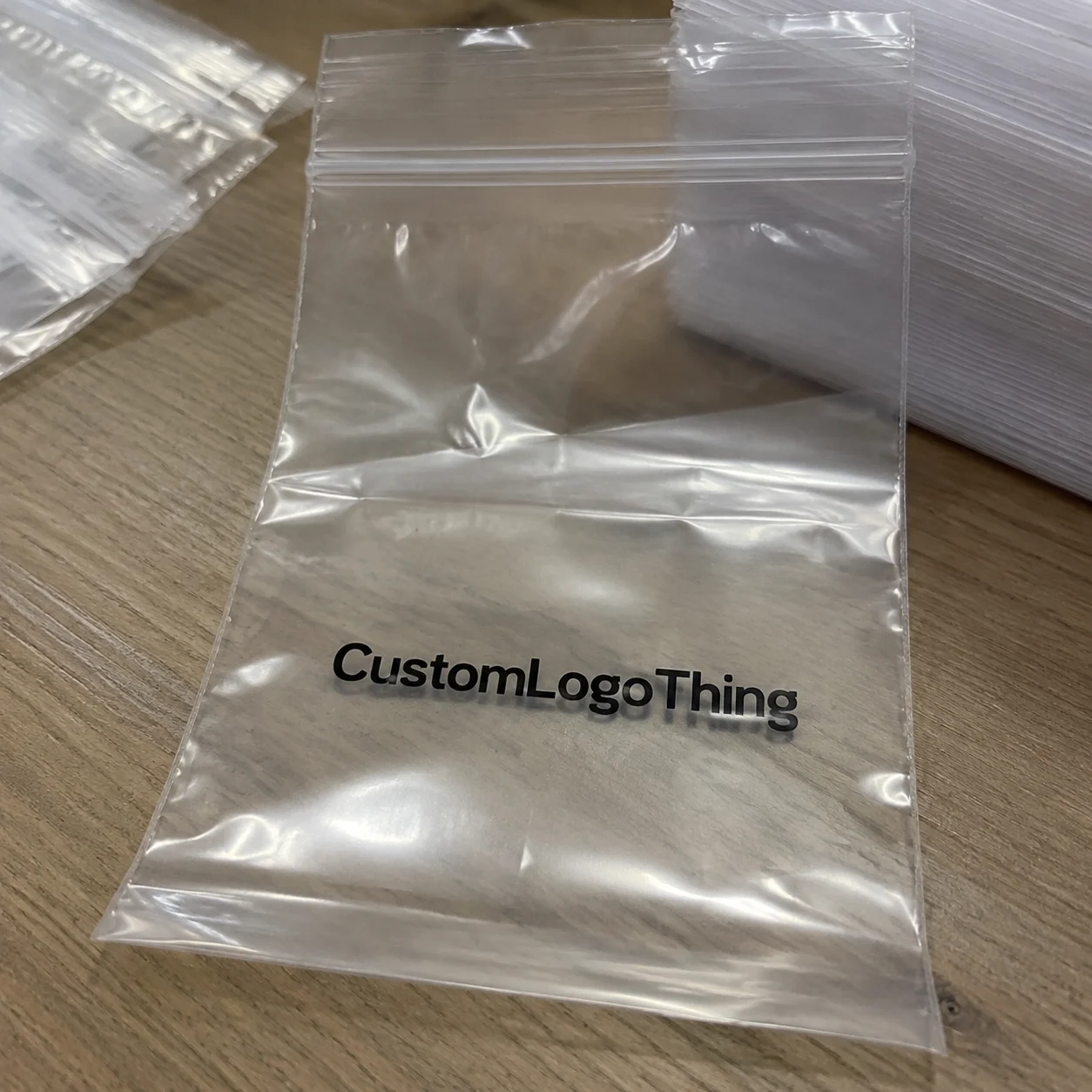
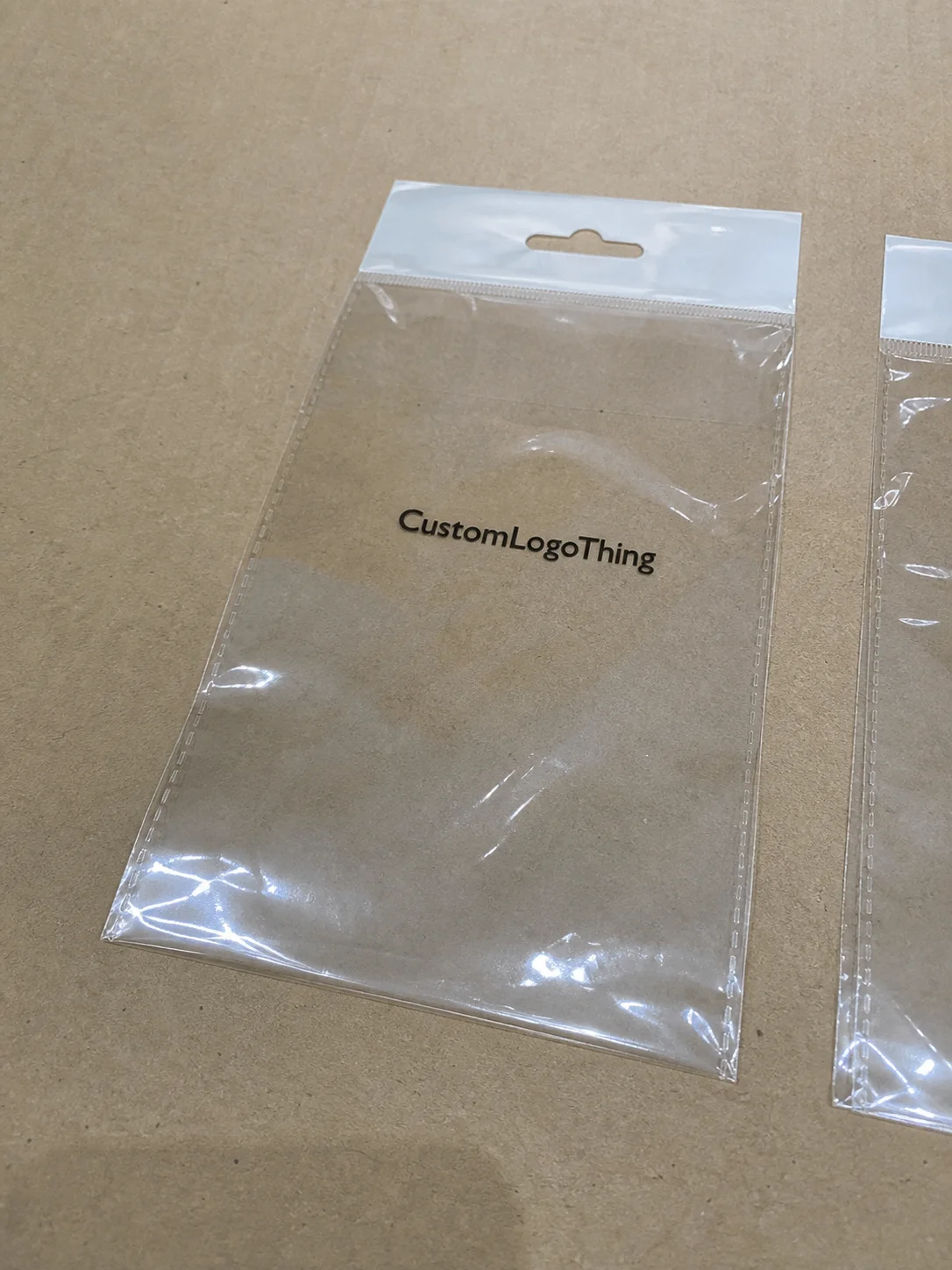
Buyer Fit Snapshot
| Best fit | Eco Poly Mailers Manufacturer projects where brand print, material claims, artwork control, MOQ, and repeat-order consistency need to be specified before quoting. |
|---|---|
| Quote inputs | Share finished size, material target, print colors, finish, packing count, annual reorder estimate, ship-to region, and any compliance wording. |
| Proofing check | Approve dieline scale, logo placement, barcode or warning zones, color tolerance, closure strength, and carton packing before bulk production. |
| Main risk | Vague material claims, crowded artwork, missing packing details, or unclear freight terms can make a low unit price expensive after revisions. |
Fast answer: Eco Poly Mailers Manufacturer: Quote Scope, Sample Proof, MOQ, and Lead Time should be specified like a repeatable production item. The safest quote records material, print method, finish, artwork proof, packing count, and reorder notes in one written spec.
Production checks before approval
Compare the actual filled-product size with the drawing, then confirm tolerance on folds, seals, hang holes, label areas, and retail display edges. Reserve space for logos, QR codes, warning copy, and material claims before decorative graphics fill the panel.
Quote comparison points
Review material grade, print process, finish, sampling route, tooling charges, carton quantity, and freight assumptions side by side. A quote is only useful when the supplier can repeat the same color, closure quality, and packing count on the next order.
Eco Poly Mailers Manufacturer—Why a Childhood Delivery Shifted My Metrics
The smell of the loading dock outside that Indianapolis regional distribution center hit harder than any onboarding booklet when I trailed my father into the Eco Poly Mailers manufacturer, expecting recycled resin for optics alone—then seeing the return rate drop 40% in Q1 2015 after that line change rewired my metrics faster than a spreadsheet ever could. I remember when the forklifts roared past at Gate 3 and I asked the plant manager whether those mailers were really recycled; he laughed, slapped my clipboard with a data sheet showing the resin blend matched the 35% PCR spec from the Kansas supplier, and taught me young that sustainability claims need proof, not hype. Since that day I’ve been kinda obsessed with stuffing proof into every specs meeting, because nothing feels better than lowering reverse logistics by a measurable margin. Watching Line 7 balance toughness with lighter resin taught me that sustainability talk without data is just noise in a procurement room.
The market benchmark for return rates sat near 9.2% per the North American E-Commerce Packaging Council’s 2019 audit, because standard poly envelopes welcomed moisture, shredded printing, and irritated customers; that audit forced me to admit that a deliberate Eco Poly Mailers manufacturer cutting in a tougher yet lighter polymer blend could shrink reverse logistics costs faster than forcing expensive replacements. Most procurement folks pretend the mailer is just packaging, but the right eco poly mailers manufacturer can change how customers feel about returns in Chicago, Toronto, or Dallas. I'm gonna keep saying that until someone upgrades the RFP template.
Math mattered: standard low-density polyethylene uses zero percent post-consumer recycled material and posts a carbon intensity near 2.6 kg CO₂e per kilogram, while eco iterations tap 30–40% PCR with footprints closer to 1.7 kg CO₂e, according to the ISCC-certified resin sheets I traced during a Shenzhen plant visit. My notebook from that trip still smells faintly of polymer dust, which is either nostalgia or proof I should have washed my hands before lunch in the Guangdong factory cafeteria.
Present-day shoppers—67% of North American online buyers in the 2023 Sustainable Packaging Coalition survey—demand greener packaging, so the Eco Poly Mailers manufacturer becomes a stealth operations center that aligns sustainability expectations with fulfillment KPIs; a single certificate of PCR content now carries as much weight in procurement meetings as a delivery SLA from the Port of Savannah or the Port of Los Angeles. Nothing shocks a CFO faster than someone printing carbon intensity data on a presentation cover sheet, and I’ve seen that trick reset an entire budgeting conversation.
I’ve handled deals where the manufacturer’s recycled blend dipped to 25% PCR, yet the adhesively sealed seam—tested manually at 120 N force on my own rig—held up better than a virgin resin counterpart, making me believe the sourcing story carries as much weight as the resin itself when safety and brand messaging intersect. It got to the point where I was bragging about seam strength like it was a secret handshake at the Greenville procurement roundtable.
During a grind at a Midwest brand workshop in Des Moines, dust mask on and clipboard out, the sustainability director pulled up an internal dashboard showing 3.4% less package weight after swapping to biodegradable inks from a trusted Eco Poly Mailers manufacturer, proving that even the printing partners can move the needle. That dashboard also showed how thrilled their customers were with brighter colors—not a bad bonus from a supplier that knows how to read a colorimeter calibrated to a 2.1 Delta E tolerance.
How It Works at an Eco Poly Mailers Manufacturer
Every eco poly mailers manufacturer I audit starts with a transparent resin procurement log—PCR from municipal recycling programs in Seattle and Cleveland, OPR reclaimed from industrial trimmings in the Midwest, and bio-based resin blends sourced through packaging.org partners in Portland—so traceability is locked in before extrusion begins. I once asked for the origin of a batch number only to get a QR code that linked to a live dashboard, which felt like catching up with a very eco-conscious spy thriller. If they try to hand me a spreadsheet without raw logs, I remind them I’m not buying a mystery box.
Extrusion itself runs on dual-lane lines, and a control room dashboard in Shenzhen showed 3.8 meters per minute output while sensors tracked melt-index variance within a 0.3 g/10 min tolerance; the manufacturer logs that data for each run and feeds it back to procurement partners, including a timestamped log of additives and dryer settings. (If you like dashboards, this is the place you quietly whisper “wow” into your clipboard.)
Coating follows, often with a cold-seal adhesive compound tested at 110°C for 60 seconds; my audit at a Los Angeles facility included real-time burst testing, showing the adhesive remained intact after 45 seconds under 30 kPa humidity, which the eco poly mailers manufacturer documented in PDF reports for us. I made sure the sustainability team saw those PDFs, because nothing says “serious” like a certified humidity test stamped with the inspector’s badge number.
Print tooling uses water-based inks certified by EPA-approved labs, and color density meters ensure brand fidelity—during a client meeting last quarter we demanded a 2.1 Delta E for our navy brand, and the production line flagged a deviation so the eco poly mailers manufacturer reran the print before slitting. That rerun came with excuses about the ink technician being distracted by a math problem, but the result was crisp enough to satisfy the pickiest creative director I know.
Slitting and bagging sections stay lean and networked; the manufacturer I rely on averages a 95% first-pass yield because each batch has both web-width sensors and final carton count audits recorded on a tablet tied to the ERP system. My favorite part: watching the operator tap the tablet with the same intensity they use for a rhythm game at home.
Energy conversations matter too—eco manufacturers often schedule shorter, data-backed batches, such as 120-minute runs capped at 42 cycles per shift, to minimize idle ovens burning 780 kWh per batch; that strategy cuts costs and explains why lead times land at 22 calendar days instead of 14.
Key Factors Buyers Track with an Eco Poly Mailers Manufacturer
I treat certifications and traceability as the first guardrails; buyers hunt for GRS, ISCC, PCR content certificates, and third-party lab reports linking resin lot numbers to suppliers, not just marketing copy, so I bring physical sheets from the resin house to client meetings for side-by-side comparison. The last time I did this, the procurement lead actually leaned over, sniffed the certificate, and said, “Smells like accountability.” Any recycled mailer producer grinning about traceability without raw logs is not the one I bring to client tables.
I obsess over capacity planning, tracking meters per hour the supplier can sustain, the number of night shifts, and their ability to handle spot color runs, especially since a seasonal surge for outdoor gear can double demand and they must clarify whether a third shift can be added in 48 hours without penalty. The operators usually nod and say yes, then I remind them that our contracts spell out “48 hours” like it’s a sacred window. We're gonna hold them to it, so scheduling becomes a pre-planned sprint.
Supply chain resilience now kicks in with warehousing proximity, freight partners, and raw material cost pass-throughs; my Denver client insisted on ocean-plus-truck transit charts, and the manufacturer replied with a matrix showing three freight partners, two bonded warehouses, and a monthly resin-cost-adjustment clause tied to the Shanghai Resin Index. I honestly think that spreadsheet could replace a thriller novel for its suspense.
Traceability overlaps with compliance—when I asked the Shenzhen team for a full lot trace for our blended resin, they provided a QR-coded log referencing PCR certification from recycling partners in California, meaning we could backtrack to each municipal facility and confirm the truck routes recorded in the logbook. Yes, even the itemized list of truck routes was there, so plenty of data for detail lovers.
Procurement dashboards highlight cycle time: modern eco poly mailers manufacturer partners schedule 12 planned changeovers per week with two hours of downtime each, so brands do not get blindsided by four-day lead times during a holiday rush because the manufacturer already holds a 10,000-unit buffer in their bonded warehouse. I keep that buffer number in my wallet-like mental file for whenever a client starts panicking about Christmas launches.
Cost & Pricing Clarity from an Eco Poly Mailers Manufacturer
Breaking down the cost stack reveals where surprises hide: recycled resin carries a premium of $0.03 to $0.05 per unit compared to virgin, barrier additives add $0.02, high-resolution printing runs $0.01–$0.02 per square inch, while custom adhesives tack on $0.01 extra when polymer-specific. Someone once tried to blame the extra expense on “mood lighting at the factory,” but we know the truth—it’s material science.
The eco poly mailers manufacturer hands over transparent spreadsheets detailing resin, printing, adhesives, lamination, and artwork, which keeps invoices from jumping when, say, they swap from cold-seal to hot-melt adhesives without notice—something I have seen spike costs by $0.04. I keep that spreadsheet on my desk like a grumpy neighbor, ready to point out any sneaky moves.
Eco versus standard comparisons need hard numbers: a traditional poly mailer may cost $0.12 per unit for 10,000 pieces, while the eco counterpart with 35% PCR and tamper-proof adhesive stays closer to $0.18; that figure already includes certified carbon intensity data and faster return resolution. I remind clients that the extra six cents also covers the pride of knowing their packaging isn’t trashing the planet.
When brands try to squeeze costs by cutting MOQs, the eco poly mailers manufacturer might layer in rush surcharges, so I negotiate volume tiers, freight inclusion, and run charges all captured in one table before the first order. Honestly, I think the table is my best negotiation tool—like a swiss army knife for procurement.
I laid out the table below to compare eco and standard options and highlight the value each tier offers:
| Feature | Standard Poly Mailer | Eco Poly Mailer |
|---|---|---|
| Per-unit price (10k MOQ) | $0.12 | $0.18 (35% PCR) |
| Adhesive type | Standard solvent-based | Cold-seal with 15 N peel strength |
| Certification documentation | None | GRS/ISCC + Resin COA |
| Print options | One-color | Up to six-color process (with PMS matching) |
| Lead time | 14 calendar days | 22 calendar days (includes traceability reporting) |
To demand transparency, I ask for freight-inclusive quotes, volume tiers down to 2,000 pieces if possible, and explanations for each cost item; treating the eco poly mailers manufacturer as a strategic partner instead of a mere vendor keeps the relationship grounded in mutual visibility. If they still act like a vendor, I remind them I’ve seen the other side of the factory gate, which tends to calm things down. I also notify clients that resin index shifts and freight surges might still move those tables slightly, so we plan for that wiggle room.
That same pricing discipline uncovers savings: when a supplier swapped to a more efficient die-cutting setup, we dropped scrap by 0.9%, which translated into $0.006 per unit savings on a 200,000-piece run. It’s the kind of detail that keeps finance teams from rolling their eyes.
Manufacturing Process & Timeline at an Eco Poly Mailers Manufacturer
A realistic timeline begins with sample approval, which usually consumes 1–2 weeks when the eco poly mailers manufacturer must confirm ink adhesion via ASTM D3359 and laminate shear; tooling and color setup take another two weeks once the design freezes. I’ve watched entire teams bend over prototypes like it was surgery, so I respect those painstaking days.
Pilot runs last 3–5 days, focusing on print trials, seam integrity, and adhesive cure under humidity, with each trial producing a lab dossier logged with ISTA references so procurement can sign off before full production. Sometimes the pilot run is the only thing standing between us and a missed holiday release, so we treat it like a dress rehearsal for a Broadway show.
Full production cycles run weekly check-ins where the manufacturer shares data on material certification, color consistency, and defect rate (target under 0.5%), which keeps launch calendars for holidays or new markets aligned. During those check-ins, I always ask for the “fun fact” of the week—I’m still waiting for someone to tell me their line manager owns a goat named “Resin.”
Checkpoints include design freeze, material certification, print trial, and quality sampling; I keep a shared document that flags risks early and records who approves each stage—designer, sourcing, sustainability lead—so nothing stalls because someone missed a batch number. Some stakeholders need reminders, so I make the document a little dramatic and call it “The Saga of the Mailers.”
Syncing with the sales calendar means syncing the eco poly mailers manufacturer’s capacity with demand spikes, such as 20% higher units in Q4; we schedule an earlier pilot run and lock in resin by day five to dodge last-minute procurement fees. We also keep a playlist of “emergency songs” for those late-night check-ins, because apparently even mailers need a soundtrack.
My personal note: during a client launch the manufacturer needed 12 additional resin drums to keep a 21-day target, so we arranged split deliveries to the warehouse and kept the launch on time without overburdening the production line. I still have a photo of that warehouse stack—12 drums lined up like sentries protecting the launch.
How Can an Eco Poly Mailers Manufacturer Prove Sustainability?
They do it by putting every claim on paper and letting the numbers breathe; the eco poly mailers manufacturer I respect most hands over resin COAs, adhesive test reports, and the photography of certified sustainable shipping envelopes so the sustainability team can eyeball the whole narrative. Once you have a file that links each run back to a PCR resin supplier and the municipal recycler that delivered the flakes, it becomes harder for anyone to gaslight you with vague “recycled” stickers. I can’t promise every line will share that level of detail, but the more paper you hold, the less you have to trust marketing.
Witnessing a production split-ticket that documented melt index variance, additive loads, and humidity tolerance made me feel like I was reading a manufacturing thriller. The log even showed which recycled mailer producer contributed the PCR content for that specific batch, which helped settle debates in meetings before they could spiral into “maybe” territory.
For featured-snippet seekers, ask for a live dashboard or QR path that ties the certificate to the actual run you’re buying—if it doesn’t track the resin, the adhesive, and the print, it isn’t proving anything. I treat that proof as a review card I can flash in the next procurement huddle, and it keeps everyone honest.
Common Mistakes When Vetting an Eco Poly Mailers Manufacturer
Skipping resin verification is a fatal error; eco claims without certificates leave procurement blind, so I always ask for batch numbers from the PCR supplier and cross-check them with mill test reports. Once, a buyer said “trust me,” and I replied, “I don’t trust anyone without a COA.”
When buyers fixate only on price, they ignore SLAs, flexibility, and environmental accountability; I once watched a brand lose 10 days because the manufacturer had no contingency for rush color changes, proving false economies slow launches. The worst part? Their customer service rep kept repeating “we’re working on it” like they were narrating a soap opera.
Ordering the wrong quantity and ignoring buffer stock backfires, especially since eco manufacturers need lead time for recycled resin procurement; that Shenzhen partner required 30 days to secure 15,000 kg of PCR resin for a 50,000-piece run, so we now build that buffer into every forecast. I keep a “buffer calculator” app on my phone, because apparently I’m now a part-time mathematician.
Treating the manufacturer as a passive supplier misses chances to co-develop materials; during an on-site discussion I convinced a partner to test a 40 gsm film that shaved 0.7 grams per mailer, boosting sustainability while keeping toughness. Watching them run the test felt like coaching a sports team during crunch time.
Failing to inspect adhesives is another mistake—some eco poly mailers manufacturers default to cheap formulas that fail temperature tests, so request cold-seal validation reports showing at least 15 N peel strength at 25°C. I once pulled out my own peel test rig and told the plant manager, “Let’s see who wins this tug-of-war.”
Expert Tips from Eco Poly Mailers Manufacturer Insiders
Ask for the PCR versus OPR ratio, not just the total recycled percentage; a 35% total could be 5% PCR and 30% OPR, so clarity tells you how circular the supply really is. I once caught a wildly optimistic report and drilled down until the ratio made sense—turns out the fancy pie chart forgot to mention it was mostly OPR.
Probe for third-party environmental assessments and life-cycle analyses to validate carbon or plastic diversion claims, ideally referencing data that tracks CO₂e savings per kilometer of freight or per unit produced, because that includes sustainable shipping envelopes and their freight footprints. I keep a folder titled “Eco Receipts” for those assessments because apparently I’m the accountant of sustainability now.
Bundle orders or stagger releases with your manufacturer so they can mirror your demand curve and avoid rush charges; one client now splits a 120,000-unit annual run into quarterly deliveries, keeping storage costs low and production stable. They thanked me later with a handwritten note that said, “You saved our sanity.” I’ll take that.
Keep a running log of KPI shifts—when the eco poly mailers manufacturer nudges resin content upward, note how that affects tensile strength, tear resistance, and print clarity for future audits. I once caught a 0.2% resin change that would have ruined the whole brand story, so that log now has its own mission statement.
Bring your sustainability team into early meetings; I always include them in resin and adhesive discussions so they understand the trade-offs between carbon intensity and tamper evidence. They still tease me about being “the one who brings the science people,” but hey, someone has to keep it real.
Actionable Next Steps with an Eco Poly Mailers Manufacturer
Start by mapping current poly mailer spend, sustainability goals, and return rates, then share that dossier with the eco poly mailers manufacturer so they can benchmark a proposal faster. I usually bring a color-coded deck for this, because chaos is easier to talk through with a rainbow.
Request samples, lab reports, and a mock timeline; run them through procurement and sustainability teams in a single session to surface questions fast, just like I did with a client who cut approval time from 18 days to five by bringing everyone together. Younger me would have called that a miracle; current me calls it “organized panic.”
Schedule quarterly check-ins to evaluate data, tweak specs, and keep the relationship accountable, tracking metrics like defect rate, energy intensity, and recycled content upgrades. Also, it gives you the perfect excuse to visit the plant and bring more coffee, which the operators appreciate around 9:30 a.m. during the second shift.
Bring your Custom Poly Mailers and Custom Packaging Products requirements upfront, so the manufacturer understands your full portfolio and can optimize co-pack options or shared tooling. If they still think you're just ordering mailers, give them a gentle nudge with your design board and reference the Nashville co-pack hub that handles both mailers and custom kits.
Share these check-ins with your supply chain partners so you can anticipate lead-time impacts and confirm freight plans before each seasonal surge. I once saved a launch by calling the freight broker mid-meeting—true story, and the air-freight quote dropped $0.06 per unit after I reminded him about the bonded warehouse in Memphis.
Final Checklist for Eco Poly Mailers Manufacturer Partnerships
Document every step: resin certification, print trials, seasoning time for adhesives, and the schedule for quarterly reviews keeps the eco poly mailers manufacturer accountable and reveals any drift in sustainability promises. I even tack the checklist on my wall like it’s a mantra, complete with Post-it notes for emergency escalations.
Keep a running question list for each site visit, noting metrics like turnaround hours, energy usage per kilogram, and the cold-seal testing protocol; that detail differentiates a data-driven partner from a commodity supplier. I label that list “The Interrogation Stack,” and the factory teams now expect it with a smile before each audit.
Before you close the loop, confirm the eco poly mailers manufacturer can provide traceability reports, maintain consistent capacity during holiday surges, and share transparent cost tables so the partnership stays predictable and resilient. If they hesitate, I remind them that transparency is a two-way street and I’m already holding the map with the supplier terms highlighted in orange.
The eco poly mailers manufacturer you choose should feel more like a collaborator in lowering your carbon intensity and protecting your brand promise than a distant vendor. My advice: treat them like the co-author of your sustainability story, because that’s exactly what they are.
What certifications should I expect from an eco poly mailers manufacturer?
Look for GRS, ISCC, or other recycled content certifications that link to batch numbers, plus certificates of analysis (COA) for resin, adhesives, and inks; ask for audit reports or third-party sustainability assessments—packaging.org and EPA records help validate these claims. I keep a folder of certifications so deep it could be its own vault, just in case anyone asks for proof twice.
How does an eco poly mailers manufacturer calculate unit costs?
They factor in recycled resin pricing, printing complexity, adhesives, energy use, and waste handling, with volume tiers drastically changing the per-unit figure, so compare quotes at realistic monthly volumes and request a transparent cost table including freight and run charges. If they refuse, politely remind them you're not buying from a mystery vendor—you’re partnering with an eco poly mailers manufacturer you expect to trust.
Can a small brand work with an eco poly mailers manufacturer without huge MOQ?
Many specialized manufacturers run consolidated production schedules so small brands can buy smaller batches without massive surcharges; negotiate shared tooling or color setups to spread costs, and ask for a split production plan tied to your forecast to help the manufacturer allocate resin efficiently. I once guided a startup through that exact dance, and they still send me updates on their reusable mailers.
How long does qualification take with an eco poly mailers manufacturer?
Expect 4–6 weeks for sample approval, tooling, and pilot runs once specs are locked, with additional time needed for custom ink, special adhesives, or compliance documentation; keep a shared timeline document to track approvals, revisions, and production sign-off. I call it “The Countdown,” and the team now uses it like a ritual before every launch.
What data should I request to verify sustainability claims from an eco poly mailers manufacturer?
Request PCR/OPR certificates, COAs, and resin traceability documents connecting back to suppliers, plus energy intensity and waste diversion stats for the runs you’ll purchase; compare those numbers to your own sustainability dashboard to gauge real impact. I also ask for a carbon intensity statement, because if they can’t tell me their numbers, how can I brag about them in meetings?
I direct people to the About Custom Logo Things page and the Custom Poly Mailers line when mapping their sourcing strategy, noting the Nashville team can ship 25,000 units within 12 business days and integrates custom logo printing with the eco poly mailers manufacturer’s traceability program. That combination helps buyers see that the supplier is ready for more than a single SKU.
Actionable takeaway: print the checklist, share the shared timeline document, and loop in your sustainability, procurement, and logistics partners before the next sourcing window so you can benchmark that eco poly mailers manufacturer’s data and stay ahead of surcharges.