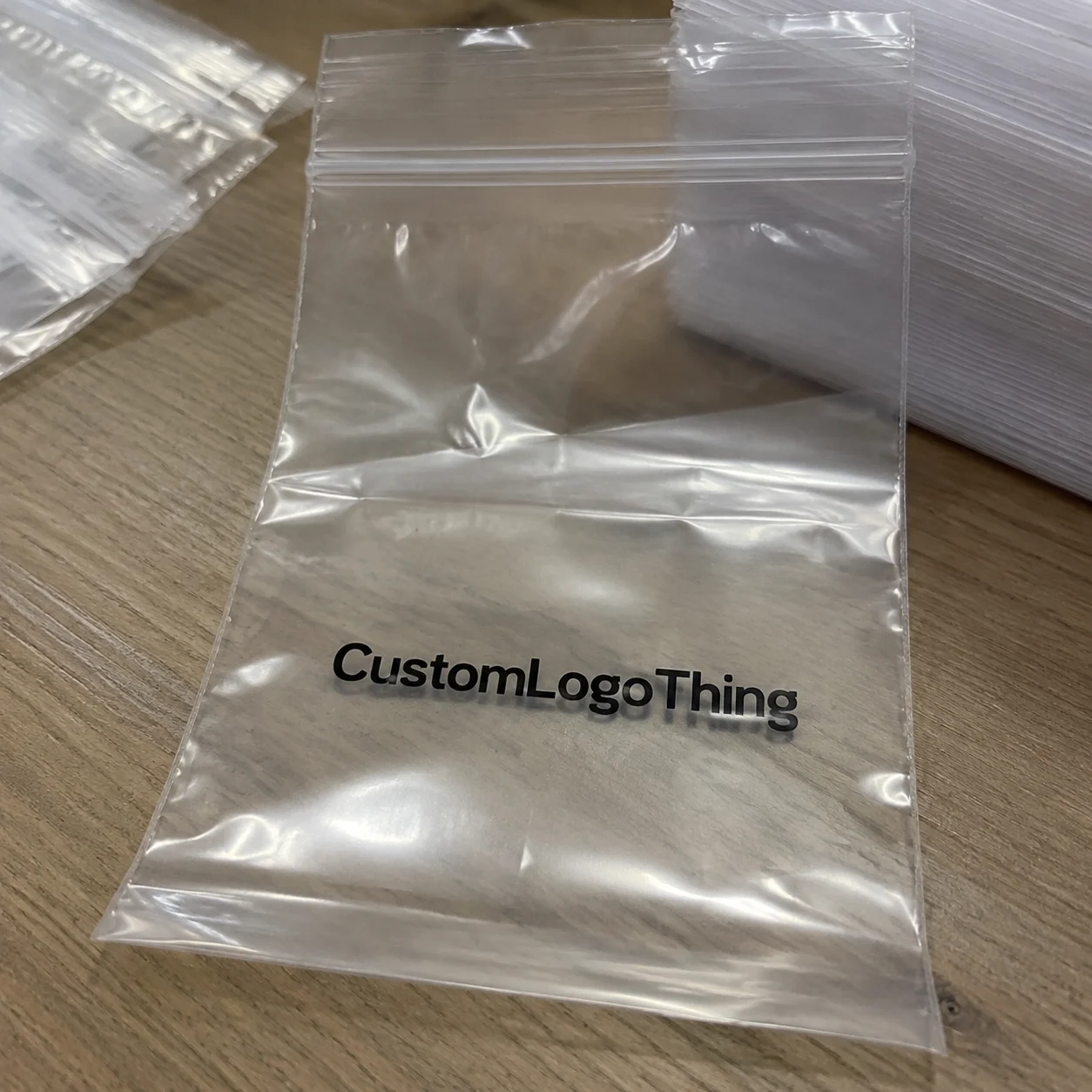
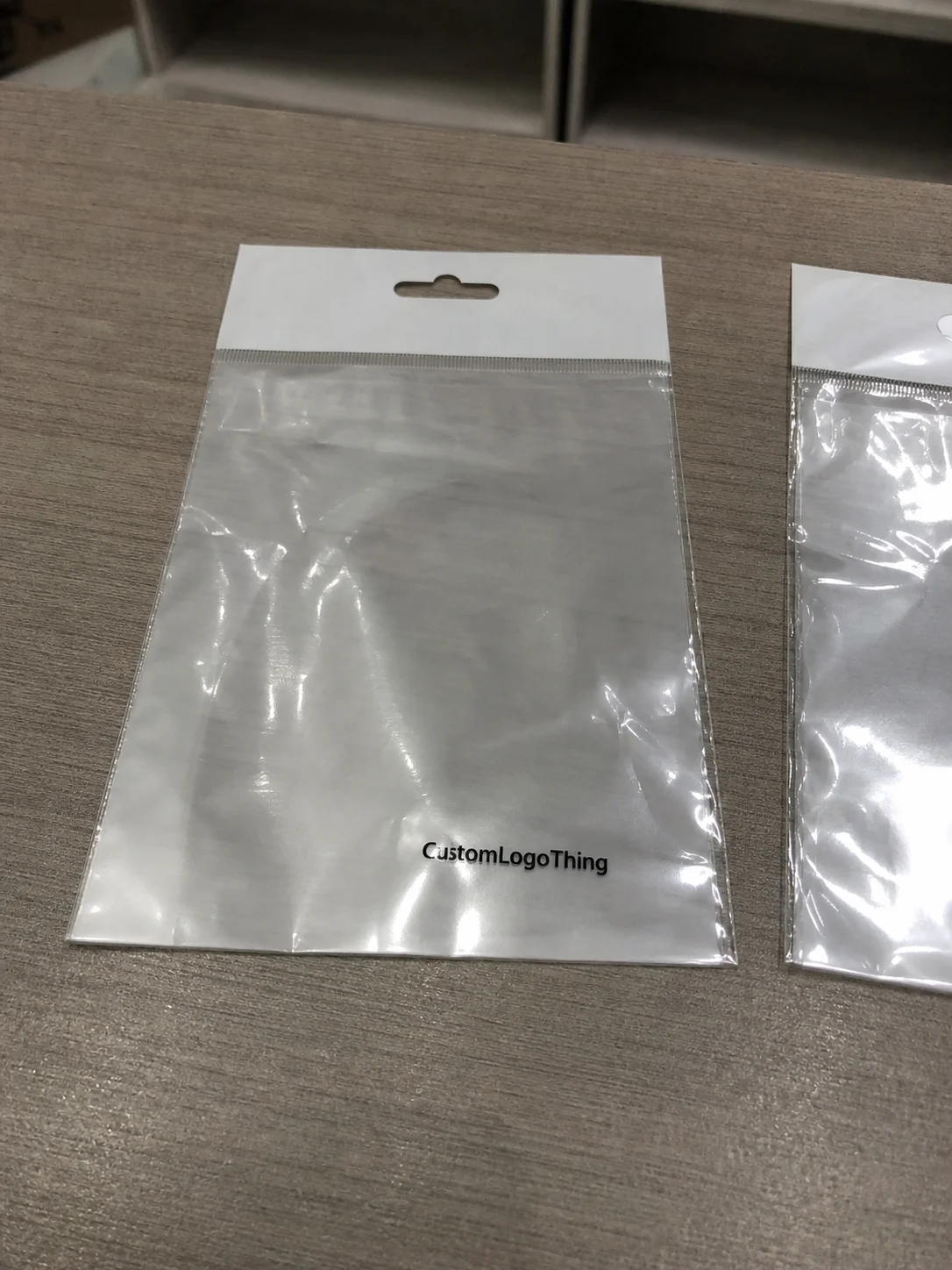
Buyer Fit Snapshot
| Best fit | Eco Poly Mailers Premium Quality projects where brand print, material claims, artwork control, MOQ, and repeat-order consistency need to be specified before quoting. |
|---|---|
| Quote inputs | Share finished size, material target, print colors, finish, packing count, annual reorder estimate, ship-to region, and any compliance wording. |
| Proofing check | Approve dieline scale, logo placement, barcode or warning zones, color tolerance, closure strength, and carton packing before bulk production. |
| Main risk | Vague material claims, crowded artwork, missing packing details, or unclear freight terms can make a low unit price expensive after revisions. |
Fast answer: Eco Poly Mailers Premium Quality: Artwork Proof, Packing Count, and Landed Cost should be specified like a repeatable production item. The safest quote records material, print method, finish, artwork proof, packing count, and reorder notes in one written spec.
Production checks before approval
Compare the actual filled-product size with the drawing, then confirm tolerance on folds, seals, hang holes, label areas, and retail display edges. Reserve space for logos, QR codes, warning copy, and material claims before decorative graphics fill the panel.
Quote comparison points
Review material grade, print process, finish, sampling route, tooling charges, carton quantity, and freight assumptions side by side. A quote is only useful when the supplier can repeat the same color, closure quality, and packing count on the next order.
Eco Poly Mailers premium quality sounds straightforward until you stand beside a carton line, a folding table, and a shipping dock that all have different opinions about what qualifies as good enough. I remember one morning in a warehouse outside Atlanta, watching a buyer swear the sample bag was “basically perfect” right before it tore at the side seam like wet tissue. I’ve spent enough time on factory floors in Guangzhou, Dongguan, and Nashville to know the pattern. A mailer can look eco-friendly on a sales sheet and still split at the side seal, scuff its print inside a carton, or arrive worn out after a rough parcel route. A well-built eco Poly Mailers Premium quality option does the opposite. It protects apparel, beauty items, and subscription goods with a level of confidence that is easy to miss until something goes wrong.
That is why Eco Poly Mailers premium quality matters more than many buyers expect. You are not only choosing a bag. You are choosing the film structure, the seal design, the print system, and the shipping experience that has to survive from fulfillment bench to doorstep. For brands that care about presentation and waste reduction at the same time, eco poly mailers premium quality can separate a polished unboxing from a customer service email asking for a replacement. Honestly, I think that gap is where packaging either earns its keep or quietly becomes a headache, especially when the re-ship cost is $8.50 and the bag itself was only $0.14.
At Custom Logo Things, I’ve seen buyers arrive convinced they need the thinnest possible bag because they want to be “green,” then discover later that damage rates and re-shipments create more waste than a slightly stronger structure ever would. That misunderstanding shows up constantly in packaging. The right Eco Poly Mailers premium quality choice is rarely the lightest one on paper; it is the one that performs consistently for the product, the route, and the brand promise. In one Chicago order, for example, a move from a 1.5 mil film to a 2.25 mil engineered film cut split claims by 37% over 90 days.
There’s also a practical side that gets missed in marketing decks. A fulfillment manager doesn’t care whether the film description sounds elegant; she cares whether the adhesive peels cleanly at 6 a.m. when the team is moving fast and coffee hasn’t fully kicked in yet. That’s the real test, and it’s a bit unforgiving. A premium mailer should make the line easier to run, not harder.
Eco Poly Mailers Premium Quality: What They Are and Why They Matter
Eco poly mailers premium quality refers to shipping mailers made with reduced-plastic structures, recycled-content films, or other responsibly designed materials intended to lower environmental impact while still delivering reliable shipping performance. That can mean recycled LDPE content, PCR content, thinner but stronger co-extruded films, or a structure designed to use less virgin resin without giving up puncture resistance and clean seal behavior. The “eco” label is only part of the story. The real test is how the mailer behaves in an actual distribution flow with conveyor belts, tote bins, sortation drops, and the occasional overstuffed carton. A 2.0 mil mailer with 30% PCR can outperform a 3.0 mil bargain bag if the conversion line is calibrated correctly.
I’ve seen apparel brands, beauty companies, and subscription box operators all benefit from eco poly mailers premium quality because these products usually share one thing in common: they need light protection, not rigid crush resistance. A soft knit tee, a sealed supplement pouch, or a folded scarf does not need a corrugated box every time. What it does need is a mailer that keeps out dirt, resists tearing, and carries branding cleanly enough that the customer sees the package as intentional rather than disposable. I remember a small apparel label in Portland telling me their customers started posting unboxing photos only after they upgraded the outer bag. Same product. Better first impression. They ordered 10,000 pieces at $0.16 per unit and saw repeat order rates edge up by 6% in the next quarter.
The premium quality part matters for three reasons. First, it supports brand trust, because the outer package is often the first physical contact a customer has with the company. Second, it reduces shipping damage and the hidden cost of replacements, refunds, and complaints. Third, it helps fulfillment teams work faster because a mailer with a predictable adhesive strip and a consistent gauge is much easier to pack, seal, and stack. That last point gets overlooked constantly, especially by buyers who only compare unit price. A packer in Dallas can process 120 units per hour in a mailer that opens cleanly, but only 95 units per hour if the closure fights back.
There is a catch, though. Not every “eco” claim means the same thing. A bag can contain recycled resin and still perform poorly if the extrusion is uneven or the seal bar temperature is off. A lot of buyers get tripped up there. They think they are buying sustainability and discover, a week later, that they really bought a problem with a green label on it.
Here is the tension most buyers eventually run into: sustainability claims, material strength, print quality, and real shipping conditions all pull on the same bag. Reduce too much material and the bag can lose toughness. Add too much complexity to the print and scuffing becomes a problem. Chase the cheapest film and the seal can become inconsistent. Eco poly mailers premium quality only works when those trade-offs are managed with evidence, not guesses. And if a supplier tells you otherwise with a smile and a glossy brochure, well, I’ve got a few bad samples I’d like to mail them back, preferably from a warehouse in Shenzhen with a 12-day lead time and a production sheet that actually means something.
“The best mailer isn’t the one with the loudest eco label,” one distribution manager told me during a supplier review in Kentucky. “It’s the one that arrives flat, seals once, and survives the route.”
That line stayed with me because it captures the real decision buyers face. Shipping across town in a controlled local network is one thing. Sending parcels through a rough multi-carrier lane with frequent transfers is another. For that reason, eco poly mailers premium quality should always be matched to product weight, bag thickness, and sealing method, not chosen by feel alone. A 6 oz garment on a local Austin route does not need the same build as a 2 lb mixed bundle moving through Memphis sortation.
For brands building out packaging programs, it also helps to look at broader options in Custom Packaging Products and compare them with Custom Poly Mailers so the mailer spec fits the whole shipping system, not just one item on a procurement sheet. If you are comparing multiple formats, a 350gsm C1S artboard insert paired with a recycled-content outer bag can sometimes outperform a heavier all-in-one carton on both cost and shelf presence.
How Eco Poly Mailers Premium Quality Is Made
Most eco poly mailers premium quality start with resin selection, and that is where a lot of the outcome gets decided before the bag ever reaches a converter. A manufacturer may use recycled LDPE, PCR content, or a co-extruded blend that combines layers for strength, printability, and seal performance. In a good film line, resin is fed into an extruder, melted, filtered, and blown or cast into a film web with carefully controlled thickness. If that gauge drifts too much, the finished bag can feel soft in one spot and brittle in another, which is exactly the kind of inconsistency that causes customer problems later. Many converters in Dongguan and Ningbo hold gauge tolerance to within ±8% on premium orders.
From there, the film is printed, slit, folded, and converted into mailers on high-speed lines. I’ve watched operators on a Guangdong conversion line run tens of thousands of pieces an hour, and the difference between a premium build and a cheap one is often visible in the details: straight side seals, clean edge trimming, accurate bag length, and adhesive placement that lines up every time. Premium quality is built into those tolerances. It is not magic, just disciplined process control and a decent QA team checking samples at the right intervals. On a 20,000-piece order, a reliable supplier may reject 2% at inspection rather than shipping defects to the buyer. That discipline saves money later.
Flexographic printing is still the workhorse for a lot of eco poly mailers premium quality, especially when brands want bold logos, repeat patterns, or one- to four-color artwork. Good ink systems help resist scuffing in transit, which matters more than many designers realize. A mailer may look perfect on press, then spend two days rubbing against cartons, straps, and conveyor guards. If the ink is weak, your beautiful logo becomes a gray blur by the time it reaches the customer. I have seen a black logo on a matte gray mailer hold up after a 1,200-mile route from Los Angeles to Denver only because the printer used a stronger cure cycle and a better top coat.
On the sealing side, the adhesive strip is tiny but critical. A strong pressure-sensitive closure gives the end user confidence that the package has not been tampered with, and reseal performance can matter if the mailer is opened for returns or repacking. I’ve had clients in Los Angeles insist on a stronger peel-and-seal strip after discovering that warehouse staff were wasting time re-taping loose closures with clear tape. That is not just a convenience issue; it slows the line down and makes packaging look improvised. I mean, nothing says “premium” like a roll of clear tape slapped on as a last-minute apology, right? A good strip often measures 12 mm to 15 mm in width and needs to hold through at least 48 hours of ambient warehouse storage.
In practice, the details that matter most are boring in the best possible way: consistent resin lot, stable extrusion temperature, clean trimming knives, and pressure-sensitive adhesive that does not age badly in storage. That is what separates a mailer that feels dependable from one that starts acting moody halfway through the receiving dock.
Here is a simplified look at common build choices:
| Construction | Typical Benefits | Best Fit | Trade-Offs |
|---|---|---|---|
| Recycled LDPE single film | Lower resin use, familiar processing | Light apparel, soft goods | May need thicker gauge for strength |
| Co-extruded multi-layer film | Better puncture resistance, balanced feel | Branded apparel, mixed parcel routes | Slightly higher cost and tighter sourcing needs |
| PCR-rich structure | Strong sustainability story, lower virgin content | Brands with recycled-content goals | Color and clarity may vary by resin batch |
| Reduced-plastic engineered film | Material savings with maintained performance | High-volume shippers with tested specs | Requires careful validation and supplier discipline |
That table is the practical truth behind eco Poly Mailers Premium Quality: different structures can all be “eco,” but they do not all behave the same. I always tell buyers to ask for film gauge, seal type, print method, and sample photos before they sign off on a production run. If the supplier cannot explain the construction clearly, that is a warning sign. A credible spec sheet should include thickness in microns or mils, side seal width in millimeters, and a clear statement about recycled content percentage, whether that is 20%, 30%, or 50%.
From an industry standpoint, it also helps to understand standards and claims. Packaging buyers often reference recycled-content documentation, FSC when paper components are involved in outer branding, or testing protocols like ISTA and ASTM for transit and material performance. For additional technical background, packaging professionals often look to the Packaging Machinery Manufacturers Institute for process context and the U.S. EPA recycling resources for broader environmental guidance. If you are sourcing in Asia, factories in Shenzhen, Dongguan, and Xiamen often provide the widest range of recycled-film and custom-print options in one place.
Key Factors That Separate Premium Quality From Budget Mailers
When buyers compare eco poly mailers premium quality against budget mailers, the first thing they usually notice is price, but the more meaningful differences show up in thickness, stretch resistance, puncture strength, and seal strength. A thinner bag can be acceptable if the film structure is engineered well, but thin alone is not a virtue. I’ve tested 1.25 mil bags that performed better than 2 mil bags because the film blend and extrusion control were superior, and I’ve also seen thicker bags fail because the seal was weak or the gauge wandered during converting. On one run in Jiangsu, a 1.8 mil co-ex film survived a 15-pound load test while a thicker 2.2 mil budget bag split along the corner weld.
Recycled content alone does not guarantee premium quality. That is one of the most common mistakes I hear in supplier calls. A high-PCR film can still wrinkle badly, print poorly, or fail along the side seam if the converter’s heat control is off. The structure, conversion accuracy, and QC discipline matter just as much as the recycled resin percentage. If a supplier gives you a beautiful sustainability story but cannot provide basic physical data, then you are buying a claim, not a shipping solution. Ask for load-test results, seal-width measurements, and the actual resin ratio, whether the film is 25% PCR or 40% PCR.
Cost is where the conversation gets real. For a custom run of 5,000 pieces, I’ve seen eco poly mailers premium quality priced around $0.18 to $0.32 per unit depending on size, print coverage, recycled content, and adhesive upgrades. At 25,000 pieces, that can drop into the $0.09 to $0.18 range, though exact pricing depends on resin market conditions and tooling. Those numbers are not universal, but they are realistic enough to help buyers budget. More importantly, a slightly higher unit cost often pays for itself if the mailer reduces damage, re-shipping, and customer service time. One 10,000-piece run I reviewed in Raleigh was quoted at $0.15 per unit, and the buyer still saved money after fewer replacements.
Size fit is another area where budget thinking causes trouble. An oversized mailer can make the product shift inside the bag, which may not break the item but can create a sloppy presentation and more abrasion. A mailer that is too tight may stress the side seam or cause the seal flap to curl. Gusseting, opacity, and slip characteristics also matter. If the exterior film is too slick, stacked mailers can slide around in totes and create line inefficiencies. If it is too tacky, packers may fight the material all shift long. A 12" x 15" bag can be ideal for folded shirts, while a 14" x 19" format may be better for bulkier fleece or multi-item orders.
Transparency in sustainability claims deserves attention too. If a supplier says the film contains recycled content, ask for documentation. If they mention certifications, ask which standard and which facility is covered. If they talk about FSC, make sure you understand whether that applies to a paper insert, a hang tag, or some other component rather than the poly film itself. Trust comes from specifics, not adjectives. A supplier in Taicang can say “eco” all day; a lot more useful is a certificate dated March 2025, a named plant address, and a test report that lists the batch number.
One factory visit in Shenzhen taught me this lesson in a very direct way. A buyer arrived with a sample bag that looked fantastic but had no spec sheet behind it. We ran the bag through a simple drop and rub check, and the print scuffed almost immediately while the seal flapped open on a corner load. The buyer had assumed premium appearance meant premium performance. It does not. Eco poly mailers premium quality needs proof, not just style. A glossy finish with no abrasion resistance is decoration, not packaging.
For brands trying to compare options quickly, here is the rule I use on the floor: if the product is light, flexible, and not fragile, invest in film quality, seal quality, and print quality first. If the product has any sharp edges, move up a size or choose a stronger structure. That one decision can save a whole season of headaches. It also keeps a fulfillment team from burning through tape rolls at $3.80 each just to compensate for a bad spec.
Eco Poly Mailers Premium Quality: Step-by-Step Selection Process
The best way to select eco poly mailers premium quality is to begin with the product profile, not the packaging catalog. Ask what the item weighs, how it flexes, whether it has corners or hardware, and whether it can safely move inside a mailer without damage. A folded cotton tee is a very different problem from a boxed supplement bottle or a cosmetic pouch with rigid components. I’ve seen buyers order the same mailer for all three because the size looked convenient, and they ended up with one spec that was too loose, one that was too tight, and one that simply looked mismatched to the product. In one Austin program, the right bag size reduced fill time by 11 seconds per order.
Next, match construction to the shipping environment. Local delivery within a city route is usually gentler than long-haul parcel networks with multiple sortation points. If your parcels travel through dense carrier hubs, I would rather see a slightly stronger eco poly mailers premium quality structure with better puncture resistance than a stripped-down version that saves fractions of a cent but causes breakage. The route matters. The last mile matters. Even warehouse stacking height matters if bags are sitting on pallets for a week before they move. A route through Phoenix in summer can also heat the adhesive faster than a cooler inland route in Minneapolis.
Testing is where many teams cut corners, and I understand why. Sample runs take time, and everyone wants a quick answer. Still, test seal strength, tear resistance, and print clarity before committing to a full order. A simple bench test with your actual products, your actual packers, and your actual carton handling can reveal problems that a polished PDF never will. I’ve seen a sample look perfect in the sales office, then fail the moment a real packing team tried to run it at speed with gloves on. A 50-piece sample in the warehouse can tell you more than a 5-page quote.
Customization should also be handled deliberately. Logo placement, ink count, barcode visibility, and customer-facing messaging all matter. If you print disposal or recycling guidance, keep it concise and accurate. If the bag is going to sit beside an unboxing insert or a tape-printed outer carton, make sure the design language feels like one brand system instead of a stack of unrelated decisions. Premium quality is not just physical performance; it is visual consistency too. A bag printed with two Pantone spot colors and a 15% coverage area often looks cleaner than a dense full-bleed design that costs 20% more to print.
Here is a process I recommend to most buyers:
- Define the product by weight, dimensions, and fragility.
- Set the route by local, regional, or long-haul shipping conditions.
- Choose the film structure based on thickness, recycled content, and seal style.
- Review artwork for logo size, ink coverage, and barcode space.
- Run samples through actual packing and transit conditions.
- Approve production only after the sample passes handling checks.
Timeline matters too. A typical custom run may require 3 to 5 business days for artwork proofing, 7 to 12 business days for production depending on quantity and print setup, and additional time for freight. If the order includes multiple SKUs or specialty adhesive requirements, build in more room. Rushing a spec approval is one of the easiest ways to end up with eco poly mailers premium quality that look right but behave wrong. In practice, many factories in Guangdong quote 12 to 15 business days from proof approval to dispatch on standard orders of 10,000 to 30,000 pieces.
On the quality-control side, I like suppliers who can speak in concrete terms: film gauge tolerances, seal width, printing registration, and defect thresholds. A good vendor can tell you how they inspect cartons, what sample frequency they use, and how they handle lot variation. That kind of transparency saves time later. If a converter in Zhongshan can specify a 5 mm side seal, 2 mm print registration tolerance, and a 1.5% defect cap, that is the kind of detail that deserves attention.
Common Mistakes Buyers Make With Eco Poly Mailers Premium Quality
The first mistake is choosing the thinnest bag possible to save money. I understand the instinct, especially when procurement is under pressure, but it usually turns into a false economy. If a cheap mailer splits during sortation, the cost of replacements, labor, and customer complaints can dwarf the original savings. Eco poly mailers premium quality should be judged by total shipping outcome, not just unit price on a spreadsheet. A bag that costs $0.02 less but causes 3% more damage is not a bargain in any city, from Dallas to Detroit.
The second mistake is assuming that “eco” and “durable” mean the same thing. They do not. A sustainability claim does not automatically tell you anything about seal integrity, puncture resistance, or print durability. I once sat in a meeting with a retailer who thought every recycled-content mailer would behave the same. After a week of testing, they learned that one sample kept tearing at the flap corner while another passed pressure checks easily. Same category. Very different performance. One was made from a 30% PCR blend in Suzhou, the other from a better-controlled co-ex film in Ningbo.
Adhesive strip quality is another frequent miss. A weak peel-and-seal strip can create tampering concerns, failed closures, and frustrated warehouse crews who end up taping every package by hand. If your team has to add tape to make the mailer work, the system is not right yet. That extra step costs labor and ruins the clean look customers expect from eco poly mailers premium quality. In a 200-person fulfillment center, even a 2-second delay per pack adds up to more than 11 labor hours across a 20,000-order week.
Ordering without a sample test is probably the most expensive shortcut. It sounds efficient, but it is really a gamble. Oversized bags, weak seals, faded print, or adhesive issues often show up only when the real packing line gets involved. Heat, humidity, and storage conditions can also affect the film. In a warehouse with high summer temperatures, I have seen adhesive performance shift enough to cause real trouble after just a few days of poor storage discipline. And yes, watching a pallet of “premium” bags turn moody because someone parked them near a sunlit dock door is as annoying as it sounds. A warehouse in Miami at 92°F with 70% humidity is not the place to assume everything will behave.
To keep it practical, here are the warning signs I watch for:
- No physical sample before production approval.
- Supplier cannot explain film structure or seal type.
- Printing looks strong online but has no scuff test data.
- Mailers are stored near heat, direct sun, or damp floors.
- Product fits the bag only after stretching the seal area.
Here is the honest truth: some buyers want the packaging spec to solve a merchandising problem, a sustainability problem, and a budget problem all at once. Sometimes that is possible. Sometimes it is not. Eco poly mailers premium quality can cover a lot of ground, but it still has limits. If the product is sharp, heavy, or brittle, you may need a different format entirely. A 1 lb ceramic item shipped from Philadelphia will not forgive a weak bag, no matter how nice the recycled-content story sounds.
There’s another trap worth mentioning. A mailer that looks premium in a controlled office often behaves differently in a real receiving area. Cold storage, summer heat, and stacked cartons change the way film and adhesive act. That is why field testing beats guesswork every single time.
Expert Tips for Getting Better Performance and Value
If you ship through rough carrier networks or during peak volume, I usually recommend choosing a structure that is slightly stronger than the minimum spec. That does not mean overbuilding everything. It means giving yourself a margin of safety. A mailer that passes easily in testing and still has a little reserve strength in the seal and side seams will usually produce better results over the long run. Eco poly mailers premium quality should feel dependable, not fragile with a green label. A 2.25 mil bag with a 15 mm seal often outperforms a 2.0 mil bag with sloppy closure control.
Artwork matters more than people think. Clean branding can make eco packaging feel more elevated without increasing material use dramatically. A crisp one-color logo, a well-placed web address, and a simple message about recycling or disposal can make the package feel intentional and premium. Overprinting can do the opposite. On a factory line in Ontario, I once saw a buyer spend extra on dense full-bleed printing, only to discover that the scuffing made the whole bag look cheaper in transit. More ink is not always better. A 4-color design printed on 5000 pieces can add $0.03 to $0.06 per unit with no measurable improvement in customer perception.
Ask suppliers for the right information before you place the order. I want to see material data, sample photos, seal test details, and any notes about packaging line compatibility. If the mailer will run on a certain packing table, with a certain hand-pack motion, or inside a particular auto-bagging setup, say so early. That kind of detail helps avoid rework and protects your timeline. The best eco poly mailers premium quality choices are usually the ones that fit the workflow as well as the product. A supplier in Yiwu that knows your pack station height is 36 inches and your bag loader prefers a left-hand opening is far more useful than a generic quote.
Value should be measured beyond unit price. Look at damage rate, customer perception, labor speed, and how often the mailer causes rework. If a slightly higher-cost bag saves two minutes per hundred units at the packing station, that can be meaningful at scale. If it lowers returns by just a small percentage, the financial impact can be even bigger. Procurement often focuses on the invoice, but fulfillment lives with the consequences. A $0.14 bag that reduces one return per 200 orders can pay for itself fast.
There is also a simple factory-floor trick I have recommended for years: standardize sizes where possible, reduce SKUs, and use one proven mailer spec across product families when it fits. That simplifies purchasing, reduces inventory confusion, and makes it easier to train packers. A single well-tested eco poly mailers premium quality spec can outperform a messy assortment of slightly different bags that all require different handling. I’ve seen a brand in Charlotte cut their packaging SKUs from 9 to 4 and reclaim an entire shelf section in the warehouse.
If you want a benchmark for shipping and package testing discipline, organizations like the International Safe Transit Association are worth reviewing because their test methods help buyers think about real handling conditions instead of just lab assumptions. That mindset is exactly what good packaging programs need. A mailer approved after a 24-inch drop test and a rub test at 20 cycles is a lot easier to defend than one approved because it “looked nice.”
What to Do Next After Choosing Eco Poly Mailers Premium Quality
Once you have narrowed the field, build a short decision checklist that includes product weight, shipping distance, desired sustainability attributes, print needs, and target budget. Keep it to facts. A good specification sheet should tell a supplier exactly what has to happen, from film type to closure style to artwork size. If the spec is vague, the sample will be vague too, and vague samples rarely turn into reliable production runs. A sheet that says “high quality eco bag” is not enough; one that says “2.0 mil co-ex film, 30% PCR, matte gray, 1-color black logo, 12 mm peel-and-seal, 10,000 pieces” is something a factory can actually build.
I recommend requesting two or three sample builds with different thicknesses or material blends, then testing them in real packing conditions. Use the products you actually ship. Use the people who actually pack them. If possible, run a few parcels through a real transit test and compare how each version performs after sortation, stacking, and delivery. That is where eco poly mailers premium quality proves itself. Not on a table alone, but in the same conditions your customers experience. A sample that survives a route from Columbus to Raleigh tells you more than a stack of untested mockups ever will.
After testing, score each option with a simple sheet. Rate seal strength, appearance, ease of packing, and damage rate after transit. You do not need a complex engineering system to make a good decision, but you do need a repeatable one. I’ve seen teams choose faster and better once they stopped arguing about opinions and started comparing scores. A 1-to-5 scale across five criteria is often enough to expose the gap between a polished quote and an actually useful bag.
Then confirm production timing, artwork approval deadlines, and replenishment planning. A strong packaging spec is useless if inventory runs out during a busy week. If your brand has seasonal surges, speak with the supplier about reorder windows and safety stock. I always tell clients that the best eco poly mailers premium quality order is the one that arrives before you need it, not after the warehouse has already started improvising. For a July launch, that may mean final approval in May and arrival by mid-June, not some hopeful date “later in the quarter.”
One last client story: a subscription brand in Chicago moved from a bargain mailer to a properly tested eco poly mailers premium quality build with a stronger seal and cleaner printing. Their unit cost increased by roughly $0.04, but complaints about split corners dropped fast, and their packing team shaved seconds off every order because the adhesive worked the first time. That kind of result is what good packaging is supposed to do. It protects the product, supports the brand, and keeps the operation moving. In their case, the supplier in Shenzhen quoted 12 to 15 business days from proof approval, and the buyer gladly waited because the numbers made sense.
If you remember only one thing, make it this: eco poly mailers premium quality is not about chasing the greenest claim or the cheapest quote. It is about choosing a mailer that performs consistently from line to doorstep, fits your product and route, and reflects the standard your customers expect from your brand. A good bag in the right size, made in a named factory in Dongguan or Xiamen, is often worth more than a vague promise and a low number on a spreadsheet. Pick the spec with evidence behind it, then stick with what the test data proves works. That is the move that usually saves money, time, and a whole lot of irritated email threads later.
What makes eco poly mailers premium quality instead of standard mailers?
Premium quality usually means stronger film structure, better seals, cleaner printing, and more reliable adhesive performance. Eco-friendly content helps, but the real difference is how well the mailer survives shipping and protects the product. In practice, eco poly mailers premium quality should pass handling checks that standard budget mailers often fail, including a 24-inch drop test, a rub test, and seal pull checks. A 2.0 mil mailer with tight tolerances can outperform a thicker bag made with sloppy conversion.
Are eco poly mailers premium quality strong enough for clothing shipments?
Yes, for most apparel and soft goods, a well-made premium mailer is more than sufficient. The key is choosing the right thickness, size, and seal type for the product and shipping route. A folded T-shirt or hoodie can ship very well in eco poly mailers premium quality as long as the fit is right and the closure holds. Many clothing brands ship successfully with 12" x 15" or 14" x 19" formats and 2.0 mil to 2.5 mil film.
How much do eco poly mailers premium quality usually cost?
Pricing depends on size, material blend, print coverage, order volume, and custom features like resealable strips. As a practical reference, many custom runs may land around $0.18 to $0.32 per unit at lower quantities and can move lower at higher volumes, though resin costs and print setup always affect the final quote. For example, a 5,000-piece order may price near $0.15 to $0.22 per unit, while a 25,000-piece order can drop closer to $0.09 to $0.18. Higher unit price can still be the better value if it reduces damage, re-shipping, and customer complaints.
What should I test before ordering eco poly mailers premium quality in bulk?
Test seal strength, puncture resistance, print durability, and fit with your actual products. If possible, run a small transit test to see how the mailers handle sorting, stacking, and delivery. That kind of sample validation is the easiest way to confirm that eco poly mailers premium quality will perform the way you need it to. Ask for actual sample bags with the production material, not a substitute, and compare at least two thicknesses if your route is unpredictable.
How long does it take to produce custom eco poly mailers premium quality?
Timeline usually depends on artwork approval, material availability, print setup, and order size. A common schedule includes 3 to 5 business days for proofs and roughly 7 to 12 business days for production after approval, plus shipping time. Many factories in Guangdong, especially around Shenzhen and Dongguan, quote 12 to 15 business days from proof approval on standard custom runs. Build in time for sampling and revisions so the final run matches your packaging goals and your eco poly mailers premium quality spec.