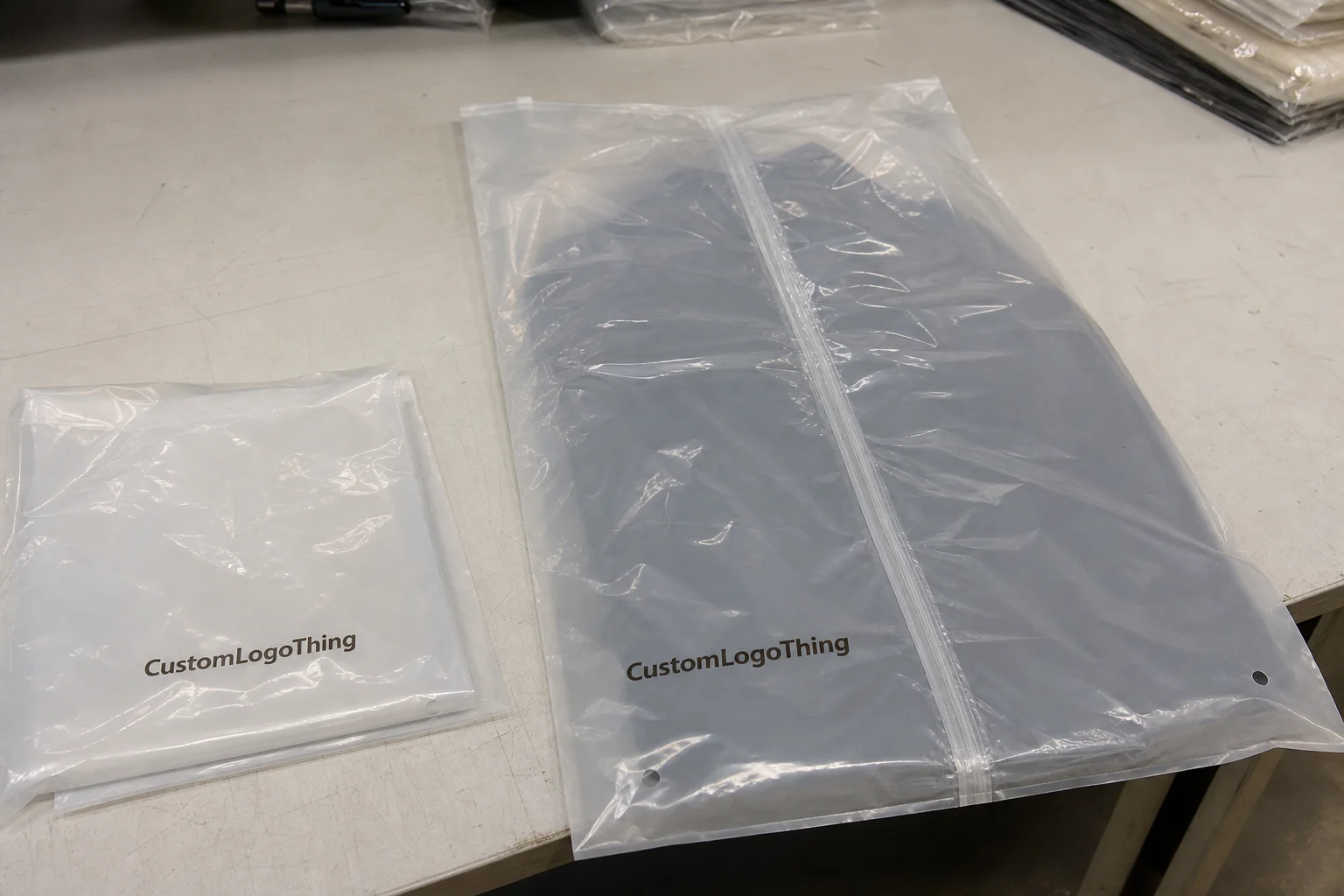
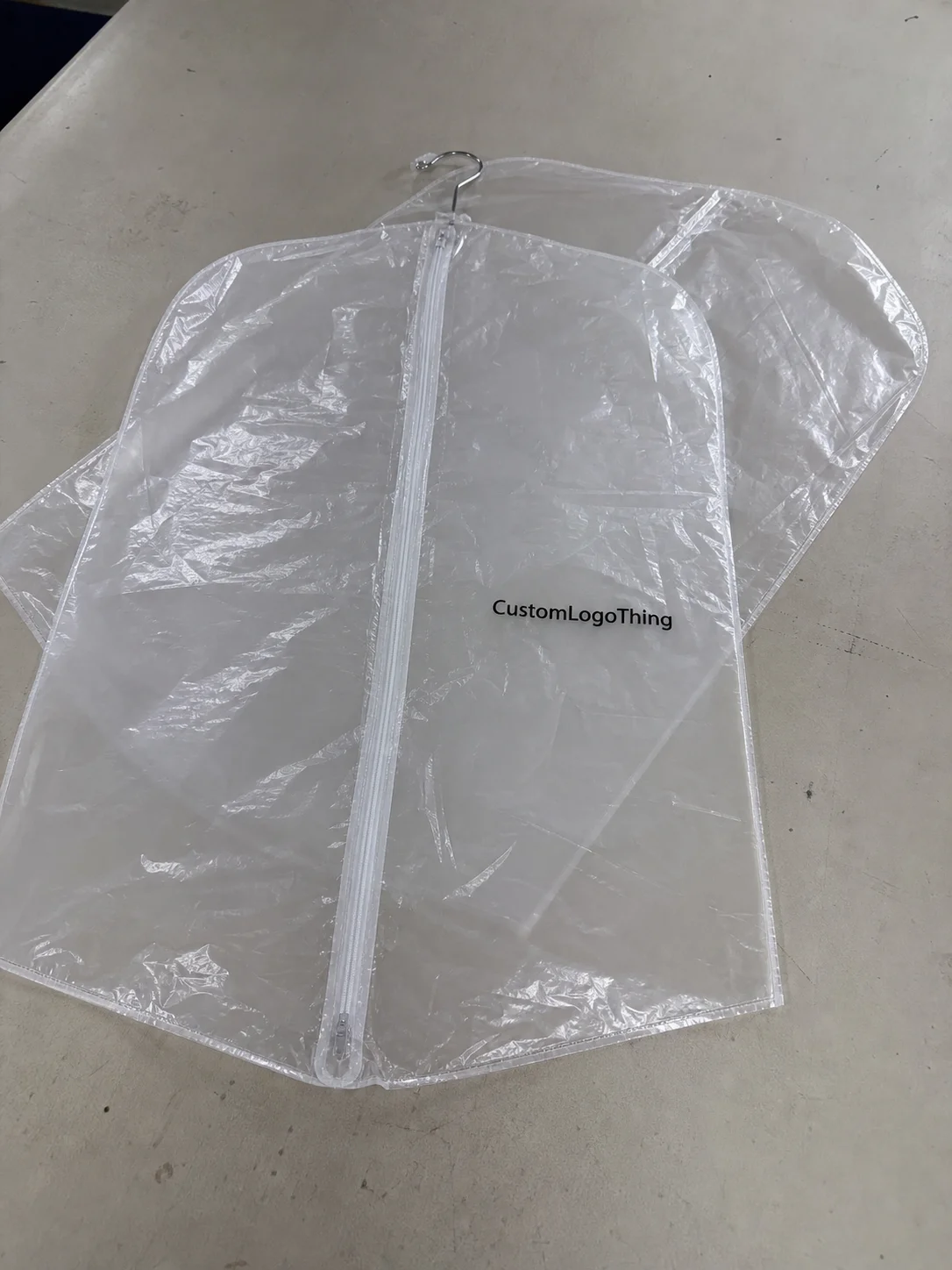
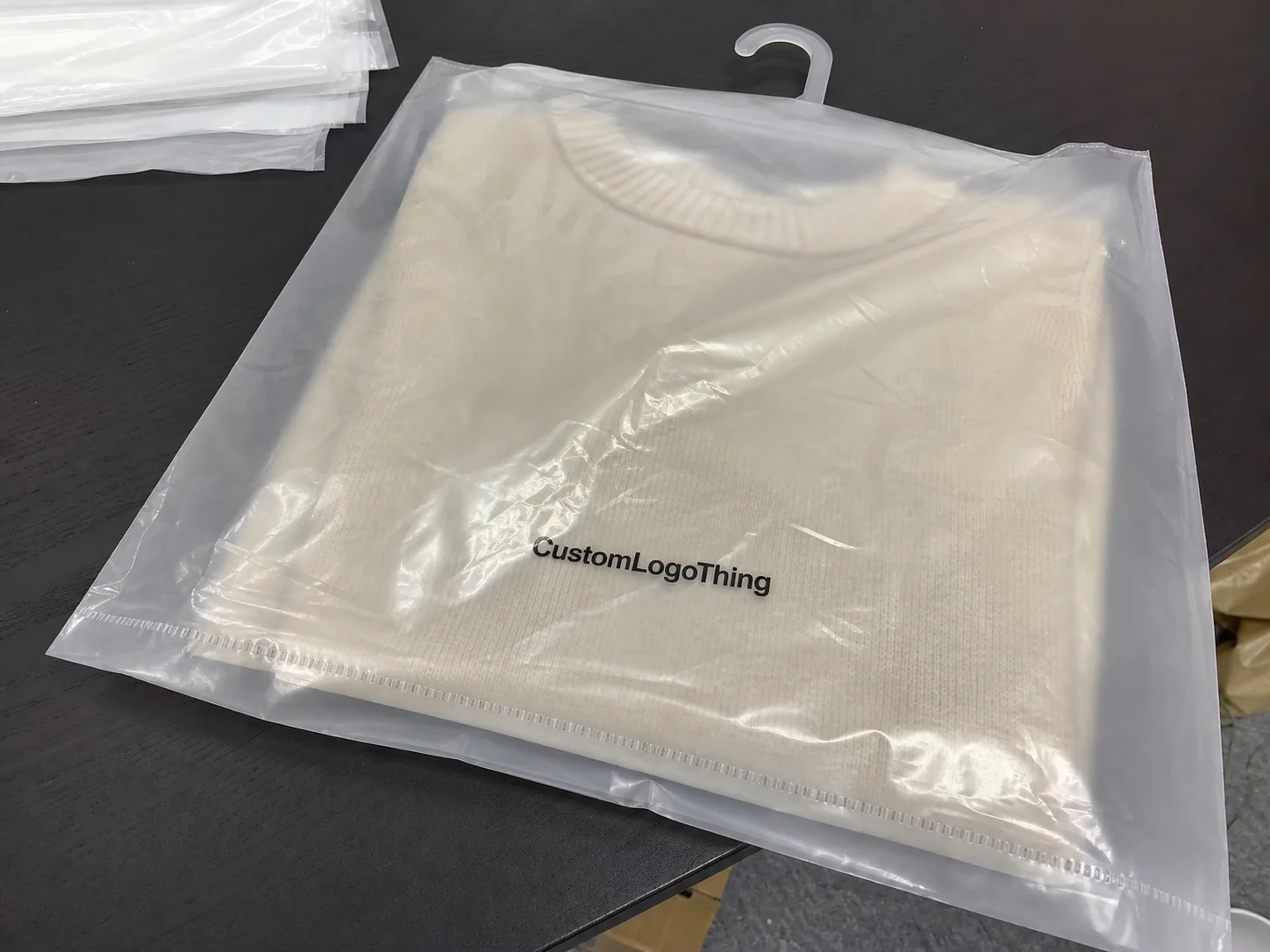
Buyer Fit Snapshot
| Best fit | Eco Poly Mailers with Logo projects where brand print, material claims, artwork control, MOQ, and repeat-order consistency need to be specified before quoting. |
|---|---|
| Quote inputs | Share finished size, material target, print colors, finish, packing count, annual reorder estimate, ship-to region, and any compliance wording. |
| Proofing check | Approve dieline scale, logo placement, barcode or warning zones, color tolerance, closure strength, and carton packing before bulk production. |
| Main risk | Vague material claims, crowded artwork, missing packing details, or unclear freight terms can make a low unit price expensive after revisions. |
Fast answer: Eco Poly Mailers with Logo: Artwork Proof, Packing Count, and Landed Cost should be specified like a repeatable production item. The safest quote records material, print method, finish, artwork proof, packing count, and reorder notes in one written spec.
Production checks before approval
Compare the actual filled-product size with the drawing, then confirm tolerance on folds, seals, hang holes, label areas, and retail display edges. Reserve space for logos, QR codes, warning copy, and material claims before decorative graphics fill the panel.
Quote comparison points
Review material grade, print process, finish, sampling route, tooling charges, carton quantity, and freight assumptions side by side. A quote is only useful when the supplier can repeat the same color, closure quality, and packing count on the next order.
On a fulfillment floor in Shenzhen, I once watched a team argue for ten minutes over a mailer that looked “green” but split open on the third carton drop test. Ten minutes. Over a bag. That moment stuck with me because Eco Poly Mailers with logo are often judged by a label before anyone checks the film, seal, or print system. The better ones are built with the right film gauge, a proper adhesive flap, and a print setup that can survive an actual conveyor line in Dongguan or Suzhou. The weak ones just sound eco-friendly on paper, which is a fantastic way to pay more for disappointment.
If your brand ships apparel, accessories, books, beauty items, or subscription kits, Eco Poly Mailers with logo can do more than carry a parcel from point A to point B. They can reduce empty space, keep products dry, and create a tidy delivery moment that customers notice the second the parcel lands on their porch. I’ve seen that small visual detail lift the whole unboxing experience, especially for DTC brands trying to look polished without paying for a rigid box on every order. A standard 10 x 13 inch printed mailer might cost around $0.15 per unit for 5,000 pieces in recycled PE, while a smaller 6 x 9 inch version often lands lower. Customers notice the difference. They just don’t always send a thank-you email about it.
Eco Poly Mailers with Logo: A Practical Introduction
Let me start with the part many buyers get wrong: eco does not automatically mean fragile. In factory audits and supplier meetings, I’ve seen well-made Eco Poly Mailers with logo outperform ordinary mailers because the film gauge, seal width, and adhesive system were specified properly from the start. A bag made with 70% post-consumer recycled LDPE and a wider side seal can handle the same packing line pressure as a standard mailer if the film is extruded consistently. The result is a package that feels lighter on materials but still handles conveyor friction, tote pressure, and the occasional rough parcel sort.
So what are Eco Poly Mailers with logo? Broadly speaking, they are printed shipping mailers designed with a lower-impact material story than standard virgin polyethylene. That can mean recycled-content polyethylene, post-consumer recycled film, downgauged plastic that uses less resin per bag, or compostable films made for specific disposal conditions. A typical recycled-content bag might use a 50- to 80-micron blend from a plant in Jiangsu or Zhejiang, while compostable versions may be made from PLA/PBAT blends sourced through converters in Guangdong. Not every green-sounding mailer is the same, and honestly, I think that distinction matters more than most marketing teams realize. I’ve sat in enough sourcing calls to know the words on the brochure are often doing a lot more work than the actual material.
The logo is not just decoration. A printed mark on eco poly mailers with logo helps the parcel identify itself at the delivery point, keeps the package from looking generic, and reduces friction during receiving and returns handling. For a customer who orders from your store three times a month, that logo can also create recognition before the package is even opened. On a 12 x 15 inch mailer, a 1-color logo printed in Pantone black or white can look cleaner than a crowded four-color design, especially when the bag is moving through a warehouse in Los Angeles, Dallas, or Frankfurt. I’ve watched brands use that simple visual cue to make their shipments feel more deliberate, even when the product inside was modestly priced.
Here is the framing I use with clients: if you choose eco poly mailers with logo, you are balancing four things at once. First, the material story. Second, the print quality. Third, the protection level. Fourth, the freight and fulfillment math. If one of those leans too far out of balance, the whole package suffers, either in cost, performance, or brand perception. A client in Chicago once cut film thickness from 75 microns to 55 microns to save $0.02 per bag and ended up paying more in re-ships after corner tears. That part always annoys me a little, because the bag did exactly what it was told to do. The plan just wasn’t serious.
Factory-floor truth: a mailer that is 15% “greener” on paper but tears on a 20-inch conveyor drop is not sustainable in the real world, because replacements, re-ships, and customer complaints create waste too. I’ve seen that happen in plants outside Shenzhen and in third-party warehouses in New Jersey, and the math never looks good after the second failure report.
If you are also comparing broader packaging formats, it helps to look at your whole shipping line, not just one bag. Many of our clients review Custom Packaging Products alongside mailers because the branding system needs to work across labels, inserts, sleeves, and outer packs. And if you are specifically narrowing in on bag formats, our Custom Poly Mailers page is a practical place to compare construction options, including 2.5 mil and 3.0 mil film builds and flat versus gusseted styles.
How Eco Poly Mailers with Logo Work
A typical mailer has a few simple layers, but the details matter. Most eco poly mailers with logo use a single-film or multi-layer film body, a top seal flap, and a pressure-sensitive adhesive strip with a release liner. Some versions add opacity additives, recycled content, or barrier layers to manage visibility, moisture, and puncture resistance. If the film is too thin, you get stress whitening and seam stretch. If the seal is too narrow, the bag opens under load. These are not theoretical issues; I’ve seen them on packing lines in New Jersey and Guangdong when speed outran specification. A generous flap and a wide seal can work fine on light apparel, but a 3-pound boxed item usually needs a heavier construction and better seal margin. Speed always thinks it’s helping right up until the cartons start failing.
Logo printing usually happens in one of three ways: flexographic printing, gravure printing, or digital printing. Flexo is common for repeat runs and medium-to-large quantities because the setup cost spreads out well, and the print speed is efficient. Gravure is often used for very large runs where image consistency and ink laydown are critical, though the cylinder cost can be higher. Digital printing makes sense when you need short runs, quick artwork changes, or variable branding. For eco poly mailers with logo, the right method depends on run size, color count, and how much setup cost you can justify. On a 5,000-piece order with one or two colors, flexo often hits the best balance. On a 500-piece test run for a new campaign in Toronto or Austin, digital is usually the cleaner move.
Printing method tradeoffs
In one client meeting, a startup wanted a 2,000-piece order with six colors and a matte black film. I advised against a full-color flexo setup because the plate costs would have eaten the budget. We moved them to a two-color treatment with strong contrast, and the result looked cleaner anyway. A simple logo on a recycled white bag can cost around $0.12 to $0.18 per unit at 5,000 pieces depending on size and film thickness, while a six-color job can push the quote higher by 20% to 35%. That is one of the first things I tell people about eco poly mailers with logo: fewer colors often look more premium than a busy design fighting with the substrate. Honestly, a lot of brands are trying to impress themselves in the mockup instead of thinking about what the customer actually sees after the parcel gets kicked around by three different carriers.
| Printing method | Best quantity range | Typical strength | Main limitation |
|---|---|---|---|
| Flexographic | 5,000+ pieces | Good unit economics, solid repeatability | Plate setup cost and color limits |
| Gravure | 50,000+ pieces | Very consistent image quality and ink coverage | High cylinder cost |
| Digital | 500-5,000 pieces | Fast changeovers, short-run flexibility | Higher per-unit cost on larger volumes |
Recycled-content films and compostable films deserve separate treatment. Recycled polyethylene mailers can feel close to standard PE, though the surface may look slightly speckled or cloudy depending on the resin blend. A batch made from 60% PCR resin in a plant near Shanghai may print differently than a virgin blend produced in Vietnam, so sample matching matters. Compostable films, by contrast, often behave differently during sealing, stacking, and storage. They may need tighter humidity control and more careful handling because the material window is narrower. I’ve had buyers assume every eco option was interchangeable, and that usually creates trouble within the first sample round. Usually with a very dramatic phone call, which is never my favorite kind of afternoon.
Transit performance matters just as much as the sustainability story. A proper eco poly mailer with logo should resist moisture from rainy dock transfers, scuffing in shared carrier bins, and puncture from corners or zipper hardware. In a busy fulfillment center in Atlanta or Rotterdam, bags rub against one another for hours. If the film lacks body, the package looks tired before it reaches the customer, and that hurts the brand even if the product inside is fine. A 75-micron film with a wide adhesive flap will usually outperform a thinner 50-micron bag when cartons are stacked to shoulder height on a dock in July.
For technical reference, I often point brands toward industry organizations like the ISTA test standards for shipment abuse and the Packaging Machinery Manufacturers Institute and packaging resources when they want to understand how package performance is evaluated across distribution channels. Those references help anchor the conversation in practical performance rather than marketing language, especially when a buyer in Miami or Manchester wants proof that a mailer can survive drop, vibration, and compression tests.
Key Factors to Compare Before You Order
Before you approve eco poly mailers with logo, compare the material itself, not just the headline claim. A recycled-content mailer may use post-consumer or post-industrial resin, and those two categories can behave differently in opacity and consistency. A compostable mailer may require a specific industrial composting environment, which means the end-of-life story is not always as simple as the label suggests. If you need recyclable packaging in a specific market, ask whether the local recycling system actually accepts film plastics. That answer changes from California to Ontario to parts of the UK, and it can make or break your sustainability claim.
Price is another place where buyers get surprised. For eco poly mailers with logo, cost depends on resin type, thickness, print colors, total quantity, plate or setup charges, and any special finish such as matte film or extra opacity. A small order of 1,000 pieces can carry a noticeably higher unit price than a run of 10,000 pieces because setup costs are spread across fewer bags. In practical terms, I have seen quotes move from roughly $0.18 per unit for 5,000 pieces to around $0.11 to $0.14 per unit for 20,000 pieces, depending on size, thickness, and whether the bags are printed in one or two colors. That is not a promise; it is just how the math usually behaves when the factory press is running efficiently in Guangdong or Jiangsu.
Size and structure matter more than most first-time buyers expect. If the mailer is too large, you waste film, inflate dimensional shipping cost, and create a loose package that slides around in transit. If it is too tight, packers fight the bag, seals wrinkle, and the customer may receive a compressed item. A good size leaves enough room for the product plus a clean seal margin, usually with about 1 to 2 inches of workable closure space depending on the mailer style. For soft goods, gusseting can help; for rigid or boxed items, the flat format may be better. A 9 x 12 inch mailer often suits folded tees, while a 14 x 19 inch size is better for hoodies, small boxes, or bundled kits shipped out of a warehouse in Chicago or Dallas.
Artwork decisions are a major part of the comparison too. Bold logos with clear strokes work best on eco poly mailers with logo, especially on darker recycled films where contrast can drop. Thin lines, tiny text, and gradients can print poorly if the film has a textured or speckled look. A lot of brands love the idea of full-coverage printing, but on eco substrates, a simpler layout often produces a cleaner package and reduces ink load. I usually recommend vector artwork, Pantone references, and a print area that leaves breathing room around the edges. On a 12 x 15 inch bag, a centered logo with 1 to 2 inches of negative space often looks more expensive than a busy full-bleed concept.
Compliance should not be treated as a footnote. If you are making recycled-content or compostable claims, ask for documentation such as certification references, test reports, and clear disposal guidance. Some retailers and marketplaces now want language that matches recognized standards, and vague sustainability copy can cause problems in a listing review or procurement audit. If your brand ships into multiple regions, ask whether the packaging requires specific recycling instructions or symbol formatting. That is tedious work, but it protects you later. A supplier in Shenzhen may call a film “recyclable,” but your customer in Melbourne or Berlin will care whether the local system actually accepts it.
Here is a comparison table I use during sourcing calls for eco poly mailers with logo:
| Option | Typical feel | Performance | Claim strength | Best fit |
|---|---|---|---|---|
| Recycled-content PE | Close to standard plastic, sometimes slightly cloudy | Strong moisture resistance, familiar handling | Good when backed by resin documentation | Apparel, soft goods, general DTC shipping |
| Downgauged PE | Lighter, thinner hand feel | Works well if pack-out is controlled | Moderate, depends on resin reduction proof | Low-volume products, lightweight shipments |
| Compostable film | Different texture, often more matte | Good in controlled conditions, needs careful storage | Strong only with proper certification | Brands with specific composting strategy |
One more practical note: if your warehouse runs multiple SKUs, your choice of eco poly mailers with logo should fit the packer’s workflow. A bag that seals cleanly in under three seconds is worth more than a prettier bag that slows every station by ten seconds. That kind of delay adds up fast over a 600-order day, and I’ve watched entire fulfillment teams lose patience over what looks like a tiny spec change on a spreadsheet. In a facility outside Melbourne, shaving even 4 seconds per pack saved nearly 40 labor minutes across one shift.
Step-by-Step Process and Timeline for Ordering
The cleanest way to order eco poly mailers with logo is to work from the product outward. First, measure the packed dimensions of your top three SKUs, not just the raw item size. A folded sweater, a small candle box, and a flat accessory card all behave differently in a bag. Second, choose your eco material class based on performance and compliance needs. Third, build or confirm the artwork. Fourth, sample before you commit to volume. If you are quoting out a 10 x 13 inch mailer for apparel, ask the supplier to confirm film thickness, seal width, and the exact print area in millimeters before anyone talks about price.
From there, prepress becomes the quiet but critical stage. A factory will usually check the dieline, confirm print areas, and review whether the artwork respects minimum line thickness and text size. If you are using eco poly mailers with logo with multiple colors, the proof stage should show a clear breakdown of each color, each plate, and any registration risk. I have seen orders delayed for days because a brand sent a logo in a low-resolution JPEG instead of a vector PDF. That sounds basic, but it happens constantly. I once had to explain, very patiently, that “blurry but high-res enough” is not actually a technical category. People hate hearing that. Factories hate printing it even more, especially when the final shipment is headed to warehouses in Houston or Tokyo on a fixed launch date.
Timelines depend on the print method and the material. A small digital run can move fairly fast, while a flexo order with custom plates may take longer because of setup, sampling, and approval. If the material is already in stock, you can usually shorten the lead time. If the resin has to be sourced specifically for a compostable or recycled-content specification, the schedule stretches. For a typical order of eco poly mailers with logo, I would plan for 12-15 business days from proof approval on a straightforward run, then add 3 to 7 business days for freight if the shipment is moving by air from Asia to North America, or 18 to 30 days if it is going by sea to a warehouse in California, Florida, or the UK.
Here is the workflow I recommend:
- Measure packed product dimensions and weight.
- Choose the material class: recycled content, downgauged PE, or compostable.
- Confirm mailer size, seal width, and print area.
- Submit vector artwork and color references.
- Review digital proof and production notes.
- Approve a sample or pre-production image.
- Run production, inspection, packing, and freight booking.
In one customer meeting at a Midwest fulfillment center in Indianapolis, we discovered the launch date was tied to a seasonal influencer drop, and the team needed the mailers on site before a two-week inventory count freeze. We adjusted the order so the eco poly mailers with logo shipped in split cartons, which reduced warehouse congestion and let the brand start receiving sooner. That kind of planning sounds small, but it can save a launch. A two-carton split on a 20,000-piece order can mean the difference between a calm receiving dock and a line of angry staff waiting for pallet space.
Packaging and freight should be coordinated together. If you approve the bags on Friday and leave freight unbooked until the following week, the schedule can slip by several days. I prefer to lock the pickup window while the artwork is being finalized, especially for repeat customers. A factory in Dongguan might finish printing on Tuesday, but if the truck miss is on Wednesday and the port booking is on Friday, your timing is already slipping. The mailers are only useful if they are physically present when fulfillment starts.
For sustainability documentation, I often tell clients to keep a copy of any claims, test certificates, and supplier declarations in the same folder as the final artwork. That makes audits easier and reduces the chance of confusion later when someone in procurement asks, “Which version of the eco poly mailers with logo did we actually approve?” That question always arrives at the worst possible time, usually five minutes before someone wants to place the order. I’ve watched it happen in Singapore and Munich, and the hallway silence afterward is never inspiring.
Common Mistakes When Buying Eco Poly Mailers with Logo
The biggest mistake is buying on the sustainability label alone. A mailer can be described as recycled, compostable, or eco-conscious and still perform badly in actual shipping conditions. I have seen eco poly mailers with logo with decent-looking claims but poor sealing behavior, weak print adhesion, or inconsistent thickness from one batch to the next. If the supplier cannot explain the film structure, resin percentage, and the end-of-life expectation clearly, keep asking questions. A bag made in Zhejiang with a 30% PCR blend behaves very differently from one made in Vietnam with a 70% PCR blend, and the buyer should know that before ordering 15,000 pieces.
Oversizing is another expensive mistake. A bag that is 20% too large uses more film, costs more to ship, and creates a loose presentation that looks unfinished. On apparel orders, that extra slack also increases wrinkling and awkward folds. With eco poly mailers with logo, proper sizing usually does more for the customer experience than a bigger logo or a fancier color choice ever will. A 9 x 12 inch bag for a flat tee is usually smarter than a 14 x 18 inch bag that looks empty and pays extra postage to get there.
Artwork can also ruin a good package. Thin white text on a pale recycled film may disappear. Small icons may break apart. Full-bleed dark backgrounds can show scuffs more easily during transit. I usually advise brands to use bold shapes and fewer tiny details. On dark substrate, a high-contrast logo often looks more expensive because it is easier to read from a distance. If the design needs a magnifying glass at proof stage, it is probably too fussy for a shipping bag moving through a warehouse in Phoenix or Paris.
There is also the transit abuse issue, which many buyers underestimate. If your products move through parcel hubs with multiple conveyor transfers, the mailer has to survive abrasion, compression, and corner impacts. A beautiful eco poly mailer with logo that tears in the network is not eco-friendly once you count replacement shipments and customer service labor. To me, that is one of the most common blind spots in sourcing. People focus on the Instagram version of packaging and forget the part where a bag is tossed onto a belt at 4:30 a.m. in a warehouse in New Jersey or Ontario.
Finally, do not assume every printer treats eco substrates the same way. Some inks bond differently to recycled films, and some compostable materials need adjusted curing or drying settings. If a converter only knows standard PE, they may still quote your job, but that does not mean they have the right process control for your specific mailer. Ask for a sample on the actual substrate and inspect it under warehouse lighting, not just under a bright proofing lamp. I like to see the sample under a 4,000K work light and then handled with damp hands, because that is where weak print shows itself.
Expert Tips to Improve Branding, Performance, and Value
My first tip is simple: test two sizes before you commit. Even a one-inch change in width or length can improve pack speed and reduce wasted fill space. For eco poly mailers with logo, that test often saves more money than negotiating a slightly lower unit price. A cleaner fit means fewer returns, less tape use, and less time at the station. I have seen a 10 x 14 inch bag outperform a 12 x 16 inch option simply because it cut pack time by 6 seconds per order.
Second, keep the design honest to the format. Small mailers do not need a crowded layout. On a 9 x 12 inch bag, a clean logo and a short brand line can look sharper than full artwork that competes with seams and folds. I’ve had clients insist on six slogans, only to find the simplest version looked best on the printed sample. That is especially true for eco poly mailers with logo made from recycled-content film, where the substrate already brings some visual texture. A one-color print on a 60-micron recycled white film can look more premium than a five-color graphic on a thinner bag from a factory in Foshan.
Third, train the packers. I know that sounds unglamorous, but it matters. Seal flaps should be kept clean and free of dust, the closure pressure should be consistent, and the bag should not be overstuffed to the point where the adhesive strip loses contact. In a real warehouse, one rushed shift can undo a careful packaging spec. Good eco poly mailers with logo still need good handling. If the line is packing 600 orders a day, a 2-second sealing inconsistency can snowball into dozens of returns by Friday.
Fourth, use the right sustainability strategy for your product mix. Not every brand needs compostable mailers. If your items are light, dry, and shipped in high volume, recycled-content eco poly mailers with logo may be a better balance of cost and performance. Compostable materials make sense in some retail and hospitality channels, but they are not automatically the best choice for every DTC order. The right answer depends on where the package ends up and what disposal infrastructure exists there. A brand shipping into Berlin, Portland, and Sydney may need a different packaging policy than one serving only domestic U.S. orders.
Fifth, request samples from the actual production material, not a lookbook or a stock photo. I learned this the hard way years ago when a glossy sample looked beautiful on a sales desk but behaved very differently once it hit a warm warehouse. Real samples should include the exact film, adhesive, and print method. If you are comparing eco poly mailers with logo across suppliers, that one detail will save you from surprise failures. I want to see the actual bag, the actual flap, and the actual ink cure, not a promotional PDF with nice lighting and unrealistic promises.
Practical rule from the floor: if the sample can survive a 4-foot drop test, a 15-minute pack station run, and a humid receiving dock, you are closer to a real packaging solution than to a pretty demo piece.
For brands seeking to align packaging with FSC-licensed paper inserts or recycled printed collateral, the broader system matters too. You can explore standards and forest-related certification guidance through FSC, and if your packaging team wants to improve recovery messaging or waste reduction claims, the EPA packaging waste resources are a useful reference point. I mention these because buyers often focus on one bag while the rest of the shipper system still sends mixed signals, especially when inserts are printed in Canada and cartons come from a plant in Ho Chi Minh City.
If you need a broader packaging lineup, pairing eco poly mailers with logo with labels, inserts, and branded cartons can create a much stronger customer presentation. That is where a coordinated sourcing conversation with Custom Packaging Products often pays off, because the whole shipper experience starts to feel intentional rather than patched together. A 350gsm C1S artboard insert, for example, can make a mailer feel far more premium without blowing up freight cost.
What to Do Next After Choosing Eco Poly Mailers with Logo
Once you have decided that eco poly mailers with logo are the right path, keep the next step practical. Measure your top three packed SKU dimensions, confirm your shipping method, and identify whether you need recycled-content, downgauged, or compostable material. Then line up the artwork files in vector format, list your expected quantity, and define your target delivery window. That preparation makes quoting faster and reduces back-and-forth with the supplier. If your products are shipped from a warehouse in Texas or New Jersey, note that too, because freight and carton loading affect landed cost.
Before you request pricing, gather the basics: quantity, size, number of print colors, film preference, destination city, logo artwork, and any sustainability documentation you need for internal approval. If your team cares about retail compliance or marketplace rules, include that requirement up front. For eco poly mailers with logo, a complete brief usually gets a cleaner quote than a vague request for “green printed bags.” A quote that includes material, print method, packing, and transit to Los Angeles or Toronto will usually save at least one round of corrections.
When the sample arrives, inspect three things first: seal strength, print clarity, and fit. Then check whether the bag opens and closes cleanly after repeated handling. If the surface scuffs too easily or the logo disappears on the chosen substrate, make that correction before production. That small discipline often saves a large reprint. I know it feels tedious, but so does explaining to a client why 20,000 bags look great in the PDF and terrible in a real warehouse. I’d rather spend 20 minutes on sample review than 20 days fixing a bad run from a factory outside Guangzhou.
My honest advice is to compare price, performance, and environmental goals side by side rather than treating them as separate conversations. If one supplier offers a lower unit cost but the mailer tears in transit, the real cost is higher. If another supplier offers a beautiful sustainable story but the size forces wasted space, the package still misses the mark. The best eco poly mailers with logo are the ones that fit the product, fit the warehouse, and fit the brand story without forcing one part of the system to carry all the weight. A good spec might start at $0.14 per unit for 10,000 pieces and still be the cheapest option once returns, re-ships, and labor are counted.
And if you are ready to move from comparison to sourcing, start with a sample request, a clean size spec, and a clear artwork file. That is the simplest path to getting eco poly mailers with logo that look good on the truck line, hold up in transit, and represent your brand the way you want customers to see it. For many brands, the fastest route is a proof on day 3, approval by day 4, and production delivery in 12-15 business days from proof approval if the factory in Shenzhen or Dongguan already has the right film in stock.
Frequently Asked Questions About Eco Poly Mailers with Logo
Are eco poly mailers with logo actually recyclable or compostable?
It depends on the exact construction. Some eco poly mailers with logo are made with recycled polyethylene and may be recyclable where film collection exists, while compostable versions require specific conditions and certification language. The printed logo itself is usually not the issue; the base film, adhesive, and local disposal system matter much more. A mailer made for a recycling stream in California may not be accepted in Alberta or the UK, so region-specific guidance matters.
How much do eco poly mailers with logo usually cost?
Pricing depends on material type, thickness, print method, quantity, number of colors, and whether you need special certification. In many cases, a lower unit price appears at higher quantities, while plate or setup fees raise the effective cost on smaller runs. For example, a 10 x 13 inch recycled-content mailer with one-color print might land around $0.15 per unit for 5,000 pieces, while a larger 20,000-piece run may drop closer to $0.11 to $0.13 depending on film thickness and packaging format. A proper quote for eco poly mailers with logo should also include freight and any proof-related charges if they apply.
What artwork works best on eco poly mailers with logo?
Bold logos with clean edges and strong contrast usually print best, especially on darker or recycled-looking substrates. Vector files are preferred because they stay sharp at press speed and make prepress cleaner. In my experience, simple artwork often looks more premium on eco poly mailers with logo than an overly detailed layout. If the bag uses a speckled PCR film from a plant in Jiangsu, a thick logo with clear spacing will usually beat thin script text every time.
How long does it take to produce custom eco poly mailers with logo?
Production time depends on proof approval speed, print method, material availability, and order size. A smooth order may move from artwork proofing to manufacturing, inspection, and freight without much delay, but late file changes can add days. For a straightforward run of eco poly mailers with logo, 12-15 business days from proof approval is a common planning window, though that can vary with the factory location, the print method, and whether the film is already in stock in Shenzhen, Dongguan, or Ningbo.
What size eco poly mailer should I choose for my products?
Choose based on the packed item, not the bare product, because inserts, folds, and protective layers all take space. Leave enough room for a proper seal without creating excess empty space that wastes material or increases postage. Testing real packed items is the safest way to make sure your eco poly mailers with logo fit well and travel safely. A 9 x 12 inch bag may be right for a flat tee, while a 14 x 19 inch bag is often better for hoodies, boxed kits, or bundled sets.