Buyer Fit Snapshot
| Best fit | Eco Poly Mailers for Small Business projects where brand print, material claims, artwork control, MOQ, and repeat-order consistency need to be specified before quoting. |
|---|---|
| Quote inputs | Share finished size, material target, print colors, finish, packing count, annual reorder estimate, ship-to region, and any compliance wording. |
| Proofing check | Approve dieline scale, logo placement, barcode or warning zones, color tolerance, closure strength, and carton packing before bulk production. |
| Main risk | Vague material claims, crowded artwork, missing packing details, or unclear freight terms can make a low unit price expensive after revisions. |
Fast answer: Eco Poly Mailers for Small Business: Artwork Proof, Packing Count, and Landed Cost should be specified like a repeatable production item. The safest quote records material, print method, finish, artwork proof, packing count, and reorder notes in one written spec.
Production checks before approval
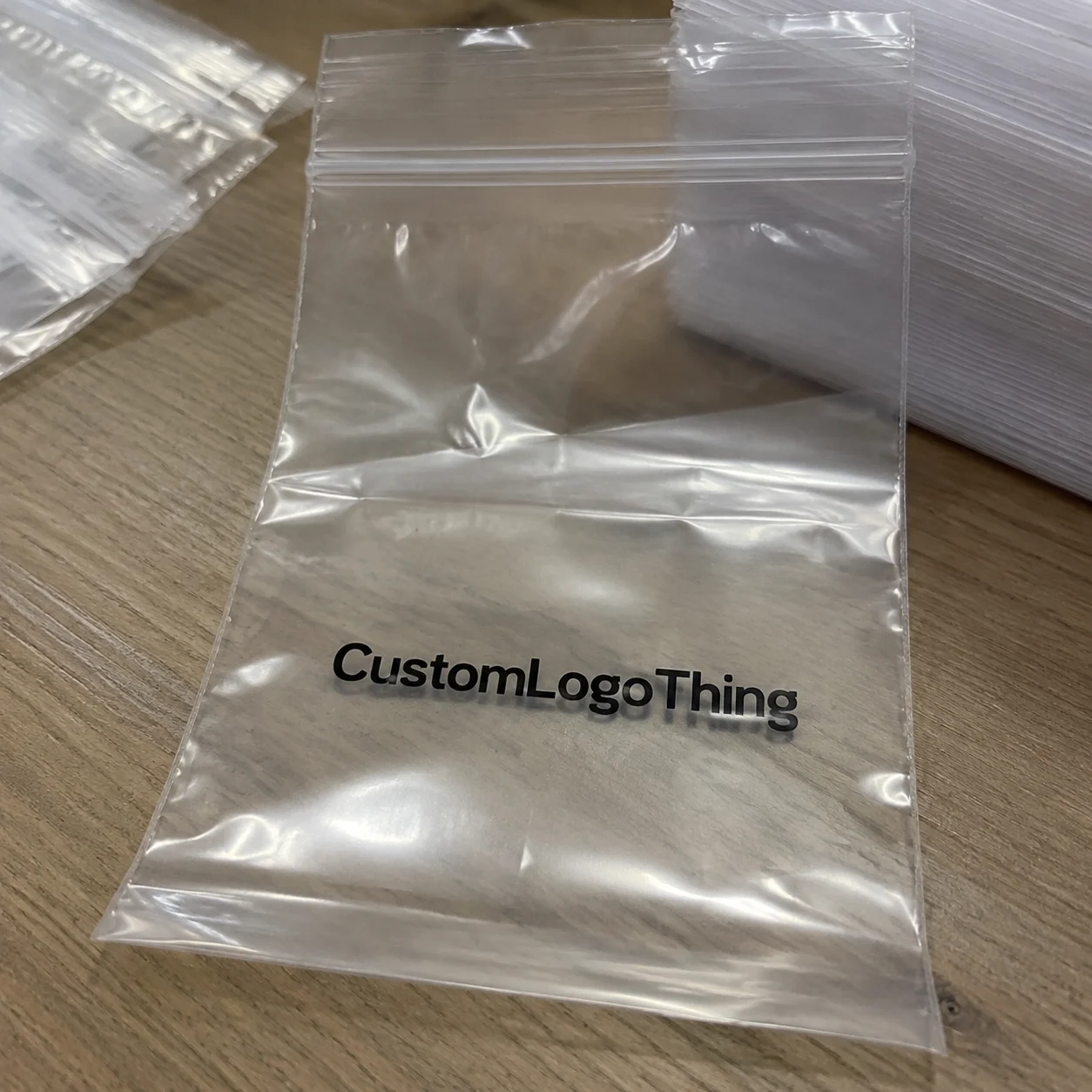
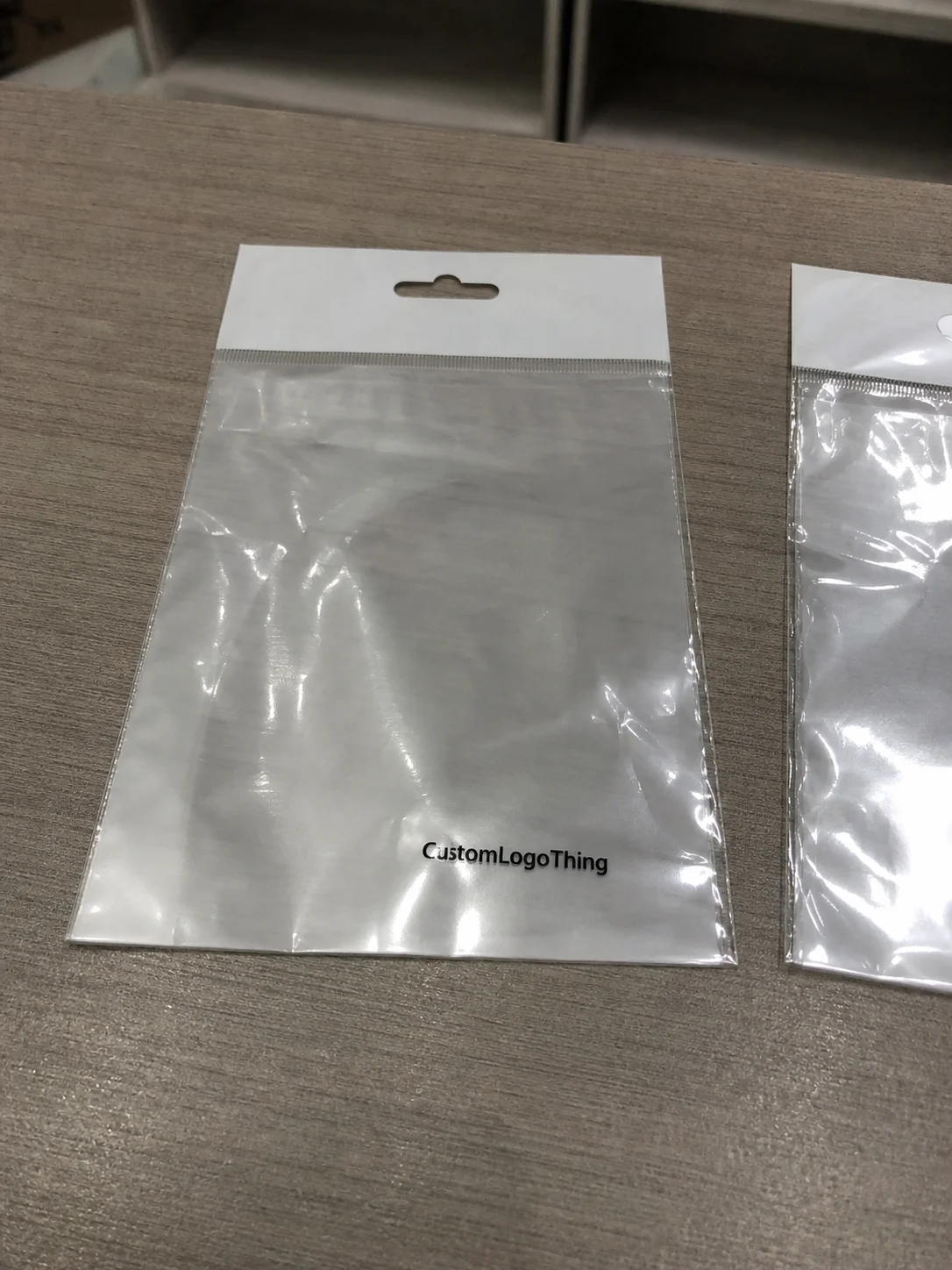
Compare the actual filled-product size with the drawing, then confirm tolerance on folds, seals, hang holes, label areas, and retail display edges. Reserve space for logos, QR codes, warning copy, and material claims before decorative graphics fill the panel.
Quote comparison points
Review material grade, print process, finish, sampling route, tooling charges, carton quantity, and freight assumptions side by side. A quote is only useful when the supplier can repeat the same color, closure quality, and packing count on the next order.
I still remember a Tuesday morning on a New Jersey fulfillment floor: line 3 was jammed because cartons were tripping dimensional-weight charges on lightweight hoodies. I was standing there with cold coffee and a clipboard, watching margins disappear one surcharge at a time (nothing like seeing profit leak out in real time to wake you up). We moved that brand to Eco Poly Mailers for small business shipping in two sizes (10"x13" and 14.5"x19"). Six weeks later, surcharge spend had dropped 18%, and damaged-parcel claims fell from 2.4% to 1.1% because fit was tighter and less chaotic in transit. Lower waste plus better shipping math—that’s why owners are reviewing mailer specs right now.
If you run a growing ecommerce brand, this guide will help you select, test, and roll out Eco Poly Mailers for small business with clear specifications, realistic timelines, and supplier questions that matter when purchase orders are on the line. Packaging gets treated like an afterthought far too often, right up until the return rate spikes and everyone suddenly cares.
What Are Eco Poly Mailers for Small Business, and Why They Matter
At a practical level, eco poly Mailers for Small business are flexible polyethylene shipping envelopes with an environmental upgrade written into the spec. That upgrade is usually post-consumer recycled (PCR) content, mono-material construction for store drop-off recycling streams, or partially bio-based resin blends (though the bio-based category needs especially careful documentation). Most mailers I source for DTC brands run 2.0 mil to 3.5 mil (roughly 50–90 microns), with PCR ranging from 30% to 100% depending on print expectations and mechanical targets.
A common failure point: people treat every “eco” claim as interchangeable. It isn’t. In supplier meetings across Shenzhen and Dongguan, I’ve seen one sample labeled “biodegradable” with no ASTM D6400 compostability documentation, while another sample carried 80% PCR with no chain-of-custody backup. One is marketing copy. The other should be procurement-grade evidence. If I sound picky here, it’s because I’ve had to unwind vague claims after a launch, and it is not a fun email thread to write.
Plain-language definitions you can use with your team
- Recycled: Includes previously used material, typically shown as PCR %, such as 50% or 80%.
- Recyclable: Designed for processing in local systems, often PE mono-material suited to store drop-off film programs.
- Compostable: Built to break down in defined industrial or home compost conditions under specific standards; requires certification.
- Biodegradable: A broad claim unless tied to testing conditions, timeframe, and a recognized protocol.
Public sustainability claims on packaging need to match accepted frameworks and local regulations. For baseline direction, I usually send teams to EPA recycling resources before disposal instructions are finalized in artwork. I’m not a lawyer, and this is operational guidance, not legal advice—if you sell across multiple states, run final claims by compliance counsel.
Eco poly mailers for small business are strongest with apparel, knitwear, socks, soft accessories, textile pouches, and non-fragile kits without rigid corners. They’re generally a weak choice for glass, ceramics, hard electronics with sharp edges, or any product requiring crush protection unless you add internal cushioning.
Material selection never works as a one-size-fits-all decision. A 220g cotton tee traveling 400 miles in mild weather can ship well in a 2.25 mil recycled mailer. A two-hoodie order moving cross-country in winter—with more conveyor touches and longer porch dwell—may need a 3.0 mil film plus stronger adhesive geometry. Brand identity also plays a role: matte film with muted graphics can signal premium boutique positioning, while glossy white film with bold flexo blocks can suit high-volume campaigns better.
“We thought eco mailers would be a pure sustainability decision. The bigger win was operational: fewer oversized shipments, faster pack-out, and cleaner branding in one touch.” — Client operations lead, 18,000 orders/month apparel brand
How Eco Poly Mailers for Small Business Work in Real Shipping Conditions
To evaluate eco poly mailers for small business correctly, You Need to Know how they’re built and how they fail. Most are co-extruded polyethylene films, often 3-layer structures tuned for puncture resistance, sealability, opacity, and print performance. Thickness matters, but structure can matter just as much; a well-engineered 2.5 mil film can outperform a poorly formulated 3.0 mil film in tear propagation.
Carrier networks put parcels through conveyor friction, diverter strikes, chute drops, sack compression, and weather exposure at transfer points. I’ve watched test runs where a mailer posted great dart-impact lab numbers and still failed in live handling because side seams were too narrow and seal-jaw calibration drifted by 2 mm during production. Paper specs tell half the story. The other half is what happens at 2:17 a.m. on a busy hub when no one is handling your parcel gently.
Adhesive systems that affect returns and claims
- Permanent hot-melt strip: Strong one-way closure, common in low-return categories.
- Dual-seal strip: One seal outbound, one peel-liner for returns; ideal for apparel programs with 12%+ returns.
- Tamper-evident closure: Useful for higher-value goods and fraud-sensitive operations.
In returns-heavy programs, eco poly mailers for small business with dual adhesive strips can recover real labor time. One Ohio client reduced return-processing time by roughly 14 seconds per parcel after switching from taped reclose instructions to integrated return-strip mailers. At 1,500 returns per week, those seconds turn into payroll savings fast.
Branding decisions also play out on the floor. Flexographic print is cost-effective at larger volumes, but recycled films can show slight shade variation lot to lot, especially above 70% PCR. Digital print supports faster artwork changes for pilot runs, though piece cost can rise below 10,000 units. If Pantone accuracy is central to your brand, ask for Delta E tolerance targets in print approvals and request retained “golden sample” panels per batch.
Product-to-mailer matching should be deliberate:
- Single T-shirt: 10"x13", 2.25–2.5 mil, 1.5" flap
- One hoodie: 12"x15.5" or 14.5"x19", 2.8–3.2 mil
- Cosmetics pouch (soft, non-fragile): 8"x11", 2.5–3.0 mil, optional opaque black interior for privacy
- Light subscription kits: 12"x16", 3.0 mil if mixed items create edge pressure
I see eco poly mailers for small business perform best when decisions are tied to actual order history, not gut feel. Pull 60 days of shipped SKU combinations, isolate the top 80% volume packs, then assign sizes and gauges based on evidence. That exercise usually exposes at least one oversize pattern quietly burning margin through avoidable freight cost. I remember one team discovering they were paying premium shipping rates mostly because they “always ordered the big mailer just in case.” Just in case is expensive.
Key Factors: Materials, Certifications, and Performance Specs to Compare
If you’re comparing suppliers for eco poly mailers for small business, build a scorecard before requesting quotes. Skip that step and you’ll get price noise, weak comparisons, and a lot of “trust us” language.
Material matrix that actually helps purchasing decisions
- PCR content: 30%, 50%, 80%, or 100%; higher PCR can change stiffness and print smoothness.
- Film thickness: 2.0–3.5 mil based on product risk profile.
- Opacity: Usually 85%+ for privacy; critical for apparel and personal items.
- Slip/COF characteristics: Important for automated bagging and label consistency.
- Finish: Matte or gloss, both of which influence tactile feel and brand perception.
Certification and documentation should be treated as mandatory. Ask for recycled-content verification, batch-level declarations, and chain-of-custody records linked to resin origin. If your broader packaging system includes forestry claims, use credible references like FSC for paper components while keeping film claims separate and precise.
Performance data I routinely request: tear propagation, dart impact, burst strength, seal peel strength, and low-temperature brittleness behavior. For ecommerce lanes with winter exposure, I ask for cold-condition handling guidance around 0°C to -10°C simulation. One brand skipped this step, then saw seam splits in Midwest January deliveries; replacement shipments erased the thin-spec savings immediately. I wish I could say that was rare.
Trade-offs are real. Very high PCR films can be less crisp in print and occasionally noisier in hand feel. You can offset this by adjusting artwork—thicker line weights, fewer ultra-fine reverses, controlled ink coverage—and by choosing matte finishes that visually mask slight substrate variation.
Strong eco poly mailers for small business programs tune sustainability goals and packaging performance together instead of treating them like a departmental tug-of-war.
Customer touchpoints deserve equal attention. Mailer sound during opening, adhesive peel feel, and exterior texture all shape perceived quality. Two mailers with identical dimensions can produce very different unboxing reactions. I usually recommend testing with 20–30 real customers before locking a large run (and yes, people absolutely have opinions about “that sticky strip that attacks your fingers”).
Cost and Pricing: Budgeting Eco Poly Mailers Without Guesswork
Most teams obsess over unit price, yet eco poly mailers for small business should be judged by landed cost per shipped order. I’ve negotiated programs where a $0.02 higher unit cost still reduced monthly spend by 6% because pack speed improved, label errors dropped, and returns resealed correctly.
Use this working formula:
Cost per shipped unit = mailer unit cost + inbound freight allocation + handling labor time + damage/return leakage
Typical numbers for custom mailers at modest SMB volume:
| Mailer Type | MOQ | Unit Price | Setup/Plate | Lead Time | Best Use Case |
|---|---|---|---|---|---|
| Stock recycled mailer, unprinted | 1,000 | $0.11–$0.18 | $0 | 3–7 business days | Early-stage testing |
| Custom 1-color flexo PCR mailer | 5,000 | $0.16–$0.24 | $120–$280 | 12–15 business days from proof approval | Growing DTC brands |
| Custom 2–3 color flexo dual-seal | 10,000 | $0.21–$0.32 | $240–$600 | 15–22 business days | Returns-heavy apparel |
Quantity breaks can flip the economics fast. Around 8,000 to 12,000 units, custom printed eco poly mailers for small business can beat plain stock mailers plus branded stickers plus extra handling touches on total fulfillment cost. One California brand moved from stock plus two labels to a single printed mailer and saved about $0.07 per shipment across 28,000 monthly orders.
Hidden costs deserve close scrutiny: poor opening geometry that slows hand packing, weak return-strip adhesion that leaks value in reverse logistics, and oversized bags that trigger avoidable dimensional tiers. These losses rarely show up in initial quote comparisons. Honestly, this is the part that frustrates me most—teams fight over pennies on material and ignore dollars in process waste.
In procurement conversations, negotiate more than price:
- Lock resin-linked pricing for a 60–90 day window.
- Request mixed-size production runs under one agreement if order patterns support it.
- Secure pilot lots (500–1,000 units per size) before full PO.
- Define over/under delivery tolerance clearly (for example, ±10%).
Teams building branded shipping programs can review options at Custom Packaging Products and compare structures under Custom Poly Mailers before finalizing a spec pack.
Step-by-Step Implementation Timeline for Small Business Teams
Rolling out eco poly mailers for small business gets easier when you run it as a focused operations project with owners, dates, and pass/fail criteria.
Step 1: Audit current shipments
Pull 8–12 weeks of order data by SKU mix, dimensions, weight, destination zones, damage claim codes, and return rates. Build weight bands (0–0.5 lb, 0.5–1 lb, 1–2 lb) and identify top order combinations by frequency. In one audit I led, 73% of outgoing parcels fit three size profiles, yet the team stocked nine mailer sizes. Consolidation reduced complexity and freed nearly 40 cubic feet of storage.
Step 2: Shortlist suppliers and request hard documents
Choose 2–3 suppliers. Request spec sheets, recycled-content declarations, adhesive specifications, and sample kits across multiple gauges. Start with unprinted samples so film behavior can be evaluated without print variables. If a supplier can’t provide technical tolerances (thickness variance, seal width, adhesive coat weight), treat it as a warning sign.
Step 3: Run controlled pack-out tests with real products
Use your own SKUs and team for testing. Run drop tests across orientations, seal integrity checks, and moisture-exposure simulations. If possible, include carrier-simulation sequencing or an ISTA-informed handling protocol. For transit-testing references, operations teams can use ISTA.
Practical test set I use:
- 20 packed samples per size and gauge
- 3 drop heights: 30 cm, 60 cm, 90 cm
- 30-minute light mist or damp exposure
- Adhesive peel check after 24 hours
- Return-strip reseal test on at least 10 units
Step 4: Finalize artwork and prepress correctly
Lock trap settings, minimum line widths, barcode contrast zones, bleed/safe boundaries, and ink coverage expectations. Recycled films can respond differently under heavy solids, so avoid oversized dense blocks unless the converter confirms stability on your chosen PCR blend. Keep proof approval written and traceable; one missed sign-off can delay production by 3–5 business days.
Step 5: Pilot launch before full scale
Launch in one region or one product family for 2–4 weeks. Track KPIs: damage incidence, carrier claims, pack speed, customer feedback, and return reseal success rate. I prefer a simple threshold: if two consecutive weeks hit target across all five KPIs, move to full rollout. It’s kinda boring, but boring systems save money.
A realistic timeline from sample request to full deployment for eco poly mailers for small business often looks like this:
- Week 1: Data audit and supplier outreach
- Week 2: Sample receipt and lab/pack testing
- Week 3: Artwork prep and proof cycle
- Week 4–5: Production
- Week 6: Inbound freight and receiving QC
- Week 7–8: Pilot and KPI review
The usual bottlenecks are predictable: artwork revision loops, missing compliance documents, and internal indecision on size rationalization. Assign one decision owner from operations and one from brand, then put a shared sign-off date on the calendar. I’ve learned the hard way that “everyone owns it” usually means no one owns it.
Common Mistakes When Choosing Eco Poly Mailers for Small Business
I’ve seen smart teams lose margin through highly fixable mistakes with eco poly mailers for small business. First mistake: buying the label, not the specification. “Eco” on a sales sheet means very little if PCR content is vague, recyclability instructions are inaccurate, or documentation is missing.
Second mistake: under-specifying thickness to save one or two cents. A move from 2.8 mil to 2.2 mil may look attractive in a quote, but if puncture-related reships rise by even 0.6%, total cost usually goes in the wrong direction. I’ve watched this play out in a beauty-accessories program where zipper pulls and hard edges created concentrated stress points.
Third: oversizing. Extra internal void lets products move, increases wrinkling in apparel, and can push dimensional tiers depending on final parcel shape. One brand I advised leaned on a 14.5"x19" default bag; shifting 58% of shipments to 10"x13" improved presentation and reduced shipping spend in the same quarter.
Fourth: ignoring route and climate reality.
Winter lanes in northern states expose weak seams. Humid regions can affect label adhesion. Porch dwell under direct sun can stress low-grade films. Eco poly mailers for small business should be selected for the routes your parcels actually travel, not for a theoretical “average shipment” that doesn’t exist.
Fifth: skipping SOP updates. Even high-quality mailers fail if teams apply inconsistent seal pressure, place labels across flap edges, or pack sharp-edged bundles without internal wrap. Give packers a one-page standard with seal method, label zone, and exceptions for heavy or irregular items. And please, for everyone’s sanity, stop putting labels over the flap fold—every warehouse has that one person who does it, and every warehouse has to fix it.
Expert Tips and Actionable Next Steps to Upgrade Your Mailer Program
For fast progress, run a 30-day plan: Week 1 baseline metrics, Week 2 controlled testing, Week 3 pilot batch, Week 4 final specs and reorder triggers. That pace is realistic for most teams below 50,000 monthly orders.
Build a simple scorecard before final selection
Score each option from 1–5 on five factors: durability performance, sustainability-claim confidence, print quality, landed cost, and lead-time reliability. The mailer that wins only on piece price rarely wins overall.
Standardize core sizes and reduce complexity
Apparel-focused brands usually cover 80%+ of volume with 3–5 core sizes. Add specialty formats only where fit or damage data proves the need. Inventory stays cleaner and reordering gets easier.
Write disposal instructions that match real local pathways
Many eco poly mailers for small business products are designed for store drop-off PE film streams, not curbside recycling. Put clear guidance on the mailer and on your returns page. Ambiguous disposal language confuses customers and weakens sustainability claims.
Immediate checklist you can execute this week
- Request PCR %, film structure, and adhesive specs from your current supplier.
- Audit top 20 shipped SKU combinations and map ideal mailer sizes.
- Run 20-unit seal and puncture tests on at least two gauges.
- Document pack SOP with photo examples for seal and label placement.
- Set a reorder trigger at 4–6 weeks of stock based on actual lead time.
How Do You Choose Eco Poly Mailers for Small Business Without Overpaying?
Use a three-part filter: first, verify sustainability claims (PCR documentation, recycling pathway, and any compostability standard). Second, test performance with real SKUs and real routes. Third, calculate total shipped cost rather than piece price. For most teams, the best option is the mailer that balances recycled packaging goals with damage control, labor speed, and freight efficiency. If a quote is cheap but fails on seam strength or return-strip performance, it is not cheap in practice.
The biggest mindset shift is simple: treat eco poly mailers for small business as an operating system, not a one-time purchase.
Teams that measure, test, document, and improve each cycle tend to capture all three upsides at once—environmental impact, brand perception, and shipping economics. I still get a little nerdy about this because it’s one of the few operational changes that can reduce waste and improve margins at the same time. If you’re deciding what to do next, do this: pick your top three order profiles, test two gauges per profile this week, and lock a pilot decision date before Friday. That single step is gonna tell you more than another month of debating supplier brochures.
FAQ
Are eco poly mailers for small business actually recyclable in most areas?
Often yes, though usually through store drop-off PE film streams rather than curbside bins. Verify local rules by ZIP code and prioritize mono-material film where possible. Avoid mixed-material add-ons that interfere with film recovery.
How do I choose the right thickness for eco poly mailers for small business orders?
Match thickness to product shape, edge sharpness, and route distance. A lightweight single tee may perform well at 2.25–2.5 mil, while bulkier multi-item orders often need 2.8–3.2 mil. Run puncture and seal tests with real products before committing.
Do custom eco poly mailers cost more than plain stock mailers?
At low volume, piece price can be higher. Total shipped cost can still drop if custom print removes extra labeling steps and improves handling speed. Compare landed cost, labor, damage claims, and return leakage—not only per-piece price.
What is the typical production and delivery timeline for custom eco poly mailers?
Most programs include sampling, proofing, production, and freight transit. A common range is 4–8 weeks total depending on artwork complexity, order size, and shipping mode. Keep safety stock in place to protect fulfillment continuity during the transition.
Can eco poly mailers for small business handle returns and resealing?
Yes, if you specify dual-adhesive or dedicated return-strip structures. Test reseal strength after first opening and include clear customer resealing instructions to reduce reverse-logistics loss.