A custom poly mailer can look sharp on a screen and still fail the minute a picker folds it, stuffs it, seals it, and drops it into a carrier bin. That is why an ecommerce brand Custom Poly Mailer Bags sample approval checklist matters. It turns a nice-looking proof into a real inspection before production money is on the line.
The sample is not just a branding preview. It is a small production rehearsal. You are checking whether the bag fits the product, whether the adhesive strip holds, whether the print survives normal handling, and whether fulfillment can pack at speed without fighting the material. Packaging problems are usually boring. They are also usually expensive.
Ecommerce Brand Custom Poly Mailer Bags Sample Approval Basics
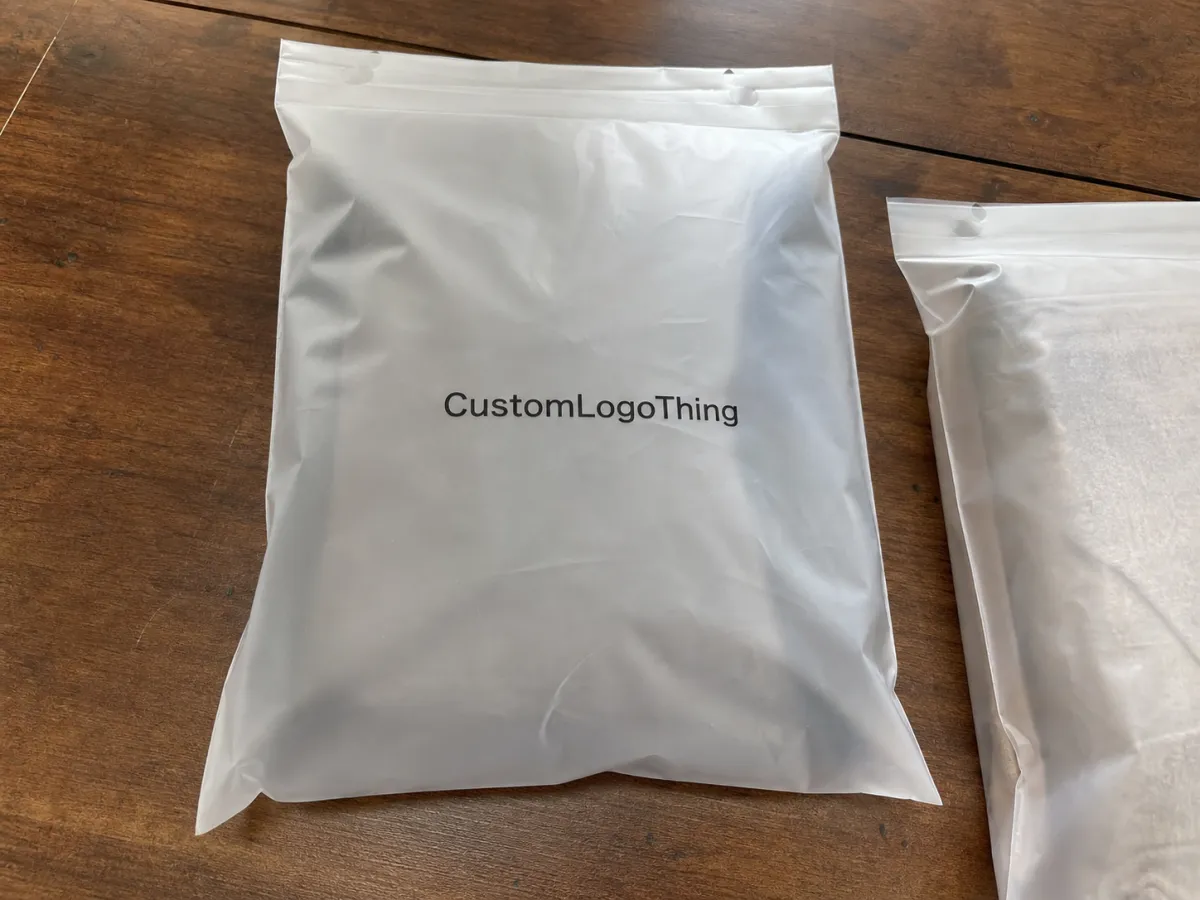
The first mistake is treating the sample like a postcard. Buyers look at the logo, nod at the color, and miss the side seam straining when the actual product goes inside. A poly mailer is flexible packaging. It stretches a little, wrinkles a little, and folds differently depending on film gauge, product thickness, and how much space is left at the seal.
Define exactly what the approval covers. Artwork only? Film thickness? Bag size? Closure type? Carton pack count? If those details are not written on a spec sheet, sample tag, or approval form, someone will assume the wrong thing. Usually someone with a deadline.
A useful checklist keeps marketing, purchasing, and fulfillment from approving three different bags in their heads. The designer may care about logo position. The buyer may care about unit cost. The warehouse team may care that 500 bags per carton is easier to count and store than loose bags stuffed into oversized cartons. All three are valid. None should be invisible.
Start with four checks: dimensions, closure performance, print position, and packing format. Measure flat width and usable length, not just the listed size. For closure, remove the release liner, seal the bag with normal hand pressure, wait several minutes, and run a gentle peel test. For print, look at the empty bag and the sealed bag, because folds can shift the visual center. For packing format, confirm whether bags arrive loose, bundled in 100s, or packed by carton in a way your team can count without detective work.
Practical rule: approve the sample in the same condition your customer and fulfillment team will see it: packed, sealed, handled, and viewed under normal light.
If you sell apparel, soft goods, beauty accessories, or subscription items, this work protects more than freight performance. It protects the first physical impression after checkout. The customer may forget the shipping label. They will notice a mailer that looks cheap, torn, badly printed, or half-open.
Production Process and Timeline From Proof to Sign-Off
A clean poly mailer project usually moves through artwork submission, digital proof, physical sample, revision notes, final approval, and production release. Each step has a job. The digital proof confirms layout, copy, safe areas, and basic sizing. The physical sample confirms how the artwork, film, seal, and real dimensions behave together.
Skipping a stage can save a few days. It can also cost several weeks if the finished run needs sorting, replacement, or reprinting. Great bargain.
Timing depends on how custom the order is. A stock-size mailer with one or two print colors may move from clean artwork to sample in about 5-10 business days. A custom film color, specialty ink, heavy ink coverage, recycled-content film, or plate-based printing can add another 7-15 business days before a production-style sample is ready. Full production often runs 12-25 business days after final approval, depending on quantity, print method, film availability, and factory capacity. Freight has its own clock and does not care about your launch calendar.
Some approvals can happen in parallel. Artwork can be reviewed while purchasing confirms MOQ, price breaks, and carton specs. Material confirmation can happen while fulfillment tests the intended size with real product. Other steps are not parallel. If a plate, cylinder, or extrusion setup is required, the supplier usually needs final artwork and material direction before those costs are released.
Use handoff points with care. Sales may send the quote and collect requirements. Prepress prepares the proof. Production confirms print feasibility, seal placement, and tolerances. Receiving or fulfillment decides whether the packed cartons make sense for the warehouse. The sample is ready for judgment only when those groups are looking at the same version, with the same measurements and the same artwork file reference.
Name the signer for each area. One person can approve brand color. Another can approve product fit. Purchasing can approve cost and MOQ. That sounds formal until a finished shipment arrives and someone says, “Nobody checked the adhesive strip width.” Then it sounds like common sense.
Cost, Pricing, MOQ, and Quote Details to Confirm Early
Price changes fast with poly mailers because tiny spec changes multiply across thousands of bags. Bag size, film thickness, number of print colors, ink coverage, finish, closure style, recycled content, and carton packing can all move the unit cost. A 10 x 13 inch white mailer printed one color on one side is not the same job as a 14.5 x 19 inch opaque coex mailer with full-coverage art, a return strip, and custom carton counts.
For planning, a basic custom poly mailer may land around $0.08-$0.18 per unit at higher quantities. A more customized ecommerce mailer with heavier film, two-sided print, dense coverage, or special closures may sit closer to $0.18-$0.35 per unit. Smaller runs can be higher because setup, press time, sampling, and freight are spread across fewer pieces. These ranges are planning numbers, not promises. Resin pricing, print method, order quantity, shipping route, and lead time all affect the quote.
MOQs deserve early attention. Some suppliers can print low quantities digitally, but material choices, ink durability, and unit pricing may be limited. Plate or cylinder printing often makes more sense at higher volumes, but the setup cost hurts if the artwork changes after approval. If your brand is testing a new size or seasonal design, ask whether a smaller pilot run is possible and what trade-offs come with it.
Sampling can also mean different things. A digitally printed mockup may show layout and proportion, but it may not show final ink behavior on production film. A plain material sample confirms feel and gauge, not branding. A true pre-production sample is closer to the final run, but it may require setup charges or a short approval run. Ask which type you are receiving before anyone treats it as final proof.
| Spec Choice | Typical Impact | What to Confirm Before Approval |
|---|---|---|
| Film thickness | Common ranges include 2.0-3.0 mil for many apparel mailers | Product weight, puncture risk, opacity, and hand feel |
| Print coverage | Heavy coverage raises ink cost and can affect drying or rub resistance | Side coverage, color count, small text, and safe margins |
| MOQ | Lower MOQs often mean higher unit pricing or fewer customization choices | Price breaks at 2,500, 5,000, 10,000, and higher quantities |
| Closure style | Standard peel-and-seal is usually lower cost than dual-strip return closures | Adhesive width, tamper evidence, return use, and release liner behavior |
| Carton pack | Custom pack counts can affect labor, carton size, and freight efficiency | Bags per bundle, bundles per carton, carton weight, and warehouse storage |
Compare quotes line by line. Does the price include sample freight? Are revisions included, or does each physical sample carry a fee? Does the production quote match the exact gauge, bag size, print coverage, and carton format shown in the sample? If you are comparing options across Custom Poly Mailers, keep the assumptions identical. Otherwise the lowest price may just be the quote with the most missing detail.
Material, Size, Seal, and Closure Checks for the Finished Bag
Material comes first because it controls strength, opacity, feel, and packing behavior. Many ecommerce poly mailers use LDPE, LLDPE, or coextruded film, often in the 2.0-3.0 mil range for soft goods. Lighter items may work with thinner film. Bulky apparel, boxed cosmetics, or products with corners may need more thickness, better puncture resistance, or a larger bag. Not every problem should be solved by forcing the product harder into the same size.
Measure the sample with a ruler or caliper and compare it to the spec. Check flat width, usable length below the adhesive flap, flap length, side seam width, and any bottom gusset. A nominal 10 x 13 inch bag may not give you 13 inches of usable packing length once the closure zone is counted. That matters if the product fills the mailer close to the top.
Then pack the real item. Not a similar item. The real item, with tissue, insert card, hangtag, inner pouch, or whatever usually ships in the order. Slide it in quickly, as a warehouse picker would. If the product catches on the side seam or needs a two-handed shove, the bag will slow fulfillment. If the seal lands over a rounded product edge instead of flat film-to-film contact, the closure may be weaker than it looks on an empty sample.
Closure strength needs a simple field test. Close the bag, apply firm pressure across the strip, wait a short dwell period, and gently pull at the flap. You are not trying to destroy the sample like a lab technician with a grudge. You are checking whether normal handling causes lift, tunneling, adhesive transfer, or partial opening.
For more formal validation, suppliers may reference ASTM methods for plastics and adhesives. Distribution testing can align with ISTA procedures for packaged-product handling. If your packaging program includes paper inserts, belly bands, mailer boxes, or other fiber-based pieces, standards such as FSC certification may also belong in the broader review. Keep the standards tied to the actual material. Do not paste certification language onto a spec sheet because it sounds responsible.
Check opacity too. A mailer can feel thick and still show dark product graphics through the film. For apparel, that may not matter. For cosmetics, electronics accessories, or high-value items, visibility can affect theft risk and customer perception. Opaque coex film, darker exterior colors, or a discreet outer mailer may be better than a bright branded bag screaming from the doorstep.
Storage and carton handling belong on the checklist. Poly mailers packed too tightly can curl at the flap. Cartons that are too heavy may collapse, crush edges, or become awkward for receiving teams. A common target is keeping cartons under 35-45 lb where possible, though your actual limit depends on bag size, count, racking, and warehouse rules.
Print, Color, and Branding Checks That Protect the Unboxing Moment
Print approval is where packaging design meets production reality. Film is not paper. Ink sits differently on a slick poly surface, and a color that looks rich on a monitor may look flatter on white film or slightly muted on recycled-content material. If the brand uses strict color standards, compare the sample to approved references under consistent lighting. Not under a yellow warehouse fixture at 4 p.m. and daylight the next morning.
Check logo placement after folding and sealing. A centered logo on a flat dieline may ride high once the flap is folded over. If the bag has a gusset, the artwork can wrap differently around a bulky product. Safe margins matter. I generally want critical art and small type at least 0.25-0.5 inch away from seals, edges, and heavy fold areas, but the right margin depends on bag size, print method, and registration tolerance.
Small text is where optimism goes to die. Fine disclaimers, social handles, QR codes, and care messages can break down on flexible packaging if the line weight is too thin or registration tolerance is tight. Test the QR code with several phones after printing, not from the PDF. If the bag uses two or more colors, inspect registration around icons, edges, and reversed-out type. A 1 mm shift can make small lettering look fuzzy.
Decide what the finished bag is supposed to communicate. Some brands want loud package branding, bold color, and a strong doorstep presence. Others need a quieter utility look that still feels premium in the customer’s hands. Neither answer is automatically smarter. For higher-theft routes or higher-value products, a discreet outer mailer with branded tissue, inserts, or Custom Packaging Products inside may be the better packaging system.
Rub resistance is a practical check. Wipe the printed area with a dry cloth and then press lightly with your thumb. Look for smearing, flaking, ink transfer, or obvious scuffing. A courier network is not gentle. Bags slide against cartons, conveyor belts, cages, and other parcels. If the print looks tired after ten seconds of hand rubbing, transit will not improve it.
Also inspect repeats across more than one sample if you have them. One perfect bag does not prove the full run will be perfect. Look for consistent print position, stable color, clean edges, and no recurring pinholes or streaks. Flexible packaging has tolerances. The goal is not fantasy-level perfection. The goal is a finished run that matches the approved standard closely enough to protect the product and the brand.
Common Approval Mistakes That Delay Custom Poly Mailer Launches
Approving from a screen mockup alone is the classic mistake. Digital art tells you proportion and copy. It does not tell you hand feel, seal behavior, film opacity, product fit, or how the artwork looks after the bag is stuffed. For a small reorder of an unchanged spec, digital approval may be enough. For a new size, new artwork, new supplier, new closure, or new film, get a physical sample.
Vague feedback causes nearly as much trouble as bad specs. “Looks fine” is not an approval record. Better notes sound like this: “Approved for 12 x 15.5 inch flat size, 2.5 mil white coex film, one-color front print, logo centered 4 inches from top edge, standard peel-and-seal closure, 500 bags per carton.” That sentence gives production something to build from and purchasing something to reorder later.
Structural misses are easy to overlook because they are not glamorous. Closure width, release liner behavior, seam placement, carton count, bag orientation in cartons, and film roll direction can all affect the final run. A bag may look correct but arrive in cartons that are too large for storage, too heavy for safe handling, or packed in a direction that slows fulfillment counting.
Rushed approvals create rework. Say the marketing team changes the logo size after the sample is approved. That may require a new proof, new plates, or a second sample, depending on the print process. If production has already started, the brand may be choosing between using the old artwork or paying for scrap and restart time. Most people underestimate how expensive “one tiny change” becomes after prepress.
Separate minor corrections from full reproof triggers before the first sample arrives. A punctuation fix before plates are made may be minor. A new background color, changed bag size, moved adhesive strip, revised print coverage, or different film spec is not minor. Write that distinction down. Future you will be less annoyed.
Another quiet problem: no one keeps the approved sample. Photos help, but a physical reference sample is still useful. It shows hand feel, opacity, flap behavior, and real print texture. If a reorder arrives looking different, you need something better than someone’s memory of what the first run “felt like.” Memory is a terrible quality-control tool.
Next Steps After Approval: Lock Specs, Schedule Production, and Receive Cleanly
After approval, freeze the spec. Final artwork, bag dimensions, film type, gauge, closure style, print colors, carton count, order quantity, and delivery terms should be locked together. Sign or initial the physical sample if possible, then keep it in a labeled sleeve or box. A dated reference sample is not fancy. It settles arguments quickly.
Save a photo set too. Include front, back, seal strip, side seams, packed product fit, carton label, and measured details. Add a written summary with the approved file name and revision number. If your team also buys custom printed boxes, labels, tape, or inserts, that shared record helps keep the full retail packaging system consistent instead of treating the mailer as a random side project.
Prepare receiving before the shipment arrives. Share expected carton counts, bags per carton, carton weight, pallet count if applicable, and storage needs. If cartons contain 1,000 bags each and the order is 10,000 pieces, receiving should know whether to expect 10 cartons, 20 half-count cartons, or another configuration. Simple information. Surprisingly easy to skip.
For reorder control, document what changed during sampling. Maybe the first sample was too tight, so the width increased by 0.5 inch. Maybe the logo moved down 0.75 inch after the sealed test. Maybe the team changed from full-coverage ink to a smaller print area to reduce cost and scuff risk. Those notes become useful when a new buyer, designer, or operations manager asks why the spec looks the way it does.
If your team is still comparing formats, review examples and product paths through Case Studies before locking the decision. The right mailer is not just the nicest-looking one. It protects the product, supports the brand, packs efficiently, ships at the right cost, and can be reordered without drama.
Use the approval checklist as the closing document for the project: what was accepted, what was revised, who signed off, and which specs must stay fixed on the next order. That is how a custom mailer moves from a design idea to a dependable packaging component.
FAQ
What should an ecommerce brand check first on a custom poly mailer sample?
Start with size, closure fit, and product fit. The item should slide in without stretching the film, stressing the seams, or pushing into the seal area. Then confirm print placement, color accuracy, opacity, and whether the bag still looks branded after it is folded and sealed. Finish by checking carton counts and handling, because the sample should reflect how the bags will ship, store, and get used by fulfillment.
How many sample approvals are normal before production starts?
Many projects need one physical sample and one round of revisions. Complex artwork, custom film, tight color matching, recycled-content material, or specialty closures may need more. The key is to define what counts as a minor correction versus a full reproof so the timeline does not turn into a loop of repeated comments.
What pricing details should be confirmed on the quote before approving the sample?
Confirm whether the quote includes sampling, revisions, freight, setup, and any special carton requirements. Check the MOQ and price breaks, because lower quantities can change unit cost quickly. Make sure the quote matches the exact material, thickness, size, print coverage, closure style, and pack format shown on the approved sample.
Which bag details most often cause delays or reprints?
Incorrect size, weak seals, and artwork sitting too close to the edge cause plenty of trouble. Color shifts, unreadable small text, and QR codes that fail after printing can also trigger repeat approvals. Unclear notes about closure style, carton count, or film spec can force a second sample even when the first one looked acceptable at a glance.
What should happen right after the final sample is approved?
Lock the spec sheet, release the production order, and keep one reference sample with dated sign-off notes. Share the carton pack plan and delivery expectations with fulfillment so receiving can move quickly when the shipment arrives. Use the ecommerce brand custom Poly Mailer Bags sample approval checklist to document what was accepted, what changed, and what should stay fixed on reorders.

