A boutique buyer Custom Poly Mailer Bags production quality checklist should start with one blunt fact: a product launch can look cheap because of a 12-cent mailer. That sounds harsh because it is. The outer bag is part of the product experience, part of the warehouse workflow, and part of the return rate if it fails.
Pretty artwork does not save a bad seal. A sleek mockup does not fix weak opacity. If the bag opens in transit, prints off-register, or slows down pack-out, the brand pays for it twice. First in cost. Then in complaints.
Custom Logo Things works with Buyers Who Need packaging that holds up in production, not just on a screen. For boutique brands, the real job is simple: make the bag clean, functional, and consistent enough that no one in fulfillment has to improvise.
Start With the Bag, Not the Brand Fantasy
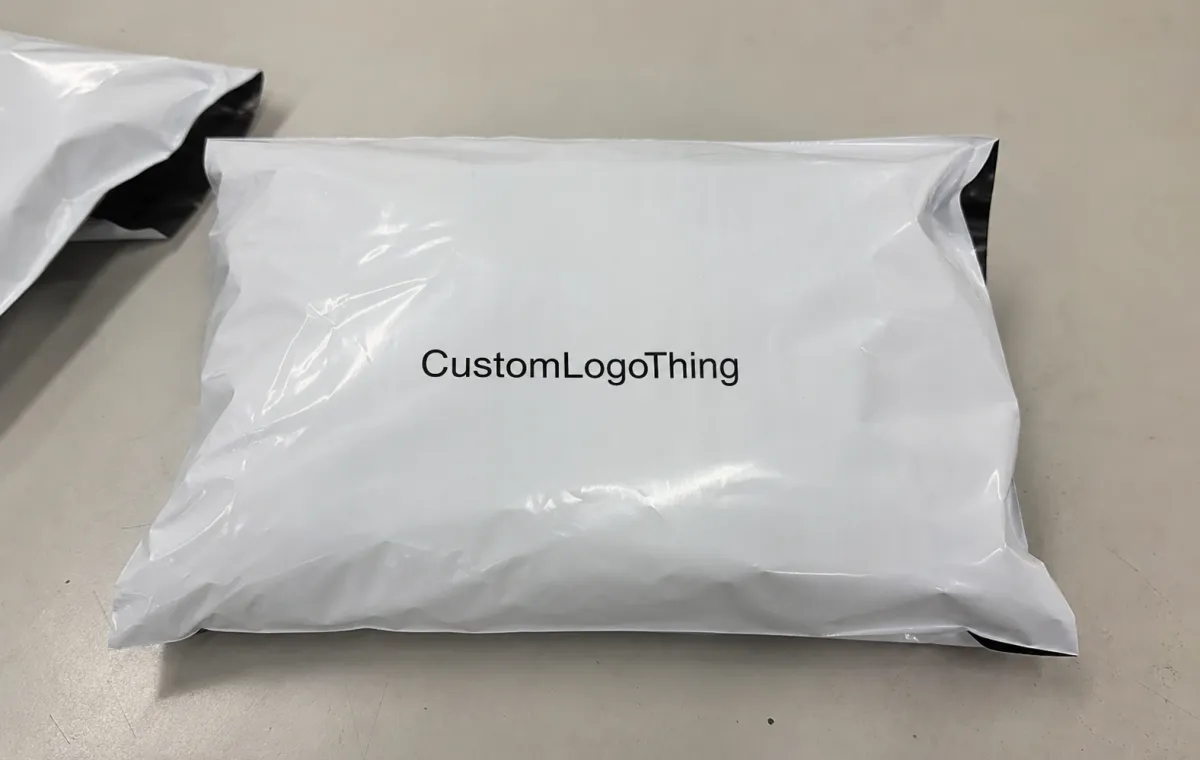
Boutique buyers often choose poly mailers the way they choose campaign visuals. Nice render. Nice colors. Nice intentions. Then the shipment arrives and the adhesive strip fights back, the print shifts, or the contents show through. That is not branding. That is a packaging mistake with good lighting.
Different products need different mailer behavior. Apparel tolerates one spec. Cosmetics refills need stronger opacity. Stationery, PR kits, and gift items may be light, but they still need a clean surface because the customer sees the outer bag before anything inside matters. A generic spec is convenient. It is usually not smart.
A real production quality checklist should cover film strength, opacity, seal performance, print accuracy, sizing, packing method, carton labeling, and defect tolerance. Those are the items that affect cost, labor, returns, and presentation. A nice-looking Custom Poly Mailers order only matters if the bags survive actual use.
“The best mailer is boring in the warehouse and polished in the customer’s hands.”
That is the standard. Not dramatic. Just useful. A good mailer disappears into the process until the customer notices the brand finish at the right moment. A bad one gets noticed in the worst possible way.
Boutique Buyer Custom Poly Mailer Bags Production Quality Checklist
Use this checklist before production starts. Not after the order ships. That timing matters more than most buyers want to admit.
Film quality
Check thickness, puncture resistance, stretch recovery, and surface smoothness. If recycled content is part of the spec, ask whether it changes hand feel or color consistency. Recycled film can work well, but it may not behave exactly like virgin poly in every run. That is normal, not a defect.
Print quality
Inspect logo sharpness, color tolerance, ink coverage, registration, and rub resistance. Full-bleed artwork needs margin or the edge can look cut off. Small type is a risk on poly film because the surface and ink behavior are different from coated paper. A screen mockup is useful. It is not a proof of physics.
Construction quality
Review side seam strength, bottom seal integrity, adhesive strip grip, liner release, and flap alignment. If the seams fail or the flap lands crooked, the bag may still ship, but it will not read as professional retail packaging. It will read as rushed.
Usability quality
Test how fast the bag opens, loads, seals, labels, scans, and stacks. Packing speed matters. A mailer that looks good but slows the line is an expensive decoration. Fulfillment teams care about friction more than branding decks do.
Visual quality
Inspect opacity, wrinkles, fisheyes, dust marks, color drift, and inconsistent gloss. Customers notice the little flaws. They may not describe them well, but they notice them immediately.
Here is the short version of the checklist:
- Film: thickness, stretch, puncture resistance, opacity
- Print: sharpness, registration, rub resistance, color tolerance
- Seal: strength, alignment, adhesive performance, liner release
- Pack-out: carton count, bundle count, label format, pallet requirements
- Defects: wrinkles, pinholes, contamination, uneven gloss, weak seams
The safest approval path is also the least glamorous: approve the spec, approve the proof, then approve a sample if the order size justifies it. Skipping straight to production because the mockup looked nice is how brands end up paying for avoidable reprints.
Product Details That Matter Before You Ask for a Quote
Poly mailers are best for lightweight, non-fragile ecommerce shipments. That includes apparel, swimwear, kidswear, accessories, soft goods, documents, PR kits, subscription refills, and boutique retail drop shipments. If the product bends, folds, or can tolerate some compression, a mailer is often the right choice.
Style matters too. Standard self-seal is the common option. Dual-seal returnable designs work better if customers may send items back. Gusseted mailers help with bulkier products. Clear-front versions work when visibility is part of the presentation. Recycled-content options make sense for brands trying to reduce virgin resin use, though they can bring small tradeoffs in brightness and consistency.
Finish choices change the feel of the bag. Matte looks quieter. Gloss looks brighter and more reflective. Satin sits in the middle. Soft-touch surfaces can feel premium, but they are not free. They usually affect price and can change how ink sits on the film. Metallic effects and full-coverage artwork can look sharp, but only if the print spec is tight.
Do not over-specify just to feel premium. A thicker bag is not automatically better if it adds freight weight and slows packing. I see that mistake a lot in packaging design: buyers pay for toughness they do not need, then wonder why the fulfillment team hates the order.
Sustainability tradeoffs deserve a straight answer. Recycled content can be a smart move, but it may affect minimums, print brightness, and run-to-run consistency. A practical recycled mailer is better than a vague eco claim on a polished deck.
When requesting a quote, send these details up front:
- Finished size
- Thickness target
- Quantity range
- Artwork file
- Number of print colors
- Finish preference
- Adhesive style
- Destination and in-hand date
That is enough information to quote intelligently instead of guessing.
Specifications to Lock Before Production Starts
Use measurable specs, not vague words like premium or sturdy. Those words do not guide production. Numbers do. If the goal is consistent output, the details have to be locked before the run starts.
Size should be based on the packed product, not the flat garment or catalog dimensions. Add room for folding, tissue, inserts, and real packing speed. A bag that is technically large enough can still be awkward if the team has to fight it at the table.
Thickness is one of the easiest places to make a smart tradeoff. For light apparel, 2.0 to 2.5 mil is common. For heavier garments, 2.5 to 3.0 mil is safer. For bulkier orders or higher puncture risk, 3.0+ mil is usually the better call. More thickness means more material, higher freight weight, and a more substantial feel. It does not automatically mean better.
Opacity matters if you are shipping dark products, invoices, branded inserts, or anything the customer should not see through the bag. High-opacity film is often worth it for boutique brands that care about presentation. If the contents show through, the bag starts looking like commodity packaging, not branded packaging.
Seal choice should match the fulfillment model. Permanent self-seal is simple and fast. Dual-seal returnable strips help with exchanges. Tamper-evident preferences may matter for some product categories, though not every boutique needs that level of security.
Print specs should include vector artwork, Pantone or target color references, safe zones, bleed, barcode placement if needed, and an agreed color variance tolerance. Ink on poly film does not behave like ink on coated paper. That is where people get surprised, usually after approving the wrong expectation.
Packing specs are boring until they break receiving. Decide carton count, inner bundles, carton labels, shipping marks, pallet requirements, and whether the fulfillment center needs special instructions. If a third-party warehouse is handling the bags, ask about its receiving preferences before the order starts.
For buyers who want a quality benchmark beyond vendor language, shipping and transit testing often aligns with ISTA methods, and sustainability claims can be checked against guidance from the EPA or certification rules from the FSC if paper components are involved elsewhere in the pack.
That is where a practical checklist earns its keep. It keeps the conversation focused on the variables that can actually be measured, inspected, and shipped.
| Option | Typical Use | Usual Tradeoff |
|---|---|---|
| 2.0-2.5 mil | Light apparel, soft goods | Lower cost, lighter feel, less puncture margin |
| 2.5-3.0 mil | Heavier garments, boutique apparel | Better protection, slightly higher freight and material cost |
| 3.0+ mil | Bulkier items, higher risk shipping | More protection, more material, stronger pack-out feel |
| Recycled-content film | Sustainability-led brands | May affect color consistency and print brightness |
Pricing, MOQ, and Unit Cost Without the Fog Machine
Price is driven by quantity, size, thickness, print coverage, number of colors, recycled content, finish, adhesive configuration, and shipping destination. That is the list. Everything else is a variation on those inputs.
Lower quantities are possible for simpler specs. Custom sizes, specialty films, full-coverage printing, and recycled-content formulas usually push minimums higher. That is not the factory being difficult. That is material planning and setup math.
Unit cost changes fast with volume. A 5,000-piece order will usually price very differently from a 25,000-piece order because setup, material buying, printing, and freight spread across more units. Buyers who expect the same cost curve at every tier are usually buying their first custom run.
Never compare quotes unless the specs match. A cheaper quote may simply mean thinner film, weaker adhesive, lower opacity, looser print tolerance, or freight left out. That trick shows up a lot. It is still a trick.
Ask for landed cost, not just factory unit price. Include tooling, plate or setup, sampling, production, inspection, freight, duties if applicable, and the real delivery timeline. That is what lands in your warehouse. That is what your margin cares about.
For boutique brands, I usually recommend quoting at least three tiers so the decision is visible instead of emotional:
- Launch quantity for the first drop
- Reorder quantity for follow-up sales
- Bulk quantity for the best unit-cost break
That structure makes it easier to see where the pricing curve changes. It also shows whether a slightly larger order is worth the cash outlay.
Custom Logo Things can price good, better, and best options so buyers can see the tradeoff instead of guessing. That is a cleaner buying process than hoping the cheapest quote happens to be the smartest one.
Production Steps, Lead Time, and Approval Timeline
The normal path is straightforward: spec review, artwork check, quote confirmation, proof, sample or pre-production approval when needed, material prep, printing, converting, inspection, packing, and shipping. Nothing exotic. Just a sequence that needs decisions at the right time.
Lead time is shaped by the details. Artwork cleanup adds time. Sampling adds time. Specialty film adds time. Freight method can swing delivery dates hard. A simple repeat order moves faster because the bag, color, and seal are already approved. A first-time custom run needs more room because size, color, film, and closure all need confirmation.
Most production delays are self-inflicted. Slow artwork approval. Missing shipping details. Unclear Pantone targets. Last-minute size changes. Those are how buyers create their own emergency. Factories do not enjoy magic tricks, and neither does your launch calendar.
If the mailer supports a product launch, build in a buffer so the bags arrive before inventory hits the packing table. That sounds obvious until someone decides a launch can be planned around hope.
Good communication matters too. Buyers should receive clear proofing, production status, inspection notes when relevant, and tracking or freight updates before delivery. That is basic professional service, not a luxury.
For broader packaging programs, keep the mailer aligned with the rest of the system. The bag should not fight your Custom Packaging Products, your label format, or your pack-out workflow. Consistency is what makes branded packaging feel expensive in the right way.
Common Production Mistakes Boutique Buyers Can Avoid
Most problems are preventable. They just look mysterious after the shipment is already on a truck.
Mistake one: ordering bags too small because the product was measured flat, not packed. That slows fulfillment and can cause torn seams.
Mistake two: choosing low opacity to save pennies, then discovering the contents show through. Not exactly a luxury unboxing moment.
Mistake three: approving artwork without checking scale. A logo that looks tasteful on a PDF can look like a billboard on a 10x13 mailer.
Mistake four: ignoring adhesive quality. Weak seals create shipment risk; overly aggressive liners annoy packing teams and slow throughput.
Mistake five: treating color as exact across all materials. Ink on poly film is not the same as ink on coated paper, kraft, or a rigid carton. That matters if your wider package branding includes several materials.
Mistake six: skipping carton and bundle requirements. If your fulfillment center needs specific carton labels or bundle counts, say it before production, not after the truck leaves.
If the mailer is part of a larger branded packaging set, remember that it is not a stand-alone object. It sits alongside inserts, labels, and any custom printed boxes in the shipping flow. The standard should hold across all of it.
Better specs prevent arguments. Better proofing prevents reprints. That is the practical version of quality control.
Next Steps to Order With Fewer Surprises
Before you request pricing, have five basics ready: finished bag size, quantity range, artwork file, desired film thickness, and delivery location. That is enough to start a real quote instead of a guessing game.
It also helps to choose two or three quantity tiers. A launch quantity, a reorder quantity, and a bulk-buy quantity will show where unit cost improves. That gives you an actual buying decision instead of a vague “somewhere between cheap and okay.”
If you are unsure about sizing, send product dimensions or photos of the packed item. Guessing is free until it becomes a production problem. Then it gets expensive fast.
For first-time or larger runs, request a proof and, if the timeline allows, a physical sample or pre-production confirmation. That extra step is usually cheaper than reprinting thousands of bags because a logo sat 8 mm too high.
Custom Logo Things can return practical spec guidance, pricing options, production timeline, artwork notes, and quality checkpoints before manufacturing begins. That is the right sequence for a buyer who wants control without turning the process into a committee meeting.
Use This Boutique buyer custom poly mailer bags production quality checklist before you approve the order, not after the boxes show up. That one habit saves money, reduces friction, and keeps the final package looking like a brand made a decision instead of a guess.
What should a boutique buyer check before ordering custom poly mailer bags?
Check size, film thickness, opacity, adhesive strength, print accuracy, seam strength, artwork scale, carton packing, and landed cost. Ask for proofing before production and confirm whether a sample is practical for your timeline and order size. Do not approve from a pretty mockup alone; confirm measurable specs. Pretty does not ship orders safely.
What thickness is best for boutique custom poly mailers?
For lightweight apparel, 2.0 to 2.5 mil is common; for heavier garments or bulkier products, 2.5 to 3.0 mil is safer. Use 3.0 mil or higher when puncture resistance, opacity, or a more substantial feel matters. Thickness affects unit cost, carton weight, freight, and packing feel, so choose based on product risk, not ego.
How does MOQ affect custom printed poly mailer bag pricing?
Higher quantities usually lower unit cost because setup, material, printing, and freight are spread over more bags. Custom sizes, recycled film, specialty finishes, full-coverage printing, and dual-seal returnable designs can raise MOQ. Ask for multiple quantity tiers so you can compare launch orders against larger reorder economics.
How long does production take for custom poly mailer bags?
Lead time depends on artwork readiness, sampling needs, material availability, print complexity, order quantity, and freight method. Repeat orders usually move faster because specs and artwork are already approved. Build in a buffer before product launches, especially if fulfillment depends on branded mailers arriving first.
Can Custom Logo Things help with a production quality checklist for poly mailers?
Yes. We can review specs, artwork, sizing, material options, print method, packing requirements, and delivery timing before quoting. We can price different options so you see the tradeoff between cost, durability, finish, and lead time. The goal is simple: approve the right bag before production, not argue about preventable problems afterward.

