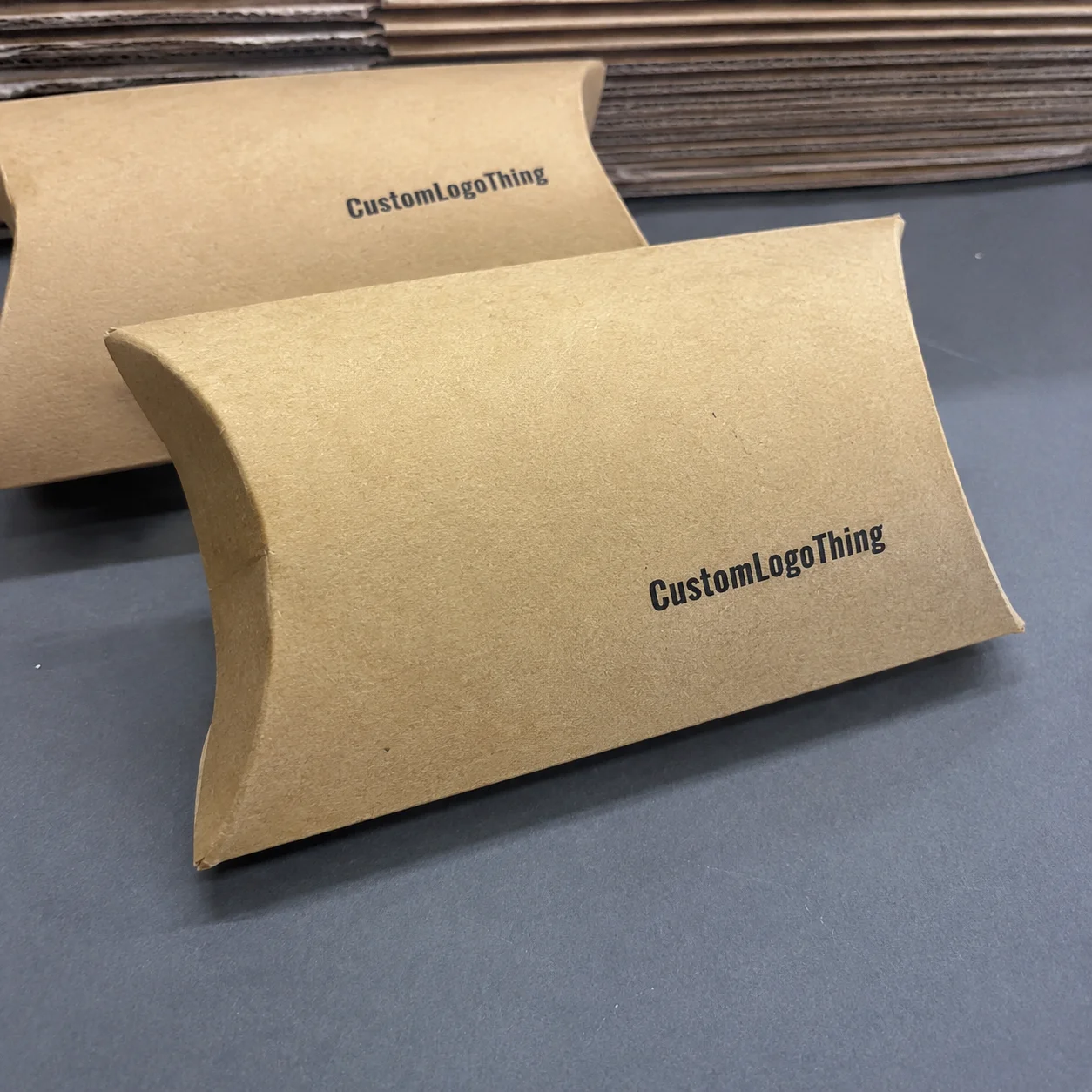
Buyer Fit Snapshot
| Best fit | ecommerce packaging comparison for packaging buyers comparing material specs, print proof, MOQ, unit cost, freight, and repeat-order risk where brand print, material, artwork control, and repeat-order consistency matter. |
|---|---|
| Quote inputs | Share finished size, material target, print colors, finish, packing count, annual reorder estimate, and delivery region. |
| Proofing check | Approve dieline scale, logo placement, barcode or warning zones, color tolerance, and any recyclable or compostable wording before bulk production. |
| Main risk | Vague material claims, crowded artwork, or missing packing details can create delays even when the unit price looks attractive. |
Fast answer: Ecommerce Packaging Comparison: Cost, Process, and Fit should be specified like a repeatable production item. The safest quote includes material, print method, finish, artwork proof, carton packing, and reorder notes in one written spec.
What to confirm before approving the packaging proof
Check the product dimensions against the actual filled item, not only the sales mockup. Ask for tolerance on folds, seals, hang holes, label areas, and retail display edges. If the package carries a logo, QR code, warning copy, or legal claim, reserve that space before decorative graphics fill the panel.
How to compare quotes without losing quality
Compare board or film grade, print process, finish, sampling route, tooling charges, carton quantity, and freight assumptions side by side. A lower quote is only useful if the supplier can repeat the same color, closure quality, and packing count on the next order.
If you’ve ever watched a pallet of perfectly good product come back from a carrier with crushed corners, scuffed print, and a refund request attached, you already understand why ecommerce packaging comparison matters. I’ve seen a $0.22 mailer turn into a $9.40 mistake once you count breakage, repack labor, and customer service time, and that lesson has shown up on factory floors from Shenzhen to Ohio more than once.
The cheapest-looking option is often the most expensive one by the time the order reaches the customer. A proper ecommerce packaging comparison looks beyond the quote and asks what the package does during packing, in transit, and at unboxing, because that’s where the real cost hides. For brands selling through customlogothing.com, that evaluation is usually the difference between packaging that merely contains a product and packaging that quietly supports the whole business.
What Ecommerce Packaging Comparison Really Means
At its core, ecommerce packaging comparison is a side-by-side evaluation of mailers, cartons, inserts, bags, wraps, and protective materials based on cost, durability, branding, and fulfillment speed. It sounds simple, but in practice the decision can involve 350gsm C1S folding cartons, 200# test corrugated, 2.5 mil poly mailers, molded pulp trays, and padded mailers with kraft or bubble construction, all sitting on the same shortlist.
I’ve sat in meetings where a marketing team fell in love with a sleek rigid mailer, while the warehouse supervisor kept circling back to a double-wall corrugated shipper because it stacked better on a 48 x 40 pallet and survived automated sortation without edge crush failures. That’s the heart of ecommerce packaging comparison: not finding a universal winner, but matching the structure to the product weight, fragility, shipping method, and customer experience.
Packaging is really several decisions layered together: primary product packaging, retail packaging, outer shipping protection, and brand presentation. On a good packaging line, each layer has a job. On a bad one, everyone pays for the same overbuilt or underbuilt solution twice.
Common formats usually compared in ecommerce operations include:
- Corrugated boxes for general shipping, heavier products, and multi-item orders
- Poly mailers for soft goods, apparel, and low-fragility shipments
- Rigid mailers for books, flat accessories, and printed pieces that need more protection than a bag
- Padded mailers for lighter items that still need some cushioning
- Folding cartons for premium product packaging and branded presentation
- Molded pulp inserts for fit, restraint, and sustainability-conscious protection
The point of an ecommerce packaging comparison is not just to reduce damage claims. It can also tighten packing station workflow, reduce void fill usage, improve storage density, and make the unboxing feel intentional instead of improvised. That matters when a customer is opening the parcel in a kitchen, office, or apartment hallway and judging your brand in ten seconds flat.
How Ecommerce Packaging Comparison Works in Practice
The best ecommerce packaging comparison process starts with the product itself. Measure length, width, height, and actual packed weight, not the brochure weight or the “close enough” number someone wrote down three months ago. I still remember a cosmetics client who said their bottle weighed 180 grams; the real packaged unit was 242 grams with the dropper, insert, carton, and seal. That difference changed the board grade, the mailer size, and the shipping cost.
Once the product is mapped, the next step is exposure. Is it shipping zone 2 or zone 8? Will it ride through parcel sortation, or is it mostly going LTL to retail fulfillment centers? Will it be hand-packed in a 3,000-order-per-day operation, or on an automation line where a half-second matters? A proper ecommerce packaging comparison accounts for the shipping path, because a package that performs in a calm warehouse can fail hard when tossed through a high-speed carrier network.
In factory environments, sample testing usually starts with a handful of material options: different E-flute and B-flute corrugated grades, varying film gauges in poly mailers, alternate adhesive strips, and insert styles that either lock the product in place or let it float. I’ve watched operators do pack-out trials on a long stainless table in a Shenzhen facility, timing each version with a stopwatch and marking failure points with tape. That hands-on step is often more valuable than a polished spec sheet, because it shows how the package behaves in real hands.
Then comes transit testing. Good teams use ISTA transit testing protocols, compression checks, and drop tests to see how packaging holds up under pressure, impact, and vibration. Depending on the product, you may also reference the Institute of Packaging Professionals for material and design guidance, or compare recyclability claims against EPA recycling resources. A serious ecommerce packaging comparison does not stop at a sample that looks good on a desk; it keeps going until the parcel has been squeezed, dropped, stacked, and bounced in ways customers never see.
Fulfillment fit matters just as much. A beautiful carton that needs two extra folds, a custom insert, and a separate adhesive strip may protect the item well, but it can slow a line by 8 to 12 seconds per order. That’s real money. If your team packs 2,500 orders a day, even a small change in process can add or save hours each week. In my experience, the smartest ecommerce packaging comparison always includes pack speed, storage footprint, and compatibility with existing automation or hand-packing workflows.
“The right packaging is the one that keeps the line moving and the refund queue quiet.” That’s what a warehouse manager told me during a supplier review in New Jersey, and frankly, he was right.
Ecommerce Packaging Comparison: Key Factors to Compare, from Cost to Sustainability
Cost is where many teams start, but ecommerce packaging comparison works best when cost is broken into layers. Material price matters, of course, yet freight, storage, print setup, labor, void fill, damage rate, and return handling can easily outweigh a difference of a few cents per unit. I’ve seen a printed mailer at $0.31/unit beat a plain mailer at $0.24/unit because the better structure cut damages by 41% and eliminated a separate outer shipper on half the orders.
A more complete cost view should include:
- Material cost per unit and per case
- Print setup or plate charges for custom printed boxes
- Freight from the converter or overseas mill
- Storage cost based on pallet count and cube
- Labor at the pack station
- Damage and return handling after delivery
Protection is the other half of the equation. Corrugated strength, puncture resistance, moisture tolerance, cushioning, and compression performance all affect how well the package survives the trip. A 32 ECT single-wall box may be fine for a lightweight accessory, while a heavier item may need 44 ECT or double-wall construction, especially if the carrier route includes long zones or rough handling. When we did a comparison for a home goods brand, the molded pulp insert outperformed foam in restraint and surface scuff control, even though the foam looked cheaper on paper.
Branding is where package branding becomes more than a marketing phrase. The print quality, registration accuracy, finish, and structural fit all change how a customer perceives the order. A neat, right-sized carton with one-color flexographic print can feel more polished than a loose oversized box with expensive graphics inside it, because the whole experience feels intentional. This is also where Custom Printed Boxes, printed tape, thank-you cards, and branded packaging inserts can lift the presentation without inflating cost unnecessarily.
Sustainability deserves a careful, honest comparison. Recycled content, recyclability, reduced plastic use, and right-sizing all matter, but so does protecting the product. I’ve had more than one client ask for “the greenest option,” only to discover that the lightest material caused the highest damage rate. That’s not sustainable in any real sense. A better ecommerce packaging comparison looks at recycled content, material recovery, and total material use while keeping the item safe. For official guidance, the Forest Stewardship Council is useful when you want to verify responsibly sourced fiber-based materials.
I think the smartest packaging teams compare sustainability with discipline instead of slogans. If a right-sized corrugated shipper uses less void fill, reduces freight cube, and lowers damage, that often beats a lighter but less reliable alternative. The numbers have to tell the truth.
What Is the Best Way to Do an Ecommerce Packaging Comparison?
The best way to run an ecommerce packaging comparison is to treat it like a structured sourcing project instead of a quick price check. Start with the product, define the shipping environment, request samples, test them with real pack-outs, and score the finalists against the same criteria. That sounds methodical because it is, and methodical is usually cheaper than reactive once claims and replacements enter the picture.
Begin by gathering the facts that matter most: product dimensions, packed weight, fragility, order volume, carrier mix, and any special presentation requirements. Then compare packaging formats that fit those inputs, such as corrugated boxes, poly mailers, rigid mailers, padded mailers, folding cartons, and Molded Pulp Inserts. A meaningful ecommerce packaging comparison only works if the options are close enough to be truly comparable.
After that, run a live pack-out test with the warehouse team that will actually use the packaging. Watch for easy wins and hidden friction. Does the adhesive grab too slowly? Does the mailer curl at the seam? Does the insert require two hands and extra patience? A package can look great on a spec sheet and still slow production by enough to matter. The strongest decisions usually come from mixing cost data with real handling observations, not from either one alone.
Finally, record the results in a simple scorecard so the team can revisit the choice later. A solid ecommerce packaging comparison should leave behind a paper trail that explains why one option won and how it performs over time. That keeps the conversation grounded when volumes change, carriers shift, or a new product line enters the catalog.
Step-by-Step: Choosing the Right Ecommerce Packaging
The cleanest way to handle ecommerce packaging comparison is to treat it like a structured sourcing project. Start by grouping SKUs by size, fragility, temperature sensitivity, order frequency, and handling risk. A 90-gram skincare jar should not be compared using the same criteria as a 1.8-kilogram protein container or a set of fragile glass accessories. If your catalog is broad, build packaging families so similar products share formats wherever possible.
Next, create a comparison matrix. Keep it simple enough to use, but detailed enough to matter. I like columns for cost per ship, protective score, branding value, labor time, storage footprint, sustainability points, and minimum order quantity. A team I worked with in the Midwest used a 1-to-5 scoring system, then weighted damage prevention twice as heavily as aesthetics. That saved them from picking a pretty mailer that could not survive a regional parcel network.
Then request physical samples and test them with actual products, not dummy weights. Test full pack-outs with the real closure, real insert, real label placement, and real carrier tape. Watch what happens at the corners, seams, and opening points. If a carton bows after stacking six high on a pallet, it will probably complain again in transit. If a mailer adhesive fails in a humid packing room, it will fail faster in summer shipping lanes.
Timeline belongs in the comparison from day one. A custom packaging project may need artwork approval, dieline development, material confirmation, prototype review, and production scheduling. Depending on the complexity, I’ve seen stock-packaging changes move in 7 to 10 business days, while custom structural work can take 3 to 6 weeks from approval to finished production. That difference matters if a product launch is already booked and your retail packaging or product packaging needs to hit a launch date cleanly.
Before you go full scale, run a pilot in a live packing environment. Use one or two finalists for a defined order sample, then measure damage reports, pack time, customer feedback, and freight cost. A real ecommerce packaging comparison should be judged on live data, not only on what a sample looks like under fluorescent lights in a conference room.
Common Mistakes in Ecommerce Packaging Comparison
The biggest mistake is choosing based on a single metric. Lowest unit price gets a lot of attention because it’s easy to quote, but it can hide a nasty total cost. If a package saves two cents and creates even a 1.5% rise in damage, the “savings” can evaporate in customer service tickets and replacements. I’ve seen buyers celebrate a carton price drop only to watch their return rate climb two months later.
Another common error is testing empty packaging instead of loaded product packs. Empty boxes stack differently, mailers seal differently, and inserts behave differently once the product mass is inside. Corners, seams, and closures are usually the first failure points, and you won’t see them until the pack is built the way the customer receives it.
Overpackaging and underpackaging both cost money, just in different ways. Too much material increases freight, eats shelf space, and slows operators who have to fold, tape, or add dunnage. Too little protection drives refunds, reships, and bad reviews. A practical ecommerce packaging comparison has to sit in the middle with enough material to protect, but not so much that the parcel becomes wasteful and clumsy.
Timeline mistakes are painful too. Custom Printed Boxes, insert tooling, and structural changes can add weeks if someone forgets artwork approvals or material lead times. I once watched a brand miss a seasonal launch because they approved a dieline and forgot the insert needed a separate cut sample. That sort of delay is preventable with better planning.
Warehouse workflow gets ignored more often than people admit. A package may look excellent in a presentation deck, but if it needs special folding, extra tape, or a separate insertion step, it can become a bottleneck. Good ecommerce packaging comparison work always includes the people actually touching the package at scale.
Expert Tips for Smarter Packaging Decisions
The best results come when operations, marketing, and customer service all have a voice in the decision. Operations knows the pack line. Marketing knows the brand story. Customer service hears the complaints when a corner crushes or a closure pops open. If you only ask one department, your ecommerce packaging comparison will miss something important.
Tiered packaging systems are one of the most practical ways to balance cost and performance. High-risk SKUs get more protection, lower-risk items get leaner formats, and the packaging program stays flexible instead of forcing every product into the same box. I like this approach because it respects reality. Not every item needs a fortress. Not every item can survive a thin mailer.
Ask suppliers detailed questions. What board grade are you actually quoting? What is the film gauge on the mailer? Which ink system is being used? What adhesive performs best in humidity? What are the minimum order quantities for the custom run? In one supplier negotiation I handled, the quoted “premium mailer” was only premium on the outside; once we asked for the exact film spec, it turned out to be a standard gauge with nicer print. Details matter.
Right-sizing is still one of the highest-impact changes in ecommerce packaging comparison. Reducing empty space can cut dunnage, improve freight efficiency, and make the unboxing feel cleaner. For many brands, that means using custom sized cartons, tighter inserts, or switching certain SKUs to a mailer format instead of a box. That is packaging design doing real work, not just dressing up the parcel.
Packaging should also be reviewed periodically. Product mix changes, carrier rules shift, and customer expectations move. A package that worked well for 600 orders a week may struggle at 6,000. I’ve seen brands hold onto an older format too long simply because no one revisited the comparison after launch. A scheduled review once or twice a year keeps the system honest.
Next Steps for a Better Packaging Comparison
The path is straightforward: define the product, compare the formats, test the finalists, and measure what happens after launch. That sounds almost too simple, but the discipline is in doing each step with real numbers. A good ecommerce packaging comparison gives you a decision you can defend with cost data, transit performance, and packing-line reality.
If you want to move faster, build a comparison sheet this week, pull three sample options, and set a short pilot window with clear success metrics. Track damage rate, pack time, shipping cost, and returns before you change anything, because without a baseline you are guessing. I’ve walked plenty of clients through this process, and the teams that document their starting point always make better decisions.
When a project needs custom dimensions, printed branding, or a package format that has to work with a specific fulfillment process, bring the manufacturer in early. That is especially true if you need Custom Packaging Products that combine branded packaging with a specific protective structure. Early input saves time, reduces sampling waste, and helps you avoid a design that looks fine but fights the workflow.
If you are comparing options for a launch, a seasonal reset, or a packaging redesign, don’t forget that the best choice is the one that protects the product, supports the brand, and keeps the operation moving efficiently. The practical takeaway is simple: choose the format that wins on total cost, passes a real pack-out test, and fits the people who have to use it every day. That is how ecommerce packaging comparison turns into a packaging system that actually earns its keep on the packing line.
FAQs
What should I compare first in ecommerce packaging comparison?
Start with product size, fragility, and shipping method because those three factors narrow the packaging options quickly. Then compare unit cost, total landed cost, and how much labor each format adds at the packing station.
How do I compare ecommerce packaging cost beyond the quote price?
Add freight, storage space, packing labor, void fill, damage claims, and return processing to the material quote. A slightly higher-priced package can be cheaper overall if it reduces breakage or speeds up fulfillment.
How long does the ecommerce packaging comparison process usually take?
Simple comparisons with stock formats can be done quickly once samples arrive and are tested in-house. Custom printed or structurally modified packaging takes longer because it usually involves artwork, samples, approvals, and production scheduling.
Which packaging works best for fragile ecommerce items?
Fragile items usually need stronger corrugated, cushioning inserts, or molded protection tailored to the product shape. The best choice depends on drop performance, compression strength, and how the item is packed inside the shipper.
How do I know if a packaging option fits my fulfillment process?
Run a pack-out trial using your actual warehouse team and packing tools to see how fast and consistently the package can be assembled. Check whether the format fits storage, sealing, labeling, and carrier handoff without slowing the line.