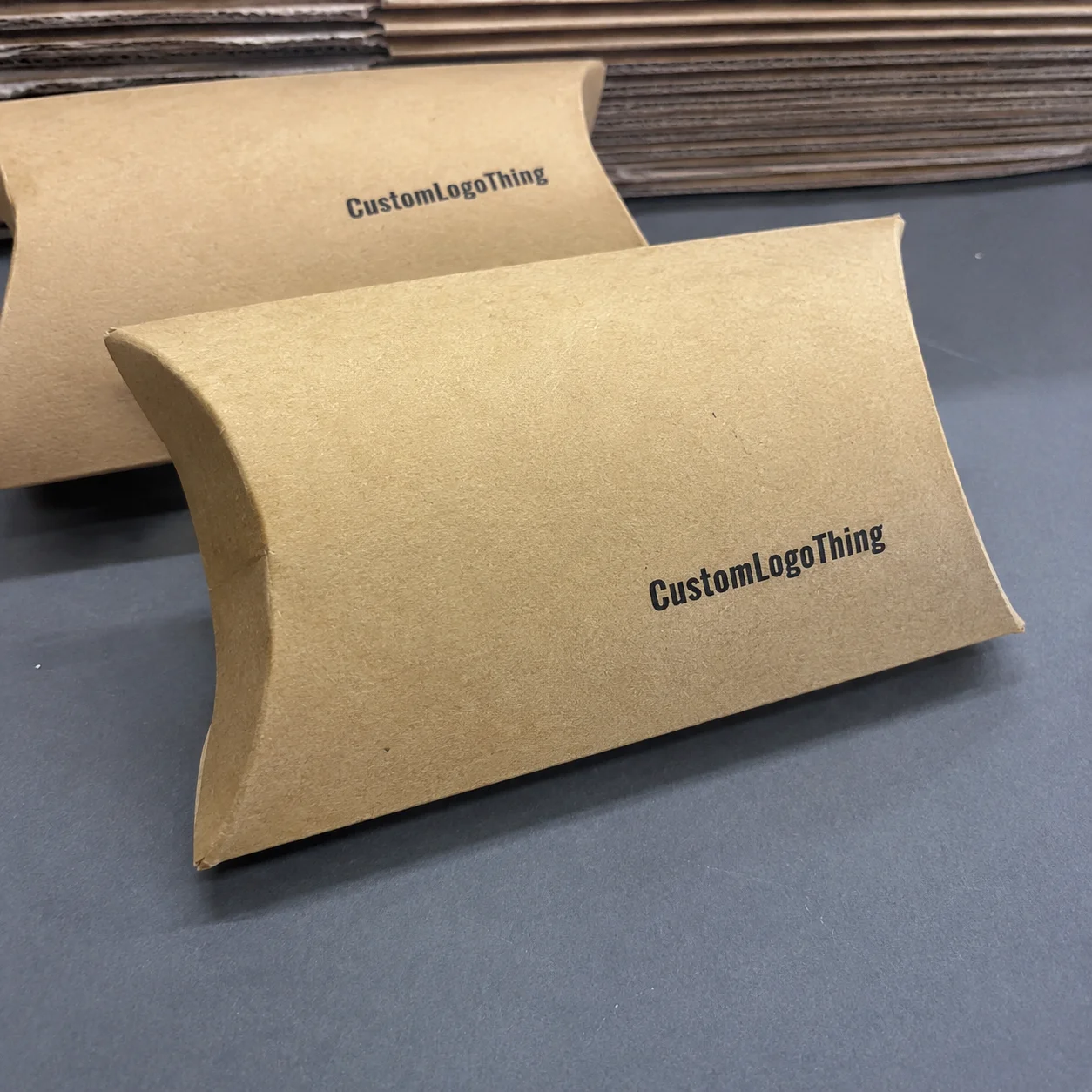
Buyer Fit Snapshot
| Best fit | Ecommerce Packaging Wholesale projects where brand print, material claims, artwork control, MOQ, and repeat-order consistency need to be specified before quoting. |
|---|---|
| Quote inputs | Share finished size, material target, print colors, finish, packing count, annual reorder estimate, ship-to region, and any compliance wording. |
| Proofing check | Approve dieline scale, logo placement, barcode or warning zones, color tolerance, closure strength, and carton packing before bulk production. |
| Main risk | Vague material claims, crowded artwork, missing packing details, or unclear freight terms can make a low unit price expensive after revisions. |
Fast answer: Ecommerce Packaging Wholesale: Specs, Pricing & Supply should be specified like a repeatable production item. The safest quote records material, print method, finish, artwork proof, packing count, and reorder notes in one written spec.
Production checks before approval
Compare the actual filled-product size with the drawing, then confirm tolerance on folds, seals, hang holes, label areas, and retail display edges. Reserve space for logos, QR codes, warning copy, and material claims before decorative graphics fill the panel.
Quote comparison points
Review material grade, print process, finish, sampling route, tooling charges, carton quantity, and freight assumptions side by side. A quote is only useful when the supplier can repeat the same color, closure quality, and packing count on the next order.
Ecommerce packaging wholesale tends to look like a simple line item until a warehouse team is trying to close boxes that are a touch too loose, or a product arrives with a dented corner because the insert was cut for last season’s bottle instead of the one in production now. I remember watching a beauty brand lose 3.8% of outbound orders to crushed corners because the mailer was technically strong enough, yet the fit was wrong and the product had room to shift. The carrier usually gets blamed first, though the real problem is often a packaging mismatch that started long before the carton left the dock. Honestly, that is the part that drives me a little crazy, because once the shipment reaches the customer, everyone suddenly becomes an expert on cardboard, flute direction, and glue seams.
Brands that source ecommerce packaging wholesale with care usually end up with lower unit cost, steadier supply, and a cleaner presentation across every shipment. That matters whether you are sending 500 subscription boxes a month or 50,000 apparel orders with printed tissue, labels, and custom inserts. In plenty of cases, the savings show up less in the box price itself and more in reduced rework, fewer damage claims, and less time spent fixing packaging problems that should never have made it into production. That is why seasoned purchasing teams treat ecommerce packaging wholesale as part of manufacturing, not just procurement, especially when a reprint in Shenzhen or a die-change in Foshan can affect the next eight weeks of outbound inventory.
A lot of brands still underestimate how hard packaging can hit margin. A 12x9x4 corrugated mailer that ships neatly in a 2.0 cubic-foot carton can look interchangeable with a slightly larger version, yet that extra space often pushes dimensional weight higher and follows the freight bill all the way to the invoice. Small changes like that accumulate fast, especially when an operation is shipping every day. That is exactly why ecommerce packaging wholesale deserves real attention before the first purchase order goes out, even if the difference looks like only 3/8 inch on a dieline.
Why Ecommerce Packaging Wholesale Matters More Than You Think
I still remember standing on the floor of a corrugated plant in Dongguan beside a converter running 18,000 mailers an hour, while the plant manager kept pointing to a die-cut edge as though it were a minor detail no one outside the factory would ever care about. It was not minor at all. A score line that is too deep weakens the panel, the wrong flute direction can alter the load path, and an underspecified insert lets the product wander inside the shipper until the damage shows up at the customer’s door. That is the practical side of ecommerce packaging wholesale that brands usually only notice after the complaints begin, often after the first 1,000 units have already shipped from the warehouse in Jersey City or Tilburg.
Buying ecommerce packaging wholesale also lowers unit cost in a way that sounds straightforward but takes discipline to execute well. A supplier can spread printing setup, knife tooling, plate charges, and QA checks across larger quantities, which brings the per-unit price down as the order rises. Just as valuable, wholesale purchasing steadies supply so the packaging does not drift from one reorder to the next. I have had clients bring in two cartons that were supposedly identical, only to find one was 2 mm taller, the print was slightly duller, and the fold scores behaved differently in the fulfillment center. Those tiny variations create very real problems on the packing line and in the unboxing experience, especially when a packer is moving 220 orders per hour at a facility outside Dallas.
That consistency matters across branded packaging programs for subscription boxes, beauty kits, apparel basics, supplements, electronics accessories, and promotional sets. Each category fails in its own way. Lip balm cartons need tight fit and clean print. Apparel mailers need tear resistance and a crisp first impression. Supplements often need tamper-aware structures. Electronics accessories need insert control so cords, chargers, or earbuds do not rattle loose during transit. In ecommerce packaging wholesale, the supplier has to understand not only the artwork, but the shipping behavior of the product itself, down to whether a glass jar needs a 1.5 mm paperboard locator or a molded pulp tray with four contact points.
From a business standpoint, bulk buying reduces the number of reorders and trims administrative drag. Fewer purchase orders. Fewer color checks. Fewer “can you match last month’s box?” emails. For brands managing several SKUs, that alone can free up hours every week. I have seen fulfillment managers choose ecommerce packaging wholesale programs because they wanted one approved mailer family with three sizes instead of a different carton for every item in the catalog, which made it far easier to keep a 95% fill-rate target without parking extra SKUs in the warehouse.
The cheapest box is not always the right box. A carton that saves a fraction of a cent but crushes under load, wastes cubic space, or prints inconsistently can cost far more after it reaches a warehouse or a customer’s table. The best ecommerce packaging wholesale programs weigh cost, protection, and presentation together rather than staring at a unit price line and calling it a day. I have seen a $0.03 difference per unit turn into a $14,000 return loss over a quarter because the lower-cost option failed under 32 ECT compression when stacked five pallets high in humid conditions in Savannah.
“We stopped treating packaging as an afterthought once we realized the product was arriving fine but the customer was opening dented corners and loose inserts. The box itself was the problem.”
— Operations manager at a mid-size skincare brand I worked with on a three-SKU packaging reset
The rest of this article covers the practical side of ecommerce packaging wholesale: product formats, material choices, technical Specs, Pricing, MOQ, timeline, and the questions I always tell buyers to ask before they sign off on a production order.
Ecommerce Packaging Wholesale Product Options
The strongest ecommerce packaging wholesale programs usually mix a few core packaging formats rather than forcing every product into one box type. Corrugated mailers, folding cartons, rigid mailers, poly mailers, shipping boxes, inserts, tissue, stickers, and void-fill each serve a different purpose. Match the format to the product and the freight profile, and the result is usually better protection, less waste, and a cleaner packing operation. A brand shipping 8 oz candles from a facility in Columbus may need something very different from a supplements company in Austin sending 24-unit starter kits to retailers and DTC customers at the same time.
Corrugated mailers remain the workhorse for many ecommerce shipments. They are strong, printable, and efficient for products that need moderate crush resistance. A 14 oz candle, a set of insulated skincare jars, or a small accessory kit can often ship well in an E-flute or B-flute mailer. In a corrugated plant I visited near Xiamen, the production manager showed me how a 32 ECT board handled outer compression better than a thinner sheet when cartons were palletized four high. That kind of detail matters in ecommerce packaging wholesale, because the carton has to survive the plant, the pallet, the warehouse, and the truck ride. On a recent run, the factory quoted a 14x10x4 E-flute mailer at $0.19 per unit for 5,000 pieces, then $0.12 per unit at 20,000 pieces after the printing plates were amortized.
Folding cartons are common when the product needs retail-ready presentation and a sharper shelf look. They are usually made from SBS paperboard, kraft paperboard, or recycled content board, and they can be offset printed for stronger image quality and tighter color control. If your brand sells supplements, cosmetics, or small electronics accessories, folding cartons often give the best balance of structure and appearance. I have seen brands use them as both product packaging and branded packaging because the box becomes part of the sales story the moment the customer opens the outer shipper. For premium cosmetics, a 350gsm C1S artboard carton with matte lamination and spot UV on the logo panel can still land around $0.32 to $0.48 per unit at 10,000 pieces from a supplier in Guangzhou, depending on the finish and die-cut complexity.
Rigid mailers and premium presentation boxes work well when unboxing is part of the value proposition. They cost more, but they bring a heavier hand feel and better shape retention. For PR kits, influencer mailers, or limited-edition sets, rigid packaging can support package branding in a way thinner board cannot. In ecommerce packaging wholesale, these are usually ordered when the presentation value is high enough to justify the added board weight and labor, and when the buyer can tolerate a 15-20% higher freight cube compared with a folding carton.
Poly mailers stay useful for soft goods like apparel, socks, and lightweight accessories. A good poly mailer with a strong seal can cut shipping weight significantly. Some brands now ask for compostable or recycled-content alternatives, though the actual performance still needs to be confirmed against the shipping route, because not every eco claim survives humidity, abrasion, and rough handling equally well. If you source ecommerce packaging wholesale for apparel, poly can be cost-effective, but the closure and tear strength need to be tested under real packing conditions, ideally after 48 hours in a 30°C humidity room or on a simulated parcel route from the West Coast to the Midwest.
Shipping boxes in single-wall or double-wall corrugated construction still form the backbone of many product packaging programs. Heavier items often call for double-wall board because it improves compression strength and stacking durability. For lighter but bulky products, a single-wall box with the correct flute profile can be enough and keeps freight manageable. This is one of those places where ecommerce packaging wholesale only saves money if the board grade fits the product weight instead of simply looking economical on paper. A 44 ECT double-wall box may be the right answer for a 6 lb tool kit, while a 32 ECT single-wall carton may be plenty for 18 oz of soft goods.
Inserts deserve more respect than they usually get. A die-cut insert, molded pulp tray, or paperboard locator keeps the item from shifting and can cut damage claims dramatically. I once reviewed a beverage accessory kit where the insert cost only $0.07 per unit, yet it reduced transit damage from 4.6% to under 1% after the supplier corrected the cavity tolerances. That is the kind of hidden value buyers miss in ecommerce packaging wholesale when they focus only on carton price. In that case, the insert was made in a plant in Suzhou using 300gsm paperboard and a tighter 0.5 mm cavity tolerance around the closure cap.
Tissue, stickers, and void-fill may look like small accessories, but they change the customer experience and the perceived care behind the shipment. Tissue adds a soft first layer. Stickers seal and brand. Void-fill protects products that do not fully occupy the carton. Those items matter especially for subscription boxes and gift sets, where custom printed boxes alone do not finish the presentation. A branded tissue order might run $0.03 to $0.06 per sheet in 10,000-piece quantities, and the difference between plain white and one-color printed tissue can be surprisingly small once the print plate is already in place.
Material choice plays a larger role than many teams expect. E-flute corrugated is popular for lighter products and good print surfaces. B-flute gives more crush strength and is often better when the load is heavier. SBS paperboard is smooth and ideal for detailed offset printing. Kraft paperboard brings a more natural appearance and pairs well with minimalist retail packaging. Recycled content board helps brands document sustainability goals, while compostable poly alternatives can support certain soft goods programs if they are tested honestly against heat, humidity, and abrasion. In ecommerce packaging wholesale, the best material is usually the one that balances function, print quality, and total landed cost, whether it is sourced from a mill in Zhejiang or a converter in northern Vietnam.
Different factories specialize in different constructions, and that distinction matters. Large box plants often handle flexo-printed corrugated at scale, while folding carton facilities with offset presses are better for high-image, small-format cartons. Some suppliers can coordinate both under one umbrella, which helps when a brand needs mixed packaging programs. If you are comparing ecommerce packaging wholesale suppliers, ask what they actually manufacture in-house and what they source through partner plants. A factory in Foshan with a Bobst die-cutter may be excellent for corrugated mailers, while a plant in Shenzhen with Heidelberg offset lines may be far better for 4-color folding cartons.
Packaging Specifications Buyers Should Confirm Before Ordering
Before any ecommerce packaging wholesale order goes into production, I always push buyers to lock down the specs that truly control performance. Start with internal dimensions, not just outer dimensions. A box can look correct on paper and still fail in the fulfillment center if the inside is 1/8 inch too tight or too loose. Internal fit affects insert performance, product movement, and whether the final carton closes without bulging. A 6.25 x 4.25 x 2.1 inch internal cavity may be the difference between a clean closure and a cracked top flap.
Then confirm the board grade and caliper. A 32 ECT single-wall board behaves differently than a 44 ECT board, and the difference shows up in stacking, crush resistance, and how the carton reacts in humid warehouses. If you are ordering ecommerce packaging wholesale for a heavier product or for long-distance shipping, the board grade should be chosen based on actual load and route rather than guesswork. I have seen buyers overpay for board they did not need, and I have also seen them under-spec it and pay later in returns. For example, a 350gsm C1S artboard folding carton is excellent for presentation, but it is not a substitute for a 32 ECT corrugated shipper on a 2 lb glass product.
The print method matters just as much. Flexographic printing can be very cost-effective for large corrugated runs, but it is not the same as offset printing on a folding carton. Digital print can help with smaller runs, prototypes, or artwork with multiple SKUs, but it may not always match the finish or consistency of a high-volume press line. In ecommerce packaging wholesale, you want the print method to fit the quantity and the brand standard. A 1-color flexo box in a 5,000-piece run may cost $0.09 less per unit than a 4-color offset carton, but the visual result is completely different.
Confirm the finish and coating as well. Matte lamination gives a softer, more subdued look. Gloss can make colors pop, though it sometimes shows scuffs more easily. Soft-touch lamination has a luxury feel and works well for presentation packaging, but it adds cost and can be more sensitive to scratching. Spot UV, embossing, and foil stamping can elevate the design, yet each one adds setup and inspection steps. That is fine if the brand needs it, but every decorative choice should earn its place in the customer experience and in the budget for ecommerce packaging wholesale. A spot UV accent on a logo panel may add $0.04 to $0.08 per unit, while foil stamping can add another $0.05 to $0.12 depending on coverage and plate size.
Structural details are where many packaging design mistakes hide. Does the box use a standard tuck flap, a self-locking bottom, a crash-lock base, or a mailer-style lock? Is the die-line accurate to the product? Are the scores clean enough that the carton folds without cracking? Are there edge crush requirements from the ship method or from the distribution center pallet pattern? Those are not glamorous questions, yet they are the ones that separate reliable product packaging from packaging that merely looks good in a mockup. I have seen a 2 mm flap extension create a full production delay because the closure tab interfered with a glued insert.
Artwork requirements should be checked early. Ask for a vector file format, usually AI or PDF with outlined fonts, and confirm Pantone matching if your brand color must stay consistent across orders. Confirm bleed, safe zones, and the proofing standard. Physical proofs are often better than digital screens for color and structure review, especially when the job includes multiple panels or full-wrap artwork. For ecommerce packaging wholesale, I prefer a white sample for structure, a printed proof for color, and a pre-production approval sample when the run is large enough to justify it. If the work is running through a factory in Shenzhen, ask for a signed golden sample before the cartons are packed into export cartons.
Here is a practical checklist I use with buyers:
- Internal dimensions in inches or millimeters
- Board grade and flute type
- Print method and number of colors
- Coating or finish such as matte, gloss, or soft-touch
- Die-line accuracy and closure style
- Pantone targets or color match reference
- Sample type needed before mass production
Ask for samples every time. A white sample tells you if the structure works. A printed sample shows color and layout. A physical pre-production proof reveals problems that never show up in a PDF, like panels that buckle, tabs that interfere, or inserts that are too tight for the actual product. In ecommerce packaging wholesale, that sample stage is often the difference between a smooth launch and a warehouse headache, especially when a new mold in Dongguan or a fresh die board in Ningbo is involved.
Ecommerce Packaging Wholesale Pricing, MOQ, and Cost Drivers
Pricing for ecommerce packaging wholesale comes down to a handful of variables that buyers can read clearly if they compare quotes with care. Size, board type, print coverage, finish complexity, quantity, and freight method all move the number. A 6x4x2 mailer in plain kraft board will never cost the same as a full-color soft-touch folding carton with foil stamping and a custom insert. That sounds obvious, yet quote comparisons still turn messy when one supplier prices a plain stock-style carton and another quotes a fully decorated structure, then the buyer wonders why the numbers are so far apart.
Quantity changes the math quickly. At 5,000 pieces, setup and tooling are spread across fewer units, so the unit price is higher. At 25,000 or 50,000 pieces, the unit price usually drops, sometimes sharply, because the press setup, die-cut prep, and labor are diluted across a larger run. The total cash outlay rises though, which means inventory planning matters. In ecommerce packaging wholesale, buying more can lower per-piece cost while tying up more working capital, so the real decision is never just price per box; it is price per box plus how long you will store it. A warehouse in Atlanta may be able to absorb 8 weeks of inventory, while a smaller startup in Portland may only want 3 weeks on hand.
To give a realistic example, I have seen a basic printed corrugated mailer quoted at about $0.18/unit for 5,000 pieces and fall to around $0.11/unit for 20,000 pieces when the same board, same print coverage, and same freight terms were used. A Custom Folding Carton with specialty finish might start closer to $0.42/unit at 5,000 and still sit above $0.28/unit at 20,000 because of the extra finishing steps. Those are not universal numbers, but they are the kind of ranges I expect in real ecommerce packaging wholesale quoting. For a simple unprinted stock mailer, I would still expect pricing to start near $0.09 to $0.13 per unit in a 10,000-piece run, depending on board and destination.
The MOQ changes by format. Simple mailers and stock-style boxes can often be ordered in lower quantities, while fully custom printed rigid boxes or carton programs usually need a larger minimum because the factory has to justify press setup and tooling. Add foil, embossing, or multi-color printing, and the MOQ can rise again. I always tell clients to ask for MOQ by SKU and by decoration method, because one factory may accept 1,000 units for digitally printed cartons while another wants 5,000 for offset. That difference is normal in ecommerce packaging wholesale. In several Guangdong plants, a basic kraft mailer may be available at 2,000 units, while a rigid presentation box with foam insert can require 3,000 to 5,000 units before the line is worth scheduling.
Watch the hidden costs. Tooling charges for a new die-cut, plates for print, sampling, color matching, warehousing, and split shipments can all affect the landed cost. Freight matters too. A box that looks cheaper ex-factory can cost more once it is packed, palletized, and shipped cross-country or overseas. I had one client choose a lower unit price from a distant supplier, then lose the savings because the cartons had to be split across two shipments and one pallet was held for inspection. The quote looked good. The landed cost did not. That is why ecommerce packaging wholesale should be judged on a landed basis whenever possible, whether the cartons are leaving a port in Shenzhen or a distribution hub in Chicago.
When you compare quotes, make sure the following items match:
- Exact internal dimensions
- Same board grade and flute or paper stock
- Same print coverage and number of colors
- Same finish, coating, or lamination
- Same MOQ and quantity break
- Same freight terms, destination, and incoterms if applicable
- Same sampling and tooling assumptions
The quote with the lowest headline number is often not the cheapest. If one supplier gives you thinner board, a simpler print process, or excludes freight and samples, the final cost can climb well above the apparently higher quote. In ecommerce packaging wholesale, apples-to-apples comparison is the only comparison that really helps. A quote that excludes a $180 tooling fee or a $240 ocean consolidation charge can look attractive until it hits the AP ledger.
Cash flow deserves a hard look too. A supplier may offer 50,000 units at a more attractive unit price, but that can still be the wrong move if your turnover rate is only 8,000 units a month and the cartons consume half a bay in the warehouse. I have seen brands save 12% on unit cost and then spend that savings on storage, handling, and obsolescence. Smart ecommerce packaging wholesale buying balances price with demand timing and warehouse capacity, especially when a slower Q1 means the inventory sits for 60 to 90 days before the next reorder.
From Quote to Delivery: Process and Timeline
The typical ecommerce packaging wholesale workflow begins with inquiry and specification review. You send dimensions, artwork, product weight, quantity, and target ship date. The supplier checks the structure, suggests material options, and returns a quote. Simple jobs move quickly. A new custom shape or a premium printed carton usually brings more back-and-forth before the first proof is ready. If you have a launch date in mid-September, I would start the process no later than early July so there is time for proofs, corrections, and transit.
After quote review comes dieline confirmation. That is where the flat layout gets checked against the actual product and closure style. A good dieline prevents surprises. A poor one creates line-up issues, panel overlap, and wasted material. On one order I reviewed for a supplement brand, the dieline was off by just enough that the tamper seal landed on the fold instead of the flat face. The package still functioned, but it looked amateurish in the hand. That kind of mistake is exactly why careful ecommerce packaging wholesale review matters, especially when the carton is produced on a Bobst die-cutter in Dongguan or a K&B folder-gluer in Wenzhou.
Artwork setup follows, and this is the stage where brand teams often slow everything down. Someone wants one more shade of blue. Someone else wants a QR code shifted 4 mm. Those concerns are normal, but they should be resolved before plates or print files are finalized. If the supplier provides a white sample or structural prototype, use it. That physical step catches problems far better than a screen view. In my experience, it saves days later, and on larger cartons it can save an entire production slot if the artwork bleed or panel orientation is off.
Sampling and approval are not optional for serious production. For a simple mailer, a white sample may be enough. For a printed carton or premium package branding program, I would push for a printed proof or even a pilot run if the order size justifies it. Once approval is complete, production can begin. A clear approval email at 9:00 a.m. on Monday can literally determine whether the job starts on Tuesday or slips to the next week because the prepress team needs the confirmed file set before the shift change.
Lead times vary by item. Quick-turn stock packaging can ship much faster than a fully customized program. Simple ecommerce packaging wholesale orders may take around 10 to 15 business days after proof approval, while more complex printed cartons, inserts, or rigid packages can run 15 to 30 business days or longer depending on material sourcing and factory capacity. If the order is overseas, add ocean transit, customs clearance, and domestic drayage. I always tell buyers to build buffer time into the launch schedule, especially when the packaging has to arrive before the product inventory does. A common timeline is 12 to 15 business days from proof approval for a standard corrugated mailer, then another 3 to 7 business days for domestic freight, depending on distance.
Quality control should happen at multiple points. Incoming board inspection checks the substrate before production starts. In-process print checks catch color drift, registration issues, and scuffing. Final carton verification confirms dimensions, count, packing method, and pallet condition before dispatch. A factory that skips those checkpoints is asking for trouble. A supplier that documents them gives you more confidence in ecommerce packaging wholesale, especially when the order is going to a fulfillment center that rejects damaged pallets. I like to see at least one photo per pallet, one count sheet, and a final AQL-style inspection report before the shipment leaves the plant.
From my side of the floor, the best orders are the ones with clean information from day one: target dimensions, approved artwork, clear freight terms, and a realistic delivery window. Those orders move faster because nobody has to guess. In ecommerce packaging wholesale, guesswork is expensive, and the cost usually shows up as expediting fees or rework at the worst possible time.
Why Buy Ecommerce Packaging Wholesale from a Specialized Manufacturer
A specialized manufacturer is not just a box seller. The right partner understands packaging engineering, print consistency, structural strength, and fulfillment realities. That matters because ecommerce packaging wholesale is not the same as buying office supplies. A supplier who knows the difference between a mailer that looks fine in a sample room and one that survives 600 miles of mixed freight will save you time and money, especially if your shipment is leaving a facility in Ningbo and then crossing two carriers before reaching a customer in Ohio.
I have seen the benefits firsthand when a supplier coordinates across corrugated box plants, carton converters, and finishing lines for mixed packaging programs. One brand may need shipping cartons for warehouse use, folding cartons for retail-ready presentation, and stickers or tissue for the customer unboxing moment. If all of that is managed by people who understand each format, the brand keeps better consistency in print, size, and delivery timing. That kind of coordination is valuable in ecommerce packaging wholesale, particularly when a company is launching three SKUs in the same quarter and wants each one to share the same color system and board feel.
Specialized partners also help reduce damage rates and improve the unboxing experience. They can suggest stronger flute profiles, better inserts, or a tighter fit that keeps the product from shifting. They can also guide print choices so your colors stay consistent across replenishment orders. I once watched a supplier save a cosmetics account from a recurring corner-crush issue simply by changing the insert geometry and moving from a loose 1 mm tolerance to a tighter die-cut spec. The product stayed put, and the customer complaints dropped. That is the value of experience in ecommerce packaging wholesale, especially when the replacement carton needs to match the original run from a factory in Shenzhen six months later.
Support services matter too. Dieline guidance, sample development, print consultation, and packaging optimization for shipping efficiency are not extras; they are part of getting the job right. If a supplier cannot talk clearly about board grades, finish options, and print tolerances, I would be cautious. Good ecommerce packaging wholesale depends on direct factory communication and transparent specs, not vague promises. A supplier should be able to tell you whether a carton is running on 350gsm C1S artboard, 32 ECT corrugated, or 400gsm CCNB without needing three follow-up emails.
For companies that need both product packaging and retail packaging under one brand umbrella, a specialized manufacturer can help align the visual identity across all touchpoints. That means the outer box, the inner insert, the tissue, and the label all speak the same design language. It is a small thing until you see a customer open the box and recognize the brand immediately. That is package branding doing its job, and it is often stronger when the same production team in Guangzhou handles both the structural carton and the printed sleeve.
There is also an environmental side that buyers should handle carefully. If your program needs FSC-certified board or recycled content, ask the supplier for documentation and make sure the claim is verifiable. You can reference standards and certification resources at FSC and packaging material guidance from the EPA recycling resources. For shipping performance and transit testing, the ISTA testing standards are worth reviewing. Those references do not replace supplier testing, but they help keep ecommerce packaging wholesale decisions grounded in actual performance criteria, especially when you are choosing between virgin SBS and recycled-content board from two different mills.
For buyers who want to see a broader range of formats, the right starting point is usually a supplier’s product library and wholesale program. At Custom Logo Things, you can review Custom Packaging Products for format ideas, then compare structure and decoration options through the Wholesale Programs page. That is a practical way to move from concept to quote without wasting time on packaging that is not built for your shipping profile, whether you need 1,500 units or 15,000 units.
What Should You Check Before Ordering Ecommerce Packaging Wholesale?
Before you approve ecommerce packaging wholesale, check the details that shape performance, cost, and customer experience. Start with fit. The internal dimensions should match the product and any insert with enough tolerance to close cleanly, but not enough room for the item to slide around. A package that looks right in a mockup can still fail on a packing table if the corners bind or the closure tab catches on the product.
Next, confirm the material and construction. Corrugated, folding carton, poly mailer, and rigid box all behave differently under pressure, humidity, and handling. If your product is fragile or heavy, ask whether the board grade and flute profile are sufficient for the route. In ecommerce packaging wholesale, a good supplier should explain why a 32 ECT single-wall shipper may be enough for one product, while a 44 ECT double-wall box is better for another.
Print and finish should be reviewed in the same breath. Ask for the number of colors, the print process, coating choices, and whether Pantone matching is required. Matte, gloss, soft-touch, spot UV, and foil all change the look and the price. If package branding matters, insist on a printed proof or physical sample before mass production. In ecommerce packaging wholesale, that one sample can prevent costly rework if the logo is off, the color drifts, or the artwork sits too close to a fold.
Finally, clarify MOQ, lead time, freight terms, and approval steps. A low unit price means very little if the shipment arrives late or the hidden charges push the landed cost higher than expected. Ask for the production timeline in business days, not guesses, and make sure the quote includes any tooling, plates, sampling, or special packing requirements. Careful review at this stage is the easiest way to make ecommerce packaging wholesale work for both margin and customer satisfaction.
Next Steps for Ordering Ecommerce Packaging Wholesale
If you are ready to buy ecommerce packaging wholesale, start with a simple audit. Measure your product in three dimensions. Check the actual pack-out process in your warehouse. Identify the top two or three failures: damage, overspend, weak branding, slow packing, or inconsistent print. Once you know the problem, the solution gets much easier to define. A 10-minute packing test on the floor in Louisville can tell you more than three rounds of email feedback ever will.
Next, gather the basic information a supplier needs: artwork files, target quantity, preferred material, shipping destination, and launch date. If you have multiple products, group them by size and protection needs. That allows the supplier to recommend one standard option and one upgrade option instead of sending you five unrelated quotes. I have seen this save days of back-and-forth in ecommerce packaging wholesale buying cycles, especially when the buyer is comparing a 6 oz bottle carton, a 12 oz bottle carton, and a sampler kit at the same time.
Ask for samples. Ask for a side-by-side quote on two or three material or finish options. If the supplier offers a plain structural sample and a printed sample, take both. Then compare MOQ, lead time, freight terms, and proof approval requirements before placing the first production order. A lower unit price is nice, but the better decision is the one that gives you the right landed cost and the right customer experience. If one quote includes a 12-15 business day production window and another requires 25 business days plus export freight, that difference should be part of the decision.
My strongest advice is to compare one standard option and one upgraded option before you commit. The standard option gives you a cost baseline. The upgraded option shows you what better print, stronger board, or a tighter insert design would actually cost. That side-by-side comparison makes ecommerce packaging wholesale buying much clearer, because you are choosing with real numbers instead of assumptions. In many cases, the upgrade is only 8% to 12% more expensive and saves far more than that in damage or returns.
If you do that work now, the packaging will support the product instead of fighting it. The cartons will stack better, the warehouse will pack faster, and the customer will open a box that feels intentional. That is what good ecommerce packaging wholesale should do, and it is absolutely achievable with the right specs, the right supplier, and a little discipline on the front end.
Ecommerce Packaging Wholesale: decision table
| Decision area | Best fit | What to verify | Risk if skipped |
|---|---|---|---|
| Claim type | Recycled, FSC, compostable, recyclable, or plastic-reduced packaging | Certificate, material percentage, and claim wording | Unclear claims create greenwashing risk |
| Performance tradeoff | Protection, print quality, and shelf feel | Strength, moisture behavior, ink choice, and finish limits | Eco material is chosen but does not protect the product |
| End-of-life path | Customer disposal, retail requirements, or municipal recycling | Label wording, inserts, and documentation | The buyer cannot understand how to dispose of it |
Frequently Asked Questions
What is the typical MOQ for ecommerce packaging wholesale?
MOQ depends on packaging type, print complexity, and factory setup. Simple mailers and stock-style boxes are often available at lower quantities than fully custom printed cartons or rigid packaging. Ask for MOQ by SKU and by decoration method, since the number can change significantly with foil, embossing, or multi-color printing. In ecommerce packaging wholesale, the smallest run is not always the best choice if you need color consistency across reorders. A digitally printed sample run may begin at 500 to 1,000 units, while an offset printed carton in a Guangdong factory may start at 3,000 to 5,000 units.
How do I compare ecommerce packaging wholesale quotes accurately?
Compare the same dimensions, board grade, print coverage, finish, and shipping terms on every quote. Check whether tooling, plates, sampling, and freight are included or billed separately. A lower unit price can still cost more if the board is thinner, the print is limited, or the freight charge is higher. That is why apples-to-apples review matters so much in ecommerce packaging wholesale. If one quote is $0.14 per unit ex-works and another is $0.19 landed to your warehouse in Phoenix, the landed number is the one that matters.
What packaging materials work best for ecommerce shipments?
Corrugated board works well for shipping strength and product protection. Folding cartons are ideal for retail-ready presentation and lighter products. Poly mailers suit soft goods, while rigid mailers or inserts are useful when presentation and protection both matter. The right choice in ecommerce packaging wholesale depends on product weight, fragility, and how much the box contributes to package branding. For example, 32 ECT corrugated is often the right starting point for ship-ready cartons, while 350gsm C1S artboard is a common choice for premium folding cartons.
How long does ecommerce packaging wholesale production usually take?
Lead time varies by material, quantity, and customization level. Sampling and artwork approval add time before production starts. Plan extra buffer on first orders so you can approve proofs and avoid launch delays. For many ecommerce packaging wholesale jobs, the biggest schedule risk is not the press run itself, but the approval and freight steps that come before and after it. A typical run may take 12 to 15 business days from proof approval for standard corrugated mailers, while premium cartons can take 15 to 30 business days before shipping.
Can I order custom logo ecommerce packaging wholesale in small quantities?
Yes, but small runs usually cost more per unit because setup costs are spread across fewer pieces. Some suppliers offer lower-MOQ options for digitally printed or stock-based packaging. If you are testing a new product, ask for a smaller pilot run before scaling to full production. That is often the safest path in ecommerce packaging wholesale, especially when the design is new or the product has strict fit requirements. A 1,000-piece pilot can reveal fit or print issues before you commit to a 10,000-piece reorder.