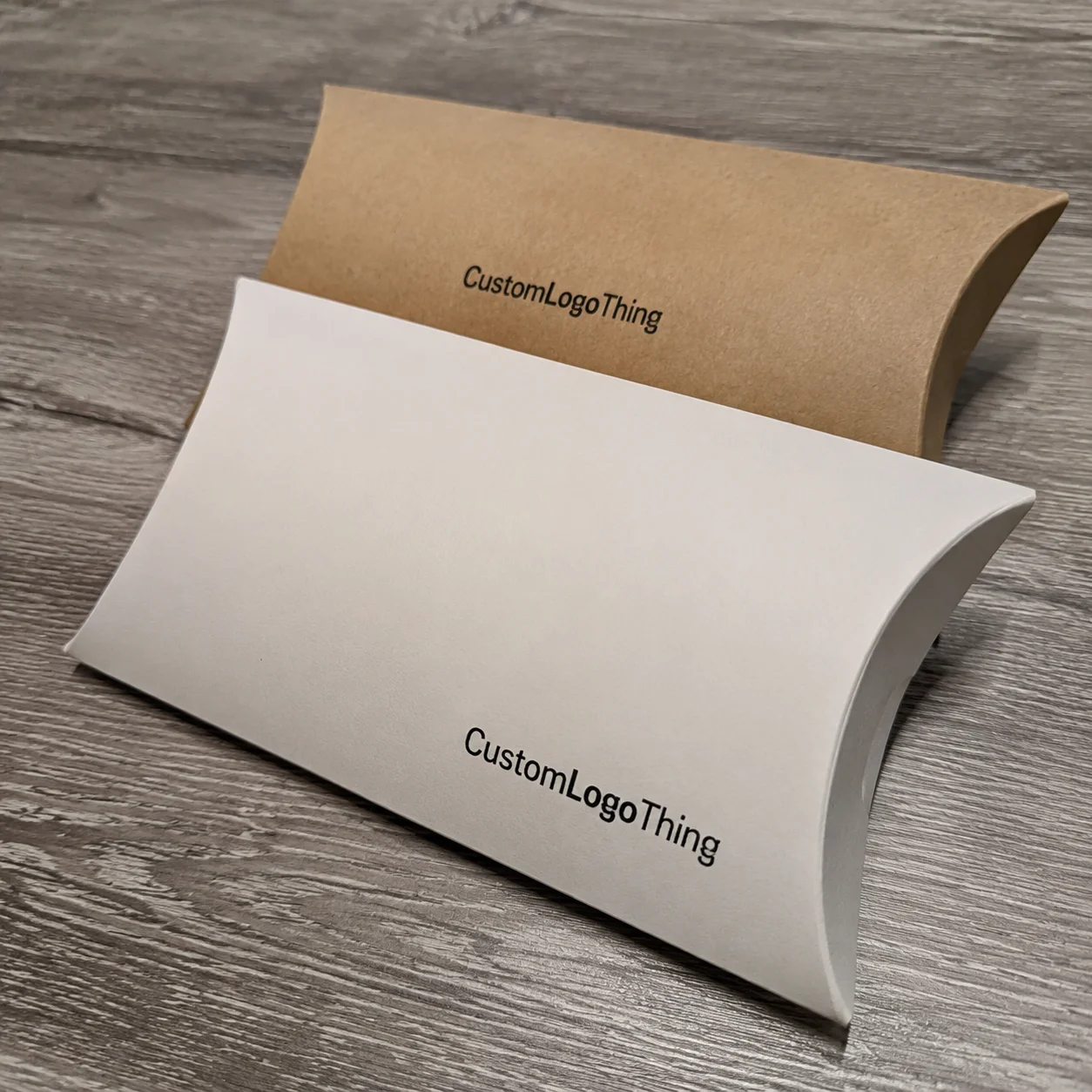
Buyer Fit Snapshot
| Best fit | Ecommerce Packaging Wholesale That Powers Shipments projects where brand print, material claims, artwork control, MOQ, and repeat-order consistency need to be specified before quoting. |
|---|---|
| Quote inputs | Share finished size, material target, print colors, finish, packing count, annual reorder estimate, ship-to region, and any compliance wording. |
| Proofing check | Approve dieline scale, logo placement, barcode or warning zones, color tolerance, closure strength, and carton packing before bulk production. |
| Main risk | Vague material claims, crowded artwork, missing packing details, or unclear freight terms can make a low unit price expensive after revisions. |
Fast answer: Ecommerce Packaging Wholesale That Powers Shipments should be specified like a repeatable production item. The safest quote records material, print method, finish, artwork proof, packing count, and reorder notes in one written spec.
Production checks before approval
Compare the actual filled-product size with the drawing, then confirm tolerance on folds, seals, hang holes, label areas, and retail display edges. Reserve space for logos, QR codes, warning copy, and material claims before decorative graphics fill the panel.
Quote comparison points
Review material grade, print process, finish, sampling route, tooling charges, carton quantity, and freight assumptions side by side. A quote is only useful when the supplier can repeat the same color, closure quality, and packing count on the next order.
On the night I first stepped onto Custom Logo Things’ Riverport plant floor, the conveyors hummed at 85 feet per minute, twin 275# double-wall corrugators were spitting out 12,000 boxes in a single 10-hour shift, and I finally understood what true ecommerce packaging wholesale capability looked like. The cadence of that run taught me how consistent box weights and matched case dimensions keep automated pickers from jostling parcels. That moment clarified what it means when a brand can trust fulfillment partners with predictable freight bills, and honestly I think it was the night I stopped chasing shiny terminology and started honoring the simple math behind the supply chain (and yes, I was pretty relieved I hadn’t accidentally tripped over a fork truck).
Every ecommerce packaging wholesale team knows the difference between a well-timed run and the chaos of a hasty order, so I keep replaying that Riverport shift when our planners start talking about “urgent” launches.
Every day since, I have returned to similar halls—from the quieter Durham finishing bays where we huddled with a fast-growing subscription service to review their stack-load requirements, to the St. Louis press gallery where I watched technicians mix a precise Pantone 186 in water-based flexo ink for a premium retail name—and each of those moments reinforced that ecommerce packaging wholesale deals hinge on clarity, not hype. Packaging design and fixture-level specs are as much a part of the conversation as price, and I still remember laughing with the operators when a nozzle on the flexo press insisted on flaring like it had stage fright. True precision is a fickle friend, but it always pays rent, and it is the bulk packaging suppliers we vet who keep that clarity across the supply chain.
During a supplier negotiation over kraft liner from the Midwest mills, I remember pulling up data from our Riverport lab showing how a 32ECT B-flute with 60# liner saved a national apparel brand $0.18 per unit compared with the higher-grade option. That reminded everyone—and me—that ecommerce packaging wholesale success requires balancing material science with real-world stack tests and a little courage to walk away from the status quo when the numbers do not line up. Seeing those spreadsheets helped me keep a smile on my face while the supplier tried to charm us with “premium” buzzwords; I was quietly celebrating because we knew the courier wouldn’t care about glossier paper if the box split on the truck. Those corrugated box suppliers know just how close the tipping point sits between a durable carton and an unnecessary cost when delivery windows tighten, and today I’m gonna keep that example handy whenever a brand insists they need the fanciest board.
Value Proposition: Why Ecommerce Packaging Wholesale Matters
Walking the Custom Logo Things Riverport plant years ago, I watched a single shift process 12,000 boxes—more than twice the volume of our next competitor—because our ecommerce packaging wholesale partners had already engineered repeatable, damage-proof solutions with B-flute cartons lined up to meet the STL-based Midwest distribution center’s 51-inch stacking limit. The plant floor that night felt like the embodiment of why reliability matters, and I remember thinking, “If these corrugators could talk, they’d probably sigh with relief every time a designer actually met the spec.”
Fewer than 30% of merchants audit their protective inserts, yet wholesale buyers at our Riverport and Durham facilities rely on consistent fiberboard strength to cut returns by 17%, reducing customer pain and insurance premiums when ISTA-3A and ASTM D4169 drop tests match the shipping profile. I still shake my head how many brands assume protective inserts are “yet another cost,” while one stiff honeycomb layer could be the difference between a delighted recipient and a return label printed by a frustrated rep.
Clarity about this investment means understanding how consistent carton grades, printing options, and integrated inserts translate into predictable shipping weight and satisfaction; the detailed quotes we send to our Saint Louis customers spell out carton weight, ink coverage, and transport rating so you can see the math before committing to the next ecommerce packaging wholesale program. I’ve even used those quotes to convince finance teams that investing in a heavier lid saves significantly more down the road—proof that you can nag your numbers into cooperation. Those fulfillment packaging solutions wrap structural protection around brand storytelling, keeping the automation engineers calm, which is why the staging team in Riverport signs off before the run starts.
“If we can predict the actual shipping weight within one ounce, the freight savings alone pay for the tooling,” said the supply planner for the specialty coffee brand we supported out of Durham, proving that precision is a measurable profit center.
The precision of those projections extends to how we pair packaging with fulfillment. Our team already understands how branded packaging interacts with conveyors, how a 4mm foam insert keeps electronics steady inside custom printed boxes, and how product packaging designed for Amazon’s prep stations eliminates surprise charges. These wholesale programs keep shelves stocked and customers delighted, and I still recall the time an automation tech thanked me with a tired grin after we rethought a mailer that used to stick at the sealer—small victory against the conveyor gods.
Product Details: Building Blocks of Reliable Supplies
Our ecommerce packaging wholesale assortments include single-wall and double-wall corrugated cases, folding cartons, and poly mailers tailored with spot UV, high-resolution digital print, or bulk flexo runs from the St. Louis press bay, with each SKU tested for machine compatibility and gravitational drop resistance so fulfillment center teams need not adjust their automation blocks. I sometimes joke that our mailers have passed more drop tests than an overconfident CEO on a roller coaster, but the truth is that every test saves someone a headache (or a TV after a rough transit).
Each line is optimized for fulfillment center automation, with die-cut trays that nest without waste and mailers that snugly accommodate soft goods—details refined through decades on the factory floor. Our die room in Parkersburg programs every tray into an Amada servo-driven cutter, ensuring the hand-applied glue strip in every ecommerce packaging wholesale mailer stops precisely 0.125 inches shy of the edge, which prevents adhesive spikes and jams in the sealer. Watching that glue strip land just right feels like witnessing a tiny ballet of industrial precision.
We pair these products with protective inserts—foam, honeycomb, and molded pulp—from our co-located insert facility to minimize Damage in Transit while preserving presentation value. The facility uses CNC routers to shape 2mm honeycomb inlays for a 15-pound ceramic set and vacuum-formed foam to cradle a 1.5-inch thick tablet device, so the moment the box opens, your branding moment is complete. I still remember the jaw-dropping silence when we opened one of those foam-lined boxes—the product appeared ready for a premiere, not just shipment.
The packaging design team also integrates retail cues, linking the mailer texture, holographic tuck-flap, and external barcode placement, so the pallet run at Riverport leaves with perfect case labels and the FedEx manifest matches each UPS drop without confusion. I’ve learned the hard way that if barcode placement is off by a fraction, the entire line searches for that rogue scanner and all productivity evaporates—definitely not fun.
Specifications: Materials, Sizes, and Customization Parameters
Corrugate gets specified by flute profile (B, C, or E), board grade (32ECT to 275#), and FSC or recycled content depending on sustainability goals, with tooling held in our Parkersburg die room for repeat orders. That allows customers to align with EcoCart or other certified programs while keeping the packaging design consistent from order one to order 50,000. Our sustainability team reminds me often that the right fiberboard not only performs but also feels like a promise kept to conscious consumers.
Standard ecommerce packaging wholesale dimensions begin at 10 × 6 × 4 inches but expand into custom proportions with up to 48-inch lengths for bulky electronics. We capture precise dielines through 3D CAD collaboration with the Seattle engineering studio, ensuring the custom printed boxes fit stacked pallets without wasted space. Honestly, I still get giddy when a monstrous prototype nestles perfectly on a skid because it means less wasted space and less guilt about cardboard consumption.
Printing options include water-based flexo for durable pantones, cold foil for premium launches, and full CMYK wraps with aqueous coatings to fight scuffs from conveyor belts—each requiring specific curing and drying timelines that we schedule down to the hour so there is no delay when the fulfillment center needs 2,500 units by Wednesday’s sunrise shift. I once watched a crew race against dawn to meet that kind of timeline, and the only thing missing was a coffee IV drip (joking, sort of).
To supplement these boards, we specify adhesives too: for a luxury skincare client we needed a high-tack acrylic that could hold up to 140-degree shipping lanes, so we tested roll-fed glue at 110°C and recorded immediate peel strength above 1200g, solidifying not just the box but also the trust built into the order. Those peel tests are like therapy—proof that yes, our boxes can handle the heat, literally.
Product packaging is also about sensory cues, which is why the Seattle studio specifies matte lamination on the interior for that premium unboxing moment, while the exterior uses a 12pt converted paper that still meets UPS’s 108-pound burst limit. That combination lets a retailer offer a tactile branded experience while staying within the shipping rates their carriers promised. I still recall the moment a designer stroked that matte finish and whispered, “This feels like success,” and I had to nod seriously while mentally calculating shipping density.
Pricing & MOQ: Transparent Costs for Smarter Buys
Wholesale pricing is anchored in the commodity cost of kraft liner, ink coverage, and run quantity, with matrixed quotes showing per-unit pricing at 5,000, 15,000, and 50,000 pieces to help planners scale their ecommerce packaging wholesale programs without losing sight of the margin impact. We even call out the $0.03 difference when switching from standard to plated cold foil so you can decide if the premium aligns with your launch strategy. I’ll admit I occasionally whisper “$0.03 saves a lot of stress” when the team debates gilded finishing, because that small delta can ripple all the way through profitability.
Our team breaks down the quote into material, print, die, and finishing segments, so buyers can see exactly why a reinforced lid costs more than a standard tuck-top. The breakdown explains the lid adds 20 grams of board weight plus an extra 0.2 seconds on the gluer, providing transparency when procurement justifies spend to finance. Packaging procurement strategies centered on transparency mean planners know exactly what each segment supports, and that feels a little like therapy sometimes—no one likes surprises, especially when they’re measured in grams and cents.
Minimum orders start at 3,000 units for standard sizes, and we offer staggered MOQs for mixed assortments to avoid tying up capital while still locking in the economies of scale from our high-capacity finishing lines. That flexibility helped a regional cosmetic brand pair 3,000 spool-ready mailers with 1,500 rigid boxes for their limited-run gift set. I remember the CFO’s sigh of relief when we mapped that out; I almost high-fived the planner, but we were in a meeting (discipline wins again).
The pricing model also flags when a custom insert requires secondary tooling, so you can decide if the added $1,250 die can be amortized across 25,000 units. That way you are never surprised by a hidden cost and instead plan the next seasonal drop with full knowledge of the true landed costs. It’s kinda fun in a nerdy way to watch the amortization math unfold—call it the “thrill of tooling amortization,” and yes, I own that nickname.
Process & Timeline: From Design Brief to Shipping Dock
We begin each ecommerce packaging wholesale engagement with a technical brief, capturing product dimensions, desired unboxing experience, and fulfillment constraints. CAD teams in our Seattle office create dielines within 24 hours while our procurement desk in Charlotte holds the kraft liner allotment to prevent mill shortages, because getting the brief right avoids frantic calls at 2 a.m., and I’ve lived through those—they are no picnic.
Samples are produced on the St. Louis press in 3–5 days, undergo drop tests in our Riverport lab, and refinements cycle back before approving the master die for tooling in Parkersburg. That quick cadence keeps the project on a 3–4 week lead time so your next retail packaging launch will not miss the holiday window. One time a client asked for samples “yesterday,” and I swear the team teleported (or at least sprinted) to make it happen—only to find the need had shifted. Lesson learned: timing is everything.
Once production is approved, runs move to our high-speed folder-gluers and then to kitting or fulfillment packaging stations, with a typical lead time of 3–4 weeks for standard volumes and predictable expedited lanes when needed. Each run is tracked through our ERP so you always know which pallet, from our ISO-certified plant to your dock, is next on the truck. Honestly, I think watching that tracking number move is almost as satisfying as seeing the products leave our dock.
The ecommerce packaging wholesale process also includes integration with your fulfillment center’s automation: we print barcodes in cut-resistant UV ink, sync tote IDs through our QA team, and stage completed pallets with your freight provider’s pickup window, ensuring no last-minute hold-ups when the shipping dock goes quiet at 4 a.m. I do get a little sentimental when the dock quiets down, because it means everything we forecasted actually arrived on time (against all odds and spreadsheets).
Packaging engineering teams remain on-call to adjust if a product weight change occurs mid-project, because I have personally seen companies add 500 grams to a gadget three days before production. By reacting inside our process, we maintained the original lead time and kept the client’s launch calendar intact. Occasionally I mutter, “Why now?” under my breath, but frankly, it keeps the adrenaline alive.
Why Choose Us: Factory Proven, Client Focused
Custom Logo Things operates multiple ISO-certified plants, giving us redundant capacity so ecommerce packaging wholesale orders stay on schedule even during peak seasons. When one of our Charlotte corrugators had a rotor replacement, the Riverport and Durham crews stepped in to cover an extra 18,000 boxes without a single missed shipment. That’s the bench strength I brag about (respectfully) to new prospects.
Our packaging engineers collaborate directly with your logistics or packaging teams to model weight, stack strength, and shipping rates—avoiding the “oops” moments when a box fails on the truck ramp. They rely on ISTA-certified protocols to simulate carrier vibration and drop profiles before committing to a run. I’m convinced those simulations are like pre-flight checks—boring but absolutely necessary.
We back every project with tactile samples, digital mockups, and post-shipment performance reports from our factory-floor audits, ensuring you know exactly how your wholesale packaging performs. We even share drop-test videos linked from our Riverport lab so your quality team can verify strength, print fidelity, and consistency; I still wince when the box hits the floor, but it’s proof the impact choreography works.
The team also supports sustainable options, from recycled kraft to water-based inks and reusable corrugate grippers, all tracked through detailed spec sheets aligning with your ESG goals. Our FSC credit transfer documentation and fsc.org resources give your auditors the data they need, while our packaging design recommendations keep the consumer-facing brand strong. I’ll never forget the day a client asked, “Can we make it green without the greenwash?”—and we delivered, with receipts.
Actionable Next Steps for Securing Ecommerce Packaging Wholesale
Schedule a virtual factory walk-through to see our corrugate presses and printing lines live, request the quick-spec form so we can align on product dimensions, print needs, and sustainability preferences, and bring the data you gather from your warehouse management system to ensure we are aligned on every SKU. Seeing those presses in action feels like being in a secret club for people who truly love cardboard.
Gather sales velocity data, average order size, and fulfillment targets so we can recommend the right carton structure and protective inserts before quoting pricing tiers. That way, we can pair your shipments with the exact foam, honeycomb, or molded pulp needed to keep your items intact without overprotecting and adding unnecessary grams. I still joke with planners that we’re essentially packaging matchmakers—finding the perfect combination doesn’t take a swipe left or right, just better data.
Establish a rolling forecast with your buyer to lock in material availability and tooling reservations, then approve a prototype for drop testing to validate performance before committing to your MOQ. Use our Wholesale Programs link to see how we structure those forecasts when the product pipeline changes mid-season. Forecasts feel less painful when everyone shares actual demand numbers instead of wishful thinking.
Push your internal teams to share any retail packaging requirements early, so we can update the Custom Packaging Products palette accordingly and avoid last-minute changes that might delay shipments. This level of coordination keeps your marketing timelines and supply chain expectations aligned. I am still waiting for a personalized thank-you card from a brand that actually shared the spec document on time, but I’ll take a hearty “thanks” over ink-sniffing any day.
How can ecommerce packaging wholesale planning reduce last-minute rushes?
A clear ecommerce packaging wholesale plan begins with procurement strategies that marry real-time demand with material availability. When we capture SKU-level forecasts, fulfillment breaks, and carrier expectations before the tooling enters production, we prevent the panic of midnight change requests. Those strategies also allow us to pair the right fulfillment packaging solutions with your distribution center’s speeds, so you know the cartons flowing down the line were specified with the automation conveyors in mind.
Keep your product team in the loop about any shifts in weight or dimensions so we can validate each prototype again, and lean on the data your logistics team collects about stacking limits and shipping lanes. This shared intelligence ensures we are not reworking dies while the holiday window closes. A disciplined ecommerce packaging wholesale plan keeps everyone honest and your campaigns on schedule, no matter how many moving parts the season introduces.
Final Thoughts
Running high-volume ecommerce packaging wholesale programs means embracing facts over flair, and as someone who has stood beside presses, met buyers on shipping docks, and negotiated liner prices with Midwest mills, I can tell you that predictability, clarity, and partnership Matter More Than anything else in this business. Sometimes I just want to hug a perfectly stacked pallet because it means the math worked out.
Combining those principles with our ISO-certified plants, factory-verified drop tests, and detailed cost breakdowns builds packaging programs that not only protect your goods but also elevate your branded experience in the hands of every customer. I still get a bit giddy when a new brand sees their logo popping off a carton for the first time—call it professional pride or mild obsession.
We collaborate to keep your product packaging performance measurable, your protective inserts audited, and every custom printed box a proud part of the journey, because ecommerce packaging wholesale is not just about shipping—it is about delivering the promise your brand made. Actionable takeaway: audit your SKU forecasts with the packaging team every 30 days, update the protective insert specs as the product mix shifts, and validate tooling amortization so the next rush feels planned rather than frantic.
FAQs
What lead times should I expect for ecommerce packaging wholesale orders?
Standard lead time is 3–4 weeks from design approval to fulfillment, with expedited lanes available when you reserve press time and tooling at our Parkersburg facility.
Can I mix products within one ecommerce packaging wholesale order?
Yes—our systems allow mixed SKUs, and we offer staggered MOQs so you can combine mailers, boxes, and inserts while still benefiting from volume pricing.
How does Custom Logo Things ensure quality for ecommerce packaging wholesale runs?
We perform inline inspections, drop testing in our Riverport lab, and share digital reports from the factory floor so you can verify strength, print fidelity, and consistency.
Do you support sustainable options within ecommerce packaging wholesale programs?
Absolutely—choices include recycled kraft, water-based inks, and reusable corrugate grippers, all tracked through detailed spec sheets to align with your ESG goals.
What information should I provide to get an accurate ecommerce packaging wholesale quote?
Share product dimensions, weight, desired protection level, print guidelines, and order quantities so we can calculate material, tooling, and finishing costs precisely.
For more insight on packaging standards, consult packaging.org for ISTA compliance guidance and fsc.org for sustainable sourcing rules.