A candle brand Trucker Caps Sample order is not a vanity buy. It is the fastest way to find out whether your logo, patch, and cap shape actually work on a real person, not just in a flat mockup. And honestly, customers will wear a good cap longer than they keep the candle box, so the cap becomes a moving piece of brand recognition instead of another throwaway insert.
From a packaging buyer's point of view, merch only makes sense when it supports brand identity, improves customer perception, and fits the way the brand already sells. That might be retail, market stalls, gift sets, wholesale displays, or staff uniforms. A cap can carry the scent story further than the jar ever will. Cute mistake if a candle brand thinks packaging ends at the label and mailer.
Why a Candle Brand Trucker Caps Sample Order Is Worth Doing First
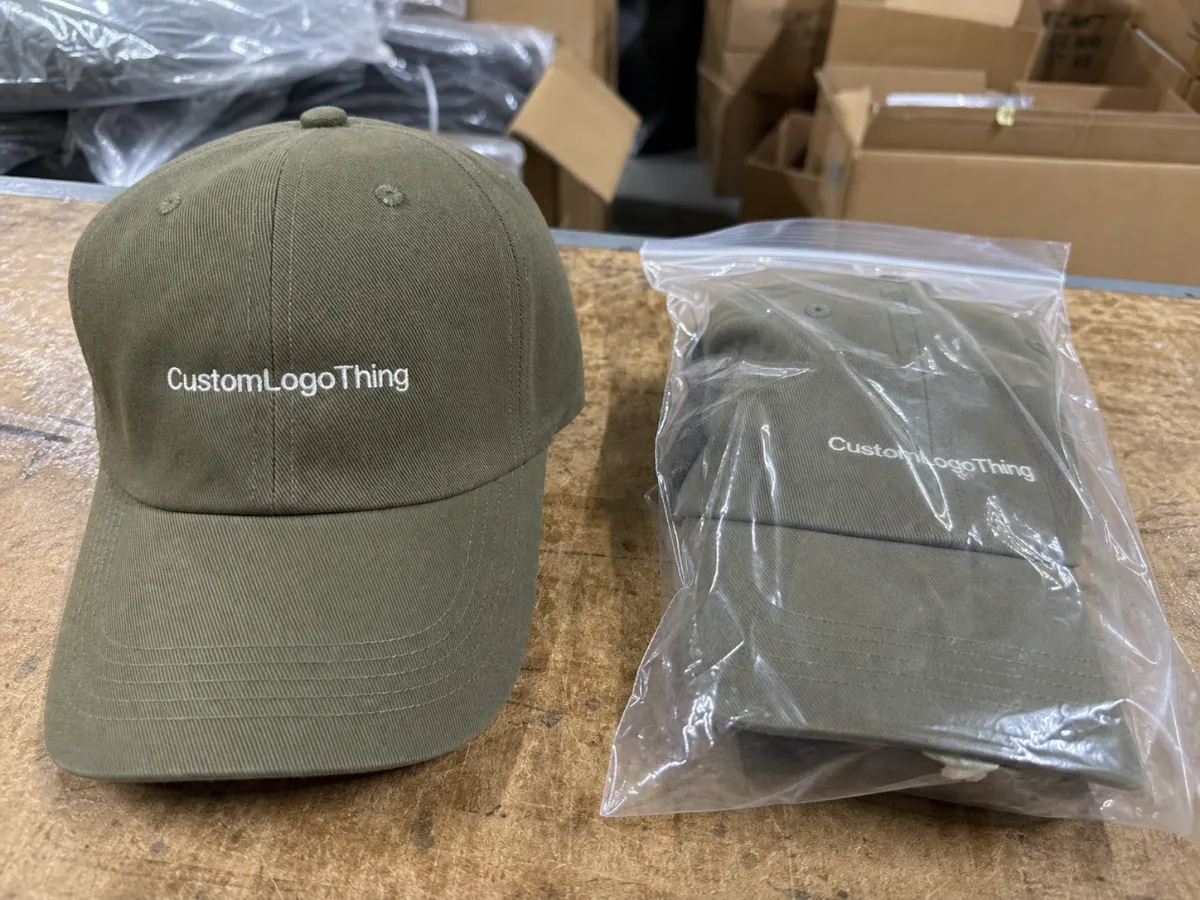
If you sell candles, you already understand presentation. The label, box, tissue, and insert all shape the unboxing experience. A candle brand trucker caps sample order does the same thing for merch. It lets you test fit, logo placement, patch quality, mesh feel, and retail appeal before you lock in a bulk run that may sit in storage if the cap looks wrong in person.
Sample orders catch the problems that digital proofs hide. The logo might be too small. The thread color might drift from the candle label. The patch border might be wider than expected. The crown may sit higher than your audience likes. These are not dramatic failures. They are the usual little misses that turn a clean brand into a sloppy one.
This is for candle makers planning retail merch, subscription box extras, holiday bundles, wholesale account uniforms, farmers market staff caps, influencer kits, or launch giveaways. If the cap is supposed to extend visual branding and strengthen brand consistency, then the sample is the buying tool that keeps the order honest.
A cap that looks fine on a screen can still feel cheap on a head. That is why the sample exists.
Expect direct specs, realistic minimums, clear sample costs, and production timing. No mystical merch wizardry. Just decisions, proofs, samples, approvals, and production. If you want more proof points, browse the Case Studies page for examples of how branded products get turned into saleable merch, and keep our FAQ handy if you are still comparing options.
What Makes Trucker Caps Work for Candle Brands
Trucker caps fit candle brands because both sell a lifestyle cue. A candle can say calm, coastal, rugged, botanical, apothecary, luxury, cabin, or slightly sarcastic kitchen-counter energy. The cap should live in the same neighborhood. If the candle brand feels warm and earthy, a cap in black foam with a bright patch may feel off. If the candles are clean and minimalist, a busy cap will fight the brand.
They also work well because they are practical. Breathable mesh matters at markets and events. Structured front panels give you room for decoration. The shape is familiar enough that buyers do not have to think about it. That matters. People buy what they understand in three seconds, not after a brand poem and a candle monologue.
Common uses include retail add-ons, launch merch, staff uniforms, gift-with-purchase campaigns, wholesale buyer kits, seasonal bundles, event giveaways, and loyalty rewards. The cap can be part of a larger set with jars, matches, and cards, or it can stand alone as a simple branded piece that keeps your name visible long after the candle burns out.
Decoration method matters more than most first-time buyers expect. Embroidery feels classic and durable. Woven patches handle detail better. Leatherette patches create a premium rustic look. Printed patches work for artwork with more color. PVC patches suit bolder outdoor-style branding. Thread is not a laser printer. It has limits, and the logo should respect them.
One more practical point: choose cap colors that connect with existing packaging instead of chasing a random trend. Matte black jars, kraft labels, amber glass, cream labels, and botanical packaging all translate into workable cap colorways. That kind of consistency makes the entire line feel intentional, which helps brand recognition without shouting.
Cap Styles, Logo Methods, and Sample Specs to Decide Early
Before you request a sample, decide the basics. Crown profile. Panel structure. Bill shape. Mesh color. Front fabric. Closure type. Cap color. Decoration method. Logo size. Placement. If you skip these choices, the sample process turns into a guessing game, and guessing is expensive for no good reason.
For structure, 5-panel caps give you a cleaner front face for patches or printed artwork. 6-panel caps look more traditional, but a center seam can affect logo placement. High-profile caps feel bold and merch-forward. Mid-profile caps are usually the safest retail choice. Low-profile caps are more understated, though they reduce the space available for decoration.
Closures also matter. Snapback is the standard and usually the most cost-effective. Hook-and-loop works well for staff uniforms. Metal buckle closures feel a little more retail, but they are less common on classic trucker caps. If the cap is going into a premium bundle, a nicer closure can help perceived value. If it is a staff piece, function probably matters more.
- Direct embroidery: best for simple marks, short text, and clean icons.
- Woven patch: better for fine lines, small lettering, and detailed logos.
- Leatherette patch: good for a rugged premium look and strong contrast.
- Printed patch: useful for artwork, gradients, and more color.
- Sublimated patch: useful for complex graphics that embroidery cannot handle.
For sample evaluation, do not just look at the front logo. Check front panel stiffness, mesh scratchiness, bill curve, sweatband feel, stitching cleanliness, patch edge finish, embroidery density, thread color accuracy, and whether the cap photographs well for product pages. If it looks good in a flat proof but weird in a real photo, that is a clue, not a compliment.
| Decoration Method | Best For | Sample Cost Tendency | Practical Tradeoff |
|---|---|---|---|
| Direct embroidery | Simple logos, bold text, clean icons | Usually the lowest setup burden | Fine details can disappear |
| Woven patch | Detailed artwork, small type, badges | Moderate sample pricing | Patch border and edge finish need review |
| Leatherette patch | Rustic premium branding | Moderate to higher, depending on finish | Looks strong, but not for every brand style |
| Printed or sublimated patch | Color artwork and gradients | Often higher for small sample runs | Print quality must hold up at close range |
Pricing, MOQ, and Unit Cost Factors for Custom Trucker Caps
Pricing for a candle brand trucker caps sample order depends on the blank cap, decoration method, patch type, artwork complexity, quantity, packaging, and shipping destination. Sample orders usually cost more per unit because setup, proofing, sourcing, and hand handling are spread across fewer pieces. That is normal. It is also why a sample is a test, not a bargain hunt.
For a single decorated sample, many buyers land somewhere around $18 to $45 per cap before freight. Simple embroidery on a standard blank can stay toward the lower end. Custom patch work, special colors, or complex finishing can push higher. Bulk pricing drops fast once the order moves out of sample territory. A run of 300 to 500 caps often prices very differently from a one-piece test, and 1,000-plus units can change the math again.
MOQ depends on the style and decoration. Stock blanks may start around 50 to 100 pieces for a small bulk order. Custom colors, specialty patches, and unusual trims may push the minimum higher. Buyers should not expect sample-level quantities to receive bulk pricing. That is not how production works, no matter how politely someone asks.
Cost drivers to watch:
- logo complexity and stitch count
- number of thread or print colors
- patch size and material choice
- cap color availability
- packaging and labeling requirements
- shipping speed and destination
If budget matters, simplify the logo, keep the decoration size reasonable, use standard cap colors, and approve one strong sample before branching into extra colorways. I would rather see one clean approved cap than five inconsistent versions that confuse the brand. For larger runs, our Wholesale Programs are the cleaner route once the specs are locked.
When you Request a Quote, send the target quantity, preferred cap style, decoration method, logo file, cap colors, delivery city, deadline, and packaging needs. If the cap is going into retail, say so. If it is for staff, say that too. Context changes the recommendation, and it changes the pricing.
Sample Process and Timeline from Artwork to Approval
The production path is usually straightforward. Inquiry. Artwork review. Cap and decoration recommendation. Quote. Digital proof. Sample production. Sample inspection. Buyer feedback. Revisions if needed. Bulk approval. If any step gets vague, the timeline gets longer. Factories do not reward confusion with speed.
- Send the logo file, target quantity, and cap preference.
- Review the recommended decoration method and price.
- Approve the digital proof with exact size and placement.
- Receive the physical sample and inspect it in daylight.
- Confirm any revisions before bulk production starts.
Typical timing depends on feedback speed and materials. Artwork review and quoting may take a few business days. Physical sample production can take longer if the cap needs custom patches, unusual thread colors, or special blanks. Shipping adds its own delay. If you need the caps for a launch, market, trade show, or holiday drop, build in buffer time. Deadlines get ugly when buyers treat approvals like a casual side quest.
What slows things down? Low-resolution logos. Missing Pantone or thread references. Overly detailed artwork. Unclear cap style choices. Late approval cycles. Unusual trim requests. Shipping hiccups. Some of these are avoidable. Some are just the cost of wanting something custom.
When the sample arrives, inspect the obvious and the boring. Logo size. Logo position. Front panel structure. Thread or patch colors. Stitching quality. Comfort. Closure function. Packaging condition. And yes, check how it looks in real-life lighting, not just under office LEDs that make everything look slightly better than it is.
If the change is small, such as a logo scale adjustment or thread color tweak, the revision may be simple. If you change the cap structure, decoration method, or patch material, expect a new sample. That is not punishment. It is physics. For shipping-heavy kits or retail bundles, it also helps to check transit performance against guidance from ISTA.
How to Prepare Artwork That Actually Looks Good on a Cap
Candle label art often needs to be simplified for a cap. Labels can hold tiny scent notes, legal copy, decorative borders, and delicate illustrations. A trucker cap cannot. The decoration area is smaller, curved, and read from farther away. If the art depends on fine detail, it needs editing before production starts.
Vector files are the best starting point. AI, EPS, PDF, or SVG files help keep edges clean. High-resolution PNG files can work for printed patches, but they are not ideal for embroidery or woven patches. If your logo only exists as a tiny image pulled from a website, stop there and fix that first. Bad source art creates bad samples. That part is not mysterious.
Use color references that mean something in production. Pantone numbers, thread references, or physical packaging samples are better than a laptop screen. Screens lie. That is just reality. If the candle jars are cream, the label is warm gray, and the box uses olive green, the cap should borrow from that same family instead of inventing a new identity.
What to simplify before production:
- tiny text
- hairline strokes
- overly detailed botanicals
- thin flame icons
- stacked layouts that get cramped on a cap
Badge-style or horizontal logos usually work better on the front of a cap. Tall narrow artwork can look awkward unless it is redesigned for the panel. Review the proof at actual size, not zoomed in. A logo that looks crisp at 300 percent may still be useless when embroidered at two inches wide.
Keep the cap tied to the rest of the system. Jars, labels, boxes, scent cards, and mailers should still feel like one brand. That is where brand consistency protects customer perception. It does not need to be identical. It needs to feel related. There is a difference, and buyers notice it immediately.
Quality Checks Before You Approve Bulk Production
The sample is not just a preview. It is the checkpoint that keeps you from ordering 500 caps with crooked patches, weak mesh, unreadable logos, or colors that make the brand look like it was assembled in a parking lot. A good sample gives you confidence. A bad one saves you from a bigger problem.
Physical checks: crown symmetry, bill shape, front panel firmness, mesh feel, sweatband comfort, closure durability, stitch tension, thread trimming, patch adhesion or stitching, and decoration alignment. If any of these look rushed, ask for a correction before bulk production.
Brand checks: logo readability, color match, artwork scale, placement height, patch border color, cap-to-packaging harmony, and whether the cap matches the intended customer profile. A cap meant for retail needs a different finish level than a cap meant for staff. The target changes the standard.
If the caps are being sold, judge perceived value honestly. A $28 retail cap needs to feel worth the money. It should not read like a freebie people take because it is sitting next to the register. If the caps are for market teams or wholesale reps, comfort matters more than hype. A stiff, hot, cheap-feeling cap will stay in the box.
For packaged sets, the shipping side still matters. If caps ship alongside candles, inspect how the whole kit behaves in transit. Paper inserts and hangtags can carry FSC-certified sourcing choices, which is one reason FSC stays relevant for brands that care about paper-based packaging claims.
Before production starts, document the approval. Save the sample photos. Lock the specs. Confirm quantity. Confirm packing method. Confirm shipping address. Then move forward. That paperwork is boring, and that is exactly why it saves people from dumb disputes later.
Next Steps to Place a Sample Order Without Wasting Time
Start with a clear purpose. Is the cap for resale, gifting, staff, promo bundles, or wholesale? Then set the target quantity, preferred style, decoration method, cap colors, budget range, deadline, and shipping location. The better the brief, the better the sample. Simple as that.
Do not order five confused versions just because options feel safe. One strong sample usually tells you enough. Once that shape and decoration method work, you can expand into more colorways or variants. Buyers lose time when they chase too many directions before proving one design actually sells.
What should you send Custom Logo Things? Brand logo files. Product photos or packaging references. The desired cap vibe. Quantity. Launch date or event date. And whether the caps are for resale, uniforms, gifting, or promotional bundles. That context helps us give a recommendation that matches the actual use, not just the artwork.
Respond quickly to proof questions. Be specific about color and placement changes. Do not approve a sample unless it meets the quality level needed for the full order. After that, lock the specs, confirm bulk quantity, approve the invoice, and schedule production with enough buffer for packing and delivery.
That is the cleanest way to move from idea to inventory. A candle brand trucker caps sample order keeps the spend controlled, shows you how the cap will really look, and lets you buy the full run with fewer surprises. That is the point. Not drama. Not guesswork. Just a tighter merch decision that protects the brand and the budget.
FAQ
How much does a candle brand trucker cap sample order usually cost?
Sample orders usually cost more per cap than bulk runs because setup, proofing, decoration testing, and small-batch handling are spread across fewer pieces. For a single decorated sample, many buyers land around $18 to $45 before freight, depending on blank quality and decoration method. The fastest way to get a real quote is to send the logo file, target quantity, decoration preference, deadline, and delivery city.
What is the MOQ for custom trucker caps for a candle brand?
MOQ depends on the cap style, decoration method, and whether the order uses stock blanks or custom materials. Stock-based runs may start around 50 to 100 pieces, while specialty colors or custom patch work can push that higher. If budget matters, start with one approved sample and one cap color before adding extra variations.
Should a candle logo be embroidered or made as a patch on trucker caps?
Direct embroidery works best for simple logos, short text, and bold icons. Woven, printed, or leatherette patches are usually better for detailed artwork, thin lettering, or scent-inspired illustrations. If the candle label has tiny text or fine botanical details, simplify it before putting it on a cap.
How long does a custom trucker cap sample take before bulk production?
Timing depends on artwork readiness, proof approval speed, cap availability, decoration method, and shipping. Standard blanks and simple embroidery move faster than custom patches or unusual cap colors. Buyers with launch dates, trade shows, or holiday drops should build in extra buffer instead of gambling on last-minute approvals.
What should I check when the candle brand cap sample arrives?
Check logo placement, decoration size, color match, patch or embroidery quality, cap shape, mesh comfort, closure function, and the overall retail feel. Photograph the cap next to candle jars, boxes, and labels to confirm the branding looks connected. Approve bulk production only after the exact specs, quantity, packing method, and shipping details are confirmed.