Electronics seller poly Mailers Lead Time gets stretched fastest by missing specs, slow approvals, and those tiny last-minute changes that sound harmless until they push a shipment out by two weeks. If you sell cables, accessories, compact devices, or boxed electronics, you already know packaging does not sit politely in the background; it quietly controls the rest of the fulfillment schedule.
Plenty of buyers assume lead time only means the days a factory spends printing. That definition leaves out a lot. Real electronics seller Poly Mailers Lead time begins with the first quote request and ends when the mailers are delivered, counted, and ready for packing. That wider view matters because electronics launches tend to move quickly, product dimensions vary more than people expect, and one wrong measurement can turn a routine order into a remake nobody budgeted for.
The practical version is the useful one. Skip the polished packaging jargon and pay attention to the pieces that actually move the clock: specifications, proofing, freight, and the small decisions that keep a purchase order from drifting.
What Electronics Seller Poly Mailers Lead Time Really Means
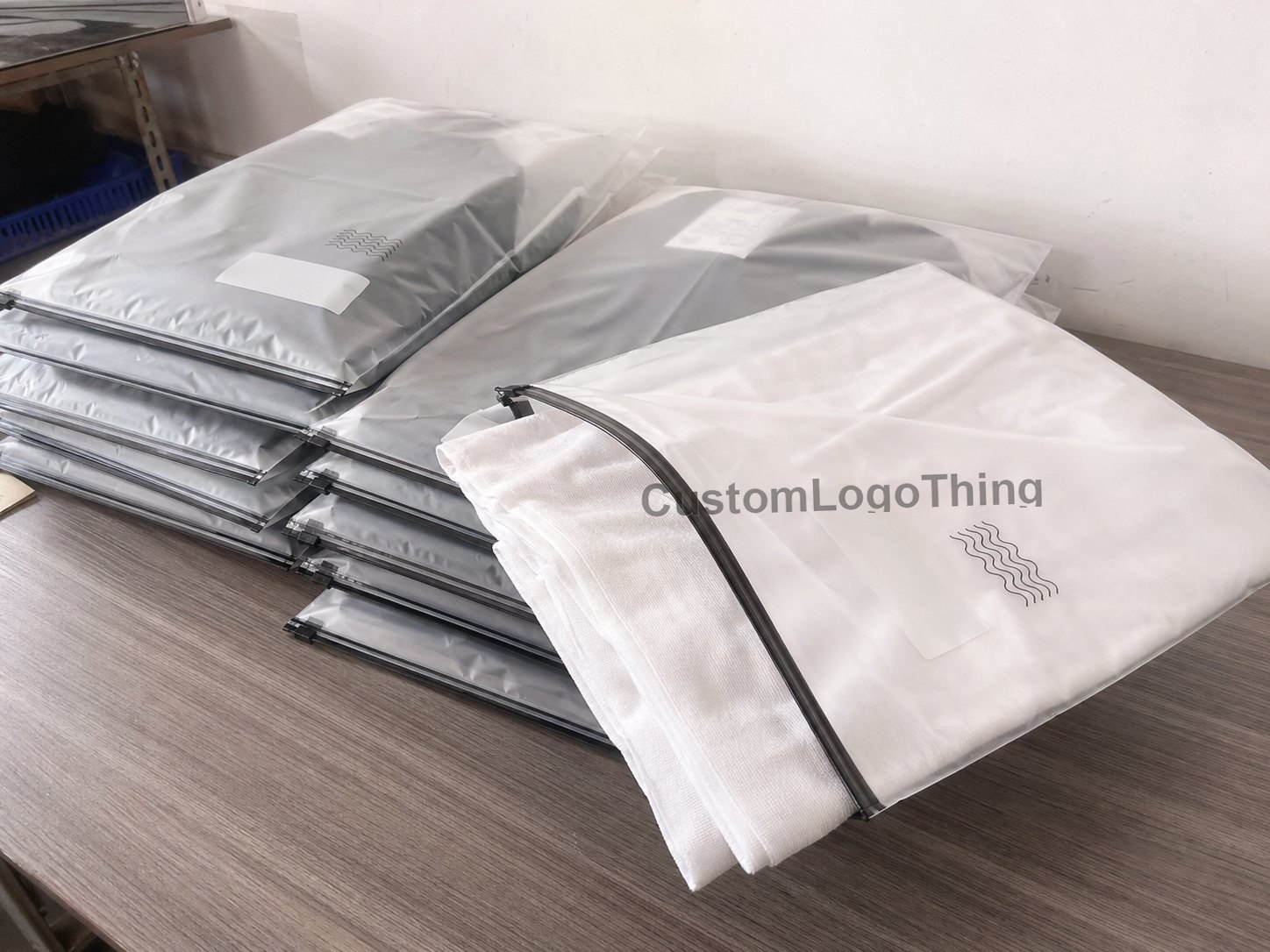
Electronics seller poly mailers lead time is the full clock from your first RFQ to the moment finished mailers reach your door or freight forwarder. That includes quote review, artwork intake, proof approval, material sourcing, printing, finishing, quality checks, packing, and transit. A supplier may tell you "7 production days," and that can be true, but it is only one slice of the timeline.
Electronics sellers face a tighter packaging calendar than a generic apparel brand. A T-shirt can often survive a messy schedule. A bundle of charging cables, adapters, power banks, or small retail boxes usually cannot. A bag that is 10 to 15 mm off in size, or a print layout that collides with a barcode or warning label, can stop the job cold. That is how a two-week timeline turns into a month of emails, revised proofs, and polite blame-shifting.
Small details cause the biggest delays. Sending a supplier a note that says "mailer for earbuds" barely gives them enough to start. Exact width, length, film thickness, closure style, tear strip preference, retail packaging type, and extra clearance for returns give the supplier something usable. Clear specs almost always save more time than a rush fee, and that is not marketing talk, just the boring truth.
Electronics seller poly mailers lead time also plays directly into inventory planning. If your launch date is fixed, the mailers need to arrive before packing starts, not after. That sounds obvious, yet a surprising number of plans are built from the production date instead of the delivery date. One delay in proofing or freight can ripple into missed preorder windows, late replenishment, and a customer service inbox that starts lighting up before noon.
The fastest supplier is rarely the one with the shortest production promise. The supplier that asks the best questions before the order starts usually saves more time.
Predictability matters more than speed alone. A buyer needs a timeline that can be trusted, a spec sheet that leaves little room for surprise, and a supplier willing to flag risks before approval. That is what turns electronics seller poly mailers lead time from a guessing game into a process you can actually manage.
Electronics Seller Poly Mailers Lead Time: Process and Timeline
A well-run order usually passes through seven stages: RFQ and spec review, proof or sample approval, material prep, printing, curing or finishing, quality control, packing, and transit. Suppliers may label those stages differently, but the logic stays the same. Time lost early in the process reduces your control later. That is one reason electronics seller poly mailers lead time often feels longer than expected even when the factory is running efficiently.
Stock mailers move quickly when the size and color are already on hand. A simple reorder may leave the production floor in 3 to 7 days. Custom printed orders usually need a more realistic planning window of 7 to 15 production days before freight. Add time for special inks, multiple print colors, custom dimensions, anti-static film, or heavier gauge material. None of that is dramatic, but all of it is real.
Shipping runs on a separate clock. Buyers mix that up constantly, then wonder why a "fast" order still misses the launch. Domestic transit may take 2 to 5 business days. International air freight often adds 5 to 10 business days depending on consolidation and customs handling. Ocean freight can add 2 to 4 weeks or more. A factory can finish on schedule and the order can still land late.
Electronics seller poly mailers lead time is often delayed by approvals rather than machinery. Missing Pantone references, unclear barcode placement, vague artwork, or a three-day pause while someone searches for the final logo file can stop the clock. The supplier is not necessarily moving slowly in those moments. They are waiting on the buyer. That difference matters because it shows exactly where the process needs tightening.
A realistic custom order often looks like this:
- Day 1-2: RFQ, quote comparison, and size confirmation.
- Day 2-4: Artwork submission and proof preparation.
- Day 4-6: Buyer approval or small revision.
- Day 6-11: Material prep, printing, and finishing.
- Day 10-13: QC, packing, and carton labeling.
- Day 13-20+: Transit, depending on route and mode.
That timeline is a planning frame, not a promise. A new film gauge, anti-static additives, or a large batch can move the schedule. A reorder with unchanged art and stock film can shorten it. The important part is separating production time from delivery time so your electronics seller poly mailers lead time estimate actually helps instead of just sounding tidy.
Packaging and transit expectations become easier to handle when they are grounded in established references. Parcel testing standards from ISTA are useful for thinking about distribution stress, while EPA recycling guidance can help when recycled content claims or end-of-life messaging matter. Neither one shortens electronics seller poly mailers lead time on its own, but both keep packaging decisions tied to something sturdier than guesswork.
Key Factors That Stretch or Shrink Lead Time
Customization affects timing more than almost anything else. Stock mailers move faster than custom print, and a one-color logo is generally easier to schedule than a full-coverage design. That difference comes from registration, ink coverage, drying, stacking, and packing. A printer has to get all of those right, not just the artwork. Electronics seller poly mailers lead time usually gets shorter when the spec stays simple.
Quantity pulls the schedule in two directions. Small runs can be easier to slot in and may move faster, though the unit cost is usually higher. Large runs often improve the per-piece price, yet they take more machine time, more packing labor, and more staging space. The bigger order may look better on paper and still take longer in practice. Packaging has a habit of making both of those things true at once.
Material choices are another quiet source of delay. Film thickness, bag size, adhesive type, tear strip style, matte or glossy finish, and anti-static requirements all affect sourcing and setup. Recycled content or lower-density film can require a different roll source or a different print run. The same pattern shows up with specialty electronics packaging such as ESD-safe poly mailers, moisture barrier liners, or padded mailers for fragile accessories. Each feature can add a few days to electronics seller poly mailers lead time, sometimes more.
Supplier location and freight mode matter just as much as the factory schedule. A low quote with slow ocean freight stops being cheap if the inventory arrives after your sell-through window closes. A domestic printer can also miss your date if the proof cycle drags or the schedule is already packed. The best route is usually the one that balances unit cost with dependable transit, not the one that wins the lowest number on the quote sheet.
Peak season can wreck a plan without much warning. Holiday replenishment, product launches, marketplace promotions, and quarter-end restocks all pile onto the same calendar. Machines fill up, cartons get harder to source, and freight slows down because everyone else is shipping too. A one-week buffer is decent. Two weeks is safer. Three weeks is not unusual for international freight.
A simple comparison helps make the tradeoffs clearer:
| Option | Typical Lead Time | Typical Unit Cost | Best For | Main Risk |
|---|---|---|---|---|
| Stock plain poly mailers | 3-7 production days plus shipping | $0.06-$0.14 | Fast replenishment and size testing | Limited branding and fewer size choices |
| Semi-custom printed mailers | 7-12 production days plus shipping | $0.12-$0.24 | Repeat SKUs with basic branding | Artwork changes can slow the order |
| Fully custom printed mailers | 10-15 production days plus shipping | $0.18-$0.35 | Launches, retail-ready branding, higher volume | More setup, proofing, and freight sensitivity |
The table is a planning frame, not a universal price sheet. Quantity, film thickness, print coverage, shipping lane, and MOQs can move every number. Even so, it gives buyers a better way to compare electronics seller poly mailers lead time options without pretending every supplier works the same way.
Internal sourcing also helps. When a catalog uses a few repeatable formats, it is much easier to order from a known spec instead of starting from scratch each time. That is one reason sellers benefit from organized product pages like Custom Poly Mailers and broader sourcing hubs like Custom Packaging Products. Reuse a proven spec and electronics seller poly mailers lead time becomes a lot less dramatic.
Cost, Pricing, and MOQ for Electronics Seller Poly Mailers
Cost deserves a careful look, because this is where a lot of buyers get pulled toward the lowest number and then wonder why the order feels expensive later. The real cost of electronics seller poly mailers lead time is not only the unit price. It also includes setup fees, plate or cylinder charges, sample fees, freight, duties, and sometimes rush surcharges. A per-piece quote without the rest of that picture is just a headline.
MOQ changes the math in a very real way. Smaller quantities usually carry a higher unit cost because setup work gets spread across fewer bags. Larger quantities can bring the unit price down, but they also tie up more cash in inventory. For a seller with fast turnover, that may be fine. For a seller with uneven demand, it can create a storage and cash-flow headache. The best order is not always the biggest one. It is the one that keeps inventory healthy without freezing too much capital.
Ask for a quote in a format that makes comparison easy:
- Unit price by quantity tier.
- Setup cost for plates, cylinders, or files.
- Sample or proof cost if applicable.
- Production lead time separate from transit.
- Shipping terms and destination.
- Any rush or split-shipment fees.
When those items are bundled into one vague number, electronics seller poly mailers lead time becomes hard to manage and the budget becomes hard to trust. A clean quote separates production time from shipping time. If the answer feels fuzzy, ask again. A sharp quote saves more time than a clever one.
The lowest quote is often the slowest, the thinnest, or the one with a surprise line item that shows up after approval. Sometimes it is all three. Thin film can split in transit. A cheaper print process may add drying time. Freight can erase the savings before the cartons arrive. That is why landed cost matters more than sticker price, especially in electronics seller poly mailers lead time planning.
There are still practical ways to cut cost without making the mailer look generic. Standard sizes usually cost less than one-off dimensions. Fewer ink colors are easier to print and easier to reprint later. Repeatable artwork reduces proofing. If your brand can live with one or two print placements instead of full-coverage graphics, you can often save both time and money. Nothing magical there, just cleaner buying.
For sellers with a broad electronics catalog, standardizing two or three mailer sizes around the most common product dimensions usually pays off. That keeps the quote cycle tighter and prevents electronics seller poly mailers lead time from changing every time a new SKU launches. A little plain on the spreadsheet, very useful in practice.
Step-by-Step Ordering Plan for Faster Turnaround
Shorter electronics seller poly mailers lead time starts with a vendor-ready packet. Half-finished emails and scattered attachments force the supplier to fill in the gaps, which slows everything down. Put the essentials in one place: exact dimensions, material thickness, closure style, print area, color references, product weight, and annual volume by SKU. Better input means fewer back-and-forth messages.
Decide whether the job is stock, semi-custom, or fully custom before asking for quotes. That one call changes the timeline more than most buyers realize. If the supplier is quoting while you are still deciding, every number becomes provisional. Provisional quotes can still be useful, but they are not a plan.
Get two or three quotes using identical specs. Same size, same film, same colors, same shipping terms, same destination. A DDP quote and an FOB quote are not the same comparison. A 2.5 mil film and a 3 mil film are not the same comparison. Basic as that sounds, it still gets missed often enough to cause confusion around electronics seller poly mailers lead time and price.
Approvals need a deadline. Send artwork, Pantone references, barcode placement, logo placement, and any warning text in one clean file set. Then approve or reject the proof in writing the same day if possible. Every extra day in approval is borrowed time from production. If several people need to review the proof, pick one person to sign off. Committee approval is a reliable way to turn a simple mailer order into a long one.
Plan inventory backward from the launch date, not forward from the factory date. Count back from the day the finished mailers need to be on site, then add buffer for transit, rework, and the usual human delays that show up whenever a team member is on vacation or buried in another project. Building that cushion is cheaper than paying for emergency freight and far less stressful than telling operations the packing line is waiting on bags.
A workflow that works well in practice looks like this:
- Lock the spec before asking for price.
- Confirm the delivery date before approving artwork.
- Separate production time from transit time in writing.
- Keep one decision-maker on the approval side.
- Track reorder points so the next order goes out before pressure builds.
That last point matters more than people admit. The best electronics seller poly mailers lead time strategy is rarely a heroic rush. It is an early reorder. If the last 1,000 bags are already in use, that is not inventory management. That is a gamble with a freight schedule.
Packaging buyers who want the broader picture usually benefit from reviewing categories like Custom Packaging Products before the next sourcing round starts. Once the format, size, and volume logic are clear, the lead time discussion gets much easier to handle. That is the kind of work that keeps a late night from turning into a launch delay.
Common Mistakes That Blow Up Lead Time
Vague sizing is the first classic mistake. "Mailer for headphones" is not a spec. Neither is "something medium." A supplier needs bag width, bag length, usable depth, closure style, and whether the item ships boxed or loose. If the bag is too tight, the order can fail on fit. If it is too loose, the customer experience looks sloppy. Either way, electronics seller poly mailers lead time gets wasted while someone fixes a problem that should have been solved at the start.
Artwork changes after approval create the second kind of trouble. People know better and still do it. Move a logo, change a color, revise a legal line, and the schedule can reset. Sometimes the delay is minor. Sometimes it becomes a full rerun. The printer is not overreacting. They are trying to avoid shipping the wrong job. If the artwork is still in motion, the order is not ready.
Ignoring transit is another costly mistake. A buyer sees a 10-day production quote and relaxes, then freight adds 8 days, customs adds 2, and the launch team starts sending anxious messages. Production time is only part of the answer. Transit is part of electronics seller poly mailers lead time, plain and simple.
Skipping sample testing causes problems that often show up after the customer has already received the package. Electronics packaging still needs to protect against scuffing, tearing, corner pressure, and the rough handling that comes with parcel distribution. A good mailer should survive normal movement without opening, stretching badly, or splitting at the seal. For accessories or boxed electronics, testing the bag with the actual packed weight is a smart move. Larger orders or heavier items may benefit from transit simulation based on ISTA methods. Testing costs less than a wave of complaints.
Ordering too close to peak demand causes the fifth kind of pain. Holiday volume, product launches, and marketplace promotions all squeeze the calendar. If the order goes in at the last minute, the risk rises. Factory congestion, freight delays, customs holds, and ordinary human mistakes all get more likely under pressure. Buffer is not waste. It is insurance for electronics seller poly mailers lead time.
A quick reality check before the next PO goes out:
- Exact dimensions are written down.
- Artwork is final and approved.
- Transit method is confirmed.
- Delivery date includes buffer.
- One person owns approvals.
- Reorder point is set before stock gets low.
The list is plain on purpose. It works anyway.
Expert Tips and Next Steps for Your Next Reorder
A simple supplier packet removes a lot of friction on the next order. Keep one spec sheet, one artwork folder, one shipping address list, and one internal contact who can approve changes quickly. That way, electronics seller poly mailers lead time is not held up by somebody hunting through email attachments from three months ago. A clean packet can shave days off a reorder because the supplier is not chasing basic information.
Standardize the sizes that work best. Most electronics catalogs have a few repeatable formats that cover most products. Use those. It cuts down design churn, quote churn, and approval churn. Repetition is not boring in this context. Repetition is efficient. That is how electronics seller poly mailers lead time stays predictable across launches and replenishments.
Ask suppliers to quote three paths at once: stock, custom, and expedited. That gives a direct comparison between cost and speed instead of forcing you to guess which option is worth it. Sometimes the custom route is only a little slower and looks much better. Sometimes the stock mailer solves the immediate need and buys time for a better print run later. Good buying usually means choosing the right route, not the fanciest one.
Keep emergency blank inventory for the fastest-moving SKUs. Use custom mailers for products that can tolerate a longer replenishment cycle. That split gives you room to move and lowers the chance that one delay turns into a stockout. In practice, it is one of the better ways to handle electronics seller poly mailers lead time without paying rush costs every month.
Comparing quotes as landed cost, not just unit price, gives the clearest picture. If one supplier is cheaper but slower and another is a little pricier but reliable, run the numbers against actual selling time instead of purchase cost alone. The right packaging decision is the one that protects margin and keeps orders moving. Not fancy. Just the part that matters.
Before the next reorder, audit what is already on hand, count weeks of cover, and request fresh quotes with the same spec from each vendor. Then compare electronics seller poly mailers lead time against landed cost and make the decision with eyes open. That is the step people skip, and it is usually the step that costs them later.
For buyers who want to browse options before placing the next order, the page for Custom Poly Mailers is a useful place to frame size, print, and material choices without starting from scratch. Less guessing. Cleaner timelines.
Electronics seller poly mailers lead time is not a mystery when it is treated like a process instead of a single number. Lock the specs, approve proofs quickly, separate production from freight, and do not let one small revision turn into a late shipment. Before the next PO goes out, write down the final dimensions, confirm the freight lane, and choose one person to sign off on the proof so the order can move without stalling.
Frequently Asked Questions
What affects electronics seller poly mailers lead time the most?
Artwork approval and missing specs usually create more delay than the printing line itself. Custom sizes, thicker film, and specialty features like anti-static material can add sourcing time. Transit method matters too, so a fast production quote can still arrive late if freight is slow.
How long should I budget for custom electronics seller poly mailers?
A common planning range is about 7 to 15 production days for custom printed mailers, plus shipping time. Stock orders can move faster, but custom artwork, revisions, or specialty materials can push the schedule out. If the launch date is fixed, build in extra buffer so one approval delay does not break the plan.
Can I reduce lead time without paying rush fees?
Yes. Lock specs early, keep artwork simple, and approve proofs the same day they arrive. Standard sizes and repeat orders usually cut delays more reliably than asking for speed later. A supplier that separates production and transit in the quote is much easier to manage than one vague all-in promise.
Does MOQ change electronics seller poly mailers lead time?
It can, because larger MOQs may take more machine time and packing time even if the unit price improves. Very small orders can also be slower if the supplier batches them behind bigger jobs. The best spot is usually a repeatable MOQ that matches your monthly demand and reorder rhythm.
What should I send to get an accurate quote fast?
Send exact dimensions, material thickness, print colors, artwork files, quantity, and your delivery ZIP or port. Include whether you need stock, custom, or a first-order sample so the supplier can quote the right process. Ask for lead time, unit cost, setup fees, and freight separately so you can compare vendors cleanly.

