Fitness Brand Compostable Mailers Proofing
Fitness Brand Compostable Mailers proofing can look like a routine box to tick until the order is attached to a launch date, a retail reset, or a subscription drop that cannot drift by even a few days. A proof that looks gorgeous on a monitor can still go kinda sideways once the film is folded, sealed, stuffed, and handed to fulfillment. The seam may cut into the artwork, the ink can land softer than expected, and a barcode that sat neatly in the PDF may end up riding too close to a crease once the bag is packed with product.
Fitness labels feel those small misses faster than most brands because the product mix is rarely tidy. Apparel, supplement kits, recovery tools, and bundled SKUs all load and ship differently, which means fitness brand compostable mailers proofing has to cover artwork, structure, claim language, and real handling before production starts. The strongest proof is not the prettiest file. It is the one that shows whether the mailer closes properly, prints cleanly, and still supports the brand story without creating a costly redo later.
Sustainable packaging carries a double burden. It has to survive the trip and hold up under scrutiny from buyers who want the claim to be real, not just well phrased. Green packaging can strengthen brand identity and support a lower-impact message, but if the proof is vague or the language overreaches, trust slips fast. That tension sits right at the center of fitness brand compostable mailers proofing: creative direction on one side, material behavior and claim accuracy on the other.
What Fitness Brand Compostable Mailers Proofing Really Means
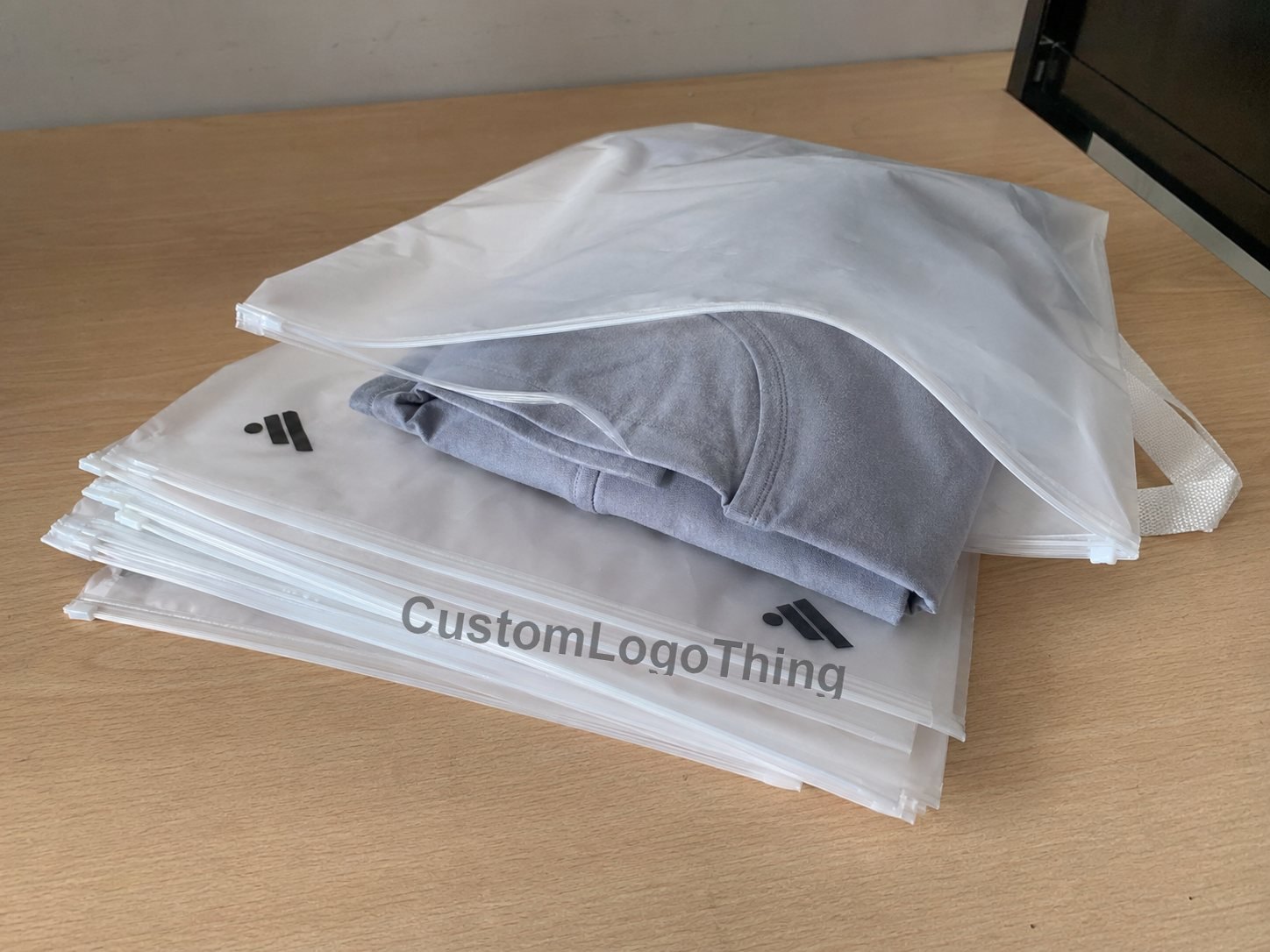
At its core, fitness brand compostable mailers proofing is the approval stage where the supplier and buyer lock in size, artwork, layout, messaging, and material choice before the run begins. On paper, that sounds administrative. In actual packaging work, it is the point where the team decides whether the mailer will fit the product, whether the print can live on the chosen film, and whether the sustainability language can stand up to a closer look.
Compostable films do not behave like standard poly. Some are stiffer. Some soften color more than expected. Some seal with a different feel under heat or pressure. A design that looks balanced in a digital file may shift when the substrate stretches, when the fold line moves, or when the seal needs more room than the artwork allowed. That is why fitness brand compostable mailers proofing has to account for both the visual system and the physical package.
Fitness brands need a tighter review than many other e-commerce sellers because the product mix changes so much from launch to launch. A shaker bottle ships differently than a resistance band. A sample sachet fills space in a way a hoodie never will. Even one campaign can need different panel layouts for light apparel, heavier bundles, and subscription inserts. If the proof ignores those variations, the cleanest-looking design can become the wrong mailer once it reaches the warehouse.
There is also the matter of claims. Sustainable language helps only when it is precise. A proof should spell out whether the mailer is industrially compostable, whether a standard such as ASTM D6400 or EN 13432 applies, and what the brand can say on-pack without stretching the facts. Compostable, recyclable, biodegradable, carbon-conscious, zero waste — those terms do not mean the same thing, and a proof that blurs them can turn a packaging win into a compliance headache.
From a buyer's point of view, the job of fitness brand compostable mailers proofing is to remove surprises. Before final approval, three questions need clear answers: does it fit, does it print, and does it support the claim? When those answers are firm, the launch has a much better chance of staying on schedule.
"A proof is not just a picture. It is a contract between design, operations, and compliance."
How Fitness Brand Compostable Mailers Proofing Works in Practice
The first step in fitness brand compostable mailers proofing is usually the brief. The buyer sends the artwork, finished size, product weight range, mailing method, and any sustainability language that needs to appear on the bag. A strong supplier then builds a dieline or a digital proof so everyone is reviewing the same layout. If the brand is also ordering labels, sleeves, or inserts, that is the right moment to line those pieces up with the mailer too.
Three proof types matter, and each one answers a different question. A digital proof checks placement, copy, and layout. A physical sample checks feel, opacity, print behavior, and seal performance. A press-ready approval confirms that the final file can move into production without further design changes. In fitness brand compostable mailers proofing, teams often need all three because a PDF cannot show how the film behaves once it is filled and compressed.
The line-by-line review should stay specific. Check logo placement, safe area, bleed, barcode zone, shipping label space, return address panel, tear notch position, and seal strip. Many mailers use a 0.125 in bleed and a clear safe margin as a starting point, though the exact spec depends on the supplier's tooling. Tight edges can look crisp on-screen and crowded in hand. That is why fitness brand compostable mailers proofing should always include a dimension check, not just a quick visual approval.
Color is another place where assumptions cause trouble. Compostable substrates often print differently than poly. A navy can soften. A black may read warmer. A pastel can lose contrast faster than expected. Instead of chasing a perfect digital match, define the acceptable range before the run starts. In a careful fitness brand compostable mailers proofing process, the supplier should explain whether the target is based on a Pantone match, a close digital simulation, or an earlier approved sample.
Keep the approval flow simple and visible:
- Review the first proof for size, layout, and copy.
- Mark changes with exact notes instead of broad comments.
- Receive the revised proof and confirm the updates.
- Approve the final specs, claims, and shipment timing.
- Release the order into production.
If that chain breaks, the launch slips. If it holds, fitness brand compostable mailers proofing becomes a steady handoff instead of a last-minute scramble.
Cost, Pricing, MOQ, and Quote Variables for Compostable Mailers
Fitness brand compostable mailers proofing affects cost more than many buyers expect. Quantity drives part of the quote, but size, film structure, print coverage, number of colors, finish, gusset shape, and added strength for heavier bundles all move the number too. A 6 x 9 in apparel mailer is priced very differently from a 10 x 13 in compostable option built to handle bulkier contents, even before artwork is added.
MOQ changes the economics of setup. Smaller runs carry more unit overhead, especially when the supplier has to prepare a custom proof, set color targets, and manage revision rounds. Larger runs spread those costs across more pieces, which lowers the unit price. For many buyers, that difference is not small. A run of 1,000 can fall into a very different band than 5,000 or 10,000 pieces, and that gap widens again if the design uses full coverage or multiple colors.
Proof-related charges should be itemized. Some vendors include a digital proof at no charge. Others bill separately for samples, revision rounds, special color matching, or rush handling. A physical sample may be its own line item, and freight may sit outside the quote. If a supplier gives a low unit price but leaves out proofing, shipping, or customs, the landed total can climb past the competing bid. That is why fitness brand compostable mailers proofing should always be tied to an itemized quote, not a single headline number.
Here is a practical comparison buyers can use during vendor review:
| Proofing Option | Typical Added Cost | Typical Turn Time | Best For | Watch-Out |
|---|---|---|---|---|
| Digital proof | $0-$75 | 1-3 business days | Layout, copy, size, panel placement | Cannot show texture or seal behavior |
| Physical sample | $40-$150 plus shipping | 3-7 business days | Color feel, material hand-feel, fold and seal | May require separate sample approval before production |
| Revised sample | $50-$200 | 3-7 business days per round | Second-pass corrections and claim edits | Delays stack if feedback is vague |
| Press-ready approval | Often included, sometimes $25-$100 | Same day to 2 business days | Final sign-off before production | Any later change can restart the clock |
Those figures are not universal, and they should never be treated as a quote. Even so, they give a useful frame for fitness brand compostable mailers proofing budget talks. For a buyer balancing unit cost, launch timing, and brand identity, the better question is not "What is the cheapest proof?" It is "Which proof prevents the most expensive mistake?"
Shipping and customs can shift the total quickly. A landed price rises once freight, import duties, and final delivery are included. That matters when the team is comparing a domestic supplier with an overseas one or trying to understand whether green packaging still fits the budget at scale. If you are still comparing formats, it can help to review Custom Poly Mailers alongside compostable options and see where the performance trade-offs sit.
If the team needs a broader packaging reference point, Custom Packaging Products can help compare mailers, inserts, and shipping components before proofing begins. When buying teams want a real-world sense of how packaging decisions affect launches, the Case Studies page is useful for seeing how options were selected under production pressure.
Process and Timeline: Production Steps From Proof to Shipment
The usual fitness brand compostable mailers proofing timeline starts with intake, moves to proof creation, then loops through revisions, sample approval, production, finishing, and dispatch. The number of days changes from job to job, but the structure stays fairly steady. What shifts most often is the buyer's response time. One delayed note can push a launch back several days, and in a seasonal campaign that delay can cost more than the proof itself.
Digital edits move fast. Material sourcing does not. Printing setup takes time. Quality checks take time. If the supplier needs to confirm a specific compostable film structure, or if the artwork uses heavy coverage that changes the ink laydown, the turnaround can stretch. On a standard custom run, a practical target often sits around 12-15 business days from final proof approval to shipment, though that window widens if the order is complex or if the film has to be sourced to spec.
Fitness brands should build the launch calendar backward from the ship date. If influencer kits need to leave before a drop, proof approval has to happen before packing lists are locked. If the order supports a subscription box, the proofing schedule has to sync with the box close date. If the mailers are used for a pre-order campaign, the team may need room for one revision cycle and one sample round. In fitness brand compostable mailers proofing, the calendar matters as much as the artwork file.
A clear milestone system keeps the process manageable:
- Marketing approves the brand identity, copy, and unboxing experience.
- Operations checks dimensions, seal strength, and fulfillment fit.
- Compliance signs off on compostable language and any sustainability claim.
- Procurement confirms MOQ, freight, and final landed cost.
- Leadership gives the final approval on timing and launch risk.
That structure keeps fitness brand compostable mailers proofing from becoming a one-person bottleneck. It also lowers the chance that someone signs off on a design that looks polished but misses the operational details. A mailer is part of the shipping system, not just part of the visual system.
A useful rule of thumb: if the proof cycle runs deeper than three rounds, the brief probably needs to be rewritten. That is not a hard law, but it often signals that the team is still sorting out product fit, claim language, or bag style.
Key Factors That Make Compostable Mailers Work for Fitness Brands
Different fitness products create different packaging demands, and that is where fitness brand compostable mailers proofing earns its place. Soft apparel wants a clean fold and room for a branded insert. Protein samples and sachets need a mailer that closes securely without looking overstuffed. Recovery accessories may need more puncture resistance. Mixed bundles can call for a wider panel or a gusseted shape so the package does not strain at the seam.
Barrier and seal performance matter more than many designers expect. A fitness shipment may sit in a warm warehouse, pass through humid conditions, or spend days in a truck. Compostable material can perform well, but the team needs to know how the chosen film behaves under stress. Does the seal hold? Does it tear predictably? Does it dent or wrinkle when stacked? In fitness brand compostable mailers proofing, those questions should be answered before any production order is released.
Branding still matters, and it should not be treated like decoration. Strong typography, simple iconography, and a few well-placed claims usually print better than dense artwork crowded with thin lines. If the design tries to say everything, the printable space shrinks and the message loses force. The strongest mailers usually strike a better balance: enough visual energy to support the brand identity, enough white space to keep copy readable, and enough restraint to leave room for labels and barcodes.
That balance shapes the unboxing experience too. For a fitness brand, the act of opening the shipment can be part of the product promise. A bright, bold mailer with a clean closure can feel more premium than a noisy package overloaded with copy. The opposite is true as well. If the film scuffs easily or the print looks washed out, the package can feel less polished even when the contents are excellent. Fitness brand compostable mailers proofing is where those small sensory details are tested before customers see them.
Compliance and claim accuracy matter just as much. A brand should not overstate compostability, confuse industrial composting with home composting, or use recycling language that does not fit the material. If paper inserts are part of the pack, FSC-certified stock can make the documentation cleaner. For transit testing, many suppliers reference ISTA methods; for sustainability claims and broader environmental context, teams often cross-check guidance from the EPA. That does not replace legal review, but it keeps the proof discussion grounded in recognized standards.
The brands that handle fitness brand compostable mailers proofing well treat the mailer like a system component, not a decorative wrap. The pack has to survive storage, handling, and shipping, and it has to do that while supporting a credible green packaging story.
Common Mistakes in Fitness Brand Compostable Mailers Proofing
The biggest mistake in fitness brand compostable mailers proofing is approving a design from a monitor alone. Screens can hide soft colors, tight margins, and subtle overlaps that become obvious on the physical bag. A typeface that looks crisp at 100 percent on a laptop may print thinner on compostable film. A logo that sits comfortably on the PDF may land too close to a seam after the pack is filled. That gap between digital and physical is where many launches lose time.
Forgetting the functional elements causes the next set of problems. Shipping labels need space. Barcodes need quiet zones. Return addresses need enough contrast to scan cleanly. If the proof gives those details no room, the warehouse team ends up improvising, and improvisation is expensive. In practice, fitness brand compostable mailers proofing should always include the operational touchpoints, not just the front-panel design.
Overdesigned artwork creates its own drag. Heavy ink coverage can make some compostable films feel busier, especially when the substrate is matte or lightly textured. Fine details may print, but they may not read clearly at arm's length. A cleaner hierarchy often works better: one bold mark, one clear message, and one or two supporting elements. That keeps the mailer aligned with the brand identity and usually improves the unboxing experience too.
Sustainability language can go off track quickly. "Compostable" is not the same as "biodegradable," and neither term should be used casually. If the proof says zero waste without documentation, the line may sound appealing but remain legally weak. The same caution applies to carbon footprint claims. If the brand plans to mention them, it should know exactly what evidence supports the statement. That is a major part of fitness brand compostable mailers proofing, even when it feels less creative than the artwork review.
Vague feedback slows everything down. "Make it pop" is not a usable note. "Move the logo 0.25 in higher, increase the border thickness to 1.5 pt, and open the safe area around the barcode" is usable. The fastest way to stall fitness brand compostable mailers proofing is to send comments the supplier cannot translate into a revised file.
Keep this quote in mind:
"If the proof does not show where the shipping label sits, it is not done yet."
That simple check catches more errors than most teams expect. It also keeps the conversation practical when several departments are weighing in on fitness brand compostable mailers proofing.
Expert Tips and Next Steps for Final Approval
The easiest way to make fitness brand compostable mailers proofing repeatable is to use a one-page checklist. Keep it tight: finished size, artwork version, barcode placement, seal quality, claim language, product weight, launch date, and final ship window. If that sheet travels with the proof, the team can approve faster and with fewer loops back and forth.
Ask for a physical sample whenever the brand changes film type, print complexity, or product weight. That matters even more if the team is moving from standard poly to compostable for the first time. A sample shows things a screen cannot: how the material feels, how opaque it is, whether the seal line holds cleanly, and whether the mailer feels premium or flimsy in the hand. In fitness brand compostable mailers proofing, those tactile details can shift the buyer's final decision.
It also helps to compare two quote scenarios instead of one. Ask for a lower MOQ and a better scale run. That shows how unit price changes with volume and gives the team a real basis for discussing inventory risk against per-piece savings. If the difference is small, the larger run may be worth it. If the difference is wide, the brand may want to test demand before placing a bigger order.
Store everything in one folder: the final approved PDF, the material notes, the sample photos, the revision history, and the sign-off date. Reorders get easier when the proof record is organized. They also get less error-prone because nobody has to guess which version was approved last time. That discipline helps fitness brand compostable mailers proofing scale across product drops instead of restarting the process every season.
Here is the sequence I would use for a clean handoff:
- Gather the spec sheet, artwork, and claim language.
- Request a quote with MOQ, sample cost, and freight clearly separated.
- Review the digital proof against the product and the shipping method.
- Approve a physical sample if the material, color, or seal matters to the launch.
- Document the final sign-off so the next fitness brand compostable mailers proofing cycle starts from the right baseline.
That last step is easy to skip and expensive to ignore. A documented approval trail protects the team, protects the timeline, and makes the next order cleaner. For brands building eco-friendly packaging into a durable operating system, that is the difference between a one-off experiment and a repeatable buying process. It is also the cleanest way to keep fitness brand compostable mailers proofing tied to real production instead of drifting into guesswork.
Do I need a physical sample for fitness brand compostable mailers proofing?
Choose a physical sample if color, seal strength, or material feel matters to the launch. Digital proofs cannot show texture, opacity, or how the film behaves once it is filled, folded, and handled in a real fulfillment line. A sample is especially useful when switching from standard poly to compostable film for the first time, because fitness brand compostable mailers proofing often changes the way the package looks and feels in use.
What should I check on a fitness brand compostable mailers proofing PDF?
Confirm the finished size, bleed, safe area, barcode quiet zone, and return address placement. Review sustainability claims carefully so the wording matches what the supplier can support, and make sure small text and fine lines are still readable near seams or folds. A careful PDF review is a big part of fitness brand compostable mailers proofing, but it should not be the only review.
How much does fitness brand compostable mailers proofing add to the price?
Some vendors include proofing in the order price, while others charge separately for samples or revisions. Rush changes, special color matching, and extra revision rounds can increase the total, especially if the team asks for multiple file updates. Ask whether any proofing fees are credited back when the full production order is placed, because that can change the real cost of fitness brand compostable mailers proofing quite a bit.
How long does the fitness brand compostable mailers proofing process take?
A simple digital proof can often be turned around in one to three business days. Physical samples, revisions, and final approval add more time, especially if the design is complex or the film structure needs to be sourced first. Plan extra buffer if the launch depends on a hard ship date or seasonal campaign, because fitness brand compostable mailers proofing rarely happens faster than the slowest approval in the chain.
What files do I need to start fitness brand compostable mailers proofing?
Provide vector artwork, logo files, and any brand color references you want matched. Share the mailer dimensions, product weight, mailing requirements, and exact sustainability copy, plus your target MOQ and shipping destination so the quote reflects the real order setup. The cleaner the brief, the smoother fitness brand compostable mailers proofing becomes, and the less likely the team is to face avoidable revisions.
Final takeaway: Before you approve any fitness brand compostable mailers proofing file, verify the dimensions, the claim language, and a physical sample against the actual product mix. That one pass catches the errors that cost the most time, money, and trust, and it gives the launch a much better shot at shipping on schedule.


