Vinyl Stickers Low MOQ Custom Order Without Overstock
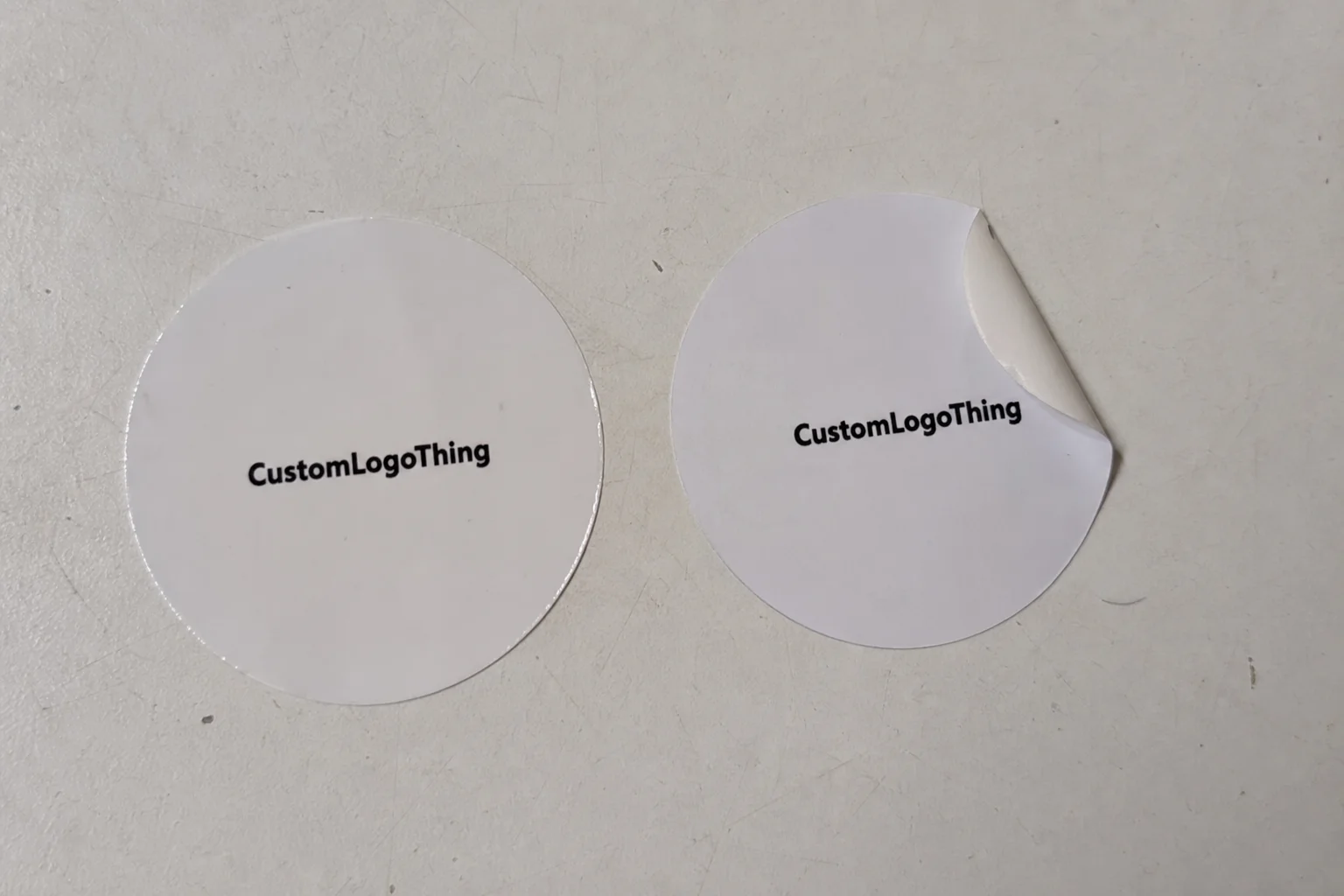
Sticker waste often starts before production, when a brand commits to too many designs before testing them on real packaging. A vinyl Stickers Low MOQ Custom Order lets small brands use custom labels, seals, and decals without tying up cash in inventory that may never be used.
Low minimums are useful for startups, seasonal lines, product drops, subscription boxes, events, and short packaging runs. A batch of 100, 250, or 500 stickers is enough to test artwork on jars, bottles, mailers, retail bags, shipping boxes, or inserts before ordering at scale.
The main value is not just ordering less. It is reducing the cost of being wrong. Small runs let buyers compare seasonal graphics, SKU labels, QR codes, promotional copy, and logo placements in actual use. Once the design, surface fit, and customer response are proven, reordering becomes a lower-risk decision.
Small quantity still needs proper specification. A chilled bottle label has different requirements than a sticker for a coated carton, matte mailer, curved cosmetic jar, or event giveaway. Material, adhesive, finish, ink, and cut style all affect cost and performance.
Practical buyer note: order enough for application tests, damaged packaging, team samples, retailer requests, and inspection extras. A small batch should support real use, not only product photos.
What Custom Vinyl Stickers Are Made To Do
Custom vinyl stickers are pressure-sensitive labels or decals made from flexible PVC film or similar vinyl materials. Compared with standard paper stickers, vinyl usually performs better under handling, light moisture, and surface friction. The difference may look small on a proof, but it matters on a packed box, handled bottle, or retail shelf.
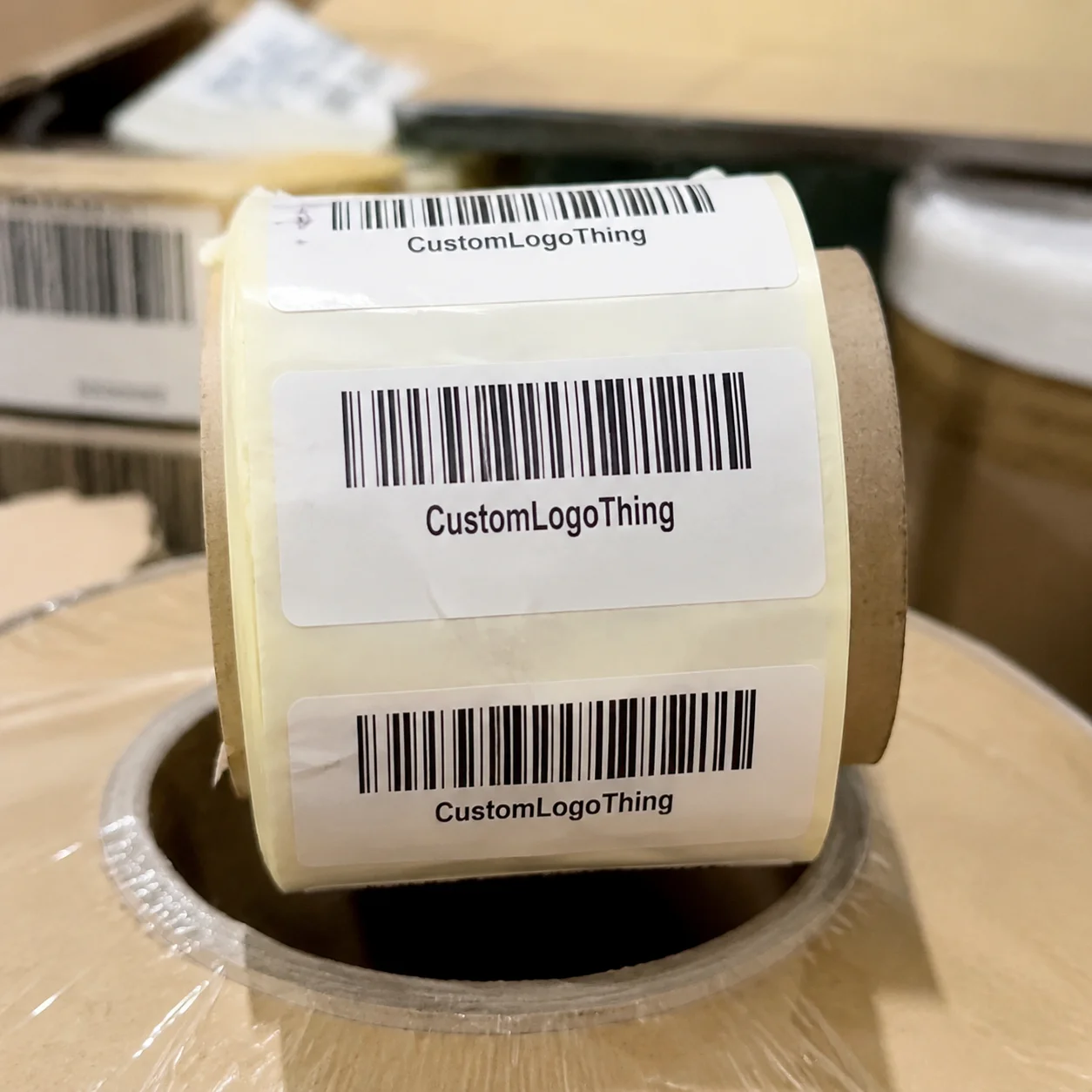
Brands use vinyl stickers as logo seals, product labels, batch identifiers, barcode labels, QR code decals, warning labels, launch kit inserts, trade show handouts, and retail display graphics. A low MOQ order often bridges the gap between a prototype package and a repeat production run.
Vinyl is commonly chosen when the job needs scuff resistance, light moisture tolerance, or a clean look on curved containers. That does not mean every vinyl sticker is outdoor-rated. Outdoor use requires the right adhesive, laminate, UV tolerance, and resistance to heat, cold, and water exposure.
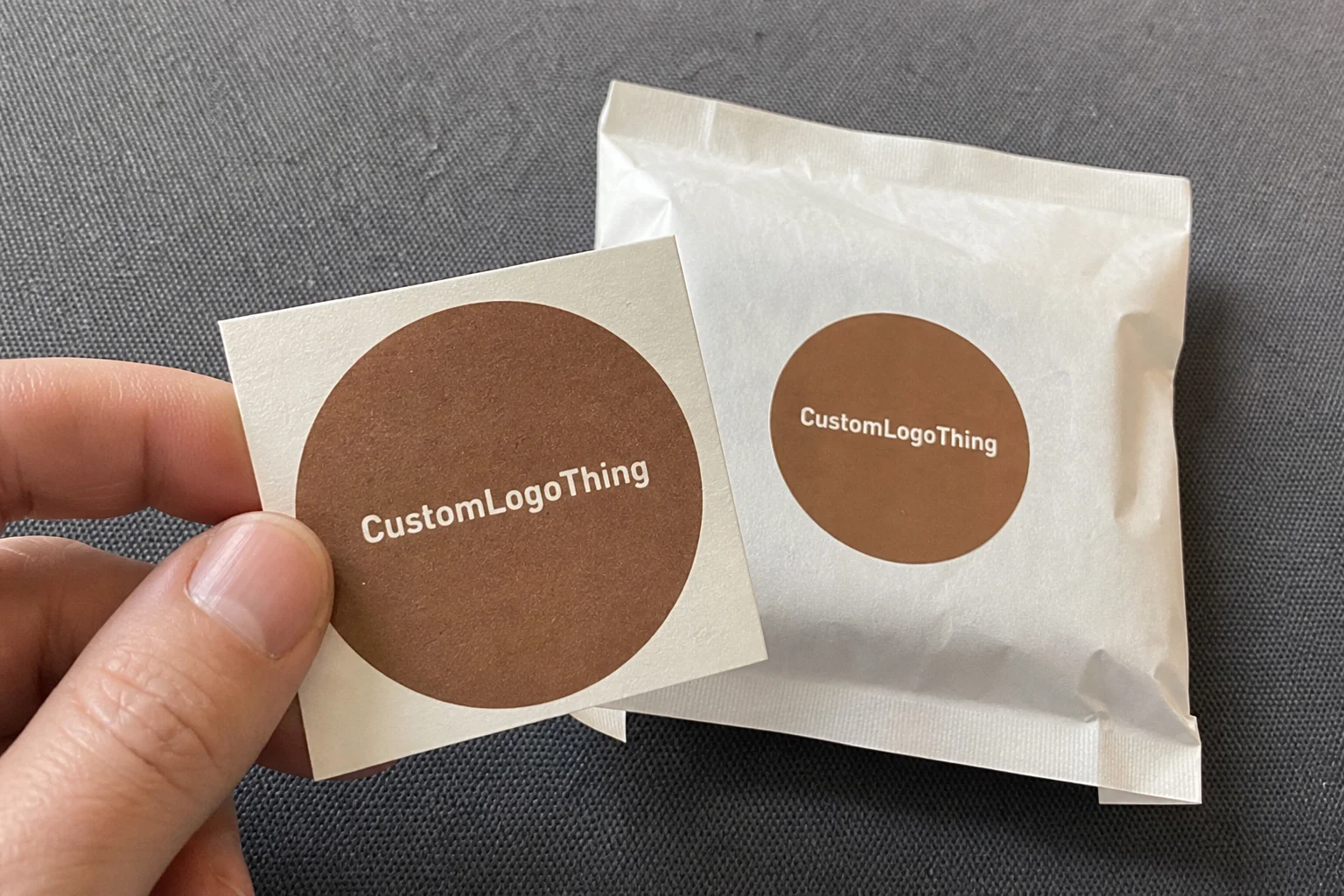
Common formats include kiss-cut sheets, die-cut singles, circles, squares, rectangles, contour-cut logos, and custom silhouettes. A 2-inch circle is efficient for a simple logo seal. A contour-cut mascot, script mark, or product graphic can look more distinctive, but the cut path must be clean enough for production.
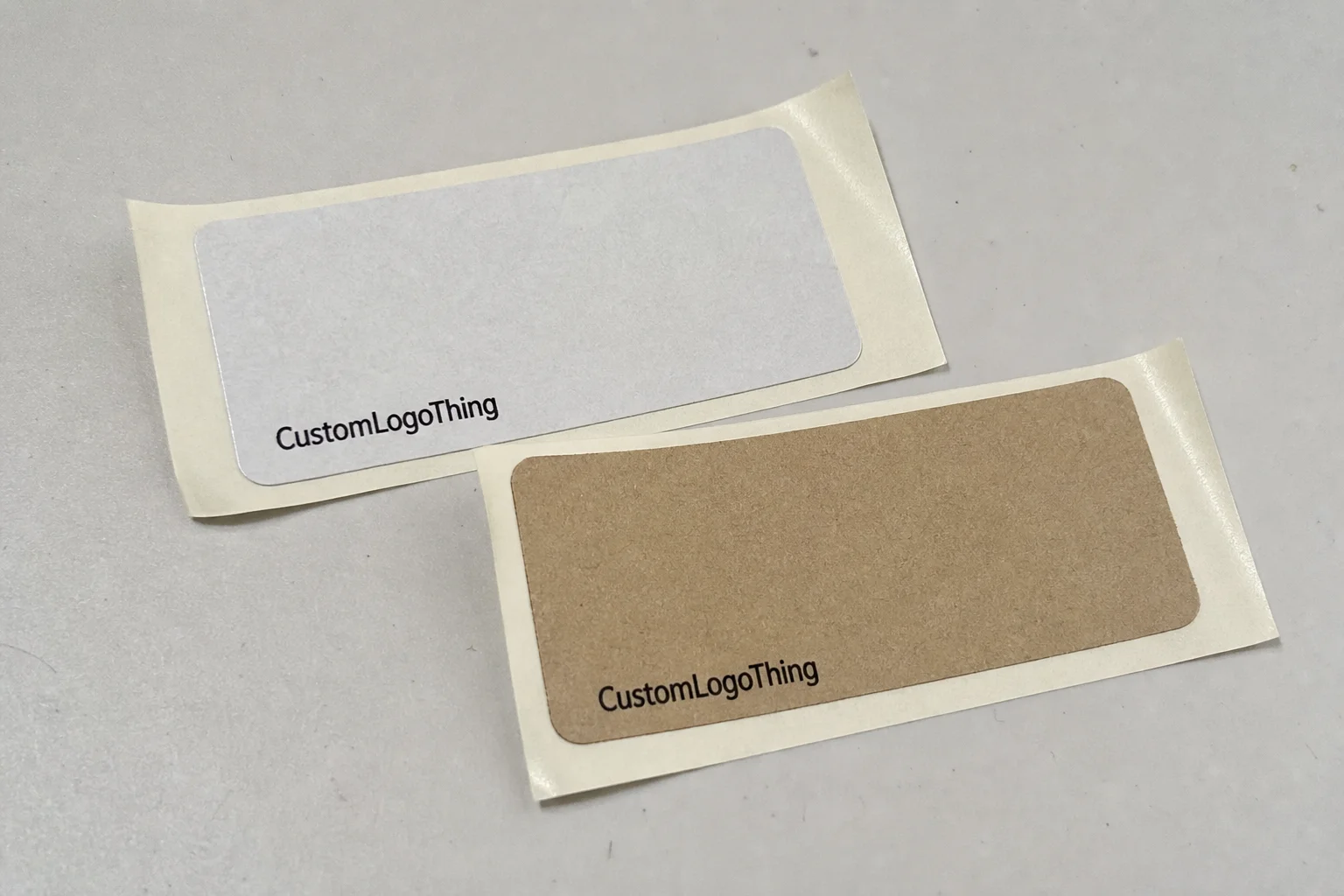
Finish changes both appearance and cost. Gloss vinyl adds shine and stronger color pop. Matte vinyl reduces glare and fits premium boxes, jars, and pouches. Clear vinyl works when the container or product color should show through, especially on glass or transparent packaging. White vinyl remains the safest choice for opacity and predictable color.
Materials, Adhesives, Finishes, And Print Details
A low minimum sticker order still needs to be treated like a real print job. White vinyl is the standard starting point for logo stickers, packaging seals, product labels, and promotional decals because the white base supports CMYK color and blocks the surface underneath from shifting the artwork.
Clear vinyl is used for window decals, transparent packaging effects, glass jars, and labels where the container should remain visible. White ink underprinting is often important. Without it, colors can look weak or translucent over dark liquids, kraft paper, tinted plastic, or amber glass.
Specialty films can add impact, but they change the quote. Metallic, holographic, removable, and higher-tack constructions may be useful when the application justifies them. Holographic vinyl, for example, can be striking, but it may increase cost through material price, slower setup, and tighter artwork control.
Adhesive selection should start with the surface and use case. Permanent adhesive fits long-term branding, shipping boxes, retail packaging, and labels meant to stay in place. Removable adhesive suits temporary campaigns, event graphics, short-run window decals, and surfaces where residue is a concern. Rough cartons, textured mailers, cold storage, and low-energy plastics may require stronger adhesive systems.
Lamination and coatings protect the printed face. Gloss lamination adds shine and scuff resistance. Matte lamination lowers glare and gives a smoother finish. Weather-resistant or UV-resistant constructions are better for sunlight, coolers, rain exposure, or frequent handling. Vinyl alone does not guarantee that performance; the full construction matters.
Digital printing is usually the best fit for low MOQ custom vinyl stickers because it avoids plate costs and can handle multiple designs in the same production window. Most small-brand jobs use CMYK output. Pantone matching may be available depending on material, equipment, and tolerance requirements.
Artwork quality still drives the result. Vector AI, EPS, or PDF files keep logo edges sharp and give production a usable cut path. Raster files can work if they are high resolution, usually 300 dpi at final size. Bleed commonly extends about 0.0625 to 0.125 inch past the trim. Fine text below roughly 5 to 6 points can become hard to read, especially in reverse print or under heavy lamination.
Packaging teams may also review broader handling and waste guidance. Groups such as ISTA help frame distribution expectations, while the EPA sustainable materials management hierarchy is useful for brands trying to reduce unused packaging inventory.
Size, Shape, Quantity, And File Specifications
Quotes move faster when the core details are defined: dimensions, finished shape, material, adhesive type, finish, quantity, number of designs, packaging format, and use environment. A Low MOQ Custom Order is easier to price accurately when those inputs are clear.
Size affects both function and cost. A 1.5-inch circle can work for a simple logo seal, but it may be too small for ingredients, warnings, QR codes, or a long social handle. A 4-inch die-cut decal has more impact but uses more material, takes more cutting area, and may need more careful packing. Before production, print the intended size on paper and place it on the container.
Kiss-cut and die-cut formats solve different problems. Kiss-cut stickers are cut through the vinyl layer while staying on a backing sheet, making them easy to peel and useful for sticker sheets, giveaways, or mixed-design layouts. Die-cut stickers are trimmed through the backing to the final outer shape, which feels more finished for retail kits, merchandise packs, and premium promotions.
Rolls, sheets, and individually cut singles also affect cost and handling. Rolls are efficient for fast application on bottles, jars, pouches, and boxes. Sheets work well for mixed graphics, events, and small runs where several designs are handed out together. Singles cost more to count, handle, and pack, but they present better in launch kits and countertop displays.
File preparation prevents avoidable delays. Send vector AI, EPS, or PDF files for logos when possible. Include outlined fonts, embedded images, bleed, and a clearly named cut line. For raster artwork, provide high-resolution PNG or TIFF files at final size. If color accuracy matters, include Pantone references or an approved printed sample.
The application surface matters as much as the art file. Coated paperboard, uncoated kraft, glass, PET bottles, HDPE jars, flexible pouches, painted metal, and corrugated shippers all behave differently. Application temperature, storage temperature, expected handling, and moisture exposure help the supplier recommend the right construction.
Vinyl Stickers Low MOQ Custom Order Pricing Factors
Low MOQ pricing is shaped by setup time, material, print area, finish, cut complexity, design count, and packing format. Quantity matters, but it is not the only driver. A plain 2-inch white vinyl circle prices very differently from a clear contour-cut decal with white ink, matte lamination, and five artwork versions.
Smaller orders protect cash flow and support testing. Larger orders usually reduce unit cost because proofing, setup, material prep, cutting, and packing are spread across more pieces. Ask for the low-minimum test run and one or two higher-volume options so the price break is visible.
| Order Scenario | Typical Use | Common Cost Factors | Buyer Notes |
|---|---|---|---|
| 100 to 250 stickers | Launch test, event sample, influencer kit | Setup time, proofing, digital print, hand packing | Best for checking artwork, surface fit, and demand before reorder |
| 500 to 1,000 stickers | Retail packaging, product drop, subscription box | Material yield, finish, cut style, number of designs | Often a better unit cost while still controlling inventory |
| 2,500+ stickers | Repeat SKU labeling, wholesale packing, ongoing promotions | Production efficiency, roll or sheet format, freight weight | Useful once the design is proven and reorders are predictable |
As a rough range, small digitally printed vinyl sticker runs often land between about $0.18 and $0.75 per piece, depending on size, finish, cut style, and quantity. Specialty effects, outdoor-rated constructions, clear stock with white ink, complex contour cuts, multiple designs, lamination, and individual bagging can push the price higher.
A strong quote should spell out material, size, quantity, finish, adhesive, number of designs, proofing terms, production lead time, shipping method, and any setup, sampling, or art repair fees. Missing details create risk. A low-minimum sticker job with a vague finish or unknown surface can look affordable at first and then change once the real application is understood.
Custom Logo Things supports low minimum custom vinyl sticker orders with specification review, digital print options, and a path from first batch to reorder. If the sticker order is tied to a larger packaging project, compare related options in Custom Labels & Tags or broader Custom Packaging Products so the sticker, box, bag, and insert work as one brand system.
How Does A Vinyl Stickers Low MOQ Custom Order Work?
A vinyl Stickers Low MOQ Custom Order usually starts with size, quantity, artwork, finish, material preference, and use case. The supplier reviews those details, confirms production fit, and prepares a quote. After approval, the job moves through proofing, printing, finishing, quality checks, packing, and shipping.
Proofing is the main control point. Artwork is checked for resolution, cut lines, bleed, color setup, small text, alignment, and file construction. Buyers should confirm spelling, logo version, dimensions, quantity by design, and final format before approval. Late revisions can add time and cost once the job is scheduled.
Production typically starts with material prep and print setup. Digital presses print the CMYK artwork, and white ink may be added under colors on clear film. The printed sheet or roll then cures or dries according to the ink system. Lamination or coating follows if requested, then contour cutting, die cutting, or kiss cutting. Detailed shapes may require weeding, where excess vinyl around the cut shape is removed.
Lead time depends on quantity, design count, material availability, proof approval speed, finishing complexity, and delivery destination. Many low MOQ digital sticker jobs can be produced in roughly 5 to 10 business days after proof approval. More complex work may need 10 to 15 business days or longer. Freight adds time, especially for trade shows, launch dates, or remote delivery points.
Incomplete artwork slows the process. Missing fonts, poor image resolution, unclear sizing, no cut line, or a late material change can turn a simple order into days of back-and-forth. For launches, retail resets, and subscription drops, allow time for artwork review and shipping, not just printing.
Quality checks should match the risk of the job. For a plain logo sticker, visual color, cut alignment, lamination, count, and backing release may be enough. Product packaging with barcodes, QR codes, instructions, or warning text deserves closer inspection. If those details do not scan or read properly, the sticker has failed its purpose.
Next Steps Before Placing Your Sticker Order
Start by confirming sticker size, application surface, indoor or outdoor use, quantity, finish, adhesive preference, and whether the stickers should arrive as rolls, sheets, or singles. Buyers who can answer those questions usually receive cleaner quotes and better material recommendations.
- Size and shape: include exact width and height, plus circle, rectangle, square, contour cut, or custom shape.
- Use environment: note indoor retail, chilled bottle, outdoor exposure, shipping box, mailer, jar, pouch, or giveaway use.
- Artwork: send vector files when available, with fonts outlined and cut lines included.
- Finish: choose gloss, matte, clear, white vinyl, weather-resistant, or specialty film based on handling needs.
- Format: specify roll, sheet, or individually cut pieces before pricing is finalized.
Gather artwork early. A vector logo with outlined fonts saves time, and color references, previous sticker samples, or packaging photos help the production team understand the target. If the sticker will be applied to a custom box, retail package, or specific container, a photo of the application area can prevent sizing mistakes.
Order a quantity that reflects real use. If you need 300 finished packages, ordering exactly 300 stickers leaves no margin for crooked application, damaged cartons, product photography, sales kits, or retailer requests. A 5 to 10 percent buffer is sensible for many packaging runs.
Request tiered pricing, material recommendations, and proof details in the same quote inquiry. If the program may become a recurring wholesale or retail order, review options through Wholesale Programs and keep a record of the approved size, material, finish, adhesive, and artwork version so reorders stay consistent.
For an accurate quote, Custom Logo Things needs dimensions, artwork, quantity, deadline, ship-to location, and material or finish goals. Include packaging and labeling requirements as well. If adhesive or finish is undecided, describe the surface and handling conditions so the supplier can recommend a practical construction.
Frequently Asked Questions
What is a typical low MOQ for custom vinyl sticker orders?
Low MOQ depends on size, material, finish, and cutting style, but digital production usually allows smaller starting quantities than traditional high-volume label runs. Many buyers start with 100 to 500 pieces for testing, then reorder at 1,000 pieces or more once the design and package fit are confirmed. Request a quote based on exact size, artwork count, and finish so the minimum reflects real production conditions.
Can I place a vinyl sticker low minimum order with multiple designs?
Yes, multiple designs are often possible with digital printing, but each artwork version can affect proofing time, setup handling, sheet layout, and unit cost. Send all designs together and specify the quantity needed for each version. A run of 100 pieces each across five scents is not priced the same as 500 pieces of one logo.
Are low MOQ custom vinyl stickers waterproof?
Vinyl handles moisture better than standard paper, but waterproof performance depends on adhesive, ink system, lamination, edge exposure, and use conditions. Bottles, coolers, outdoor packaging, and high-contact applications should use a water-resistant or outdoor-suitable construction rather than assuming every vinyl sticker performs the same way.
How should I prepare artwork for a custom vinyl sticker order?
Vector files such as AI, EPS, or PDF are preferred for logos and cut shapes because they keep edges clean and allow accurate contour cutting. Include bleed, safe margins, outlined fonts, embedded images, and any Pantone or brand color references before proofing begins. If only raster artwork is available, provide a high-resolution PNG or TIFF at final print size.
How do I reduce the unit cost on vinyl stickers low MOQ orders?
Standard sizes usually cost less than unusual ones. Use specialty finishes only where they add clear value. Combining compatible designs into one production batch can also help, and tiered pricing shows the breakpoints at higher quantities. Clean artwork reduces proofing delays and handling cost. For more ordering details, the FAQ page covers common questions before files are submitted.