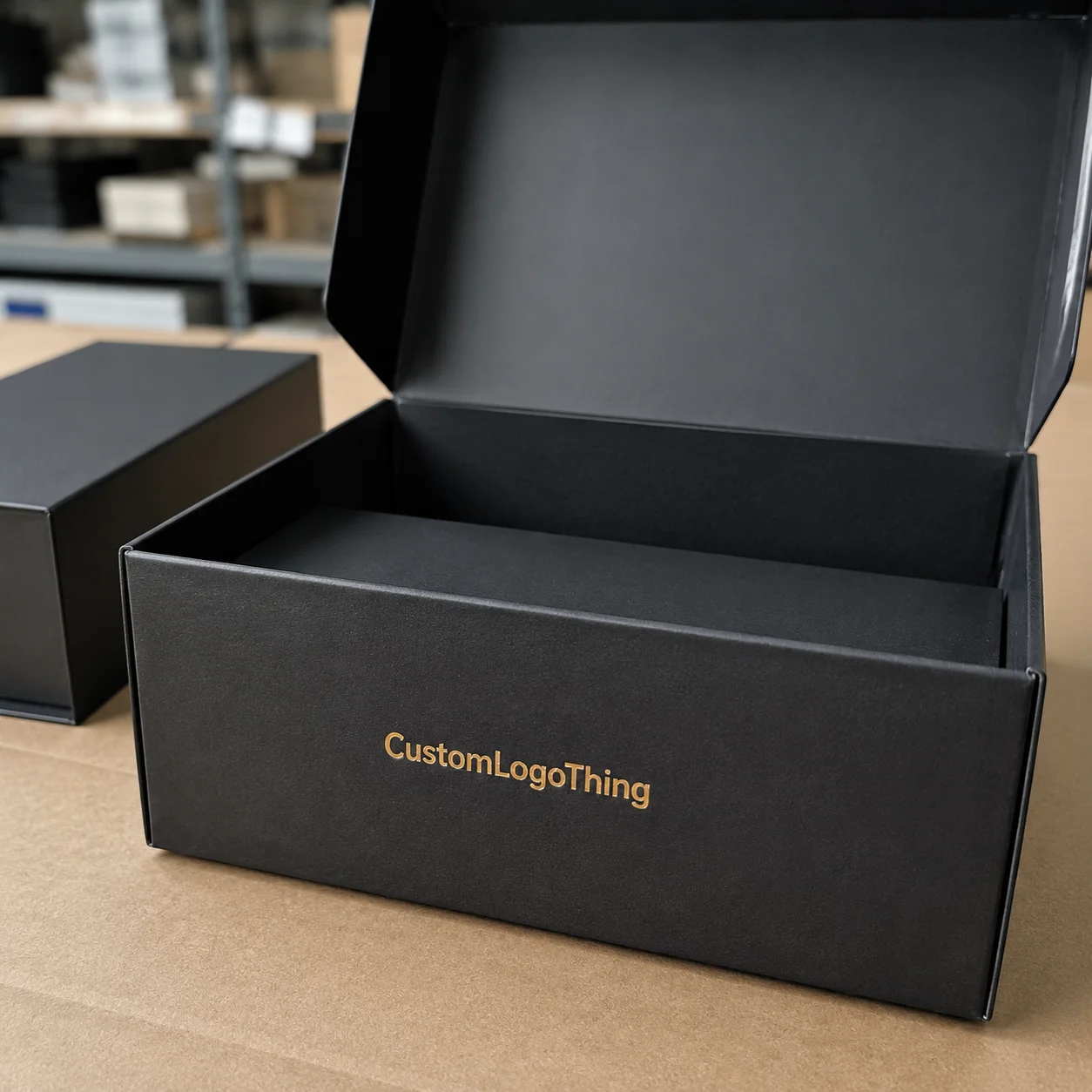
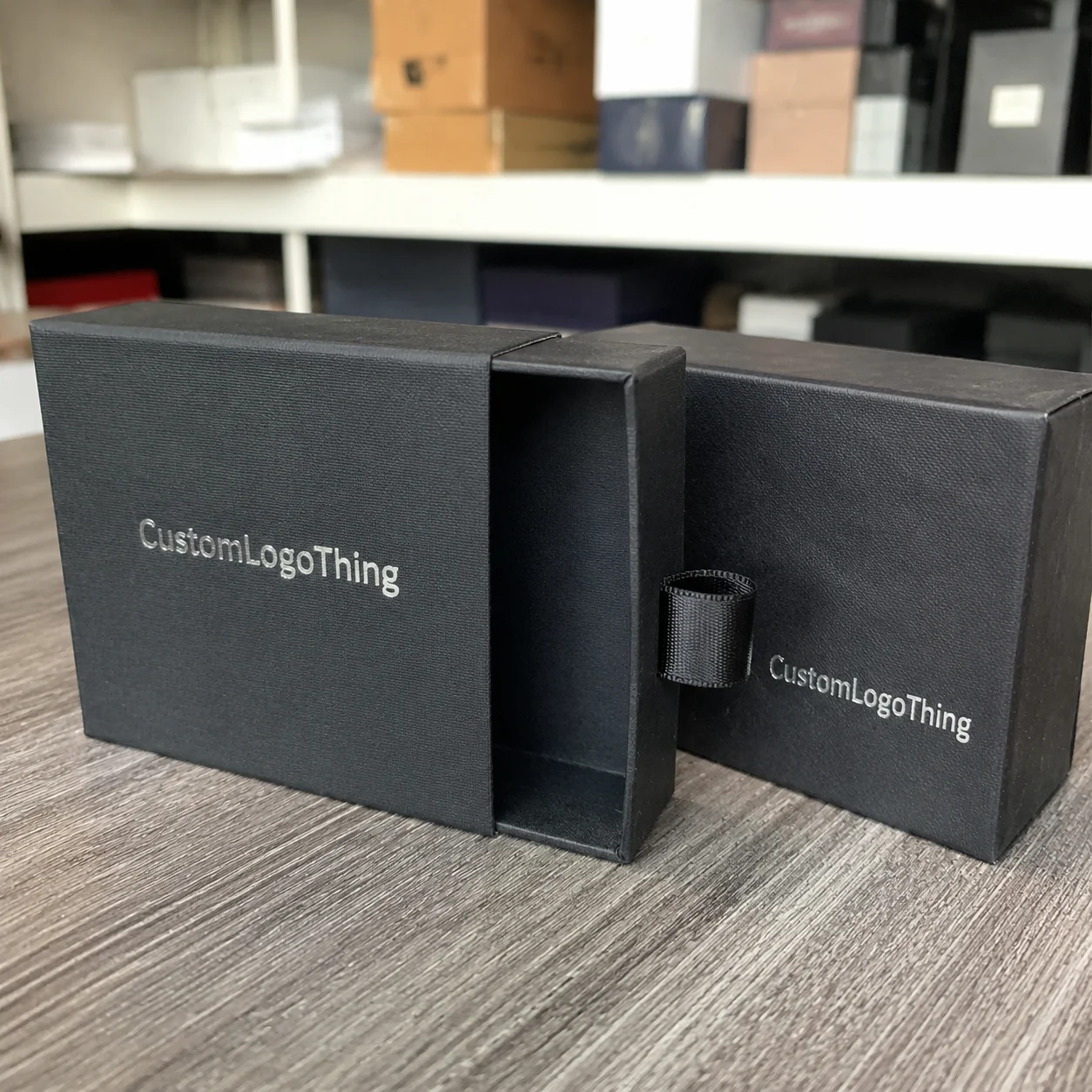
Buyer Fit Snapshot
| Best fit | folding cartons practices packaging buyer review for packaging buyers comparing material specs, print proof, MOQ, unit cost, freight, and repeat-order risk where brand print, material, artwork control, and repeat-order consistency matter. |
|---|---|
| Quote inputs | Share finished size, material target, print colors, finish, packing count, annual reorder estimate, and delivery region. |
| Proofing check | Approve dieline scale, logo placement, barcode or warning zones, color tolerance, and any recyclable or compostable wording before bulk production. |
| Main risk | Vague material claims, crowded artwork, or missing packing details can create delays even when the unit price looks attractive. |
Fast answer: Folding Cartons Practices Packaging Buyer Review: Dieline, Finish, Proof, and Buyer Review should be specified like a repeatable production item. The safest quote includes material, print method, finish, artwork proof, carton packing, and reorder notes in one written spec.
What to confirm before approving the packaging proof
Check the product dimensions against the actual filled item, not only the sales mockup. Ask for tolerance on folds, seals, hang holes, label areas, and retail display edges. If the package carries a logo, QR code, warning copy, or legal claim, reserve that space before decorative graphics fill the panel.
How to compare quotes without losing quality
Compare board or film grade, print process, finish, sampling route, tooling charges, carton quantity, and freight assumptions side by side. A lower quote is only useful if the supplier can repeat the same color, closure quality, and packing count on the next order.
Folding cartons best practices are not about chasing the prettiest box on a mood board; they are about choosing a structure that survives the filling line, survives freight, and still looks sharp under warehouse lights and retail fluorescents. I’ve spent enough time on converting floors in Grand Rapids, beside Kolbus folders in Cincinnati, and in more than one very opinionated brand meeting to say this plainly: the carton usually fails first at the board, the score, or the glue joint, not at the print press. That is why folding cartons best practices need to start with real production behavior, not just design instinct.
Honestly, I think a lot of packaging teams fall in love too early. They see a render, a foil swatch, maybe a nice mockup with dramatic lighting, and suddenly nobody wants to ask whether the carton will actually hold together after a pallet ride that feels like it was designed by a vengeful forklift operator. I remember standing in one plant outside Newark where a stack of “approved” cartons looked beautiful right up until the first bottom panel gave way. The silence in the room was impressive. Not a good impressive.
Most packaging buyers get tripped up because they focus on ink coverage and forget the mechanical side. A carton can look perfect in a render and still split at the tuck flap, crack at a 27-point score, or buckle because the board caliper was off by 0.003 inches. Folding cartons best practices fix those problems before they reach your warehouse, and that saves money in ways a quote sheet never shows. The ugly truth? A cheap box can become an expensive headache fast, especially if it triggers a reprint at a plant in Charlotte or a late-night line stop in Louisville.
In a cosmetics line I reviewed near Jersey City, the brand team had spent weeks on a soft-touch, foil-stamped carton, yet the first production run failed because the product insert forced the side panels to bow outward by 2 millimeters. The print was excellent; the structure was not. That kind of mistake is exactly why folding cartons best practices matter. I still think about that project whenever someone says, “We can fix it later.” Sure. Right after the reprint invoice arrives, often at $1,850 for a small correction run and another 10 business days for new plates.
Quick Answer: Folding Cartons Best Practices That Actually Matter
If you need the short version, folding cartons best practices come down to four decisions: Choose the Right paperboard grade, design for the actual filling line, keep artwork honest to the dieline, and test the carton before you buy in volume. That is the practical core, and it holds up whether you are packaging a 30 mL serum, a 12 oz snack pouch, or a supplement bottle with a tamper band. I’d put those four checks ahead of almost anything else because they prevent the kind of mistakes that eat launch budgets alive, sometimes by $8,000 to $25,000 on a mid-sized rollout.
The “best” carton depends on the job. A luxury cosmetics carton may need 350gsm C1S artboard with soft-touch lamination, foil, and a crisp window cut. A food carton may need grease resistance, migration-aware inks, and a finish that can handle refrigerated condensation at 38°F in a distribution center near Columbus. A pharma-style carton may need more disciplined copy placement, barcode contrast, and tighter quality checks. Folding cartons best practices always change with the product class, and frankly, if a vendor tells you one structure works for everything, I’d keep my wallet in my pocket.
When I visited a folding carton plant outside Chicago, the superintendent pointed to a stack of rejected blanks and said, “The print didn’t kill us, the scores did.” He was right. A 0.25-point shift in score depth can mean the difference between a carton that folds cleanly at 180 cartons per minute and one that opens back up at the glue station. Folding cartons best practices are often invisible until something goes wrong, which is exactly why people underestimate them. A 2-millimeter spring-back on a tuck flap sounds minor until you are scrapping 600 cartons before lunch.
My fast decision framework is simple:
- Shelf impact — Will the carton sell on sight from 6 feet away?
- Product protection — Will it survive drop, crush, and vibration?
- Automation fit — Will it run cleanly on your pack-out line?
- Landed cost — What does the carton cost after freight, waste, and labor?
If a carton looks beautiful but jams every 400 units, it is not a good carton. If it is cheap but arrives with crushed corners and poor color match, it is not a good carton either. Folding cartons best practices are about balancing performance, appearance, and total cost without falling in love with any single feature. I know that sounds unromantic, but packaging is supposed to protect the product, not audition for a design award. A $0.17 carton that causes 9 minutes of downtime can cost more than a $0.24 carton that runs cleanly for 25,000 units.
“The box that runs best is usually the one that was engineered honestly from the start, not the one that won the prettiest internal presentation.”
Below, I compare the common carton styles, the real-world tradeoffs, and the workflow I trust after years of watching specs get tested, broken, revised, and finally approved in plants from Atlanta to Milwaukee.
Top Folding Cartons Options Compared for Best Practices
Several folding carton styles show up again and again in factory work, and each one has a clear place if you follow folding cartons best practices. Tuck-end cartons are the workhorse. Auto-bottom cartons speed up packing. Sleeve cartons add secondary branding and reveal effects. Mailer-style cartons are useful for subscription and e-commerce. Custom die-cut retail cartons are the specialists when the product needs stronger display value or more protection. I’ve seen each one win in the right setting and fail miserably in the wrong one, usually because someone tried to stretch it beyond its comfort zone by 15% or more.
On the board side, I see four material families most often: SBS, CUK, recycled board, and kraft-look stock. SBS, or solid bleached sulfate, gives the cleanest print surface and the sharpest high-end branding, which is why premium personal care and cosmetics love it. CUK, coated unbleached kraft, is tougher and often better for heavier or more transit-heavy products. Recycled board can reduce cost and support sustainability goals, but the surface and stiffness need close review. Kraft-look stock creates a natural, earthy cue, though it can limit ultra-fine image detail if the design relies on bright, saturated color. For a 5,000-piece order, I often see board choice change pricing by $0.04 to $0.11 per unit depending on region and mill availability.
Finishes matter too, but folding cartons best practices say to use them with intent. Embossing can add tactile drama, spot UV can create a controlled contrast, foil can signal premium value, and matte or soft-touch coatings can help a carton feel more expensive in hand. I’ve also seen the opposite: a finish that looked rich in a sample room, then scuffed badly on a fulfillment line because the coating was too soft for carton-to-carton abrasion during pack-out in Edison. Pretty is not always durable. Sometimes pretty is just a future complaint waiting to happen, especially if the carton is packed 20 to a case and shipped cross-country in July.
| Carton Style | Best Use | Operational Strength | Typical Tradeoff |
|---|---|---|---|
| Tuck-end carton | Cosmetics, supplements, light retail items | Fast to produce, economical, easy to fold | Less secure closure than auto-bottom formats |
| Auto-bottom carton | Products that need quicker pack-out | Faster filling, better base support | Higher converting complexity and cost |
| Sleeve carton | Secondary branding, bundled items, promotional kits | Strong visual storytelling, easy overwrap pairing | Limited protection without an inner tray |
| Mailer-style carton | E-commerce, subscriptions, DTC launches | Good shipping protection, strong unboxing presence | Bulkier dimensions can raise freight cost |
| Custom die-cut retail carton | Fragile, premium, or display-critical products | Excellent presentation and fit | Tooling and setup costs are higher |
In a supplier negotiation I sat in on for a beverage brand in St. Louis, the buyer wanted the lowest unit price and the converter recommended a thinner board. The problem was pallet compression: the cases were stacking five high, and the bottom tier was losing corner integrity. We changed the board to a higher stiffness grade, added a slightly stronger score profile, and the reject rate fell enough to justify the slightly higher quote. That is folding cartons best practices in real life, not just on a spreadsheet. Also, it saved the operations team from another week of muttering into their coffee, which they appreciated.
Here is a simple comparison lens I use when clients ask for the “best” carton:
- Brand goal: Premium look, mass-market efficiency, or sustainability messaging?
- Line speed: Manual packing, semi-automatic, or fully automated?
- Product fragility: Does the item need a snug fit, insert, or crash space?
- Shipping demand: Retail shelf only, parcel mail, or mixed-channel distribution?
- Budget pressure: Is the focus unit cost or total cost of ownership?
Folding cartons best practices are commercial decisions, not design awards. The prettiest carton is sometimes the most expensive mistake, especially if the glue flap is too small, the scores are too shallow, or the finish creates slip at the pack table. And yes, I have seen a carton slide right out of a gloved hand because the coating was more slippery than anyone expected. Nobody laughed harder than the guy who had warned us about it two weeks earlier, in a plant just outside Raleigh.
Detailed Reviews: Folding Cartons Best Practices by Application
Different product categories demand different folding cartons best practices, and this is where many programs go sideways. A carton for a luxury face cream should not be designed the same way as a carton for powdered drink mix, and neither should copy density, score location, or coating selection be treated casually. The job of the carton changes by aisle, channel, and handling condition. That sounds obvious until you sit in a meeting where someone tries to reuse a food carton structure for a premium skincare launch because “the dimensions are almost the same.” Almost is doing a lot of unpaid labor there, especially when the carton needs to run at 140 packs per minute in Monterrey or 90 packs per minute in Toronto.
Cosmetics and personal care
For cosmetics, the box is often part of the product experience, so folding cartons best practices usually favor sharper print, more deliberate finishes, and tighter structural control. I like SBS board here because it gives a cleaner image for fine typography, skin-tone photography, and metallic accents. Soft-touch lamination can be wonderful, but only if the carton will not be rubbed hard during filling or shipping. If the line is high-speed and the cartons are handled a lot, a harder aqueous coating may be the safer choice. For a premium moisturizer carton, I would start with 350gsm C1S artboard, a 1.5 mm tuck flap allowance, and a 4-color + 1 foil build, then test scuff resistance after 50 carton-to-carton rubs.
Insert fit is another place where programs fail. I once saw a serum carton with a beautiful rigid-style feel that hid a simple issue: the glass bottle rattled. The brand had paid for foil and emboss, but not for the internal stability that would keep the bottle from chipping the neck during transit. Folding cartons best practices say the inner fit matters as much as the front panel. Actually, maybe more. Nobody buys a box just to admire the outside if the product arrives rattling around like marbles in a tin can, especially after a 420-mile truck route from Philadelphia to Detroit.
Food and beverage
For food, the product and regulatory context matter more than most buyers expect. If the carton is in direct or indirect contact with food, you need to think carefully about migration, inks, adhesives, and coatings. Moisture resistance matters for refrigerated items. Grease barriers matter for bakery, snack, and frozen applications. If the package will see condensation, I would be cautious with finishes that look beautiful in a dry sample room but soften in a cold chain. In my notes from a Philadelphia snack project, a carton with a 12-point SBS build and standard aqueous coating failed after 6 hours in a 38°F cooler because the side panels curled 1.8 millimeters.
On one bakery program in Austin, the client kept seeing corner blistering because the cartons were packed warm and then chilled later. The board and coating had not been validated for that moisture swing, so the scores cracked and the panels warped. Folding cartons best practices would have caught that with a simple environmental test before the order went live. The frustrating part is that this was entirely preventable. Packaging people love a preventable problem about as much as a flat tire on a Monday morning.
For reference, packaging buyers often review standards and guidance through groups like the Packaging Machinery Manufacturers Institute and safety agencies such as the EPA when sustainability or material compliance is part of the brief. That research is worth doing early, not after the carton design is already locked. Once the art is approved and the die is ordered, every “small” change suddenly becomes expensive enough to make everyone stare at the ceiling, especially if the revised plate set costs $650 to $1,200.
Health, wellness, and supplements
Supplement cartons live in a stricter information environment. Barcode clarity, lot code placement, warning copy, dosage hierarchy, and tamper cues all matter. Folding cartons best practices in this category often call for high-contrast type, disciplined panel planning, and clear regulatory copy zones. If the front panel is crowded with claims and badges, the carton can look busy and still fail operationally because the critical information becomes hard to read. A good rule: keep the UPC quiet zone at least 0.125 inches clear on both sides, and leave a dedicated 1.25-inch panel for lot and expiration data.
I have seen supplement brands spend heavily on a soft matte finish and then place the lot code over a dark ink patch where the printer could not hit consistent contrast. That creates avoidable headaches at receiving and on the filling line. Good folding cartons best practices make room for the practical details first, then build the brand look around them. My opinion? That’s the only sane order. Otherwise you end up with a beautiful box and a miserable quality team in Phoenix trying to hand-check 10,000 units by 4:30 p.m.
E-commerce and subscription packaging
For direct-to-consumer programs, the box must survive parcel handling, not just shelf display. That means folding cartons best practices should account for edge crush, dimensional efficiency, and open/close behavior. A carton that looks elegant but folds back poorly after initial opening can frustrate repeat users. Mailer-style cartons and reinforced tuck formats often make more sense than thin decorative sleeves if the parcel network is rough. UPS and USPS both handle millions of parcels a day, and a carton that fails at the first corner drop is not going to earn customer praise.
The unboxing moment still matters, of course. But I always tell clients that the “wow” effect must come after the carton survives the route from pick face to porch. Many e-commerce cartons are touched five to seven times before the customer opens them, and each touch is a chance for scoring, glue, or print scuff issues to show up. That is exactly why folding cartons best practices tie structure and finish together. I’ve also noticed that customers forgive plain faster than they forgive broken. Harsh, maybe, but true, particularly when the box lands dented after a 1,200-mile lane from Dallas to New York.
Factory testing usually reveals a few recurring problems. High-gloss coatings can scuff at transfer points. Weak scores can crack on the first fold. Poor nesting can cause waste at the cartoner. None of these are glamorous issues, but they are the issues that cost money. Every plant I’ve ever spent time in has at least one story that starts with “it looked fine in the sample room…” and ends in a very long afternoon, usually with someone in Ohio calling the converter at 5:12 p.m.
“A carton has two lives: the one in the design file, and the one on the line. Folding cartons best practices respect both.”
For structural and transport validation, many teams also look at test guidance from the ISTA when cartons are being evaluated for distribution performance. That kind of testing is not overkill if the product is fragile, expensive, or shipped through multiple nodes. If anything, it is the adult thing to do before the boxes start leaving the dock in bulk. A 10-drop test from 30 inches can tell you more than a 60-minute slide deck ever will.
Process and Timeline: How Folding Cartons Move from Proof to Production
The workflow behind folding cartons best practices is usually more important than the final quote. A good program starts with discovery and dieline review, moves into structural sampling, then graphic proofing, prepress, plate making, printing, finishing, die cutting, folding, and gluing. When the sequence is respected, the carton arrives with far fewer surprises. When it is rushed, the surprises show up in production. And production, as anyone who has stood on a floor at 6:00 a.m. in Allentown knows, is not the place you want surprises.
Most delays happen for very ordinary reasons. Late artwork changes are the biggest one I see. Missing barcode approvals are another. Color correction loops can eat days. Structural revisions after the first sample can add another round of tooling review. Folding cartons best practices are partly about reducing these delays before they start. I’m personally a big fan of getting everyone to sign off before the emails turn into a 47-message chain with conflicting opinions and one mysteriously missing PDF. A single change order can add 3 to 5 business days; two changes can push a job into the next week.
For a straightforward custom tuck-end carton, I’ve seen programs move from final artwork approval to production in about 12 to 15 business days, assuming the board is standard and no major structural revision is needed. More complex programs with embossing, foil stamping, window patching, or custom inserts can easily stretch beyond 20 business days because every extra finish adds a check, a setup, or both. That is not a flaw in the process; it is just the reality of converting. Machines need time. Humans need time. The laws of physics are annoyingly consistent, especially in a plant near Greensboro where one foil roll can hold up a whole day’s schedule.
QC checkpoints that actually matter
Strong folding cartons best practices always include quality checks at the right moments. I want to see board caliper checked, glue bond inspected, color matched under production lighting, and score integrity tested before release. If the product will be packed on a line, I also want a pack-out test with the actual operators or at least the same machinery and settings. You learn a lot from a 30-minute run at line speed. At 160 cartons per minute, even a 2-second hesitation in feed can expose a problem that a static bench sample hides.
- Board caliper check: Confirms stiffness and consistency across the run.
- Glue bond test: Makes sure side seams hold under handling and shipping vibration.
- Score integrity: Prevents cracking or panel spring-back at the fold.
- Color match review: Keeps brand color aligned to approved targets.
- Pack-out test: Verifies line fit, fold memory, and carton behavior under real conditions.
At a plant in Pennsylvania, I watched a line crew run cartons that looked perfect on a bench sample but behaved badly once the adhesive pattern hit production speed. The glue set time was too short for the board’s coating, and the cartons were opening at the seam after 48 hours in tote storage. That kind of issue is exactly why folding cartons best practices should include delayed inspection, not just immediate visual approval. If you only check the carton when it’s still warm and optimistic, you are basically asking for trouble later, and the second-shift crew in Scranton will be the ones dealing with it.
My advice is simple: lock artwork early, approve samples under production lighting, and invite operations into the signoff process before final release. That one step can save a week of rework. Folding cartons best practices are often a matter of discipline more than creativity, and I say that as someone who likes creativity quite a lot. Discipline just saves more launches, especially when a July go-live in Atlanta is already running on a 14-day calendar.
Price Comparison: What Folding Cartons Really Cost
Price is where many buyers get pulled off course, because a carton quote tells only part of the story. The main cost drivers are board grade, carton size, print coverage, number of colors, special finishes, die complexity, glue area, and order quantity. Folding cartons best practices say you should evaluate the full package economics, not just the unit price printed in the first email. Quotes are persuasive little things. They are also, sometimes, the beginning of a very expensive misunderstanding, especially if the buyer compares a 2,500-piece run in Ohio to a 25,000-piece run from a converter in Guangdong or Ontario without adjusting for setup and freight.
As a rough commercial lens, a low-cost program might use a simple tuck-end design, one or two colors, standard SBS or recycled board, and no special finish. A mid-tier program may include four-color process, aqueous coating, and a more precise dieline. A premium carton can include embossing, foil, spot UV, soft-touch lamination, and custom structural features. Every step up in visual impact tends to add setup time and cost. Not always a bad trade, but it should be a conscious one. I’m not ضد premium—just allergic to surprise invoices. A foil tool alone can add $300 to $900, depending on the plant in question.
| Program Level | Typical Build | Indicative Unit Cost | Best Fit |
|---|---|---|---|
| Low-cost | Simple tuck-end, limited ink coverage, standard board | $0.15 to $0.28/unit at 5,000 pieces | Price-sensitive SKUs, high-volume essentials |
| Mid-tier | Custom die line, four-color print, aqueous coating | $0.29 to $0.52/unit at 5,000 pieces | Most retail brands, balanced performance and branding |
| Premium | Foil, emboss, spot UV, soft-touch, specialty structure | $0.58 to $1.15/unit at 5,000 pieces | Luxury, gift, or display-focused products |
Those numbers are directional, because quote behavior depends on region, tooling, paper availability, and press configuration. Still, the pattern holds: setup costs, plate charges, dies, and finishing steps make small runs expensive. Once quantities rise, unit costs usually come down sharply. A 2,000-piece run can feel painful on a per-box basis, while a 25,000-piece order often spreads fixed costs in a much friendlier way. That is one reason folding cartons best practices always encourage realistic forecast planning, ideally 90 to 120 days ahead of a seasonal launch.
Hidden costs are where budgets quietly leak. Freight on bulky cartons can be meaningful. Storage can add monthly carry cost if a SKU moves slowly. Rejected cartons from poor specs create waste. Labor time spent reworking crooked folds or hand-taping weak seams is real money, even if it never appears on the original quote. I have seen a low-priced carton become the most expensive choice on the floor simply because it forced a slower packing rhythm. On paper it looked brilliant; on the line it behaved like a tiny financial prank. In one case, a plant in Nashville lost 11 minutes per hour to misfeeds, which wiped out the supposed savings on a $0.03 cheaper carton.
The cheapest carton quote is usually not the cheapest total package if the box damages product, slows production, or causes customer complaints. Folding cartons best practices force that conversation early, before everyone is defending a decision they have already spent money on. That’s the moment when people get a little defensive, and honestly, I get it. Nobody wants to be the person who signed off on the box that turned a smooth launch into a fire drill. But a disciplined team would rather fix a $400 sample issue than absorb a $14,000 reprint after launch week.
How to Choose Folding Cartons Best Practices for Your Brand
Choosing the Right carton starts with a checklist, not a color palette. Folding cartons best practices work best when you define the product weight, dimensions, fragility, shipping method, branding goal, retail environment, sustainability target, and automation requirement before you ask for a quote. A supplier can only spec the right carton if the use case is clear. If the brief is vague, the outcome will be vague too, and then everyone acts surprised when the samples miss the mark. A 7-ounce product in a 16-ounce carton is a waste of board, freight, and shelf space.
If the product is heavy, use stronger board and tighter tolerances. If shelf presence is the main sales driver, prioritize front-panel clarity and a finish that supports the brand story. If the carton will sit in a warehouse, consider scuff resistance and crush strength more than a fancy tactile coating. If the item is sold online, think about transit stress and box opening behavior. Folding cartons best practices are always tied to end use. This is one of those packaging truths that is almost boring in how often it proves itself, from Minneapolis to Miami and from Canada to Texas.
Questions I want buyers to ask
When I am reviewing a packaging quote, I want the supplier to answer a few direct questions. What board is being used, by weight and grade? How are the scores tested? Can the carton run on our line at our speed? What happens if artwork changes late? What are the tolerances on the dieline? If the answers are vague, I get cautious very quickly. I’ve learned that vague answers and packaging projects often travel together, and not in a charming way. If a supplier can’t tell you whether the proposed board is 280gsm, 300gsm, or 350gsm, that is not a tiny detail.
- What exact board grade and caliper are proposed?
- What coating or finish is specified, and why?
- Has the structure been tested for pack-out and shipping?
- Can the carton be folded, filled, and glued at our actual line speed?
- What is the reprint or correction plan if proofs miss the mark?
That last question matters more than people think. A supplier who has a clean correction process is often safer than one who only talks about price. Folding cartons best practices reward the vendors who are candid about constraints. I’d rather hear “this finish may scuff under your conditions, so here’s a better option” than hear a confident yes that turns into a problem three weeks later. In practice, that honesty can save a brand $2,000 to $6,000 in change orders and rush freight.
I still remember a client meeting where the marketing director wanted a dramatic four-panel reveal, but operations only had a semi-manual folding station and one shift of labor. We mocked up both versions, timed the pack-out, and found the dramatic design added 19 seconds per unit. That was enough to change the launch budget by thousands of dollars. Folding cartons best practices forced the team to choose the smarter path, not just the flashier one. Marketing was grumpy for about an hour. Then they saw the math, which was a rare and beautiful thing.
Our Recommendation: The Best Folding Cartons Best Practices to Use Now
If I were setting up a new program at Custom Logo Things, I would start with a well-constructed custom tuck-end or auto-bottom carton in the correct board grade, then add premium finishes only where they clearly help the product sell or protect it. That is the most reliable default I know. It keeps risk low, preserves flexibility, and still leaves room for brand expression. Simple does not mean dull. Simple usually means fewer things can go wrong before launch, which matters a lot if your production window is only 18 business days long.
Invest in premium structures when the product price point justifies it, when the item is fragile, or when unboxing and shelf drama materially influence conversion. That usually means luxury cosmetics, gift sets, limited edition launches, or high-margin specialty products. Keep it simpler for high-volume staples, price-sensitive categories, and programs where consistency and supply reliability matter more than decoration. Folding cartons best practices are not anti-premium; they are selective. They tell you where the fancy stuff earns its keep and where it just eats budget. A $0.12 increase in packaging can be smart if it reduces breakage by 3%, but it is not smart if the customer never notices.
Here is the action list I trust most:
- Validate structure against product weight and dimensions.
- Test print under the same lighting conditions you’ll use for approval.
- Confirm line fit with the actual packing setup.
- Compare landed cost, not just unit price.
- Approve samples only after real-world handling checks.
That may sound plain, but plain is profitable. I have watched cartons lose money because people fell in love with a finish before they checked a score line. I have also seen modest, well-made cartons outperform expensive ones because they were engineered with care. Folding cartons best practices are usually a matter of doing the boring steps exceptionally well. Which, I admit, is not as glamorous as foil stamping. But glamour doesn’t always survive a truck ride from Memphis to Atlanta in August.
If you are ready to move, gather product specs, request a dieline review, order a structural sample, and compare at least two carton constructions before committing to production. That one discipline can save a launch, and sometimes it saves the relationship with the retailer too. Folding cartons best practices are the difference between a box that merely exists and a box that sells. And if you’ve ever had to explain a packaging failure to a room full of people who all think they had “just one small change,” you already know why that matters.
FAQ
What are the most important folding cartons best practices for first-time buyers?
Start with the product’s weight, dimensions, and handling conditions before choosing any carton style. Review the dieline carefully so artwork, folds, and glue areas all fit the structure correctly. Request a sample and test it on your actual packing line before approving production, because a bench sample can hide folding or glue problems that show up at speed. I would also add one more thing: ask who signs off on the sample. Too many cooks, as they say, and suddenly everyone thinks someone else checked the score. A 15-minute check in a plant in Indianapolis can prevent a 15,000-unit headache later.
Which folding carton style is best for retail presentation?
Custom die-cut retail cartons usually offer the strongest shelf impact when branding and structure matter most. Tuck-end cartons are a reliable choice when you want a clean look and efficient production. Add finishes like embossing or spot UV only when they support the brand story and do not slow pack-out or create scuff risk. If the finish makes the carton look luxurious but behaves like a slippery bar of soap, I’d pass. A carton that looks strong from 6 feet away but fails after 12 hours in a distributor case is not doing its job.
How do folding cartons best practices help reduce packaging costs?
Choosing the right board grade prevents overbuilding the carton and paying for strength you do not need. Simpler structures and fewer special finishes usually lower both setup and per-unit costs. Testing early helps avoid expensive reprints, line stoppages, and damage-related returns, which are often far more costly than the carton itself. In my experience, the budget pain rarely comes from the approved quote; it comes from the “small issue” nobody wanted to address in week one. That small issue can turn into a $9,500 correction if it reaches production in Nashville or Portland.
What is the usual timeline for custom folding cartons?
Simple projects can move from approval to production relatively quickly if artwork and structure are already locked. More complex cartons take longer because of sampling, finishing, and quality checks. Late artwork changes are one of the biggest causes of delay, so approvals should be finalized early and reviewed under production lighting whenever possible. For a standard run, 12 to 15 business days from proof approval is common, while foil, emboss, or window patching often pushes the schedule to 20 business days or more. If you’ve ever watched a launch slip because someone “just wanted to tweak the logo size,” you know exactly how irritating that can be.
How can I tell if a folding carton supplier follows good best practices?
A strong supplier will ask about your product, filling line, shipping method, and retail goals before quoting. They should provide samples, explain board options clearly, and verify that the carton will run properly in production. Good suppliers discuss both visual quality and operational performance, not just price, and that balance is a strong sign they understand folding cartons best practices. The good ones also admit when a spec is risky. That honesty saves everyone time, money, and a few gray hairs, especially if the program is being built in a busy market like Chicago or Shenzhen.