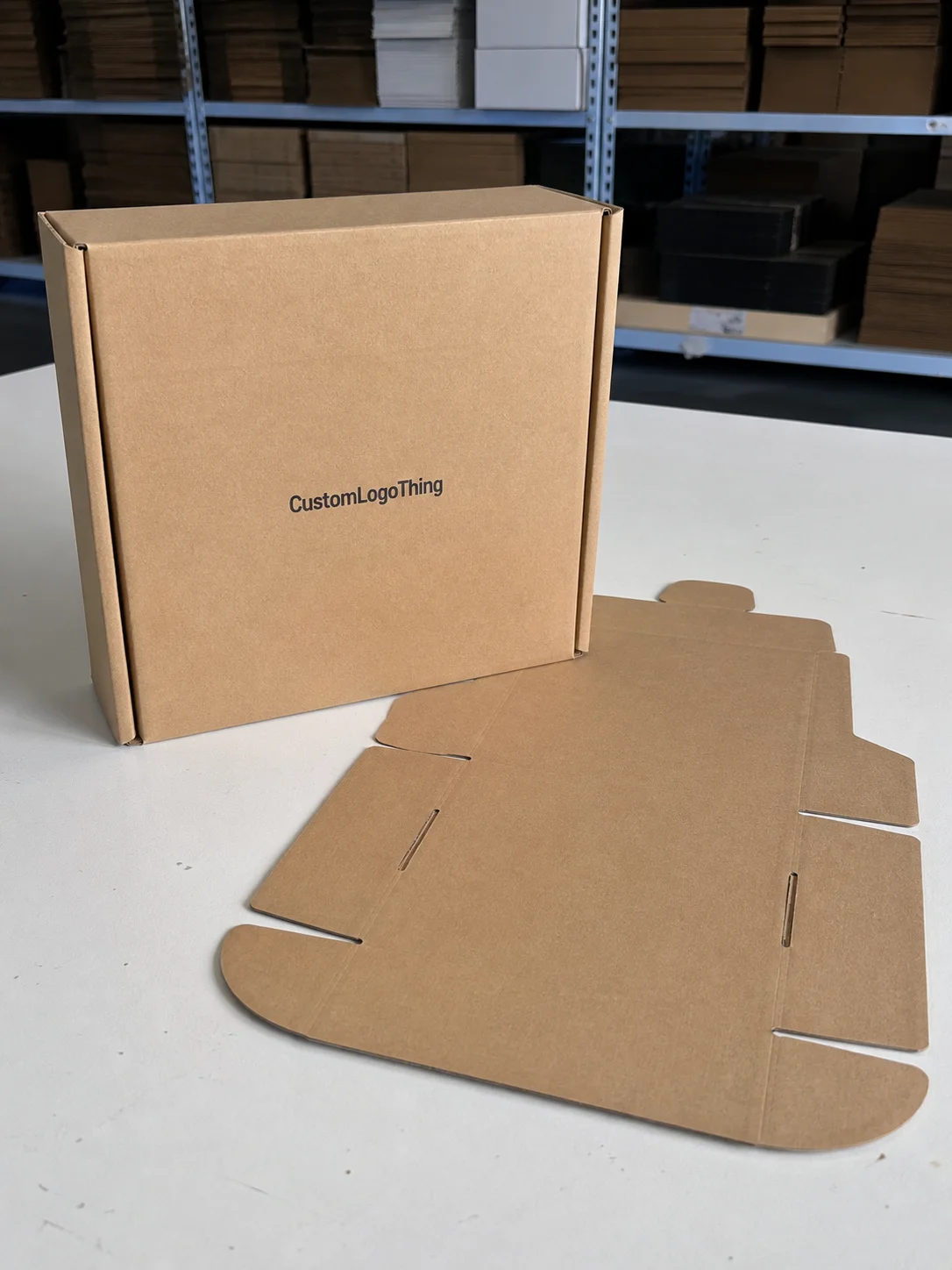
Buyer Fit Snapshot
| Best fit | Folding Cartons Supplier projects where brand print, material claims, artwork control, MOQ, and repeat-order consistency need to be specified before quoting. |
|---|---|
| Quote inputs | Share finished size, material target, print colors, finish, packing count, annual reorder estimate, ship-to region, and any compliance wording. |
| Proofing check | Approve dieline scale, logo placement, barcode or warning zones, color tolerance, closure strength, and carton packing before bulk production. |
| Main risk | Vague material claims, crowded artwork, missing packing details, or unclear freight terms can make a low unit price expensive after revisions. |
Fast answer: Folding Cartons Supplier: Board, Finish, Dieline, and Unit Cost should be specified like a repeatable production item. The safest quote records material, print method, finish, artwork proof, packing count, and reorder notes in one written spec.
Production checks before approval
Compare the actual filled-product size with the drawing, then confirm tolerance on folds, seals, hang holes, label areas, and retail display edges. Reserve space for logos, QR codes, warning copy, and material claims before decorative graphics fill the panel.
Quote comparison points
Review material grade, print process, finish, sampling route, tooling charges, carton quantity, and freight assumptions side by side. A quote is only useful when the supplier can repeat the same color, closure quality, and packing count on the next order.
If you are comparing packaging vendors, a Folding Cartons Supplier guide can spare you the kind of expensive lesson I have seen far too many times: a carton that looks like a bargain on paper, then grows teeth once print setup, die-cutting, folding, gluing, and fulfillment start showing up on the invoice. On a press floor in New Jersey years ago, I watched a buyer celebrate a $0.14 unit quote for 10,000 cartons, then face a much heavier bill after two artwork revisions, a cracked matte finish, and a rushed reprint that pushed freight into overnight territory.
That is why a solid folding cartons supplier guide is never just price shopping with better typography. It is a way to understand who can actually build the carton, protect the brand image, hit the shelf-ready spec, and keep the schedule honest when the order becomes real. I have worked with cosmetics startups, supplement brands, and electronics teams, and the best outcomes always came from buyers who asked technical questions early, not after the approval email went out. The process gets a lot easier when somebody on the buying side knows enough to ask, “What board are we really using, and how will it behave on the folder-gluer?”
What a Folding Cartons Supplier Actually Does
At the simplest level, folding cartons are paperboard packages that get printed, cut, scored, folded, and glued into retail-ready boxes. Spend any time around a converting line and the supplier’s job becomes a lot broader than putting ink on board. A good folding cartons supplier guide should make that plain: the supplier is also responsible for structure, substrate selection, finishing, quality control, and the production schedule that keeps your launch from slipping.
Most buyers underestimate the structural side. I once sat in a meeting with a skincare brand that wanted a 350gsm C1S carton with a magnetic insert-like feel, but their jar was tall, heavy, and slightly off-center. The supplier had to redesign the tuck and add a reinforced bottom panel before the carton could survive distribution without corner crush. That kind of judgment is exactly where a real folding cartons supplier guide earns its keep, because it reminds you the carton has to do a physical job, not just look beautiful in a rendering.
These cartons show up everywhere: lipstick sleeves, CBD and vitamin boxes, frozen food secondary packs, tech accessories, luxury candles, and specialty retail items that need cleaner shelf presentation than a plain shipper can provide. A dependable supplier should offer prepress checks, dieline support, material guidance, samples, and communication that does not vanish once the deposit clears. If the vendor cannot explain board caliper, glue flap tolerance, or barcode contrast in plain language, I would keep looking. That kind of clarity usually separates a true production partner from somebody just passing along a quote.
“The prettiest carton on the screen can still fail on the line if the scores are wrong by half a millimeter.”
That line came from a packaging engineer I worked with in Shenzhen, and he was right. A thoughtful folding cartons supplier guide should always connect appearance to production reality, because in a factory the nicest art file in the world means little if the score depth is off or the glue is lifting at the seam. A carton may look perfect in a PDF and still crack at the hinge once the paper fiber has been pressed, coated, and run through the folder-gluer at speed.
How the Folding Cartons Manufacturing Process Works
The manufacturing flow starts with dieline creation and artwork setup. That dieline is the structural map, usually built in Adobe Illustrator or CAD by the packaging team, and it tells the printer where panels, folds, and glue flaps live. In a proper folding cartons supplier guide, this step gets plenty of attention because artwork placed one panel too far can end up wrapped around a fold, clipped at trim, or hidden behind a turn-in.
From there, the file goes through prepress, where the supplier checks bleed, trapping, resolution, color profile, and dieline registration. After approval, printing begins. Offset lithography is common for mid- to high-volume runs where color consistency matters, flexographic printing is useful for some shorter, simpler runs, and digital printing can make sense for small quantities or test launches where speed matters more than plate economics. A good folding cartons supplier guide should help you match the print method to the business case instead of assuming every box needs the same press.
Finishing is where cartons start to feel premium, and it is also where many budgets get away from buyers. I have seen foil stamping used beautifully on a fragrance carton, and I have also seen a brand spend too much on foil, emboss, spot UV, and soft-touch lamination all at once, only to find the carton looked crowded rather than elevated. Common finishes include foil stamping, embossing, debossing, soft-touch coating, aqueous coating, matte lamination, and gloss lamination. A practical folding cartons supplier guide should help you choose finishes that support the product story instead of stacking effects just because they are available. A little restraint usually prints better and photographs better too.
Then come die-cutting, folding, and gluing. This is where factories catch real-world issues: glue flap alignment, cracking on fold lines, color drift between sheets, and barcode legibility after coating. On one run I audited for a nutraceutical client, the cartons looked excellent in stacked sheets, but the barcode failed scan testing because the dark background reduced contrast below what the retailer required. The plant corrected it with a lighter panel treatment, but that changed the timeline by four days. That is the kind of detail a folding cartons supplier guide should prepare you for.
Timeline pressure usually builds at three points: proofing, material sourcing, and queue time on the manufacturing line. If the board stock is specialty FSC-certified paperboard, if the artwork needs custom Pantone matching, or if a foil plate must be made from scratch, lead time grows quickly. For buyers who want outside references, I often point them to standards and sustainability resources from the Packaging Machinery Manufacturers Institute, the EPA, and FSC because those organizations help frame material and environmental expectations in a concrete way. None of them replaces a factory conversation, but they do give you a better baseline before you start comparing vendors.
Folded Carton Supplier Guide: Key Factors That Affect Supplier Fit, Quality, and Cost
Board selection changes everything. A 14pt folding carton may work for a lightweight cosmetic serum, while a heavier supplement jar may need 18pt or even 24pt paperboard with stronger score memory and better crush resistance. Recycled content can be a plus, but recycled fiber sometimes behaves differently on press and at the fold. A thorough folding cartons supplier guide should explain these trade-offs clearly, because recycled, virgin, SBS, C1S, C2S, and kraft-based stocks all behave differently in real production. A supplier who talks about “paper” as one generic thing is usually oversimplifying a material that has plenty of variation.
Structural choice matters just as much. Tuck end, reverse tuck end, auto-lock bottom, sleeve, insert tray, and window patch constructions each carry different labor and tooling demands. I once helped a specialty tea brand switch from a plain tuck box to an auto-lock bottom because their filled pouch weight kept popping the bottom flaps open during packing. That change added a few cents per unit, but it saved them a much larger cost in damaged retail presentation. A useful folding cartons supplier guide should make that relationship visible, because the cheapest structure on a quote sheet is not always the cheapest structure in use.
Pricing is driven by more than sheet cost. Order quantity, ink coverage, number of colors, coating type, custom tooling, foil plates, emboss dies, window patching, and handwork all affect the quote. A carton with 4-color process and aqueous coating may land near one price point, while the same size with soft-touch lamination, gold foil, and spot emboss can jump dramatically. When I compare quotes, I want to see line items, not mystery bundles, because a clear folding cartons supplier guide should help buyers understand what they are paying for and why.
Total project cost is where many teams get surprised. Sample revisions, freight, warehouse receiving, and reprint risk can matter as much as the carton itself. I have seen buyers focus on a unit price of $0.21 and ignore the fact that the supplier was 30 days slower than another vendor, which forced expensive air freight to protect a launch window. That is why the smartest folding cartons supplier guide conversations include landed cost, not just factory cost. If the schedule is tight, the quote only tells part of the story.
Supplier capability also matters by category. Food and supplement cartons may need different compliance awareness than luxury retail packaging, and the supplier should know how to talk about food-safe inks, migration concerns, and facility controls. If the carton is export-bound, ask about palletization, carton count per master case, humidity control, and documentation. Buyers should also ask whether the plant follows a quality system aligned with common industry expectations and whether it can support store-level presentation without scuffing or panel warping. A serious folding cartons supplier guide should give you the confidence to ask these questions without feeling awkward.
How to Evaluate and Compare Folding Cartons Suppliers
Start by requesting the same spec from every vendor. Give them the same finished dimensions, board grade, quantity, finish, print count, delivery ZIP code, and packaging purpose. If you do not standardize the request, the quotes are basically impossible to compare. A disciplined folding cartons supplier guide approach keeps everybody on the same scoreboard, and it also reveals which supplier asks follow-up questions instead of guessing.
Then review samples carefully. I do not mean a quick glance. Hold the board in your hand. Flex the score lines. Check how the coating behaves at the fold. Look for print sharpness at small text sizes like 5pt legal copy or 6pt ingredients. If possible, insert the actual product or a weight dummy. In one factory visit, a buyer approved a beautiful sample for a hand cream carton but never tested the bottle with the cap on. The finished product rubbed the top flap from the inside, and the run had to be adjusted. A practical folding cartons supplier guide always recommends physical testing, because paperboard behaves differently once the product is inside.
Ask direct operational questions. What is the minimum order quantity? How many hours does a changeover take? How do they inspect first article, in-process, and final cartons? What happens if color shifts outside tolerance? Can they re-run quickly if a carton jams during folding? A supplier who answers these questions in specifics usually has real floor experience. A supplier who answers with vague confidence may not. I also like to ask who signs off on the first good carton off the line, because that person usually tells you more about the plant than any brochure ever will.
Here is a simple scorecard I have used with clients:
- Price clarity: Are setup, tooling, and freight clearly separated?
- Sample quality: Does the sample feel like the final production box?
- Communication: Do replies come back in 24 hours with useful detail?
- Technical guidance: Does the supplier catch artwork or structure problems early?
- Consistency: Can they repeat the same color and fold quality across runs?
That kind of scorecard keeps emotion out of the decision. I have watched teams choose the friendliest rep or the cheapest quote, then regret it when the supplier could not hold a 1.5mm registration tolerance or missed the approved Pantone by a noticeable margin. A strong folding cartons supplier guide should help you compare behavior, not just brochures. Friendly is nice. Repeatable is better.
Folding Cartons Pricing, Lead Times, and Project Timelines
Pricing usually starts with the basics: carton size, board type, print method, quantity, and finishing. Small changes can have surprisingly large effects. For example, a 5,000-piece run might price at $0.18 per unit for a simple 16pt C1S tuck carton, while the same size with soft-touch lamination, foil, and an auto-lock bottom could jump to $0.43 or more depending on board and location. A useful folding cartons supplier guide will make clear that low unit price does not always mean low total cost.
Lead time behaves the same way. A straightforward carton with final artwork approved and standard board in stock may move from proof approval to shipment in 12 to 15 business days. Add specialty coating, custom tooling, or an inserted window patch, and that can stretch to three or four weeks. If the order is going overseas, shipping alone may add another week or more depending on lane and customs. That is why a good folding cartons supplier guide should push buyers to ask for a dated schedule, not a vague promise.
Timeline planning becomes even more important for seasonal promotions, product launches, and retail resets. I have seen marketing teams lock a launch date before artwork was final, then panic when the carton proof came back with a dieline mismatch. The fix was simple, but the freight cost was not. To avoid that, build in a buffer of at least 10 to 15 business days beyond the best-case quote if your project has premium finishes or tight retail deadlines. A practical folding cartons supplier guide is really a planning tool disguised as a packaging article. Nobody likes adding buffer time, but it beats paying for rushed freight and midnight approvals.
Communication is the hidden cost saver. Send one clean spec sheet, one final artwork file, and one signed approval path. Do not scatter changes across email threads, text messages, and side calls. Every time a design team sends “one tiny adjustment,” the supplier has to recheck print areas, score positions, and possible fold interference. That is where schedule slips start. In my experience, the buyers who stay organized get the best value from any folding cartons supplier guide because they reduce friction before the press ever starts.
Common Mistakes Buyers Make When Choosing a Supplier
The first big mistake is approving artwork before the dieline is final. If the fold locations shift after design approval, you can end up with cut-off copy, awkward panel breaks, or a barcode sitting too close to a seam. I have seen this happen on a pharmaceutical-style supplement carton where the nutrition panel had to be moved three times because the structural team and design team were not working from the same file. Any folding cartons supplier guide worth reading will warn you about that.
The second mistake is choosing board stock that looks great in a sample but fails in transit or on the shelf. A high-whiteness board with a slick finish may photograph beautifully, yet it may scuff easily or crack at the fold under low humidity. The carton needs to survive packing line pressure, pallet movement, warehouse storage, and customer handling. That is why I push buyers to think in terms of performance, not just appearance, when reading a folding cartons supplier guide.
Another common issue is overcomplicating the finish. A carton can be elegant with one well-chosen effect, such as matte lamination plus a single foil hit on the logo. Add too many layers, and the package can start to look busy while also increasing Cost and Lead Time. I once worked with a premium candle brand that removed embossed patterning after the third mockup, and the final box looked cleaner and cost 17% less. A sensible folding cartons supplier guide should help buyers simplify with confidence.
Vague approvals create expensive rework. If nobody signs off on board grade, print proof, finish, and delivery date, the supplier is left guessing. That is where mistakes breed. Skipping a physical sample is another risky shortcut, especially for tight-fitting products, inserts, or premium coatings. Test the carton with the actual product, not just an estimate. That one step can prevent returns, line stoppages, and brand frustration. Any honest folding cartons supplier guide should say that plainly, even if it feels a bit old-school.
Expert Tips and Next Steps for Working With the Right Supplier
Prepare a tight packaging brief before you request quotes. Include finished dimensions, product weight, target quantity, finish preferences, material constraints, and the brand impression you want on shelf. If you have a reference carton, send photos and measurements. The better your input, the more useful the supplier’s response will be. That is one of the most practical lessons I can give from years of working with a folding cartons supplier guide mindset on the factory side.
Ask for a structural sample or flat mockup before production, especially if your product has unusual dimensions or an insert. A sample can reveal real fit, closure tension, and board feel in a way a PDF never will. When I visited a folding carton line in Guangdong, the team kept a stack of rejected samples by the QA desk, and that pile was more educational than any sales brochure. Each one showed a different mistake: weak scores, wrong glue flap, poor fold memory, or color drift. That is why a hands-on folding cartons supplier guide beats theory every time.
Compare two or three suppliers using the same spec sheet. It sounds basic, but it creates cleaner pricing and reveals who is truly attentive. One vendor may be lower on unit price but higher on freight, while another may be slightly higher upfront but include better prepress support and tighter color control. Set a sign-off checklist for artwork, materials, tooling, shipping date, and contingency contact. Then keep that checklist in writing. A disciplined folding cartons supplier guide process reduces surprises and keeps everyone accountable.
If you are getting ready to source cartons for cosmetics, food, supplements, electronics, or specialty retail, start with specs, then request quotes, review samples, confirm the timeline, and lock in production milestones. That sequence keeps the project grounded in real factory constraints instead of optimistic assumptions. If you work the process carefully, a folding cartons supplier guide becomes less about hunting vendors and more about building a package that prints well, folds cleanly, and arrives exactly when your team needs it. The next smart move is simple: document the carton’s real-world demands before you compare suppliers, because that one sheet of details will save you far more money than a low quote ever will.
FAQs
What should I ask a folding cartons supplier guide before placing an order?
Ask about material options, print methods, finishing capabilities, minimum order quantity, and lead time. Confirm whether they can support dieline setup, sample production, and quality checks before full run approval. If your carton has tight tolerances, ask who reviews the first article sample and how they handle corrections.
How do I Compare Folding Cartons supplier pricing fairly?
Compare quotes using the same carton size, board grade, finish, quantity, and delivery destination. Look for hidden costs like setup fees, tooling, sample revisions, freight, and reprint risk instead of only unit price. A quote that looks cheaper may not be cheaper once the cartons are actually in your warehouse.
What affects the timeline with a folding cartons supplier guide project?
Design approval, proofing, material availability, finishing complexity, and production queue all affect timing. Custom structures and premium coatings usually take longer than standard tuck-end cartons with simple print. Shipping lane, customs clearance, and carton testing can stretch the calendar too.
How can I tell if a supplier is right for my product category?
Check whether they have experience with products similar to yours, such as cosmetics, supplements, food, or electronics. Ask for samples or case examples that show the right structural strength, print quality, and regulatory awareness. If they have no category experience, make sure they at least demonstrate strong prepress and quality control.
Do I need a physical sample before production with a folding cartons supplier?
Yes, especially if your product has tight dimensions, special inserts, or premium finishes that can affect fit and assembly. A physical sample helps verify structure, board feel, fold lines, and product presentation before full production begins. It is the simplest way to catch a problem before it becomes an expensive reprint.