Custom Kraft Folding Cartons Bulk Order Done Right
Custom Kraft Folding Cartons Bulk Order: When Plain Brown Boxes Start Selling
A cheap stock carton can save three cents and still cost the sale. That is the annoying little truth behind a custom kraft folding cartons bulk order: the box is not only holding the product; it is doing sales work before anyone touches what is inside.
Plenty of brands start with plain stock cartons because they are available, cheap, and easy to buy in small quantities. Fine. No judgment. But if the carton looks like it came from a garage shelf, the product has to work twice as hard. Retail buyers notice. Ecommerce customers notice. Gift recipients definitely notice.
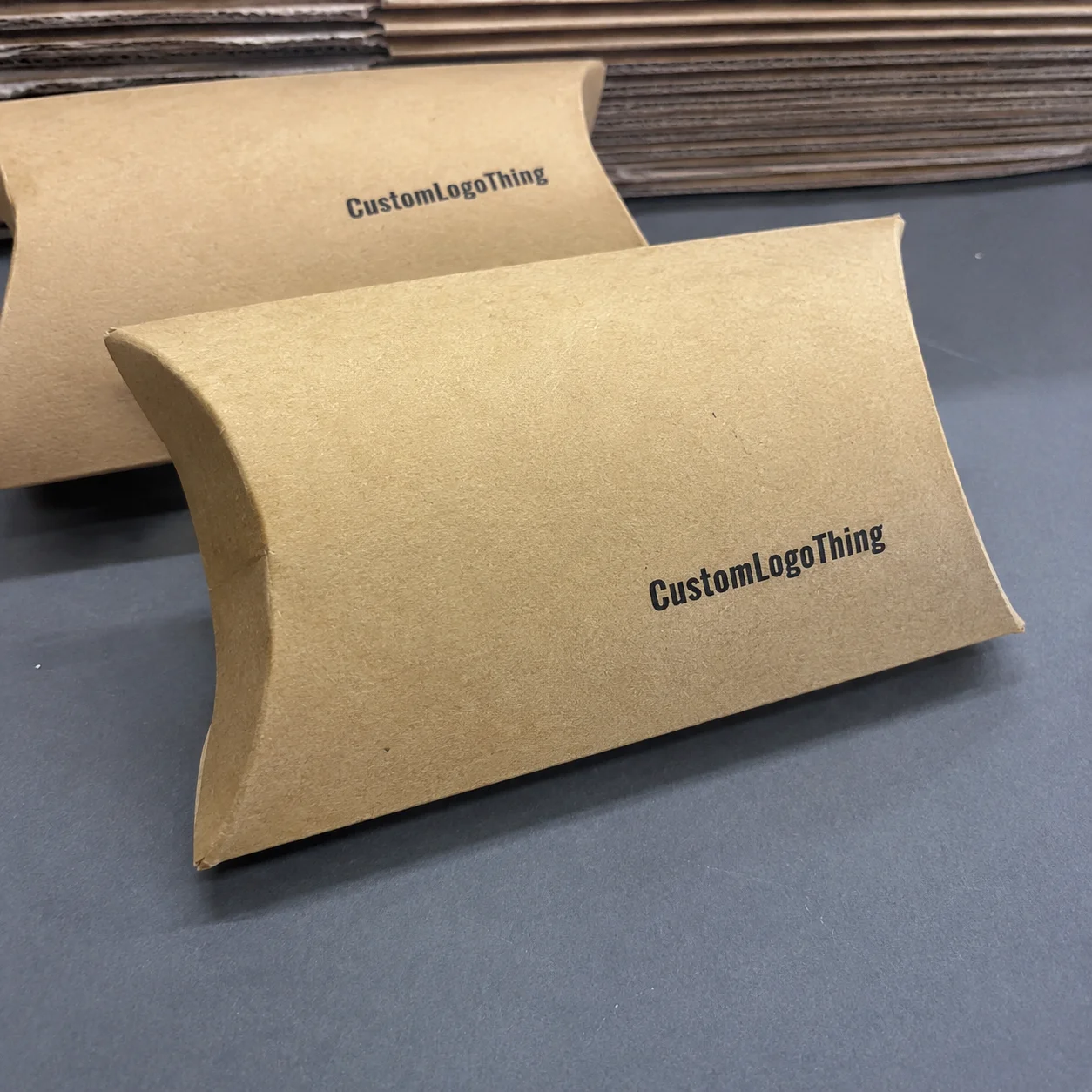
Kraft gets underestimated because people hear “brown box” and think basic. Wrong. Printed kraft folding cartons can look premium, natural, and retail-ready when the structure, ink coverage, finish, and board thickness are chosen properly. A one-color black logo on 350gsm kraft board can look cleaner than a chaotic full-color print on thin white paperboard. Simple is not the same as lazy.
Bulk ordering is the serious buyer move because it improves unit cost, color consistency, inventory planning, and reorder control. A custom kraft folding cartons bulk order also gives you enough packaging to support actual sales instead of playing the weekly emergency reorder circus. Everyone loves rush freight until they see the invoice.
This guide helps you make practical decisions before asking for a quote: carton style, board thickness, print method, finish, insert needs, MOQ, pricing drivers, proofing, and production timeline. Kraft cartons are not magic. Bad dielines, weak board, muddy ink, vague specs, and sloppy folding will still ruin them. The goal is clean product packaging that ships, stacks, prints, and sells properly.
What Kraft Folding Cartons Are Best For
Kraft folding cartons are flat-packed paperboard boxes that fold into shape for retail shelves, ecommerce orders, promotional kits, cosmetics, candles, soap, dry food-safe goods, stationery, small electronics accessories, and subscription products. They are lighter than corrugated shippers and more brandable than generic stock boxes.
They work especially well for natural products, handmade goods, organic-positioned brands, refill packaging, minimalist retail lines, and brands that want a warmer look than white SBS cartons. If your brand voice is earthy, practical, low-waste, or craft-driven, kraft usually supports that story without shouting. Good packaging design should know when to shut up.
Common structures include straight tuck end, reverse tuck end, auto-bottom cartons, sleeve cartons, mailer-style folding cartons, window cartons, and custom die-cut openings. Straight tuck cartons are clean for cosmetics and small goods. Reverse tuck is efficient and common. Auto-bottom cartons cost more but speed up packing because the bottom snaps into place. Sleeve cartons are useful for trays, soap bars, and two-piece presentation.
Kraft is not the right fit for every product. Heavy glass items usually need inserts or a corrugated shipper. Refrigerated wet products may need coating or a different material. Luxury products that require crisp white color matching often perform better on white SBS or CCNB with lamination. Folding cartons are also not designed to carry major shipping loads like corrugated mailers or master cartons.
Retail and ecommerce requirements are different. Retail cartons need shelf face planning, barcode placement, hang-tab options, readable claims, and clean panel hierarchy. Ecommerce cartons need crush resistance, insert support, and compatibility with outer shippers. The correct carton is chosen by product size, weight, sales channel, presentation goal, and packing speed. Not by whatever template someone downloaded five minutes before lunch.
For broader format planning, Custom Logo Things lists related Custom Packaging Products that can pair with kraft cartons, including mailers, sleeves, labels, and branded accessories.
Board, Printing, Finishes, and Structural Specs That Matter
A useful quote starts with useful specifications. Prepare the finished carton size, product weight, board grade, board thickness, print coverage, coating, inside printing needs, insert requirements, window material, glue style, and packing orientation. If that sounds detailed, good. Cartons are physical objects, not vibes.
Board thickness matters more than many buyers expect. Lighter kraft paperboard can work for small soaps, tea packs, sample kits, stationery, and lightweight retail goods. Heavier kraft board is better for candles, jars, cosmetics, and products that need a stiffer shelf presence. Typical folding carton board may range from about 300gsm to 450gsm, depending on size and product weight. Some projects use thicker or specialty board, but thicker is not automatically better if it cracks on folds or slows packing.
Kraft printing has its own personality. Black, white, navy, forest green, burgundy, and darker spot colors usually look strong. Pale colors shift because kraft board has a brown base. Cream becomes warmer. Light blue can look gray. Pastels can get muddy fast. If exact pale colors matter, use a white ink underbase or switch to white board. Yes, it adds cost. No, the press cannot politely ignore physics.
Print options usually include one-color logo printing, spot color printing, CMYK process printing, and full-panel coverage. One-color Custom Printed Boxes are clean and budget-friendly. Spot colors help with repeat consistency. CMYK works for illustrations and detailed artwork, though color expectations should be realistic on kraft. A press proof or production sample is the grown-up choice if color is critical.
| Option | Best Use | Typical Cost Impact | Buyer Warning |
|---|---|---|---|
| One-color logo print | Minimalist retail packaging, soap, candles, dry goods | Lowest setup and print cost | Limited shelf impact if the carton has no shape or finish detail |
| Spot color print | Brand colors that need repeat consistency | Moderate, based on ink count | Light colors may shift on kraft without white ink |
| CMYK full-color print | Illustrations, patterns, photographic artwork | Moderate to higher | Color will not match white-board output exactly |
| Foil, embossing, or spot UV | Premium package branding and gift-ready cartons | Higher due to tooling and extra process steps | Requires cleaner artwork and longer proof review |
Finish options include matte aqueous coating, gloss coating, soft-touch lamination, spot UV, foil stamping, embossing, debossing, and die-cut windows. Matte aqueous coating is practical for many kraft cartons. Gloss can make graphics pop but may fight the natural feel. Soft-touch feels premium, although it can scuff depending on handling. Foil on kraft looks sharp when used with restraint. Structural details such as dust flaps, lock tabs, hang holes, display windows, inner trays, and product inserts can reduce damage and improve the unboxing experience.
Practical rule: if the product is fragile, oddly shaped, glass, or gift-priced, discuss the insert before discussing the fancy finish. A shiny carton with a rattling product inside is just expensive disappointment.
Pricing, MOQ, and Unit Cost Factors Buyers Should Expect
Pricing depends on size, board thickness, print method, ink coverage, finish, carton structure, quantity, packing method, and freight. Anyone quoting accurately from only a product name is guessing. Convenient, yes. Still guessing.
Simple printed kraft folding cartons may start around several hundred to one thousand units depending on the structure and print setup. Custom sizes, specialty finishes, die-cut windows, food-contact coatings, inserts, or unusual locking structures usually push minimums higher. A custom kraft folding cartons bulk order at 500 pieces will not price like 5,000 pieces because setup, plate, dieline, and press preparation costs need somewhere to go.
Bulk orders reduce unit cost because fixed costs spread across more cartons. The carton does not magically become cheaper because the printer likes you. The math simply improves. A small run might land around $0.70 to $1.80 per carton for a custom structure with moderate printing, while a larger run may drop into the $0.25 to $0.75 range depending on size, board, finish, and freight. Tiny cartons can cost less. Large premium cartons can cost much more. Annoying answer. Accurate answer.
Ask for two to four quantity breaks, such as 500, 1,000, 2,500, and 5,000 units. If you sell steadily, 5,000 may make sense. If you are testing a new SKU, 500 or 1,000 may be safer even with a higher unit cost. Inventory sitting in a storage room is not savings. It is cardboard rent.
Do not chase the lowest unit price blindly. Thin board, loose folding, weak glue, muddy printing, and poor master carton packing create returns, repacks, retail rejection, and customer complaints. A cheaper carton that causes a 3% damage or return issue can become more expensive than a better carton with a higher unit price.
Extra cost items often include custom dielines, prototypes, freight, rush production, inside printing, foil stamping, embossing, debossing, spot UV, window patching, food-grade coatings, insert trays, and special packing. Buyers ordering through Wholesale Programs should still request clear line items so quantity discounts do not hide structural compromises.
Artwork, Dielines, and Prepress Details That Prevent Expensive Rework
Before production, gather final logo files, brand colors, barcode, legal copy, recycling marks, product claims, ingredient panels, nutrition panels if relevant, and exact product dimensions. If a regulation applies to the product, handle that copy before artwork approval. Printers print what is approved; they are not your legal department.
A dieline is the technical map of the carton. It shows cut lines, fold lines, glue flaps, bleed, safe zones, panel orientation, and window placement. Artwork must be built to the correct dieline, not pasted randomly onto a rectangle. Panels rotate. Glue flaps hide. Tuck flaps fold inward. That cute logo placement can disappear inside the box if nobody checks orientation.
Use vector logos when possible. Outline fonts. Supply high-resolution images at 300 dpi for print size. Define Pantone colors when color consistency matters. Add bleed, usually around 0.125 inch unless the printer specifies otherwise. Keep key text away from scores and edges. Check spelling before approval. Revolutionary advice, apparently still necessary.
Kraft-specific prepress deserves extra attention. White ink underbases can brighten graphics, but they add cost and must be trapped correctly. Light colors lose contrast on brown board. Small reversed-out type can fill in if the ink coverage is heavy. A digital proof checks layout; it does not prove how ink will behave on kraft stock. If exact appearance matters, request a physical proof or production-grade sample.
Barcode placement also needs discipline. Leave quiet zones around the barcode, avoid placing it across fold lines, and test scanability on a printed sample. Retail partners may require specific barcode sizes, country-of-origin copy, warning statements, recycling marks, or claim formatting. Organizations such as the Forest Stewardship Council provide guidance around certified paper sourcing, while distribution testing standards from ISTA are useful for brands shipping cartons inside ecommerce systems.
Prototype review should be boring and strict. Test product fit. Check flap closure. Confirm shelf orientation. Scan the barcode. Shake the carton gently. Pack ten by hand and time the process. If assembly confuses one trained person, it will annoy a warehouse team after 1,000 units.
Production Timeline and Lead Time From Quote to Delivery
A typical custom carton process includes quote request, specification confirmation, dieline creation, artwork setup, proofing, sample or prototype approval, bulk production, quality control, packing, and shipping. Each step has a job. Skipping one usually pushes the problem into a more expensive step later.
Simple repeat orders can move faster because the dieline, artwork, material, and finish notes are already approved. New custom carton projects usually need more time for measurement, dieline work, proof review, sampling, and production scheduling. A realistic new project often needs 12 to 25 business days after proof approval for production, depending on complexity and capacity. Add shipping time on top. International freight, special finishes, or large quantities can extend that range.
Orders slow down for predictable reasons: incomplete dimensions, late artwork changes, unclear color expectations, specialty finishes, custom window patching, inserts, seasonal production congestion, and freight delays. If the buyer changes the carton size after the dieline is built, the timeline moves. If the logo is a blurry PNG pulled from a website header, prepress moves slower. Shocking, I know.
Proofing options matter. Digital proofs are faster and useful for checking layout, spelling, orientation, and barcode placement. Physical samples are better for structure, board feel, color reality, and product fit. If the product is fragile, retail-facing, premium-priced, or tightly fitted, skipping a sample can be a very expensive shortcut.
Rush orders may be possible for simple structures, available board, and basic print. The tradeoff is usually fewer finish options, less sampling time, tighter approval windows, and less flexibility if something looks wrong. A custom kraft folding cartons bulk order can move quickly only when the specs are clean and the buyer responds quickly.
Prepare early. Finalize specs, consolidate feedback, approve proofs quickly, and plan reorders before inventory drops too low. Packaging emergencies are usually planning problems wearing a fake mustache.
Quality Checks Before Approving a Bulk Carton Run
Approve more than the design. A good-looking carton can still fail if the board is too thin, the tuck tab slips, the glue seam pops, or the product rattles inside. Pretty mockups do not pass a drop, stack, scan, or packing-line test by themselves.
Structural checks should include product fit, closure strength, flap alignment, carton squareness, stacking performance, insert fit, window placement, and normal handling survival. If the carton uses a hang tab, test it with the filled product weight. If the carton has a display window, check whether the film pulls, wrinkles, or blocks the product view.
Print checks should include logo sharpness, color contrast on kraft board, registration, ink coverage, scuff resistance, coating consistency, and readability of small text. Fine type under 6 pt can become risky depending on ink, board texture, and print method. Metallic foil should be checked for clean edges and proper pressure. Embossing should align with artwork, not wander around like it had other plans.
Packing and fulfillment checks are just as important. Cartons should ship flat if that helps storage, fold easily on the packing line, avoid confusing assembly steps, and fit efficiently into master cartons or ecommerce shippers. A carton that saves $0.06 but adds 20 seconds of assembly time can lose money fast at scale.
Retail checks include barcode scan testing, front panel impact, shelf orientation, hang-tab strength, compliance text, and batch consistency. Open several cartons from different points in the run, not only the top sample. Color drift, weak glue, and die-cut variance often show up across the batch, not in the prettiest approval sample.
Custom Logo Things focuses on practical quality: cartons that print cleanly, fold correctly, pack efficiently, and make the product look worth buying. That is the whole point of branded packaging. Not decoration. Sales support.
Next Steps to Get a Clean Quote and Production-Ready Order
A clean quote starts with clear inputs. Send the carton style, product dimensions, product weight, desired quantity, print colors, finish preferences, shipping destination, deadline, and whether samples are needed. If you do not know the carton style yet, send the product details and sales channel. A good packaging team can recommend options from there.
Ask for quantity breaks instead of one lonely number. Compare 500, 1,000, 2,500, and 5,000 units if those volumes fit your sales plan. That shows where the unit cost becomes more attractive and where inventory risk starts getting silly. For a custom kraft folding cartons bulk order, the best quantity is not always the biggest quantity. It is the quantity that matches cash flow, storage, reorder timing, and sales velocity.
Send product photos or a current box if available. Existing packaging tells the manufacturer what worked, what failed, and what needs to improve. A crushed corner, loose insert, bad tuck flap, or hidden barcode gives useful clues. If replacing a stock carton, include the current dimensions and any complaints from customers, retailers, or fulfillment staff.
Confirm three practical details before payment: final dieline approval, sample or proof approval, and the shipping carton plan. These are boring. They also prevent expensive nonsense. Make sure the approved file name, material spec, coating, finish, and packing method are documented so the production order matches what was quoted.
Reorders get easier when the dieline, approved artwork, material specs, Pantone colors, finish notes, barcode file, and carton packing details stay on file. Repeat runs still need review, but they should not restart from zero. For general ordering questions, the FAQ can help clarify common file, proof, and production details.
For a custom kraft folding cartons bulk order, send the size, quantity target, artwork status, deadline, and shipping location. Then the quote can be built around facts instead of wishful thinking.
FAQs
What is the typical MOQ for custom kraft folding carton bulk orders?
MOQ depends on carton size, print method, structure, and finish, but many custom kraft carton projects start around several hundred to one thousand units. Specialty finishes, custom inserts, windows, or unusual structures usually push the minimum higher. Ask for multiple quantity breaks so you can compare unit cost against storage space and sales volume.
How much does a custom kraft folding carton cost per unit?
Unit cost is driven by board thickness, carton size, print coverage, finish, dieline complexity, order quantity, and freight. Larger bulk orders usually lower the unit cost because setup and production costs are spread across more cartons. For an accurate quote, provide dimensions, quantity, artwork, finish requirements, and delivery location.
Can kraft folding cartons be printed in full color?
Yes, kraft folding cartons can be printed in full color, but colors appear warmer and darker because kraft board has a brown base. White ink underbase can improve color brightness, though it adds cost. If exact pale colors or bright whites are critical, white paperboard may be a better material choice.
How long does production take for bulk kraft folding cartons?
Timeline depends on dieline creation, artwork approval, sampling, production schedule, finishing, quality control, and shipping. Repeat orders with approved files are usually faster than new custom projects. Special finishes, windows, inserts, and delayed proof approvals can extend lead time.
What information do I need to quote a custom kraft carton order?
Provide finished carton dimensions, product size and weight, quantity, print requirements, finish preferences, shipping destination, and deadline. Send artwork files if available, preferably vector logo files and any required barcode or compliance copy. If you are replacing an existing box, send photos or a sample so the structure can be matched or improved.