What an apparel foam trucker hats supplier really adds
If you are sourcing promotional headwear, an Apparel Foam Trucker Hats supplier is doing more than moving blanks from a shelf to a carton. The best suppliers turn a simple foam-front cap into a product that prints cleanly, holds shape, and lands on time. That matters because foam-front truckers are judged fast. A logo that reads clearly from across a booth or parking lot usually wins the order before anyone touches the hat.
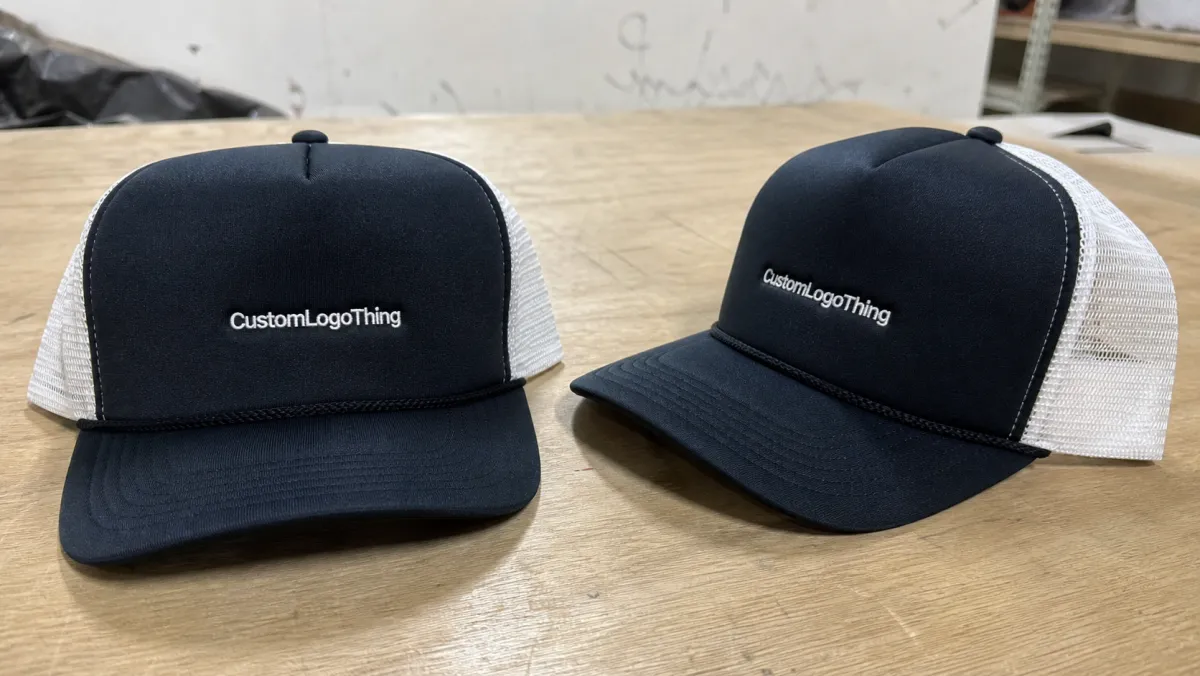
The basic construction is familiar: a structured foam front, mesh rear panels, a curved or pre-curved visor, and an adjustable snapback. The appeal is practical. Mesh adds airflow, the front panel offers a flatter print surface, and the closure makes the fit forgiving across a wide audience. For giveaways, event merch, and retail capsules, that combination is hard to beat.
What separates a capable supplier from a pass-through reseller is control over details that buyers often do not see. They should know which foam thickness works with which decoration method, whether the front panel needs a softer hand for wearability, and how much color shift is acceptable between foam, mesh, brim, and closure. They should also be able to warn you when a logo is too small for the panel or when a heat-sensitive transfer could warp the front.
That kind of guidance saves money. It also keeps the order from drifting into rework territory. A cap program looks simple on paper, but the difference between a useful bulk buy and a headache usually comes down to spec discipline, proof accuracy, and whether the supplier can catch problems before production starts.
A foam-front trucker is unforgiving in a useful way: if the panel is right, the logo pops; if it is off by a few millimeters, the cap looks cheaper than it should.
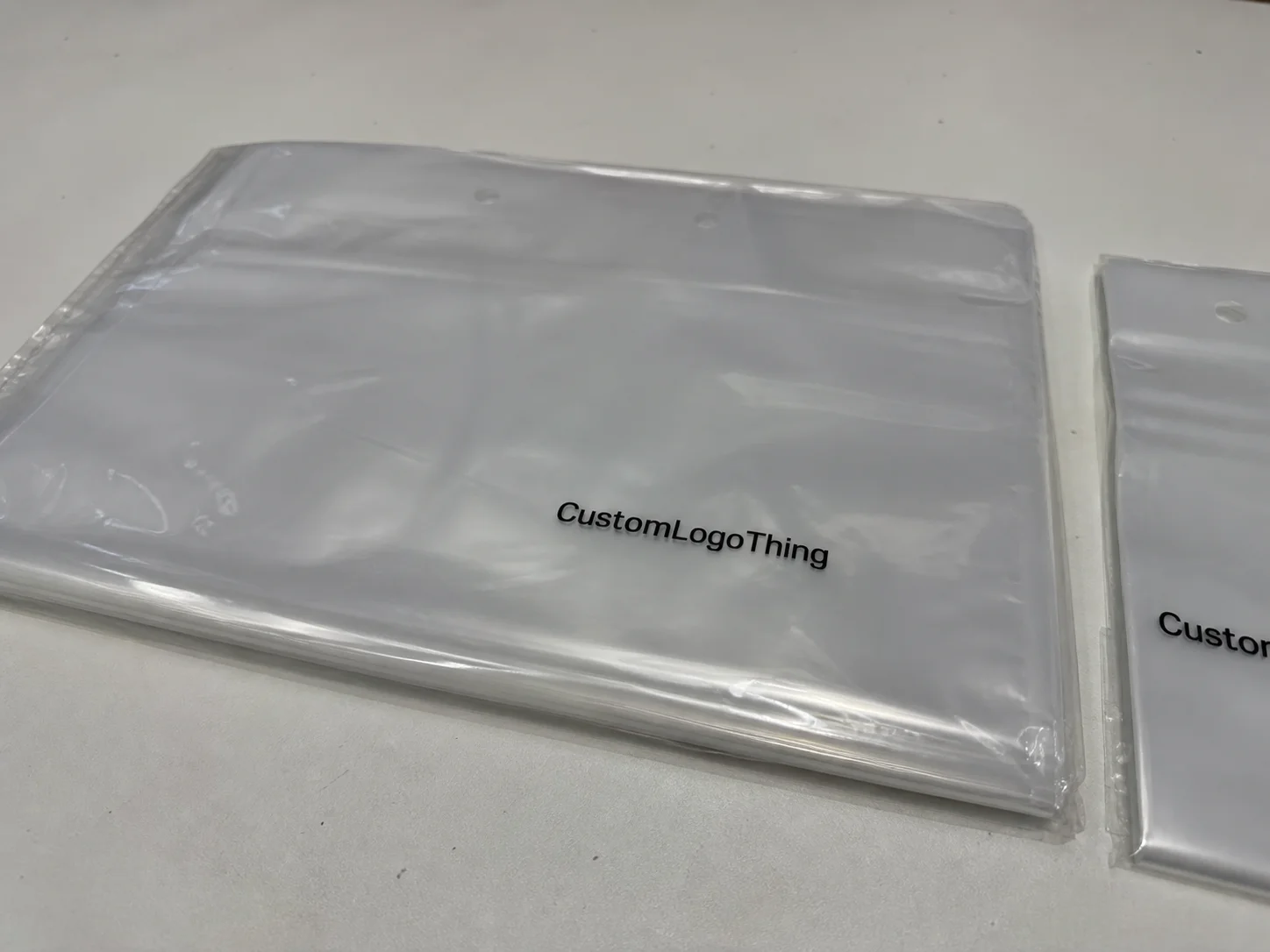
Experienced buyers also think beyond the hat itself. How will cartons stack? Will the front panels crush in transit? Are the caps being packed flat, nested, or lightly stuffed to hold shape? Those are not trivial questions. A product that looks crisp in a factory photo can arrive with dented foam or bent brims if the packing method is rushed.
How the production process and timeline usually unfold
The process usually starts with a quote request, but the quality of that request affects everything that follows. A useful brief includes cap style, color target, quantity, logo file, decoration position, packaging preference, and target delivery date. If any of those are vague, the first round of pricing often comes back with assumptions that do not match the buyer’s intent.
Most orders move through the same sequence: inquiry, pricing, artwork review, proof approval, sample or preproduction reference if required, bulk production, quality inspection, packing, and freight booking. That is the clean version. In practice, the slowdowns are predictable. Vector files need cleanup. A buyer takes several days to approve a proof. A sample comes back with a logo that is slightly high on the panel, or a closure color that clashes more than expected. Once production begins, even a small change can disrupt the whole schedule.
Lead time should be discussed in two separate buckets: production and transit. A stock foam trucker order may leave the factory in roughly 7 to 12 business days after proof approval if the body and decoration are straightforward. Semi-custom programs often run 12 to 18 business days. Fully custom builds can push beyond 20 business days, especially if the supplier is sourcing custom-dyed components, specialty labels, or packaging inserts. Freight adds another layer, and that layer is often the one buyers underestimate.
For a trade show or launch date, it is safer to plan around the ship date and the delivery method, not the factory finish date. Air freight can cut time but raises cost sharply. Ocean freight is economical on larger orders but has little tolerance for late approvals. If the hats must arrive on a hard deadline, a buffer of several business days is cheap insurance.
Sample approval is worth the time. It is not just a formality. On foam-front caps, small issues like panel alignment, print saturation, or a closure that sits oddly can be easy to miss in a mockup and obvious in hand. A preproduction reference also helps confirm how the foam rebounds after handling, which matters more than many buyers expect.
For shipping and distribution planning, it helps to think the way packaging teams think. The ISTA testing framework is a useful reminder that a product is not truly finished until it survives transport, stacking, and handling. If your program includes hang tags, belly bands, or inserts, paper sourcing matters too; an FSC-certified option can support brand claims without changing the cap construction itself.
Specs that change comfort, structure, and decoration results
Foam Trucker Hats look simple until you start comparing spec sheets. The foam front is the first variable to watch. Thickness, firmness, and surface finish affect how the cap sits on the head and how the decoration behaves. A firmer front usually gives a cleaner visual result, while a softer panel can feel more relaxed but may show dents faster after packing or heavy handling.
The mesh is not just a background material. Mesh density changes airflow, silhouette, and how rigid the crown feels. Stiffer mesh helps the hat hold its shape longer. Softer mesh often feels easier to wear but can collapse a little when the carton is underpacked. Even color matching can be deceptive; two materials can both be called “black” and still look different once light hits the surface.
Brim shape and crown height shape the personality of the hat. A taller crown usually reads more promotional and more retro. A lower profile can feel closer to a fashion piece. Curved brims are broadly wearable and easier to hand out in volume, while flatter brims skew streetwear. None of those choices is automatically better. The right build depends on whether the cap is meant for a festival, a merch table, or a retail shelf.
Decoration compatibility is where weak planning shows up fast. Foam fronts do not react like cotton twill or brushed canvas. Screen print can work well for bold graphics if the ink system and curing are tuned correctly. Heat transfer needs a low-temperature approach or the panel can distort. Embroidery may be fine for small, bold marks but can pucker if the stitch density is too high. Patches and woven labels add texture and depth, though they also add steps and can change the unit cost quickly.
Logo size matters more than many buyers expect. Tiny type and thin lines tend to disappear on foam because the surface likes strong shape and contrast. A logo that looks elegant on a T-shirt can look underpowered on a cap front. It is usually better to enlarge simple elements than to force too much detail into a narrow panel.
Here is a practical comparison of common build levels:
| Option | Typical use | Approx. unit price | What to watch |
|---|---|---|---|
| Stock foam trucker blank | Fast giveaways, simple promo runs | $2.10-$3.25 | Limited color choices, fewer decoration options, fastest turnaround |
| Semi-custom foam trucker hat | Brand merch, local events, retail trials | $3.20-$5.10 | Some custom colors or labels, moderate MOQ, better branding control |
| Fully custom cap program | Retail drops, larger brand programs | $4.80-$7.50+ | Higher setup effort, longer approval cycle, tighter spec control |
Those prices are directional and usually exclude freight, special packaging, and rush charges. They are still useful because they show how fast the economics change once you add custom colorways, labels, inserts, or a more complex decoration method. A buyer paying for a premium patch and retail presentation should not expect the same price as someone ordering a plain one-color imprint on a stocked body.
Cost, MOQ, and quote details to compare before you buy
Price becomes easier to judge once the cost drivers are visible. On a foam trucker hat order, the biggest inputs are cap construction, decoration complexity, color count, packaging, and whether the supplier is pulling from stocked components or building around your spec. Every extra custom detail adds coordination. Sometimes that extra coordination is worth it. Sometimes it just makes the quote noisier.
MOQ is another point where buyers can misread the market. Smaller minimums help test a concept without overcommitting, but they usually carry a higher unit price. Larger runs spread labor and setup over more units, so the cost per cap drops. A quote for 100 hats and a quote for 1,000 hats often look like they came from different suppliers because the production logic is different.
When comparing an apparel Foam Trucker Hats supplier, read the quote line by line. Sample fees, digitizing or setup charges, proofing, inserts, individual polybags, and freight can all sit outside the headline unit price. Two quotes can appear close and still be built on different assumptions. One may include packaging and the other may not. One may price air freight and the other sea freight. That is not a small detail; it changes the real landed cost.
A clean comparison starts with a matching spec sheet. Ask each supplier to quote the same closure type, the same logo dimensions, the same decoration position, the same packing method, and the same delivery terms. If one quote includes individual bagging and another only includes bulk packing, the lower number is not actually lower. It is just incomplete.
Buyers often want a faster way to read the offer, so these patterns help:
- Stock blank: lowest risk, fastest turnaround, least control over branding details.
- Semi-custom: balanced for most promotions, with better visual identity and moderate lead time.
- Fully custom: best for retail positioning or tight brand standards, but it needs stronger planning and more approvals.
Ask about payment terms too. A deposit structure can affect cash flow, especially on larger runs. It is also worth asking whether the supplier can hold a repeat spec on file. That does not always shorten the first order, but it can make the second one much easier to place and much harder to misquote.
A final pricing caution: cheap foam-front caps can be expensive later if the front panel crushes in shipping or the decoration cracks after a few wears. A slightly higher unit price is often easier to defend than a replacement run.
Step-by-step ordering plan for bulk cap buyers
The cleanest ordering process starts with the use case. Retail shelf, trade show giveaway, team program, summer festival, brand activation: each one pushes the spec in a different direction. Retail usually needs cleaner finishing and stronger packaging. Giveaways lean toward unit cost and speed. Event merch sits in the middle and tends to reward a good balance of cost, appearance, and wearability.
Gather the inputs before you ask for pricing. Send the logo in vector format, list Pantone values or color references, identify the decoration position, and state the target quantity. If you want a softer sweatband, a different snapback color, custom labeling, or retail-ready packing, mention it early. Suppliers can work around a clear brief. They struggle with “whatever you think is best.”
Once the proof arrives, review it like a production file, not a mockup. Check logo width, panel alignment, crown proportion, visor shape, and whether the decoration method suits the foam front. If the supplier adds a note about tolerances or material variation, read it closely. Those notes are often there because the component being used has a known limitation.
If the order matters, request a sample or preproduction reference. That extra round gives you a real view of foam recovery, mesh quality, print finish, and how the hat sits in hand. It also exposes problems that render files hide, such as a closure that feels flimsy or a front panel that bends too easily. After approval, lock the schedule and shipping method. Production can finish on time and still miss the event if freight is booked badly.
For most bulk buyers, the best supplier is the one that repeats the spec back clearly. That sounds basic, but it is a strong sign of execution quality. If the vendor can restate the cap body, decoration method, carton count, packaging plan, and timing without drifting, you are probably dealing with an apparel foam trucker hats supplier that understands bulk production rather than just quoting a blank cap.
Common mistakes that create delays or weak decoration
The first mistake is giving the supplier a vague brief. “Make it pop” is not a production instruction. Foam truckers need direction on structure, color, artwork, closure, and packaging. If the supplier has to interpret too much, the proof cycle slows down and the final result usually gets flatter than expected.
The second mistake is choosing a decoration method before confirming material compatibility. A technique can look perfect in a digital mockup and still fail on the actual front panel. Heat and pressure are the main risks. Too much heat can warp the foam. Too much pressure can leave a permanent dent. Thin graphics can also lose edge definition when the panel flexes.
Artwork quality matters more than many buyers think. Low-resolution files, tiny type, and intricate linework are a poor match for foam fronts because the surface favors bold shapes and readable contrast. If a logo depends on hairline detail to make sense, it probably needs simplification before production starts. That is not a design failure. It is a material constraint.
Last-minute changes are expensive. A small tweak to color, closure, logo placement, or packaging can send the order back through proofing and, in some cases, trigger new component sourcing. Even a shift in carton count or bagging method can affect packing efficiency. The cost may look minor on a spreadsheet and become meaningful in the factory.
There is also a quieter mistake: approving a sample too quickly because the overall look seems close enough. On foam-front caps, “close enough” is often where quality slips. Check seam placement, logo centering, foam rebound, snap function, and surface finish before you sign off. A few extra minutes at approval can save days later.
Keeping the spec stable is the simplest control. Treat the order like a small production project. Ask questions early. Approve carefully. Hold the line once the green light is given. That discipline usually produces cleaner decoration and fewer surprises in transit.
Expert tips and next steps for a cleaner purchase
Ask every vendor for the same comparison sheet. Keep the scope identical so you can compare price, decoration method, MOQ, packaging, and shipping assumptions on equal ground. That one move clears up a surprising amount of noise, especially when several quotes look similar but are built on different service levels.
Request both a decorated sample reference and a blank cap photo set if possible. The blank images help you judge crown shape, mesh quality, and front panel structure under normal light. The decorated reference shows how the logo behaves on the surface after the material has been pressed, printed, or stitched. Mockups are useful. They are not the whole story.
Build a timing buffer into the schedule. Even a capable supplier can get slowed down by artwork approval, component availability, or freight capacity. A buffer of a few business days is usually enough to absorb small problems without turning the order into a rush job. That is one of the cheapest risk controls in bulk buying.
If your program includes hang tags, belly bands, or inserts, ask about paper sourcing as part of the packaging conversation. Those extras can raise the perceived value of the hat without changing the cap body itself. For buyers building a brand presentation, that small layer of finish often matters more than a slightly more expensive decoration method.
The most reliable next move is to choose an apparel foam trucker hats supplier that can explain the cap body, confirm the decoration method, and keep repeat details on file. That combination makes the first order manageable and the next order faster, which is exactly what busy bulk buyers need from a dependable partner.
What should I ask an apparel foam trucker hats supplier before I order?
Ask about foam thickness, mesh style, closure type, decoration method, MOQ, sample cost, production time, and whether shipping is included. Confirm packaging too, since bulk packing and individual bagging can change both cost and transit damage risk.
What is the usual MOQ for foam trucker hats from a supplier?
MOQ depends on the body and decoration method, but stock programs may start around 100 to 300 pieces while more custom builds often begin higher. The real question is not just the minimum; it is whether the quoted minimum applies to one colorway, one logo, or one total style.
Which decoration method works best on foam front trucker hats?
Bold screen print, low-temperature transfer, simple embroidery, and sewn patches are all common options, but the right choice depends on the panel finish and logo detail. Fine lines and small text usually perform worse than larger shapes with strong contrast.
How long do foam trucker hat orders usually take?
Stock orders can move relatively quickly once the proof is approved, while semi-custom and fully custom programs usually need more time for sourcing and inspection. Add freight time on top of production, and keep a buffer if the hats are tied to an event or launch.
How do I compare two foam trucker hat supplier quotes fairly?
Make sure both quotes use the same hat structure, decoration method, logo size, quantity, packaging, and delivery terms. Check for differences in sample fees, setup charges, freight, and bagging because those hidden items often explain most of the price gap.