Gift Tag Stickers personalized solve a practical packaging problem: you want the look of a tag, but not the loose piece, string, or assembly step. They keep the package clean, reduce handwork, and make it easier to place branding or short custom details exactly where they need to be.
That becomes important quickly when you are packing at scale. A sticker-backed tag can carry a logo, name, date, message, flavor note, or product code while staying fixed to the package and aligned the same way every time.
Why Gift Tag Stickers Personalized Can Outperform Loose Tags
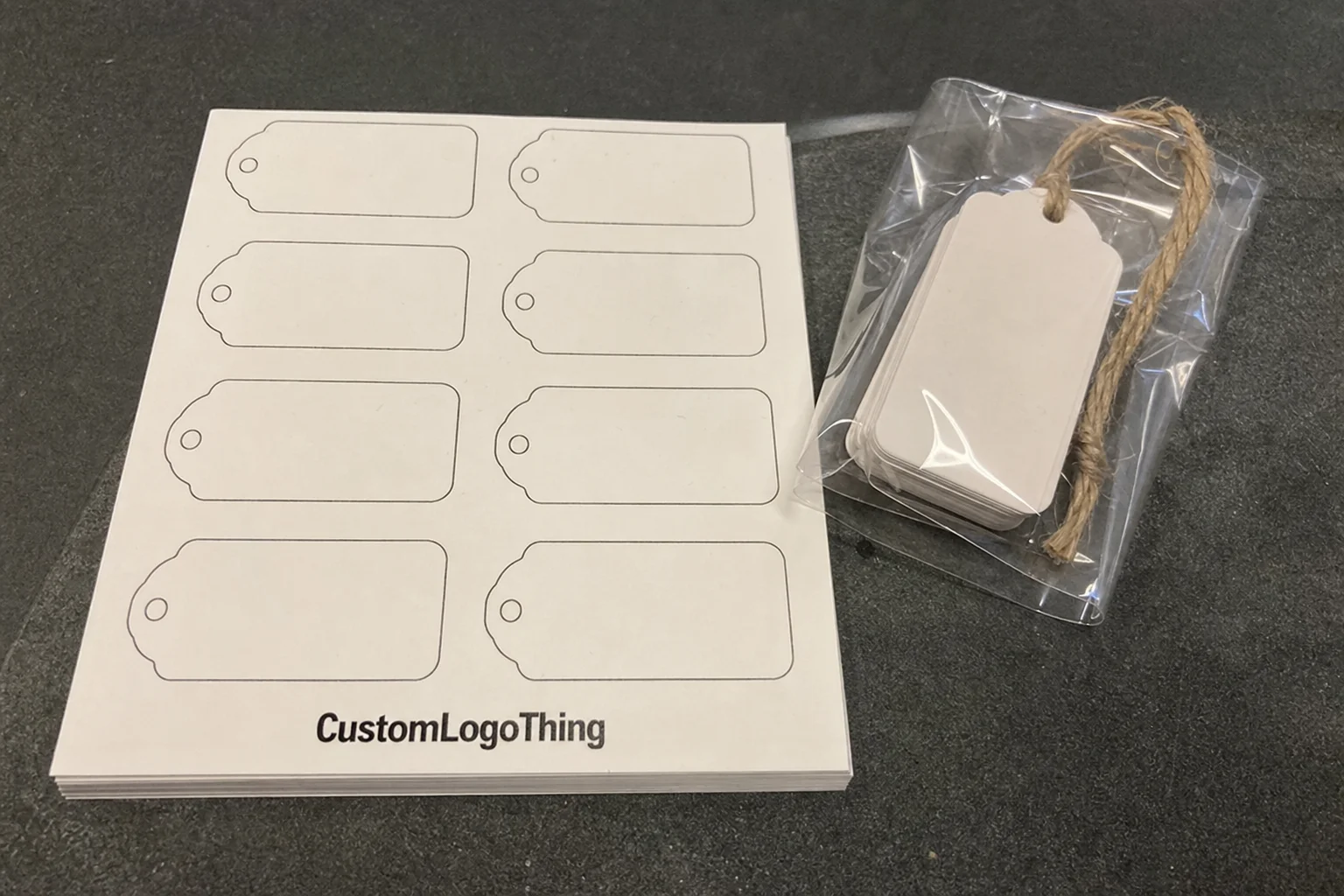
A loose hang tag still has value. It can look premium, hold more copy, and create a tied-on presentation. But it also adds an extra attachment step, which slows packing and creates more chances for crooked placement, torn holes, or missing pieces.
Sticker-backed tags remove that step. They are easier to stack, ship, and apply in a repeatable way, which matters for retail cartons, bakery boxes, pouches, event favors, and mailers that need a finished look without extra labor.
This format is also useful for short-run personalization. Names, table numbers, dates, QR codes, and batch identifiers can be added directly without a separate insert. For small orders, that keeps production simpler and the packaging more consistent.
The key decision is not whether a tag looks nice. It is whether the format fits the package, survives handling, and reduces labor. If those boxes are checked, the sticker-backed version usually has the edge.
Common uses include:
- Retail cartons that need a branded seal.
- Bakery boxes with flavor, allergen, or occasion details.
- Wedding and event favors with names or table references.
- Subscription mailers with seasonal notes or short thank-you messages.
- Small launches that need a premium look without a separate tag run.
Shape, stock, finish, and adhesive all affect the result. A round tag-style sticker feels softer and more gift-oriented, while a rectangular die-cut usually reads more structured and retail-focused. If you want to compare format options, the product mix on Custom Labels & Tags is a useful starting point.
How the Sticker-and-Tag Format Works
Most versions use three parts: a printable face stock, an adhesive layer, and a release liner. The face stock can be paper, film, or a specialty material. The adhesive may be permanent, removable, freezer-safe, or suited to rougher surfaces. Some jobs also use die-cut shapes or perforations when the design needs a tear-away feature.
There are usually two production modes. Fixed-layout pieces repeat the same design across the full run. Variable-data pieces change names, dates, serial numbers, or short messages from piece to piece. Variable printing is useful, but it needs tighter setup and cleaner file control.
There is also a difference between a decorative tag sticker and a functional packaging label. Decorative versions can prioritize texture, finish, and mood. Functional versions have to handle shipping, refrigeration, moisture, repeated touch, or rougher packing conditions. If the adhesive is wrong for the surface, the edges can lift or the piece can shift before it sets.
Surface type matters more than many buyers expect. Clean, dry carton stock gives the best bond. Kraft paper, textured board, and soft-touch laminates all change how adhesive grabs and how the finish reads under light. Matte tends to feel warmer and more handmade. Gloss gives stronger contrast and sharper color. Neither is inherently better.
Traditional hang tags still make sense when you need a tied-on premium look or more room for text. But if speed, consistency, and pack-out efficiency matter more, sticker-backed tags usually make more sense.
Cost and Pricing Factors to Compare Before Ordering
Pricing for gift tag stickers personalized usually comes down to quantity, size, shape complexity, stock choice, print method, finish, and whether the order includes variable data. A quote is only useful if you know what is inside it, so ask about die charges, plate charges, setup, proofing, packing format, and freight before comparing suppliers.
Small runs usually cost more per piece because setup is spread over fewer units. Larger runs lower the unit price, but they also increase storage needs and can leave more inventory on hand than you actually need. For a seasonal launch or one-time event, a lower unit cost does not always mean a smarter purchase.
Special finishes add cost quickly. Foil, embossing, soft-touch lamination, and textured papers all improve the presentation, but they also add process steps and can affect scheduling. A simple logo on smooth uncoated stock may cost far less than a custom-shaped piece with metallic detail. That difference is normal.
| Option | Typical unit impact at 5,000 pcs | Best fit |
|---|---|---|
| Uncoated paper stock | $0.12-$0.20 | Handmade, natural, writable presentation |
| Gloss coated stock | $0.15-$0.24 | Retail packaging with strong color and contrast |
| Soft-touch laminated stock | $0.22-$0.36 | Premium gift sets and high-touch packaging |
| Textured specialty stock | $0.20-$0.34 | Craft, artisan, and boutique branding |
The table is directional, not a quote. Custom dies, multiple artwork versions, and heavy personalization can move pricing up fast. The better comparison is total cost, not just unit cost. Include production time, assembly time, and the value of a cleaner pack-out.
Production Process and Timeline
A standard production flow starts with file review, then proofing, then material selection, followed by print setup, finishing, cutting, packing, and shipment. The sequence is simple; the hard part is making the file clear enough that nobody has to interpret it.
Most delays come from missing bleed, low-resolution artwork, unclear personalization fields, and versioning mistakes. A design can look fine on screen and still create problems if names wrap badly, the QR code was never tested, or the die line does not match the artwork.
For straightforward artwork and standard sizes, turnaround is usually measured in business days after proof approval. Custom shapes, specialty finishes, and variable data add time. If the schedule is tight, the fastest way to protect it is to approve the file quickly and avoid late changes.
Material handling matters too. Some paper stocks and adhesives need more drying or curing time than others. If a job is packed too soon, the finish can scuff or the adhesive can underperform on arrival. Those issues are easy to miss until the product reaches the customer.
For packaging that has to survive shipping, it helps to think beyond shelf appearance alone. ISTA test methods are commonly used to evaluate shipping stress. Paper sourcing and recycled-content requirements can also affect the spec if the packaging has to align with internal sustainability targets.
“The fastest way to lose time is to approve a file that still needs interpretation. Clear specs save more schedule than any rush fee can buy.”
If you plan to reorder across a season, keep the layout, adhesive, and stock consistent. Reorders move faster when the supplier does not have to decode a new version every time. That is especially helpful when custom label and tag formats are used across multiple SKUs.
Step-by-Step Ordering Guide for Better Results
Start with the package, not the artwork. Decide where the tag will live: carton, pouch, envelope, rigid box, or shrink-wrapped item. Then decide how it will be handled. Will it sit on a shelf, ship in a mailer, get chilled, or be touched repeatedly? Those answers determine stock and adhesive before design matters.
Next, choose size based on actual content. If the piece only needs a logo and one short line, a smaller format may be enough. If it needs personalization, event details, or a QR code, it needs enough open space to stay readable. Crowding too much into a small surface is one of the most common mistakes.
The finish should match the brand story. Uncoated paper works for handmade or natural positioning. Gloss supports bright retail color and sharper contrast. Soft-touch creates a quieter premium feel that suits gift sets and higher-value packaging. If the item will be handled a lot, durability should matter as much as appearance.
Artwork hierarchy matters more than many buyers expect. Put the strongest brand element first, then the personalization field, then supporting detail. If a name or date is the main point, make it easy to read at arm’s length. If there is also a batch code or QR code, keep that secondary and test it before approval.
Before final approval, request a proof and compare it with the actual package. Check spelling, spacing, line breaks, color expectations, and how the sticker will be packed for assembly. A flat sheet, roll, or individually cut piece can all work, but the format has to fit your process. If the order is new or the launch matters, a sample is worth the time.
For sustainability questions, paper can often be sourced to FSC standards. If that matters to your brand, keep the claim accurate and check the fiber source rather than relying on vague “eco” language. Certification details are available from FSC.
Common Mistakes That Raise Cost or Reduce Adhesion
The first mistake is choosing size before seeing the actual package. A piece that looks balanced on a screen can overwhelm a small box or disappear on a large mailer. Mock up the final package first. Scale changes everything.
The second mistake is unreadable personalization. Tiny fonts, thin scripts, and low-contrast colors may look elegant in a layout file, but they can fail once reduced. If names or dates matter, use a clear font and give them room to breathe.
The third mistake is ignoring the surface. Adhesive-backed pieces do not behave well on dusty, oily, wet, or highly textured substrates. Curved surfaces can also lift at the edges if the stock is too stiff or the adhesive is not suited to the package.
The fourth mistake is choosing a premium finish for a package that gets rough handling. High-gloss and soft-touch both look good at first glance, but scuffing can show up fast if the item is stacked, shipped, or rubbed during kitting. Sometimes a simpler stock with better durability is the smarter spend.
If the launch is important, test one sample on the actual package before you commit to the whole run. That single step prevents a lot of expensive surprises.
Versioning is another budget trap. Multiple names, colors, or artwork variants are fine when they are planned properly, but they add cleanup work and make prepress more involved. Gift tag stickers personalized should be set up with a clean variable-data plan from the start, not patched together after the design is basically done.
Expert Tips for Cleaner Branding and Faster Approvals
Use one strong brand signal and stop there. A logo mark, a short line, or a clean monogram usually works better than crowding the surface with too much copy. The best package marks are easy to read from a short distance and still feel balanced on a small format.
Set personalization rules early. Decide how names should be capitalized, how long a line can run, whether titles are included, and what happens when a name is unusually long. That reduces proofing time and keeps the final output from looking uneven across the batch.
Match the finish to the story you want to tell. Natural-looking stocks support handmade products and artisan food packaging. Smooth gloss gives stronger contrast and a more retail-forward look. Soft-touch suggests quiet premium, which can work well for gift sets or higher-value packaging.
Check color under realistic light. A proof on a monitor can look different from a piece on kraft board or matte carton. If the brand uses a specific tone, review the proof under lighting similar to the finished package environment.
If there are multiple SKUs, simplify the number of sizes and layouts. Repeating the same format across variants keeps reorder work easier and makes production more consistent. It also helps keep packaging label specifications on one reference sheet instead of scattered across several spreadsheets and email threads.
For lower-impact packaging choices, ask whether the paper stock can be sourced to FSC standards and whether the adhesive or liner affects local recycling streams. That is more useful than a broad eco claim because it deals with the actual structure of the packaging.
Next Steps Before You Place the Order
Before you Request a Quote, gather five things: size, quantity, artwork files, surface type, and finish preference. If the order is personalized, add the variable fields, character limits, and any formatting rules for names, dates, or codes. One simple spec sheet can cut down the back-and-forth.
Then review a sample or proof against the actual package. This is where scale, color, and placement become obvious. A mockup will show whether the piece feels crowded, whether the logo has enough contrast, and whether the adhesive-backed format suits the surface.
Confirm turnaround time, shipping method, and reorder policy before approval. Those logistics matter because a short print schedule is easy to manage only if nothing changes late. Keep a basic specification sheet for future runs so the next order does not start from zero.
Gift tag stickers personalized should be chosen for the packaging job first and the aesthetic second. If the size fits the pack, the adhesive matches the surface, and the layout is readable, the result usually looks polished without adding extra work.
What are gift tag stickers personalized used for?
They are used to add names, branding, event details, or short product messages directly onto packaging without separate hang tags. They work well for retail boxes, favors, bakery packaging, gift sets, and small-batch shipments where a polished finish matters.
How do I choose the right size for personalized gift tag stickers?
Start with the actual package surface and the amount of text or logo detail you need to fit. Leave enough open space around the message so the tag reads clearly and does not look cramped on the package.
What affects the price of personalized gift tag stickers the most?
Quantity, size, shape complexity, stock choice, and finishing options are usually the biggest pricing drivers. Variable names or multiple artwork versions can add setup time and increase the overall quote.
How long does production usually take for personalized gift tag stickers?
Turnaround depends on artwork readiness, proof approval speed, and how complex the shape or finish is. A clean file and quick approvals usually shorten the timeline significantly compared with jobs that need revisions or sampling.
What is the best material for gift tag stickers personalized for product packaging?
The best material depends on the surface, handling, and brand look you want to achieve. Smooth stocks and durable finishes are better for frequent handling, while textured or uncoated stocks suit handcrafted or natural packaging styles.

